

Biggest discounts, free games, and limited-time offers across every major gaming store.
Never pay full price again.
Twenty years is a long wait
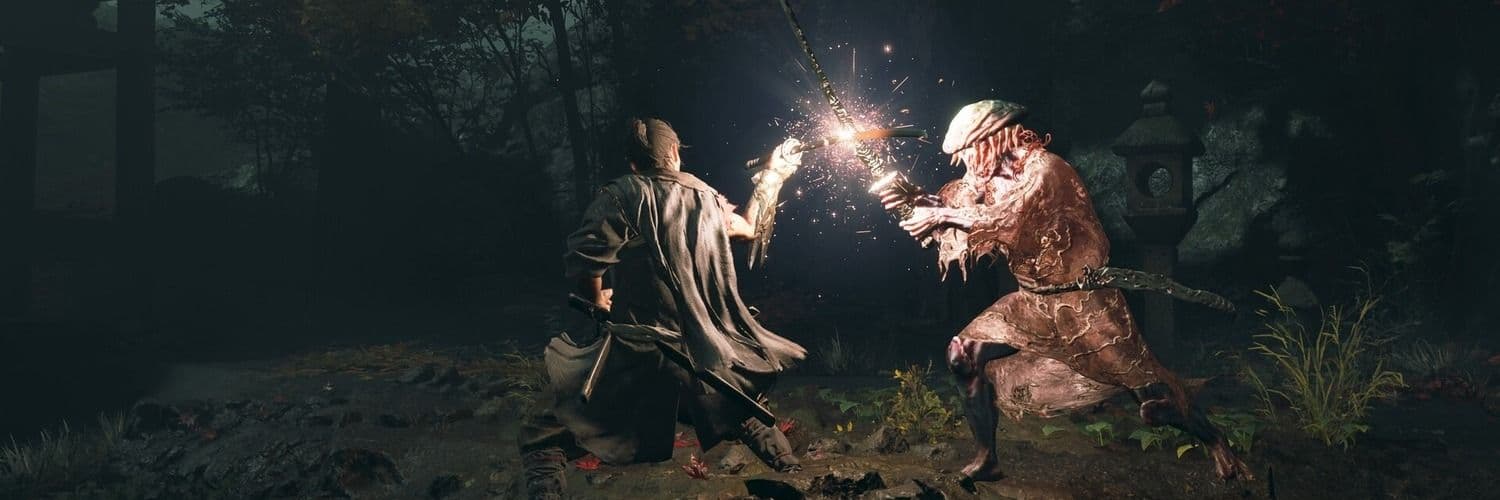
Onimusha: Way of the Sword is not a soft reboot hedging its bets. Capcom committed to bringing this series back properly, and after more than two decades of silence, that confidence is mostly justified. This is a standalone entry set during the Edo period, following Miyamoto Musashi, a revived samurai wielding the iconic Oni Gauntlet against a spreading Genma invasion across Kyoto. New players can jump in without any series history. I did, and it worked fine.
The premise sounds straightforward, and in some ways it is. But the execution has more going on than the setup implies.
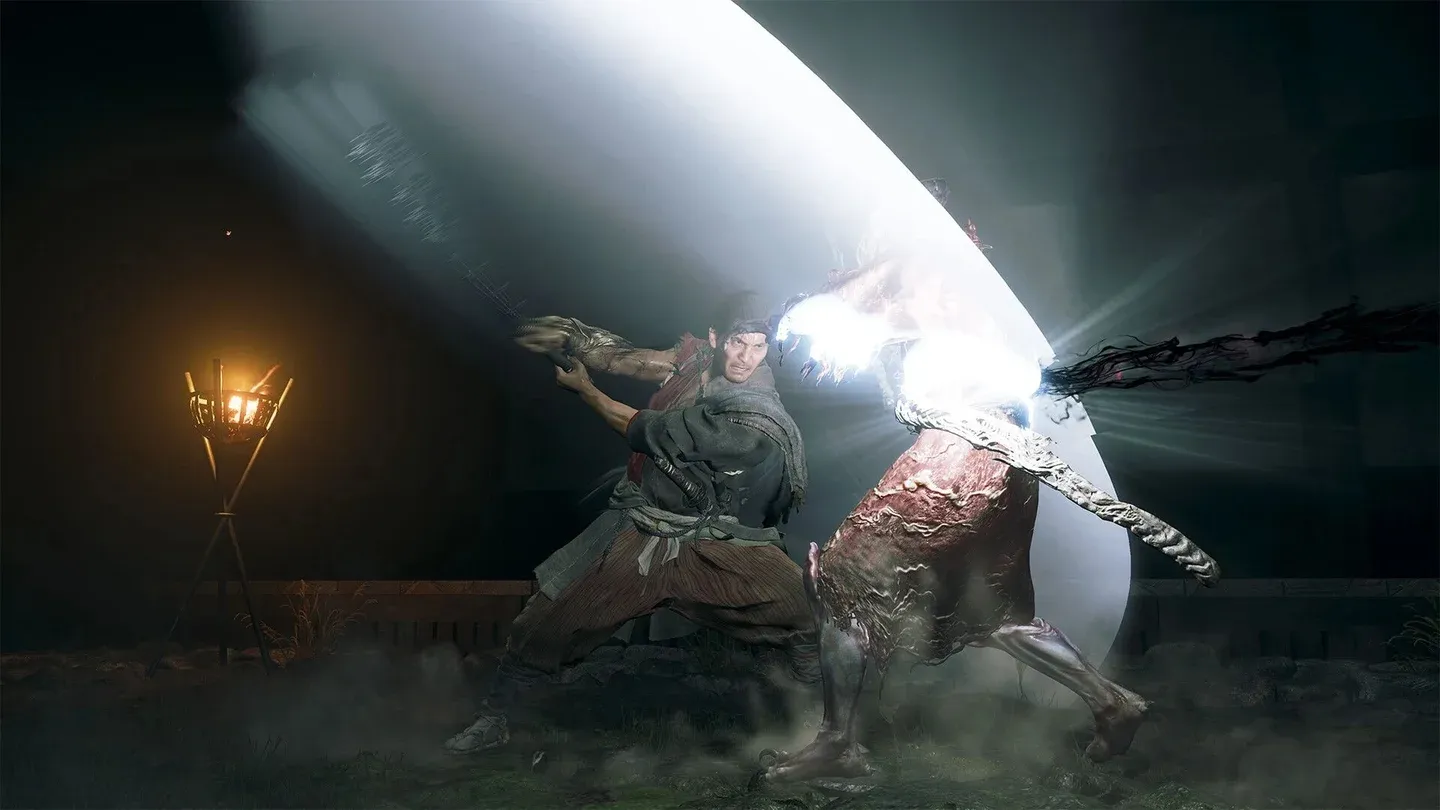
Oni Gauntlet upgrade screen
Story and world
The story is better than it has any right to be. Musashi is a genuinely entertaining protagonist, the kind of character who can shift from a tense standoff with a grotesque Genma boss to a light, almost comedic character moment without either beat feeling out of place. That tonal flexibility stops the horror-adjacent atmosphere from becoming oppressive, and it gives the narrative a personality that a lot of action games in this space lack.
Kyoto serves as the central hub, and Capcom built it with exploration in mind. As you unlock new abilities, previously inaccessible areas open up in a way that feels deliberate rather than arbitrary. Here's the thing: this ability-gated progression works better than most adventure games manage, because the world is dense enough that returning to a familiar street and finding a new path actually feels rewarding. It is not a massive open world, and that restraint is the right call.
The side content is where the world falls apart a bit. Most optional quests amount to fetch tasks with thin justification, and I rarely felt invested in completing them beyond the material rewards. There are one or two exceptions that tie into the broader narrative, but they are the minority. The game would have been better served by fewer, more considered side quests rather than the volume it ships with.
Combat is the whole argument
Everything in Onimusha: Way of the Sword eventually comes back to the combat, and that is not a criticism. The system is exceptional. I have not played a game in the last few years where sword fighting feels this smooth, and I mean that across every layer: the inputs, the animations, the environmental interactions, and the way Musashi reads and responds to incoming attacks.
Most action games with parry systems play the same deflection animation regardless of attack direction. Onimusha gives Musashi directional parry animations, so a strike from the left looks and feels different to block than one from above. That level of motion capture detail extends to the enemies and bosses too. When you are in a rhythm with the combat, it borders on cinematic without ever feeling like it is playing itself.
The environmental sandbox layer adds real depth. You can shove enemies into walls, send them through windows, cause them to collide with each other, or use the Wind-Whipper Oni Armament near fire sources to create a fire tornado. That last one never gets old. The more comfortable you get with the full system, the more creative your options become. If you want a full breakdown of the mechanics, our parry and Issen combat guide covers everything from deflect timing to Break Issen in detail.
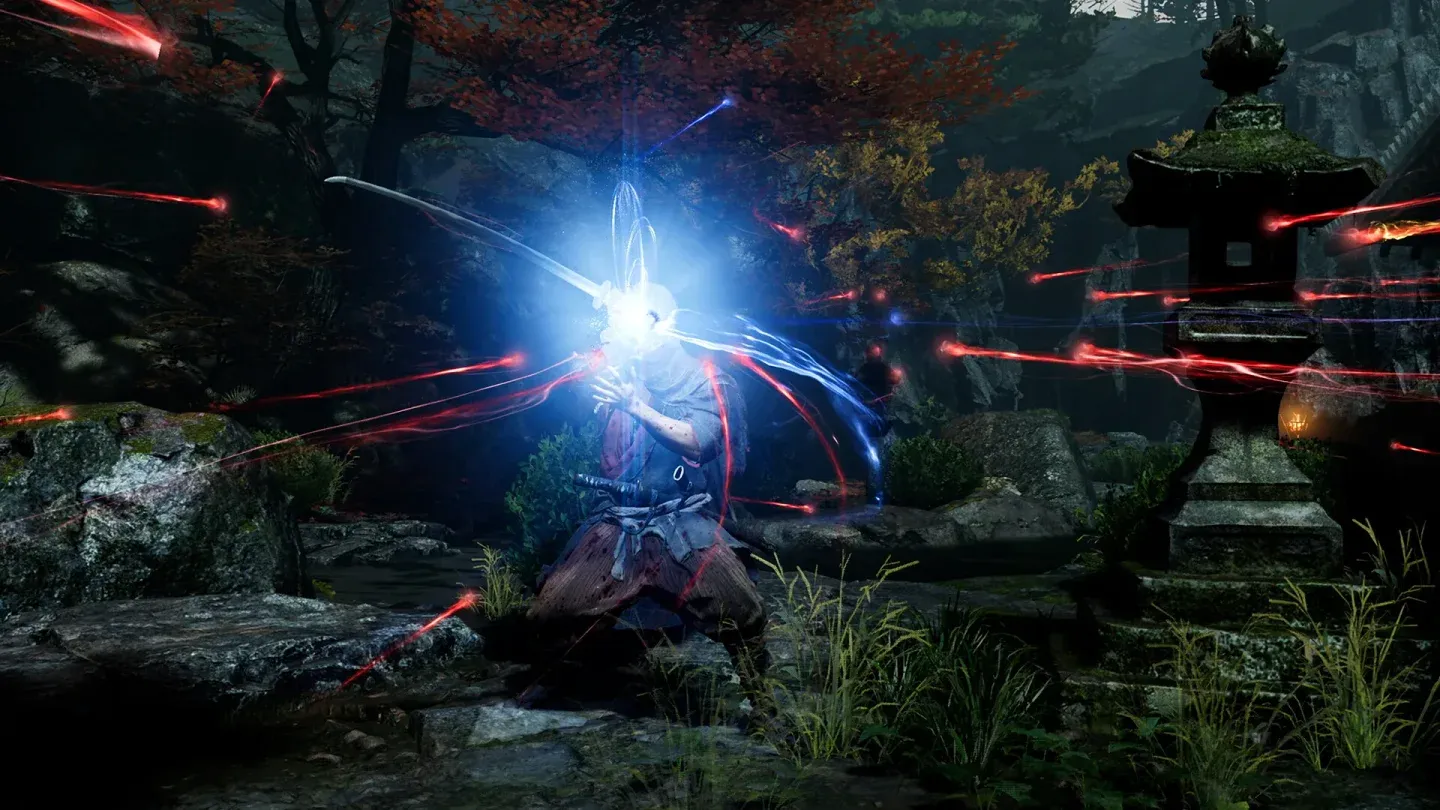
Issen timing in boss fights
The difficulty pacing is a deliberate choice that some players will find frustrating early on. Regular enemies are passive in the opening hours, often queuing up to attack one at a time rather than pressing you from multiple directions. The game is clearly designed to ease you into its systems before raising the stakes, and the difficulty does pick up meaningfully around the 8-hour mark. I came in as someone who defaults to Soulslike games, so the early passivity tested my patience. Once the combat opened up, that frustration disappeared. The boss encounters are where the system really gets to breathe, and those fights are consistently excellent.
The main caveat is boss recycling. Several bosses reappear across the game, and while the encounters are adjusted, seeing the same model again takes some wind out of the sails. Enemy variety in general is thinner than you would hope, particularly in the early areas.
Progression and the grind problem
Running through Kyoto and its surrounding mission maps, you will pick up materials from chests and enemy drops to upgrade gear and unlock new abilities. The early and mid-game loop works well. The problem arrives late, when specific upgrade materials become the bottleneck and the drop rates make targeted farming feel like a lottery. It is not a dealbreaker, but it is the kind of friction that erodes goodwill when you are otherwise enjoying the experience.
The New Game+ decision compounds this. Starting a second playthrough means your equipment upgrade progress resets, which is a strange choice for a game that otherwise encourages mastery and replay. The core abilities and combat knowledge carry over in your head, but the mechanical investment does not.
Visuals and audio
Capcom's technical execution here is strong. The game runs well on PC, with solid optimization that holds up even in demanding combat sequences. Kyoto is rendered with real care, and the Genma designs lean into body horror in ways that contrast effectively with the more grounded human characters. The motion capture quality is visible throughout, and it elevates the combat from good to exceptional.
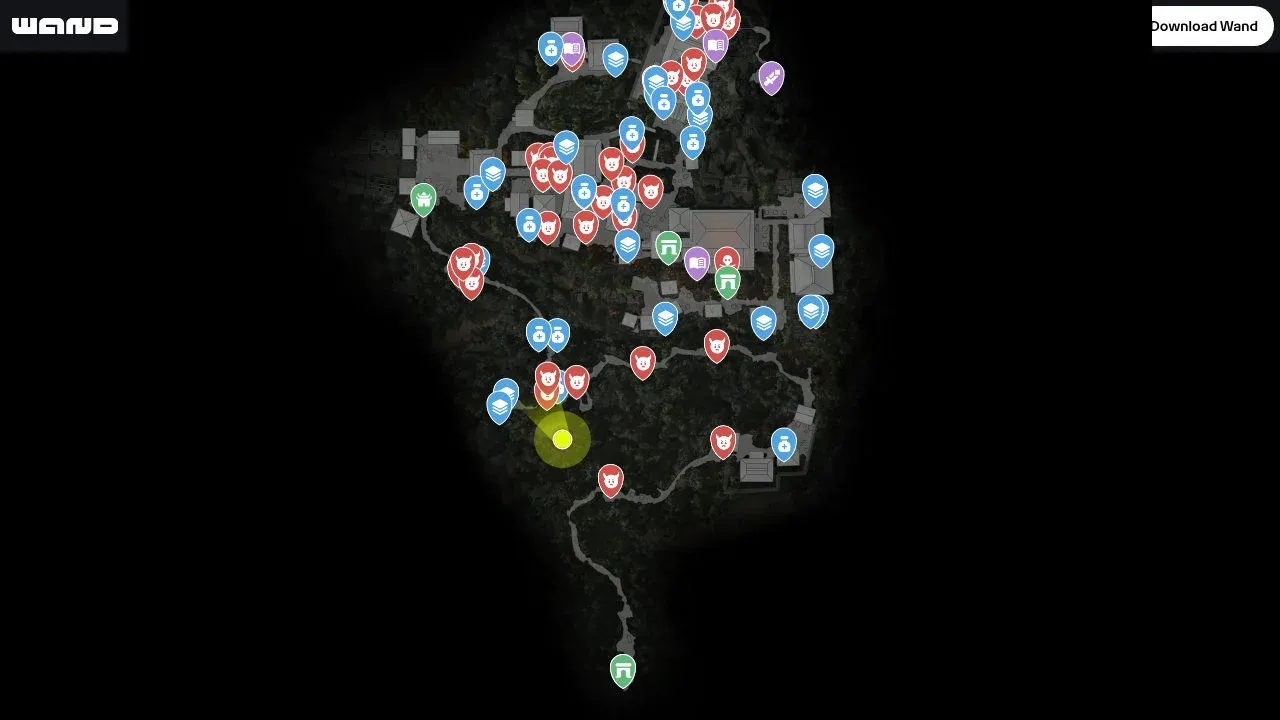
Kyoto hub exploration map
The English localization is rough in places. The Japanese voice acting is the clear choice if you want the performances to land as intended. The score does its job without being particularly memorable, but the sound design during combat is excellent. Every parry, impact, and environmental interaction has satisfying audio feedback that reinforces the physical weight of the fighting.
Verdict
I came away from Onimusha: Way of the Sword with mixed feelings, but the positive side of that ledger is heavier than the negative. The combat is genuinely one of the best I have played in an action game in years. Fluid, physical, creative, and consistently rewarding as you learn it. The story holds up better than expected, the exploration system is well-designed, and the technical performance is clean.
The frustrations are real: the RNG grind, the thin side content, the recycled bosses, and the New Game+ decision are all legitimate complaints. But none of them undermine the core experience the way they might in a game where the combat was merely competent.
If you want a deep RPG with a dense, interconnected world and 80 hours of meaningful content, look elsewhere. If you want a game where the sword fighting is so good that you will replay encounters just to see what else you can do with the system, this is exactly that.