


Overview
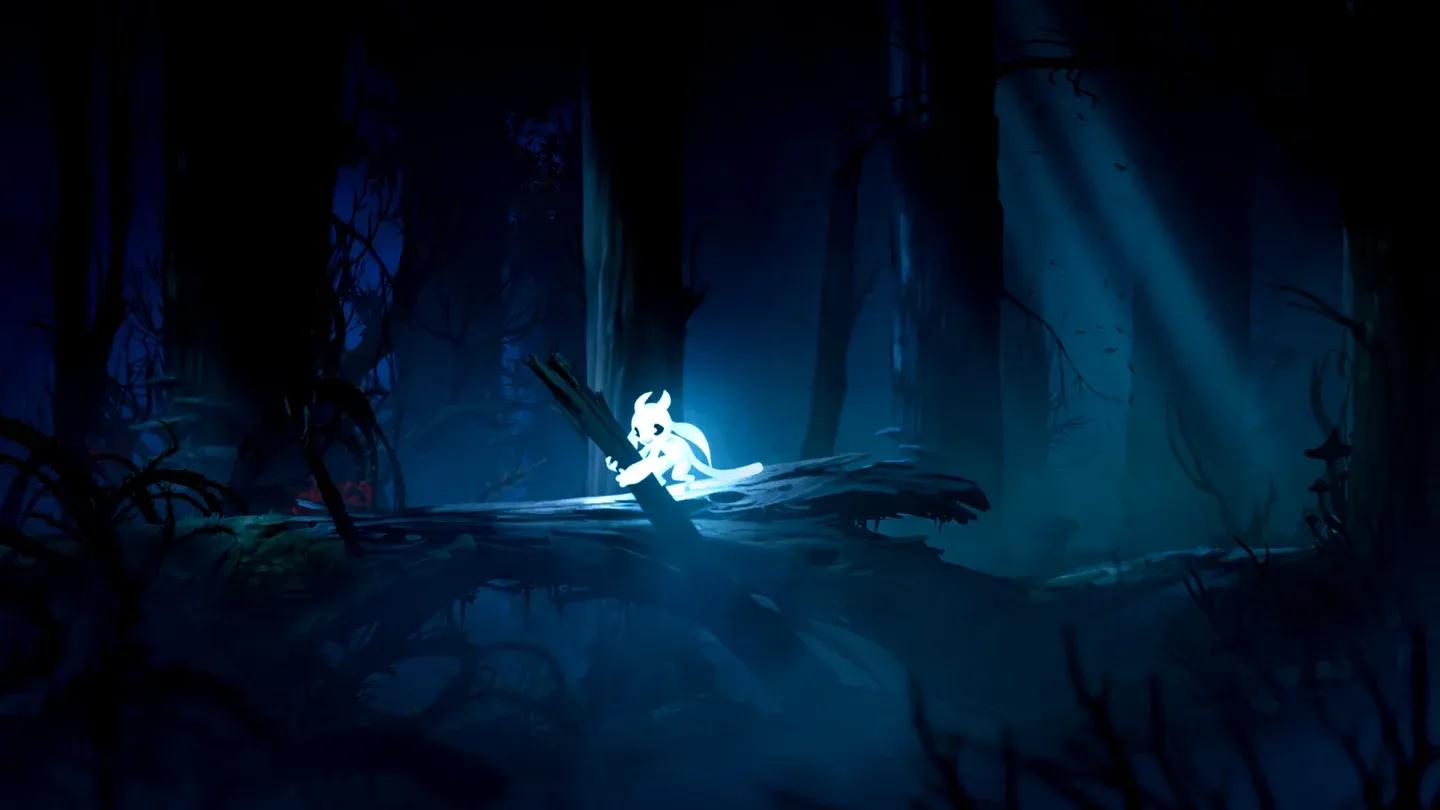
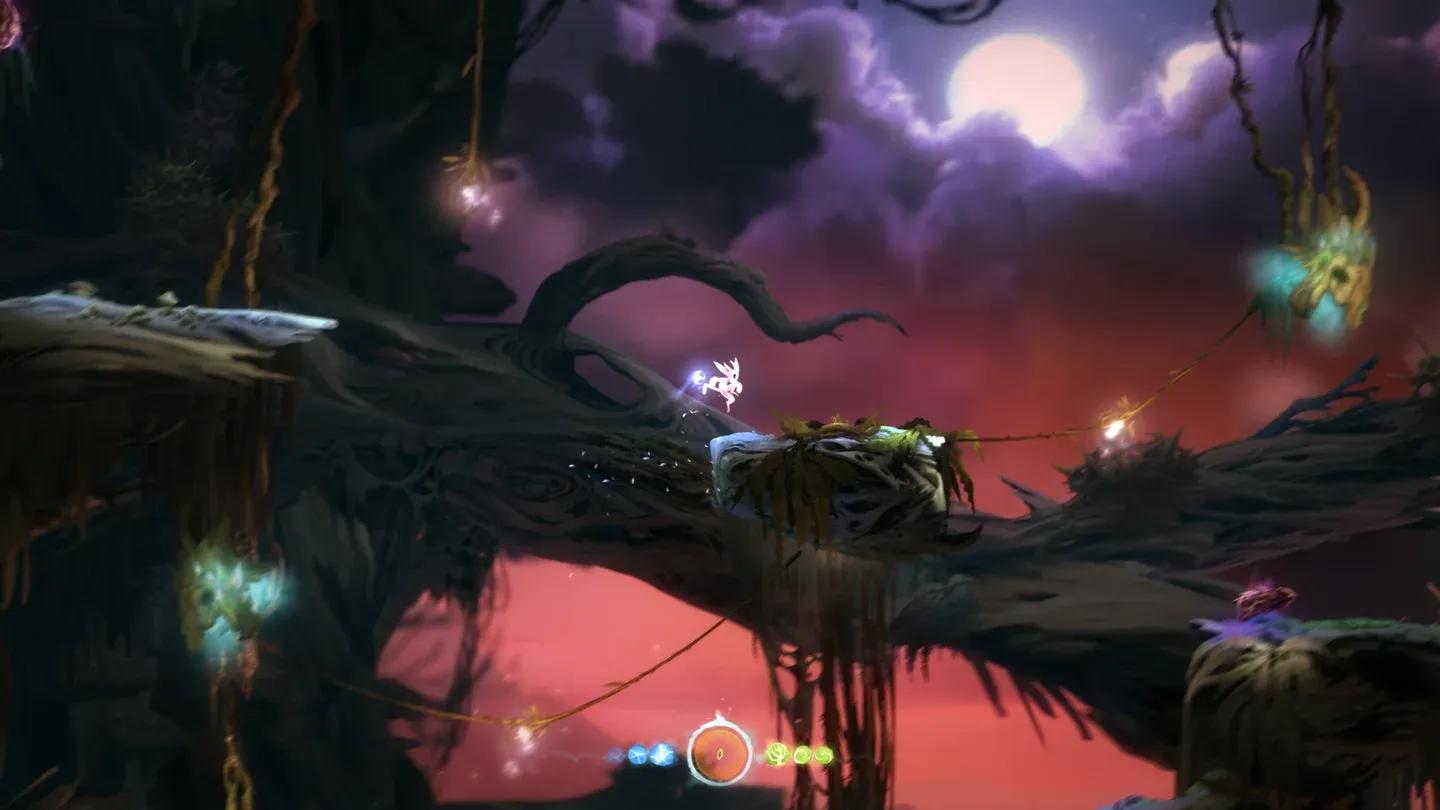
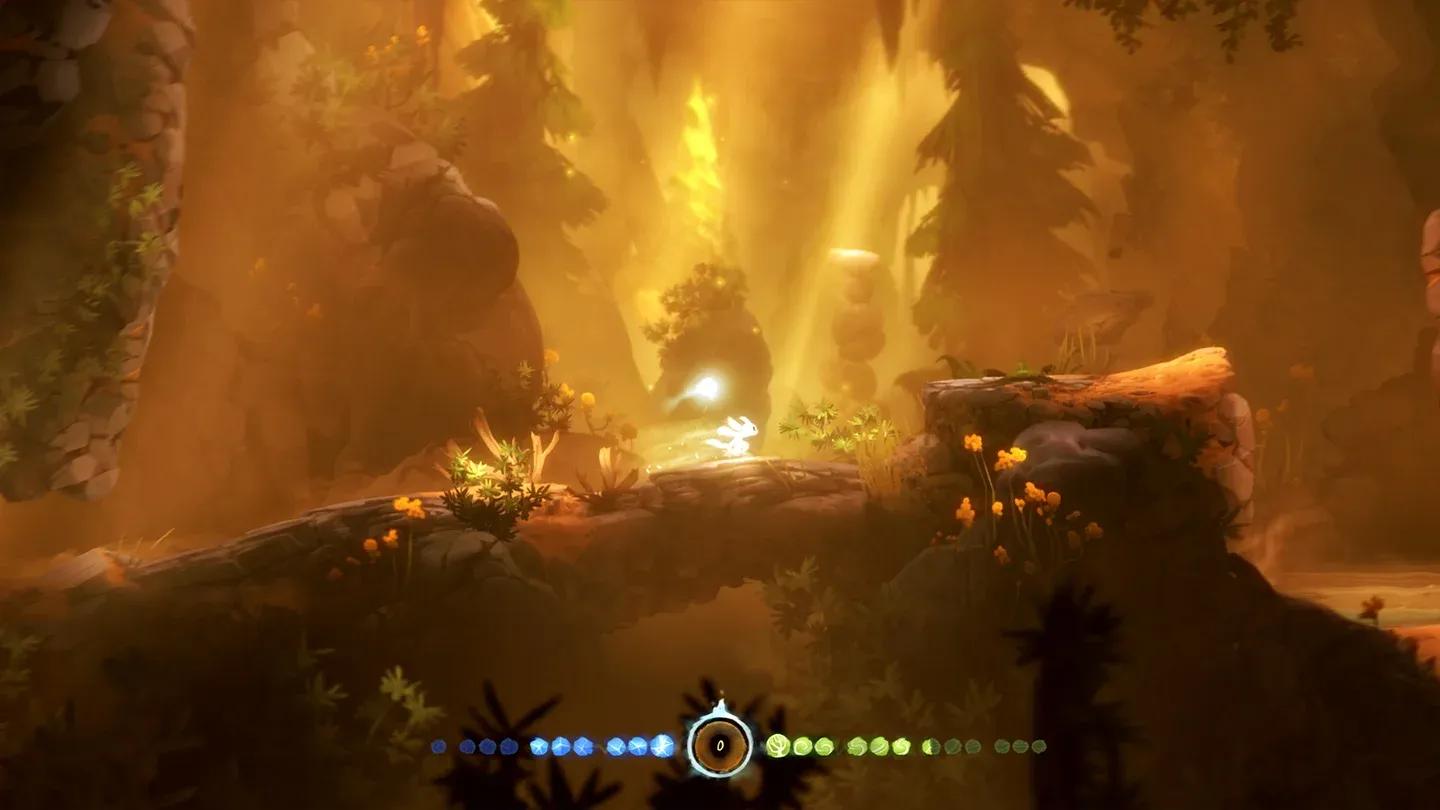
Ori and the Blind Forest is a 2D action-platformer developed by Moon Studios and published by Xbox Game Studios, originally released on March 10, 2015. The game follows Ori, a small white guardian spirit separated from the Spirit Tree, who must traverse the dying forest of Nibel to restore three elemental forces: water, wind, and warmth. Guiding Ori is Sein, a fragment of the Spirit Tree's light that serves as both companion and combat ability.
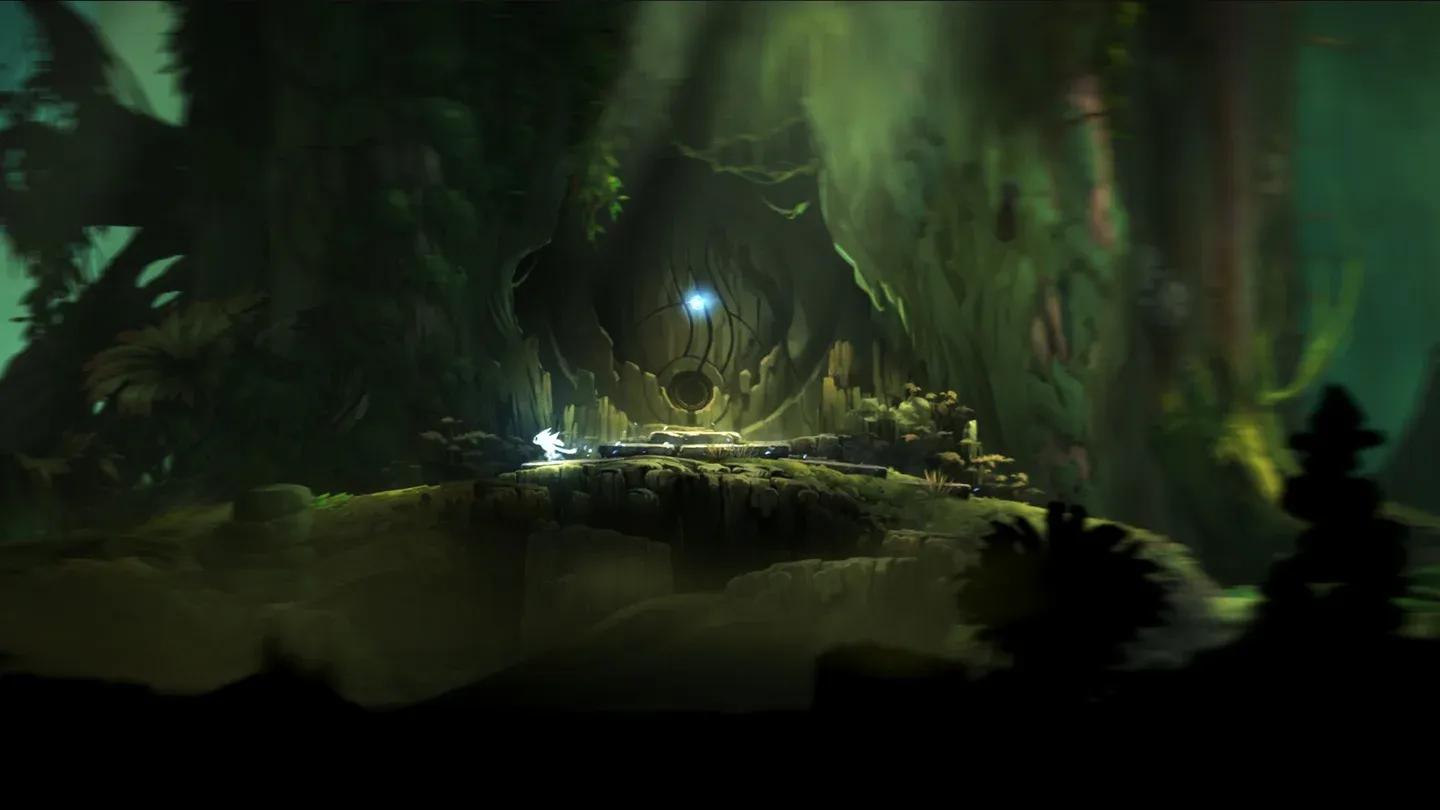
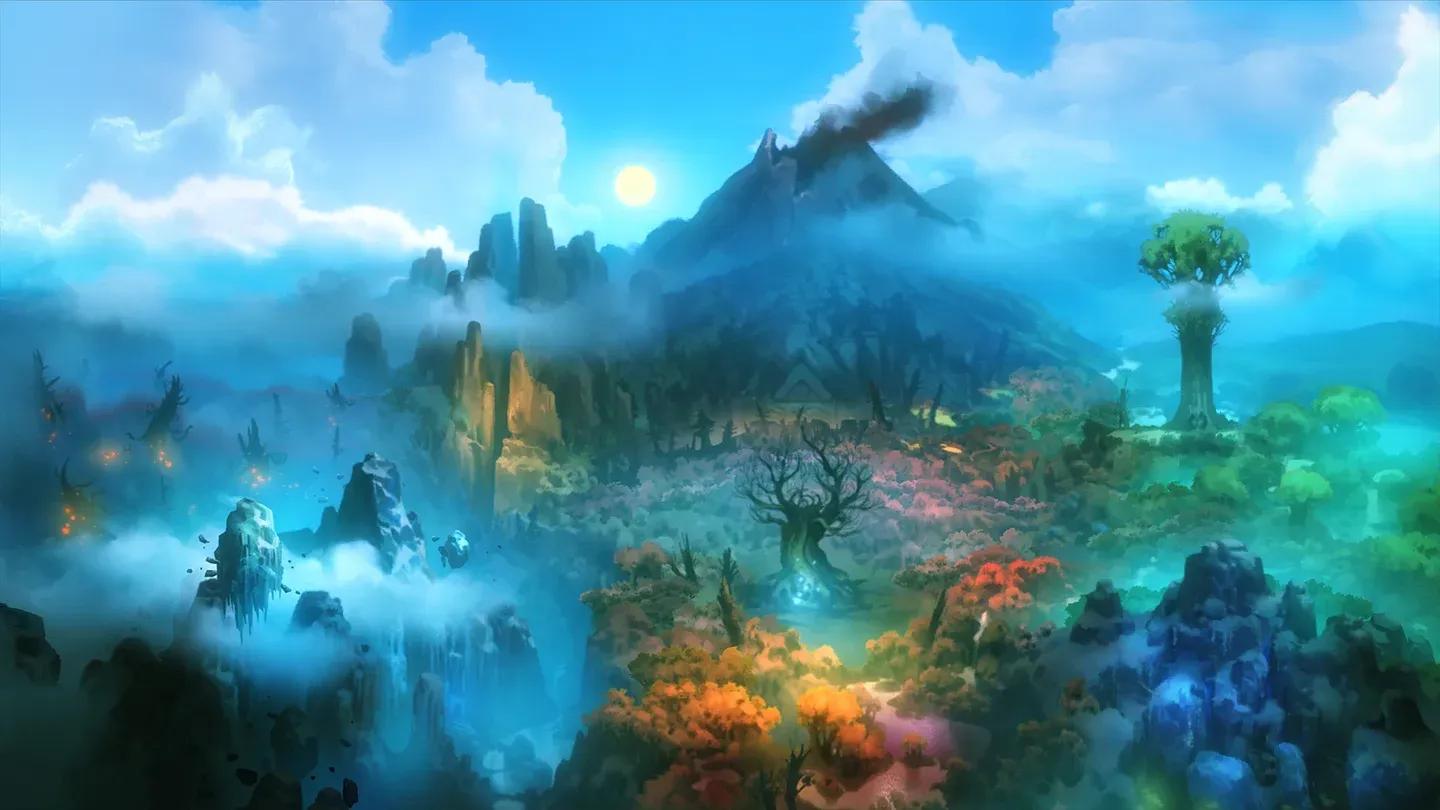
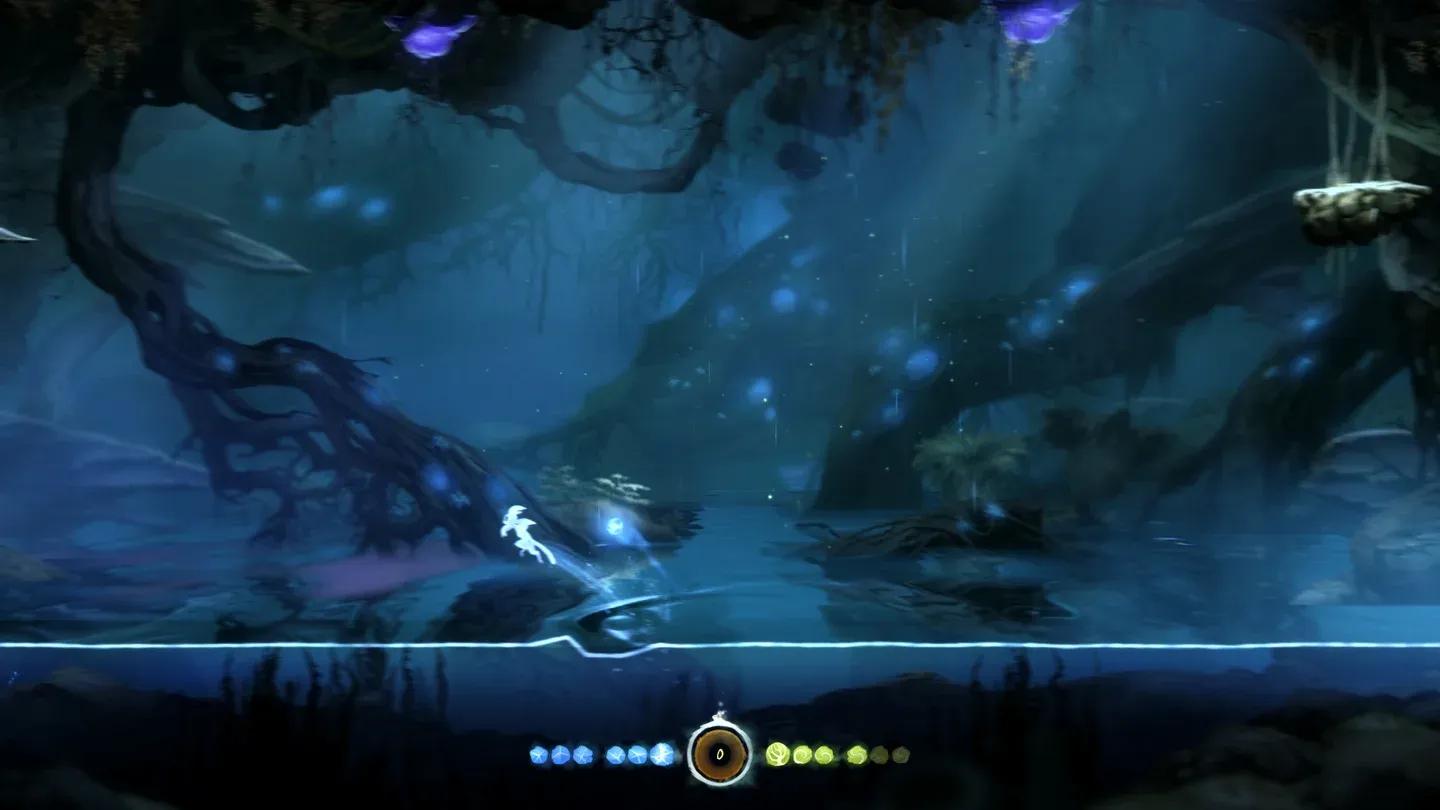
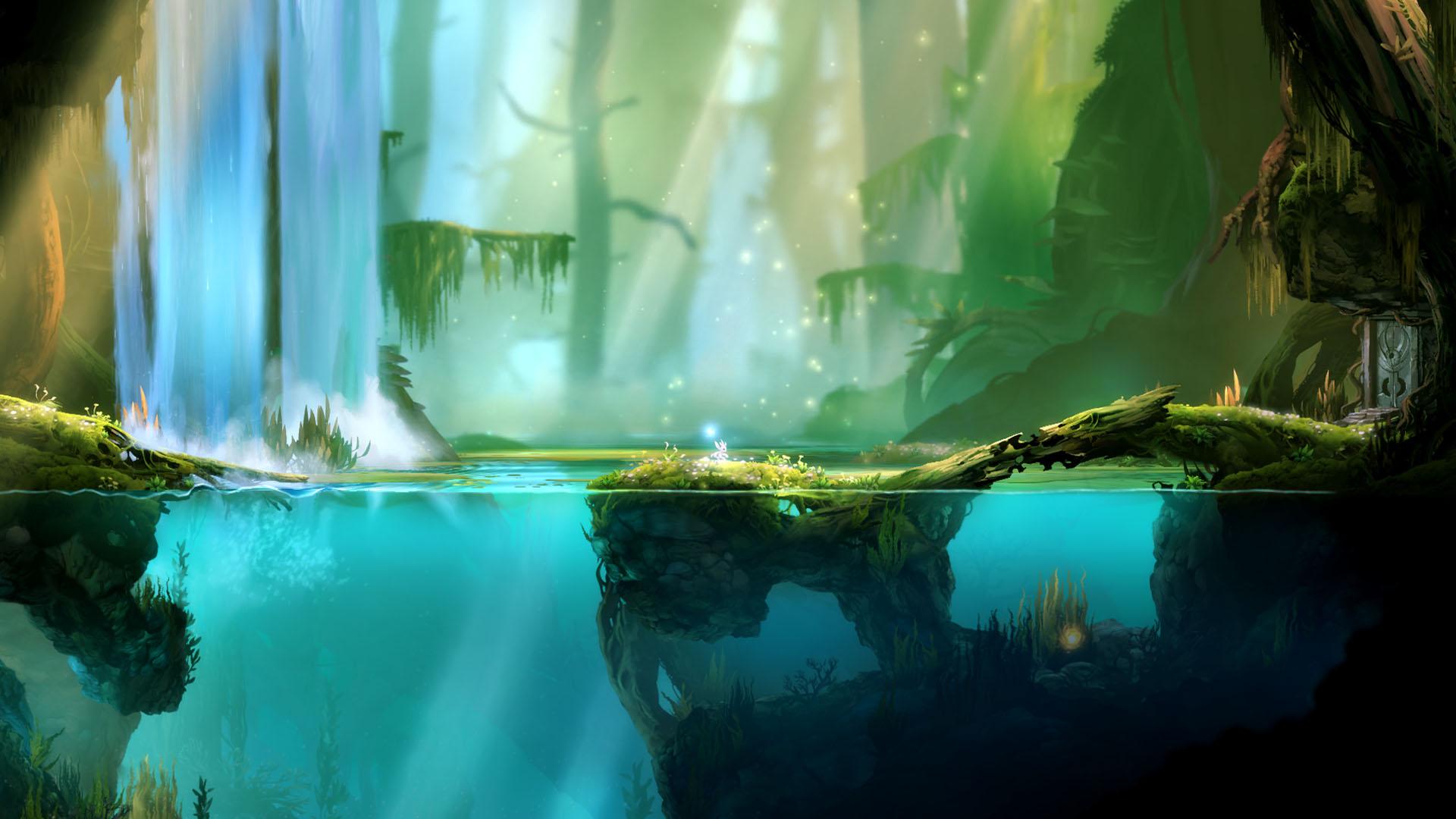
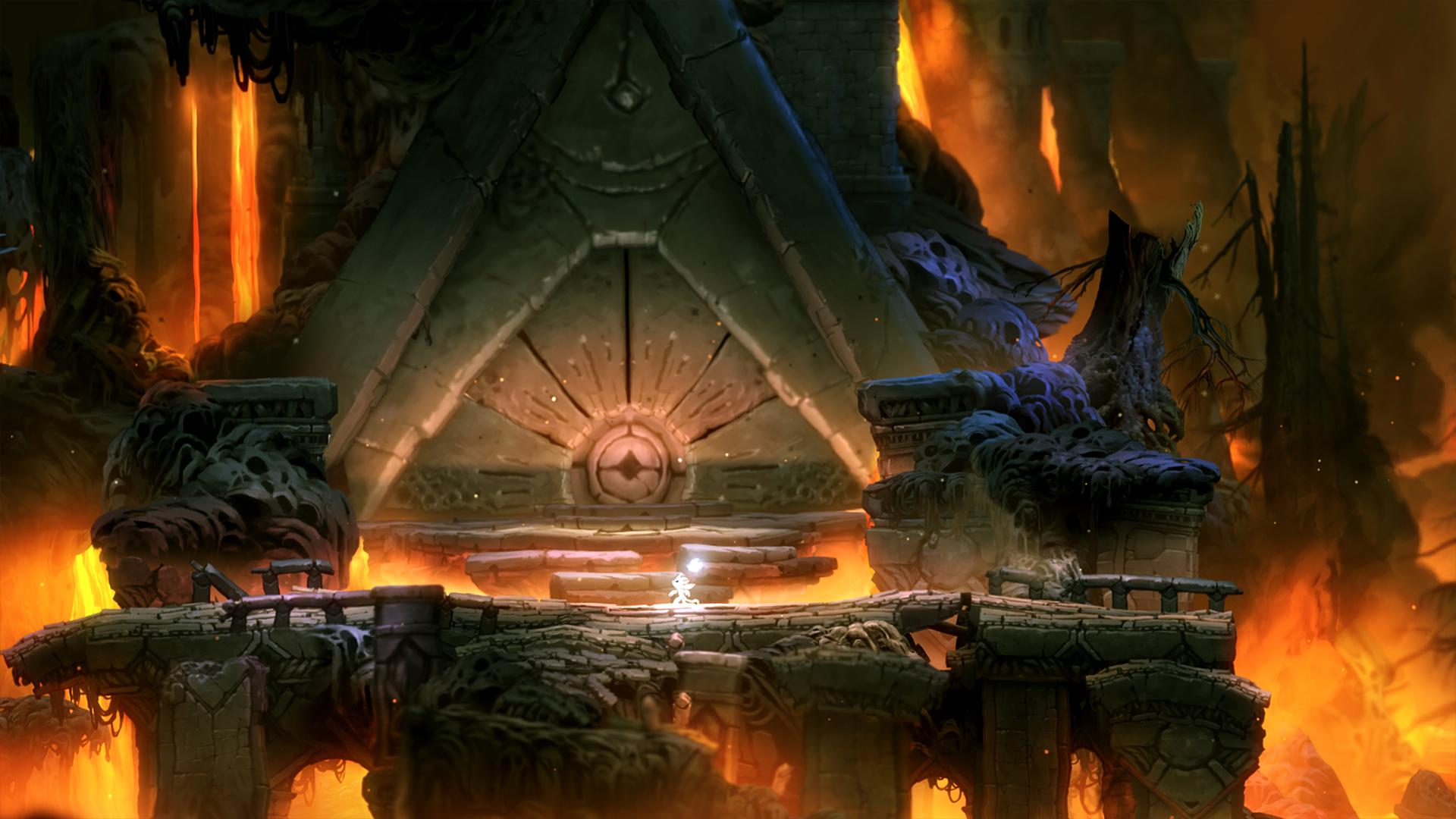
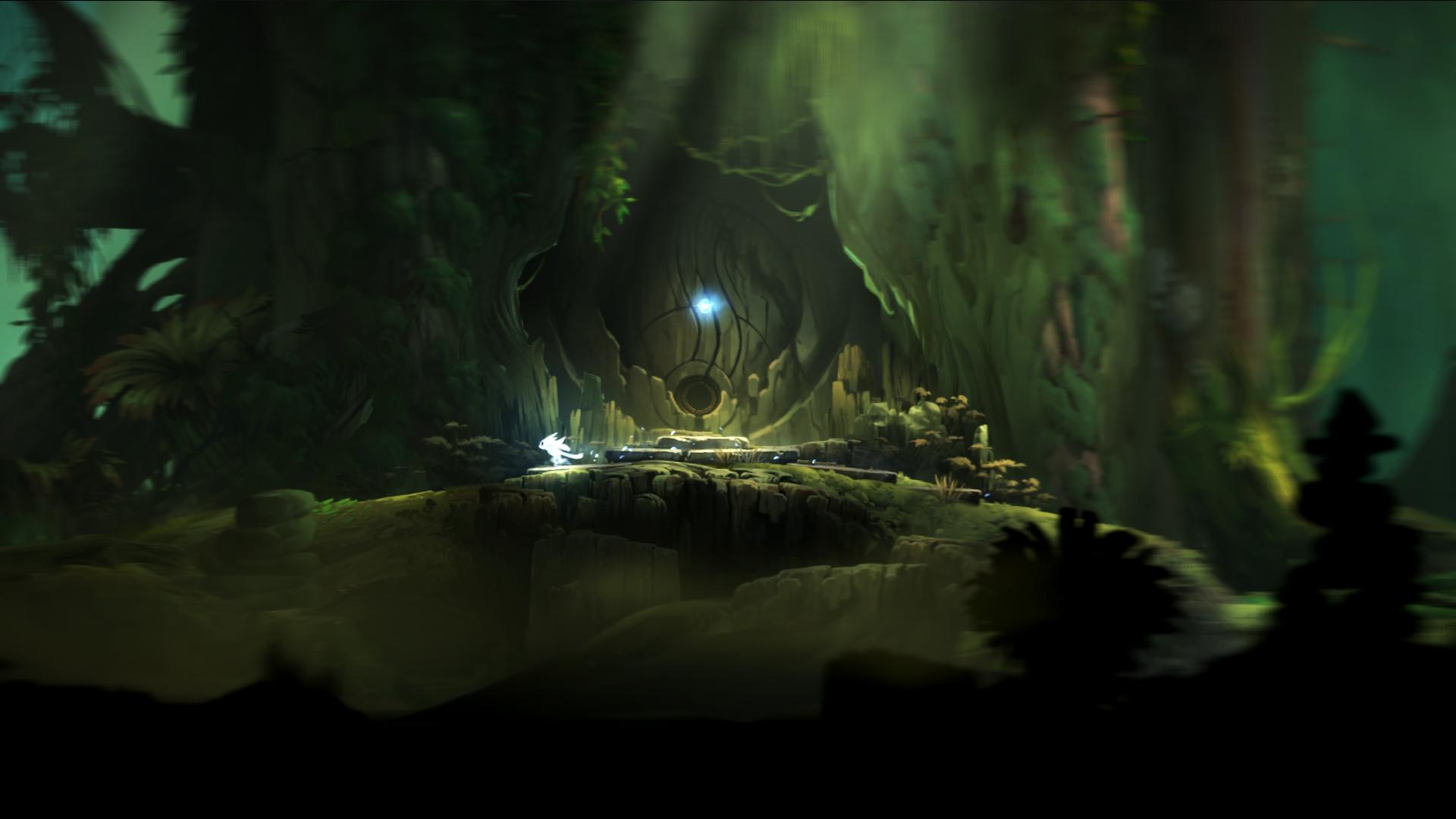
The forest of Nibel is not just a backdrop. Each region has its own distinct ecosystem, visual palette, and set of hazards that shift how you move and fight. The world feels genuinely alive even as it withers, which gives the restoration arc real weight.
Gameplay and mechanics
Ori and the Blind Forest plays as a metroidvania, with abilities unlocked progressively that open previously inaccessible areas. Movement is the heart of it:
- Wall jumping and climbing
- Bash (redirect off enemies and projectiles)
- Charge jump for vertical bursts
- Stomp for breaking ground obstacles
- Spirit Flame for ranged combat
The Bash ability in particular stands out. Redirecting enemy fire mid-air to launch yourself across a chasm is the kind of mechanic that feels clever every single time. Combat is fast and demands spatial awareness, while platforming sequences ramp in complexity as new abilities layer on top of each other.
The Soul Link system lets you create manual save points by spending energy, which adds a light strategic layer to resource management. Checkpointing becomes a deliberate decision rather than an automatic safety net.

Visual and audio design
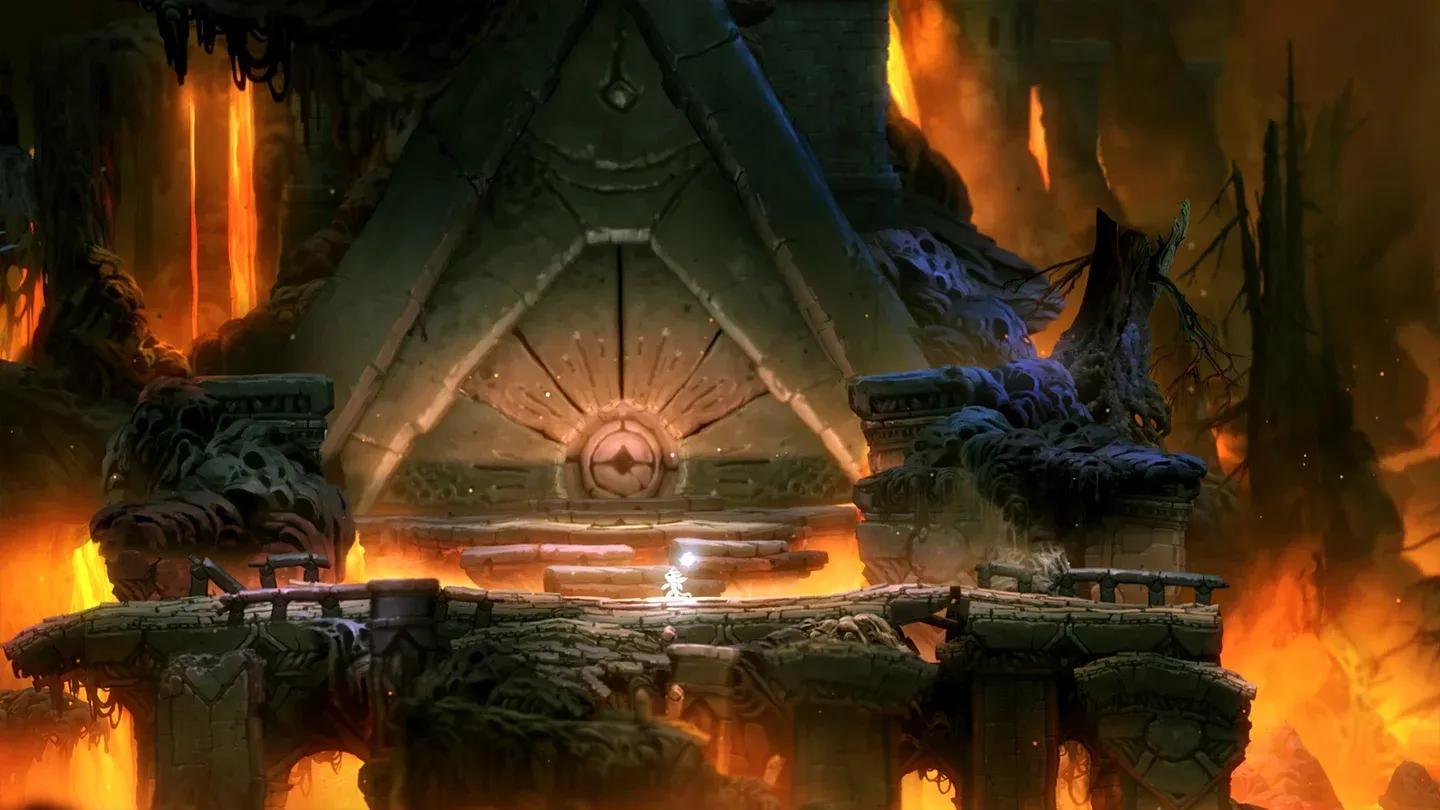
The hand-painted artwork is immediately striking. Every frame looks like concept art brought to life, with lighting that shifts meaningfully between Nibel's corrupted zones and its few remaining pockets of life. Character animations are frame-by-frame and expressive, giving Ori a physical personality that communicates without dialogue.
Gareth Coker's orchestrated score works in direct response to what's happening on screen. Quiet exploration sequences breathe with gentle strings; escape sequences push into full orchestral urgency. The music is one of the better examples of adaptive scoring in the genre.
What makes the escape sequences so intense?
Ori and the Blind Forest features several timed escape sequences where the environment itself pursues Ori. These segments strip away exploration entirely and test how well you've internalized the movement system under pressure. The Ginso Tree escape, in particular, is a vertical gauntlet that chains every core mobility skill in rapid succession. There's no room for hesitation, and the orchestral score escalates perfectly with the chaos on screen.
These sequences work because they're earned. By the time you hit them, the game has spent hours teaching you exactly the skills you need to survive.
Impact and legacy
Ori and the Blind Forest arrived at a moment when the metroidvania genre was experiencing a genuine resurgence, and it raised the bar for what the genre could look like visually and feel like emotionally. The Definitive Edition, released in 2016, added two new areas, additional abilities, and a rewind mechanic that smoothed out some of the game's more punishing checkpointing. It's available on Windows PC, Xbox, Nintendo Switch, and Steam, making it one of the more accessible entries in Moon Studios' catalog.
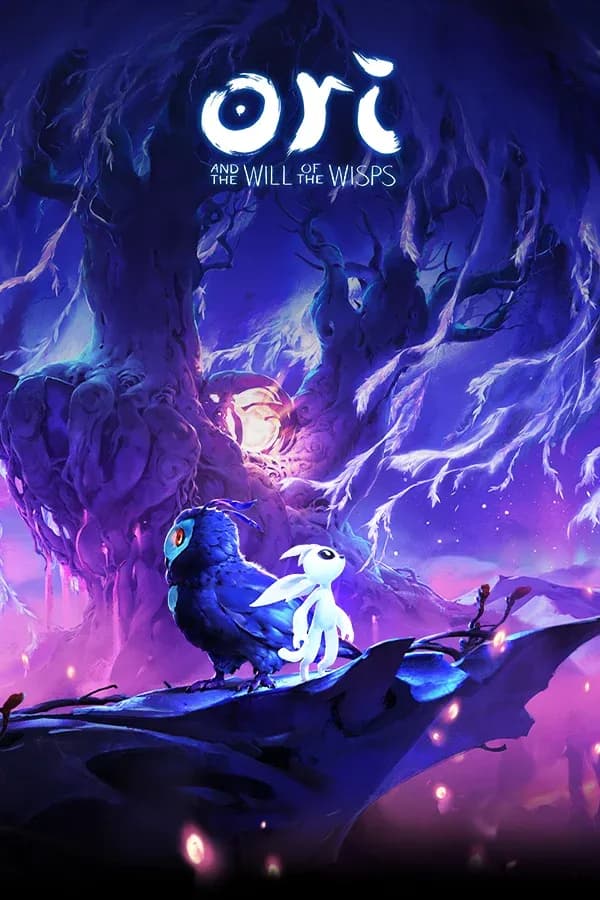
The game's influence is visible in a wave of subsequent platformers that prioritized handcrafted art and emotional narrative alongside tight mechanics. Moon Studios built on this foundation directly with Ori and the Will of the Wisps in 2020, but the original remains a precise, carefully constructed action-platformer that holds up without qualification.
| Requirement | Minimum | Recommended |
|---|---|---|
| Processor | Intel Core 2 Duo E4500 @ 2.2GHz or AMD Athlon 64 X2 5600+ @ 2.8 GHz | Intel Core i5 2300 or AMD FX6120 |
| Memory | 4 GB RAM | 4 GB RAM |
| Graphics | GeForce 240 GT or Radeon HD 6570 – 1024 MB (1 gig) | GeForce GTX 550 Ti or Radeon HD 6770 |
| DirectX | Version 9.0c | Version 11 |