



Larc
Content Writer
After years of working on smaller projects, S-Game has taken a much bigger step with Phantom Blade Zero. Set in a world inspired by Chinese mythology, the game follows an assassin seeking revenge, with a familiar story that doesn't quite match the quality of its fast-paced martial arts combat. Its spectacular encounters and more forgiving approach to difficulty, however, make for a thoroughly satisfying action game.
66 days in the Phantom World
A detour through Crimson Manor
Betrayed by the organisation he once served, Soul is left for dead before being brought back to life with an artificial heart. With only 66 days to find a cure, he sets out to uncover the truth behind his betrayal and get revenge on those responsible. Not exactly a groundbreaking narrative, but then again, the story was never the game's main focus.
Instead, your journey is less about Soul himself and more about the people around him. There are plenty of side quests to discover, each giving you another reason to explore and introducing characters that make the world feel more alive. Some are the quintessential funny sidekicks, while others have stories filled with so much grief and loss that you can't help but feel genuinely sorry for these fictional martyrs. Even the bosses have distinct personalities and quirks that make their encounters all the more memorable.
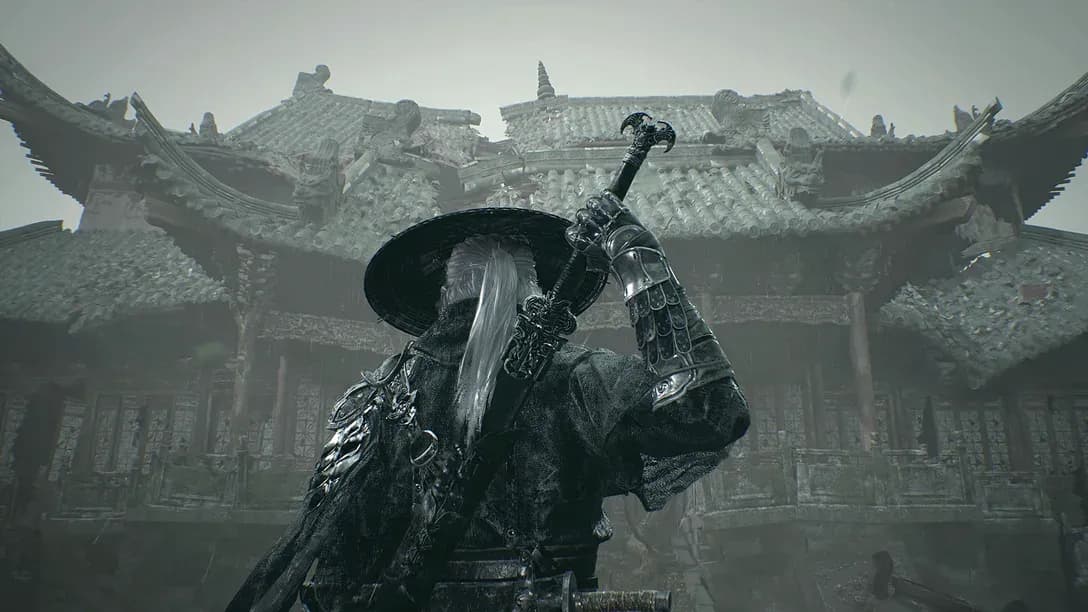
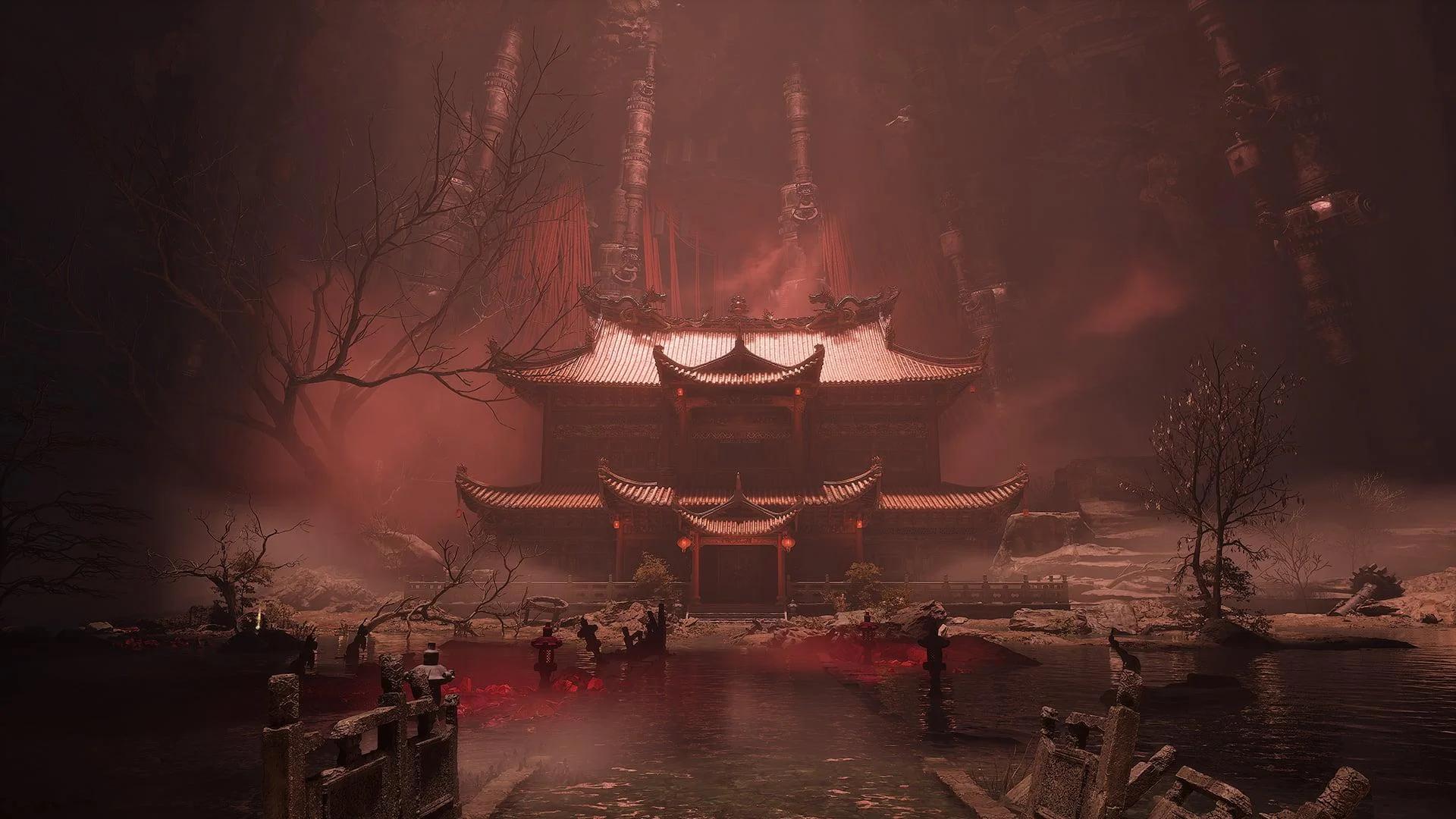
The world itself is another highlight. The story of Phantom Blade Zero takes place across a massive, interconnected world divided into large regions that you can explore at your own pace. This is a drastic shift from the single open-world formula prevalent in modern AAA titles, allowing S-Game to create distinct settings that feel worlds apart, from the striking blood-red scenery of the Crimson Forest to Pangzhen's traditional Chinese architecture and steampunk machinery.
Overall, Phantom Blade Zero's story relies on familiar wuxia tropes, but its characters and world give it enough personality to keep you invested. The plot can get a little convoluted at times, though nowhere near Miyazaki levels of cryptic storytelling.
The rhythm of the blade
Reading the rhythm of combat
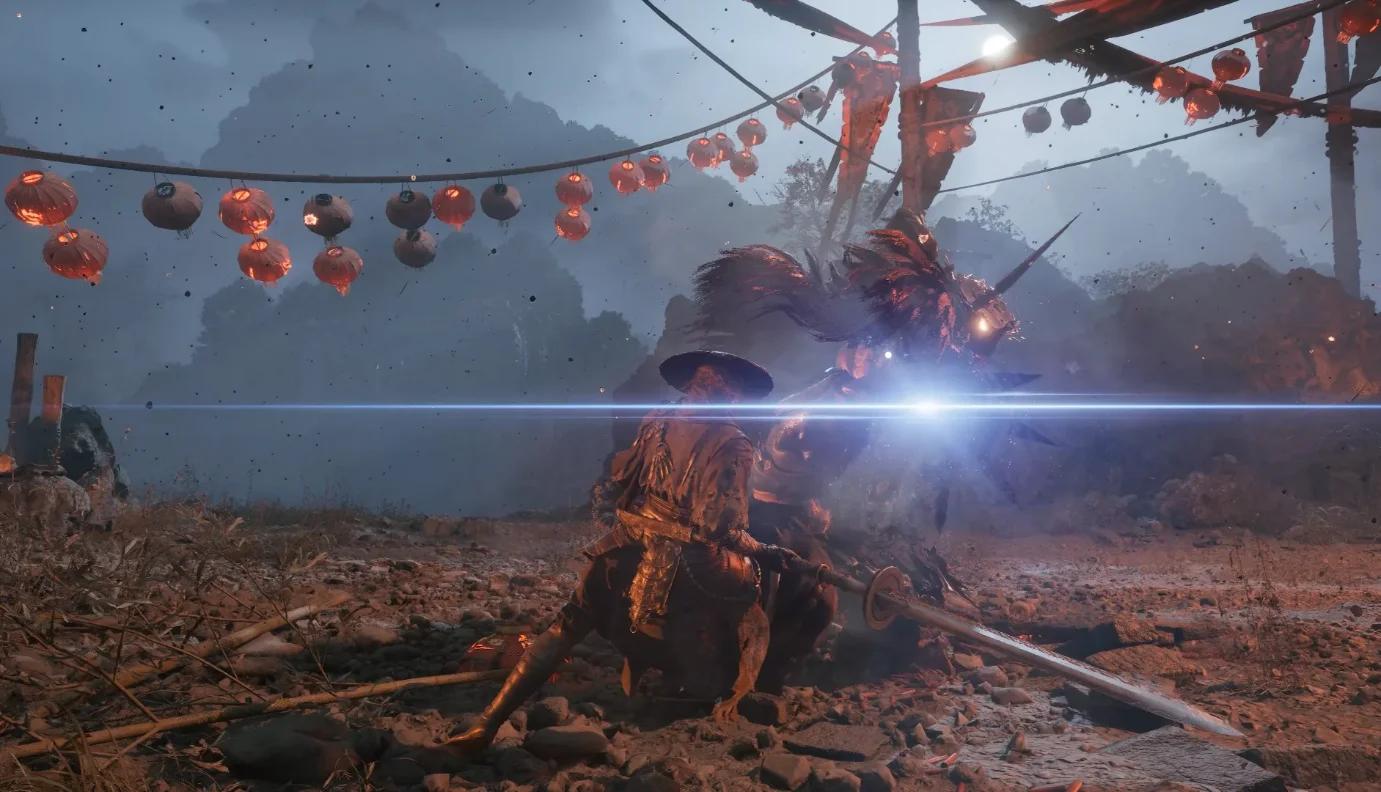
The first thing you learn in Phantom Blade Zero is to read the colour of an incoming attack. Blue attacks can be blocked or parried, while red ones have to be dodged. It sounds simple enough, but this colour-coded system gives fights a rhythm of their own, turning encounters from battles of attrition into some sort of mystical dance routine.
Through this back-and-forth between defence and offence, you slowly deplete an enemy's Sha-Chi, leaving them vulnerable to your attacks. This is where the dual-weapon system comes into play, allowing you to switch between your equipped weapons and unleash combo after combo against a weakened enemy. Of course, knowing how to handle a boss is only part of the equation, as each encounter is designed with a certain setup in mind, encouraging you to change weapons and accessories depending on the situation. This is made much easier by the ability to revert upgraded weapons to their base level, refunding all the materials and currency you invested in them.
All these mechanics would be satisfying on their own, but what really brings them together is the presentation. The animations are incredibly fluid, and the sound effects make every hit feel impactful. Pulling off a perfectly timed dodge or counterattack makes you feel like a martial arts master, with some boss fights being so spectacular that you almost feel forced to pause and appreciate the absolute cinema unfolding on screen.
No Grinding, No Shortcuts
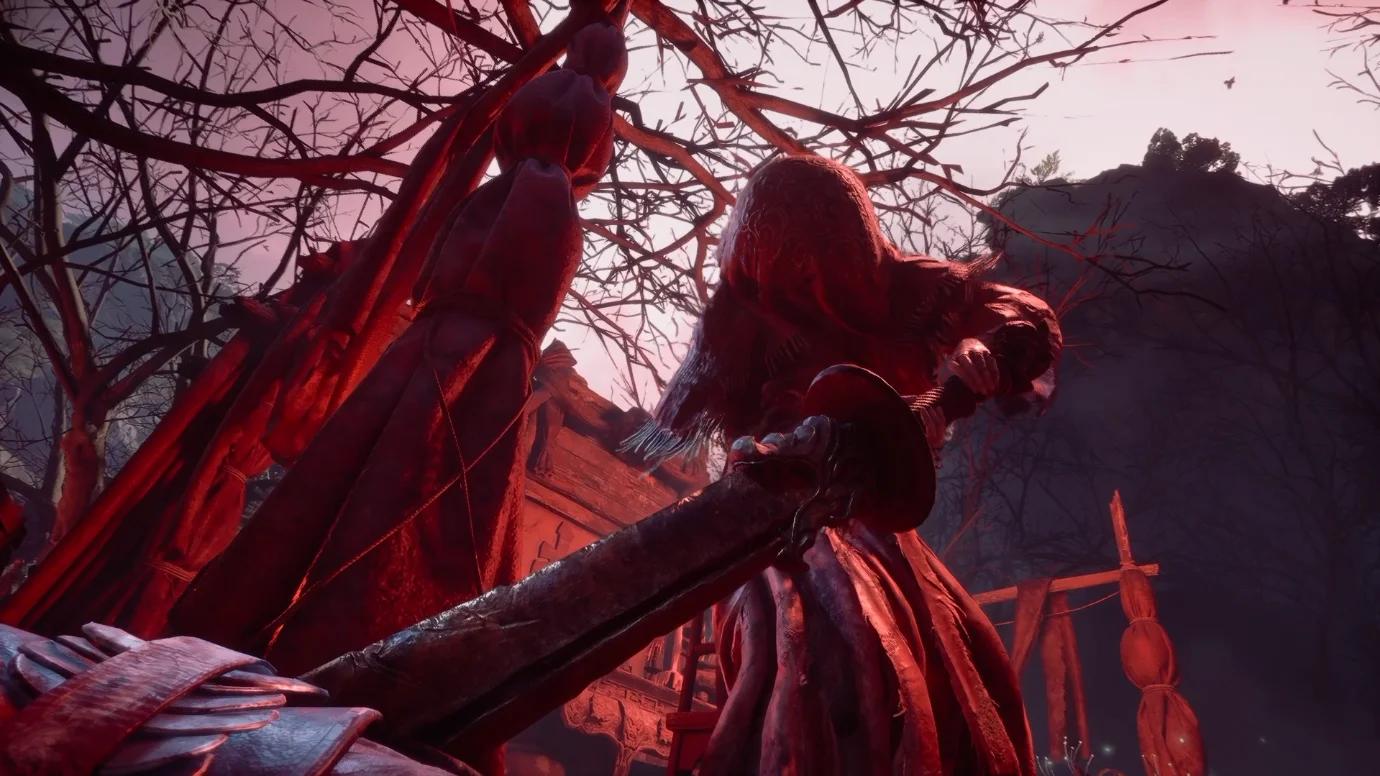
Hua demands a better response
Phantom Blade Zero is not a Soulslike. In this game, you don't lose your currency when you die, and defeated enemies stay dead instead of respawning.
Without enemies to farm, there's no traditional grinding. You can't keep fighting the same group for hours to gather currency, so how are you supposed to afford all the upgrades you need? And what happens if you're underlevelled for a boss? The first concern is dealt with, thanks to the aforementioned refund mechanic. The second is a little more complicated. Since resources are limited, you can't simply grind your way to an advantage or become strong enough to steamroll through every encounter.
In that sense, Phantom Blade Zero is considerably more forgiving than other games, but that doesn't necessarily make its encounters easier. In titles like Dark Souls or Elden Ring, you can farm indefinitely and become significantly stronger. Here, there's no such shortcut. If you keep failing, there are really only two options: change your setup or "get gud". This puts the emphasis on understanding the combat rather than spending hours farming until the challenge disappears.
Personally, I think this is what makes Phantom Blade Zero special. It's a divisive design choice, but one that I came to appreciate more and more as I played.
Verdict
Few things are as satisfying as mastering a combat system and seeing just how far you can push it. That's where Phantom Blade Zero shines. Its familiar story is carried by an interesting world and memorable characters, but the combat is what kept me coming back for more.
I also appreciate S-Game's approach to progression and difficulty, even if it might not appeal to everyone. It's refreshing to see a studio willing to experiment with established conventions, and with Eastern developers continuing to deliver exciting projects, I'm looking forward to seeing what comes next. Phantom Blade Zero is an easy recommendation for anyone who enjoys action games.
Phantom Blade Zero Review
9.5/10
Phantom Blade Zero is a thrilling action RPG with a richly detailed world, memorable characters and a combat system that rarely gets old. Its familiar story may not break new ground, but there's plenty here to make the journey worthwhile.
9.5
Pros
Colour-coded attacks reward precise defence and well-timed counterattacks.
Dual weapons and full upgrade refunds encourage loadout experimentation.
Distinct regions pair Chinese architecture with industrial machinery.
Memorable bosses combine individual personalities with spectacular martial arts.
Deaths preserve currency, and defeated enemies stay dead.
Cons
Familiar wuxia plot lacks the combat system's invention.
Occasionally convoluted storytelling can muddy Soul's revenge quest.
No grinding option for players stuck on difficult bosses.