
Overview
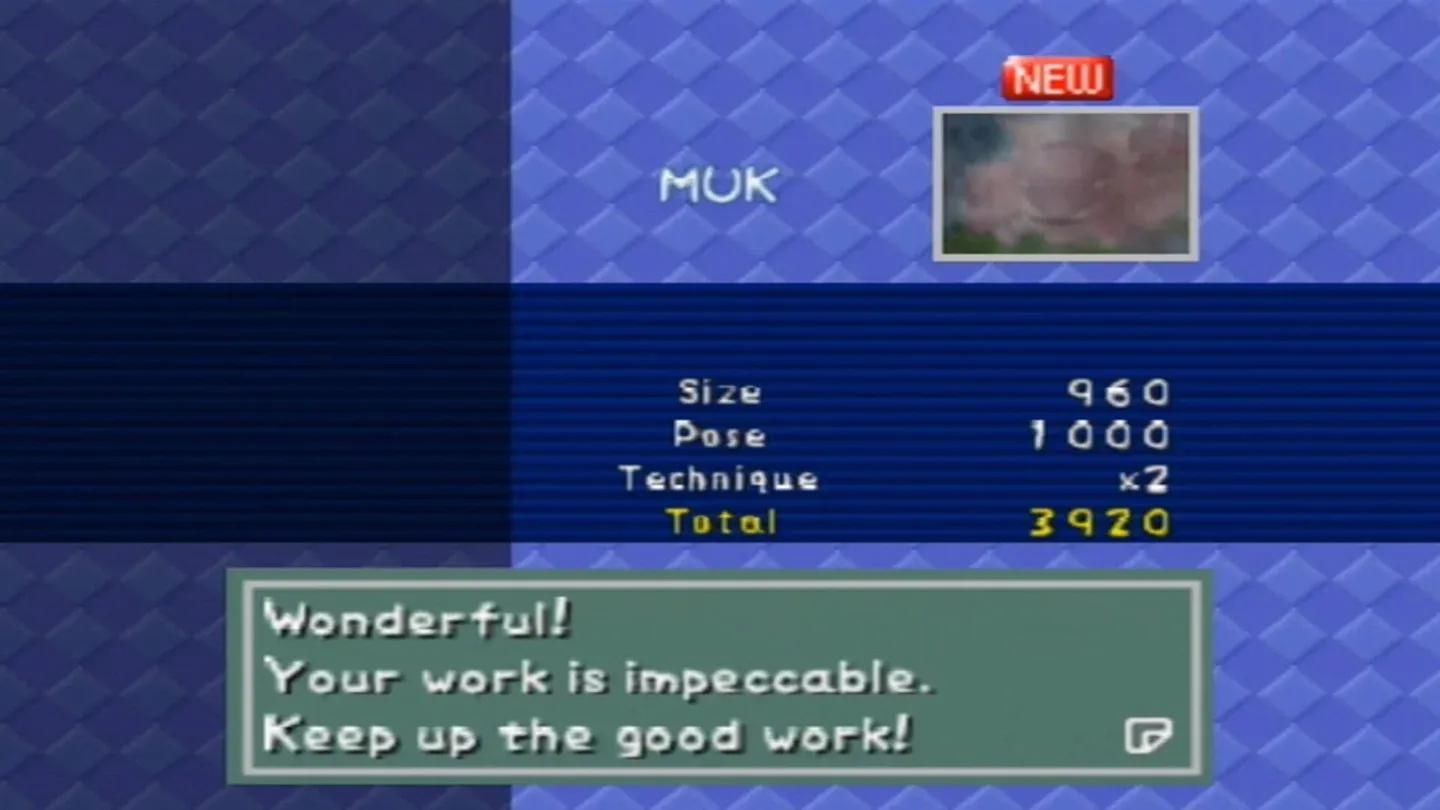
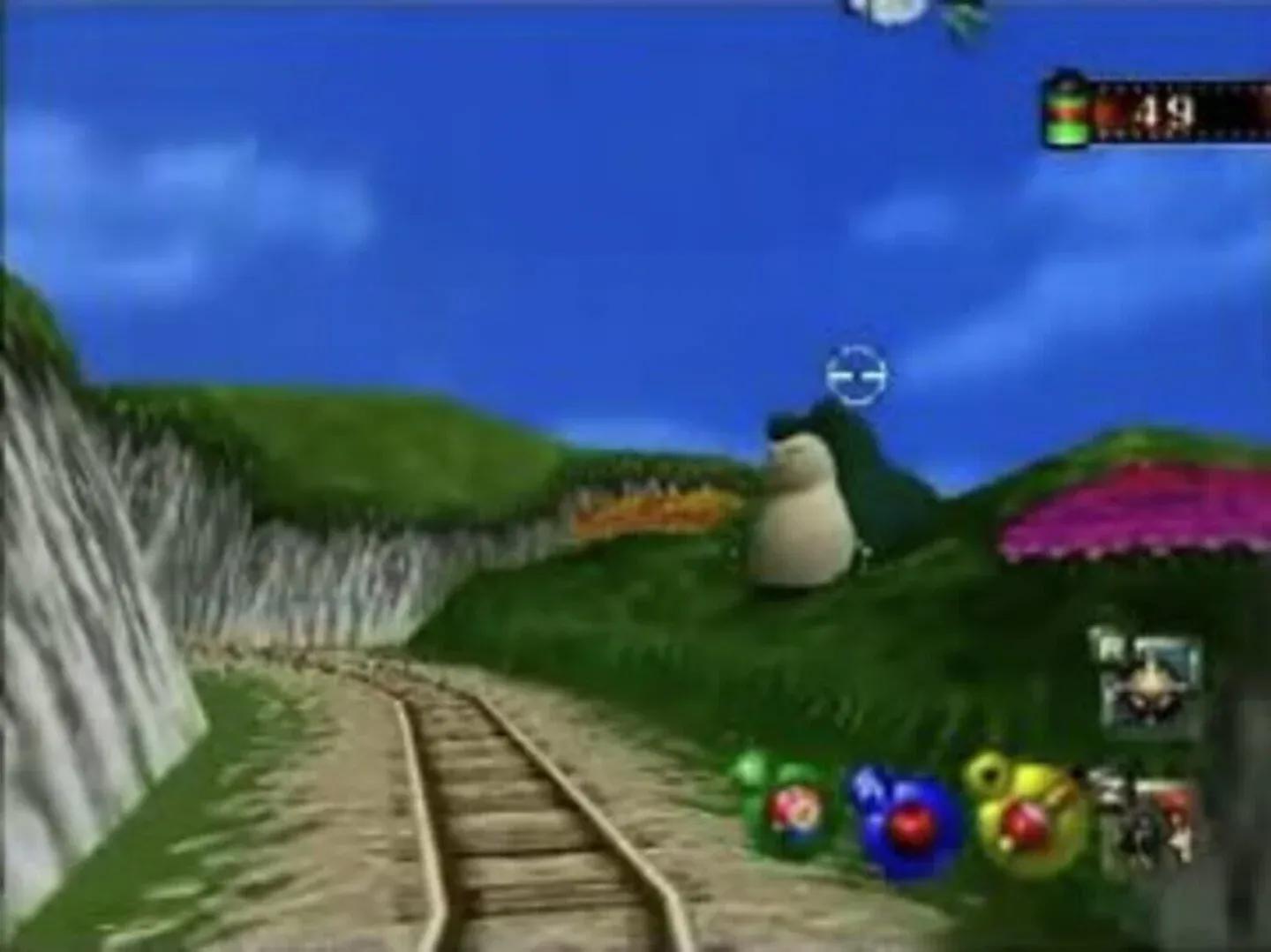
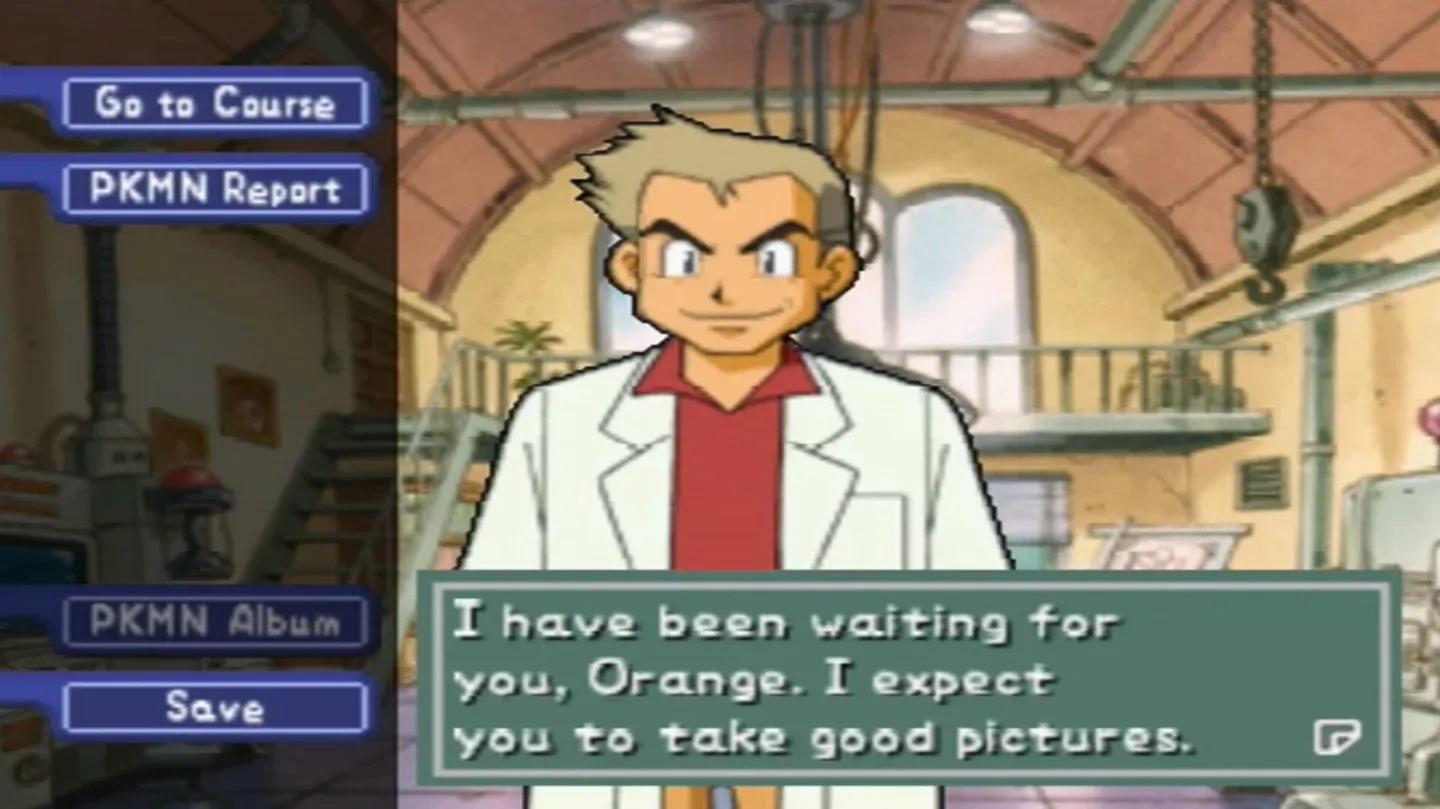
Pokémon Snap, developed by HAL Laboratory and published by Nintendo, released in 1999 and occupies a genuinely odd corner of the franchise. There are no gym badges to chase and no turn-based battles to win. Instead, the game puts you on an automated rail vehicle called the Zero-One, which carries you through a series of distinct environments while you photograph every Pokémon that crosses your path. Professor Oak scores each shot based on size, pose, and whether other Pokémon appear in the frame, turning every run into a puzzle about positioning and timing.
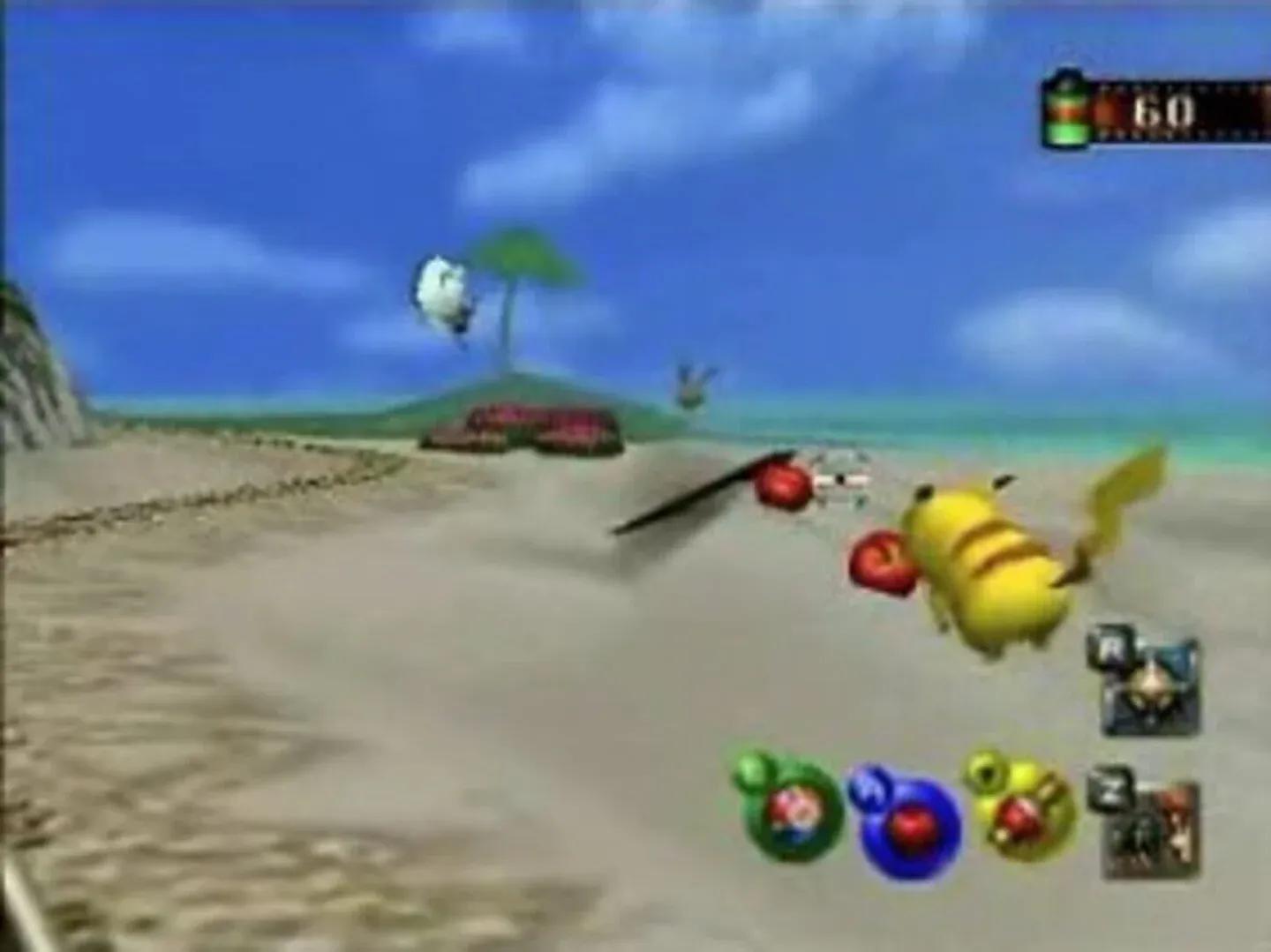
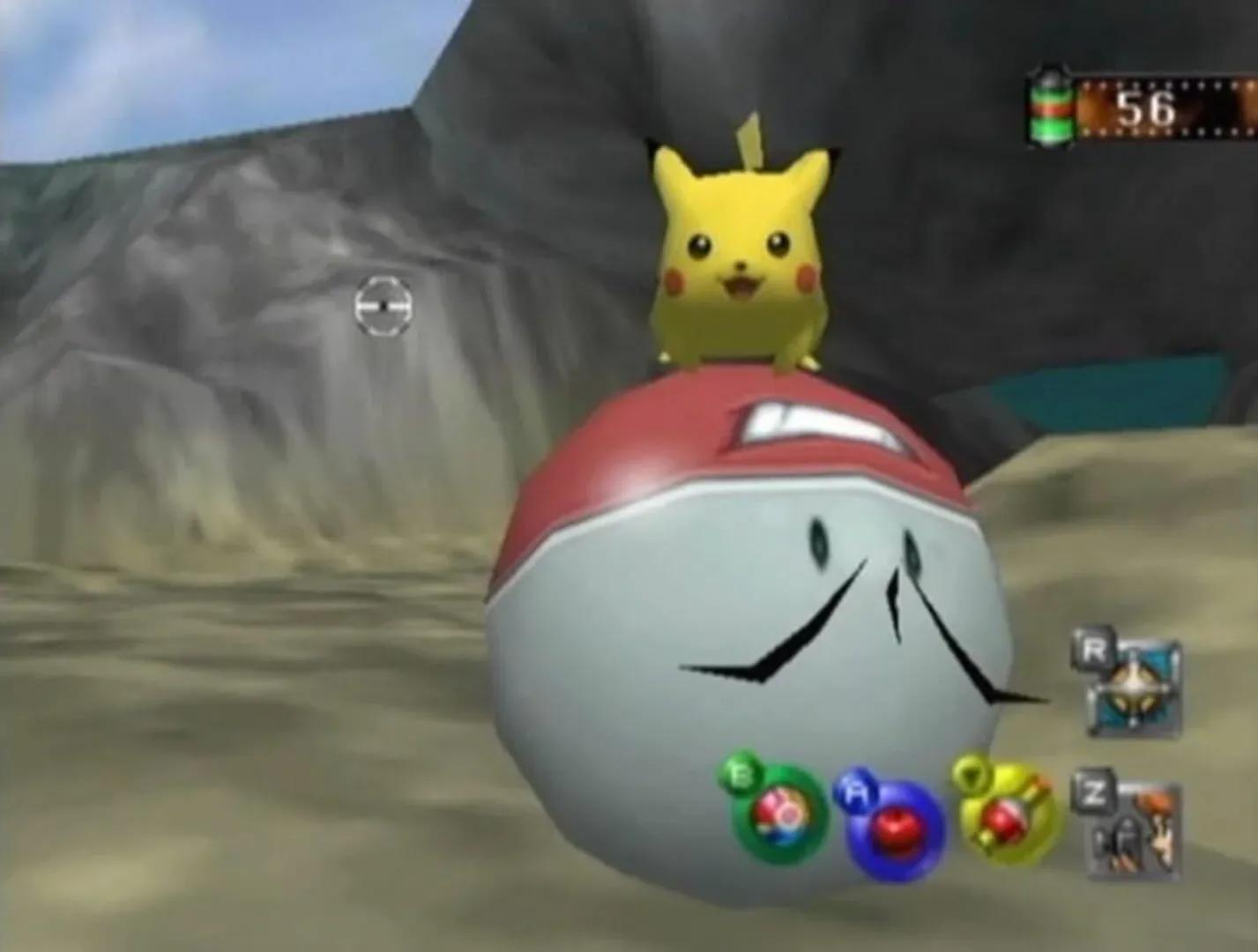
The scoring system is deeper than it first appears. Oak awards bonus points for rare behaviors like Pokémon sleeping, eating, or interacting with each other, which pushes players to experiment with the items at their disposal. Throwing apples lures Pokémon closer or triggers feeding animations. Pester Balls startle them into reactions. The Poké Flute wakes sleeping Pokémon or prompts dancing. Each tool opens up new photographic opportunities that a passive first run through a course will never reveal.
Gameplay and mechanics
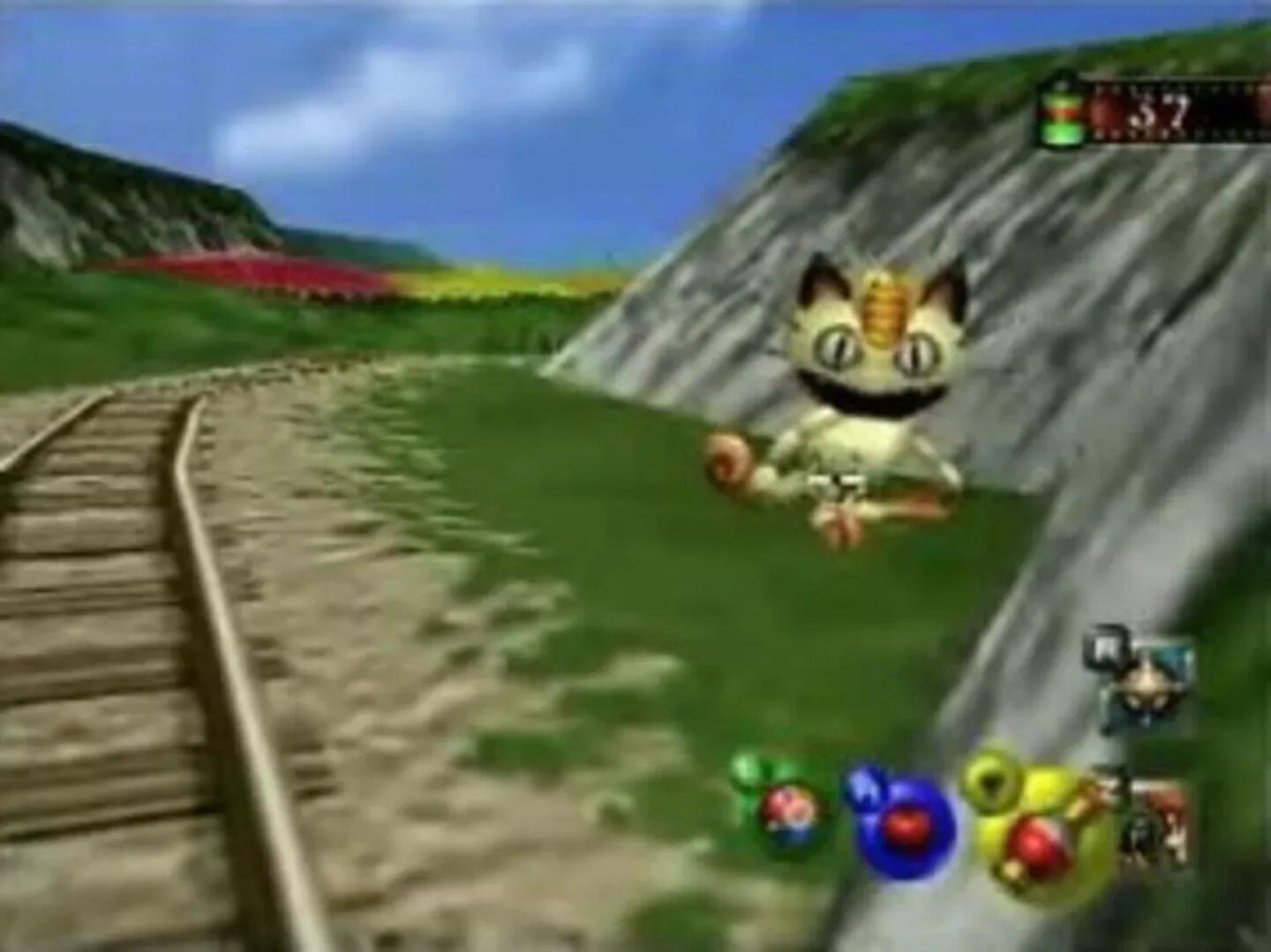
The core gameplay loop in Pokémon Snap is built around repeat playthroughs of the same courses. Because the Zero-One follows a fixed path, you can't stop or change direction, so every decision comes down to what you aim at and when you press the shutter. There are 63 Pokémon to photograph across seven stages, including Pokémon Valley, Tunnel, and the Volcano.
Pokémon Snap content image
Key mechanics include:
- Item throws to trigger unique behaviors
- Photo scoring based on size, pose, and centering
- Unlocking new courses by hitting point thresholds
- Discovering hidden pathways within stages
- Locating Mew, the game's rarest subject

Pokémon Snap content image
The fixed-rail structure sounds limiting, but it's actually what gives the game its identity. You're not exploring freely; you're learning a route until you know exactly where to look and what to do to coax out the best shots. That loop of mastery and discovery holds up across every stage.
What makes finding Mew worth the effort?
Mew is the game's legendary subject, and photographing it is the closest Pokémon Snap gets to a final challenge. Unlike most Pokémon that appear in predictable spots, Mew travels inside a pink bubble and only becomes photographable under specific conditions. Players need to destroy the bubble using a Pester Ball at the right moment, which requires multiple runs through the Rainbow Cloud stage just to understand the timing.
The payoff is more than just a high score. Getting a clear shot of Mew completes the Pokémon Report that Professor Oak has been building throughout the game, giving the whole photography simulation a narrative purpose that the earlier stages only hint at.
Pokémon Snap content image
Impact and legacy
Pokémon Snap was a commercial hit on the Nintendo 64, selling over 1.5 million copies in Japan alone and building a dedicated following that spent years asking for a sequel. That sequel eventually arrived in 2021 with New Pokémon Snap on Switch, which expanded the formula across 214 Pokémon and multiple research levels per course. The original game is now available on Nintendo Switch Online, making it accessible to players who never experienced the N64 version.
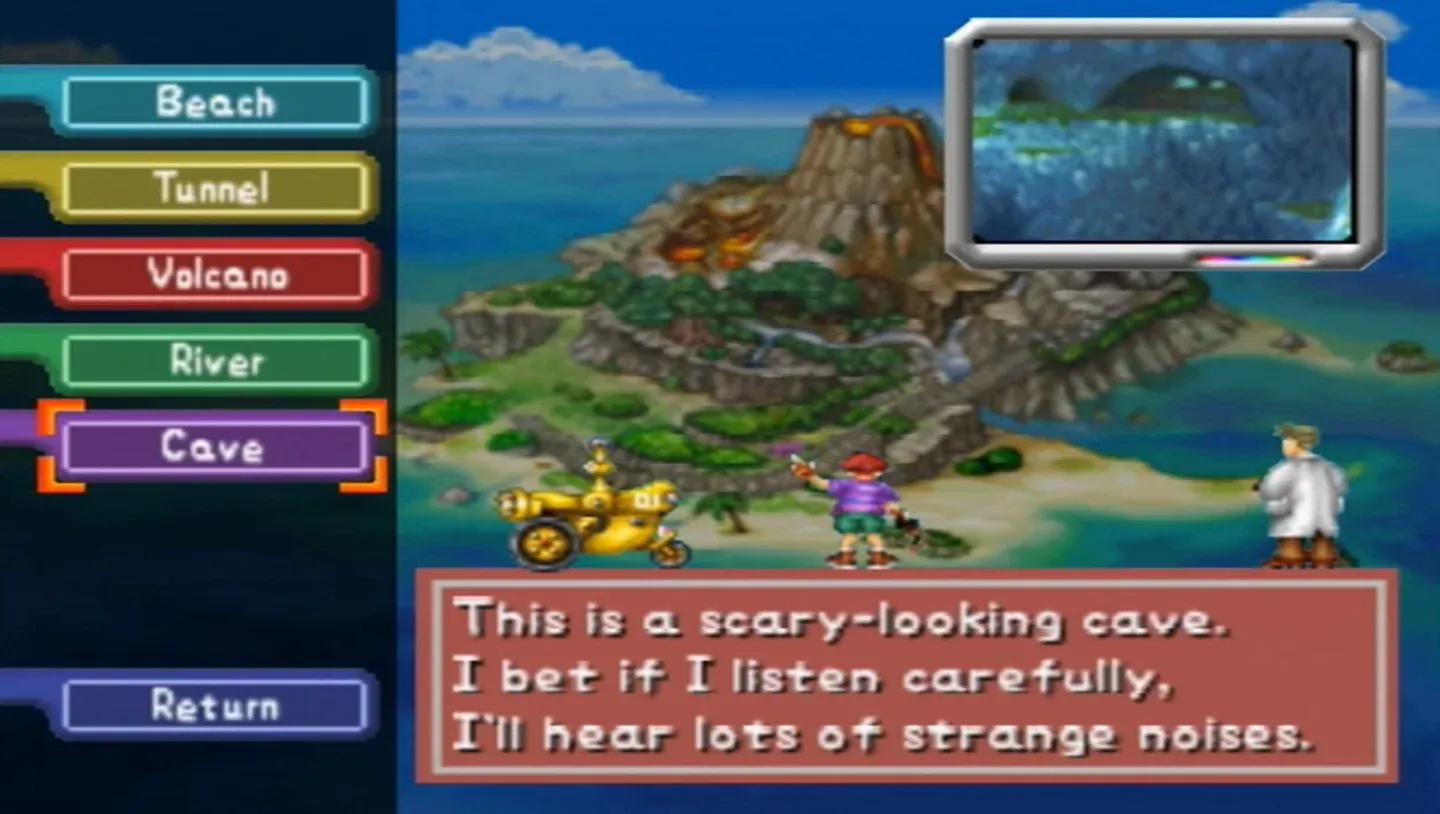
What the original still does better than most games in the franchise is slow everything down. There's a meditative quality to riding through Pokémon Beach or the Cave, listening to ambient sound, and waiting for a Lapras to surface or a Mewtwo to materialize. The photography simulation format gave the Pokémon universe a sense of genuine wildness that the mainline RPGs rarely match.
Pokémon Snap content image