Overview
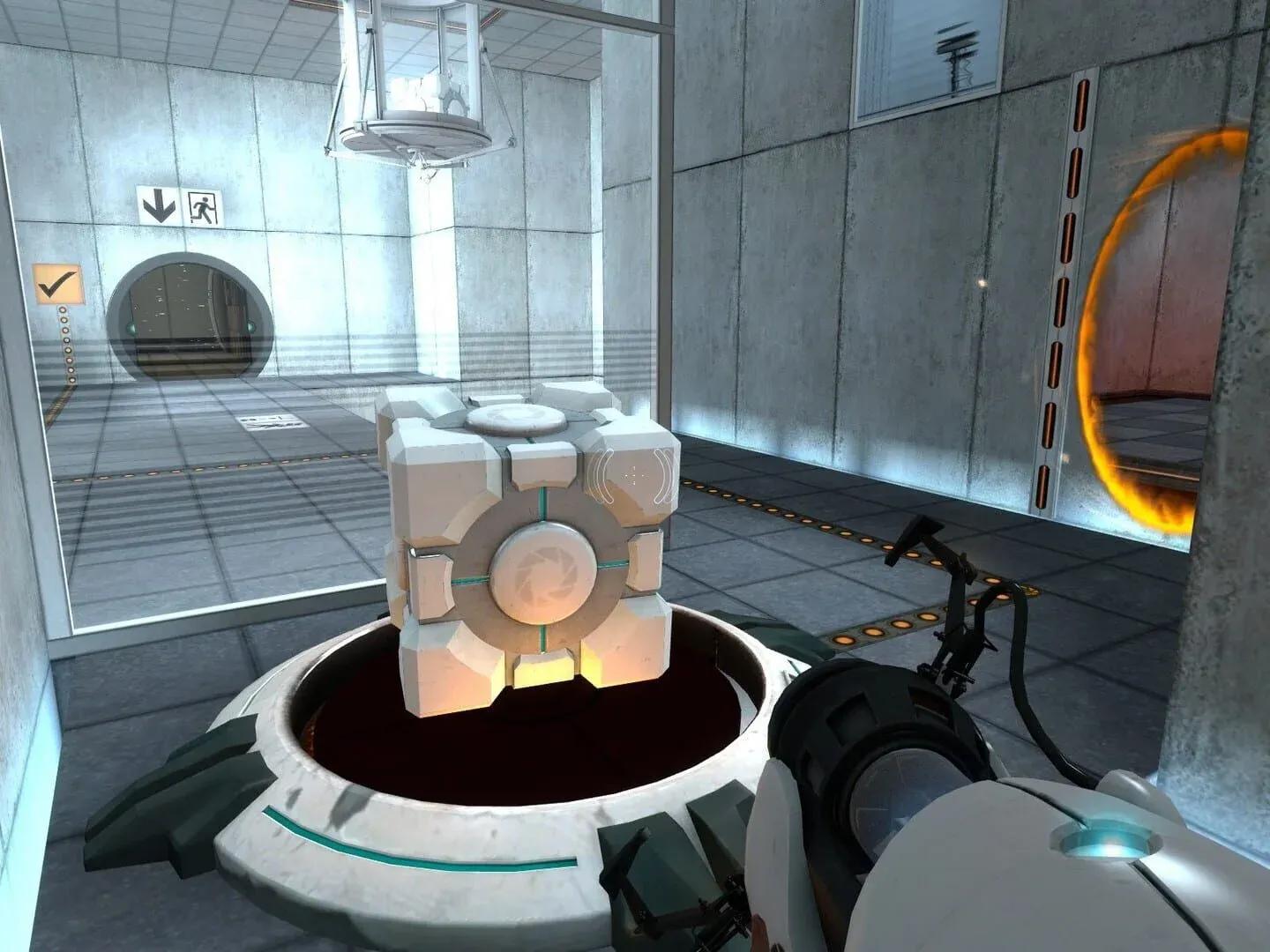
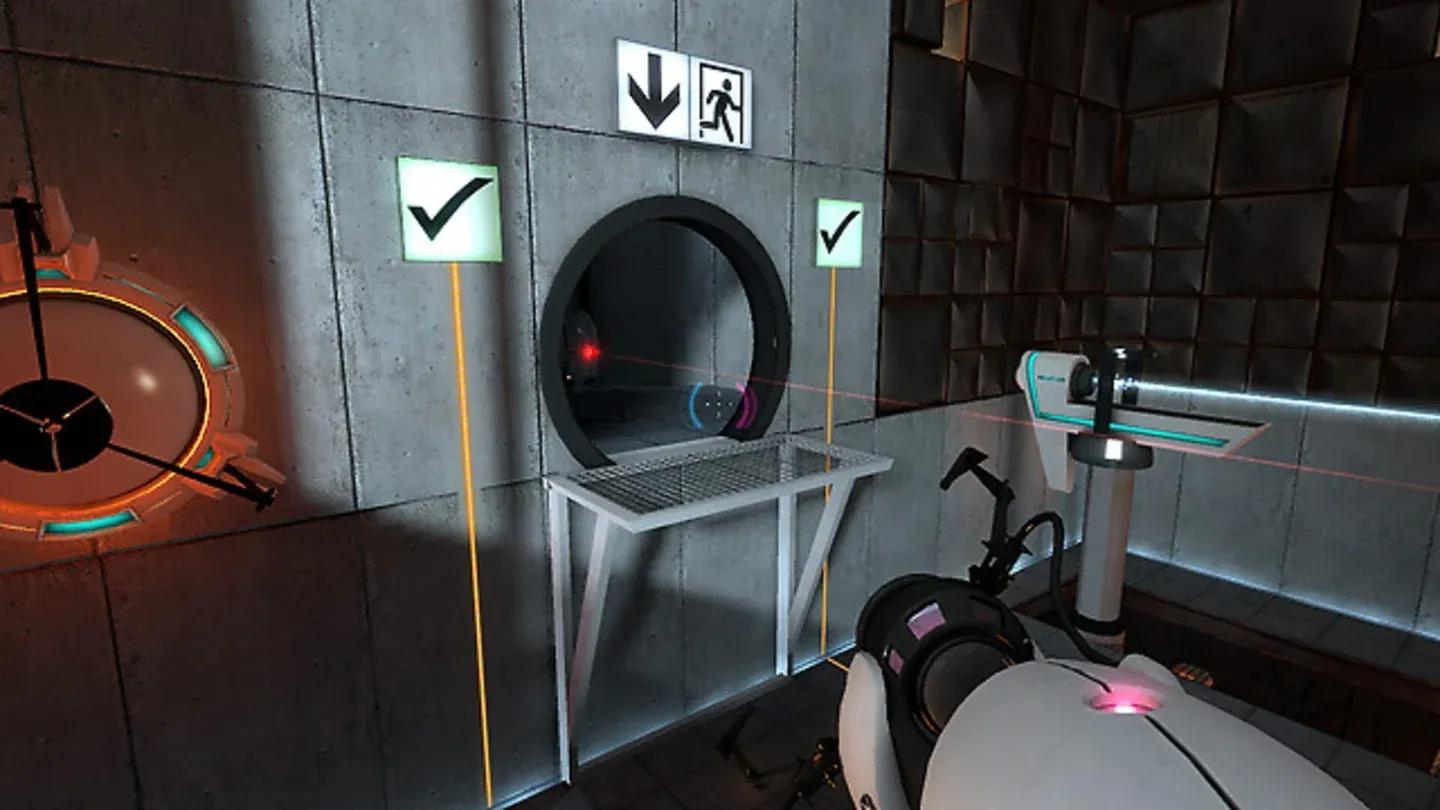
Portal places players in the role of Chell, a silent test subject who wakes inside the Aperture Science Enrichment Center with no memory, no allies, and no clear purpose. Armed with the Aperture Science Handheld Portal Device, she must navigate a series of increasingly complex test chambers under the watchful eye of GLaDOS, an artificial intelligence whose cheerful instructions mask deeply unsettling intentions. The game blends first-person navigation with physics-based puzzle mechanics in a way that feels genuinely original, building its challenges from a single, elegant concept: two linked portals that preserve momentum and redefine how space connects.
What makes Portal's core mechanic so effective is its scalability. Early chambers introduce the basics, teaching players how to redirect laser-like energy beams, reposition weighted blocks, and use momentum to launch across gaps. As the difficulty climbs, the solutions demand layered thinking, combining portal placement with precise timing and spatial awareness. The game never relies on reflexes alone; every chamber is a logic problem dressed in physics clothing.
The pacing is remarkably tight. Portal runs between three and five hours for most players, but that brevity is a strength rather than a limitation. Every room earns its place, and the escalating tension between Chell and GLaDOS gives the puzzle progression a genuine narrative weight that longer games often struggle to sustain.
Gameplay and Mechanics: What Does the Portal Gun Actually Do?
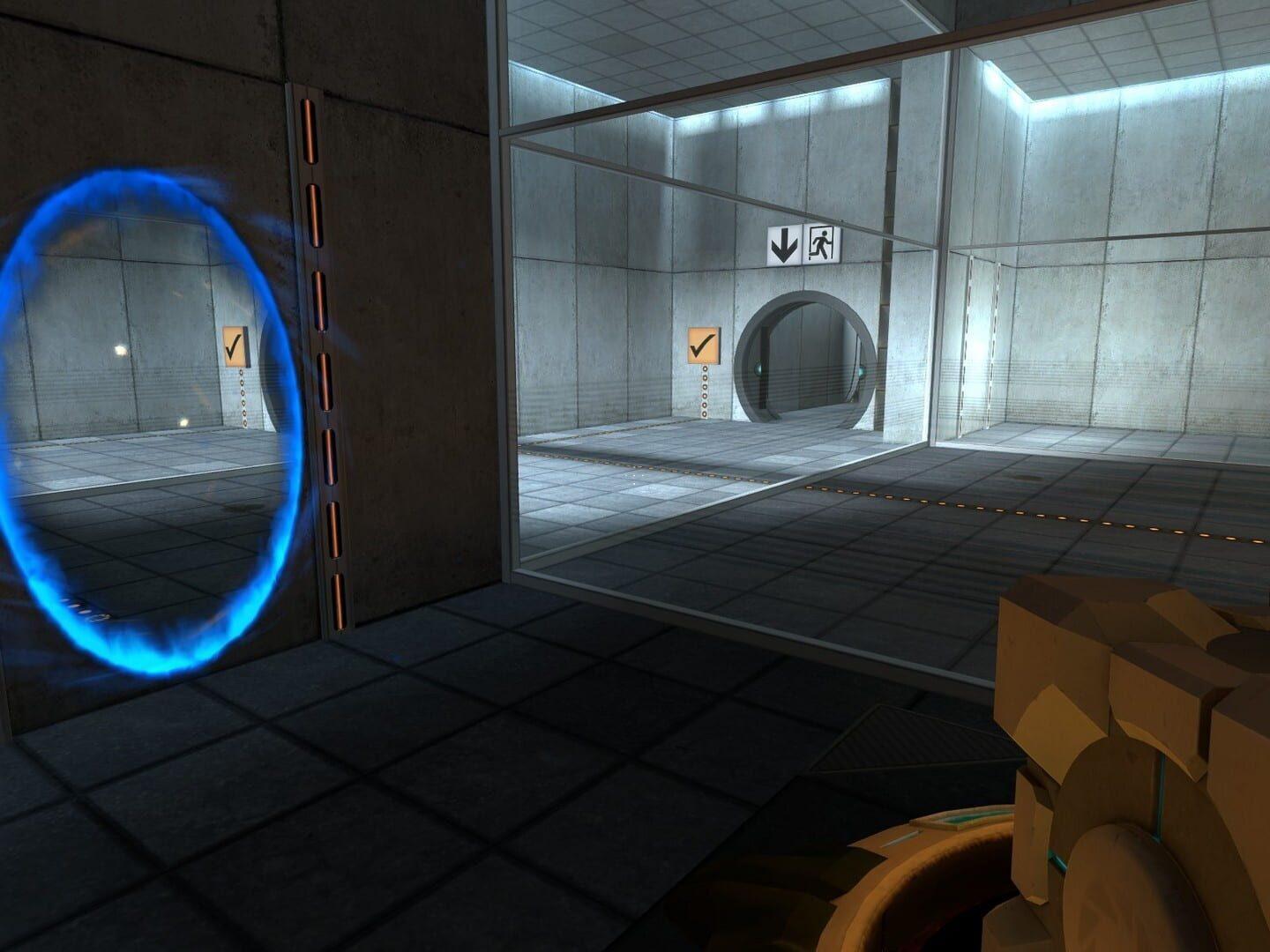
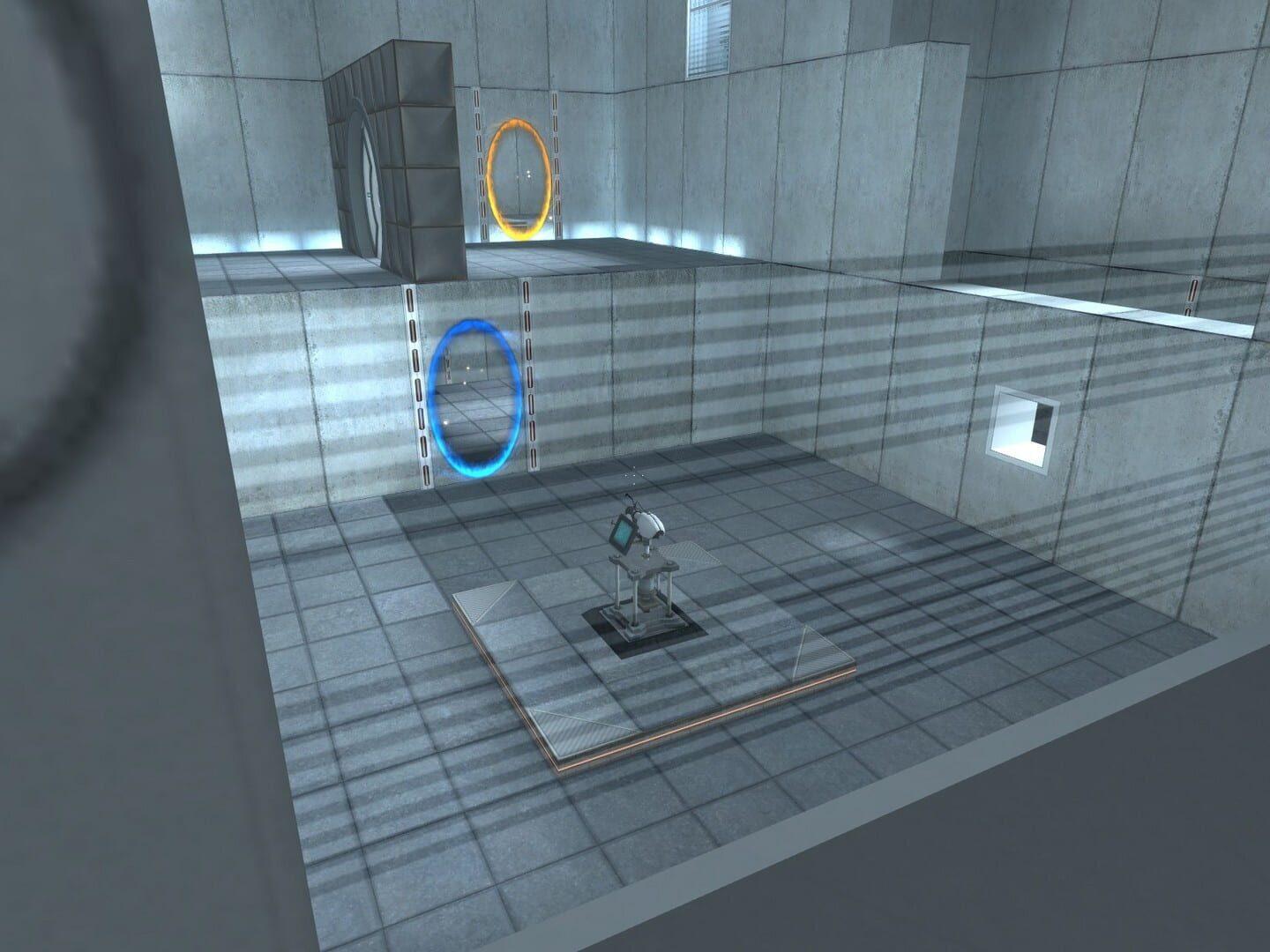
The Aperture Science Handheld Portal Device fires two distinct portals, one orange and one blue, onto compatible white surfaces. Stepping through one portal instantly transports you out of the other, and crucially, velocity carries through. This single rule unlocks an enormous design space.

Key mechanics include:
- Portal momentum for aerial traversal
- Weighted Companion Cube block puzzles
- Automated sentry turrets requiring evasion
- Energy ball redirection challenges
- Environmental hazard avoidance
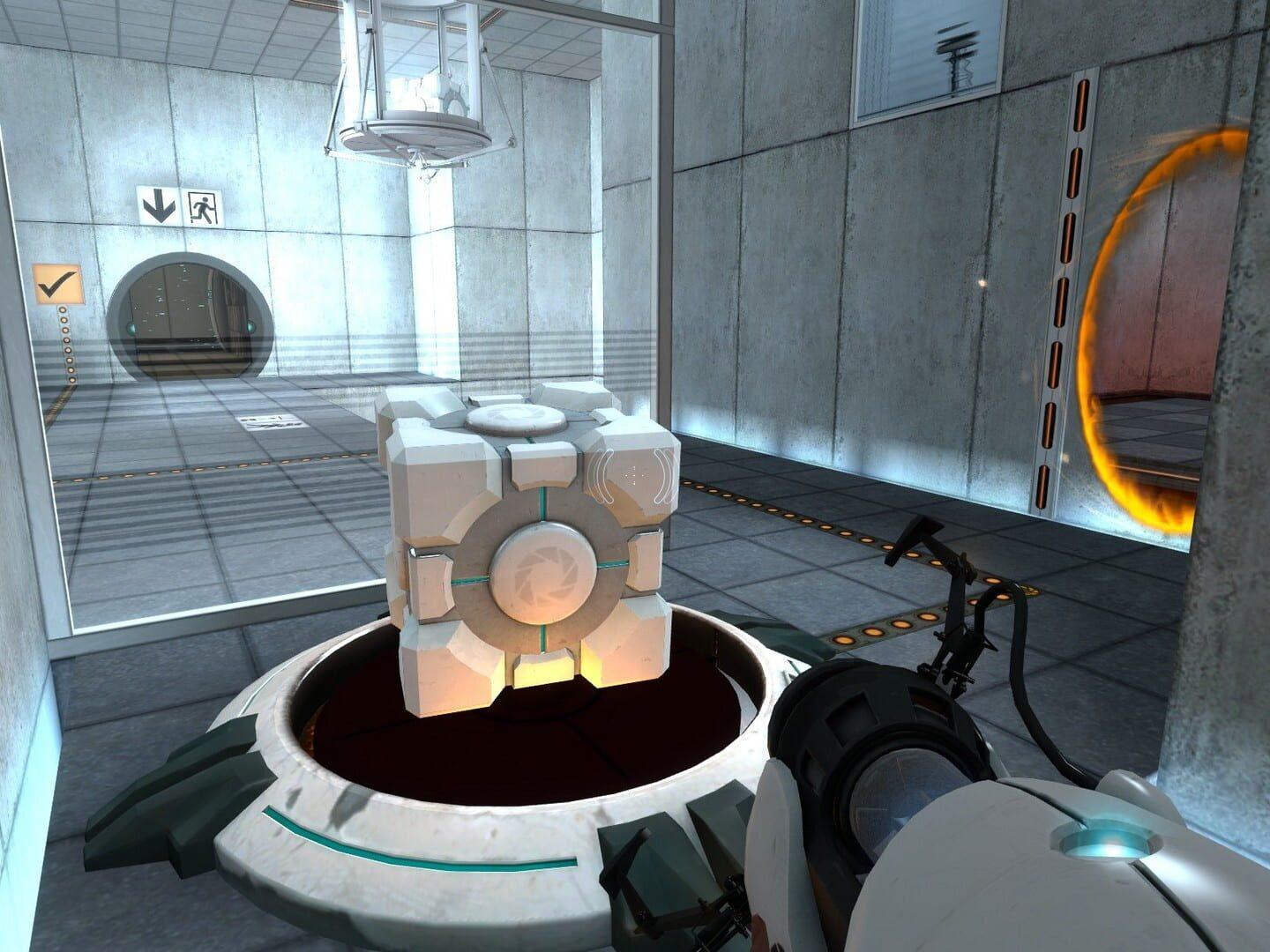
The white surface rule is deceptively important. It forces players to scan rooms carefully, identifying which walls, floors, and ceilings accept portals and which do not. This environmental reading becomes second nature over time, but the game continues to subvert expectations by introducing new room configurations that challenge established habits.
World and Setting: The Unsettling Beauty of Aperture Science
Aperture Science operates as both setting and character. The Enrichment Center presents a pristine, clinical facade in its early chambers, all white panels and humming machinery, but the spaces behind the walls tell a different story. Maintenance corridors are crumbling and graffiti-covered, with scrawled messages warning that "the cake is a lie," a phrase that became one of gaming's most recognizable cultural touchstones.
GLaDOS drives the atmosphere with remarkable efficiency. Her announcements shift gradually from procedural instruction to passive-aggressive commentary to outright hostility, and the contrast between her pleasant synthetic voice and her increasingly transparent malice creates a tension that carries the entire second half of the game. The writing is precise and genuinely funny, which makes the darker undertones land with far more impact.
Impact and Legacy: Why Portal Still Matters
Released in 2007 as part of Valve's The Orange Box compilation, Portal arrived almost as a bonus and became the package's defining achievement. Its influence on puzzle game design is visible across nearly two decades of releases that followed, from indie titles experimenting with spatial mechanics to major studio productions borrowing its dry, environmental storytelling approach.
The game is available across an exceptional range of platforms, including Windows, macOS, PlayStation, Xbox, Nintendo Switch, Android, and Steam, making it one of the most accessible entries in Valve's catalog. The Nintendo Switch version arrives as part of the Portal: Companion Collection, priced at $19.99.
Conclusion
Portal stands as one of the most precisely designed puzzle games ever made. Its portal-based mechanics deliver a genuinely fresh problem-solving experience, its narrative earns genuine emotional stakes from minimal resources, and its antagonist remains one of the most memorable characters in the medium. Whether approached as a physics puzzle exercise or a darkly comic science fiction story, Portal rewards attention and intelligence in equal measure, and its availability across virtually every major platform ensures that new players continue to discover why it changed the genre entirely.