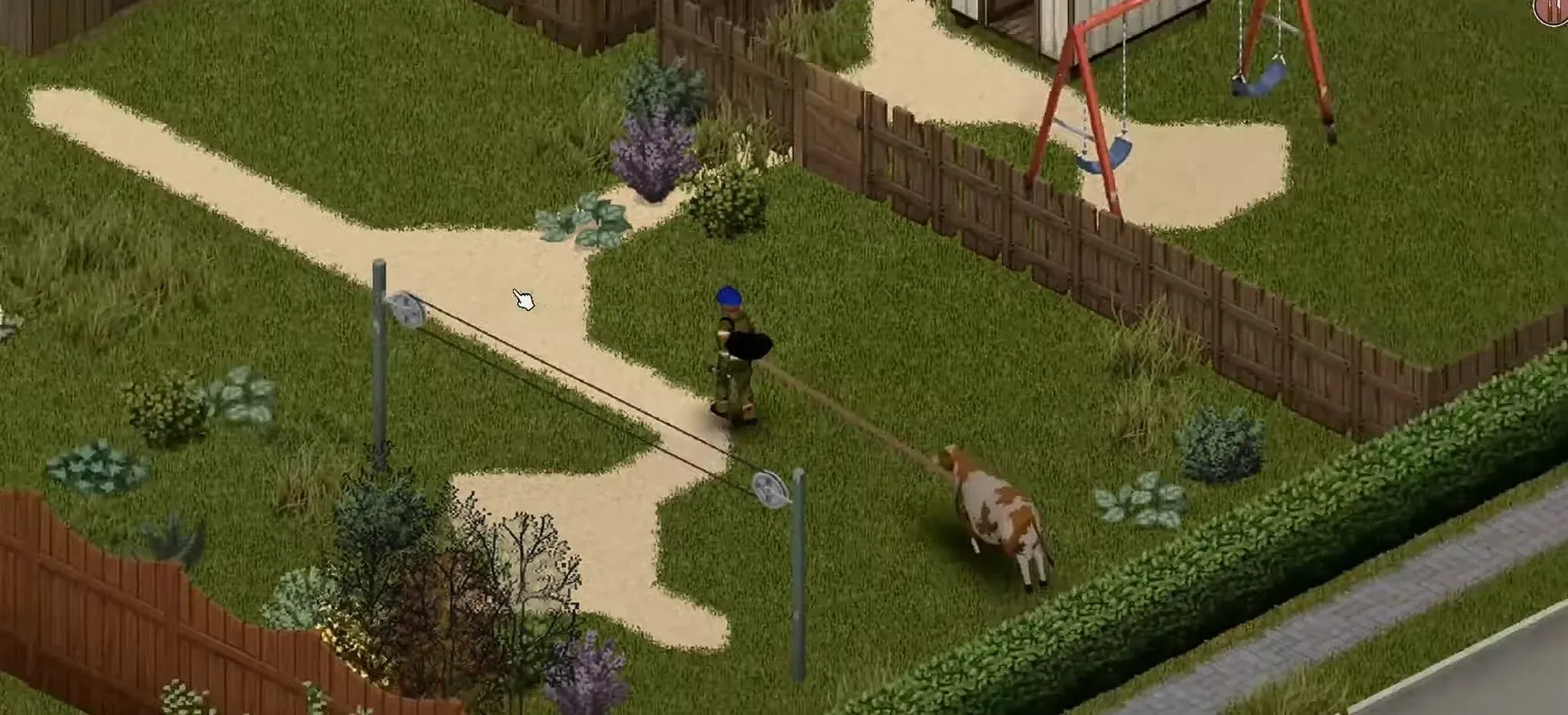


Project Zomboid Build 42 hit the stable branch on July 29, 2026 as version 42.20, and it is the biggest systems expansion the game has seen since multiplayer arrived. Every existing owner on Steam and GOG gets it free, no extra purchase required. The update adds livestock, a rebuilt Knox County map, underground basements, a new lighting engine, and two new challenge modes. What it does not do is carry your old saves forward.
Will your saves work in Build 42?
The short answer: no. Build 41 saves are not compatible with Build 42. The two versions use fundamentally different data formats, and no official conversion tool exists. Your saves are not deleted, they stay on your local machine, but Build 42 cannot open them.
The same applies if you were already on the unstable beta branch. Saves from any Build 42 unstable version up through 42.19 are also incompatible with 42.20 stable. Even players who spent months testing on the beta branch need to start fresh.
If you want to finish an active Build 41 run before committing, that option is still available. Go to Project Zomboid's Properties in your Steam library, select "Game Versions & Betas," and choose legacy41 from the list. Your Build 41 saves will be right where you left them.
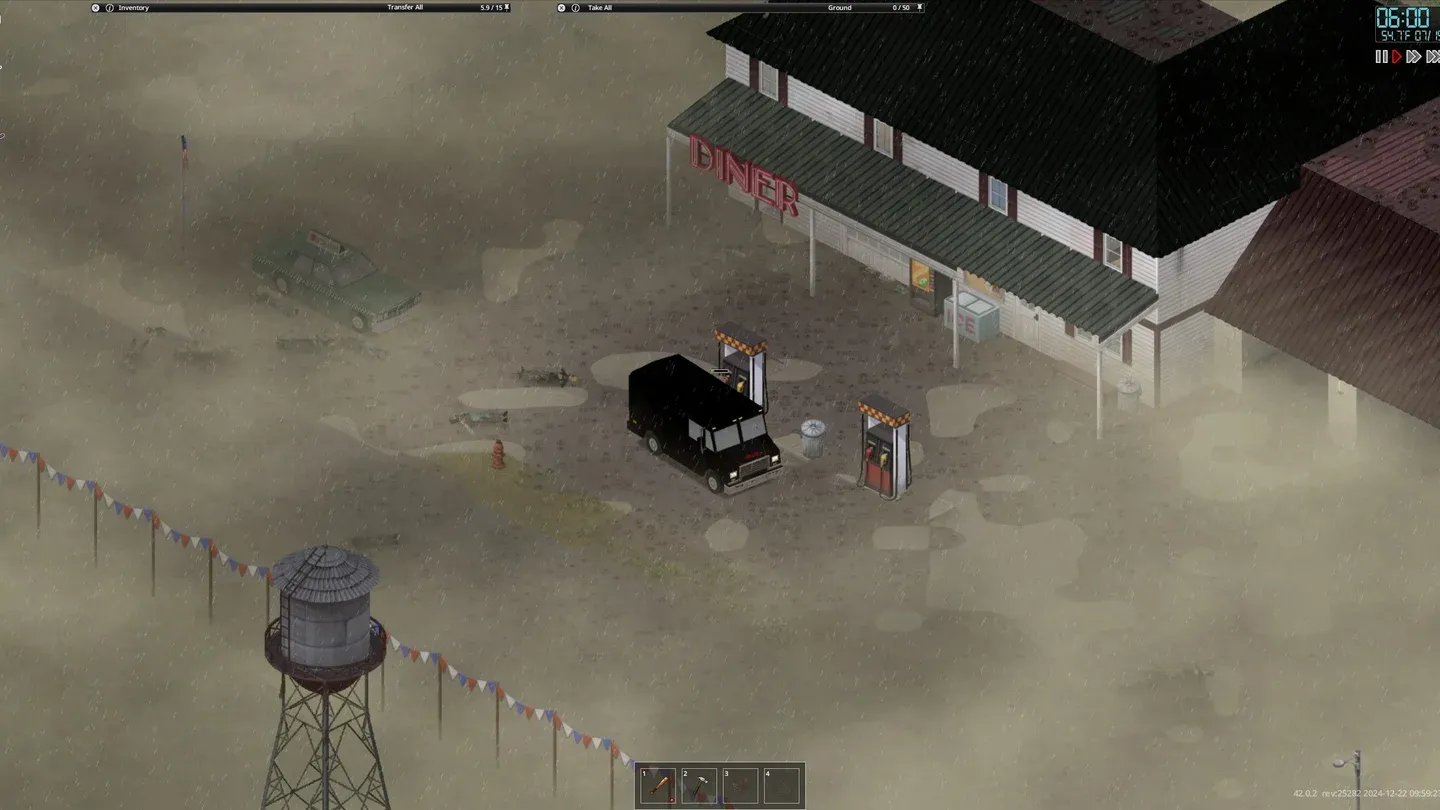
Switch branches to keep old saves
What changed in Knox County?
The map overhaul is the structural heart of Build 42. The development team rebuilt Knox County moving away from the copy-paste building approach that defined much of the prior map. Every structure now has a distinct layout, varied fencing, and unique entry points. Empty lots have been given actual context: a backyard with discarded bottles, a parking lot with wreckage that tells a story.
The first wave of rebuilt towns covers Rosewood, Riverside, West Point, Fallas Lake, Muldraugh, and Ekron. Each location has a functional identity. Riverside reflects a wealthier community aesthetic, while West Point's blue-collar character is anchored by the in-game AMZ steel factory. Resource distribution has been deliberately differentiated West Point offers more fishing gear than Muldraugh, giving players real incentive to explore beyond their starting area rather than treating every town as interchangeable loot boxes.
The map also expands westward, opening new territory for players who prefer a nomadic survival style.
What's underground?
Build 42 adds approximately 400 procedurally generated basements and 75 hand-crafted basements distributed across the map. Each is furnished with era-appropriate decor, including posters and new lighting fixtures. New hand-built surface points of interest include an abandoned orphanage, a boy scout camp, and a prison.
Louisville did not receive underground content in this release. The Indie Stone has confirmed that a sewer system and expanded rooftop traversal are in development for a future update. Brandenburg, Louisville, Irvington, and the lake region are next in line for the map overhaul treatment.
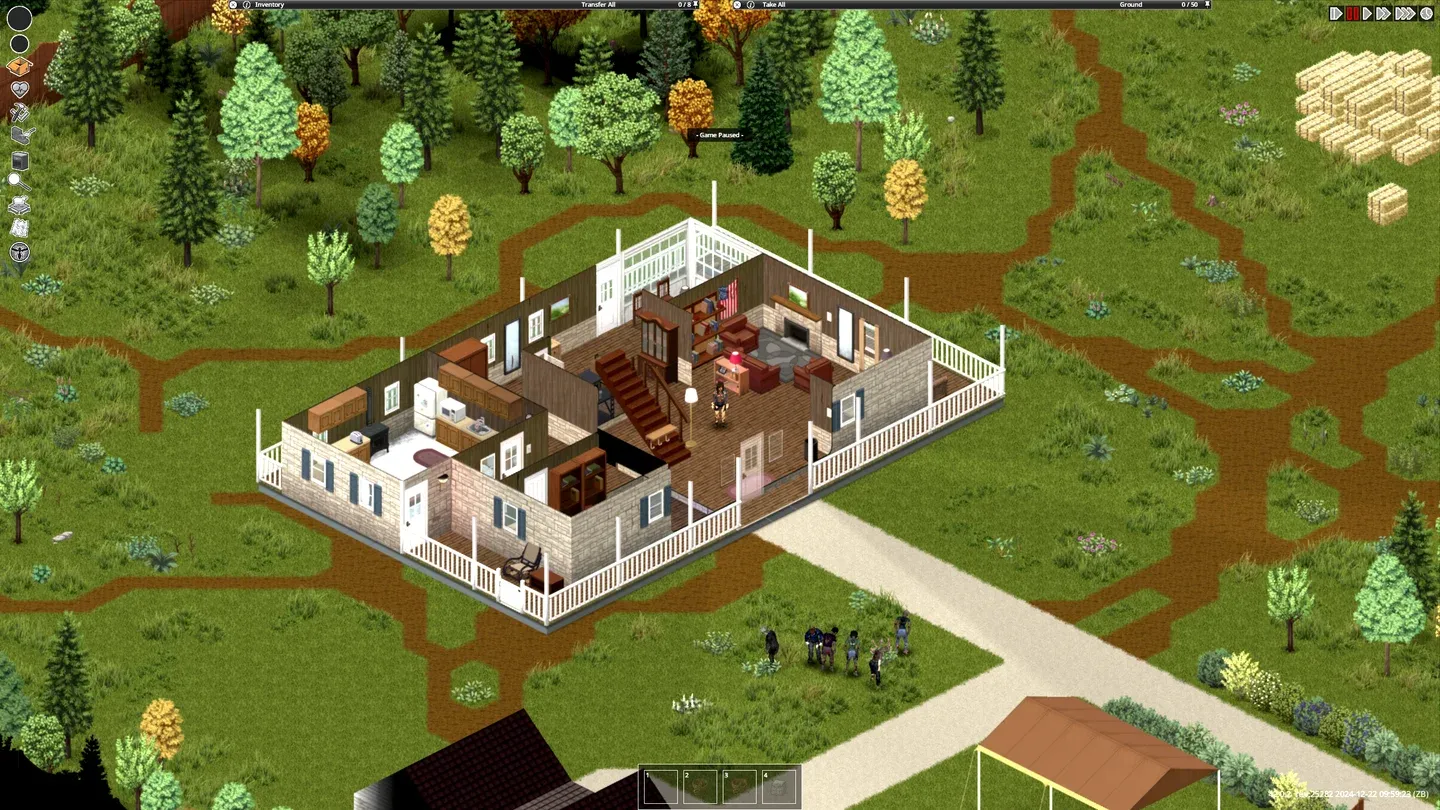
Hand-crafted basement interiors
How does the animal system work?
This is the feature most players have been waiting on. Build 42 introduces a full animal husbandry system that lets you raise livestock at your base as a long-term food and resource loop. The livestock roster includes cows, pigs, chickens, and sheep. Wildlife available for hunting and trapping includes deer, rabbits, raccoons, rats, mice, and turkeys. All of these function as persistent world entities with their own behaviors and simulation requirements.
The Rancher occupation (renamed from the prior Livestock Farmer profession) is built around this system. It arrives alongside two other reworked post-apocalyptic professions: the Blacksmith and the DIY Expert (formerly called Repairman). These changes connect directly to the update's broader crafting overhaul, which extends the progression from improvised repairs toward more ambitious self-sufficiency.
How does the new lighting engine change the game?
The rebuilt lighting renderer is the most significant visual change in the update. The new system increases contrast between lit and dark spaces, making nights noticeably darker and more dangerous. Light bleeds through curtains from inside buildings. Wall switches now show a visible indicator when lights are active. The glow from an open door reflects on a character's back.
This is not a photorealistic overhaul, Project Zomboid keeps its isometric, top-down presentation. But the atmosphere shift is real. Venturing outside after dark carries a higher cost than it did in Build 41, and that changes how you plan your scavenging runs.
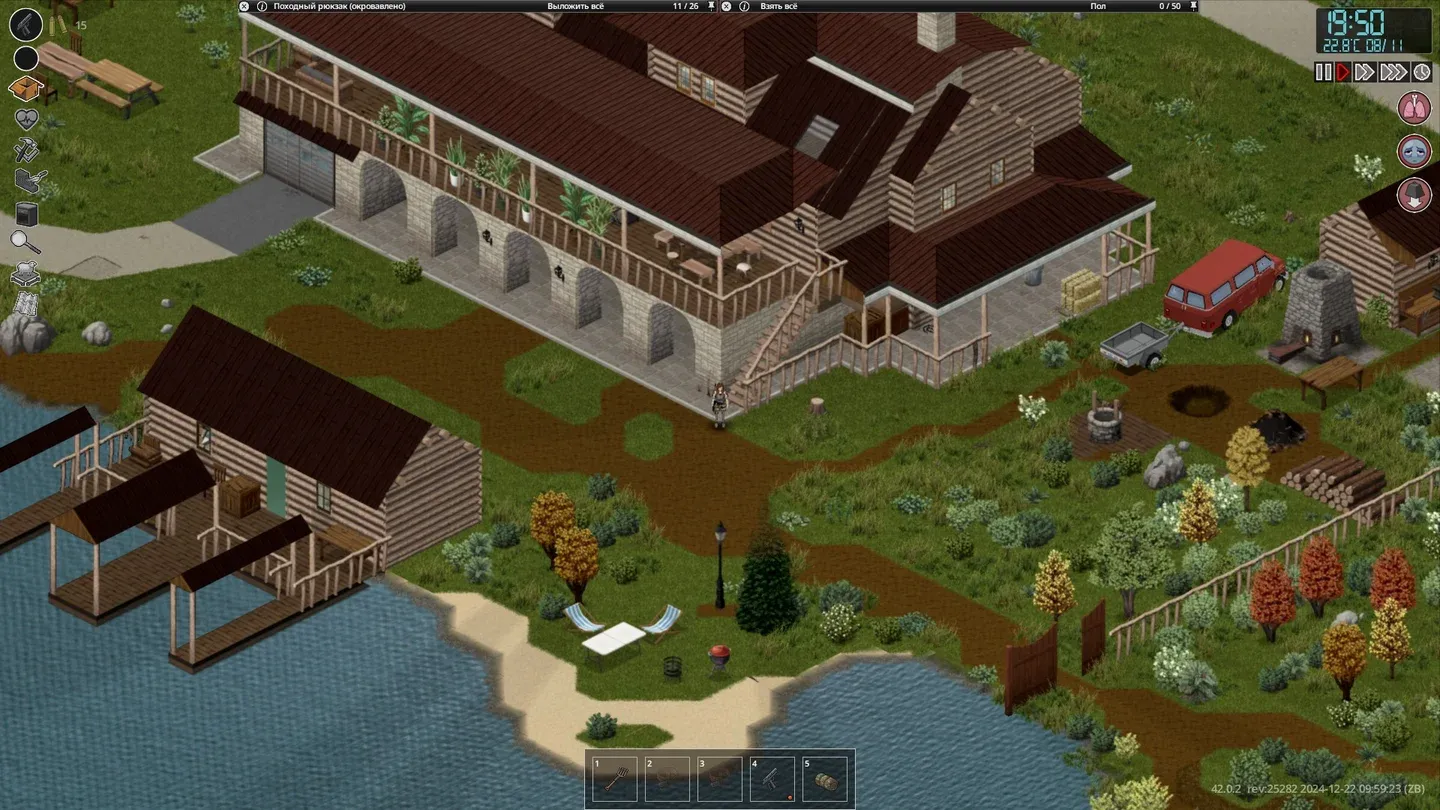
Rancher occupation in Build 42
What are the new challenge modes?
Build 42.20 adds two new challenge scenarios: Top of the World and 28 Seconds Later. Both are exclusive to the stable release and were not available in the prior stable build.
What comes after Build 42?
The stable release is not the end of the Build 42 cycle. The Indie Stone's roadmap includes ongoing hotfixes based on community feedback, with particular attention to late-game balance. A dedicated Build 42 Support Update planned for later in 2026 will focus on optimization, additional modding support, and features that did not make the stable cutoff. Multiplayer stability and controller improvements will continue throughout the patching cycle. The studio has also announced it will release its internal development tools to the modding community.
Project Zomboid has sold over 15 million copies on Steam and holds a 94 percent positive review score across more than 462,000 reviews. It has been in Early Access since November 2013 and remains there after Build 42. Build 43, with its long-promised human NPCs, is the next major milestone on the horizon.
For more on surviving Knox County's rebuilt towns and new animal systems, check out the full Project Zomboid guides collection. If you're new to the genre and want to understand why survival simulation games keep pulling players back for years, Build 42 is as good an entry point as any.