


Advertisement

Overview
Punch Club is a boxing tycoon management game developed by Lazy Bear Games and published by tinyBuild, released in January 2016. The setup sounds simple: your father was murdered in front of you, and now you train, fight, and investigate to find out who did it. The execution is anything but simple. Three distinct fighting styles, branching story paths, and a resource management loop that never stops demanding your attention make this a game that rewards patience and punishes poor planning.
The pixel art presentation leans hard into retro aesthetics, pulling visual and narrative cues from classic action films. References to Rocky, Bloodsport, and Street Fighter surface regularly, and the game wears that influence without apology. The tone stays playful even when the stakes feel high, which keeps the whole experience from taking itself too seriously.
Punch Club content image
Gameplay and mechanics
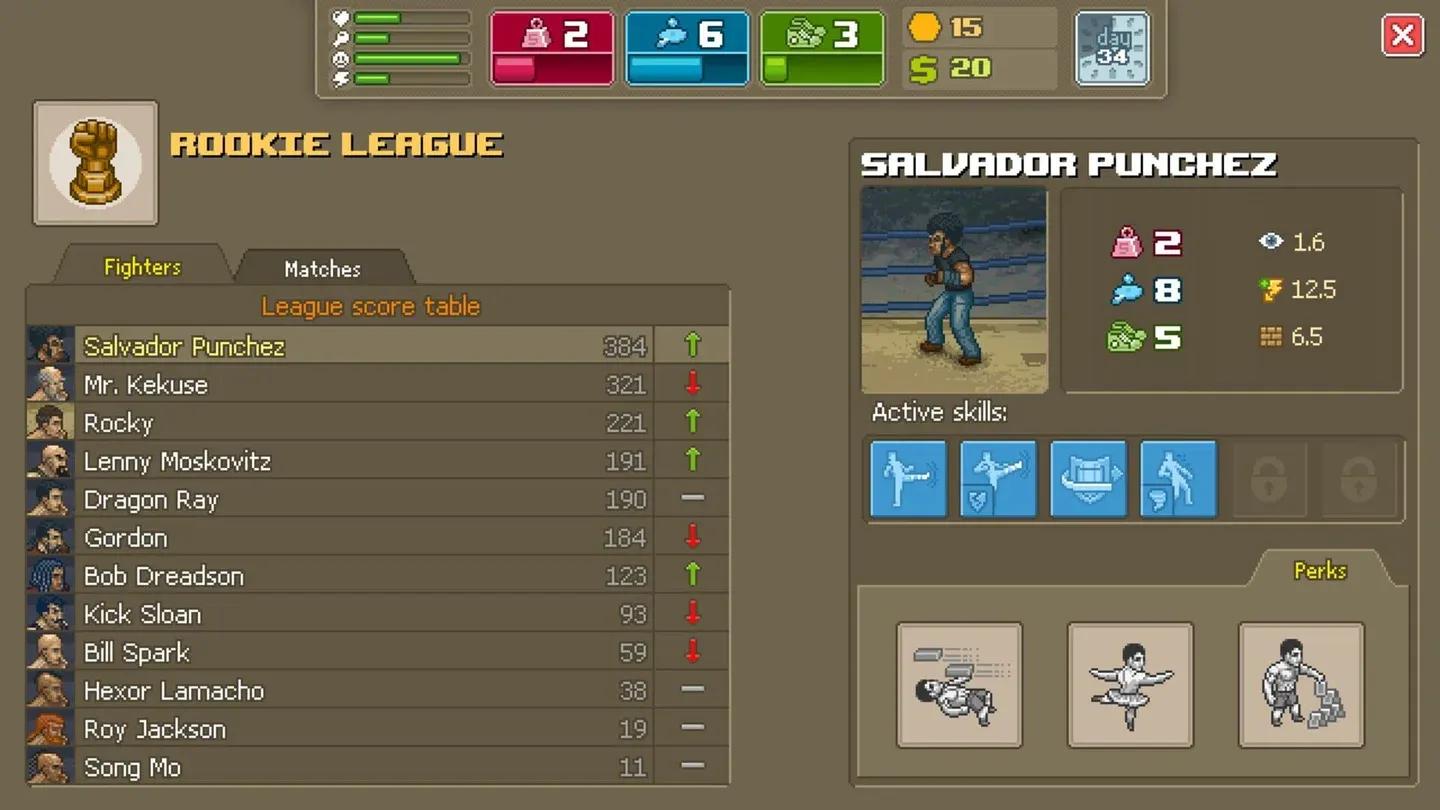
At its core, Punch Club is a stat management game dressed up as a boxing simulator. Three primary attributes shape your fighter:

Punch Club content image
- Strength: governs raw damage output
- Agility: controls dodge chance and speed
- Stamina: determines how long you last in a fight
The catch is that all three stats decay over time. Skip the gym for a few in-game days and your carefully built fighter starts sliding backward. Balancing training sessions, sleep, food, work shifts for money, and social obligations creates a constant tension that feels genuinely stressful in the best way.
Punch Club content image
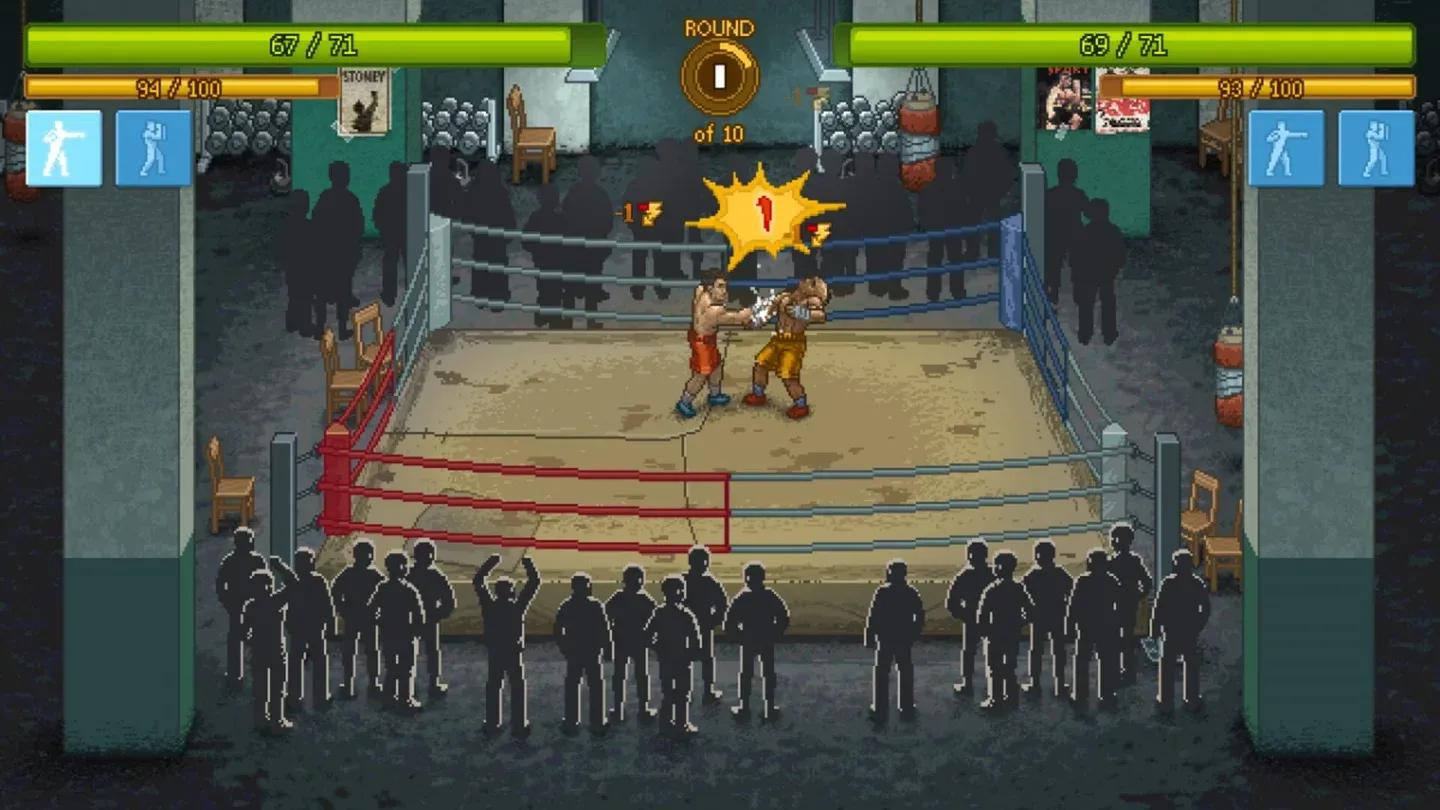
Fights themselves play out automatically based on the skills and stats you have equipped before the bell rings. You pick your fighting style and ability loadout, then watch the result. It sounds passive, but the preparation is where the real game lives.
Three paths to the top
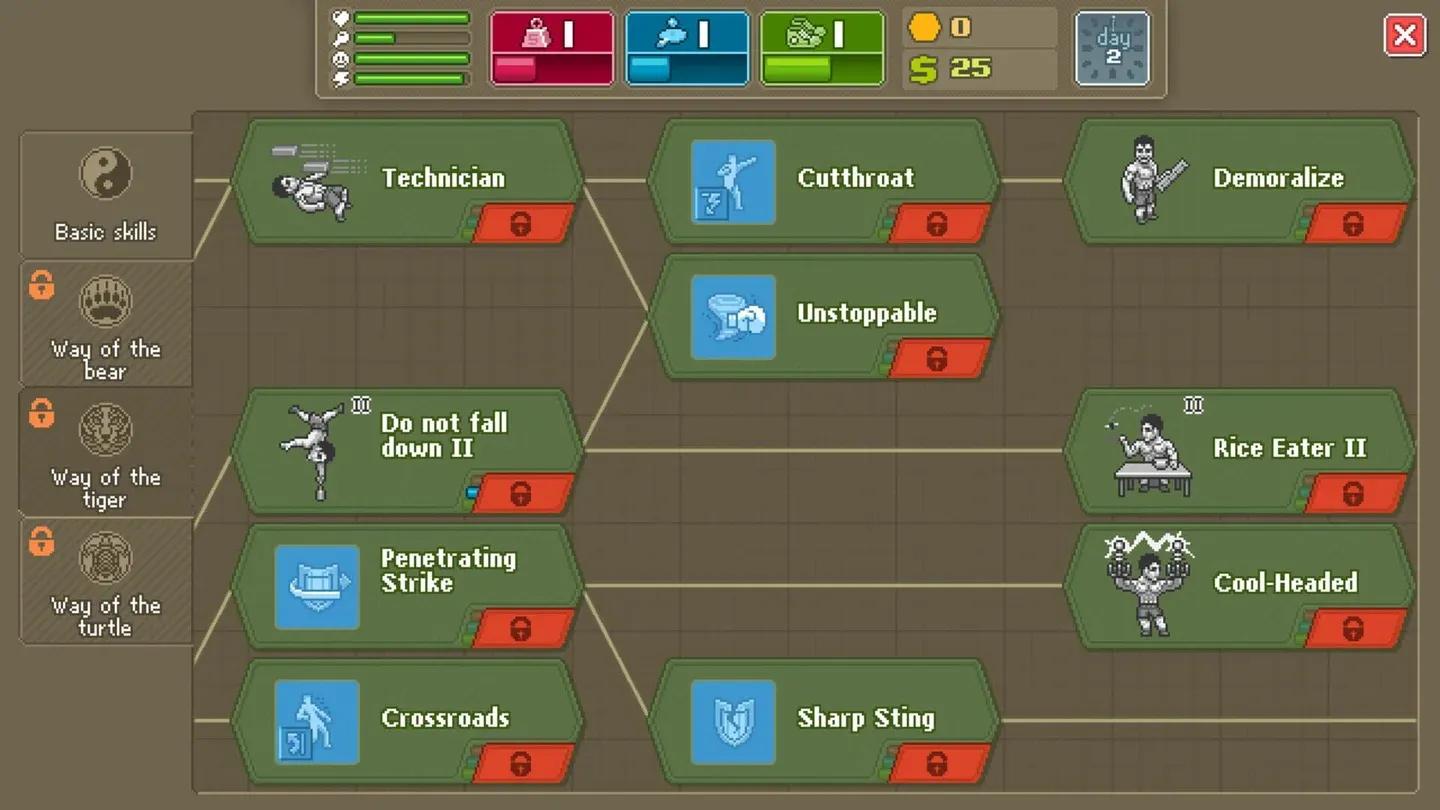
Choosing a fighting style in Punch Club is one of the most consequential decisions you make. The Way of the Tiger favors strength and aggression. The Way of the Turtle builds around defense and stamina. The Way of the Bear focuses on a balance of power and endurance. Each path unlocks different abilities and shapes how fights play out, and committing to one early changes which story branches open up later.

Punch Club content image
The branching narrative extends beyond the ring. Side jobs, friendships, romantic relationships, and morally questionable shortcuts all feed back into your stats and story progression. Taking the shady route through the rankings opens different encounters than the legitimate climb, and multiple playthroughs reveal story threads that a single run will miss entirely.
What makes Punch Club worth replaying?
Punch Club earns its replayability through genuine consequence. Choices made in the first few hours lock out certain paths entirely, and the three fighting styles play differently enough that each run feels distinct. The murder mystery at the center of the story also has more layers than the premise suggests, with reveals that land harder once you understand how the world's various factions connect.
The game runs across PC, Mac, iOS, Android, PlayStation, Xbox, and Nintendo Switch, making it one of the more accessible indie RPGs in this niche. The mobile versions hold up well given the management-heavy design, and the pixel art scales cleanly across screen sizes. For fans of management sims, retro RPGs, or games with genuine narrative branching, Punch Club delivers a tightly constructed experience that still holds up a decade after its original release.