

Overview
Return of the Obra Dinn is a first-person mystery game developed solo by Lucas Pope and published by 3909. Set in 1807, it puts players in the role of an insurance adjuster for the East India Company, tasked with boarding the Obra Dinn, a merchant ship that vanished in 1802 and has now reappeared in a London harbor with no living crew. The goal: determine the fate of every one of the 60 people who sailed on it.
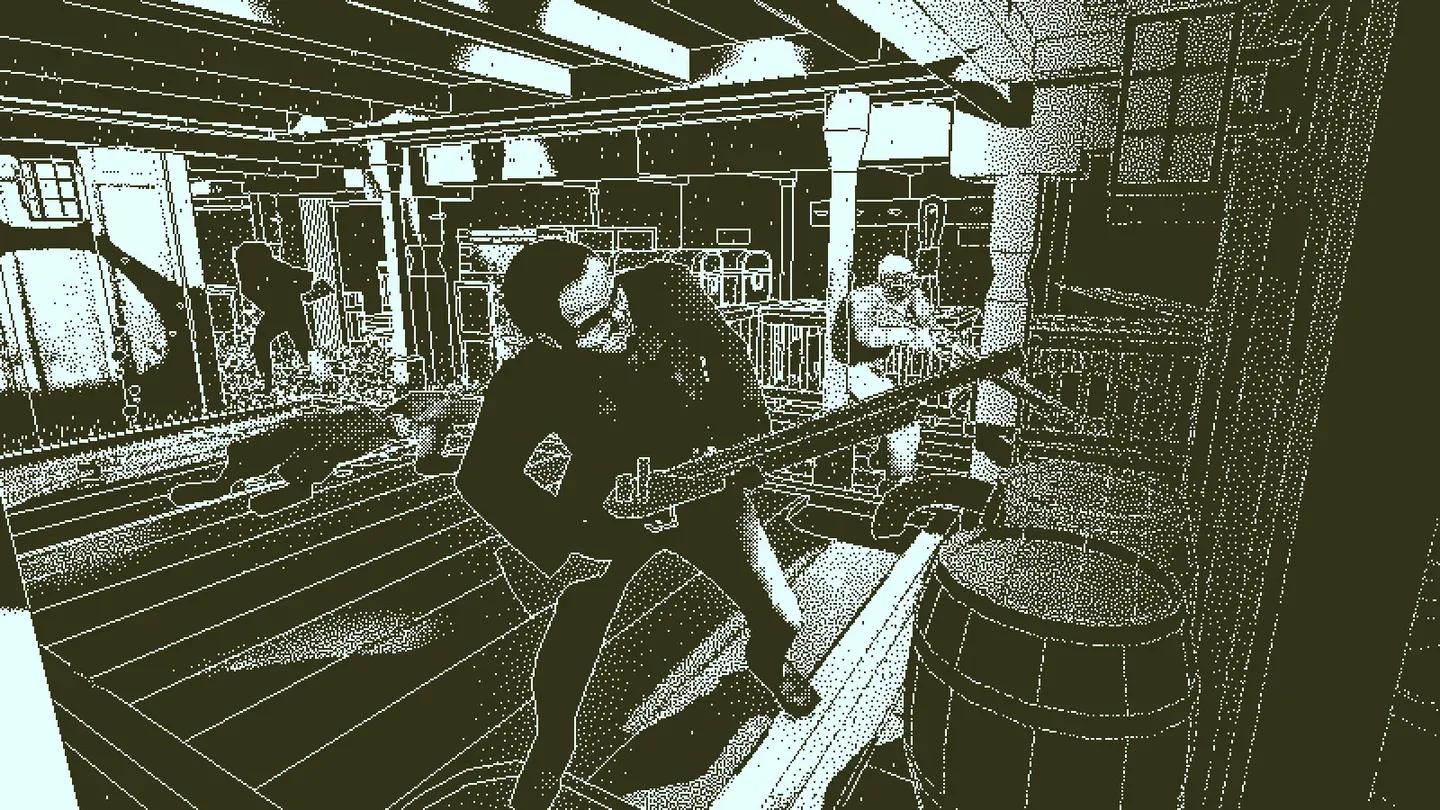
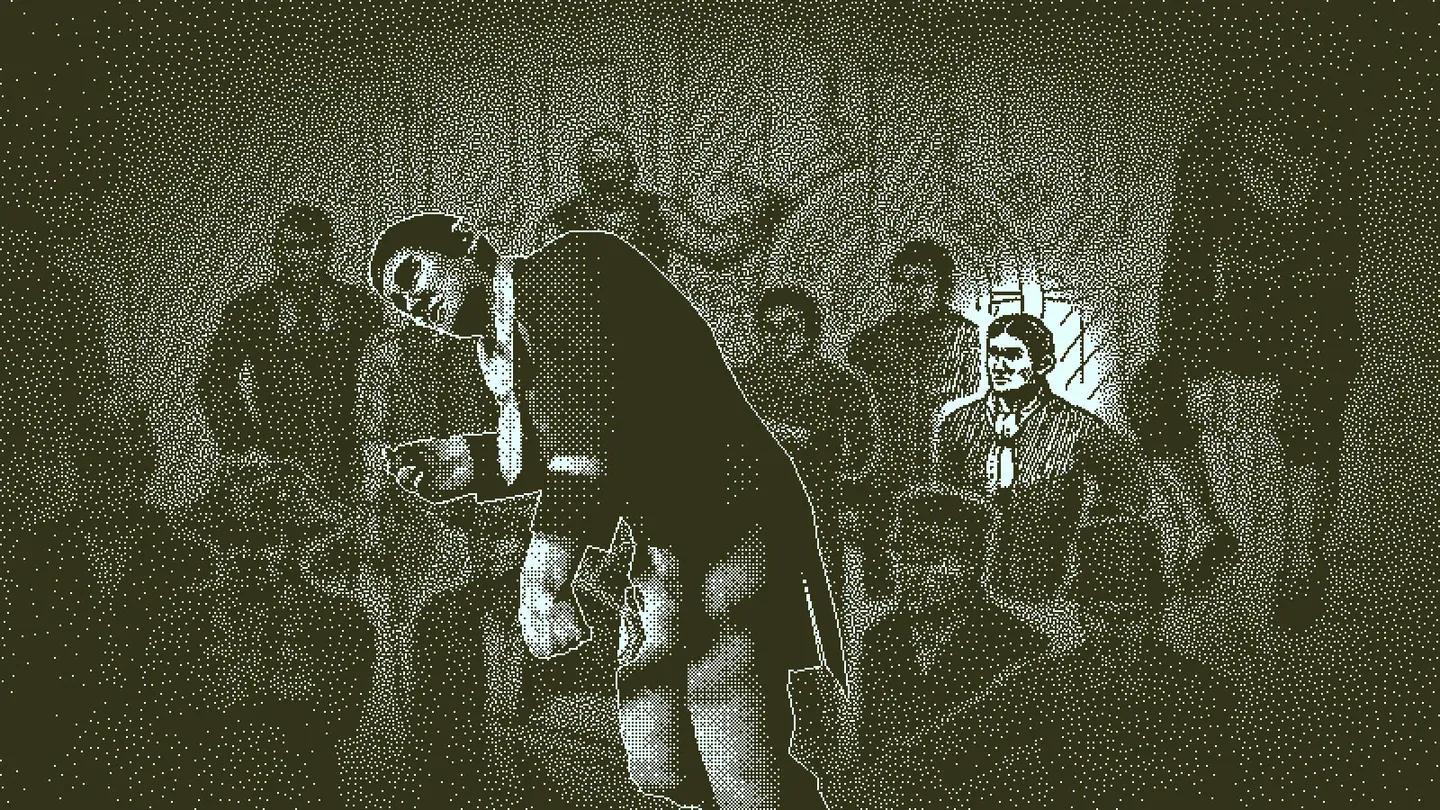
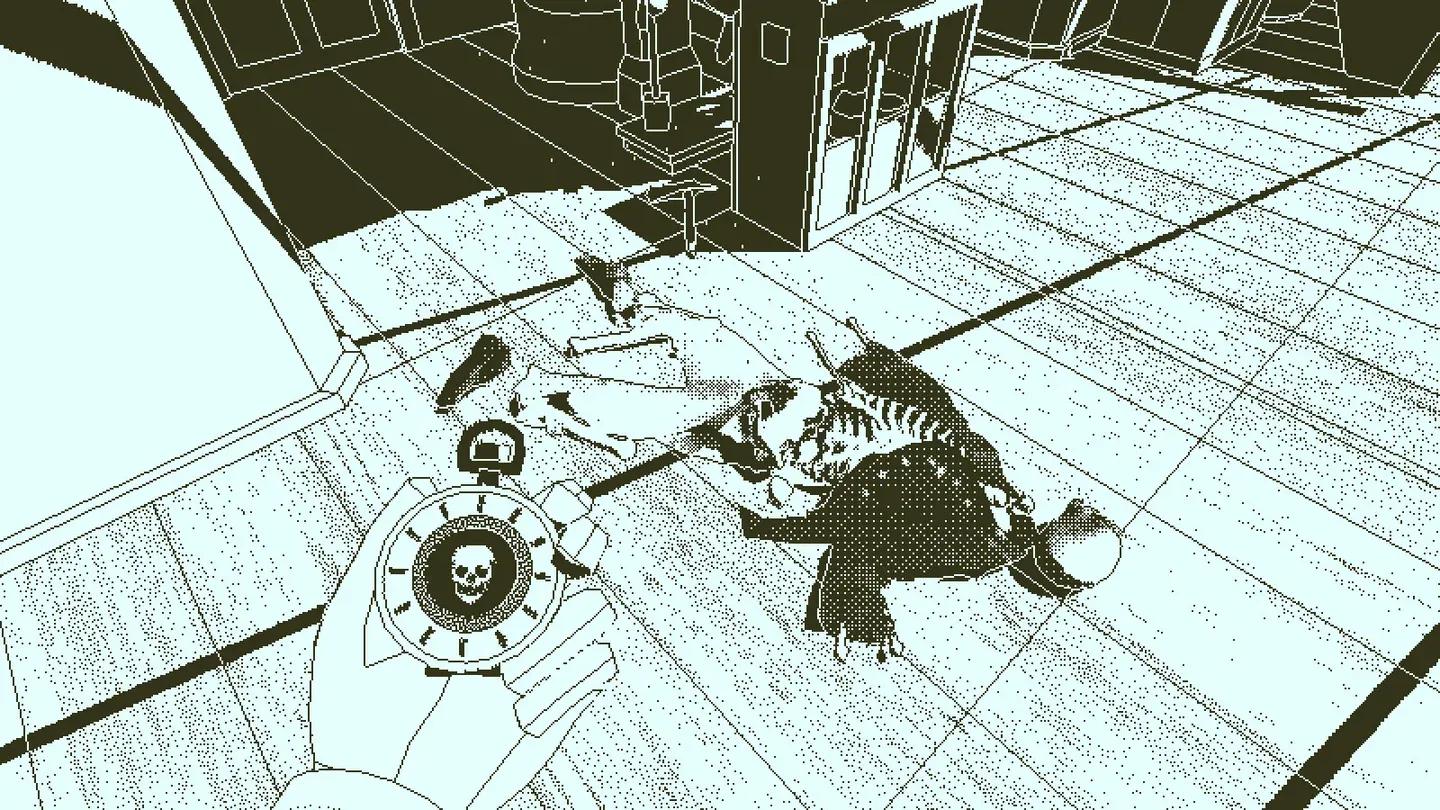
The central tool is a pocket watch called the Memento Mortem, which lets the player rewind to the exact moment of each crew member's death. These frozen snapshots are eerie, beautifully composed scenes that capture the final seconds of each person's life. Examining a scene means studying faces, accents, clothing, positions, and whatever chaos was unfolding around them. Nothing is handed to you.
The game launched on PC and Mac in October 2018 and later came to PlayStation, Xbox, and Nintendo Switch. It won the IGF Grand Prize and Excellence in Narrative in 2019, a BAFTA for Game Design, and Best Art Direction at The Game Awards 2018. Those aren't consolation prizes. The recognition reflects a game that does things no other puzzle game does.
Return of the Obra Dinn content image
How does the deduction system actually work?
This is the question that defines the entire experience. The Obra Dinn's Book of Fates is the player's logbook, containing a roster of every crew member with blank entries for their name, their cause of death, and who or what was responsible. Filling it in requires cross-referencing everything: the ship's manifest, overheard dialogue in death scenes, physical descriptions, and the slow accumulation of context across dozens of visions.
Key mechanics at a glance:
- Death scenes are frozen, explorable 3D moments
- The logbook auto-confirms entries in groups of 3 correct fates
- No traditional inventory or combat systems
- Clues carry across multiple scenes non-linearly
- Incorrect guesses are never punished directly
The confirmation system deserves special mention. The game only validates entries in batches of 3, which means you can't grind one correct answer at a time. You have to be confident across multiple fates simultaneously. It creates genuine pressure and makes the moments of confirmation feel earned.

Return of the Obra Dinn content image
Visual and audio design
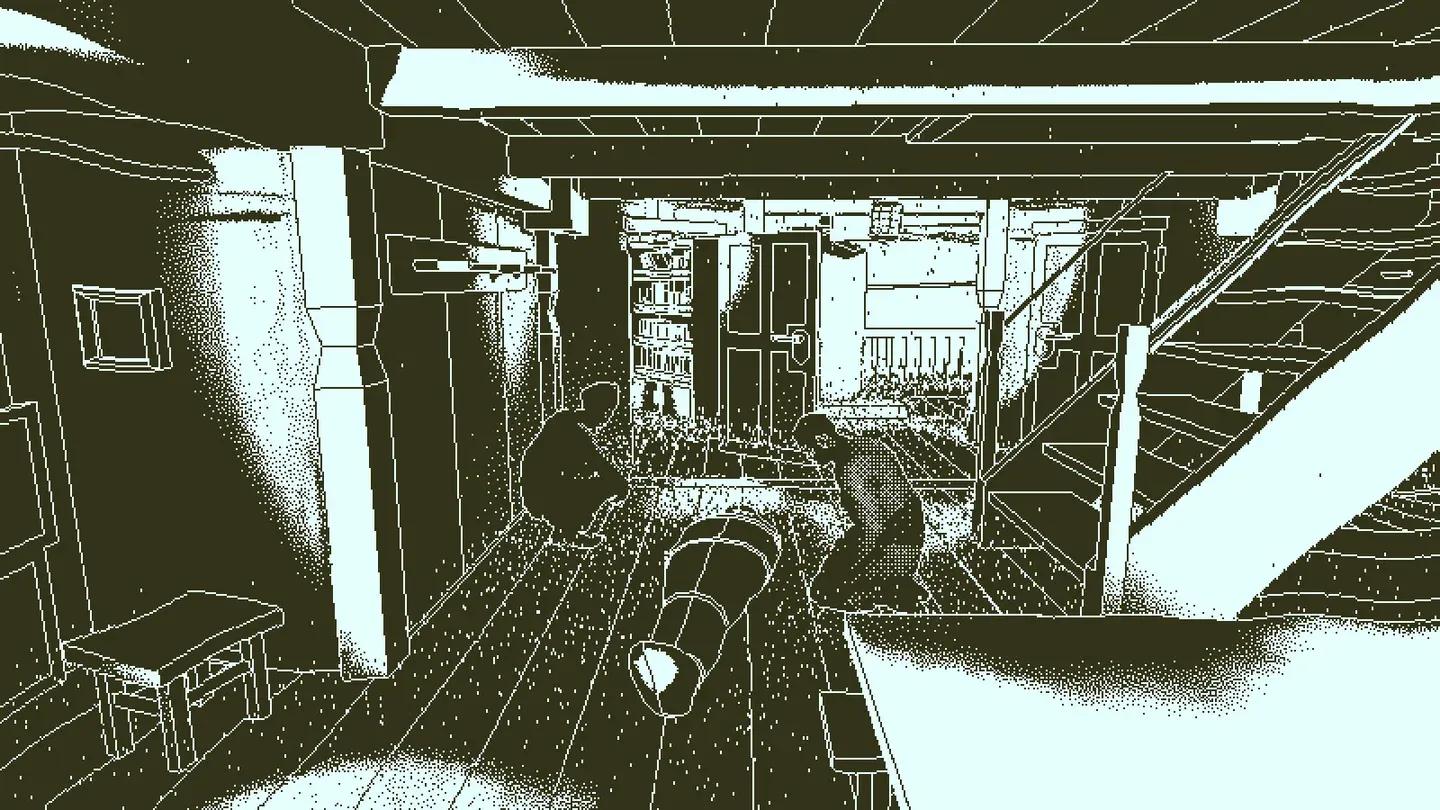
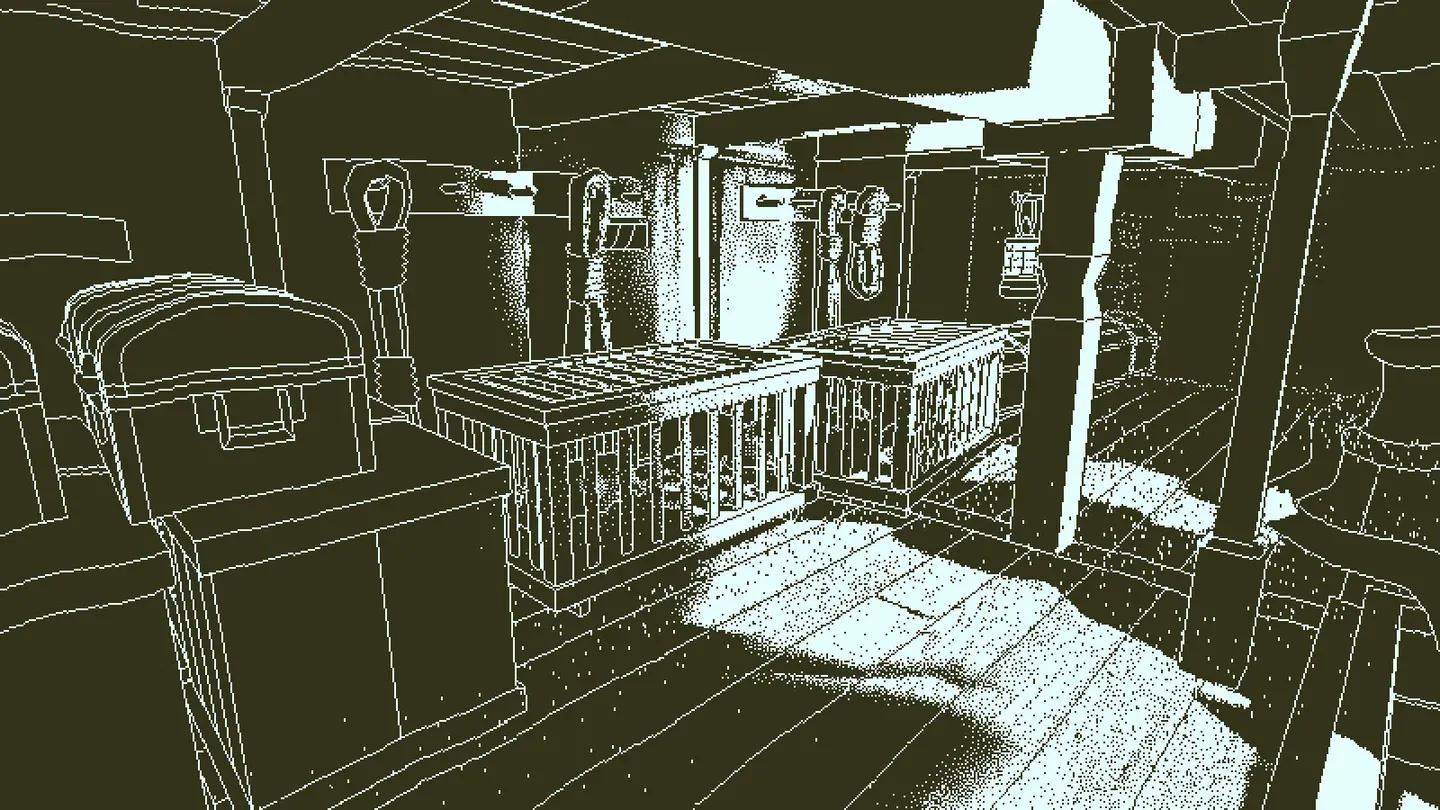
The 1-bit dithered art style is the game's most immediately striking quality. Everything renders in two tones, toggling between different color palette options including green phosphor, white, and a few others. It looks like something running on hardware from 1984, but the depth and detail packed into those two tones is extraordinary. Faces are readable. Chaos reads clearly. The aesthetic is a deliberate, confident choice that serves the game's atmosphere perfectly.
The audio complements the visuals without overshadowing them. Each death scene plays out with ambient sound and dialogue before freezing. The voice acting covers a massive cast with multiple nationalities and accents, and it holds up remarkably well given the scope of the production.
Return of the Obra Dinn content image
Impact and legacy
Few games released in the last decade have earned the kind of critical consensus Return of the Obra Dinn collected. It sits among the most celebrated indie puzzle games of its era, frequently cited alongside Disco Elysium and Outer Wilds as proof that small teams can produce work that outpaces major studio output on pure design merit.
The game's approach to mystery, specifically its refusal to hold the player's hand and its trust that deduction alone is satisfying, has influenced how designers think about puzzle structure. There are no hints, no difficulty settings, no safety net. The entire experience runs 8 to 10 hours for most players, and that length feels exactly right. Nothing is padded. Every scene exists because it earns its place in the investigation.
Return of the Obra Dinn content image
System Requirements
| Requirement | Minimum |
|---|---|
| Processor | 2 GHz Intel i5 or better |
| Memory | 4 GB RAM |
| Graphics | Discrete GPU |
| Storage | 2 GB available space |