Overview
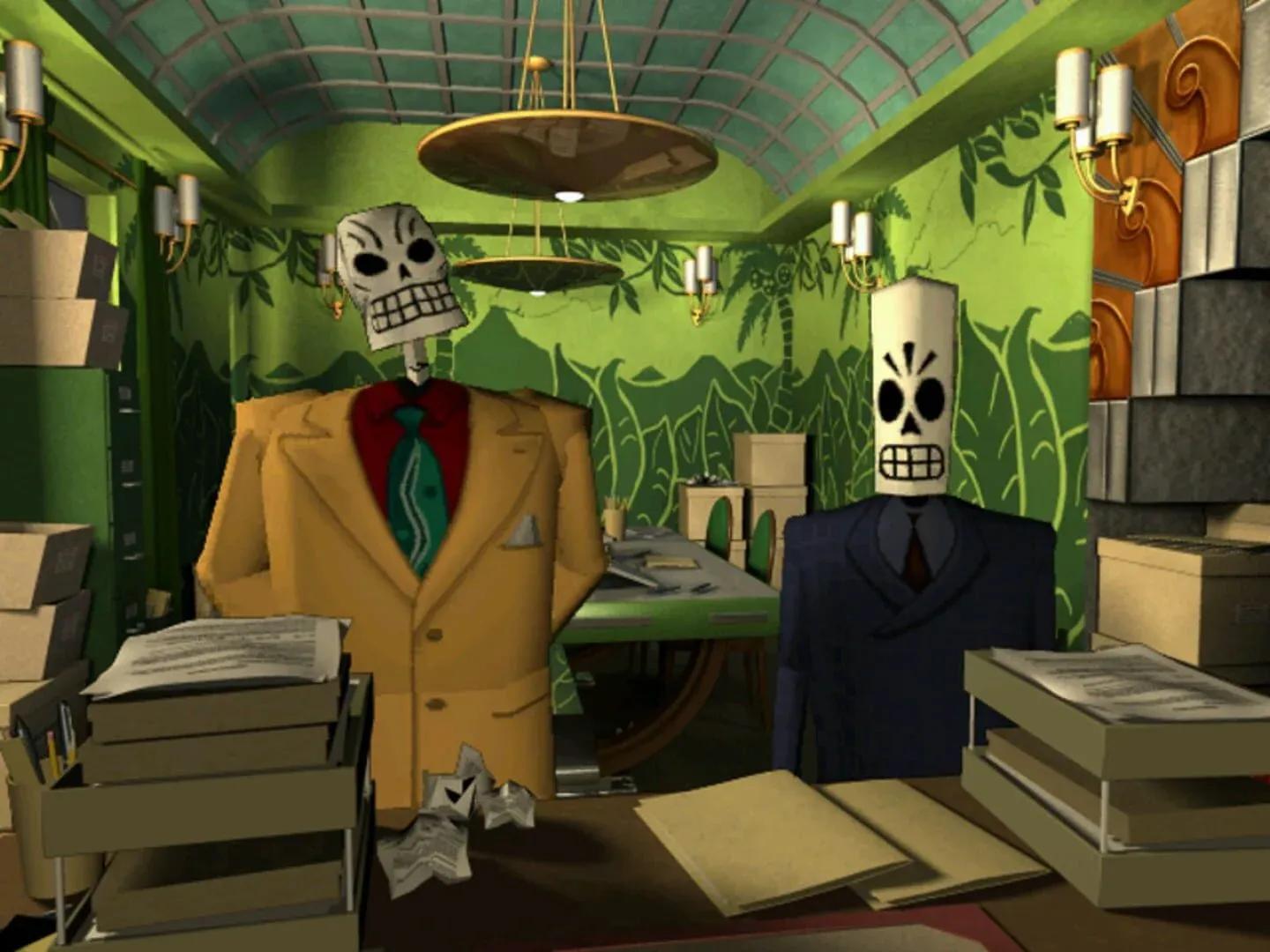
Released by LucasArts in October 1998, Grim Fandango stands as the studio's most ambitious point-and-click adventure, written and directed by Tim Schafer. Set in the Land of the Dead, the game follows Manuel "Manny" Calavera, a travel agent at the Department of Death who sells journey packages to departed souls. What starts as workplace frustration spirals into a sprawling noir conspiracy involving stolen tickets, criminal bosses, and a four-year chase across the underworld.
The story unfolds across four acts, each set on November 2 in consecutive years, a structure that gives the narrative real weight and lets the world evolve around Manny rather than staying static. The writing is dense with wit, melancholy, and genuinely memorable characters, from the speed-obsessed demon driver Glottis to the idealistic revolutionary Salvador Limones. Few games from any era match the quality of Grim Fandango's script.
Gameplay and mechanics
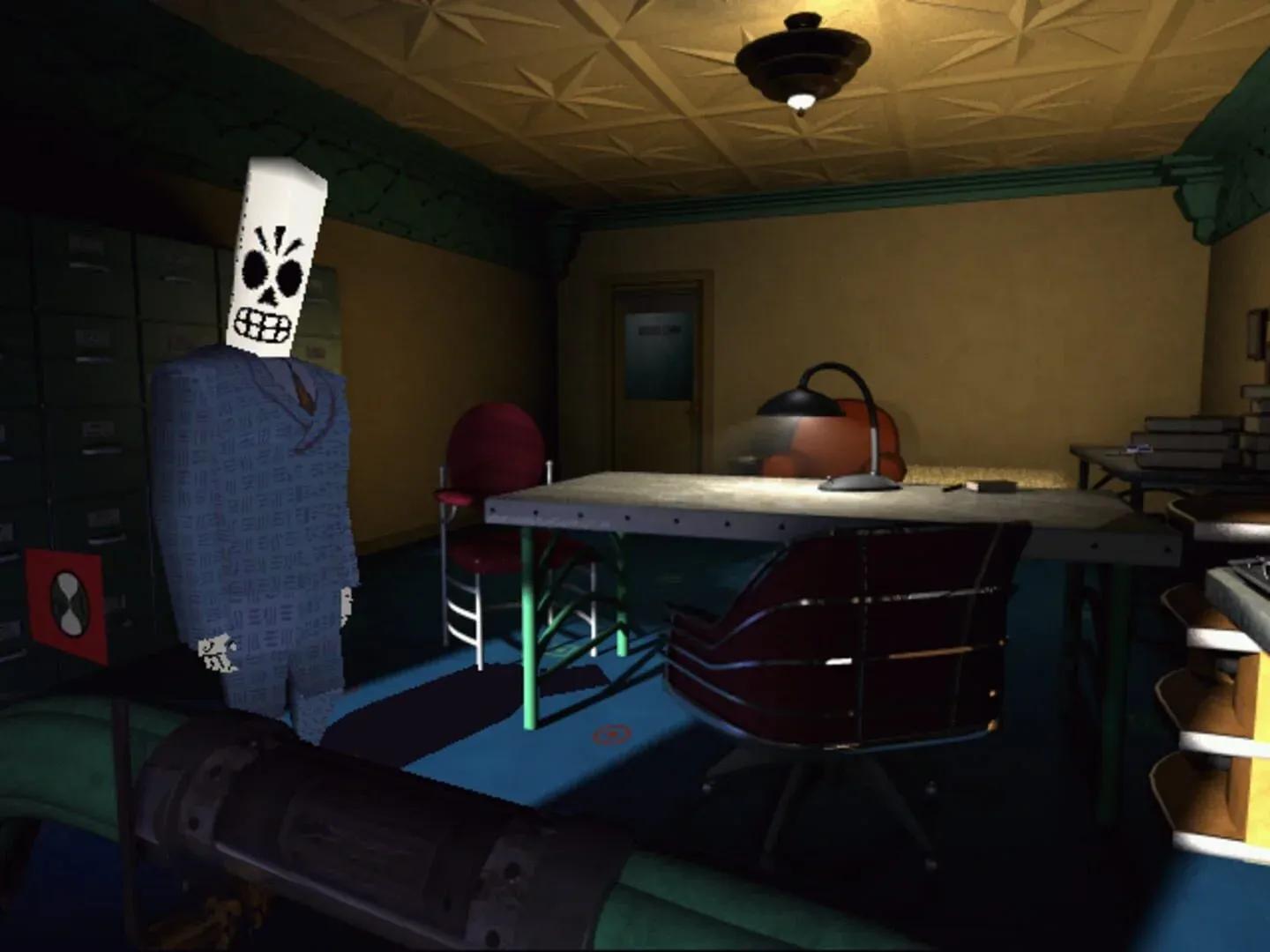
Grim Fandango operates as a classic point-and-click adventure built around inventory puzzles and dialogue trees, though it made the unusual choice to use tank controls rather than direct mouse interaction with the environment. Players guide Manny through richly detailed locations, collecting items and combining them in ways that range from logical to genuinely lateral.
Grim Fandango content image
Key gameplay elements include:
- Inventory-based puzzle solving
- Dialogue-driven character interactions
- Environmental exploration across four distinct regions
- Tank control movement system
- Year-spanning narrative progression
The puzzle design reflects LucasArts at its most confident, demanding real lateral thinking without resorting to the cruel dead ends that plagued Sierra's adventure games of the same era. Some solutions are obscure enough to frustrate, but the game never punishes curiosity.
Grim Fandango content image
World and setting
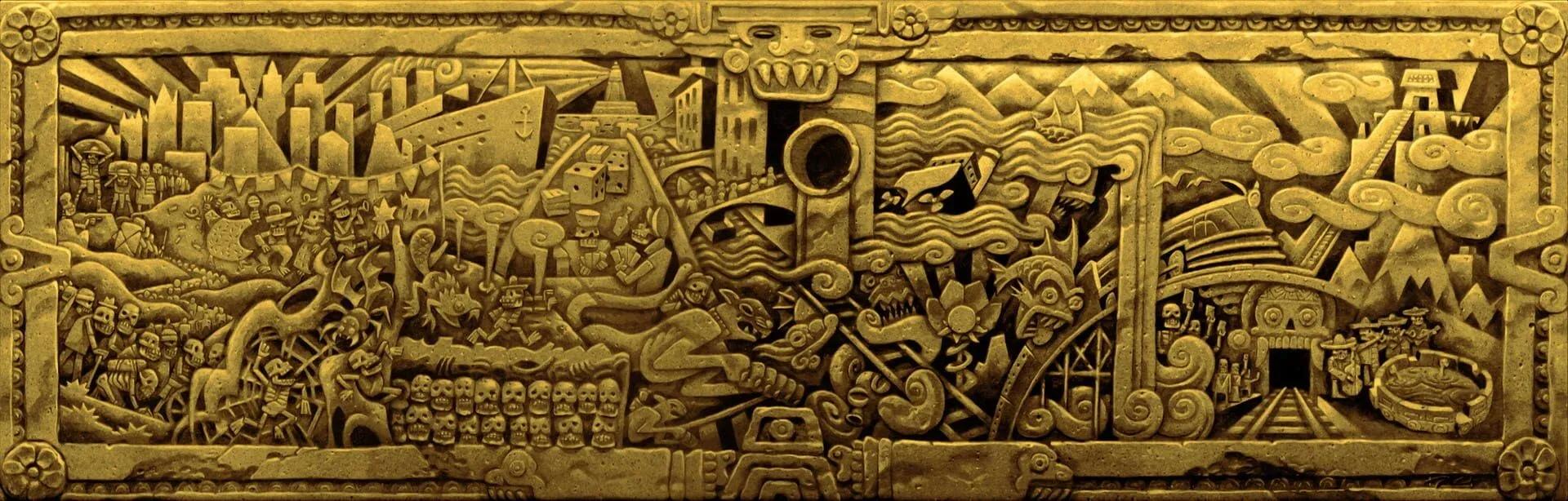
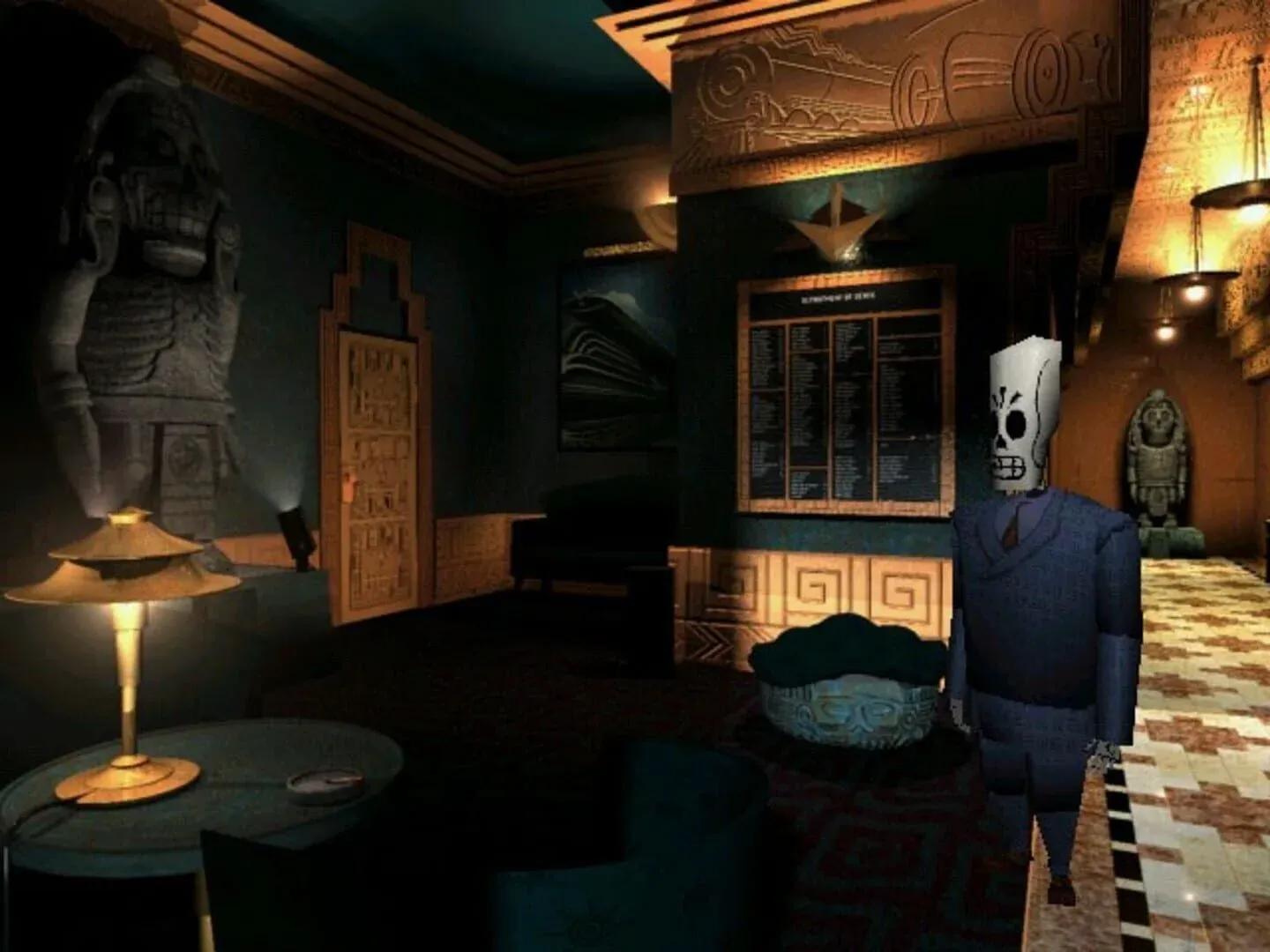
The Land of the Dead in Grim Fandango draws from Aztec beliefs about the afterlife and layers them with 1930s film noir aesthetics. El Marrow, the city where Manny works, feels like a corrupt border town run by gangsters. Rubacava, where he later operates a nightclub, plays like a jazz-era port city humming with low-level crime and existential dread.
Grim Fandango content image
Each of the four regions Manny travels through has a distinct identity, and the progression from bureaucratic city to coastal nightspot to industrial coral mine to the gates of the Ninth Underworld mirrors a classic noir protagonist's descent and eventual reckoning. The world is cohesive in a way that many open-world games with far larger budgets have never managed.
Grim Fandango content image
Visual and audio design
Grim Fandango was among the first LucasArts adventure games to move to 3D character models placed over pre-rendered backgrounds, a shift that gave it a theatrical, almost puppet-show quality that suits the material perfectly. The skeleton character designs, inspired by the Mexican Day of the Dead tradition, remain visually distinctive nearly three decades after release.
Peter McConnell's score is equally essential, blending big band jazz, Latin rhythms, and moodier orchestral passages to match each location's tone. The Rubacava nightclub theme alone is worth the price of admission. Voice acting throughout is sharp and naturalistic, with Tony Plana's Manny carrying the whole production.
Impact and legacy
Grim Fandango earned near-universal praise on release and won multiple Game of the Year awards for 1998, yet it sold poorly enough that LucasArts largely abandoned the adventure genre afterward. A remastered version released in 2015 updated the control scheme and added developer commentary, making the game more accessible without altering the core experience.
Its influence on narrative adventure games is traceable through nearly every studio that followed in the genre, from Telltale Games to Double Fine's own subsequent work. For anyone serious about the history of point-and-click adventures or cinematic storytelling in games, Grim Fandango remains the clearest example of what the form can achieve.