

Biggest discounts, free games, and limited-time offers across every major gaming store.
Never pay full price again.
Overview
RiME puts you in control of a young boy who wakes up alone on a mysterious island following a violent storm. There are no tutorials, no combat, and no hand-holding. The island itself communicates through its architecture, wildlife, and shifting light, nudging you toward answers that only reveal their full weight near the end. Tequila Works built something that sits comfortably alongside games like Journey and Ico in terms of emotional ambition, even if it doesn't always match their mechanical precision.
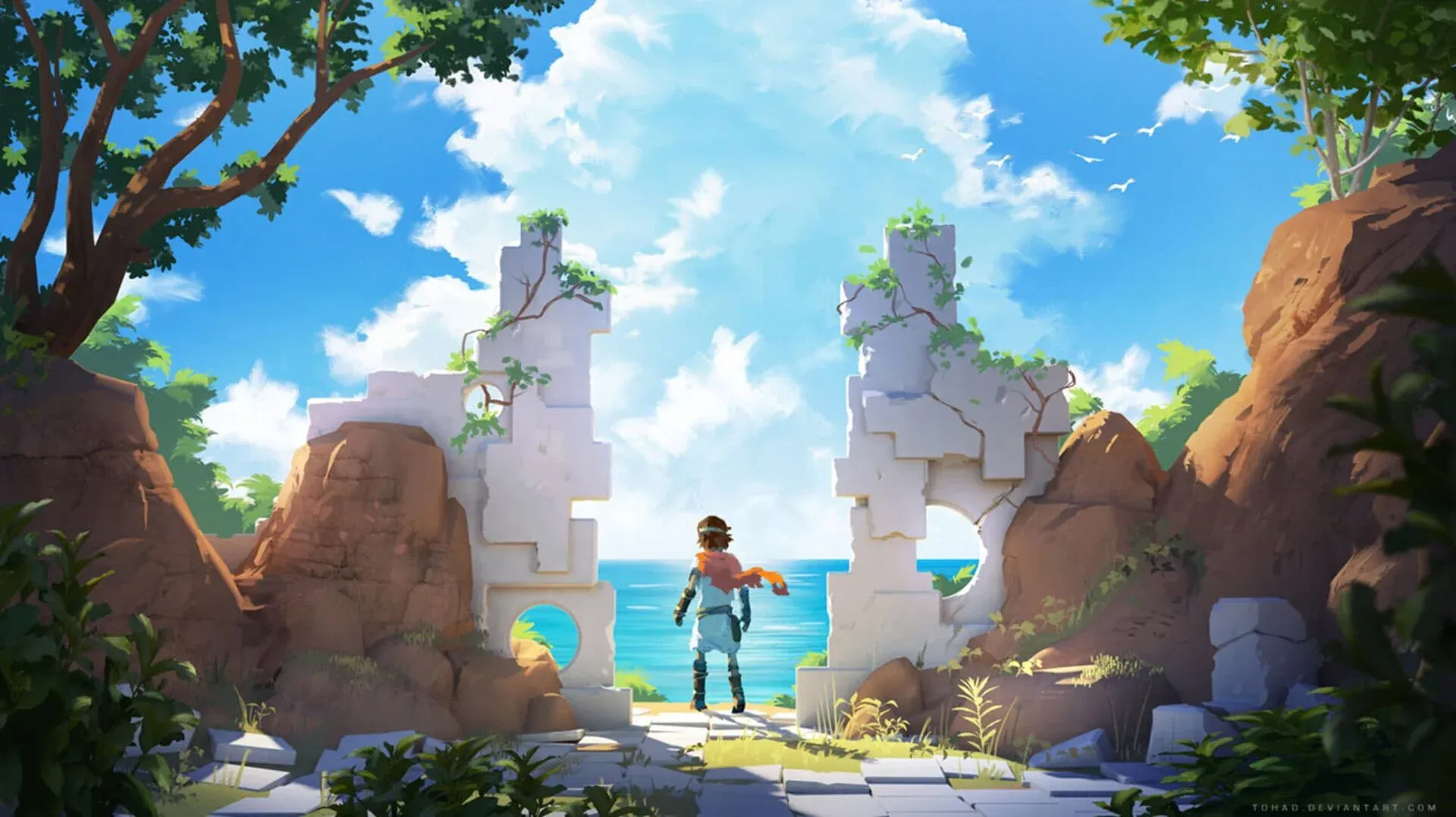
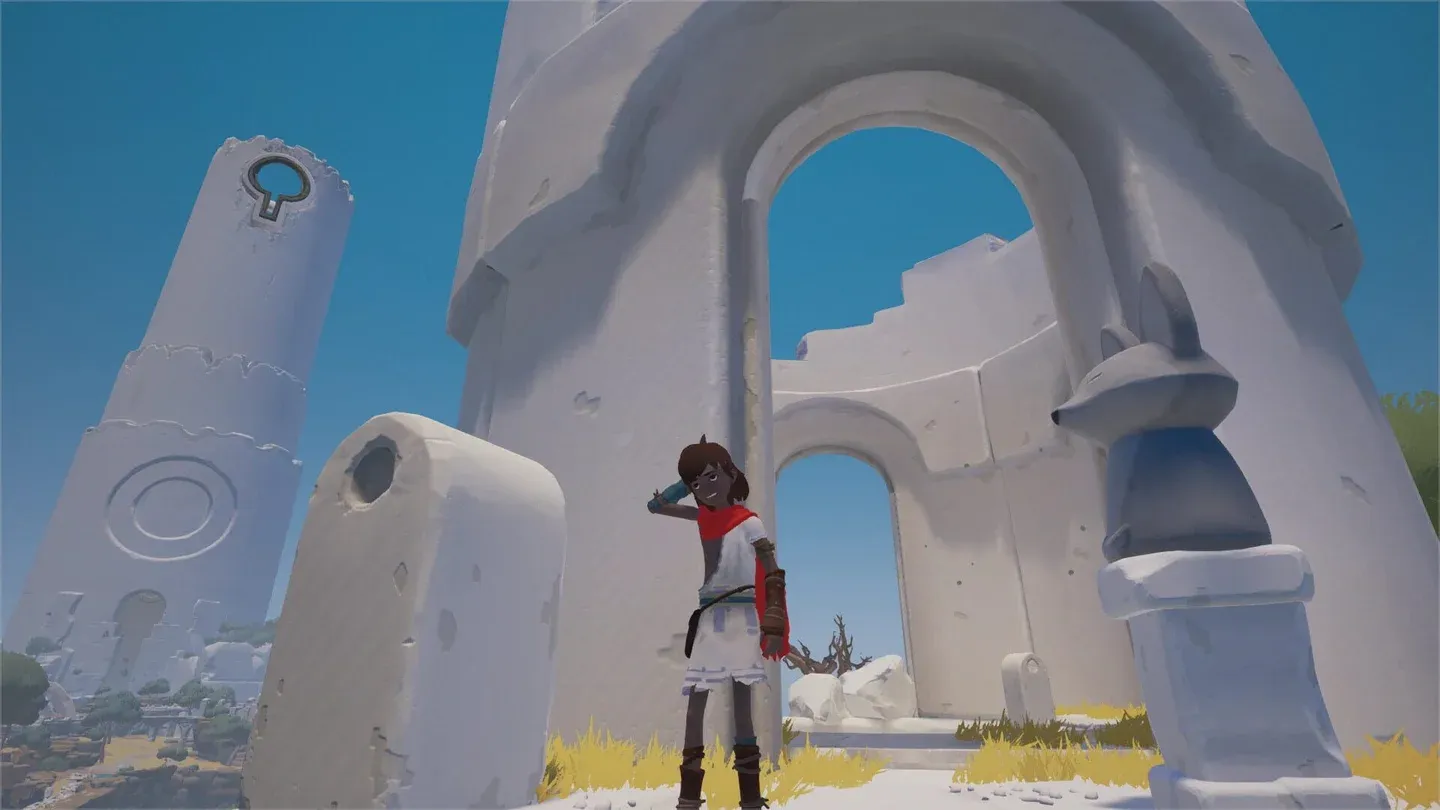
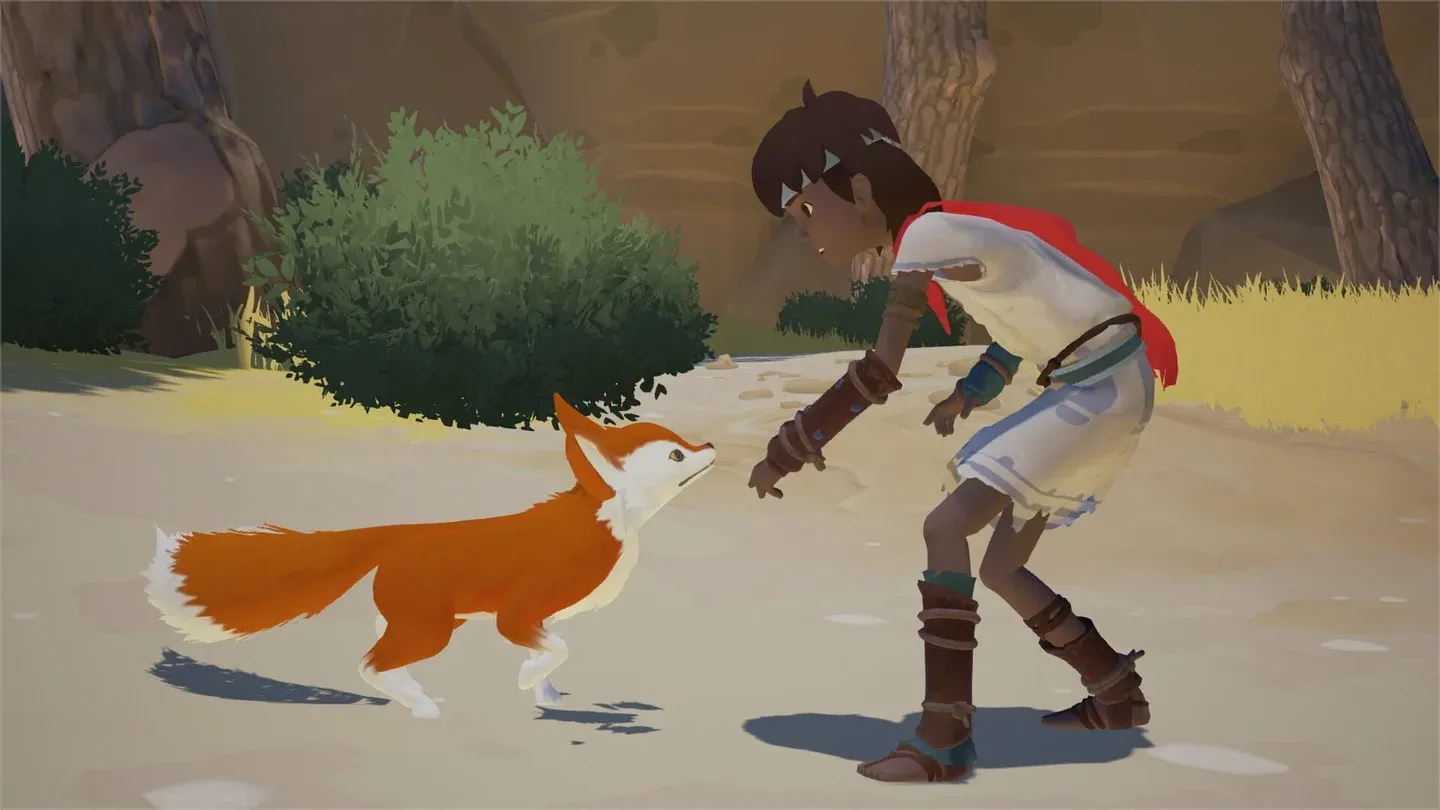
The Mediterranean influence is unmistakable. Sun-bleached stone ruins, turquoise water, and warm amber light define the visual palette. A fox acts as a loose guide, weaving through the environment without ever feeling like a waypoint marker. The world rewards curiosity over efficiency.
RiME content image
Gameplay and mechanics
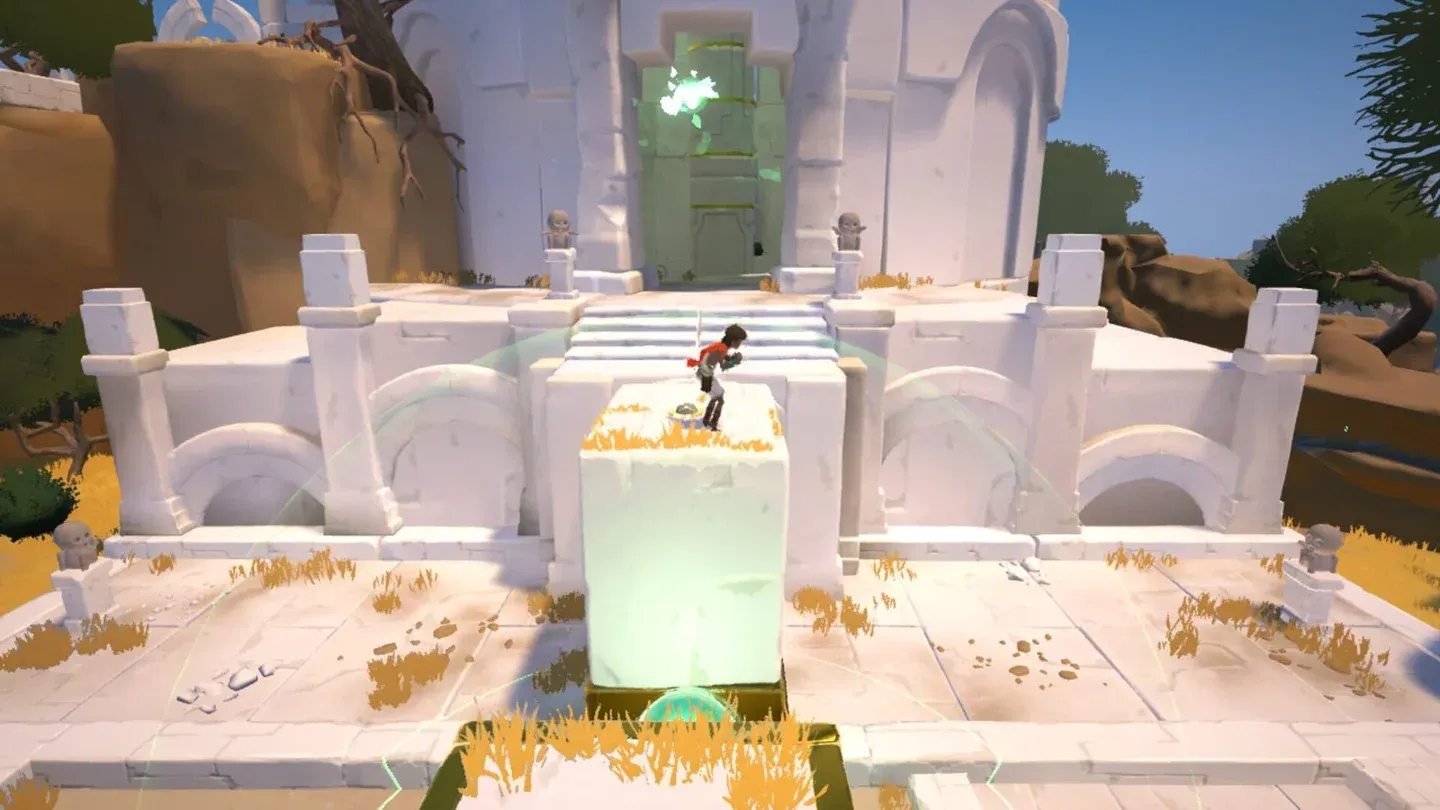
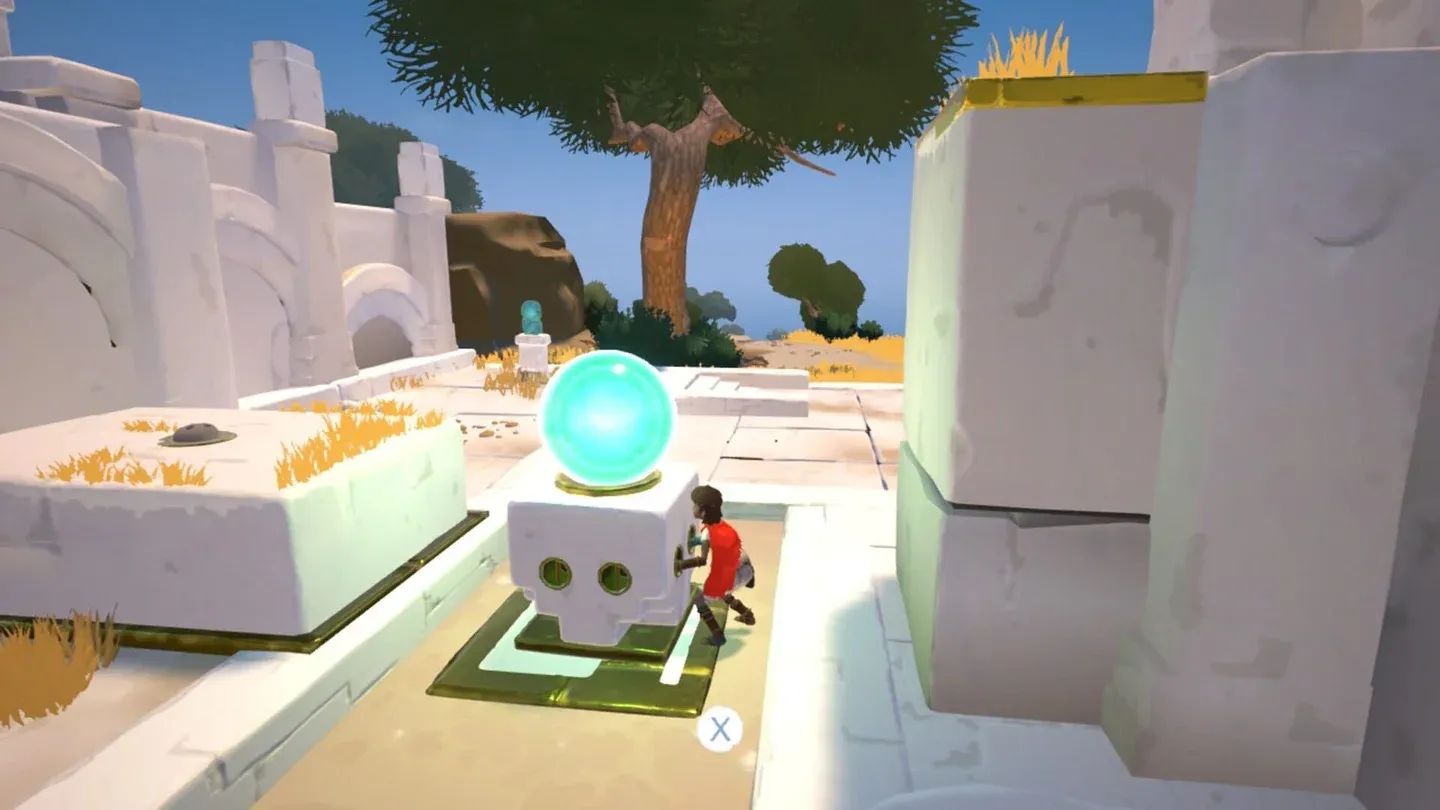
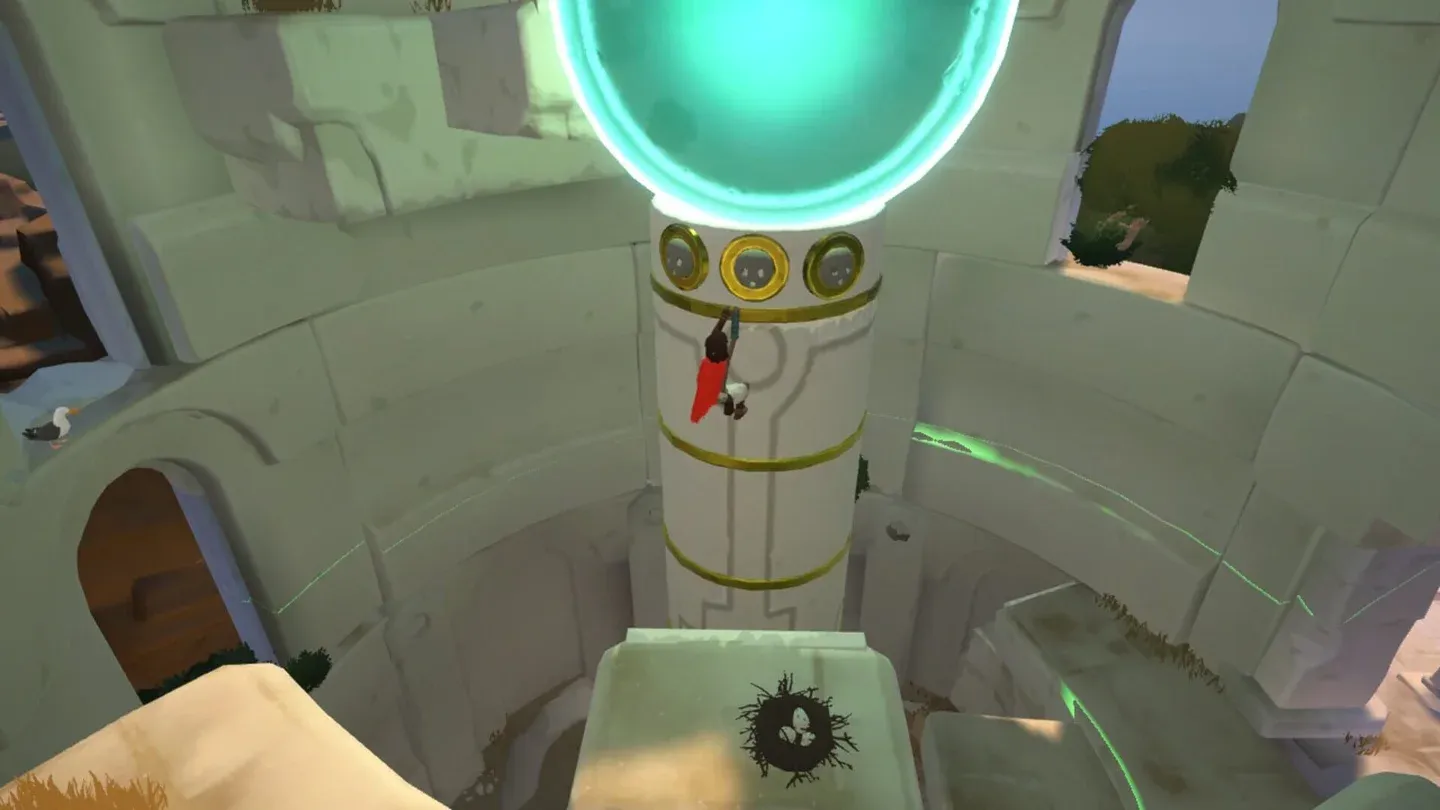
RiME's core puzzle design draws from four main sources: sound, light and shadow projection, perspective shifts, and time manipulation. None of these mechanics overstay their welcome, but the sound-based puzzles stand out as the most original. The boy's shout triggers switches, activates statues, and disturbs wildlife, making something as simple as a yell feel meaningful within the world's logic.
RiME content image
Key mechanics at a glance:
- Sound-activated environmental puzzles
- Light and shadow projection challenges
- Perspective-based optical illusions
- Time manipulation sequences
- Collectibles tied to the boy's backstory
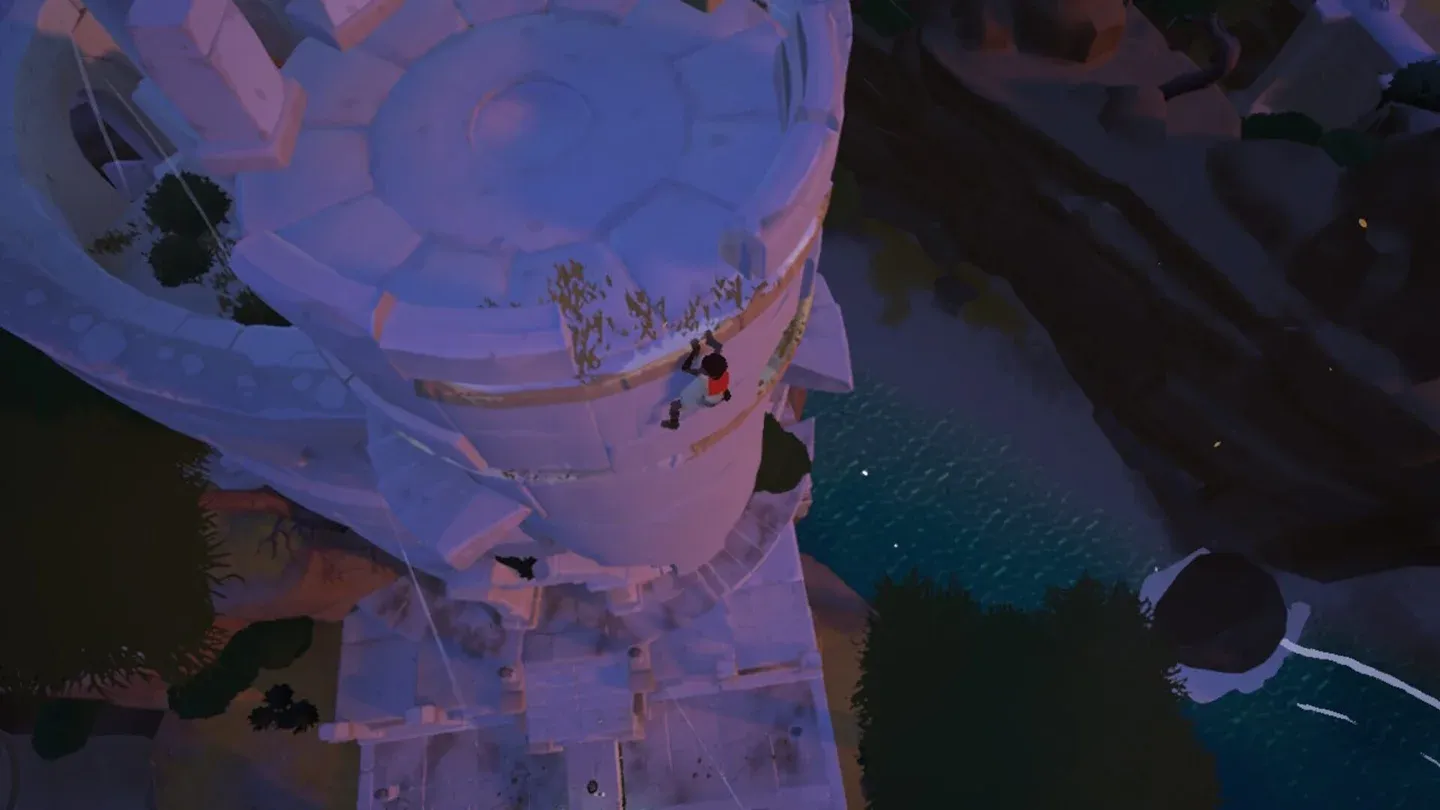
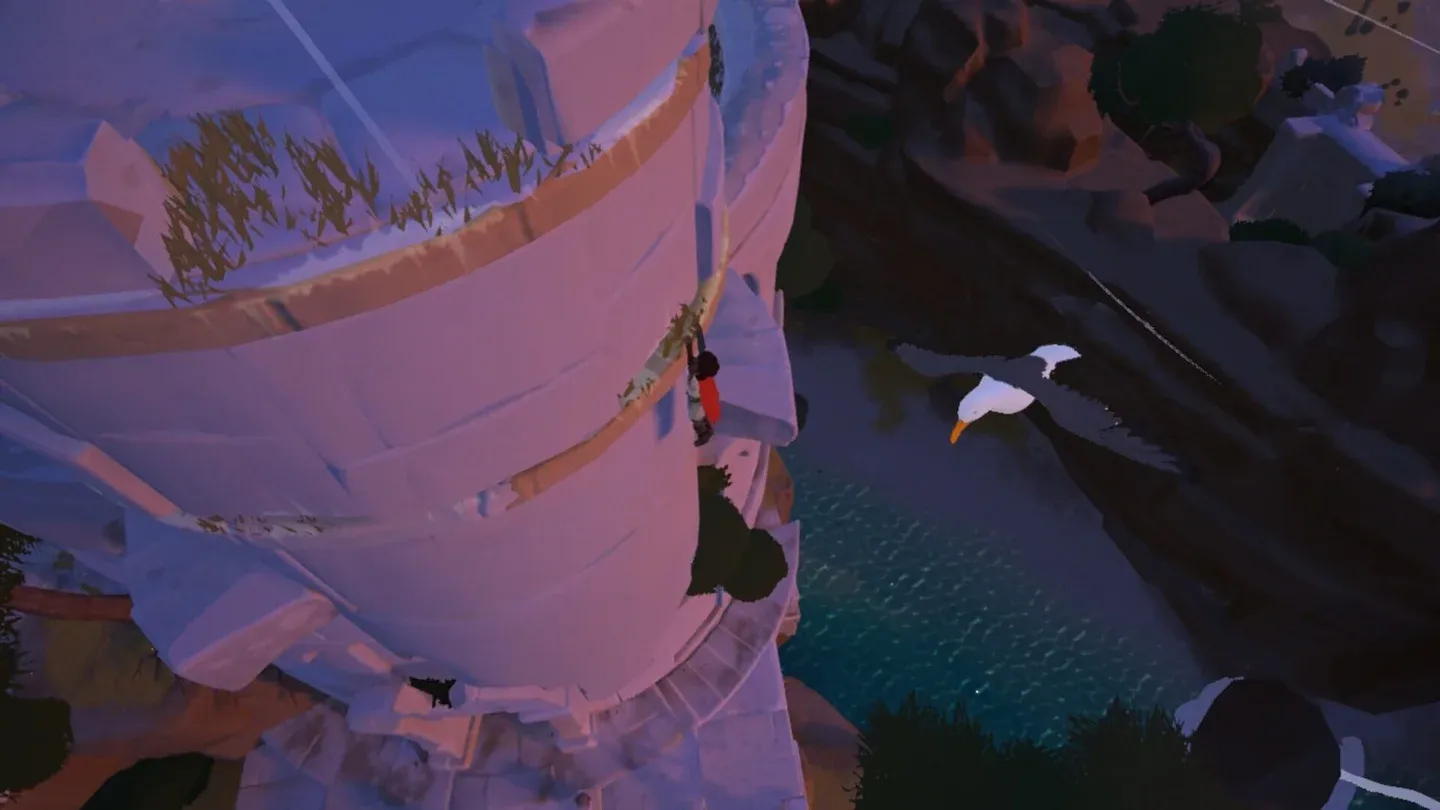
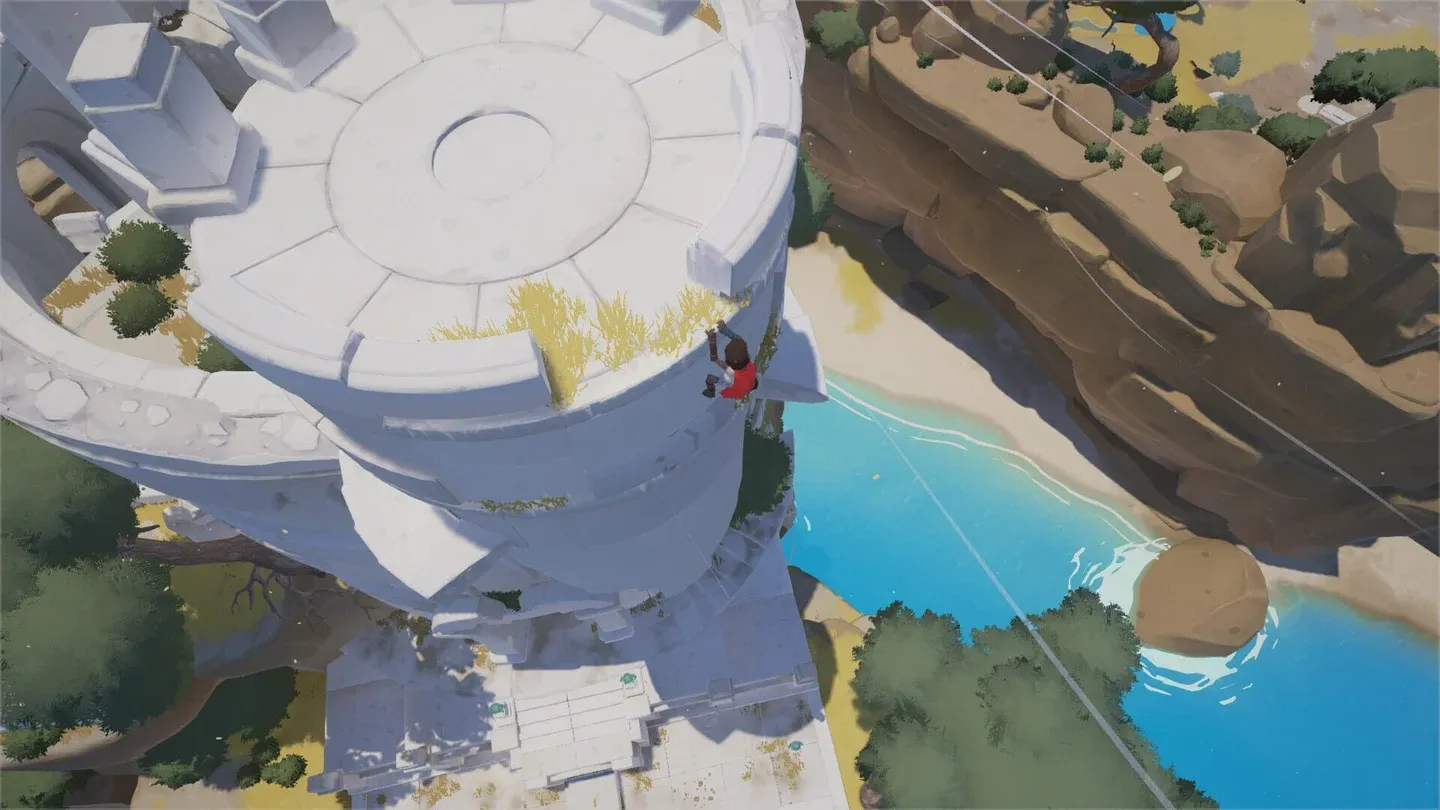
Platforming is light and forgiving. Ledge-grabbing and climbing feel intentionally fluid rather than challenging, which keeps the focus on exploration and puzzle-solving rather than reflex tests. Some players will find this too easy; others will appreciate that the game never punishes curiosity.
World and setting
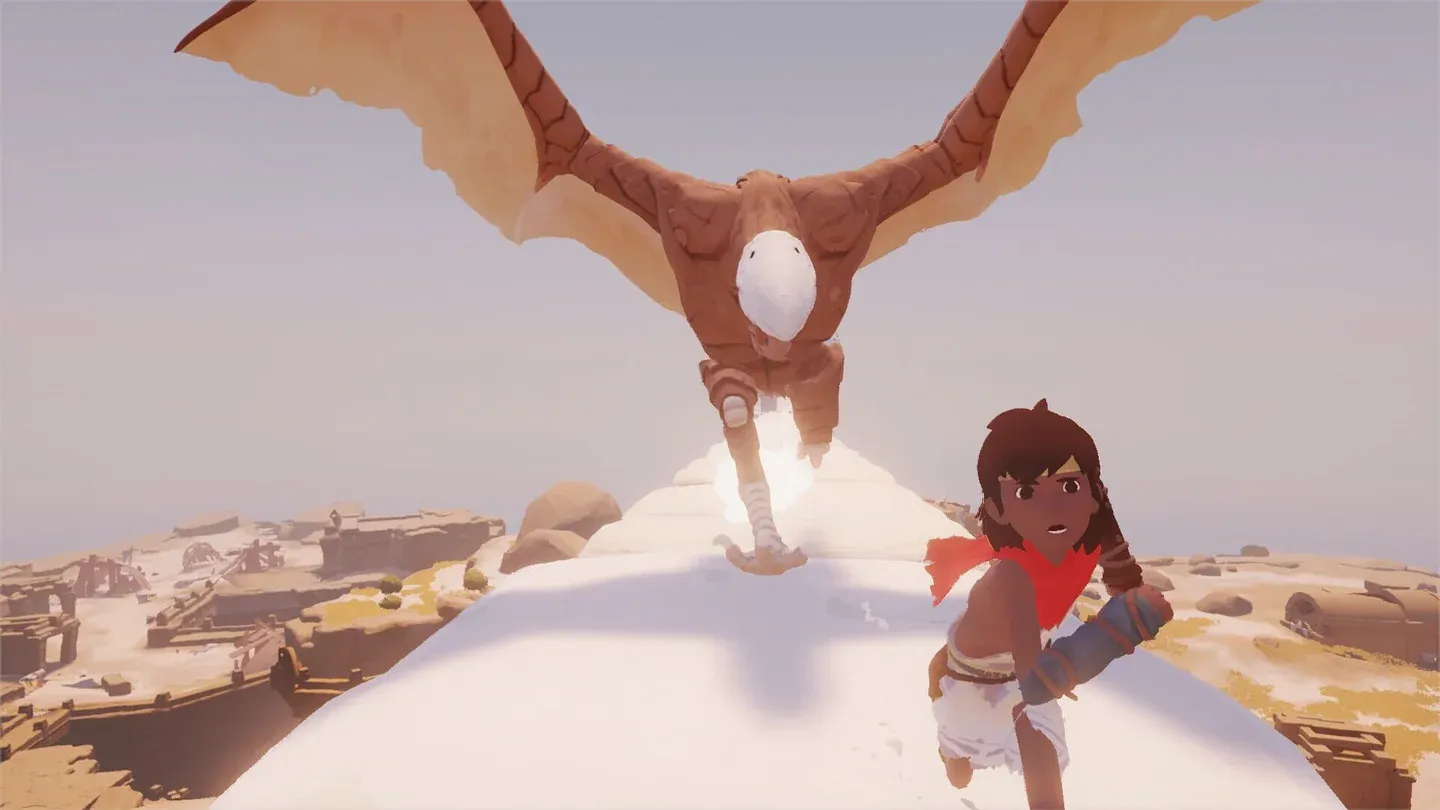
The island is divided into distinct chapters, each with its own visual identity and emotional tone. Early sections are warm and open, full of wildlife and hidden alcoves stuffed with collectibles. Later chapters shift the mood considerably, moving into darker, more confined spaces that reframe everything you thought you understood about the story.
RiME content image
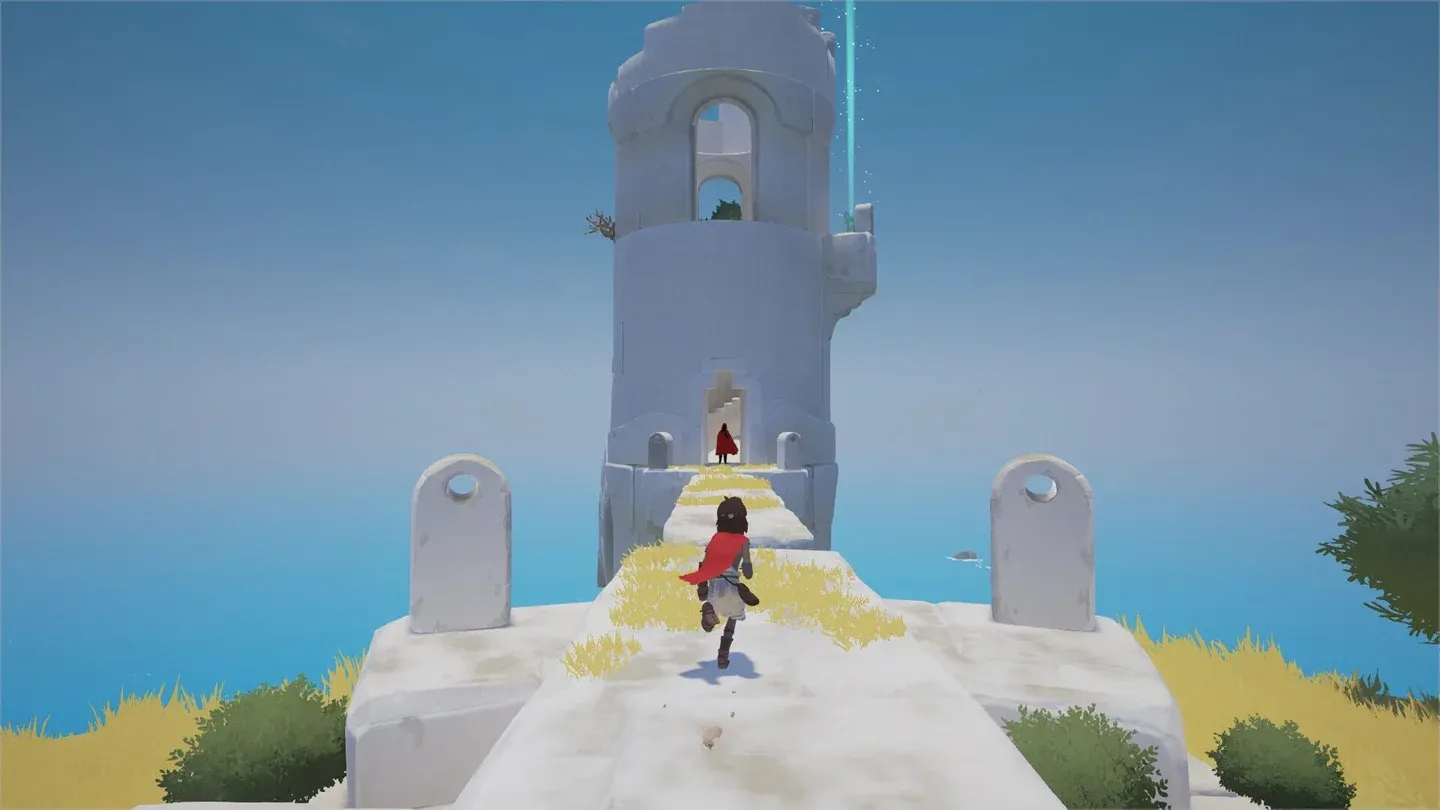
The narrative is entirely wordless. No dialogue, no text dumps. The story communicates through environmental changes, the boy's animations, and the relationship between him and a mysterious cloaked figure that appears at key moments. It's an approach that demands patience and rewards players who pay attention to visual details rather than waiting for an exposition cutscene.
Visual and audio design
RiME's art direction leans hard into a stylized, almost painterly aesthetic that holds up well years after its 2017 release. The color grading shifts dramatically between chapters, reinforcing the emotional arc without needing words. Character models are deliberately simple, which keeps the focus on the environments themselves.
The score, composed by David Garcia Diaz, is one of the game's strongest assets. It scales dynamically with puzzle completion and exploration, and the main theme carries enough emotional weight to make certain late-game moments hit harder than they might otherwise. The audio design as a whole is tightly integrated with the puzzle mechanics, making sound feel like a gameplay element rather than just atmosphere.
RiME content image
Is RiME worth playing for puzzle adventure fans?
For anyone drawn to atmospheric single-player puzzle adventures with a strong emotional core, RiME makes a convincing case for itself. The game runs 6 to 8 hours on a first playthrough, with collectibles and hidden areas extending that for completionists. It's available across PlayStation, Xbox, Nintendo Switch, PC via Steam and Epic Games Store, and mobile platforms, making it one of the more accessible entries in the genre. The puzzle design never reaches the complexity of something like The Witness, but that's not the goal here. RiME prioritizes feeling over challenge, and on those terms it largely succeeds.