Overview
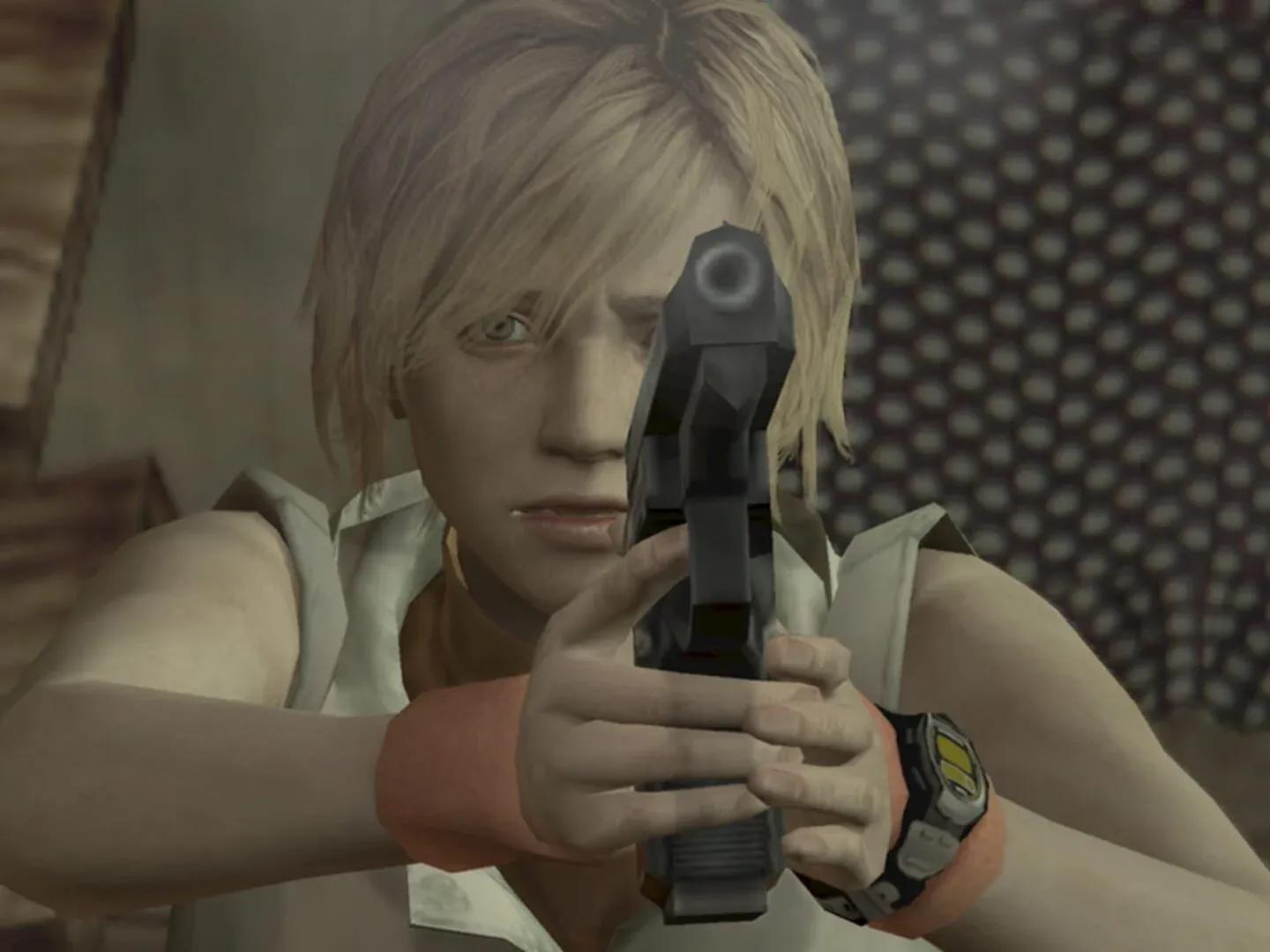
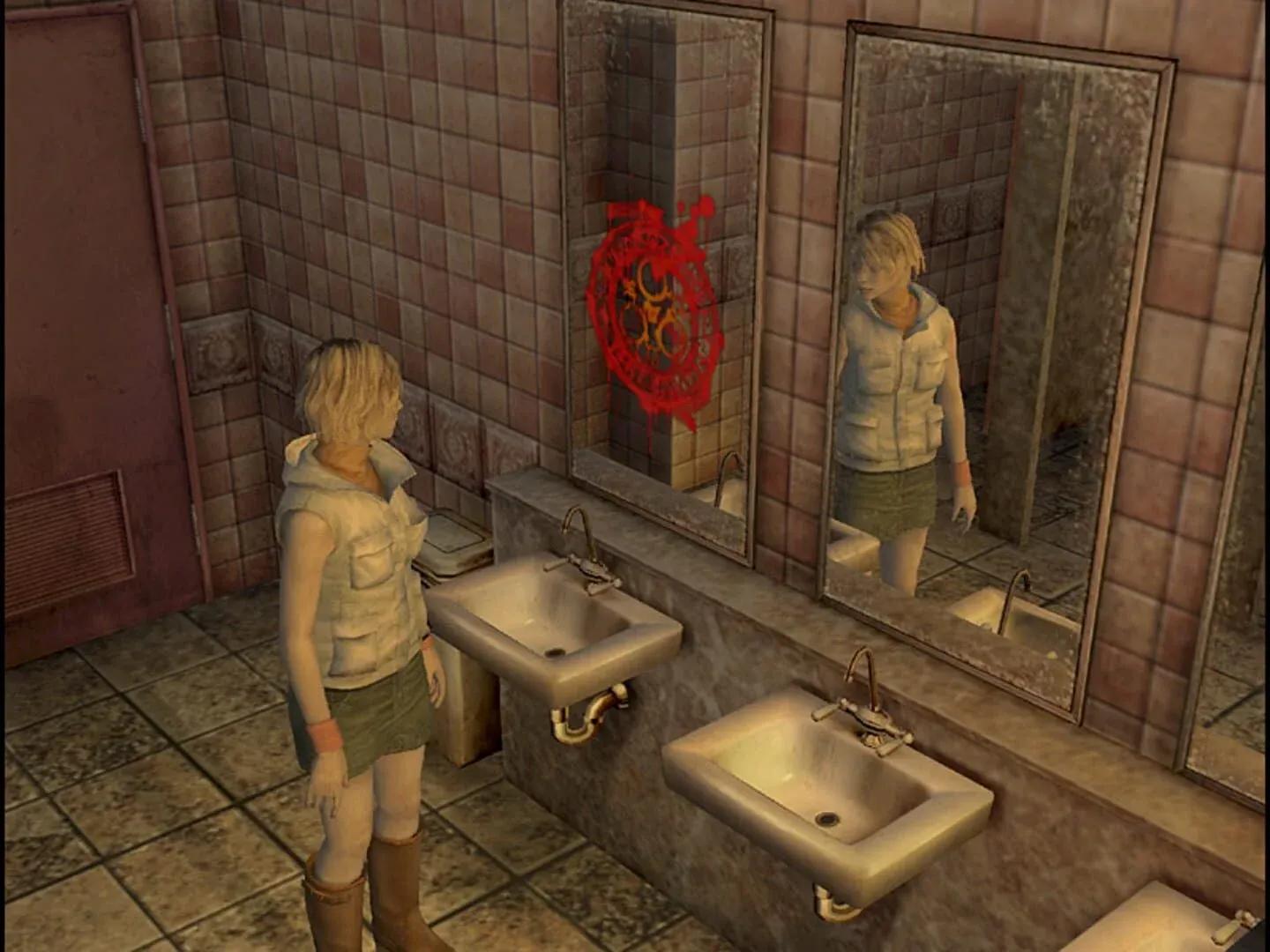
Silent Hill 3 picks up seventeen years after the first game, centering on Heather Mason, the daughter Harry Mason took in after the events of Silent Hill. Her story begins with something mundane: a shopping trip. Then the walls start bleeding, the lights go out, and the monsters arrive. Team Silent built the entire game around that collapse from ordinary to horrifying, and it works.
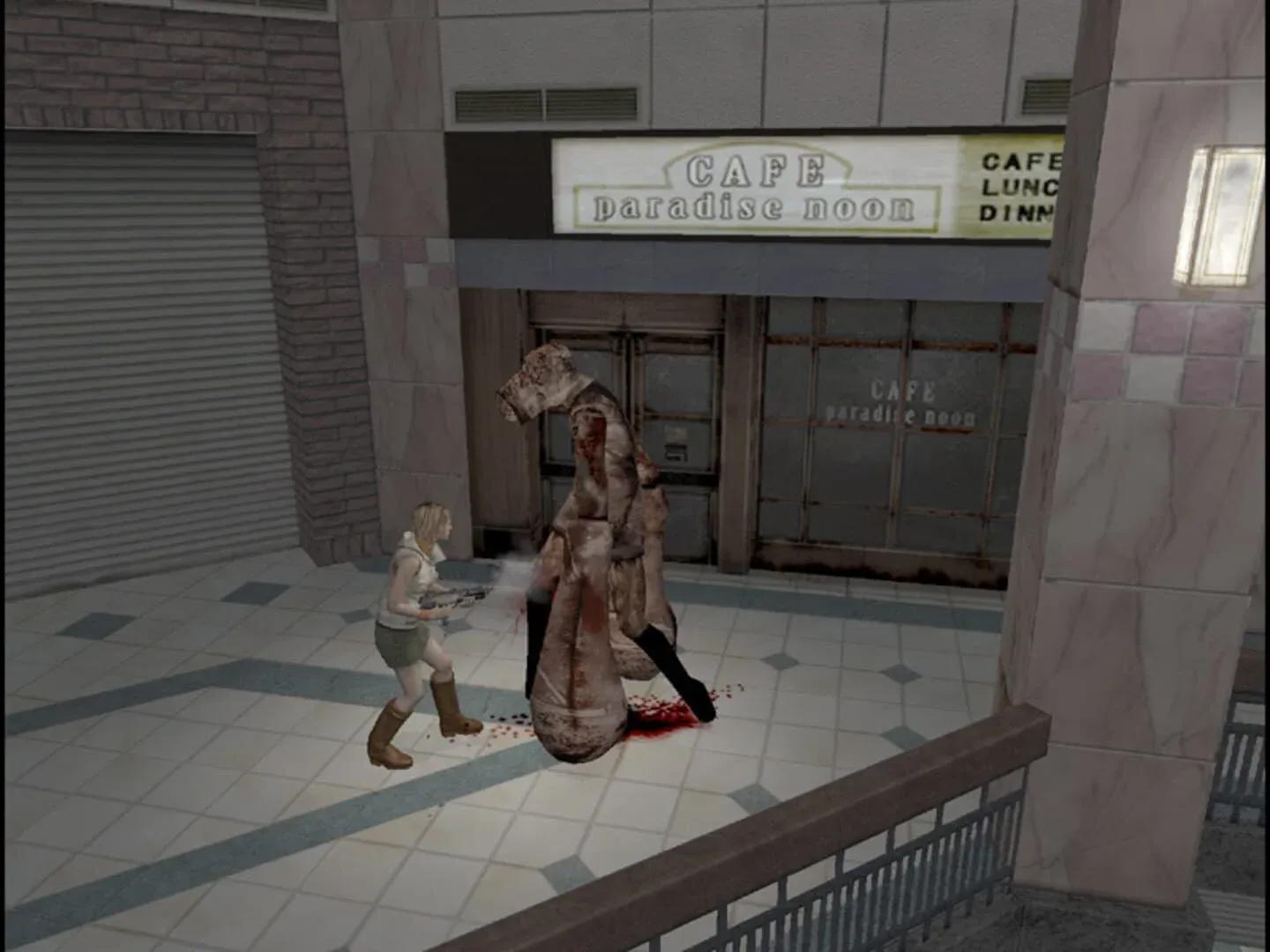
As the third installment in the series, Silent Hill 3 carries the DNA of its predecessors while pushing harder on combat and narrative density. Heather can side-step, block, and use a wider arsenal of weapons than earlier protagonists, though calling her competent in a fight would be generous. Survival still depends more on knowing when to run than knowing how to fight.
Silent Hill 3 content image
Gameplay and mechanics
The core gameplay loop blends exploration, puzzle-solving, and melee combat across environments that shift between the real world and the series' signature Otherworld. Key mechanics include:
Silent Hill 3 content image
- Side-stepping and blocking attacks
- Environmental puzzle-solving
- Resource and inventory management
- Flashlight-dependent exploration
- Weapon degradation and switching
Puzzles range from straightforward to genuinely cryptic, with difficulty settings that adjust both combat and puzzle complexity independently. The combat leans more action-oriented than Silent Hill 2, but the controls remain deliberately clunky, keeping tension high even in familiar areas.
Silent Hill 3 content image
World and setting
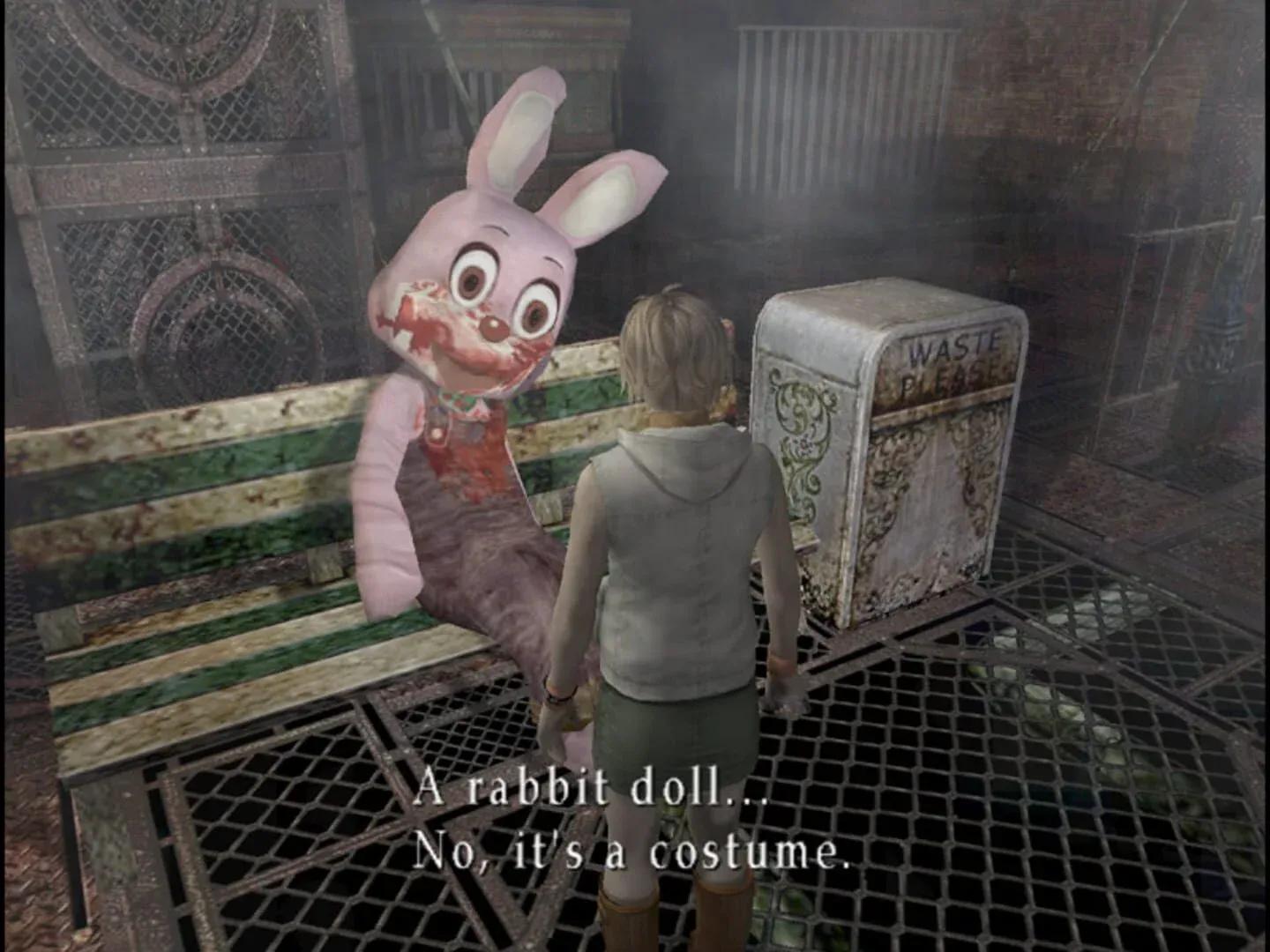
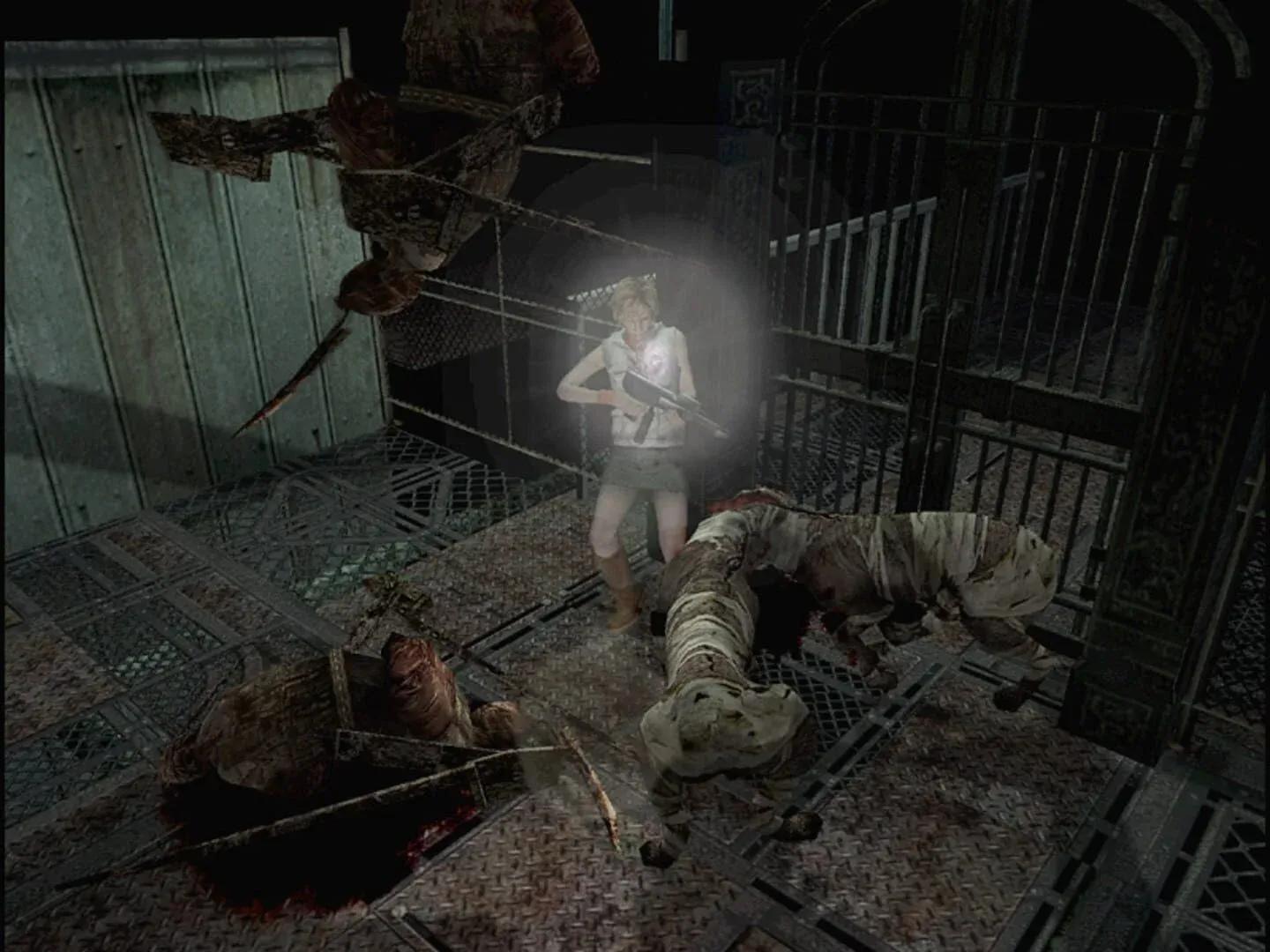
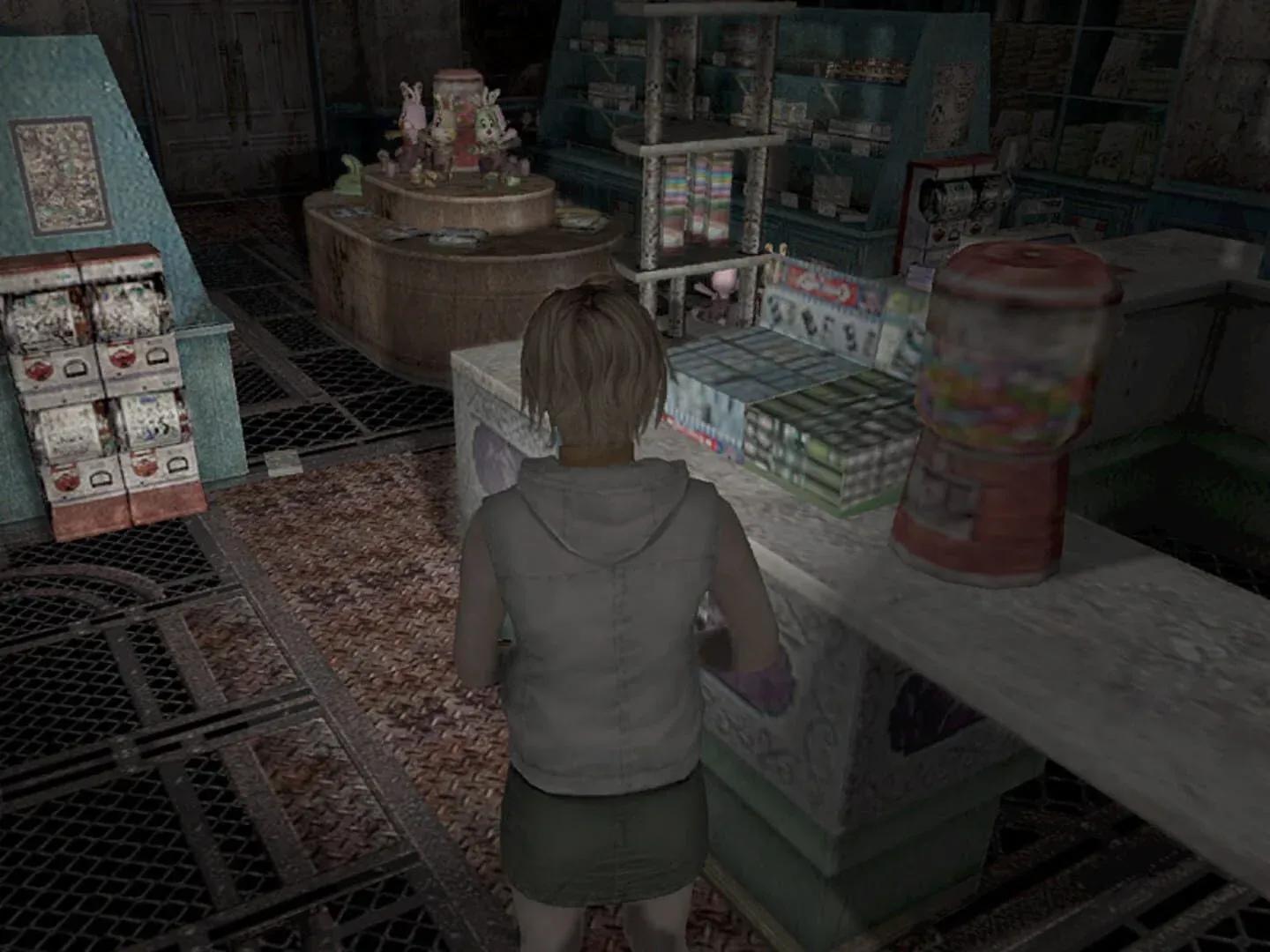
The game moves through several distinct locations: a shopping mall, a hospital, an amusement park, and eventually the town of Silent Hill itself. Each environment feeds into Heather's personal history in ways the narrative slowly reveals. The Otherworld transformations, where clean spaces rot into rust and flesh-covered nightmare versions of themselves, remain some of the most visually committed horror in the genre.
Team Silent's creature design here is worth singling out. The monsters carry obvious psychological weight, tied to Heather's identity and the religious cult mythology threading through the story. Nothing feels random. Every enemy design communicates something about the world and the protagonist.
Silent Hill 3 content image
Visual and audio design
Akira Yamaoka's soundtrack is one of the best arguments for treating game audio as seriously as any other creative element. The score shifts between industrial noise, melancholic guitar, and oppressive silence in ways that do more atmospheric heavy lifting than the lighting or fog ever could. Heather's theme, "You're Not Here," sets the tone from the opening cinematic and sticks around long after the credits roll.
Visually, Silent Hill 3 pushes the PS2 hardware (and its PC and Xbox ports) into corners that still look intentional rather than dated. The grain filter, the limited draw distance, the darkness that the flashlight barely cuts through: these are design choices that age better than cleaner, brighter horror games from the same era.
Impact and legacy
Silent Hill 3 closes out the original Team Silent era with a directness the series rarely matched again. The story is more personal and more focused than Silent Hill 2, trading that game's sprawling ambiguity for a tighter, angrier narrative about identity and inherited trauma. Heather Mason remains one of the most distinctive protagonists in survival horror, a character whose arc lands because the game earns it through environmental storytelling rather than exposition.
For players approaching the series now, Silent Hill 3 rewards patience. The pacing is slow by modern standards, the combat is rough, and the puzzles occasionally tip into obscure. None of that diminishes what it gets right: atmosphere, sound design, and a commitment to psychological horror that few games in the genre have matched.