Overview
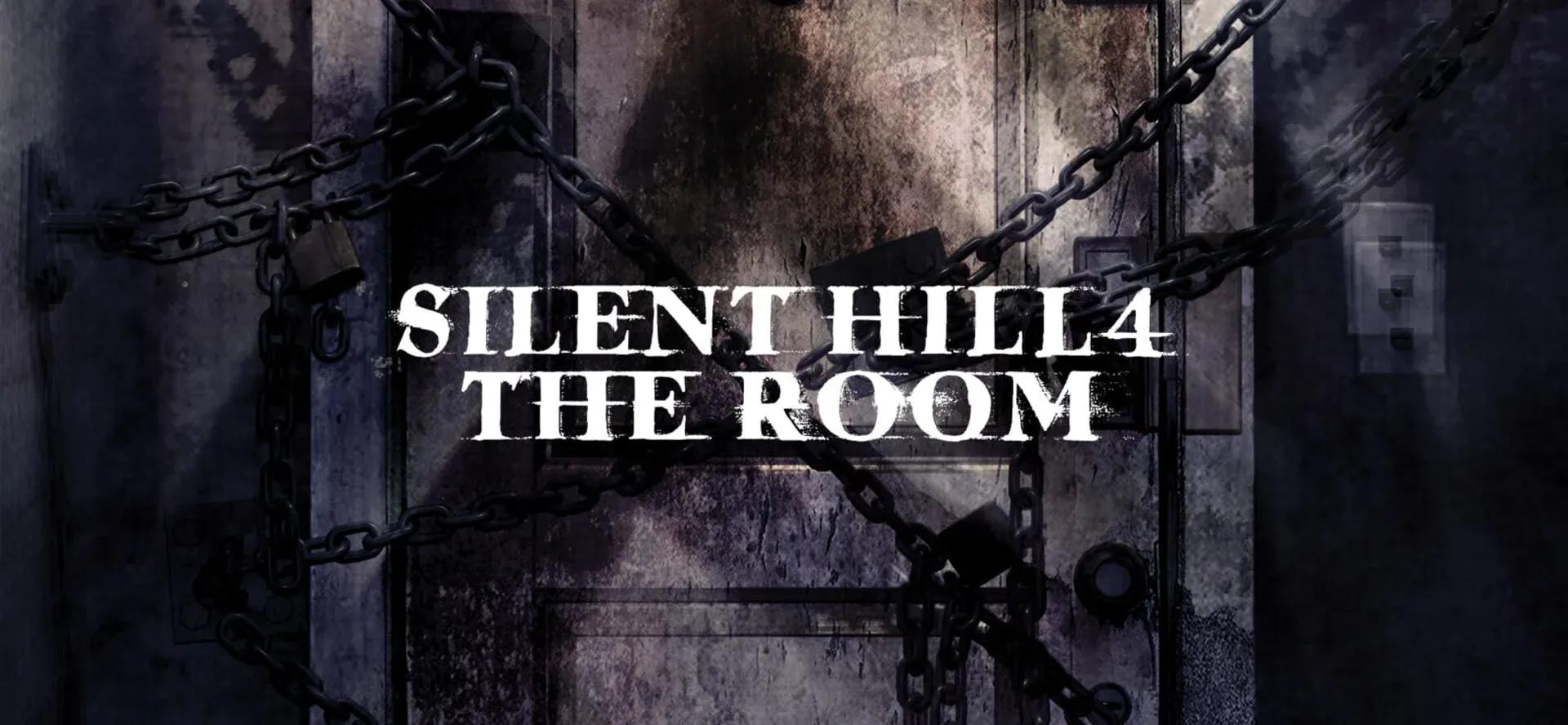
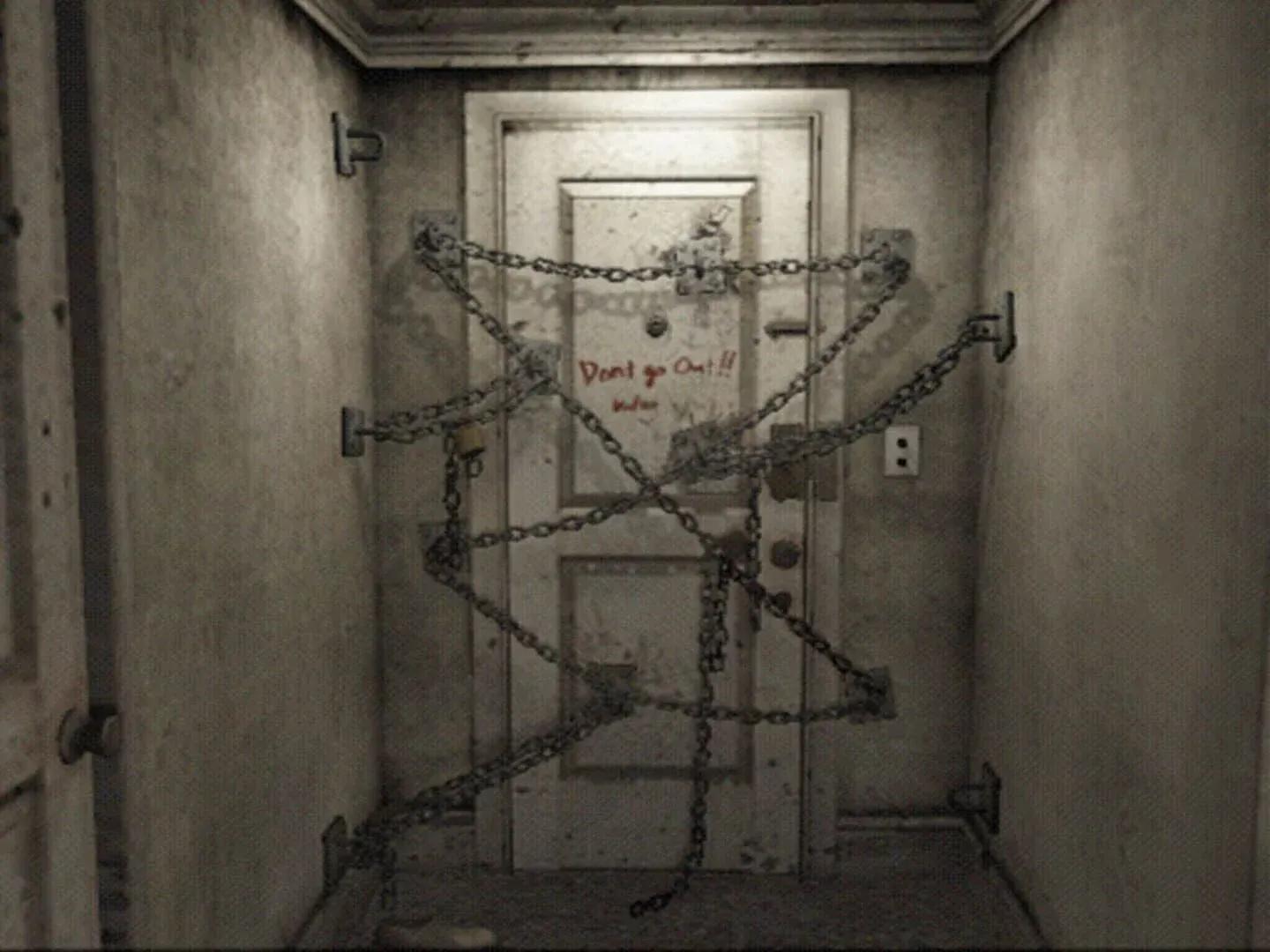
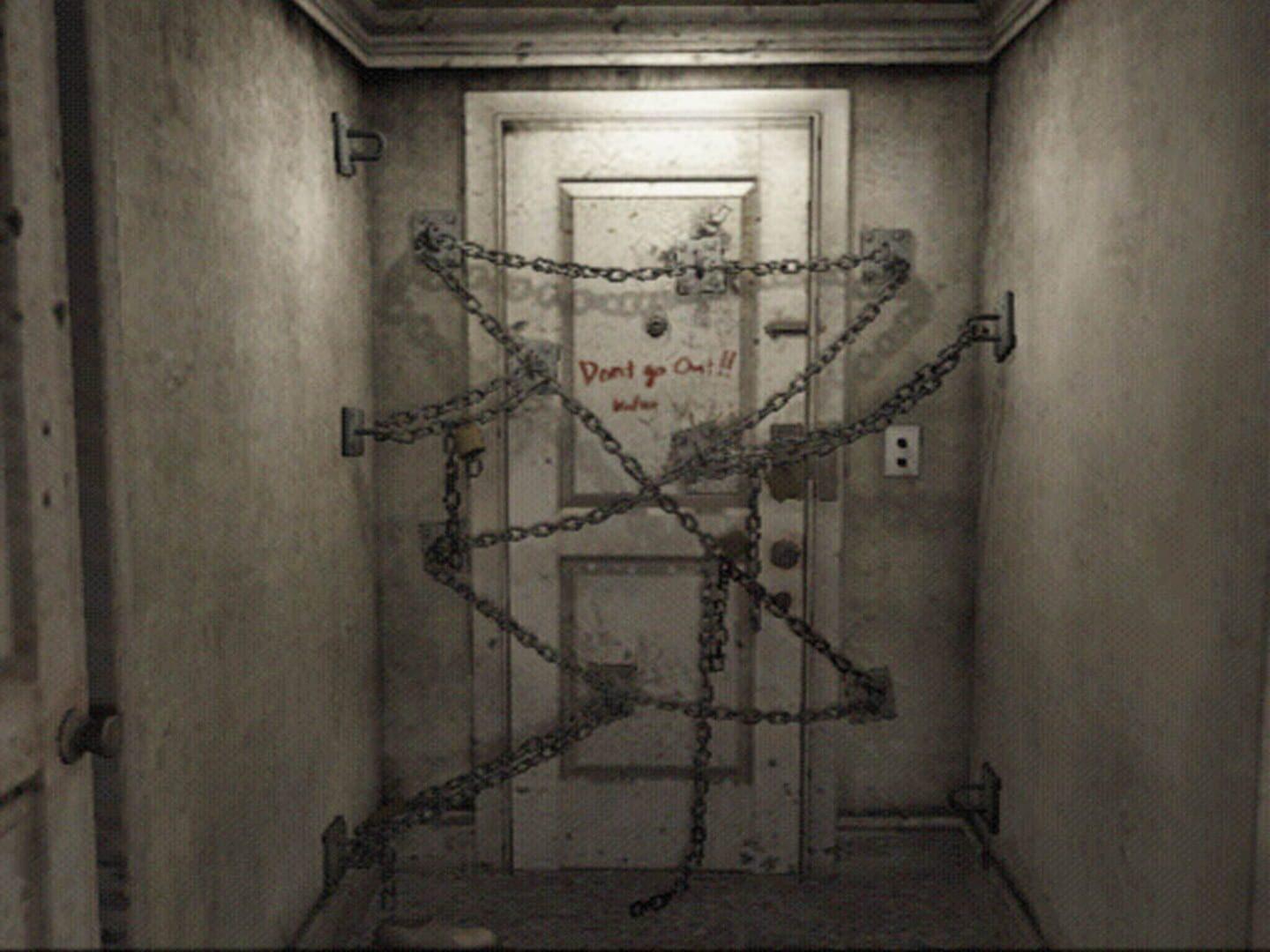
Silent Hill 4: The Room, developed by Team Silent and published by Konami in 2004, takes the survival horror series in a deliberately unsettling new direction. Rather than placing the player in the fog-drenched streets of Silent Hill itself, the game centers on Henry Townshend, a man sealed inside his own apartment by chains that appeared on his door from the inside. The town is still there, lurking in the background of the story, but Room 302 in South Ashfield Heights becomes the real source of dread.
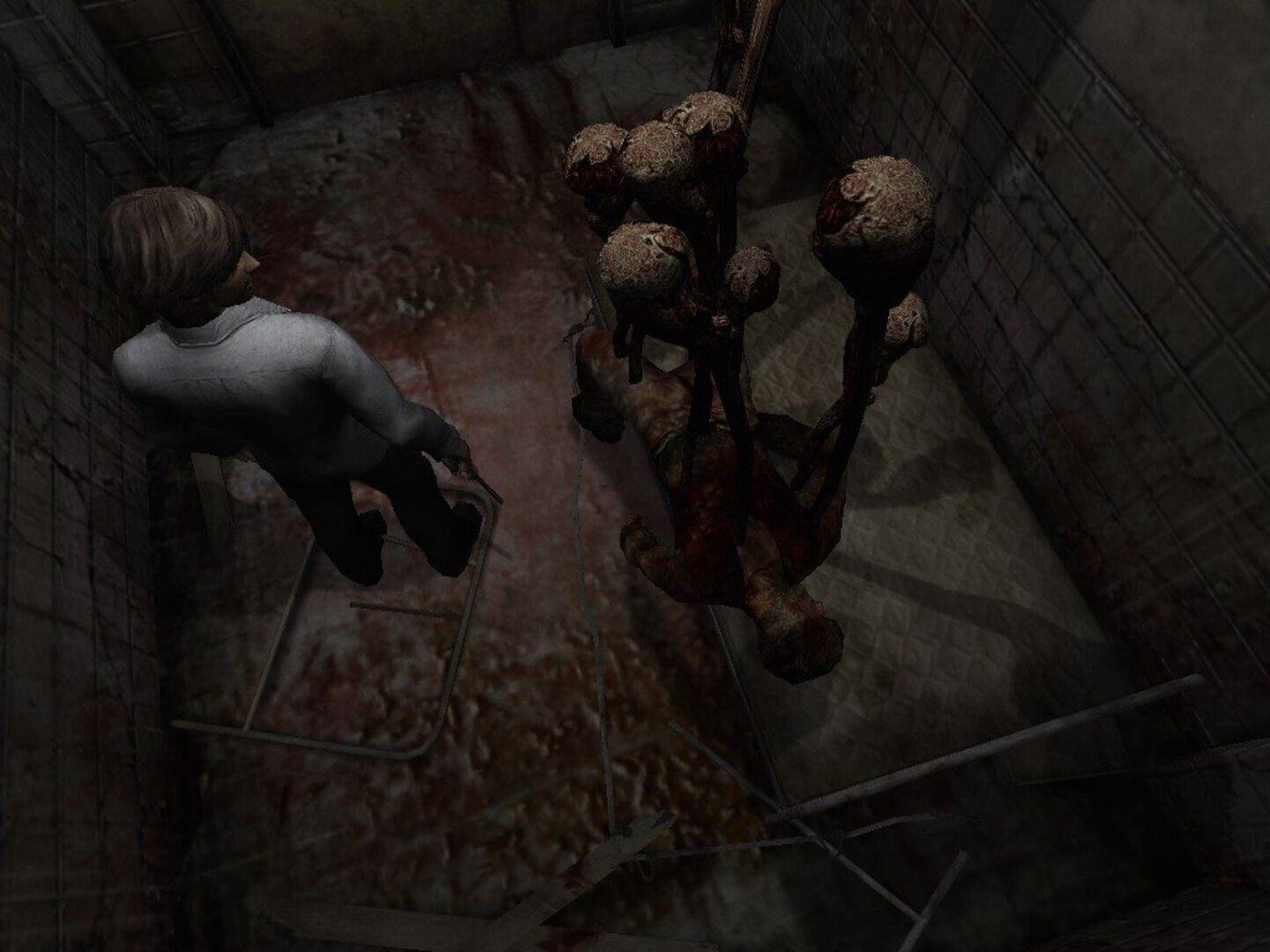
The core premise is simple and genuinely disturbing: Henry can't leave. His windows won't open, his neighbors can't hear him pound on the door, and the phone rings but no one answers. The only exit is a hole that opened in his bathroom wall, leading to a series of alternate dimensions that grow more hostile with each visit. The apartment itself transforms over the course of the game, shifting from a refuge into something far less safe.
Gameplay and mechanics
Silent Hill 4 introduces a dual-perspective system that no previous entry in the series used. Inside the apartment, the game switches to first-person view, letting Henry peer through peepholes, examine objects, and experience the confined space at eye level. Step through a portal, and it shifts back to the traditional third-person camera the series is known for. The contrast is deliberate and effective.
Key mechanics include:
- First-person apartment exploration
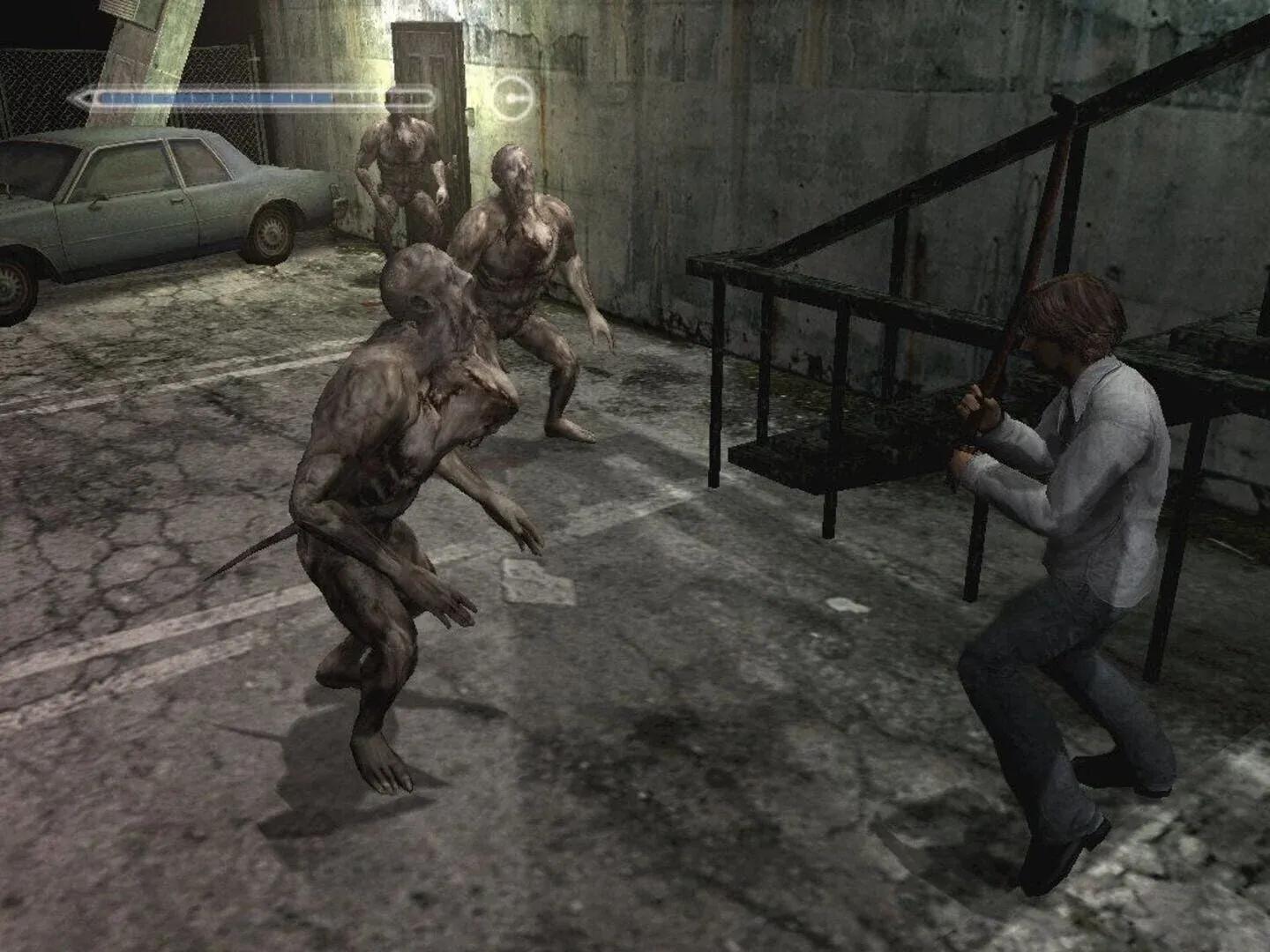
- Third-person combat in alternate dimensions
- Inventory management with limited carry capacity
- Haunt system where defeated enemies can return as ghosts
- Environmental interaction highlighted by eyeball icons
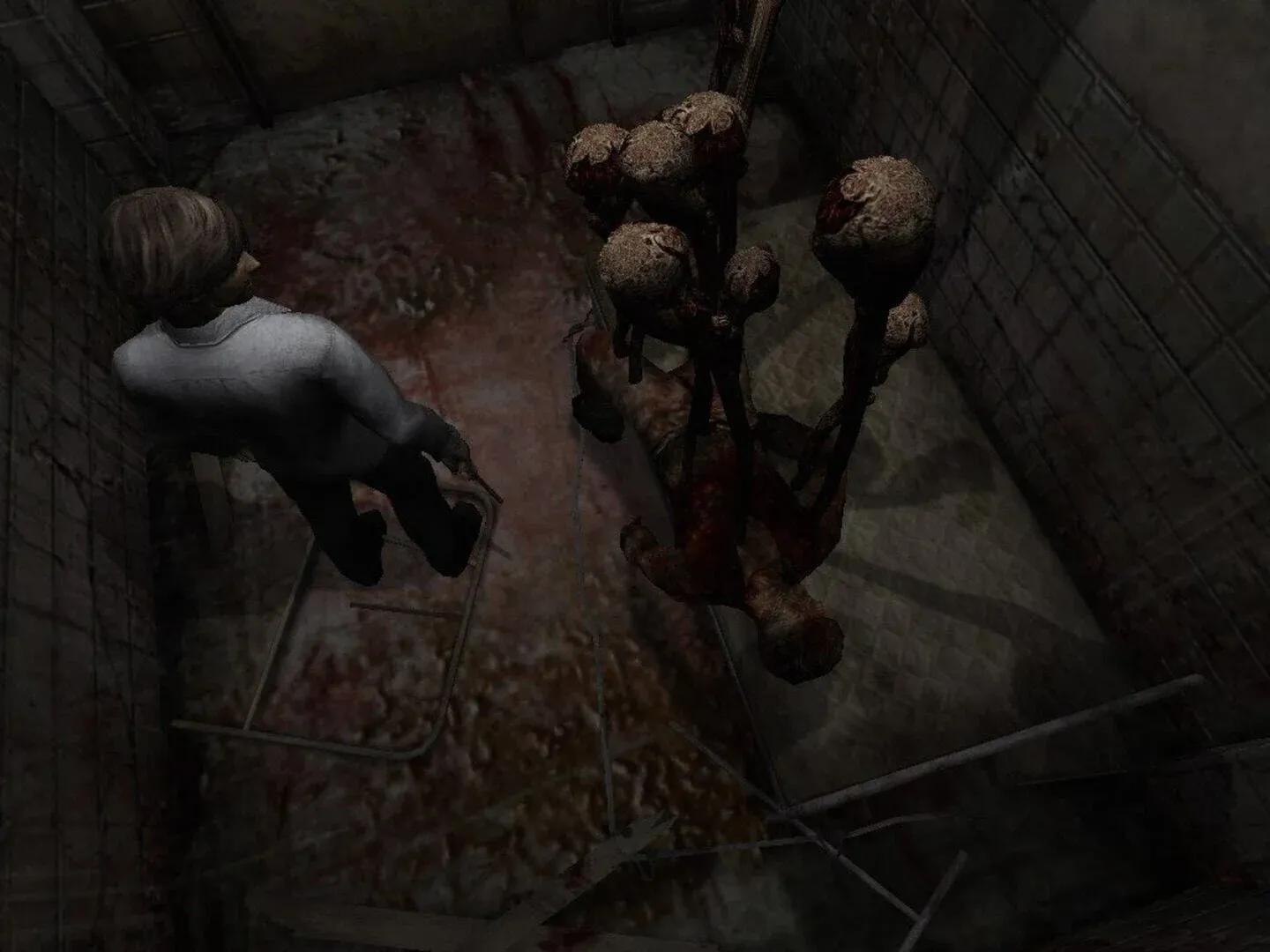
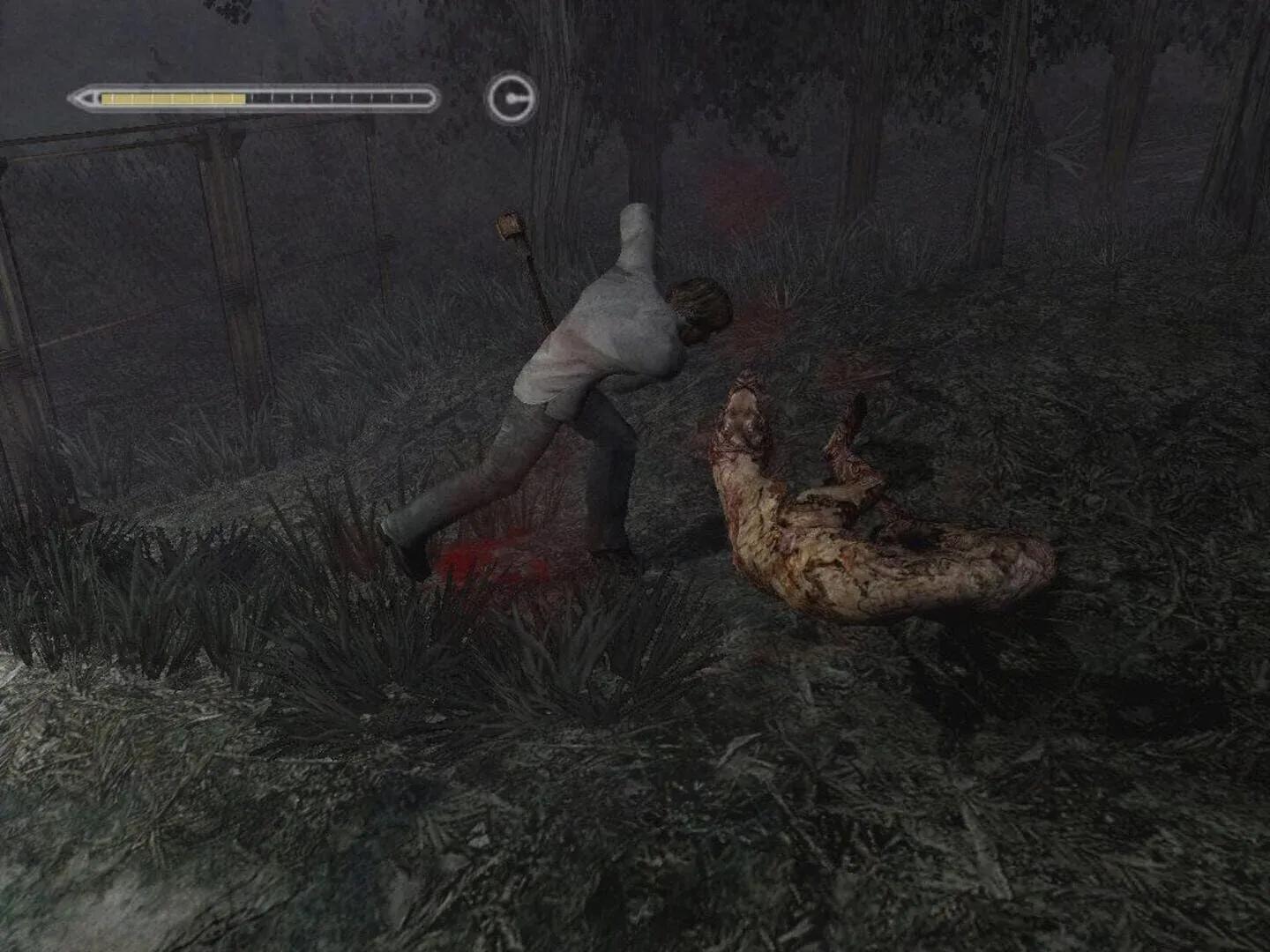
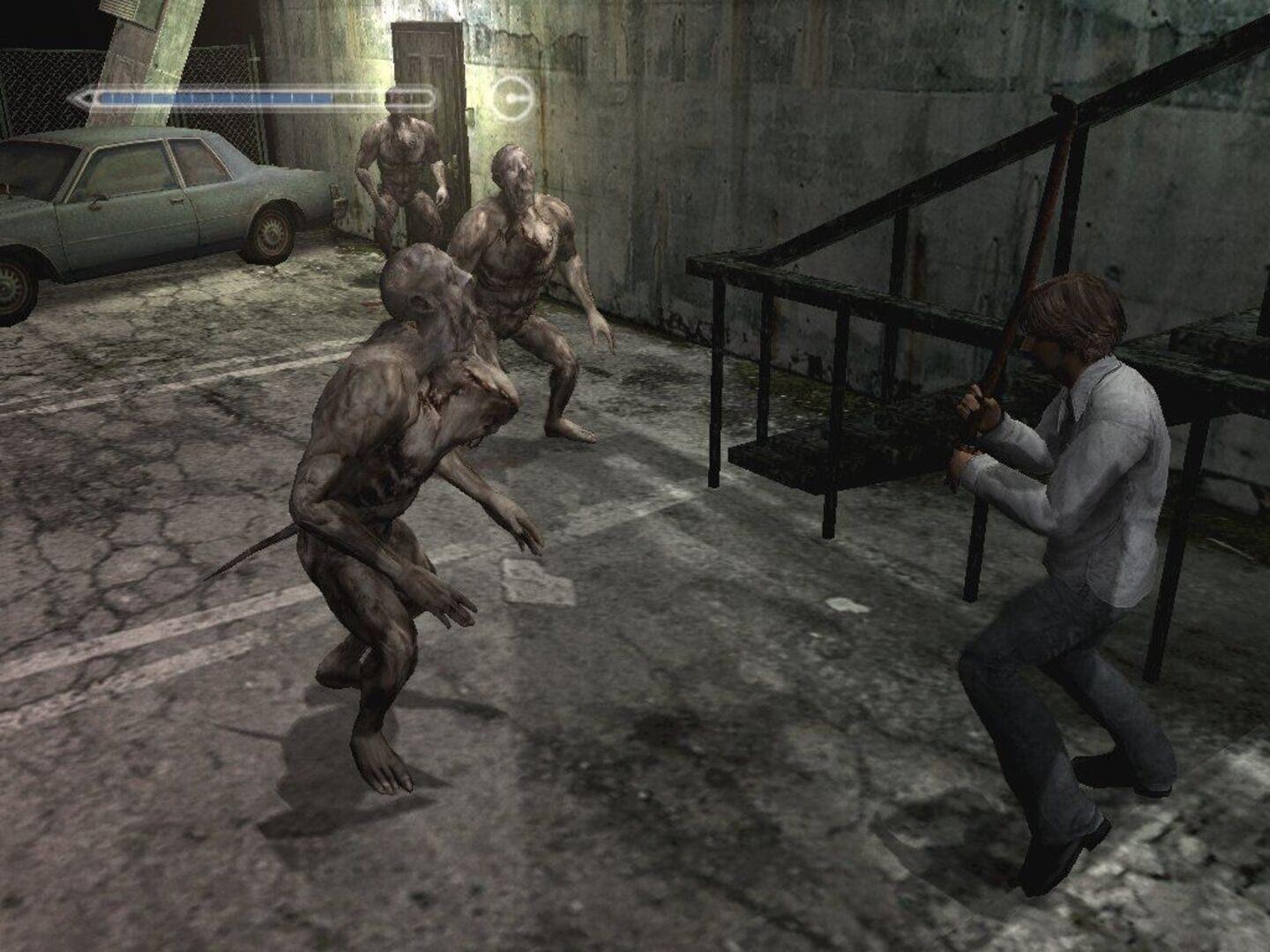
Combat leans heavier than in earlier Silent Hill games. Enemies appear in greater numbers and crowd into tight spaces, making the steel pipe, pistol, and golf club feel genuinely necessary rather than incidental. The ghost mechanic is the most notable addition: certain enemies, once killed, resurrect as unkillable spectral versions of themselves that drain Henry's health on contact. The only way to stop them permanently is to find and destroy their source.
World and setting
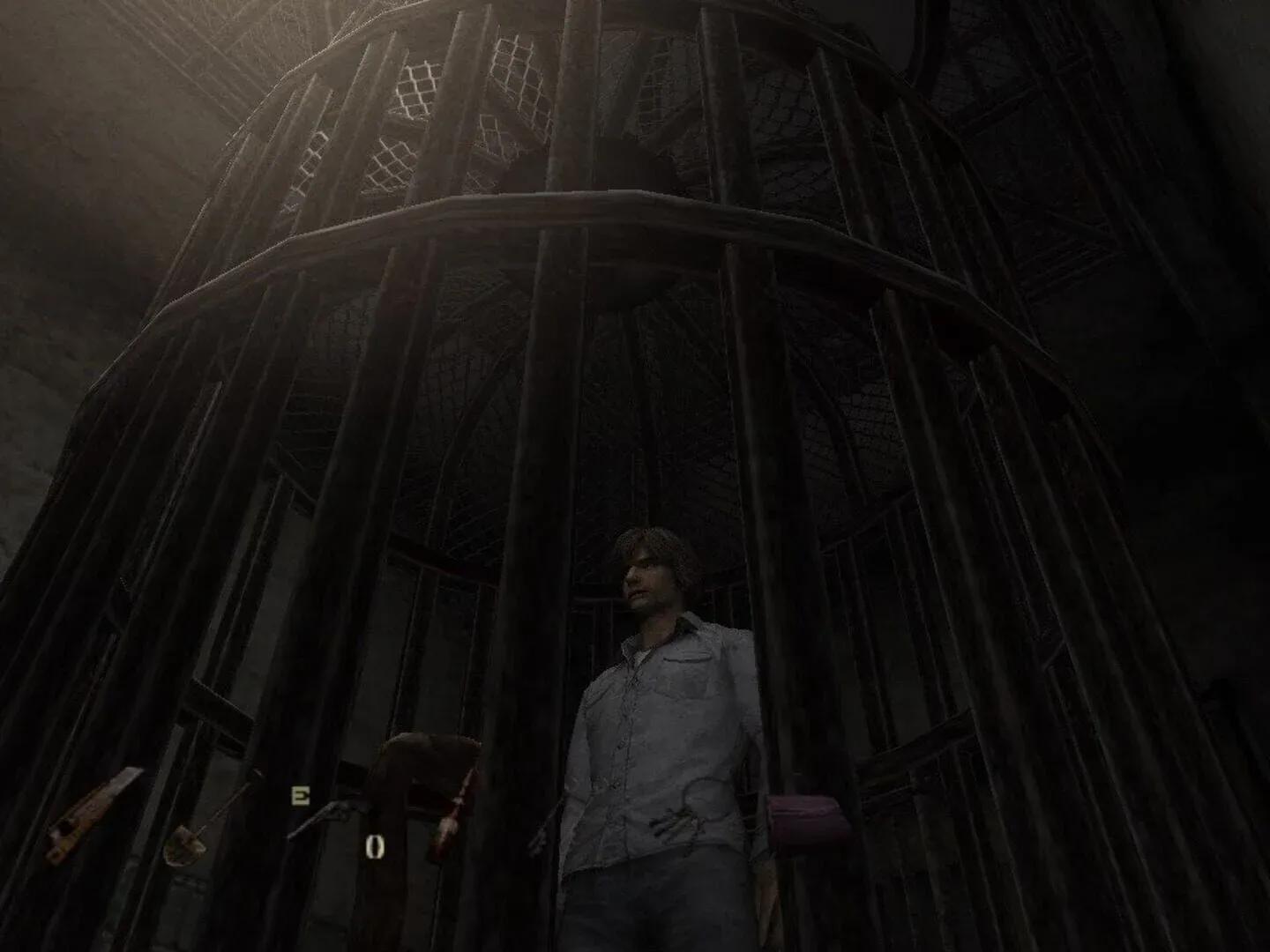
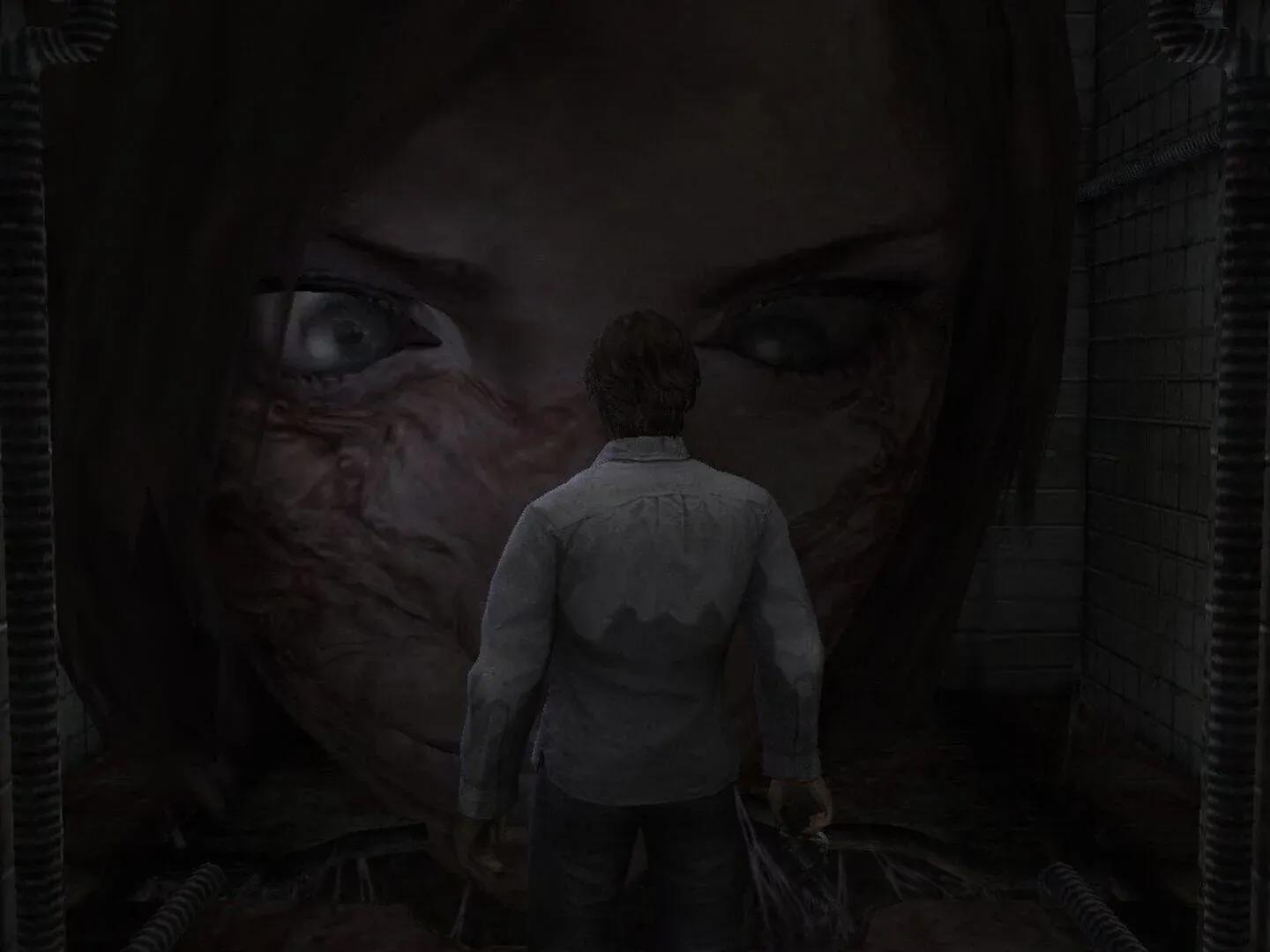
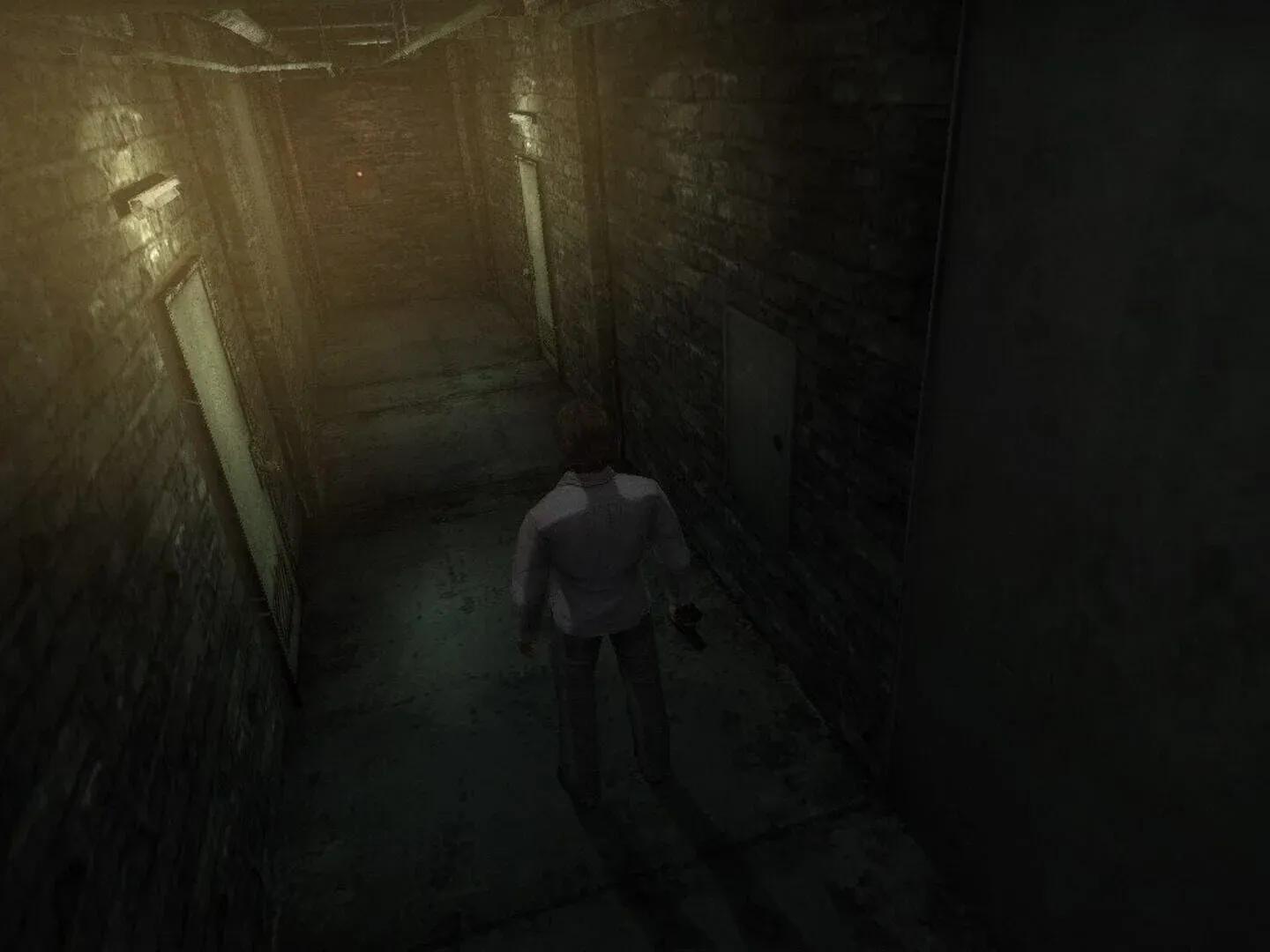
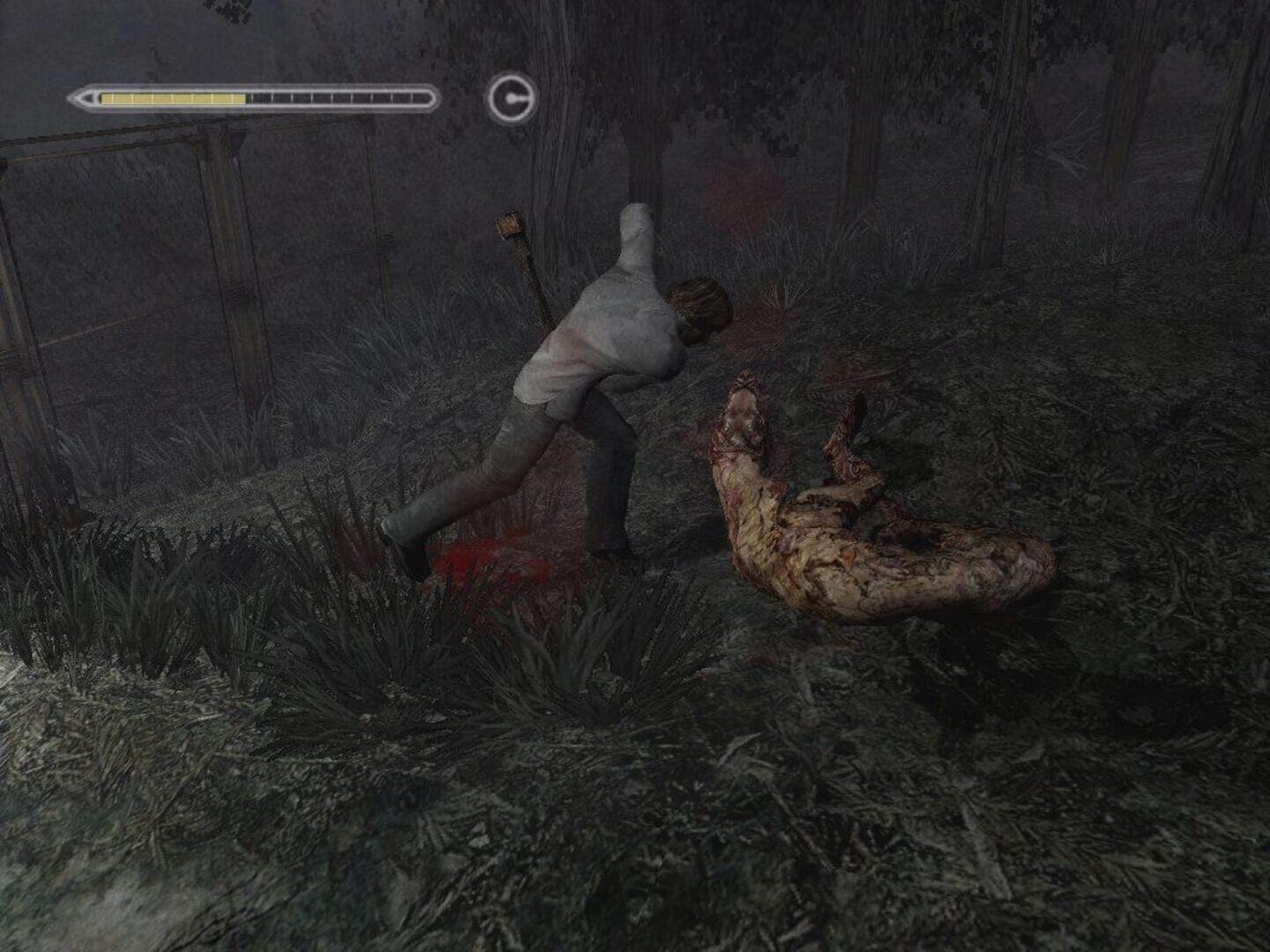
The alternate dimensions Henry travels through cover a range of environments: a flooded apartment building, a forest riddled with supernatural threats, a grim underground prison, and spaces that follow no architectural logic. Each one carries a distinct atmosphere and connects to the story of Walter Sullivan, a serial killer whose crimes form the backbone of the game's lore.
The apartment itself serves as a hub between these worlds. Henry returns to it repeatedly, and the game tracks how the space deteriorates. Hauntings bleed in from the dimensions he visits, and objects accumulate that shouldn't be there. The apartment stops feeling safe well before the game reaches its midpoint.
Impact and legacy
Silent Hill 4 sits in an unusual place in the series. It was the final game produced by Team Silent, the original Konami development group responsible for the franchise's first four entries, and it shows both the ambition and the strain of that position. The ghost mechanic and the apartment hub structure divide opinion among survival horror fans, but the game's atmosphere and its central concept of a locked room as a horror device remain genuinely distinctive.
Available on PlayStation 2, Xbox, and Windows PC, the game offers a survival horror experience that prioritizes psychological tension over spectacle. The haunt system, the dual-perspective controls, and Walter Sullivan's story give Silent Hill 4 an identity that sets it apart from both its predecessors and the genre at large.