Overview
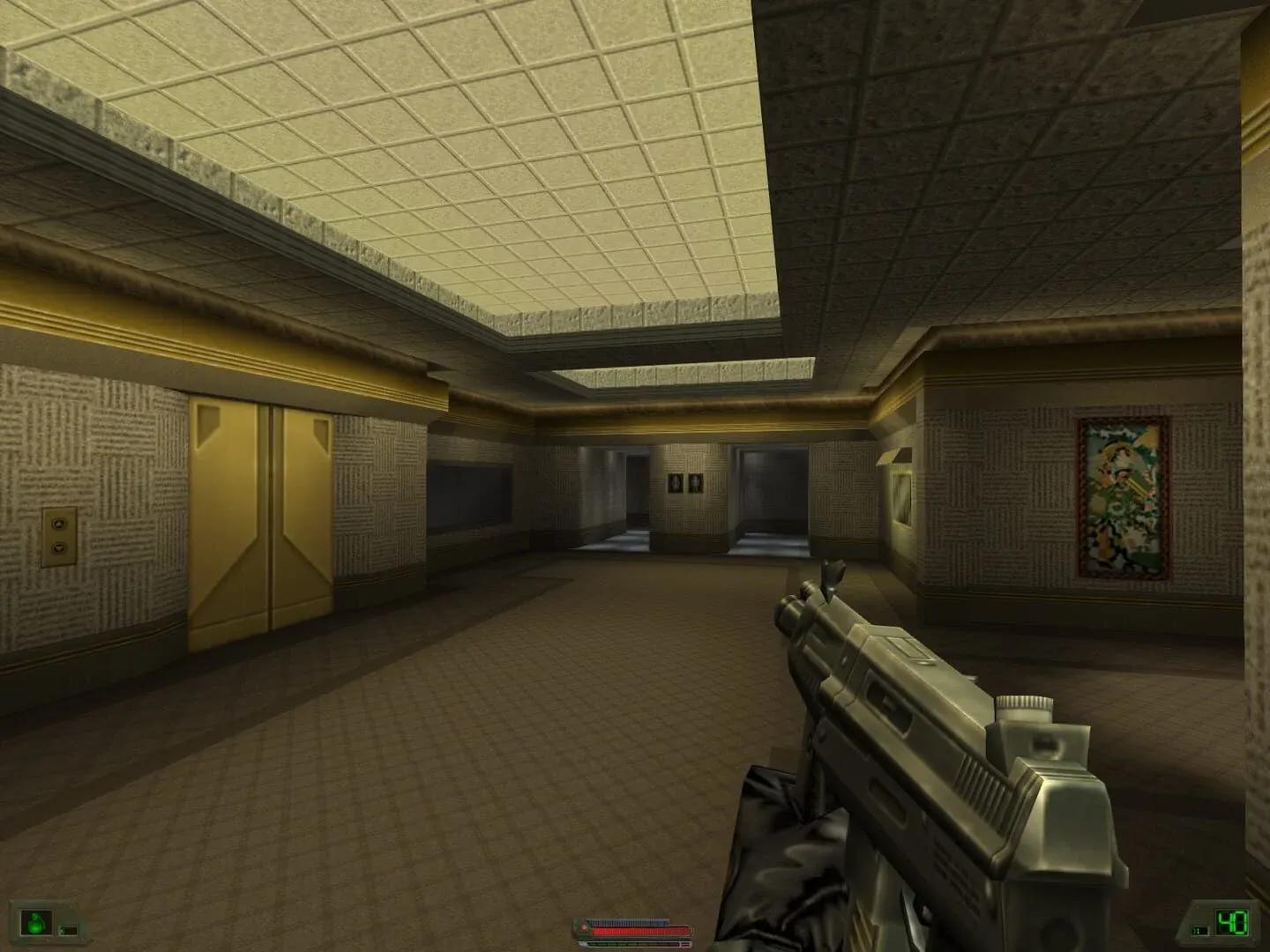
Soldier of Fortune casts players as John Mullins, a mercenary working for a shadowy organization called The Shop alongside his partner Aaron "Hawk" Parsons. The mission: track down stolen nuclear warheads before terrorist groups can use them. Developed by Runecraft and published by Majesco Entertainment, the game released on February 29, 2000, and quickly earned a reputation for combat that felt more physically consequential than almost anything else on PC at the time.
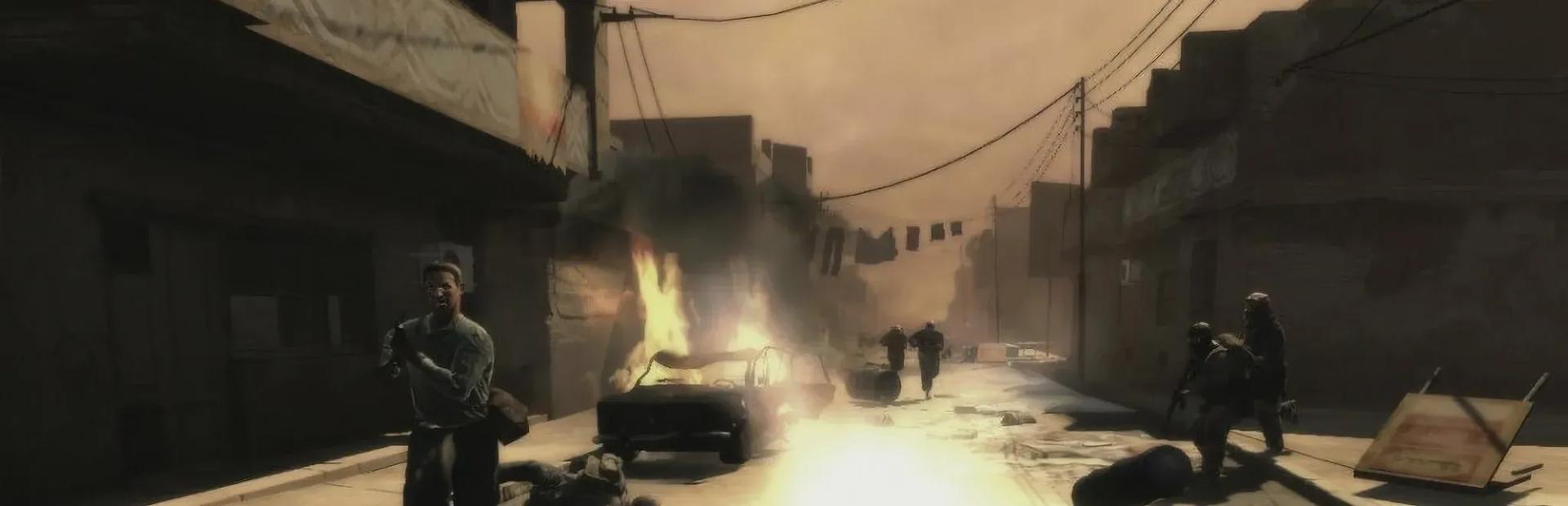
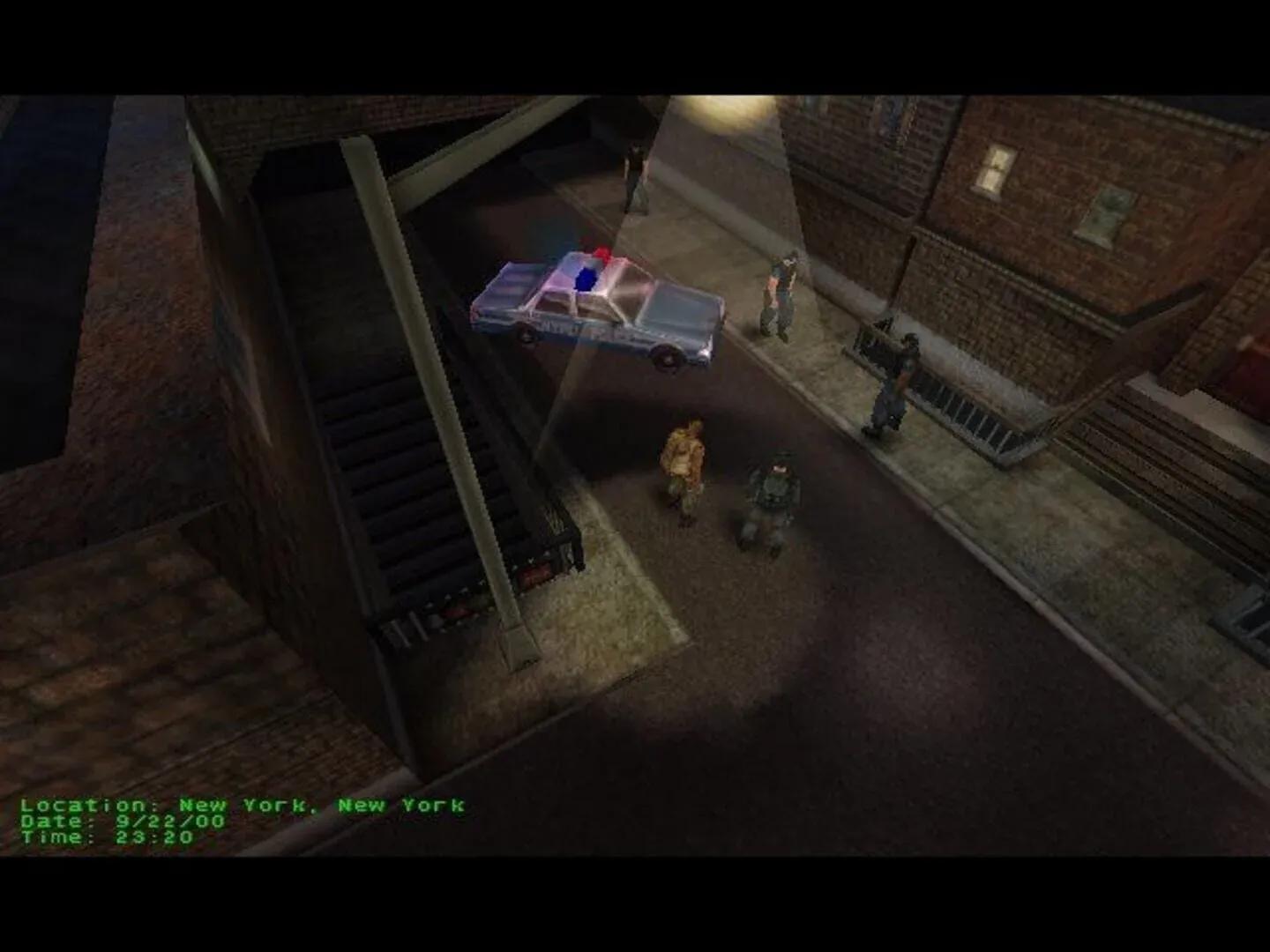
The story takes Mullins across multiple international locations, from grimy urban environments to military installations, each serving as the backdrop for increasingly intense firefights. The narrative is straightforward by design, more action thriller than deep drama, and it works precisely because the game never pretends otherwise. The Shop gives you a mission, you execute it, and the world moves on.
Soldier of Fortune content image
Gameplay and mechanics
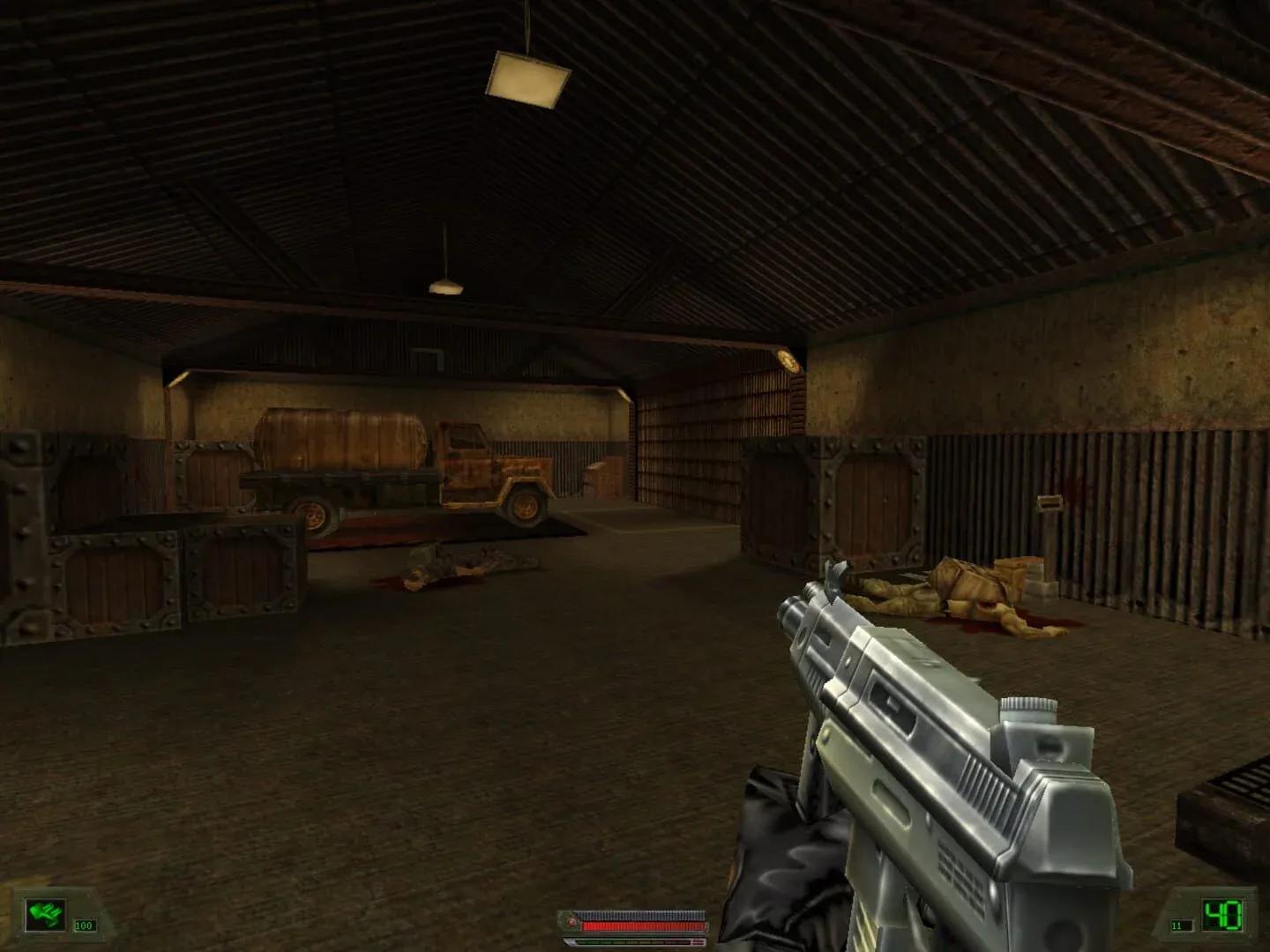
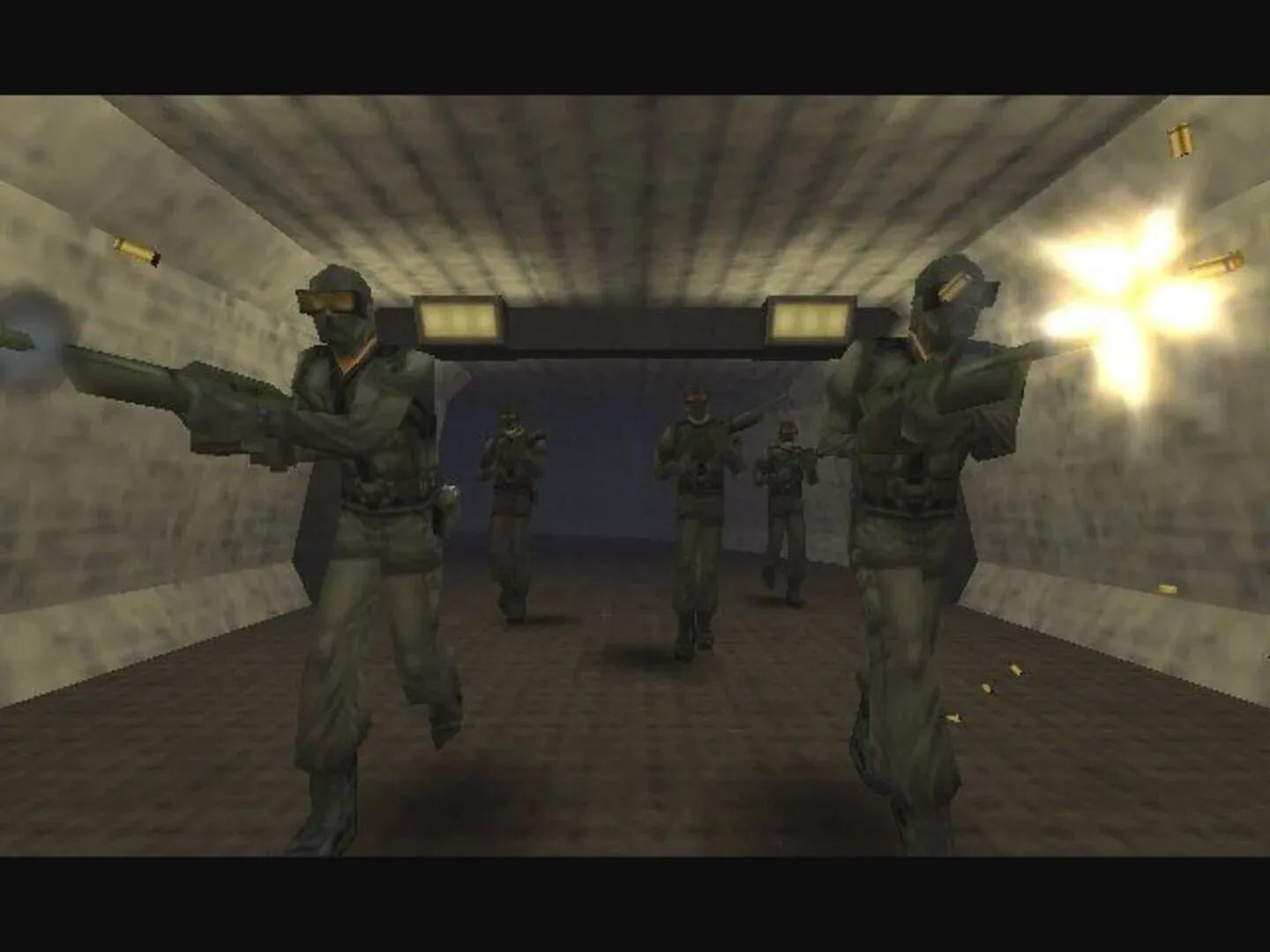
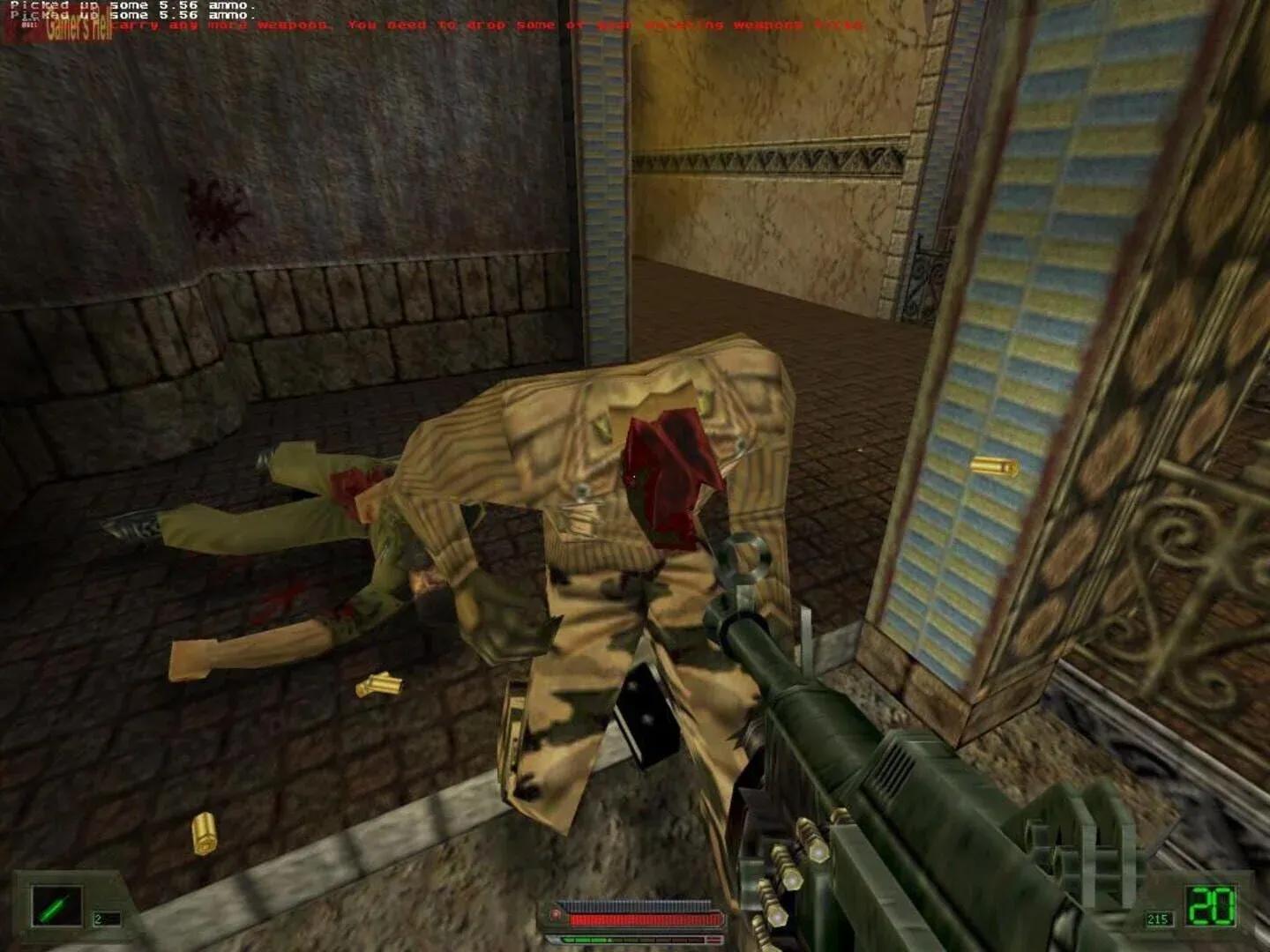
The core first-person shooter loop is tight and deliberately paced. Mullins moves through linear levels, engages enemy soldiers, and advances the mission. What separates Soldier of Fortune from its contemporaries is the GHOUL (Graphic Heuristic Object Oriented Liquid Dynamics) damage system, which modeled localized injury on enemy bodies in ways that were genuinely novel in 2000.
Soldier of Fortune content image
Key mechanics that define the experience:
- Localized enemy damage via the GHOUL system
- Wide weapon selection from pistols to heavy arms
- Linear mission structure with objective-based progression
- Environmental destructibility tied to enemy reactions
- Tight gunplay with meaningful weapon recoil
The weapon handling holds up well. Each firearm feels distinct in terms of weight and recoil, and the game rewards players who learn which tool fits each situation rather than defaulting to whatever deals the most damage.
Soldier of Fortune content image
Innovation and unique features
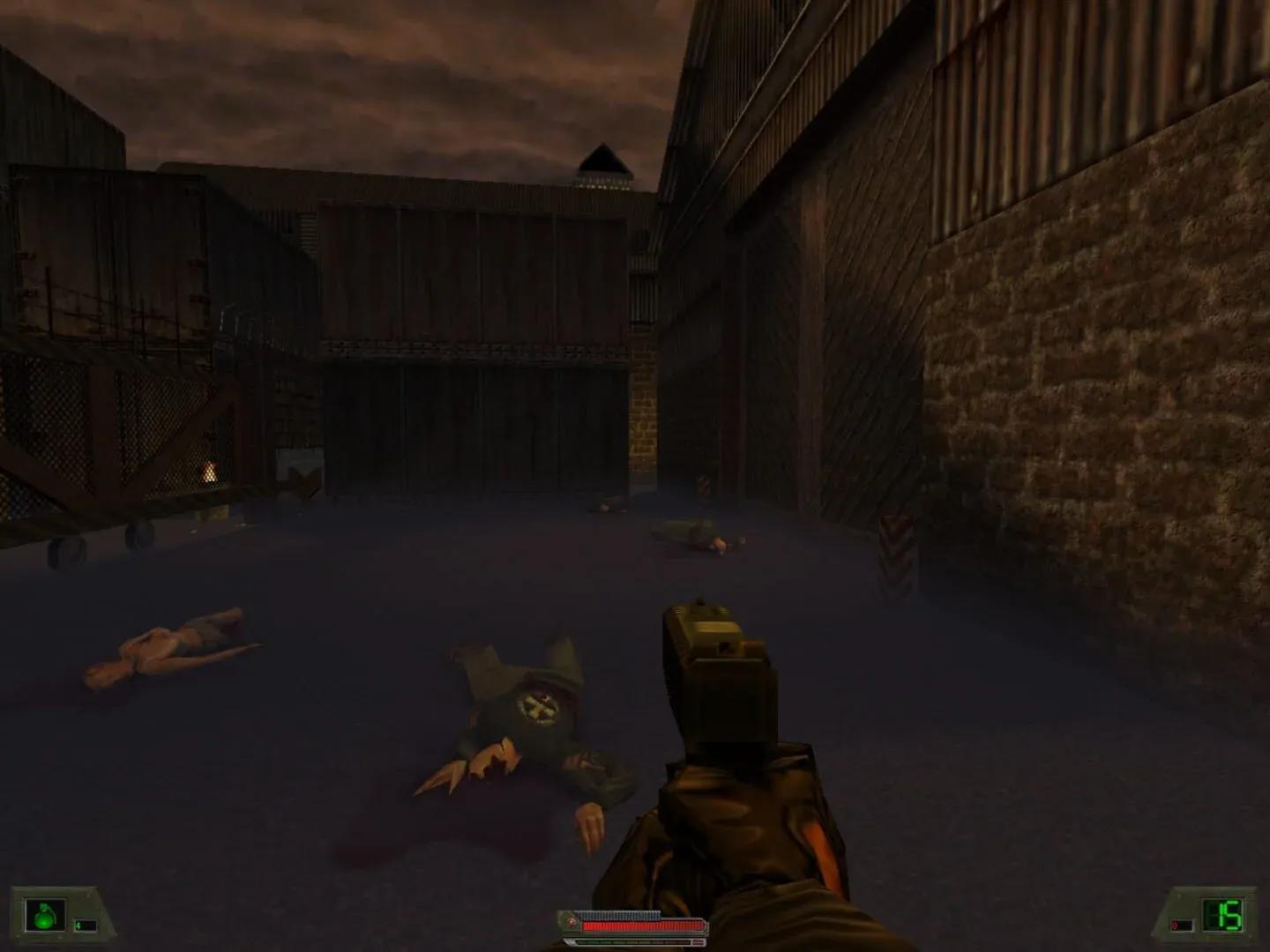
The GHOUL system deserves more attention than it typically gets in retrospect. At a time when most shooters handled enemy deaths through pre-baked animations, Soldier of Fortune rendered damage dynamically. Shoot an arm and the enemy reacts to that arm. Hit a leg and movement changes. The technology was controversial on release, but from a mechanical standpoint it made combat feel reactive in a way that influenced how developers thought about enemy behavior going forward.
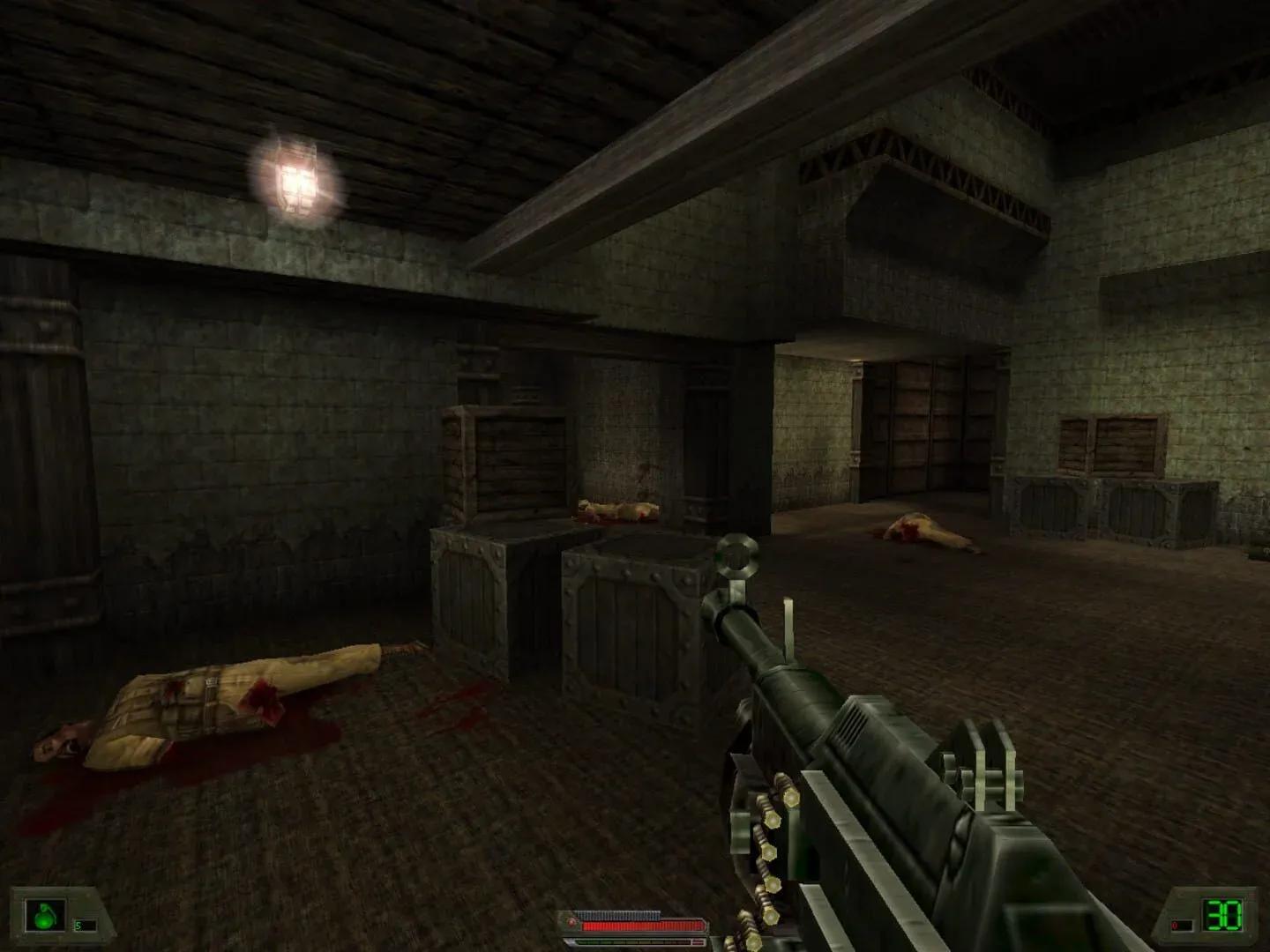
The game also made deliberate use of environmental variety. Rather than locking players inside identical corridors, missions span distinct settings that each demand slightly different approaches to engagement.
World and setting
The Shop as an organization sits in that specific late-1990s action fiction space: shadowy, government-adjacent, morally flexible. Mullins himself is the archetype of the era's action hero, competent and sparse with words. The geopolitical backdrop of loose nuclear materials and rogue actors was ripped directly from the headlines of the late Cold War aftermath, giving the story a grounded urgency that more fantastical shooters of the period lacked.
Soldier of Fortune content image
Impact and legacy
Soldier of Fortune sits in an interesting position in first-person shooter history. It arrived in the same period as genre-defining titles and held its own through sheer commitment to making combat feel physical and real. The GHOUL damage system influenced how subsequent games approached enemy reactivity, and the game's willingness to lean into visceral consequences set a template that later military shooters refined. For players interested in the lineage of the modern tactical shooter, this is a direct ancestor worth understanding on its own terms.