Overview
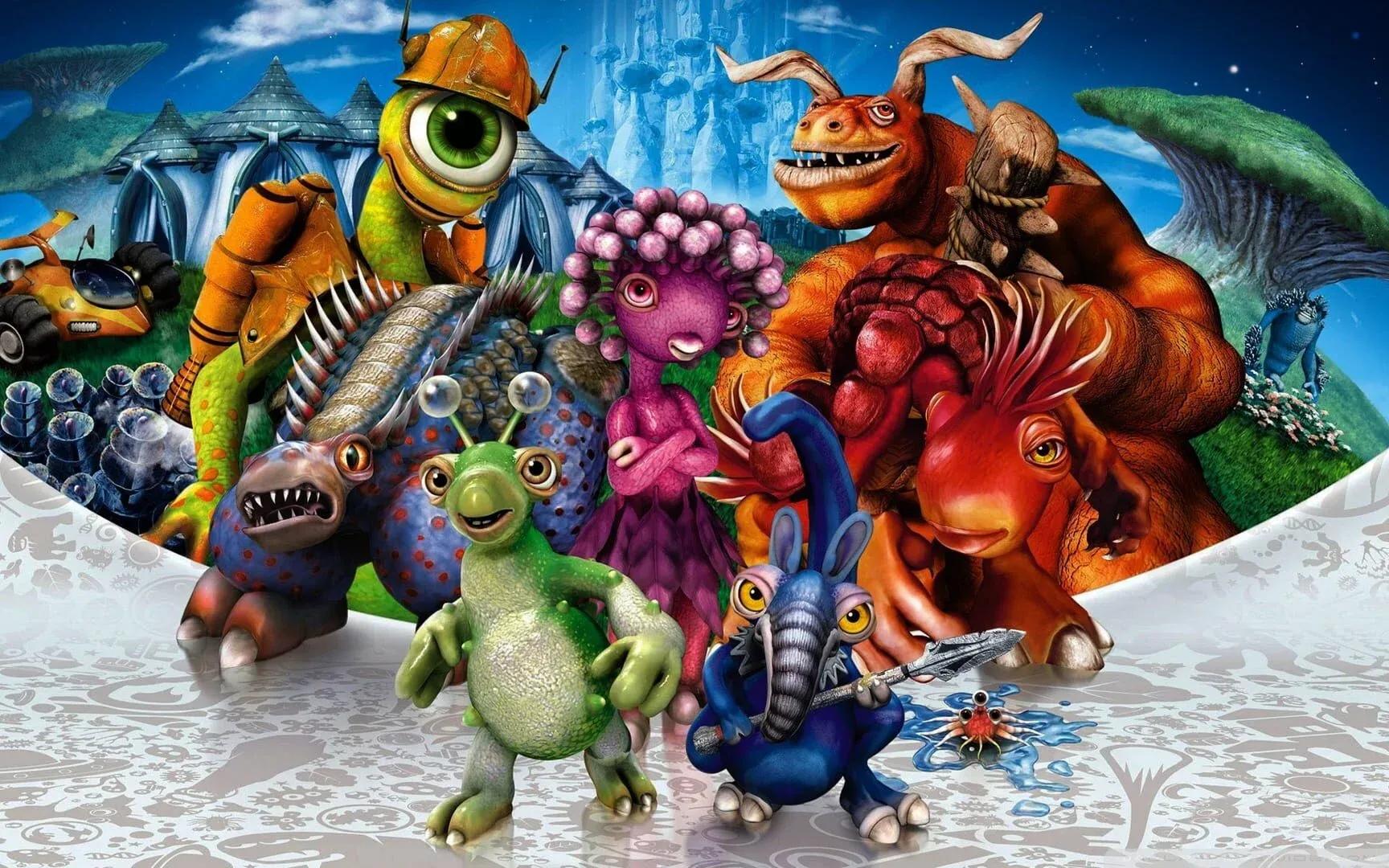
Spore, developed by Maxis and published by Electronic Arts in December 2008, is a multi-stage evolution simulator that refuses to fit neatly into any single genre. One moment it plays like a top-down aquatic action game; a few hours later it becomes a real-time strategy title about managing tribes and conquering civilizations. The throughline is the creature you shape, the species whose fate depends entirely on the choices you make across millions of in-game years.
The game's central hook is continuity. Every decision made in the Cell stage, which body parts you attach, whether you lean carnivore or herbivore, carries forward and influences how your creature behaves in the Creature stage. That ripple effect keeps players invested in ways that a simple level-select structure never could.
SPORE™ content image
What are Spore's five evolutionary stages?
Spore structures its entire campaign around five distinct phases, each with its own mechanics and tone:
SPORE™ content image
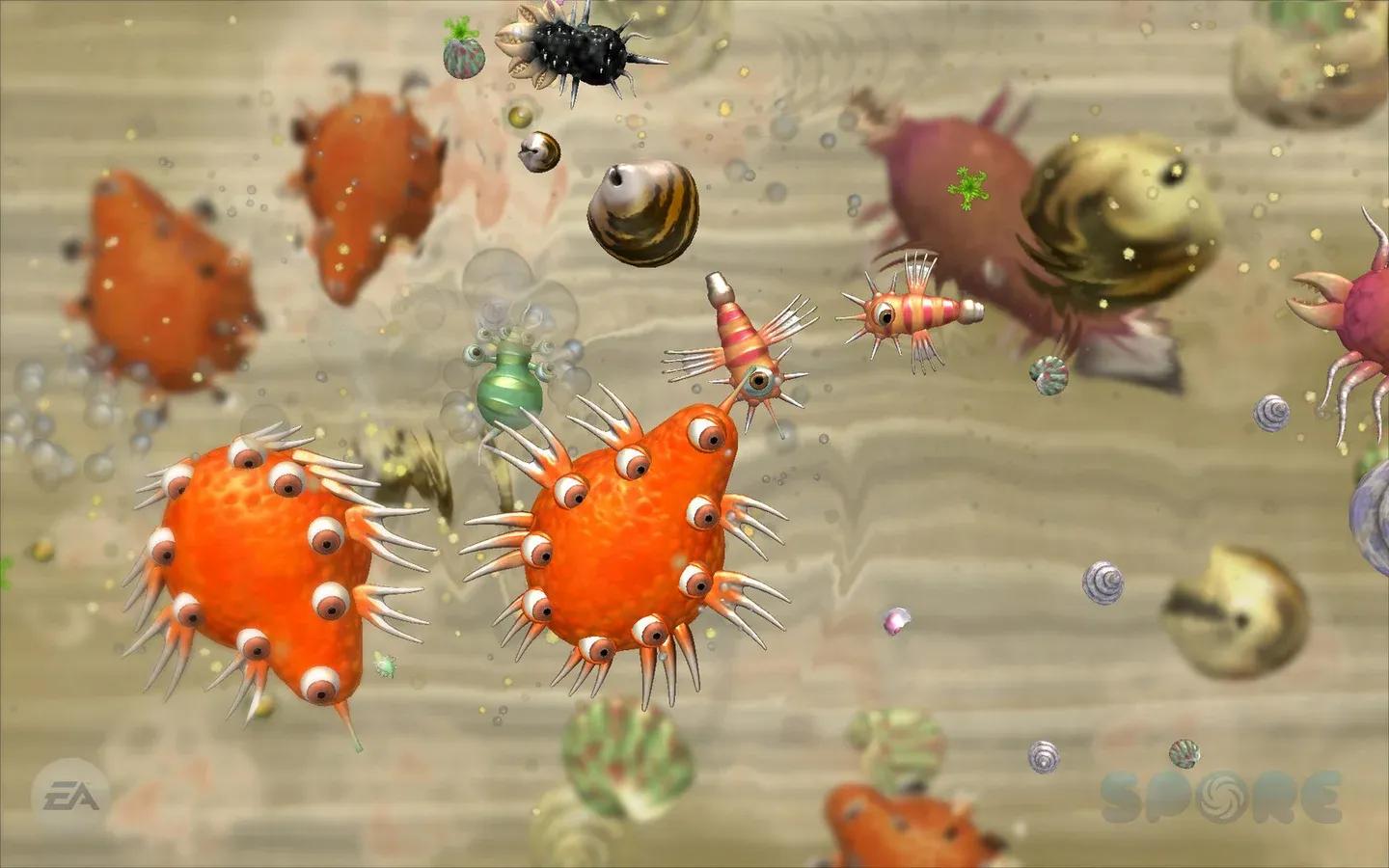
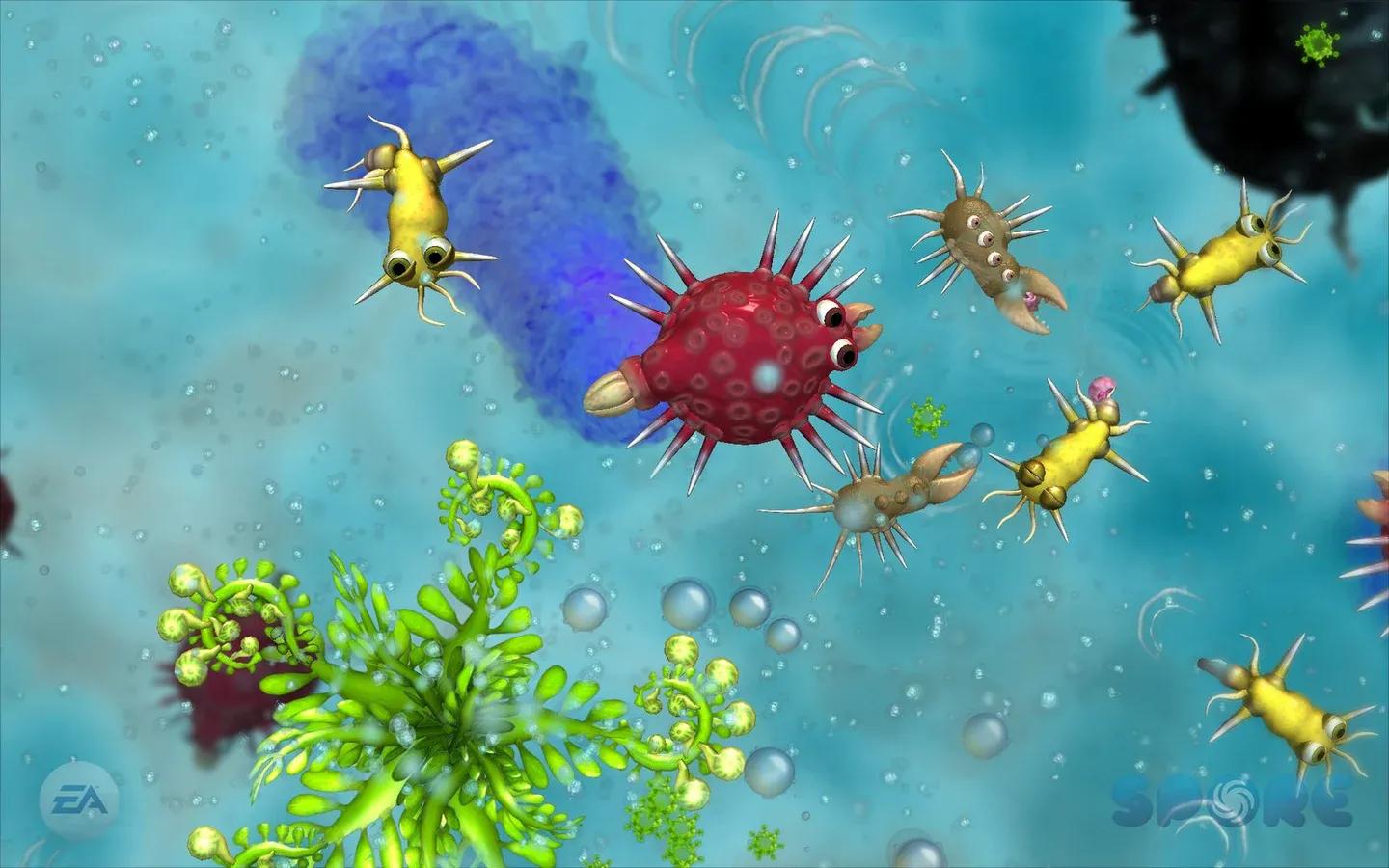
- Cell: 2D aquatic survival, eat or be eaten
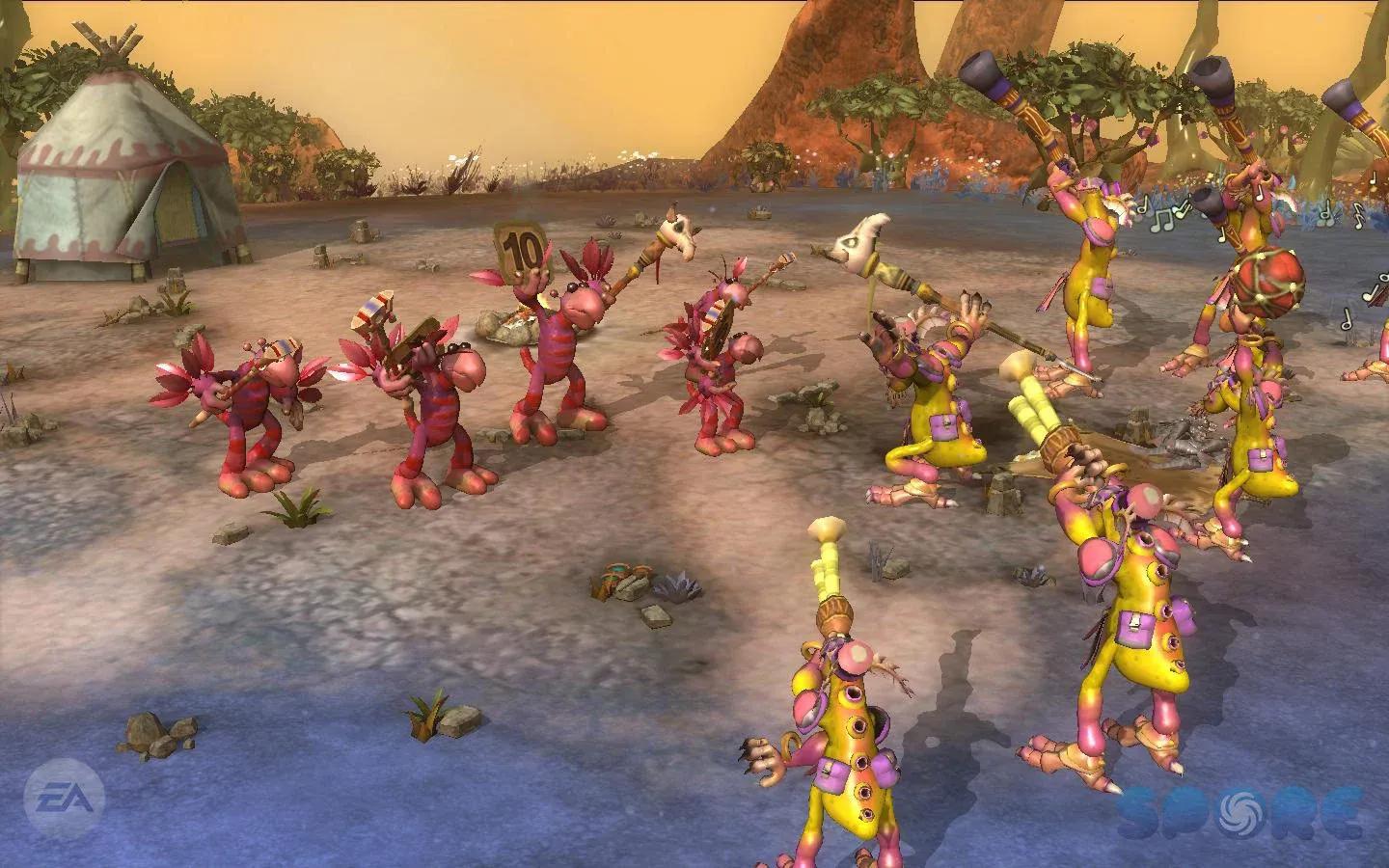
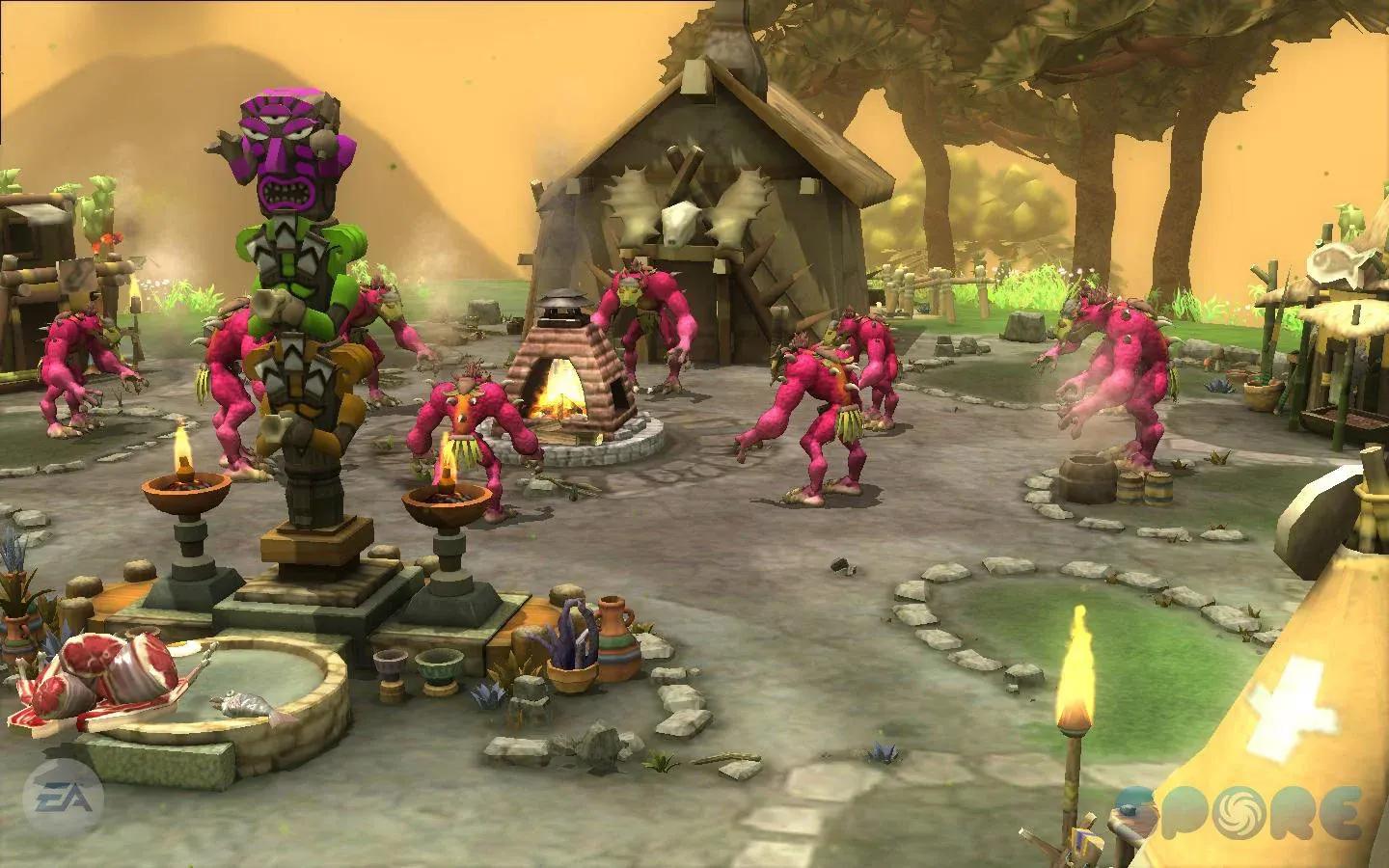
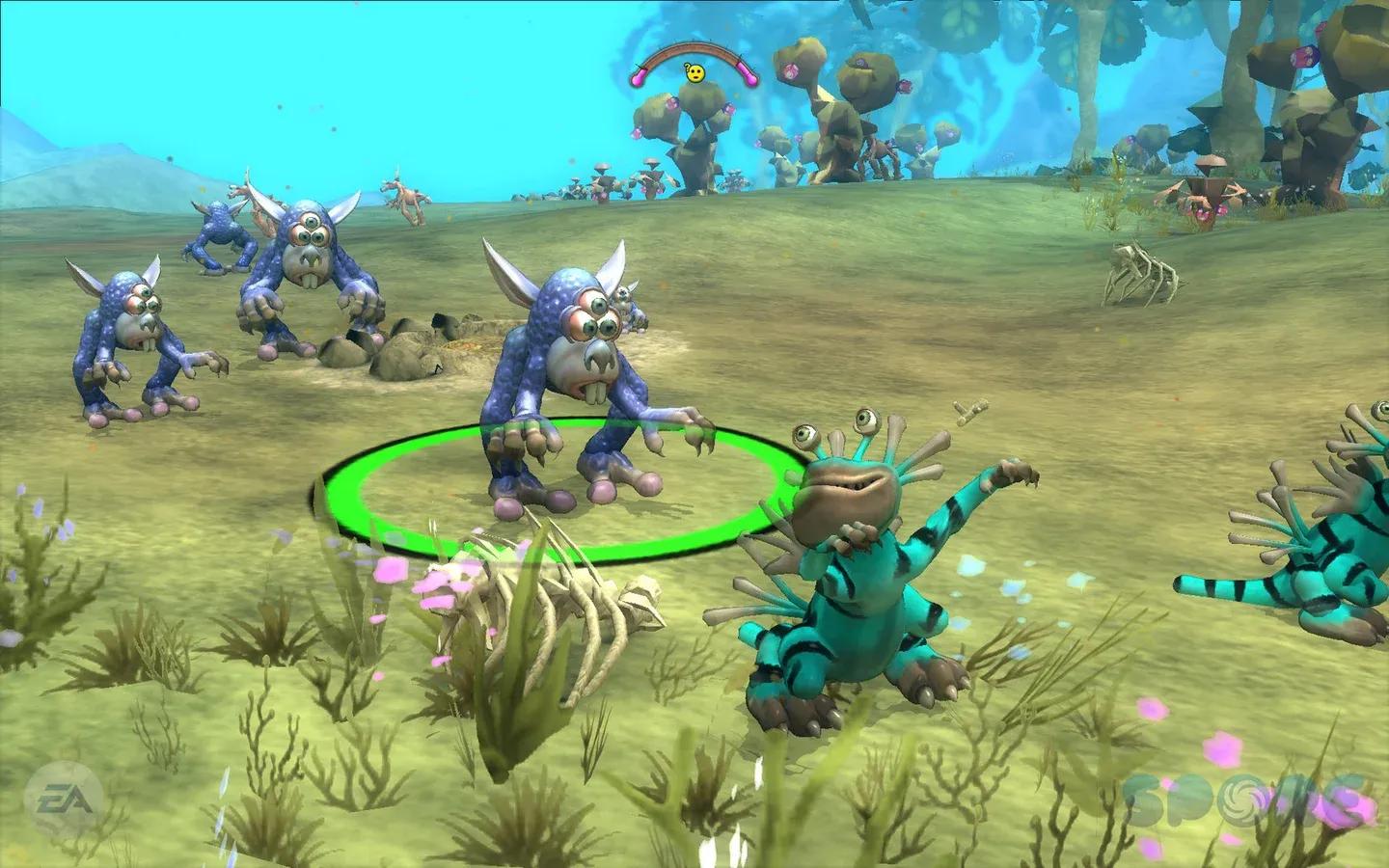
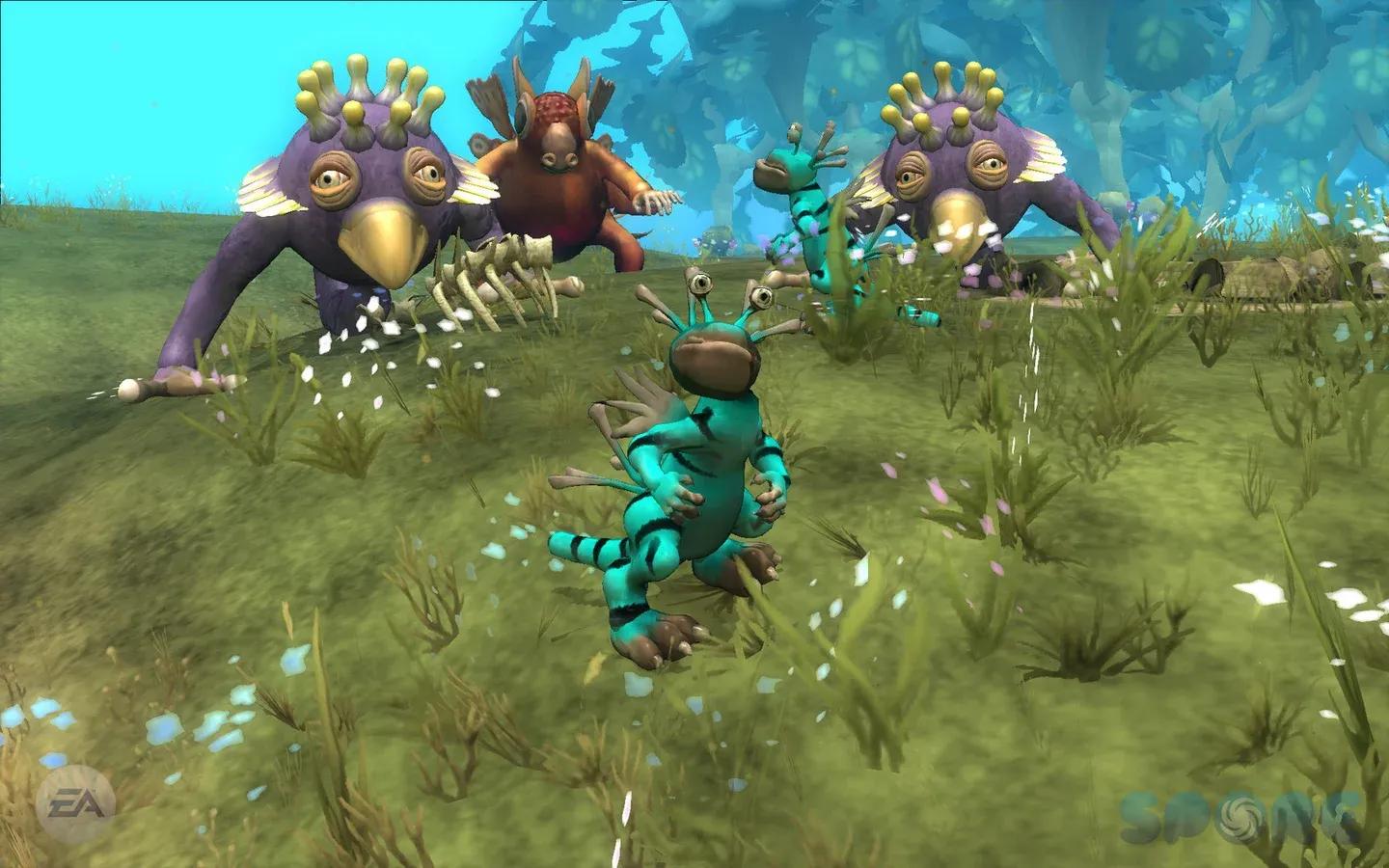
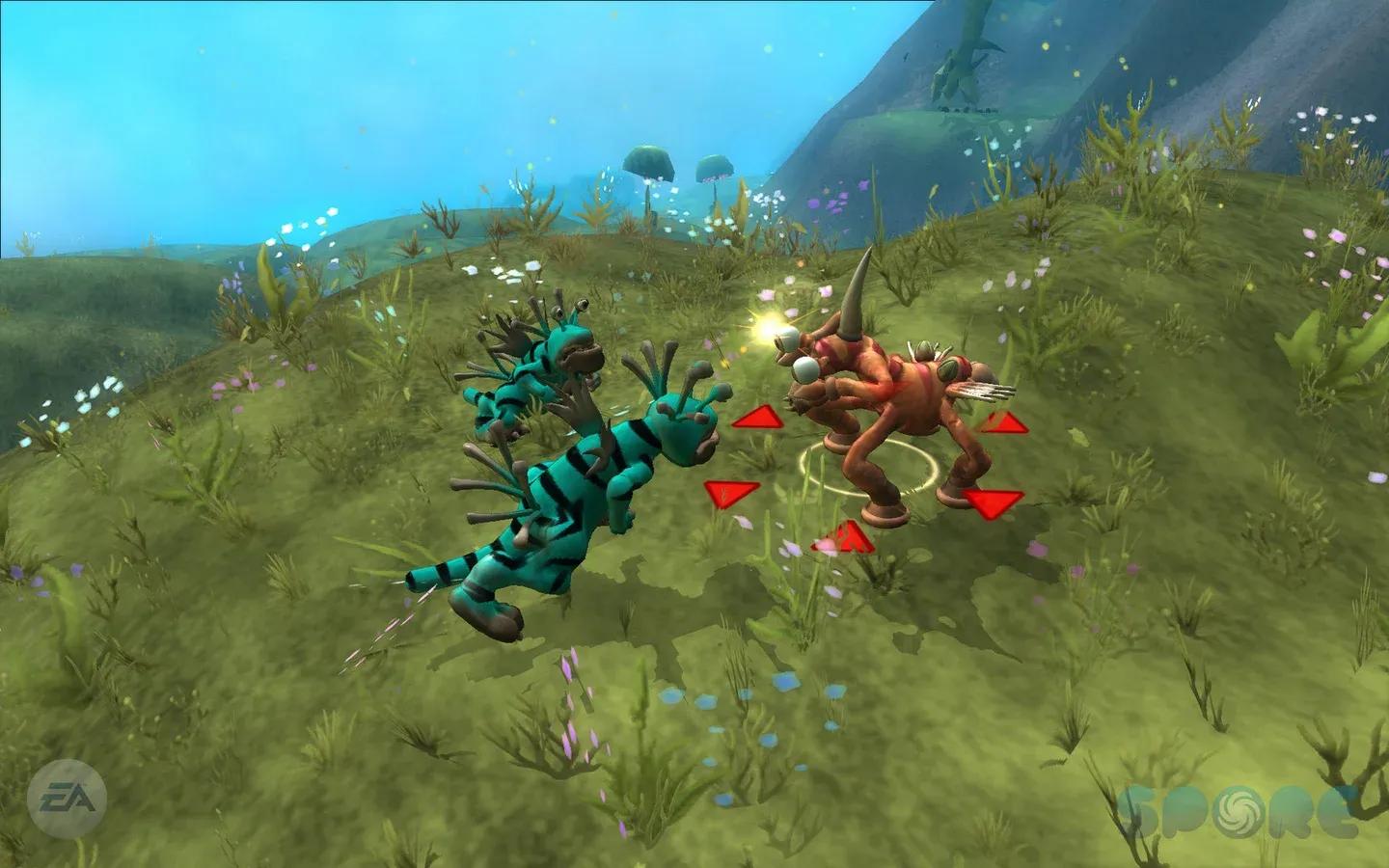
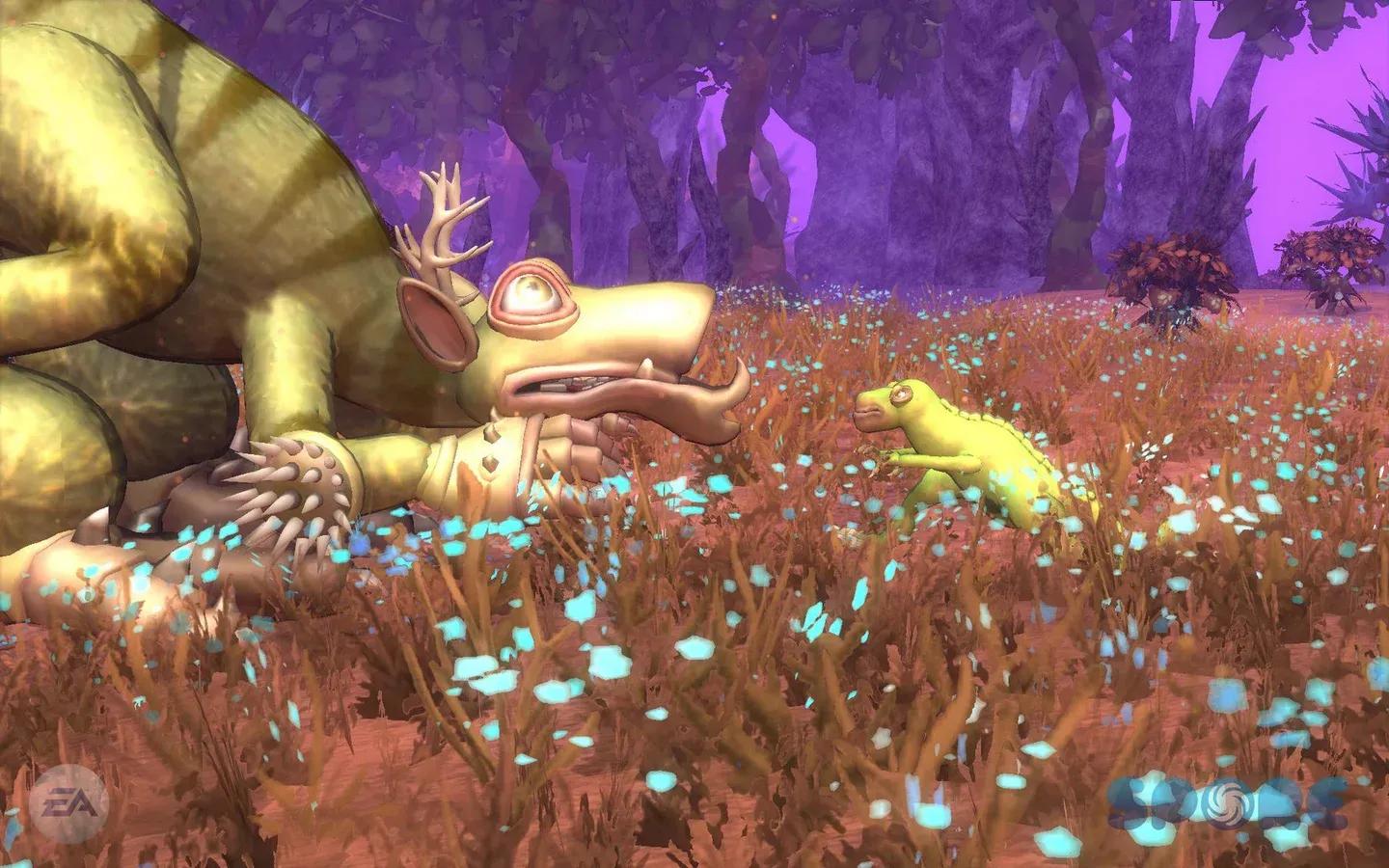
- Creature: 3D land exploration, social and combat interactions
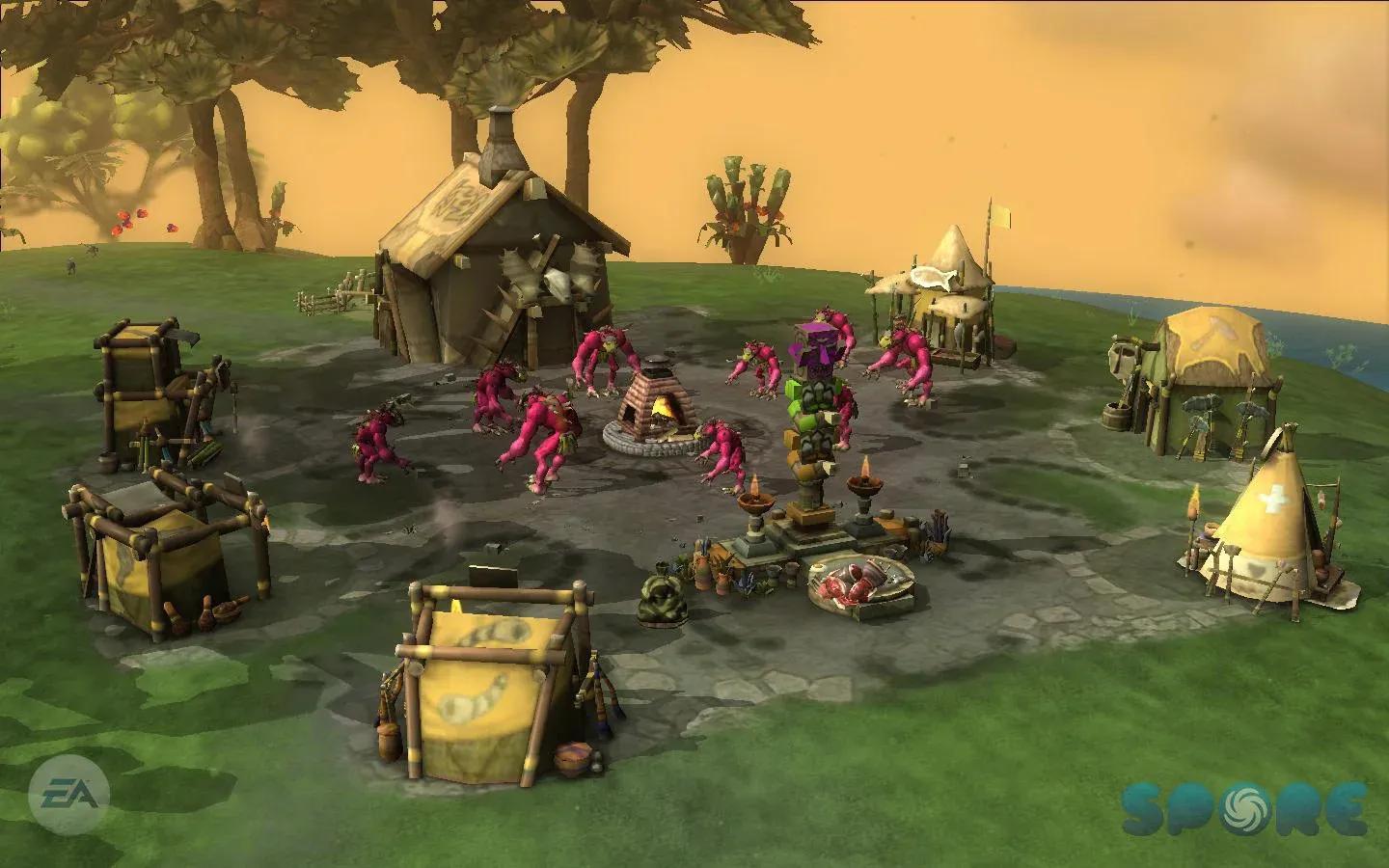
- Tribe: early RTS resource and unit management
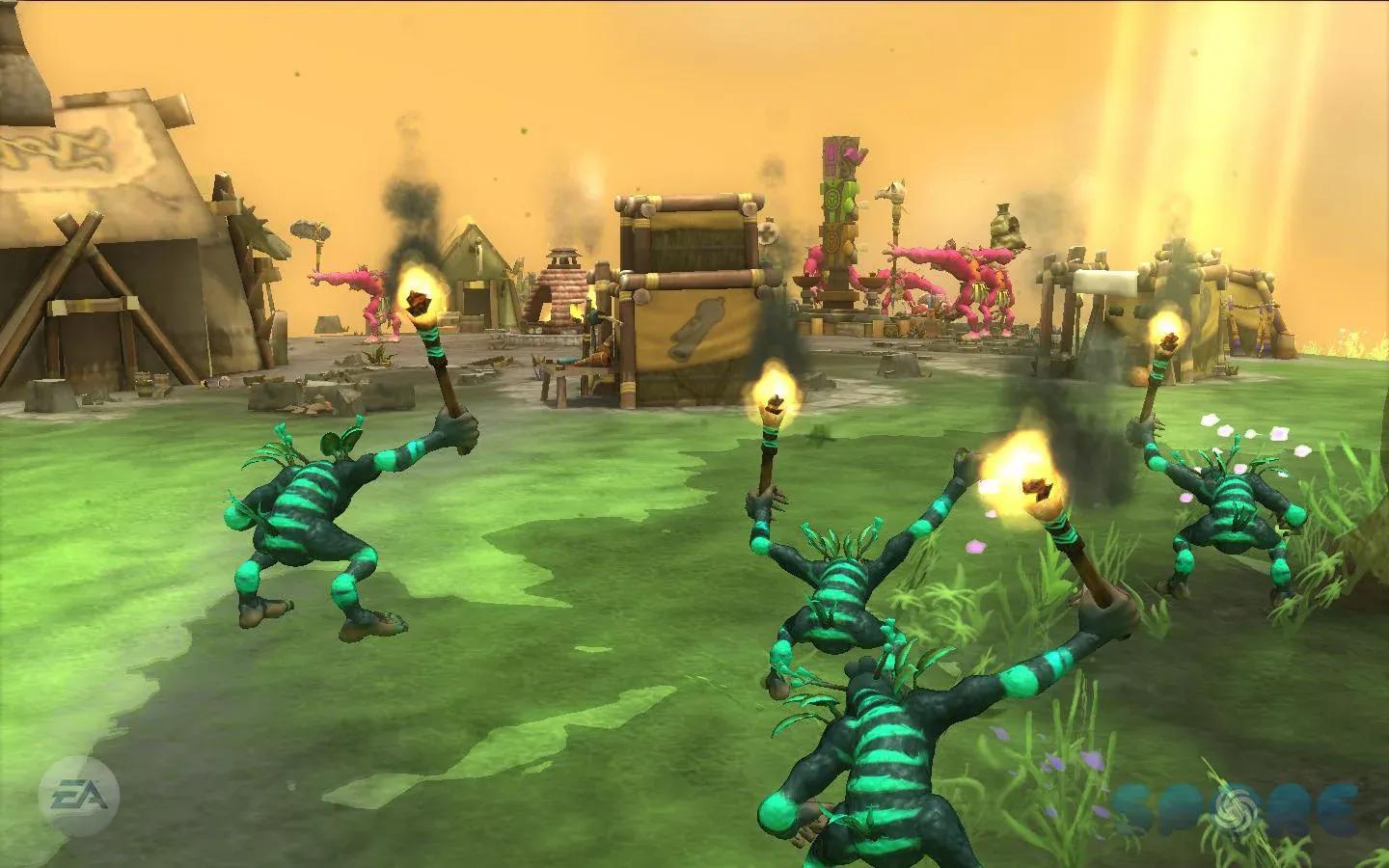
- Civilization: city-building and global conquest
- Space: open-ended galaxy exploration and diplomacy
The Cell stage serves as a short, sharp tutorial that eases players into the game's logic before the Creature stage opens up the world in three dimensions. By the time the Space stage arrives, Spore has transformed into something resembling a sandbox galaxy simulator, complete with planet terraforming and interspecies diplomacy.
Gameplay and mechanics
Each stage borrows from a different genre tradition without fully committing to any of them. The Civilization stage pulls from real-time strategy games, asking players to manage multiple cities, build armies, and absorb rival nations through military, economic, or religious means. The Space stage then throws all of that structure out and hands players a starship with near-unlimited freedom to explore, colonize, and interact with alien civilizations.
The creation tools sit at the heart of the experience. Spore's editors let players sculpt creatures, design vehicles, construct buildings, and even assemble starships using a drag-and-drop system that generates procedurally animated results. A creature with six legs and asymmetrical arms will actually walk with those six legs, the game's animation system adapting in real time to whatever strange form the player builds.
SPORE™ content image
Innovation and unique features
Spore's creature creator became something of a cultural moment when a standalone demo released ahead of the full game. Players generated millions of creatures and shared them through the Sporepedia, an online library that automatically populates other players' games with community-created species. The result is that no two playthroughs look identical. The alien civilizations encountered in the Space stage are built from creatures other players designed, giving the universe a genuinely unpredictable quality.
The procedural animation system deserves particular attention. Rather than hand-animating every possible creature configuration, Maxis built a system that calculates movement, attack, and social animations based on the creature's actual physical structure. It is a technical approach that still holds up as a clever solution to an enormous design problem.
SPORE™ content image
Content and replayability
Spore supports multiple save files and encourages players to start fresh with entirely different evolutionary philosophies. A peaceful, socially-focused herbivore will experience the Creature and Tribe stages very differently from an aggressive carnivore that fights its way to the top of the food chain. The Space stage alone contains hundreds of star systems, each with planets that can be colonized, terraformed, or simply observed.
Several expansion packs extended the base game over the years, with Galactic Adventures adding mission-based content to the Space stage and Creepy and Cute Parts Pack expanding the creature editor's library significantly. For a game released in 2008, Spore remains available on both Windows and macOS, and its creation tools continue to attract players who treat the editor as the primary feature rather than a means to an end.