

STAR WARS: Galactic Racer gives you two distinct tools for pushing your speed past its limits: the Afterburner and the Ramjet. On the surface they serve the same purpose, but the way each one works, and what it costs you to use it, could not be more different. Picking the wrong one for your playstyle will leave speed on the table every single race.
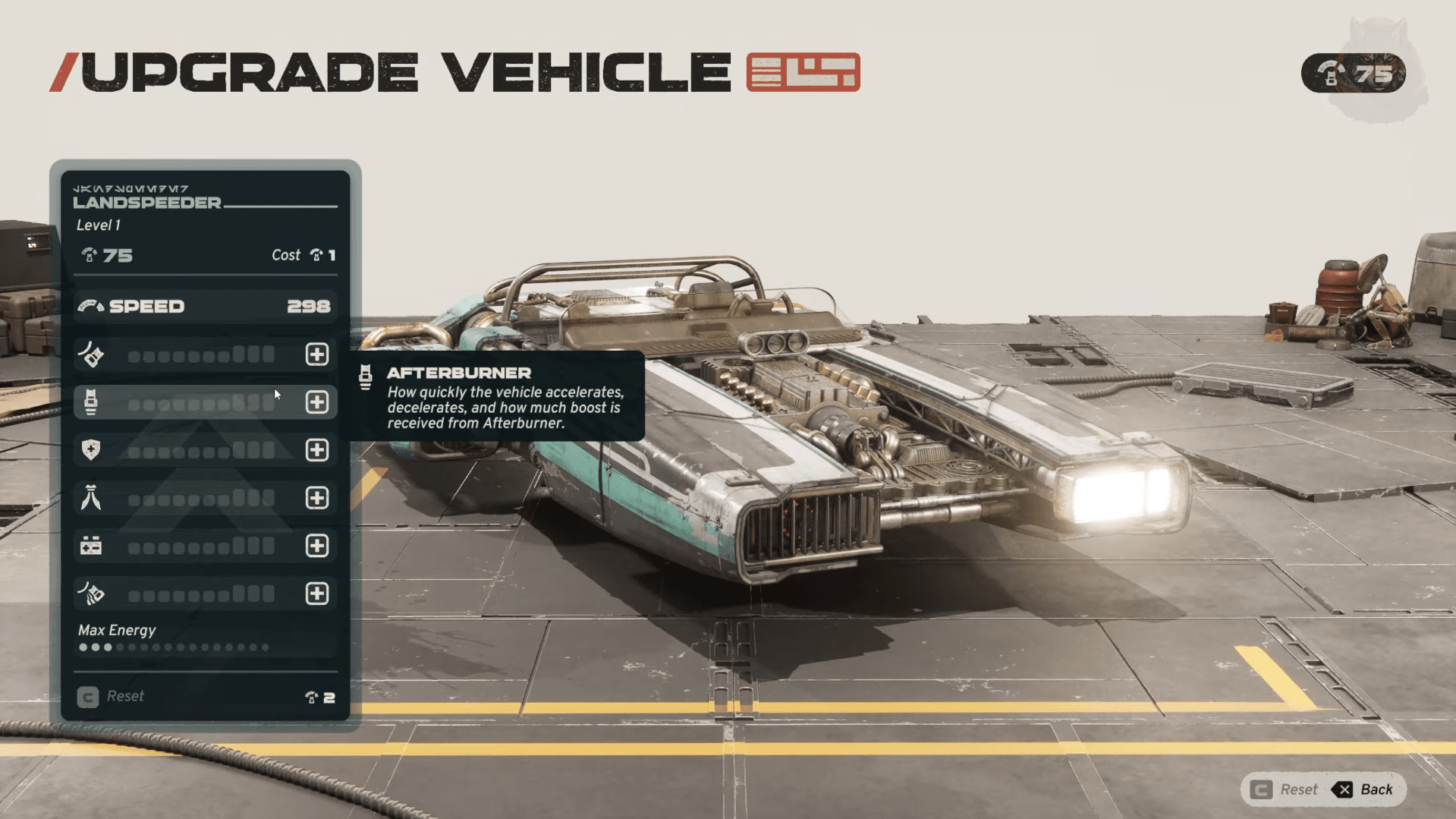
How does the Afterburner work in Star Wars Galactic Racer?
The Afterburner is the more approachable of the two boosts. Think of it like the N2O systems you have seen in other racing games: press a button, get a burst of speed, wait for the meter to refill, repeat. There is no heat management, no risk of your vehicle exploding, and no secondary mechanic to track. You just use it when you need it.
That simplicity is both its strength and its ceiling. The Afterburner is forgiving, which makes it a reasonable starting point for players still learning the tracks. The trade-off is that the speed gain it provides is noticeably smaller than what the Ramjet can deliver.
Star Wars: Galactic Racer Ramjet vs Afterburner: Which Boost is Better?

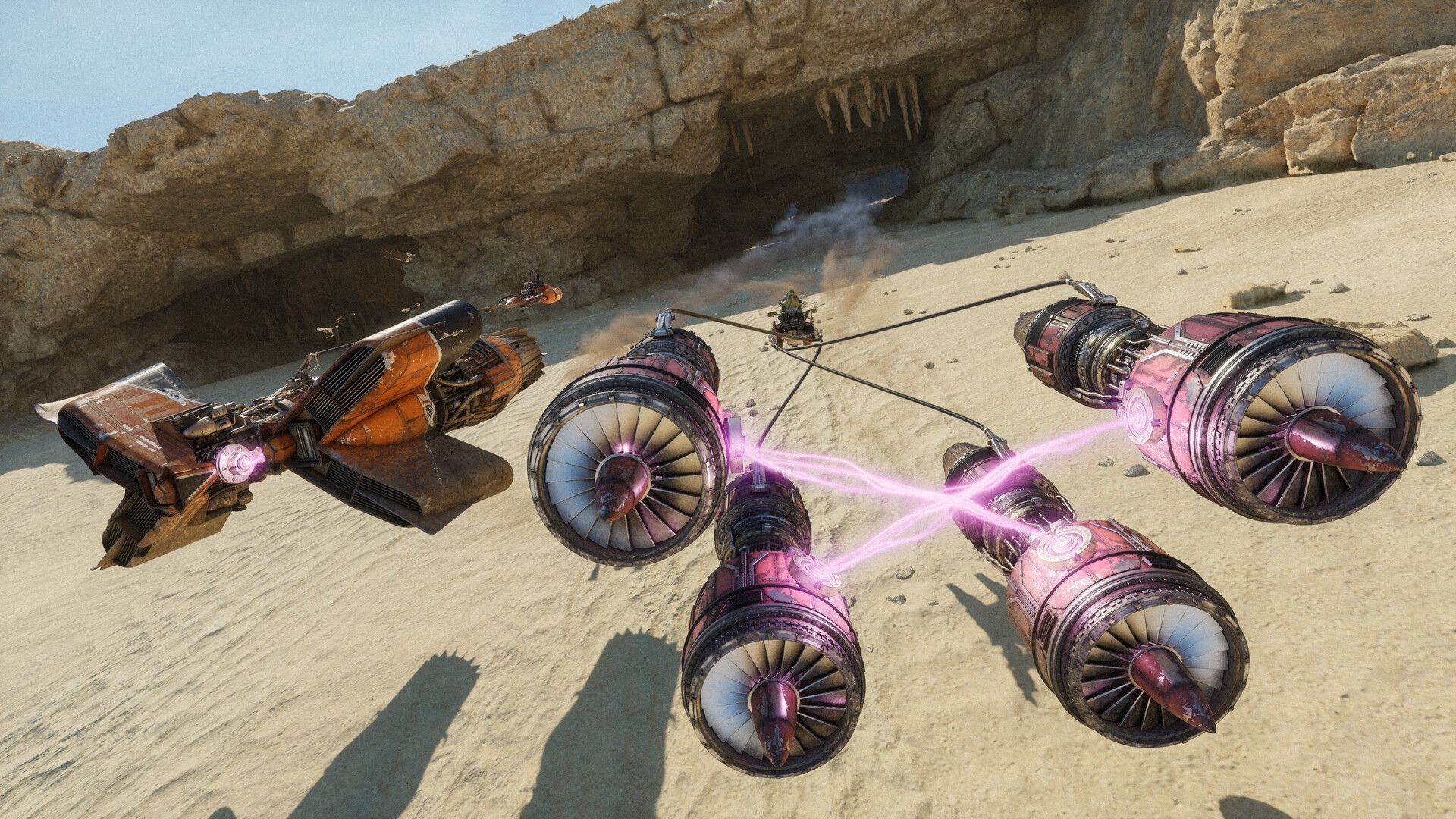
How does the Ramjet work, and what is Redlining?
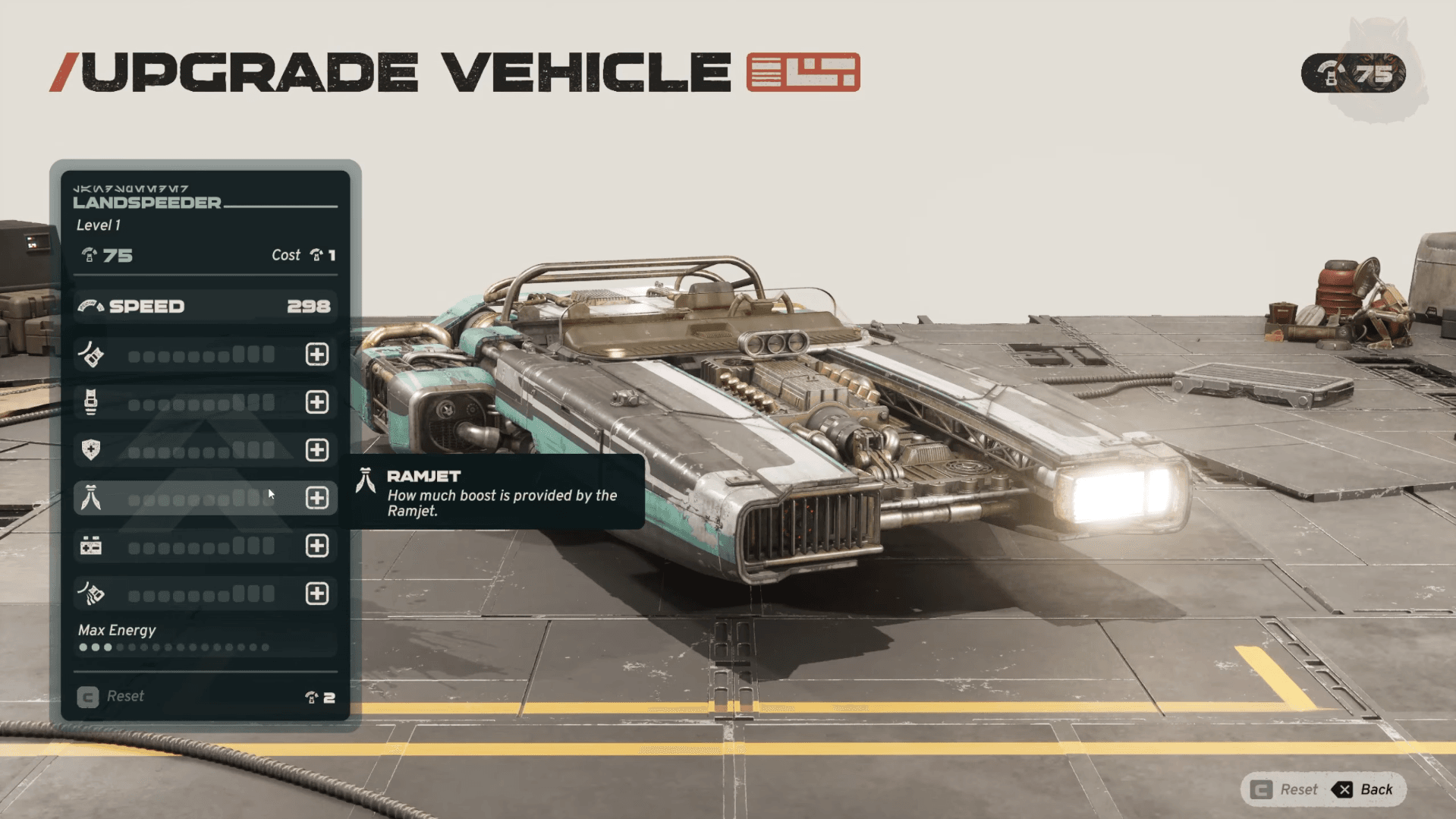
The Ramjet delivers a significantly larger speed boost than the Afterburner. Beyond raw speed, it also lets you ram directly into rival vehicles, knocking them out of the race entirely in a style that will feel familiar to anyone who has played Burnout. That offensive dimension makes the Ramjet valuable in tight packs where positioning matters as much as outright pace.
The catch is heat. Every second the Ramjet runs, your vehicle temperature climbs. A blue indicator line on your screen tracks this in real time, and as the heat builds, that line shifts toward red. When it goes fully red, you are Redlining, and your vehicle is at genuine risk of exploding. Push too hard for too long without managing the heat and the race ends for you, not your opponents.
Star Wars: Galactic Racer Ramjet vs Afterburner: Which Boost is Better?
Which boost is better: Ramjet or Afterburner?
The Ramjet is the stronger choice for players who want to win races. The speed advantage over the Afterburner is substantial, and the ability to physically remove opponents from the race adds a layer of control that the Afterburner simply cannot match. Once you understand the heat system and invest in the right upgrades, the Ramjet's risks become manageable.
Here is a direct comparison of both boost systems:
| Feature | Afterburner | Ramjet |
|---|---|---|
| Speed boost magnitude | Moderate | High |
| Ease of use | Simple, press-and-hold | Requires heat management |
| Offensive capability | None | Ram into and knock out rivals |
| Heat risk | None | Yes, Redlining can destroy vehicle |
| Cooldown mechanic | Meter refills over time | Heat must be managed actively |
| Recommended for | New players, learning tracks | Experienced players, competitive races |
How do you manage Ramjet heat and avoid exploding?
The key to making the Ramjet work is cooling upgrades. These are available for purchase from Hibi at the paddock before each race. Installing cooling upgrades raises your heat tolerance, giving you more time at full Ramjet output before the Redline becomes a threat. Getting these upgrades as early as possible in your progression makes the Ramjet far more sustainable across longer races.
Beyond upgrades, the other half of heat management is discipline. The Ramjet does not need to run continuously to be effective. Short, controlled bursts on straights, with brief cooldown windows in between, let you maintain high average speed without ever touching the danger zone. Watching the heat indicator rather than the speedometer is the mental shift that separates players who blow up from players who win.
Should you ever use the Afterburner over the Ramjet?
The Afterburner has a place in specific situations. On tracks where the layout punishes mistakes heavily, removing the heat variable entirely lets you focus on lines and braking points. Early in your time with the game, before cooling upgrades are available, the Afterburner also removes the explosion risk that can cost you an entire race in one moment.
Once cooling upgrades are in place and the heat mechanic feels natural, the Ramjet takes over as the default choice. The speed gap between the two boosts is real, and the offensive capability of the Ramjet has no equivalent on the Afterburner side.
For everything else you need heading into launch, check the Star Wars: Galactic Racer release date and regional start times to know exactly when you can start racing, and review the editions, prices, and pre-order bonuses if you have not locked in your version yet. The full Star Wars: Galactic Racer strategy guides collection has more on mechanics, upgrades, and race strategy as the game rolls out.