Overview
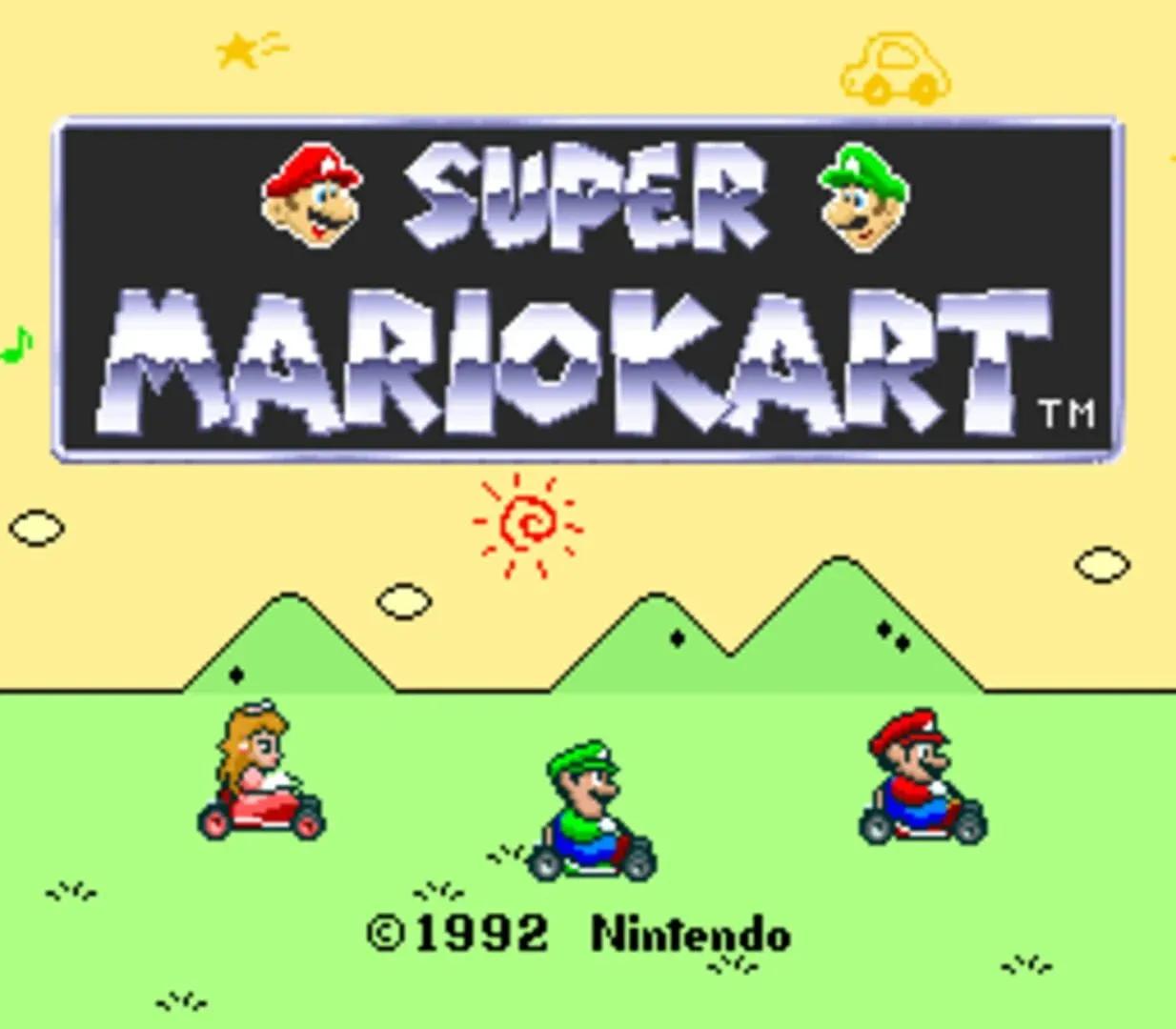
Released on August 27, 1992, Super Mario Kart is the game that established kart racing as a genre. Developed by Nintendo Entertainment Analysis & Development for the Super Nintendo Entertainment System, it takes the visual vocabulary of Super Mario World and rebuilds it around competitive racing. Eight playable characters, five cups, and a battle mode gave players more content than most racing games of the era, and the core loop of collecting coins while throwing shells at opponents holds up as one of the most satisfying designs Nintendo ever produced.
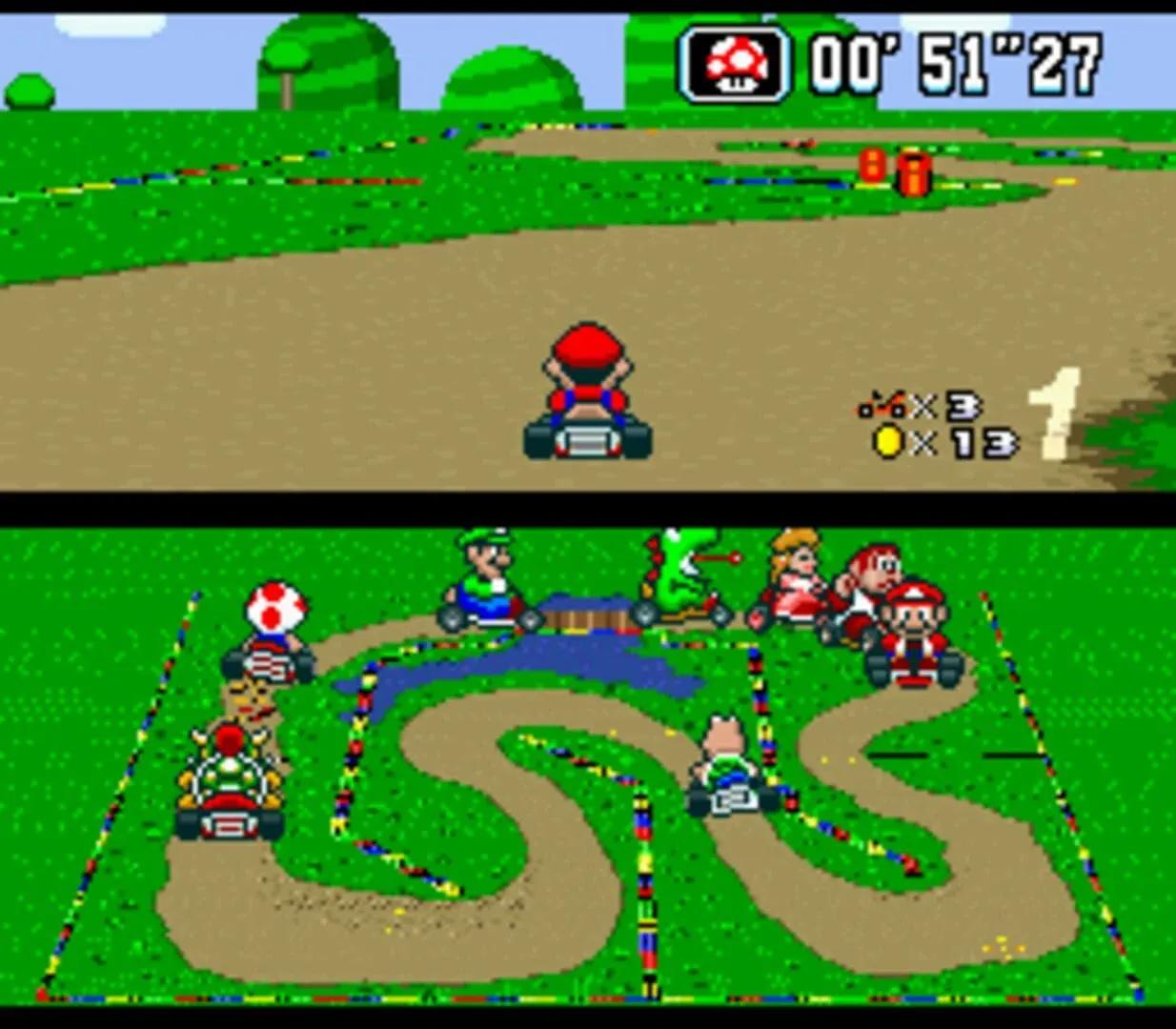
The Mode 7 graphics engine is the technical backbone of the whole thing. By scaling and rotating a flat texture to simulate a 3D track surface, Nintendo created the illusion of depth on hardware that couldn't render true 3D geometry. It wasn't just a visual trick, it was the foundation that made the game's top-down-meets-behind-the-kart perspective feel like genuine racing rather than a flat maze. Every track in the game runs on this system, and the way it handles corners and elevation changes still looks distinctive today.
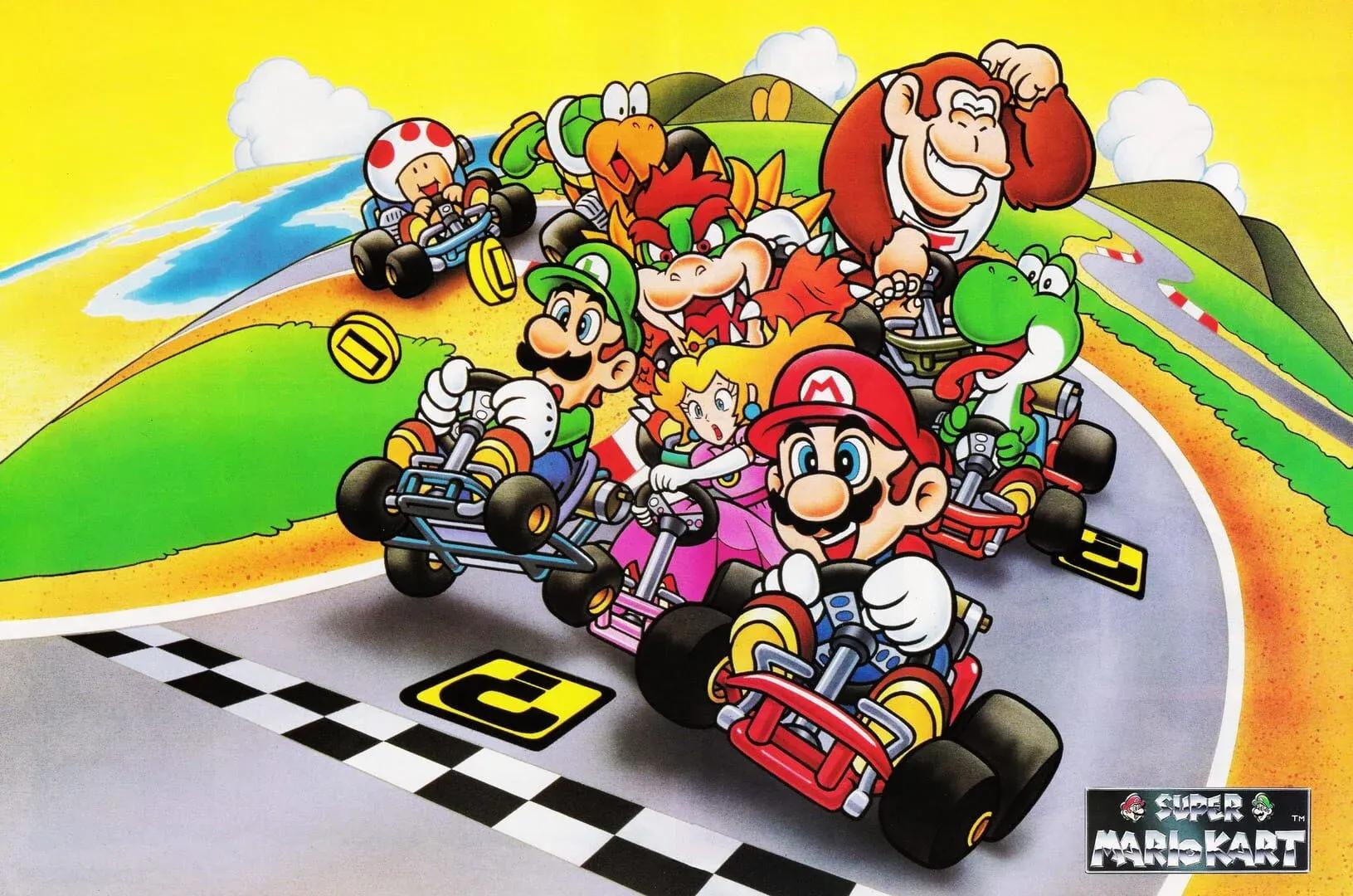
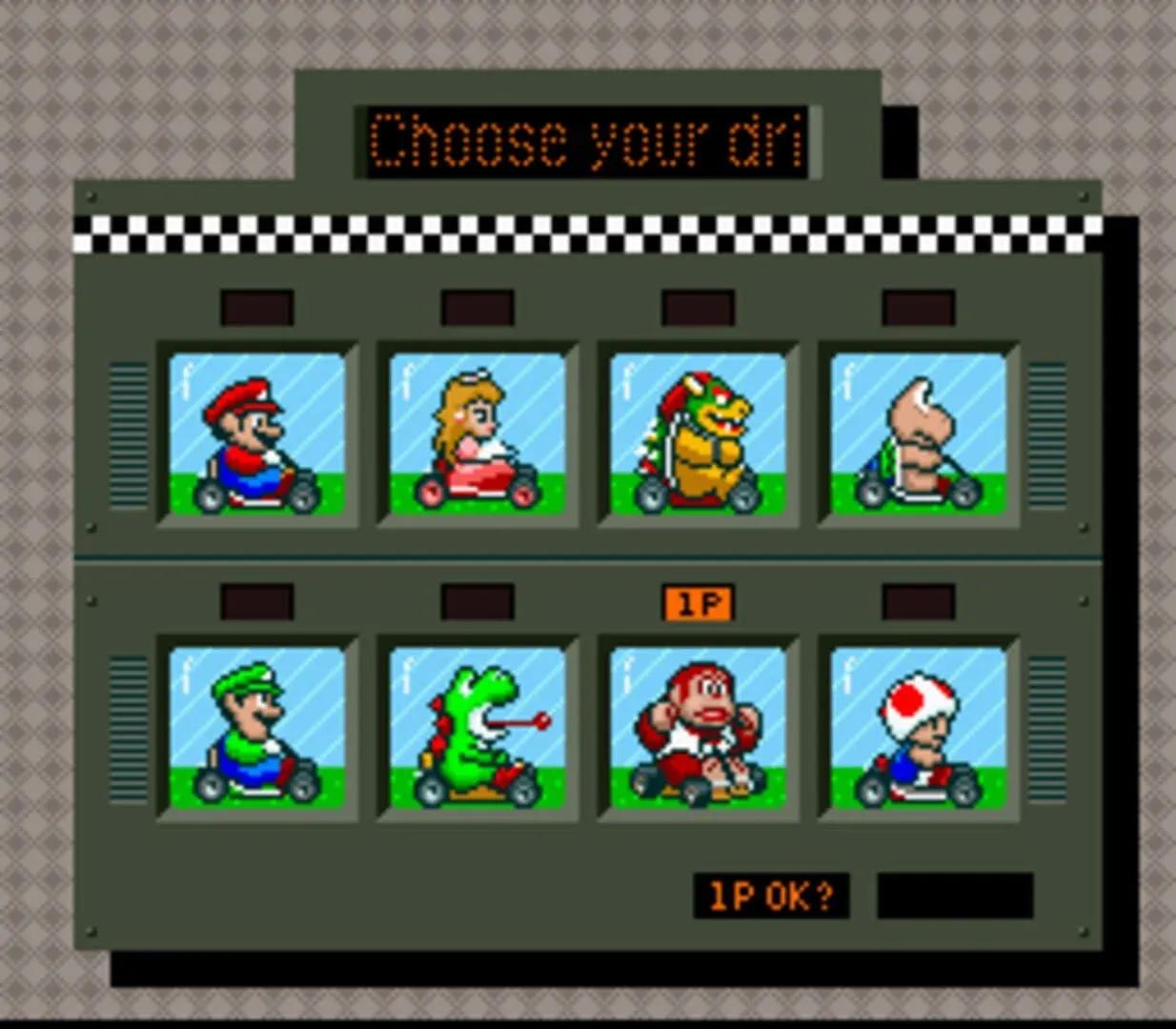
The roster covers the Mario series' core cast as of 1992: Mario, Luigi, Princess Toadstool, Yoshi, Bowser, Donkey Kong Jr., Koopa Troopa, and Toad. Each character falls into one of three stat categories covering speed, acceleration, and handling, which makes character selection an actual strategic choice rather than cosmetic preference.
Super Mario Kart content image
Gameplay and mechanics
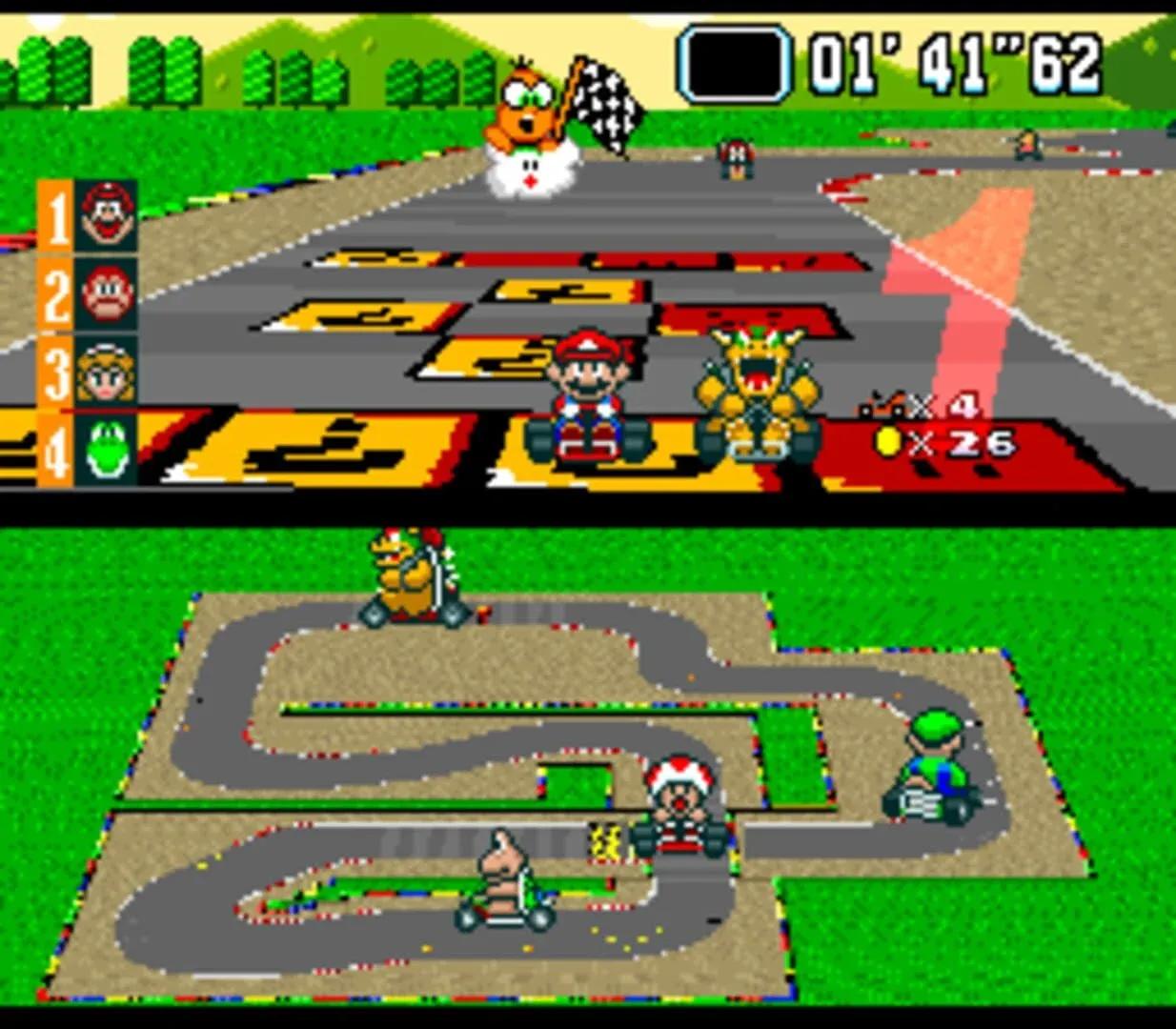
The coin system is what separates Super Mario Kart from later entries in the series. Collecting coins scattered across the track increases your top speed, while taking hits from opponents causes you to drop them. Holding 10 coins puts you at maximum velocity, so managing your coin count mid-race is a constant background calculation running alongside positioning and item use.
Super Mario Kart content image
Key mechanics at a glance:
- Coin collection for speed boosts
- Item boxes containing shells, bananas, and stars
- Drift-based cornering on all surfaces
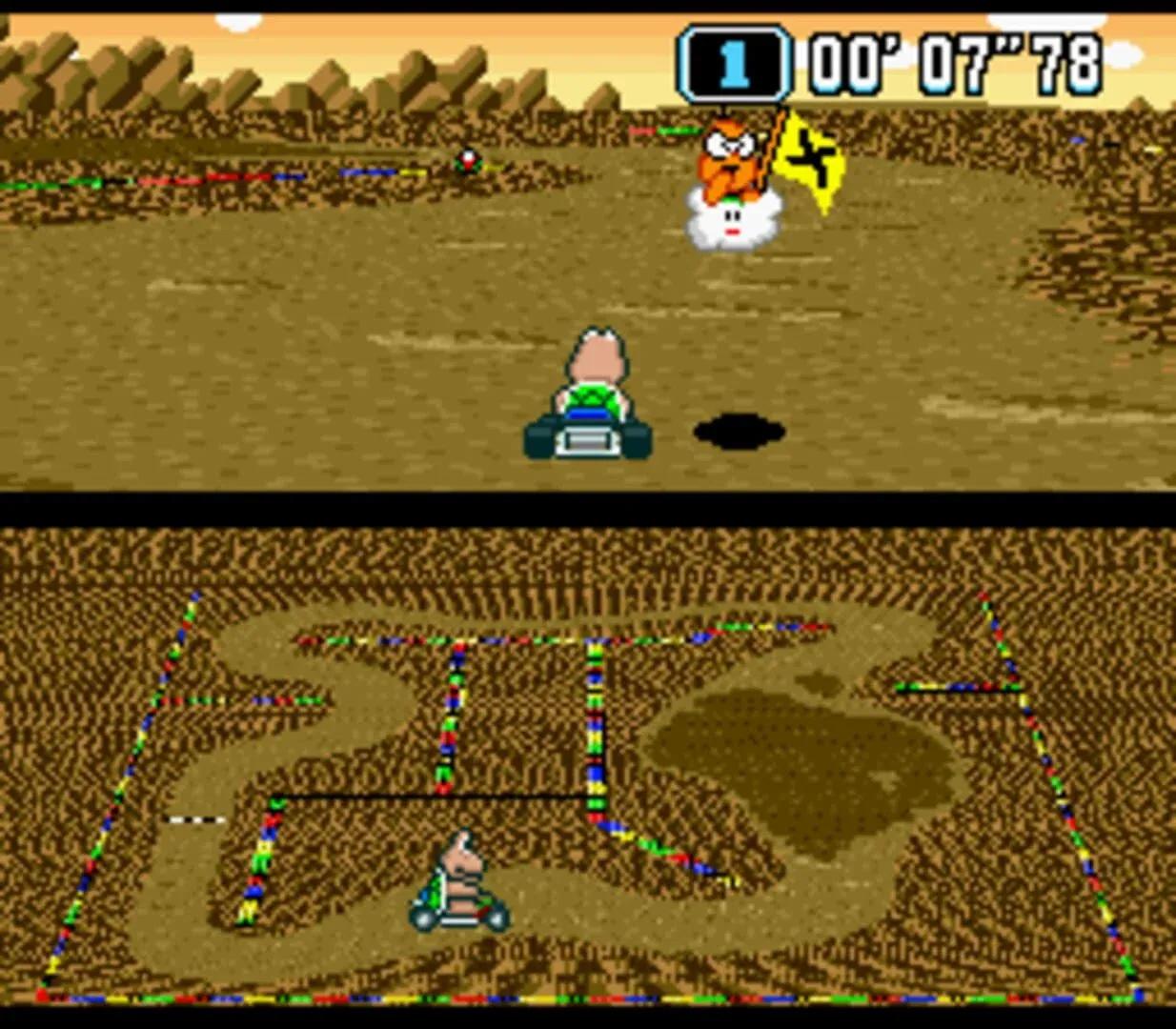
- Off-road terrain that slows non-specialist characters
- Split-screen multiplayer for up to 2 players
Super Mario Kart content image
The item set is deliberately limited compared to later Mario Kart games, which keeps the game readable. Green shells travel in straight lines and bounce off walls. Red shells home in on the driver ahead. Bananas sit on the track as hazards. Stars grant temporary invincibility. The simplicity means every item interaction is predictable, and mastering placement and timing carries real competitive weight.
Innovation and unique features
Super Mario Kart is the direct ancestor of every kart racer that followed it. Before this game, kart racing as a genre didn't exist. The specific combination of character-based racing, item combat, and arcade handling that Nintendo built here became the template that dozens of studios would spend the next three decades iterating on.
Super Mario Kart content image
The battle mode, where players compete on closed arenas to pop each other's three balloons, was equally influential. It reframed the item system as the entire point rather than a supplement to lap racing, and the arena designs from this game (Ghost House, Battle Course 4 in particular) remained reference points for multiplayer map design well into the following decade.
Impact and legacy
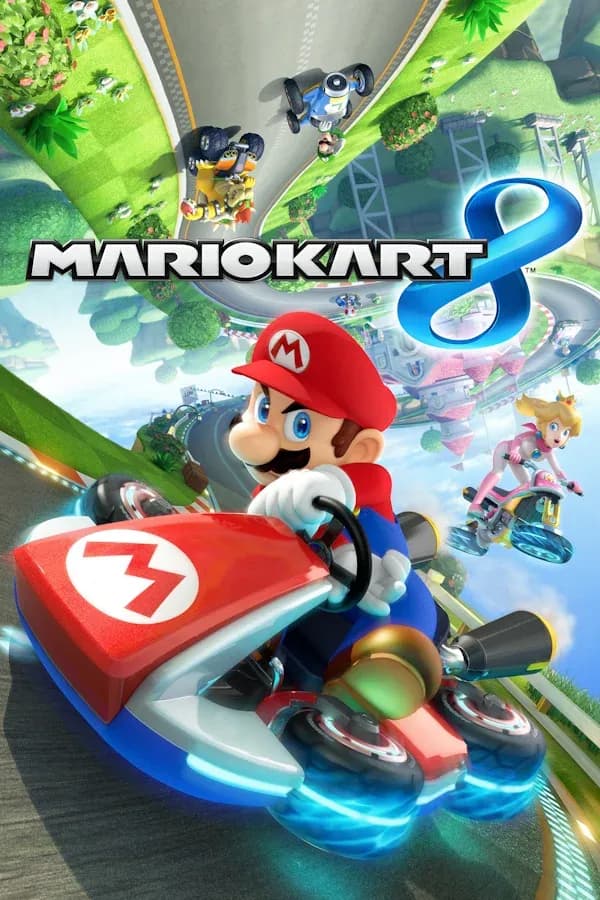
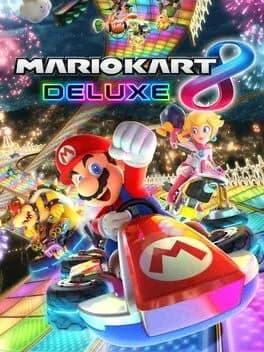
Super Mario Kart sold over 8 million copies on the SNES, making it one of the best-selling games on the platform. The franchise it started has since become one of Nintendo's most commercially successful properties, with Mario Kart 8 Deluxe alone surpassing 67 million units sold on Switch. The original game's DNA, coins, items, character stats, and cup progression, runs through every subsequent entry.
For anyone tracing the history of arcade racing games, Super Mario Kart is the fixed point everything else orbits around. The Mode 7 tracks, the eight-character roster, and the item combat system weren't just good ideas for 1992. They were good enough to define a genre permanently.