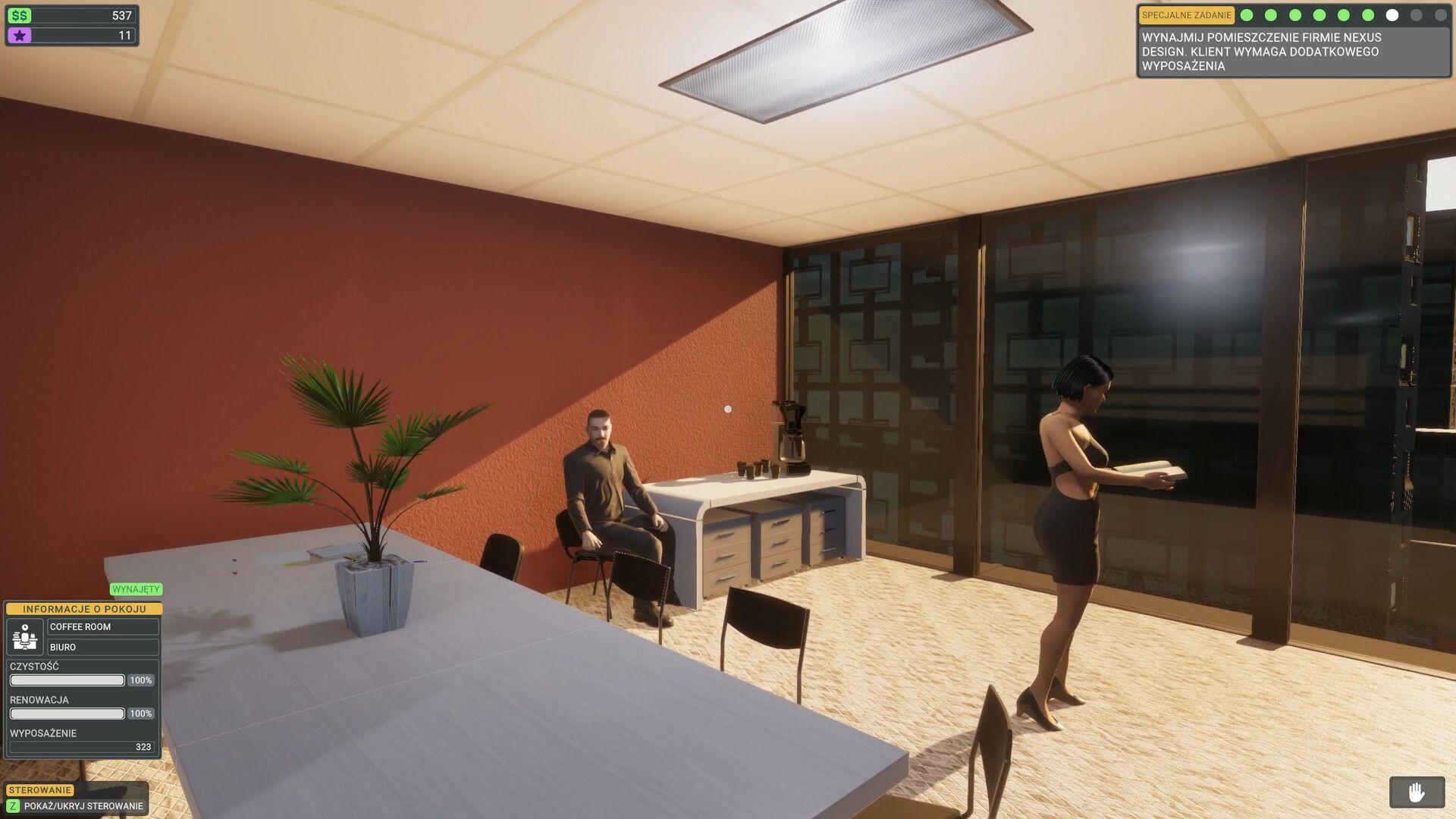
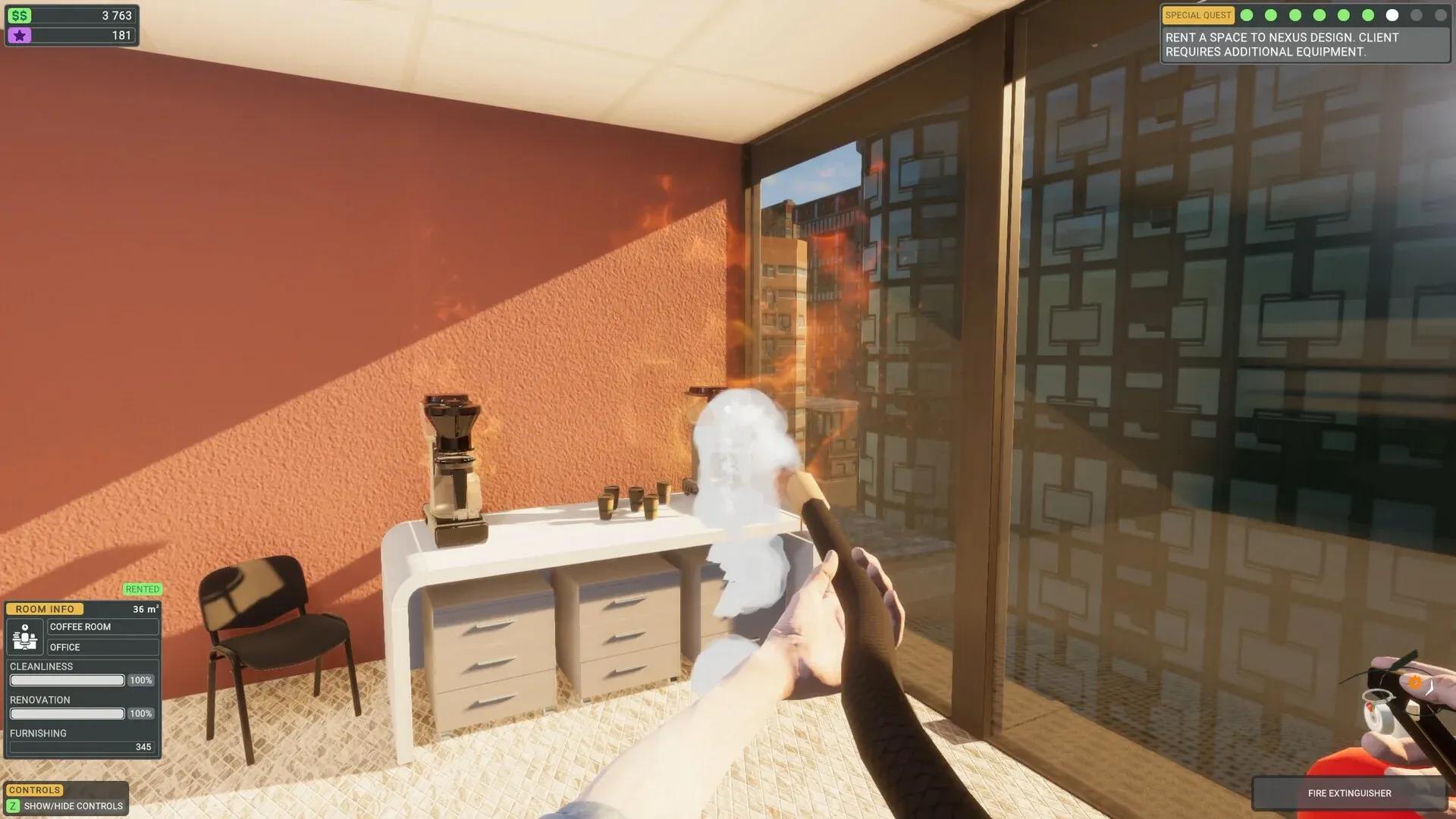
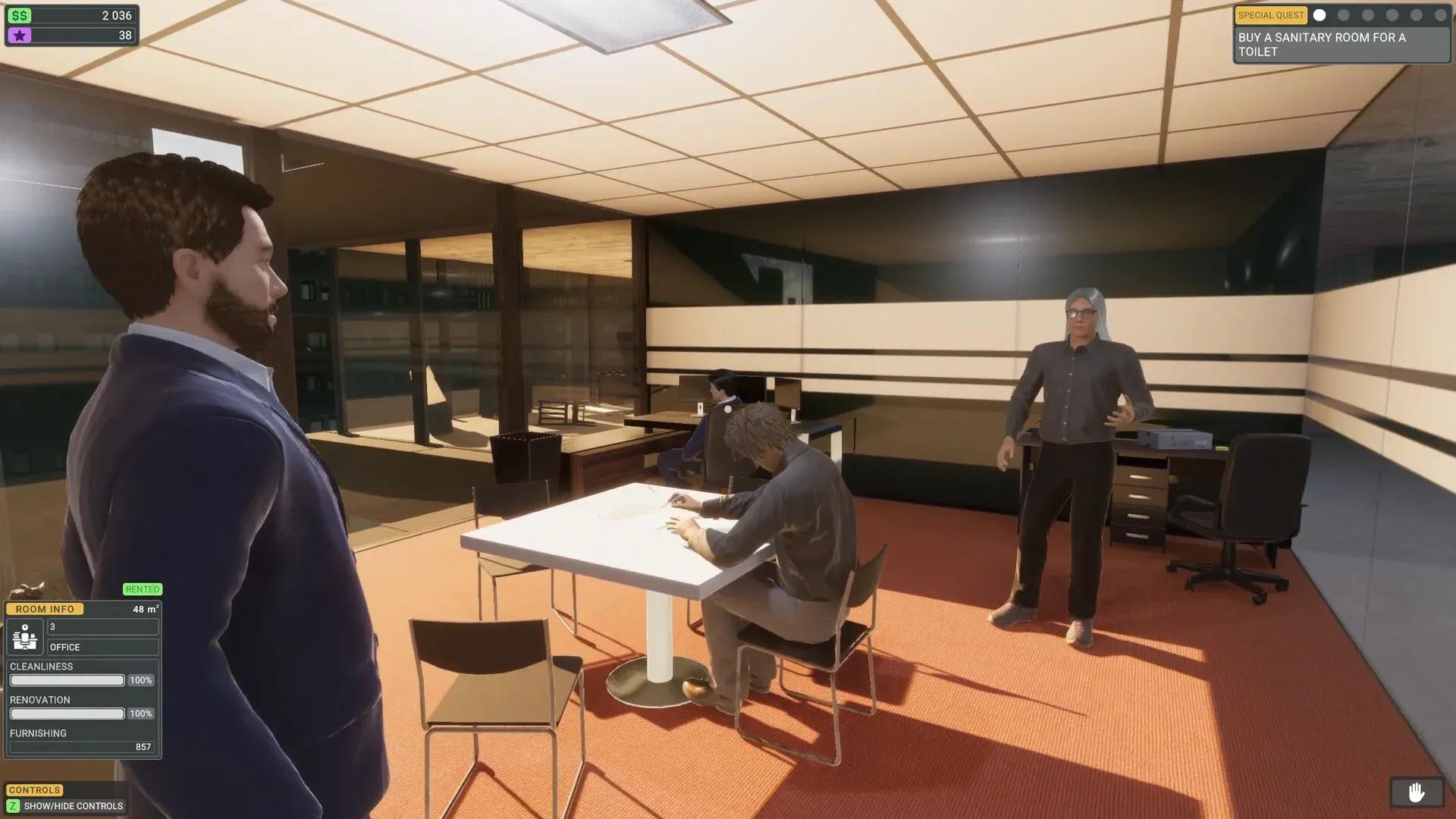
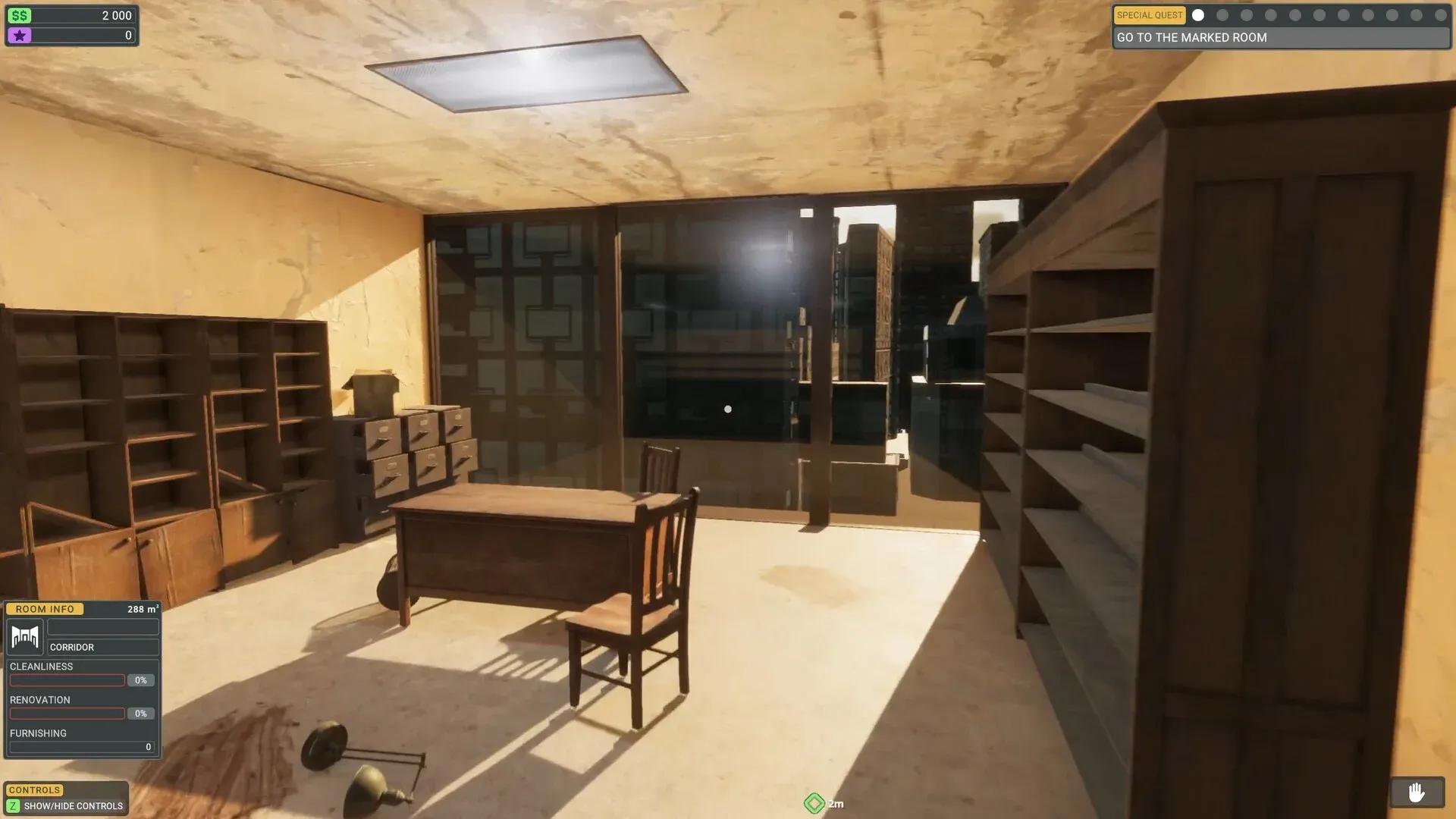
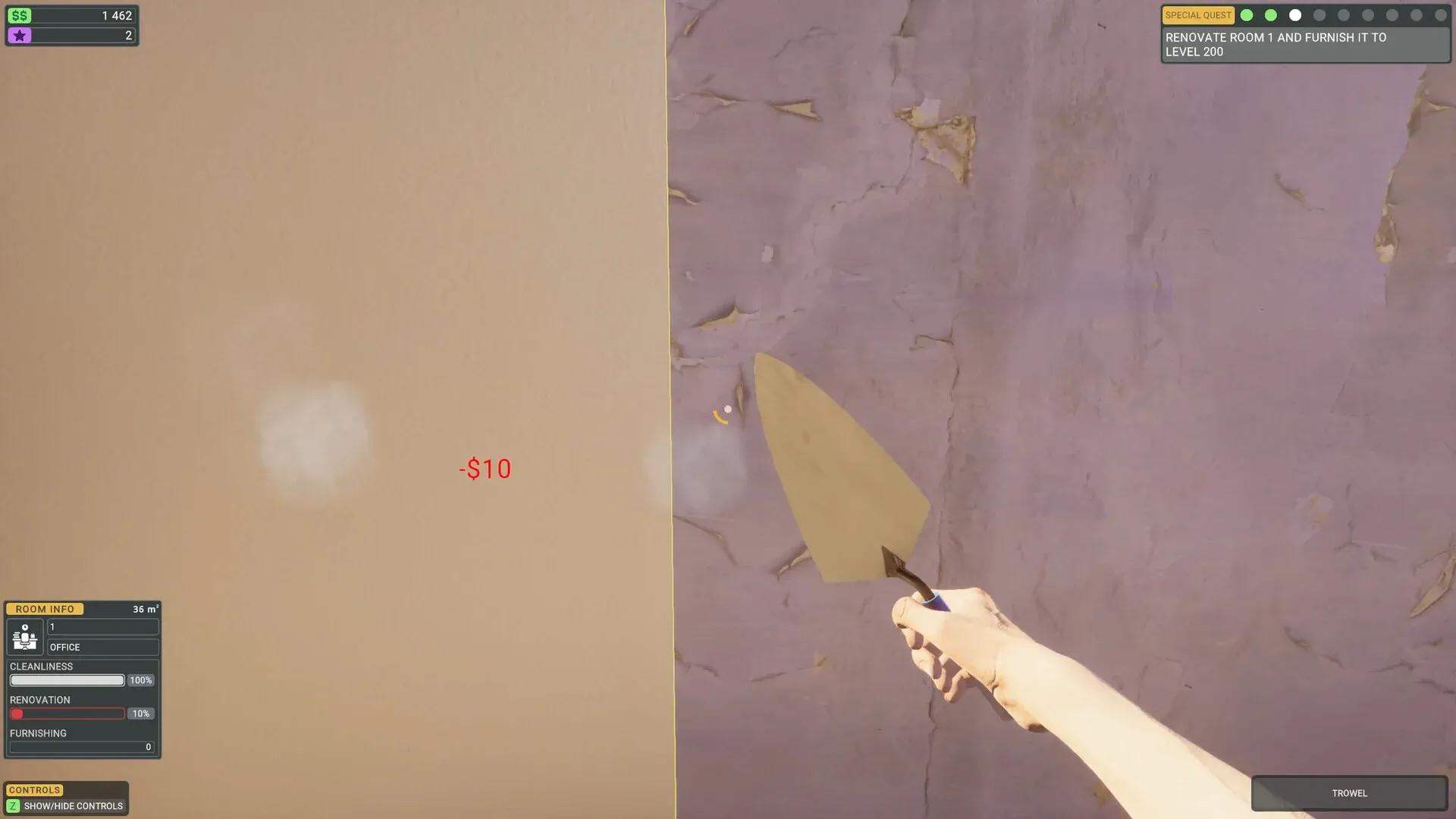
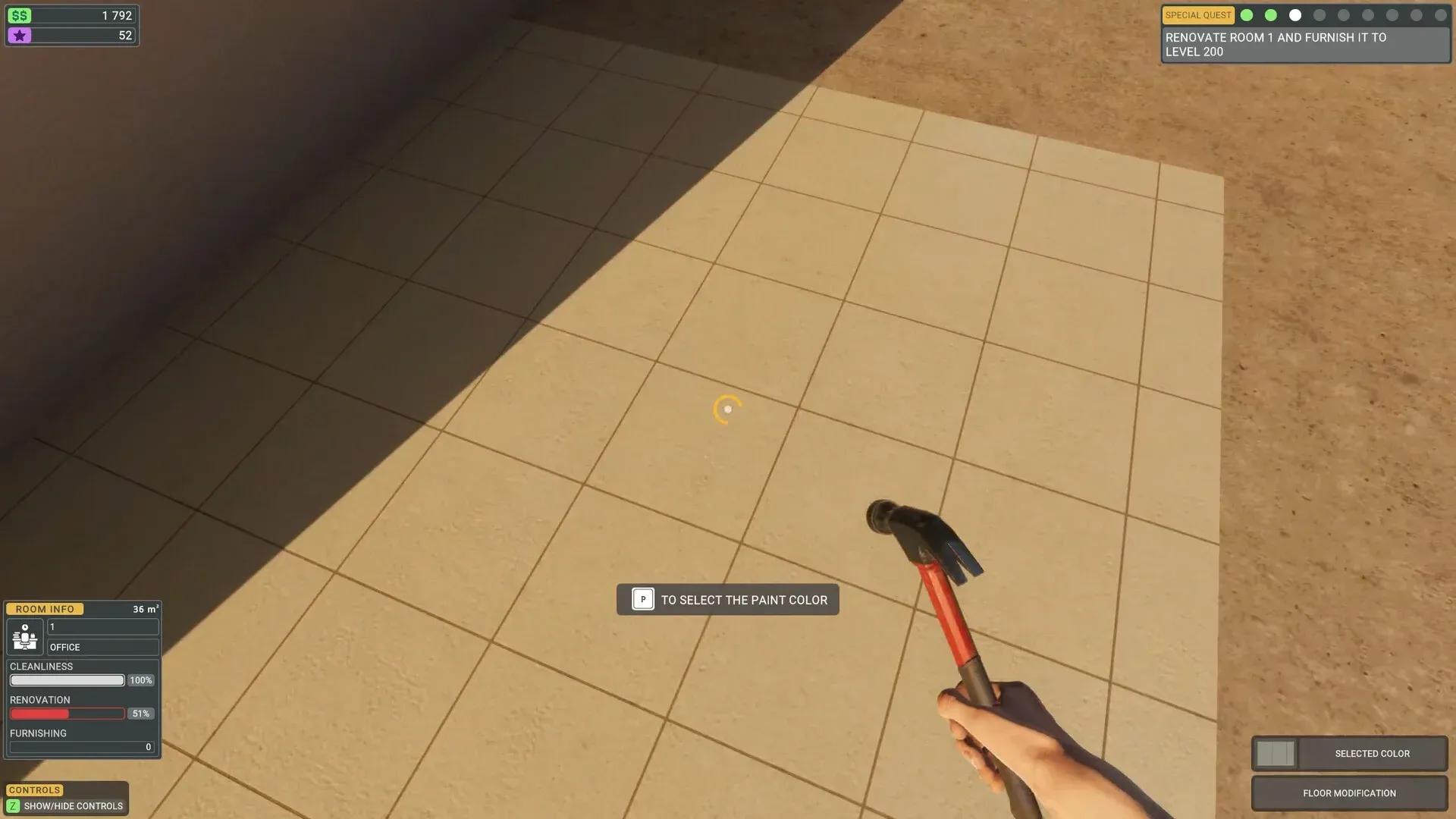
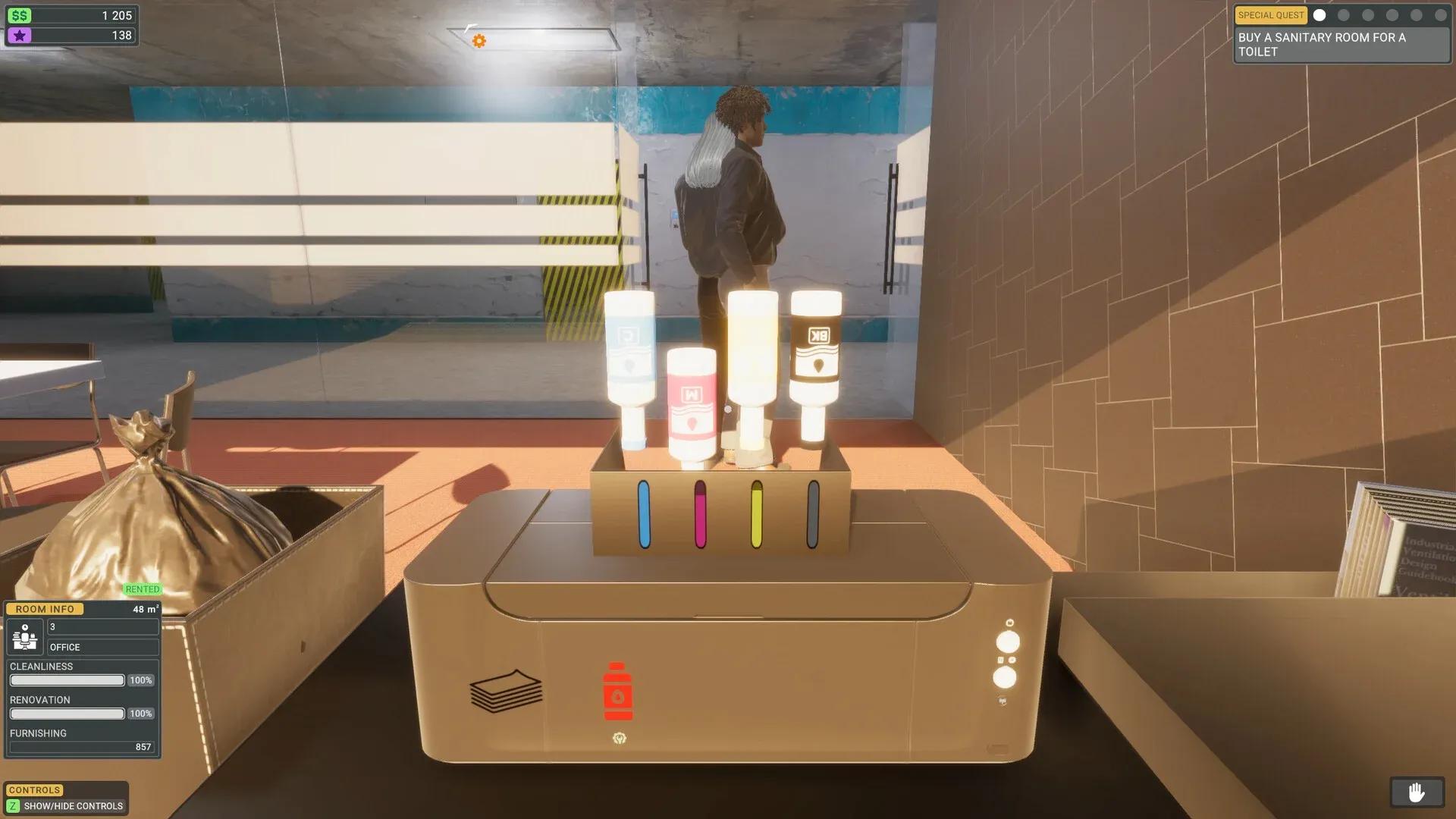
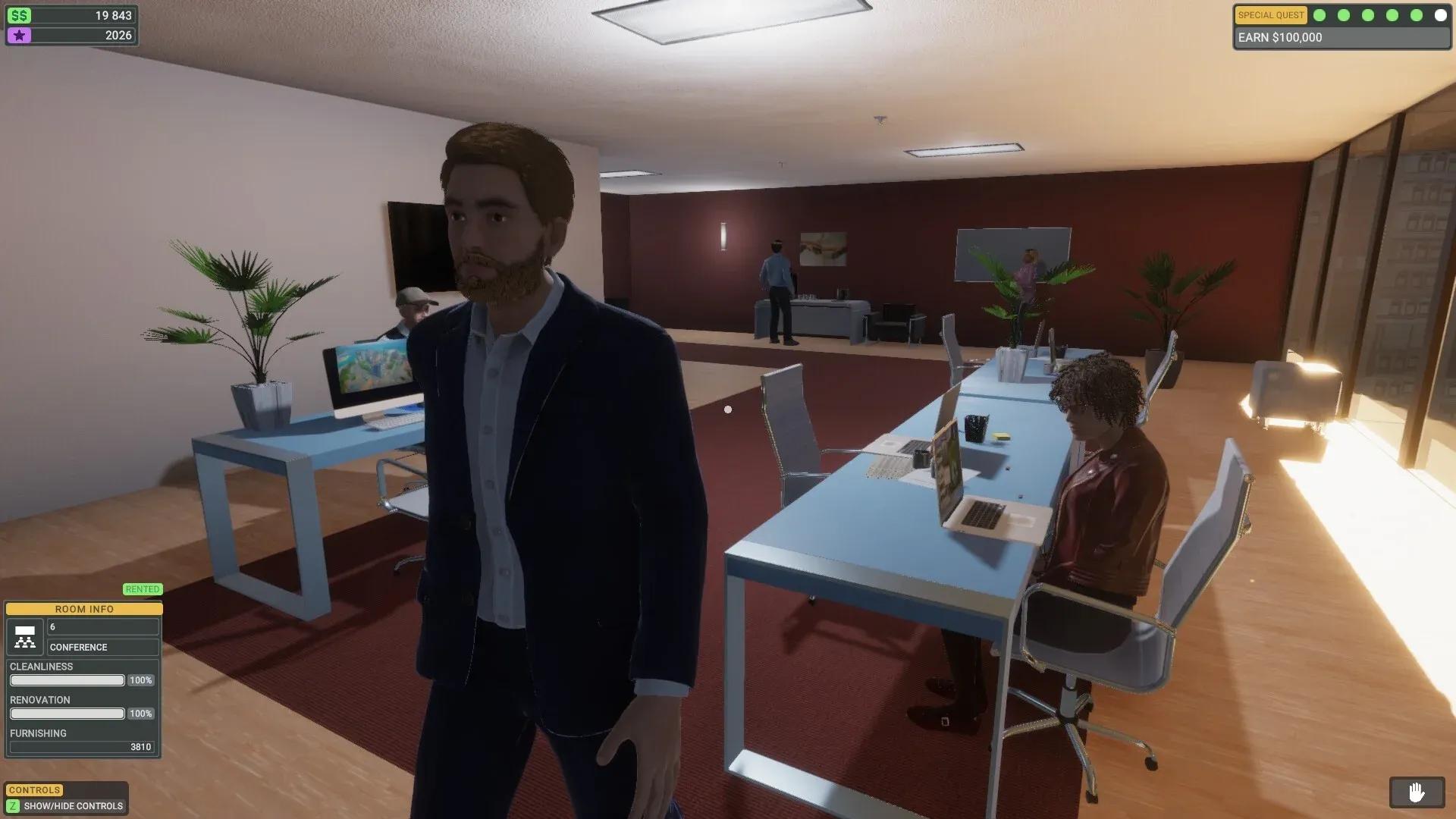
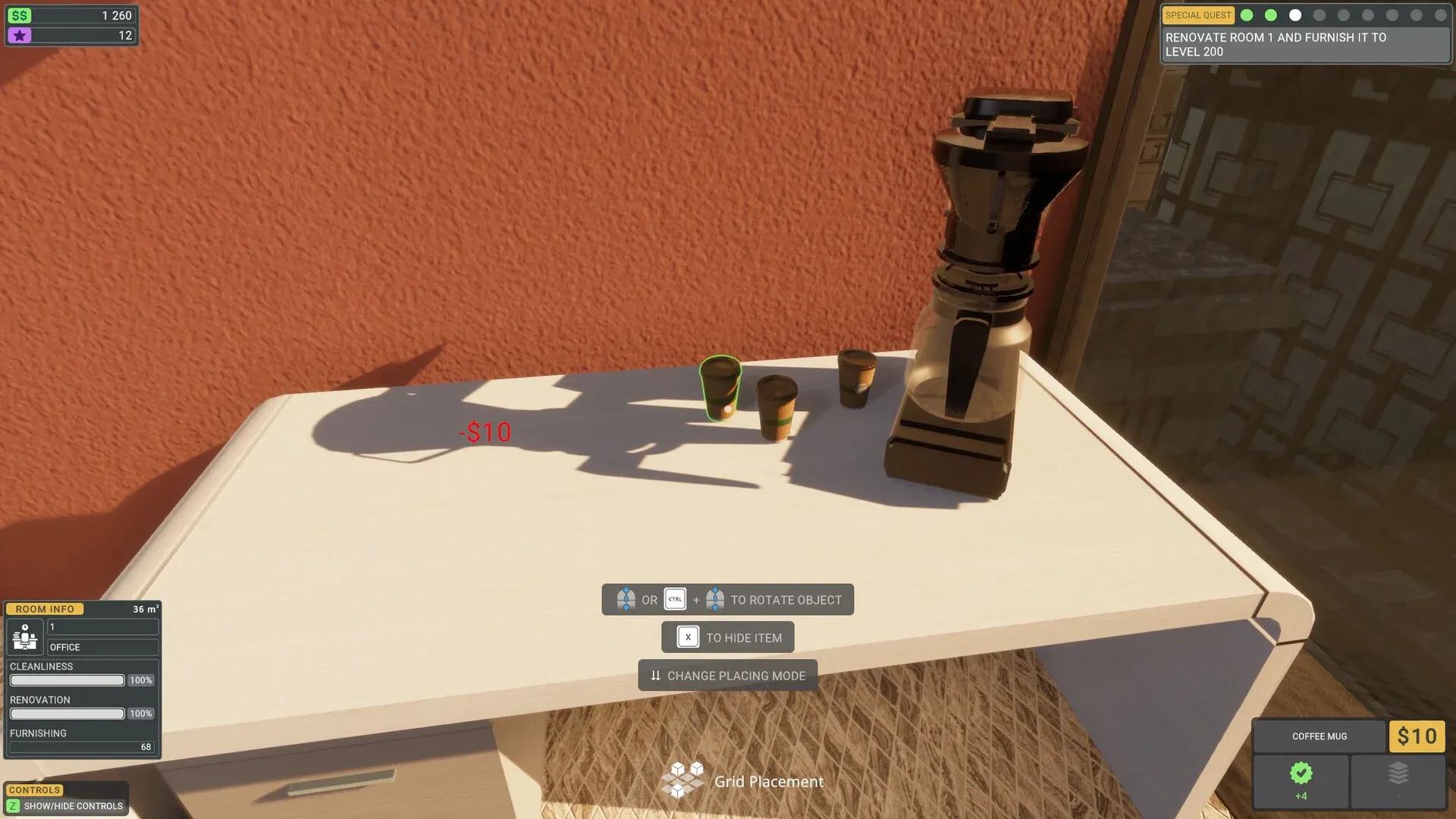
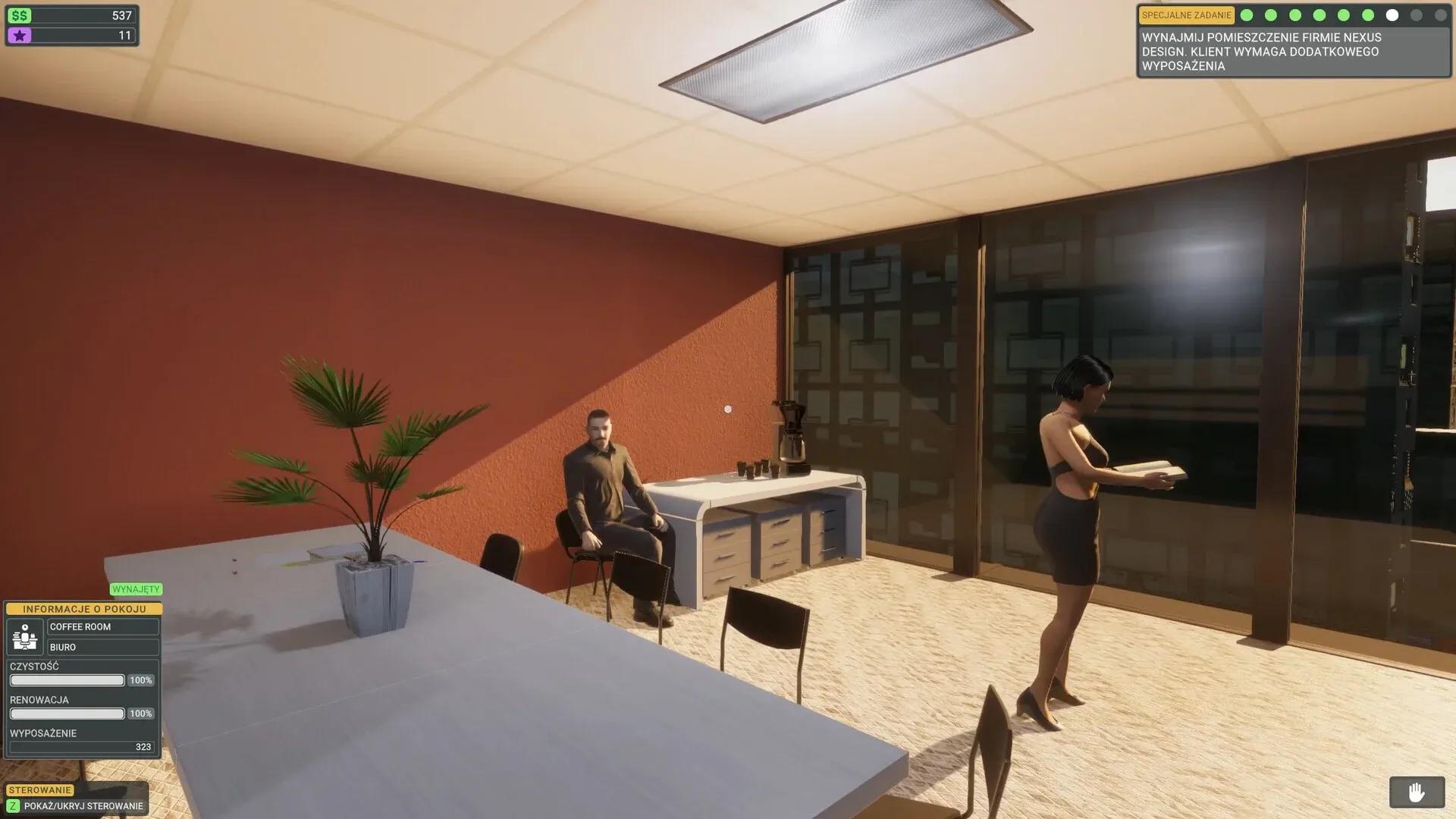
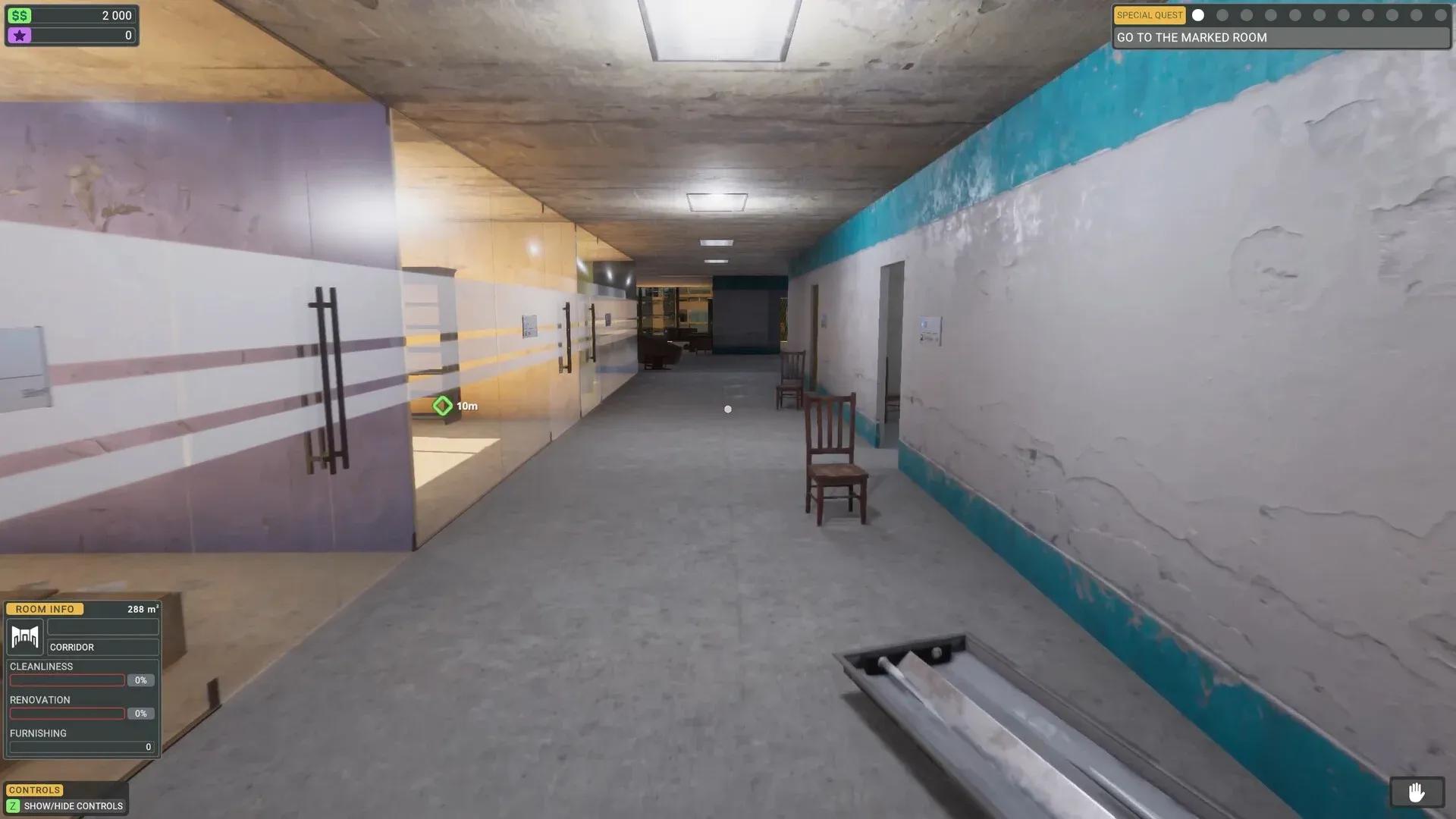
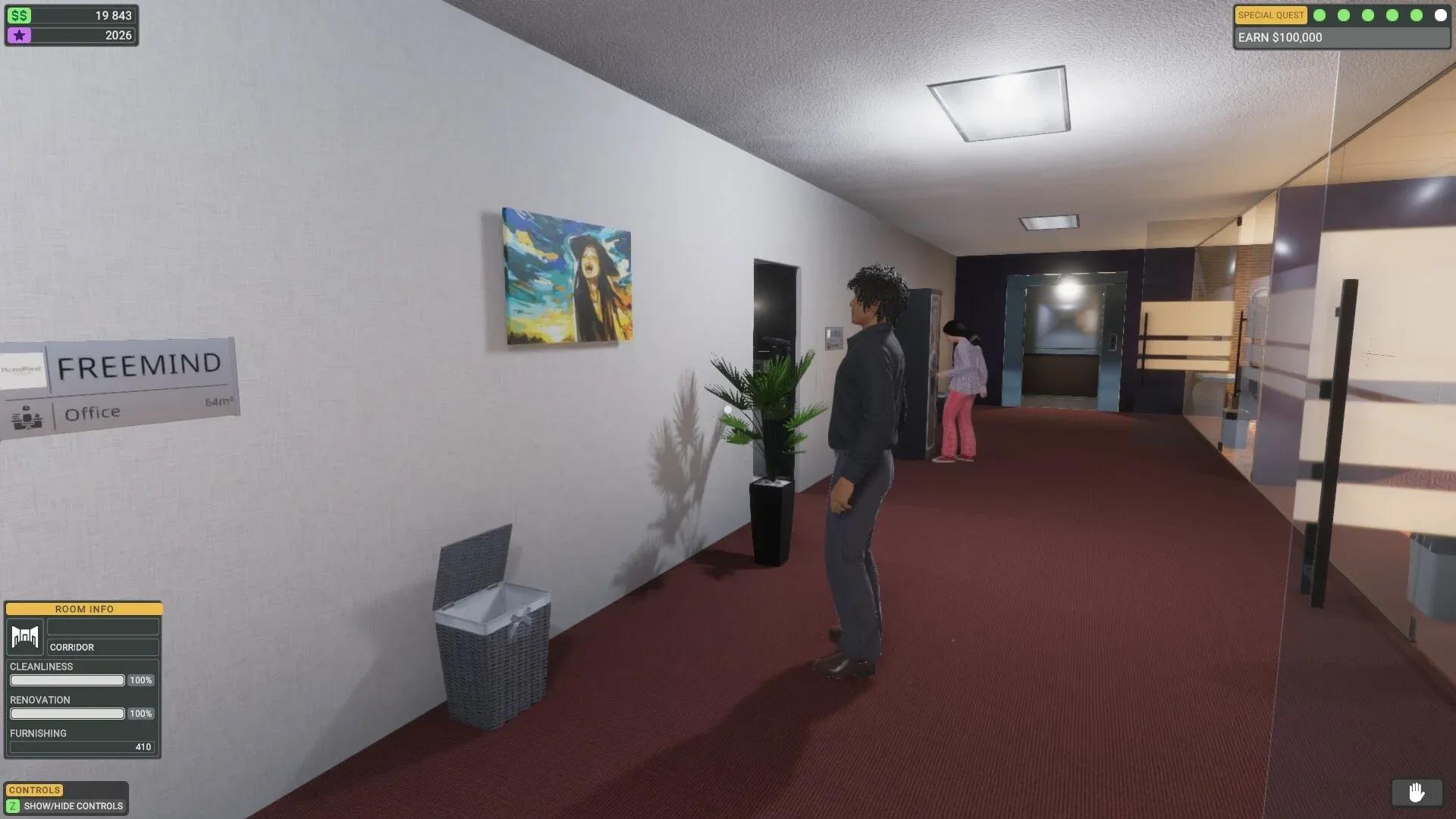
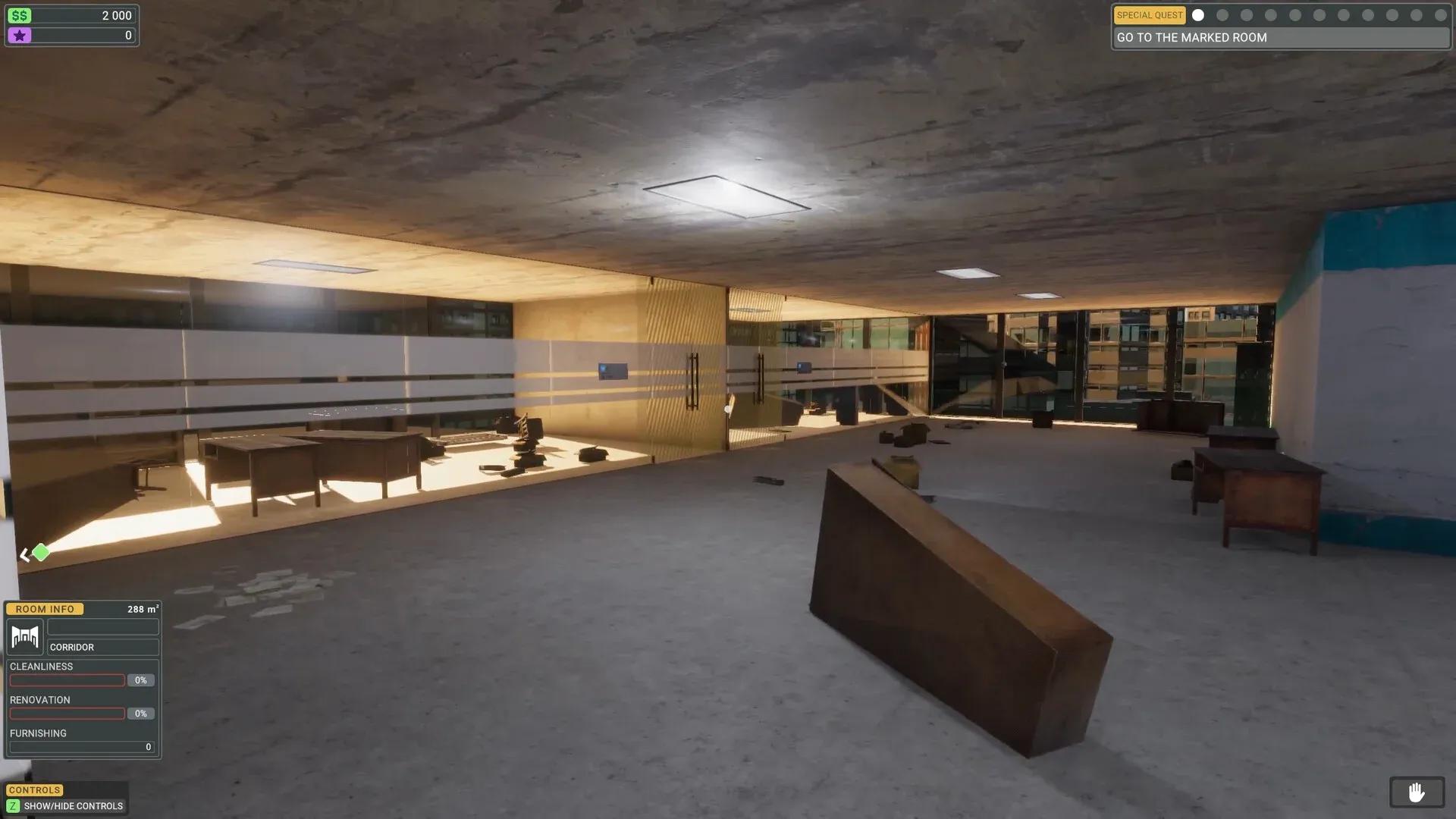
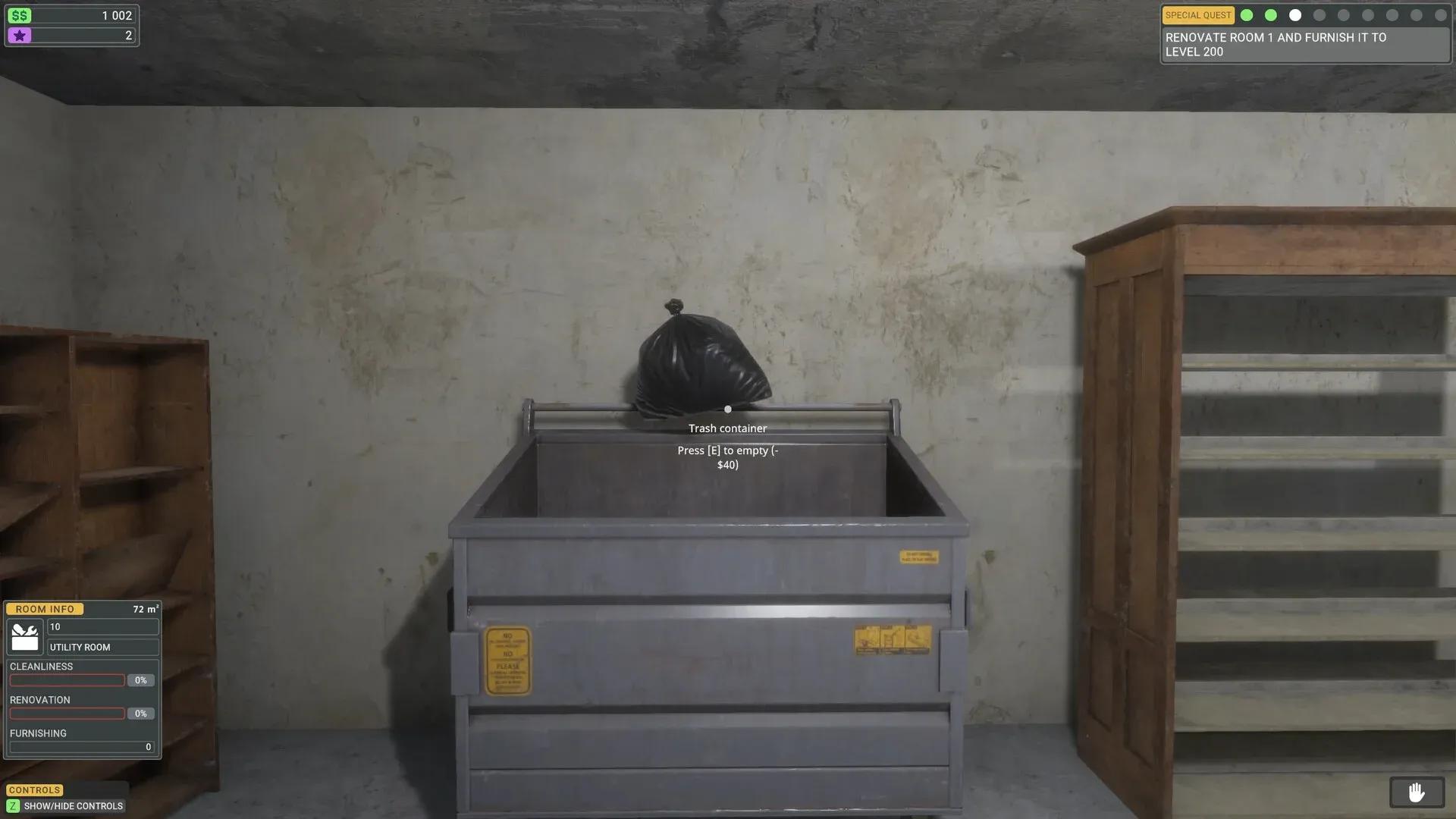
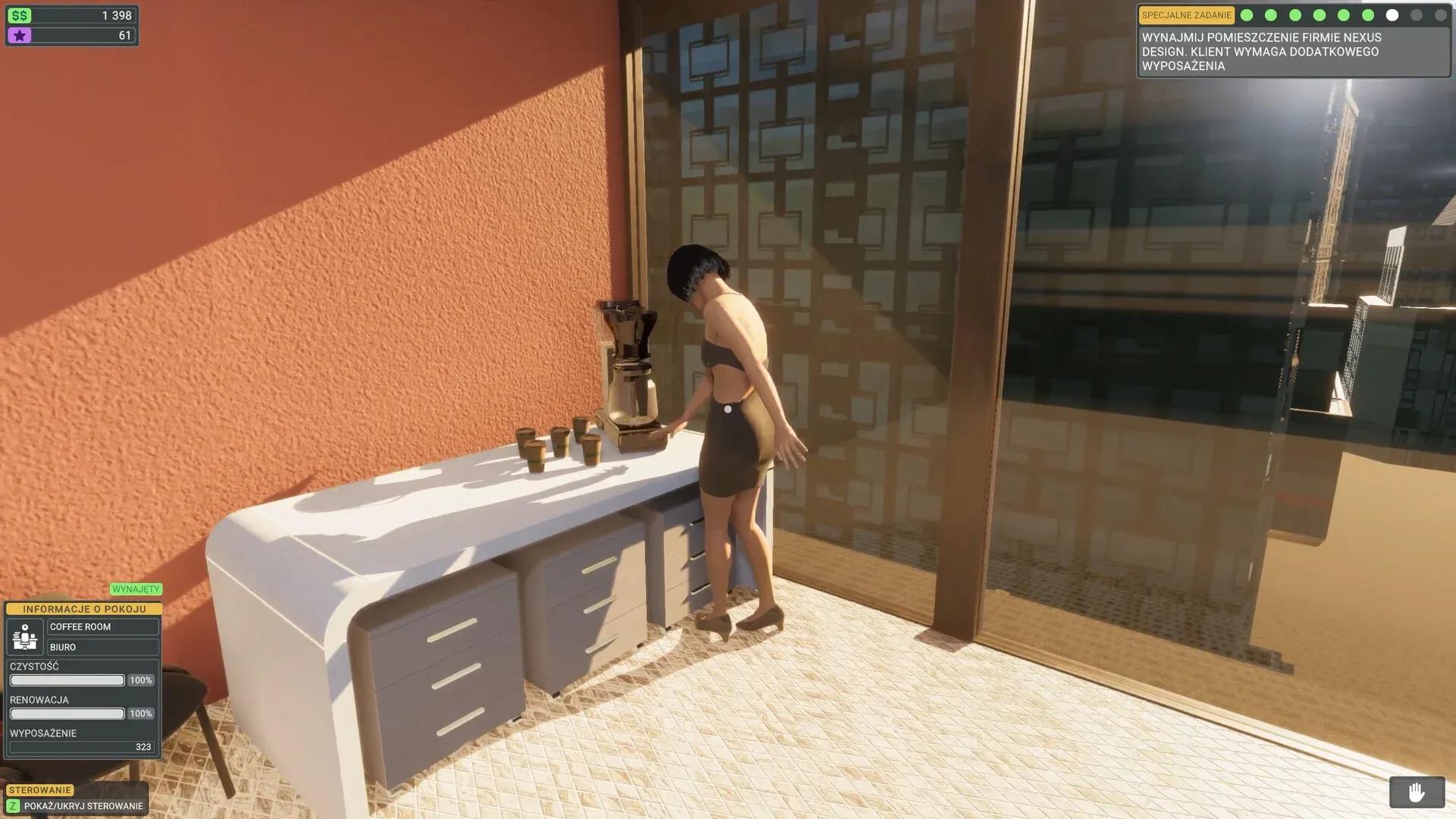
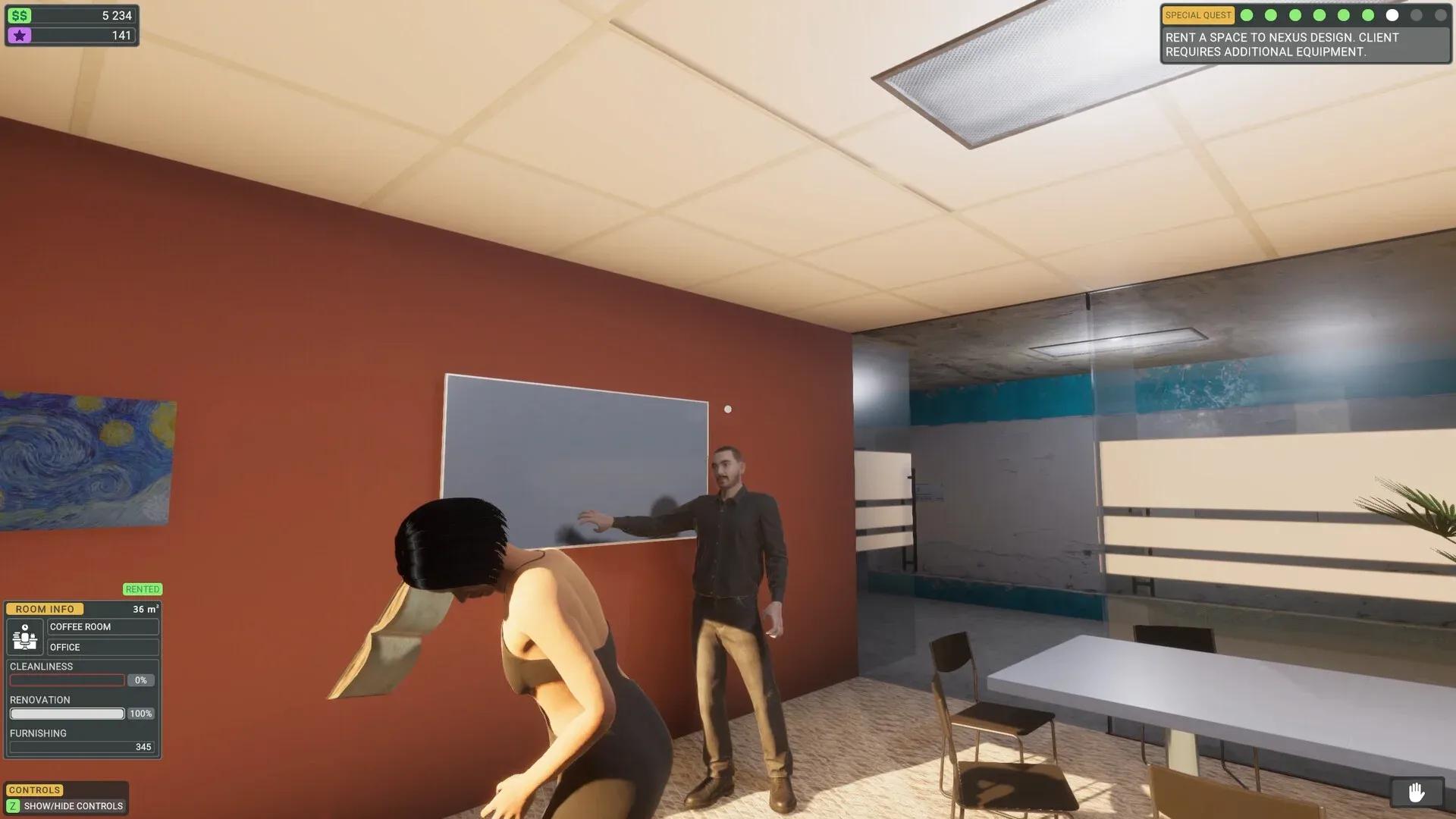
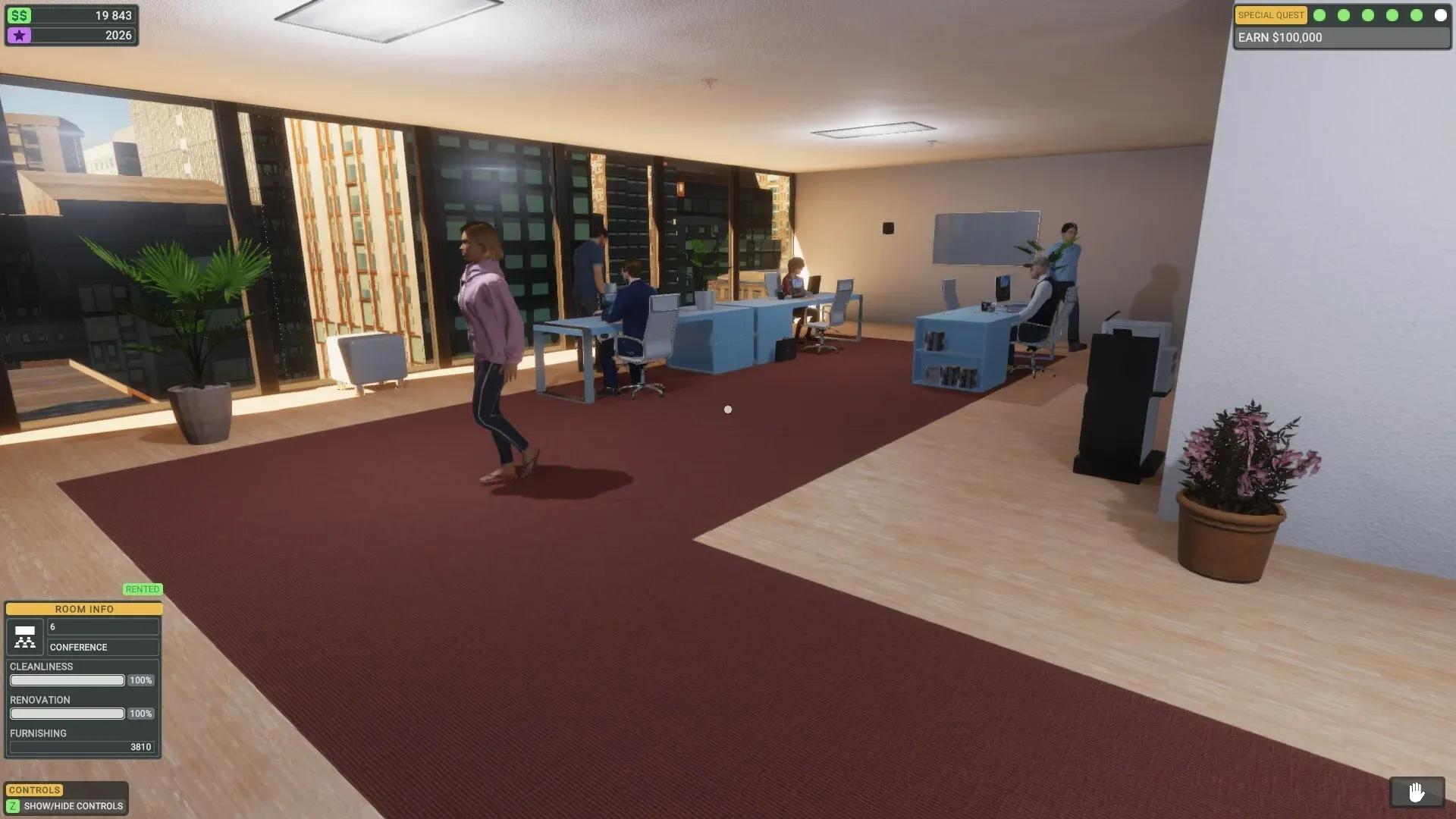
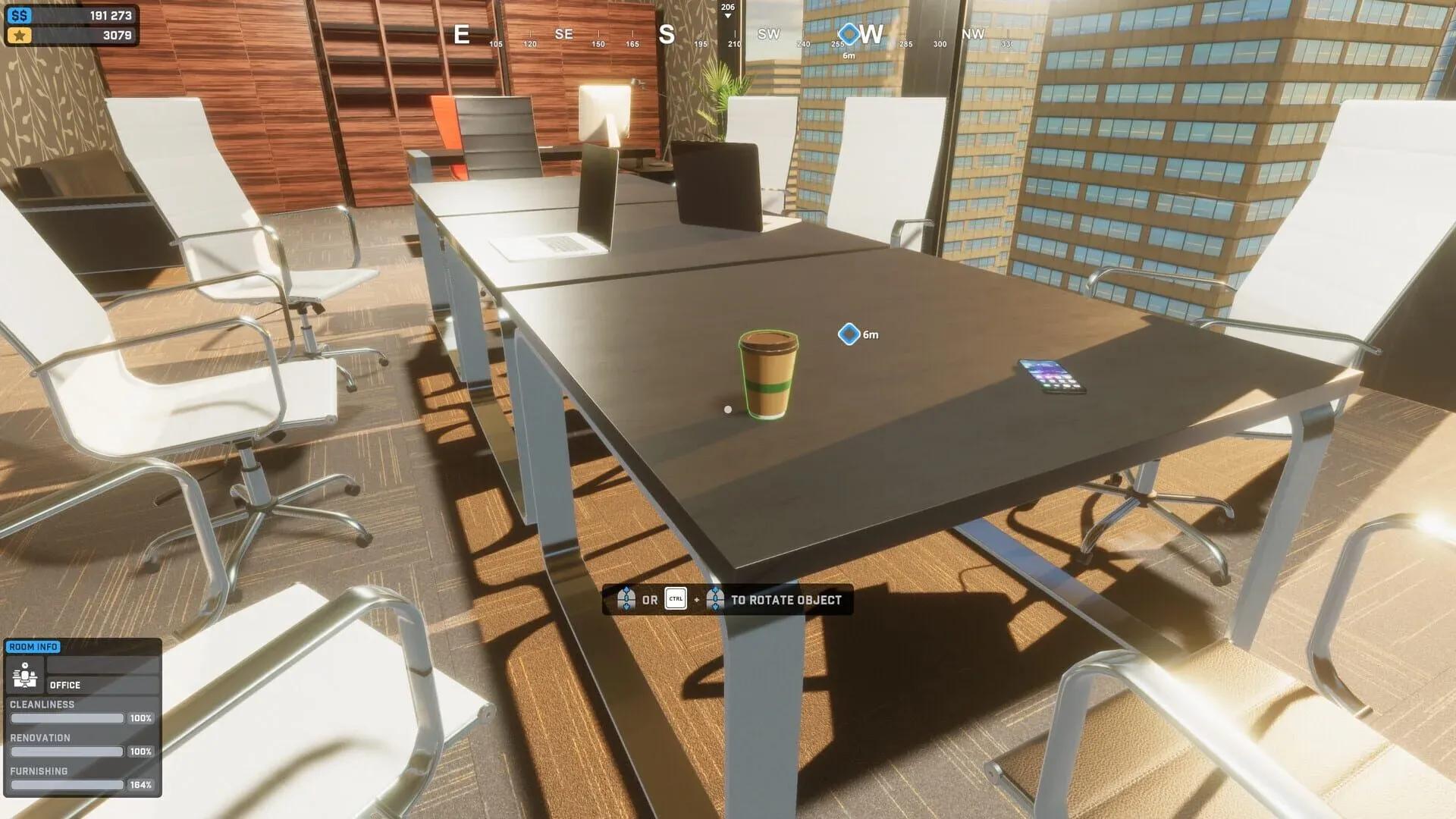
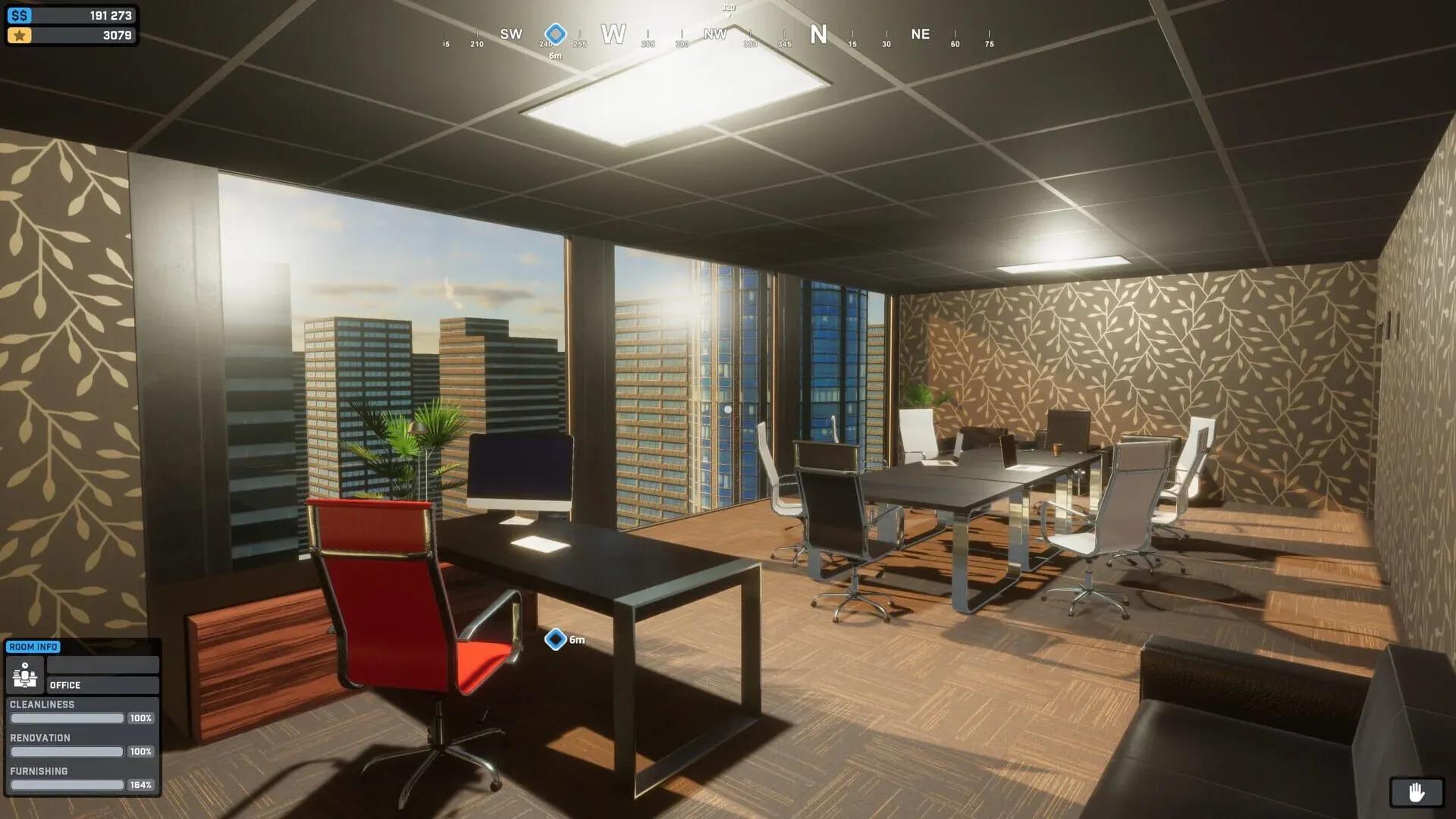
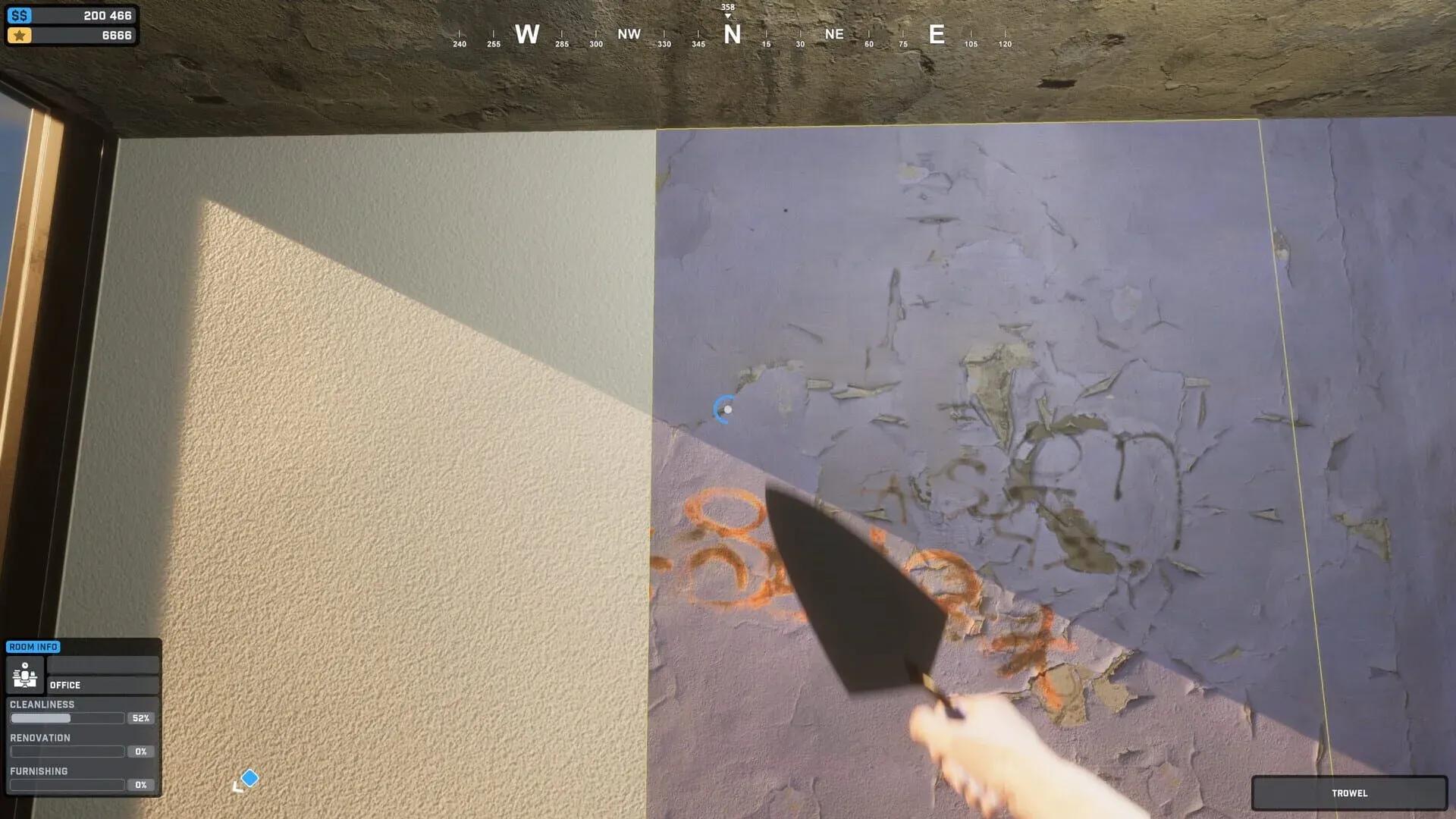
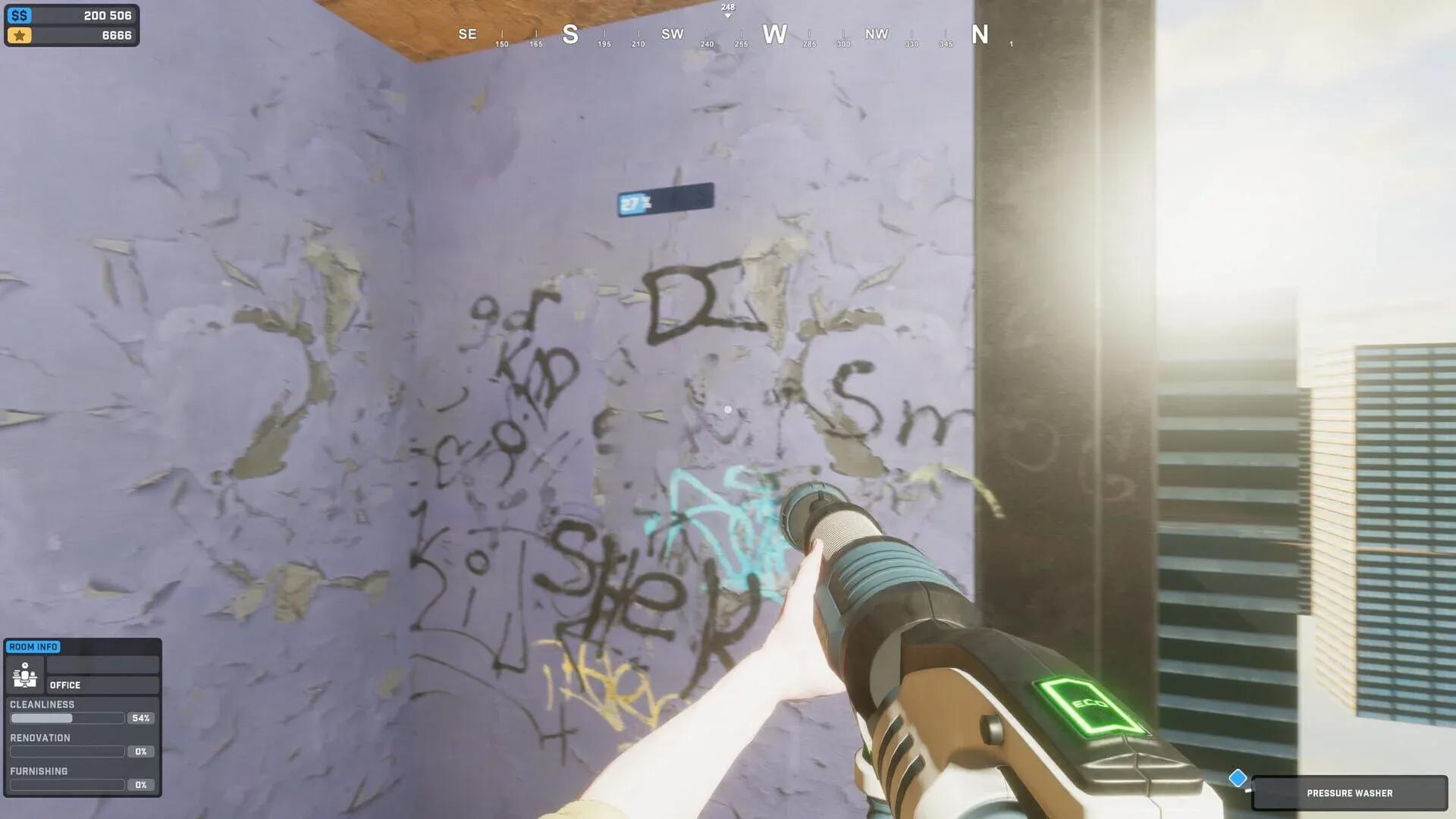
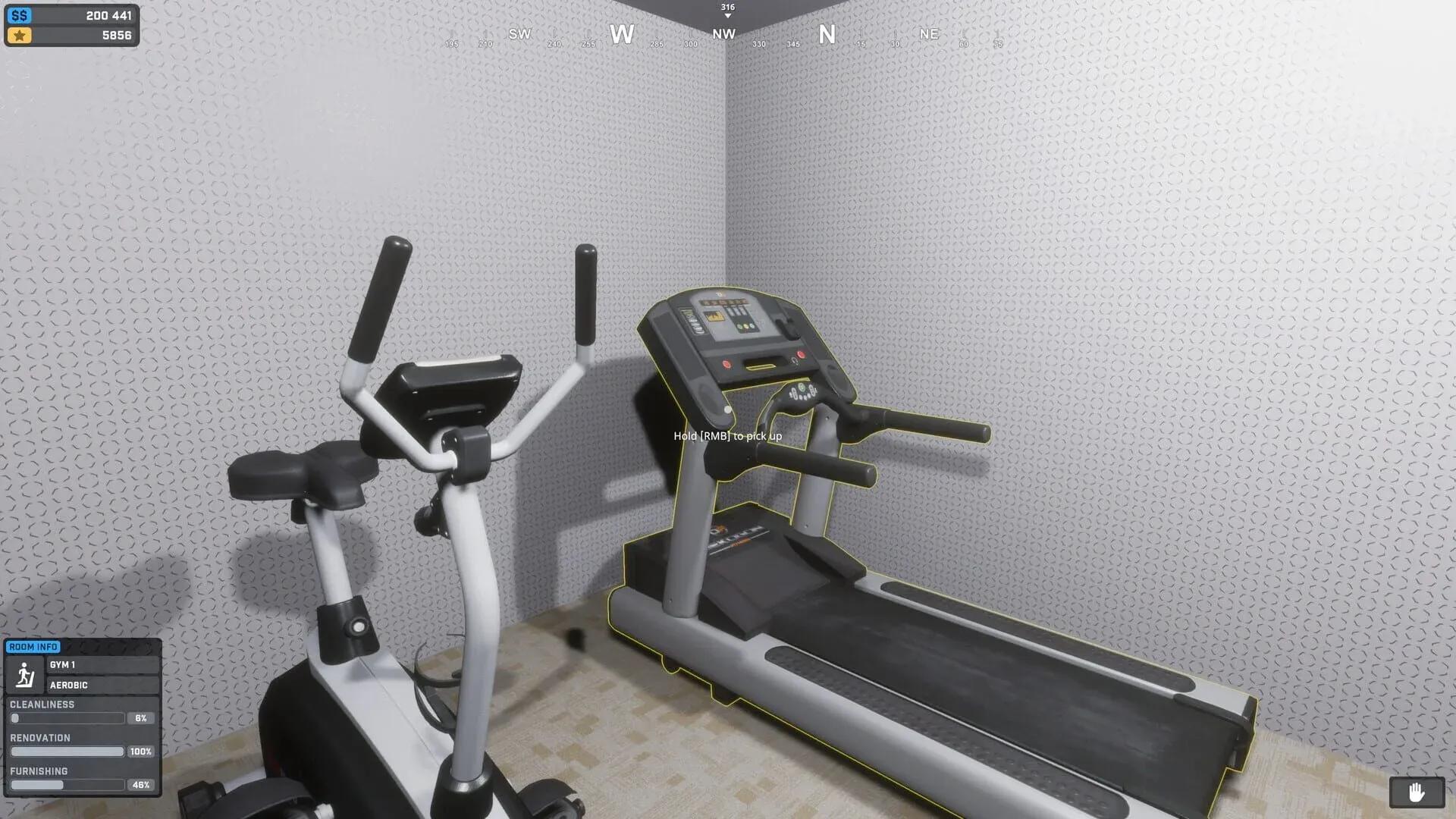
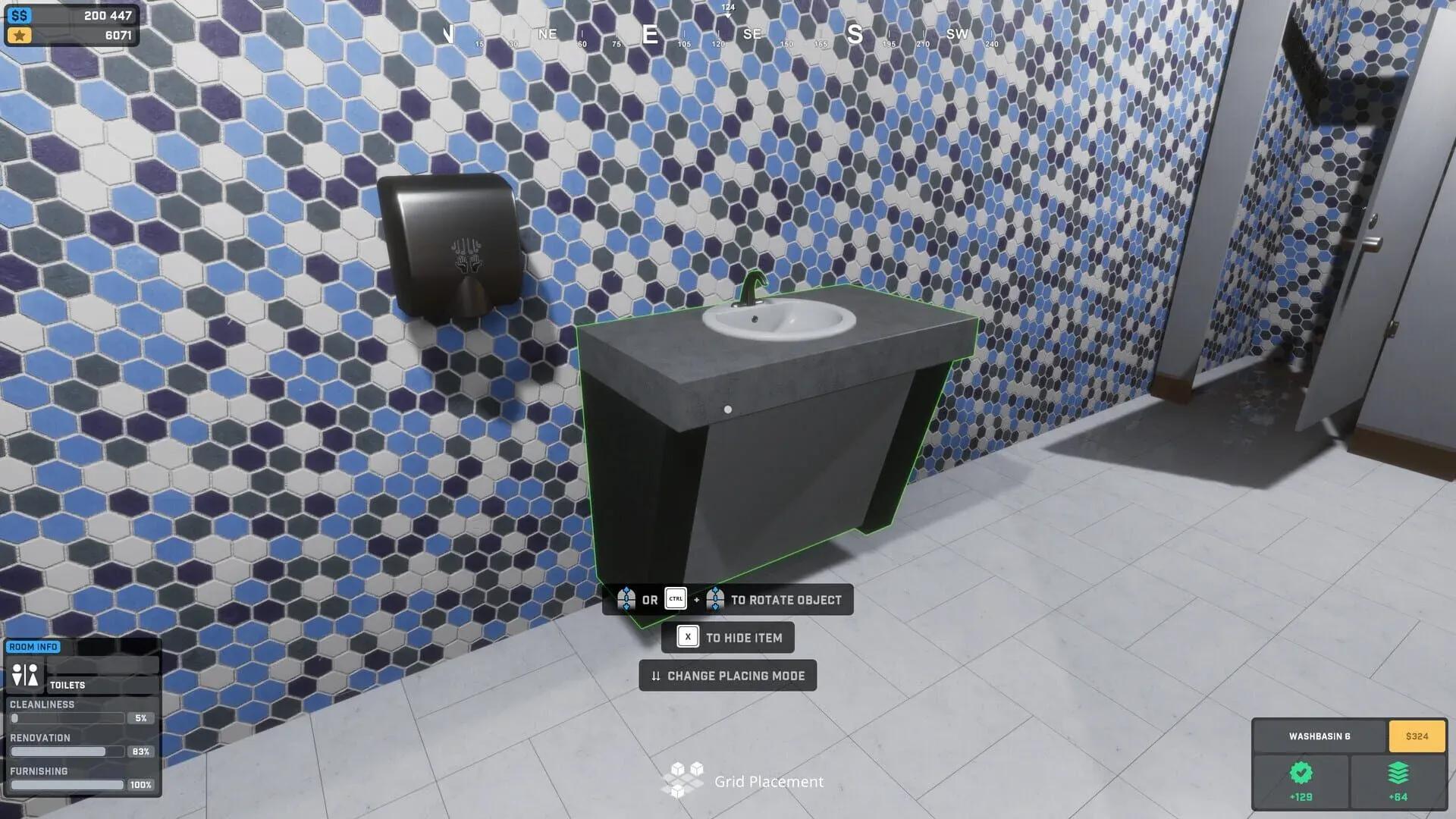
The Dream Office positions players as professional office designers tasked with transforming uninspiring workspaces into functional, aesthetically pleasing environments. The simulation centers on renovation mechanics that blend creative freedom with practical design considerations. Players assess each project's requirements, clear existing layouts, and implement new designs that balance employee comfort with organizational efficiency. The game's approach to workspace renovation creates a unique niche within the simulation genre, offering detailed control over every aspect of office transformation.
The Dream Office
The core gameplay loop revolves around accepting renovation contracts, evaluating current office conditions, and executing comprehensive redesigns. Each workspace presents distinct challenges, from cramped cubicle farms requiring complete reconfiguration to executive suites demanding refined aesthetic touches. Players manage budgets, select appropriate furniture and equipment, and arrange elements to maximize both visual appeal and workplace productivity. The simulation's attention to real-world office design principles adds depth to what might otherwise be purely cosmetic changes.
What Makes Office Renovation Engaging?
The Dream Office distinguishes itself through its specialized focus on corporate environments rather than residential spaces. This concentration allows for deeper exploration of workplace-specific design elements:
- Ergonomic furniture selection
- Lighting optimization strategies
- Collaborative space planning
- Technology integration systems
- Aesthetic cohesion principles
Players encounter authentic design considerations that professional office planners face daily. The simulation requires balancing open-plan concepts with privacy needs, incorporating breakout areas alongside focused workstations, and maintaining brand identity through color schemes and material choices. These mechanics transform simple decoration into strategic planning exercises.
The Dream Office
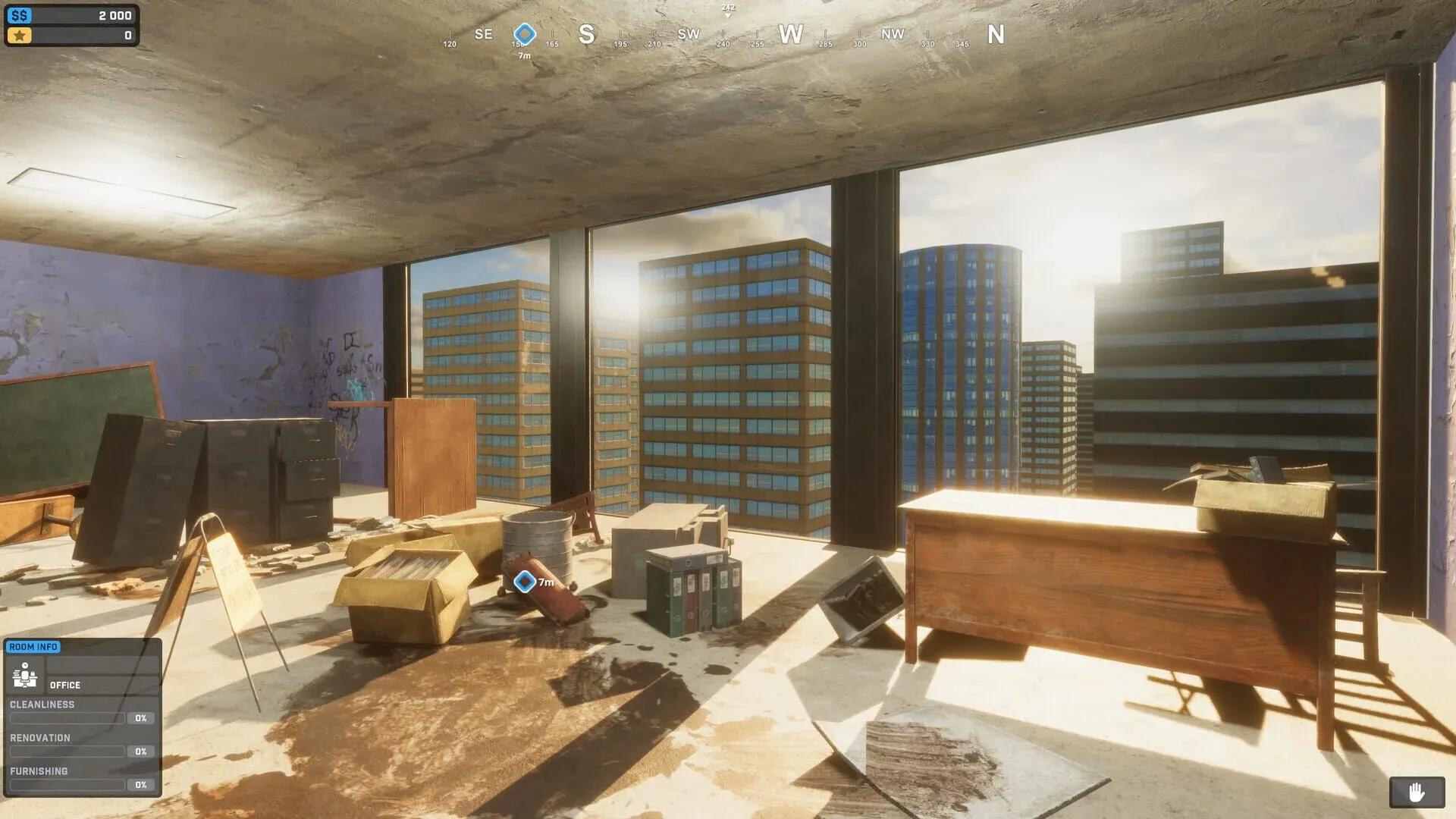
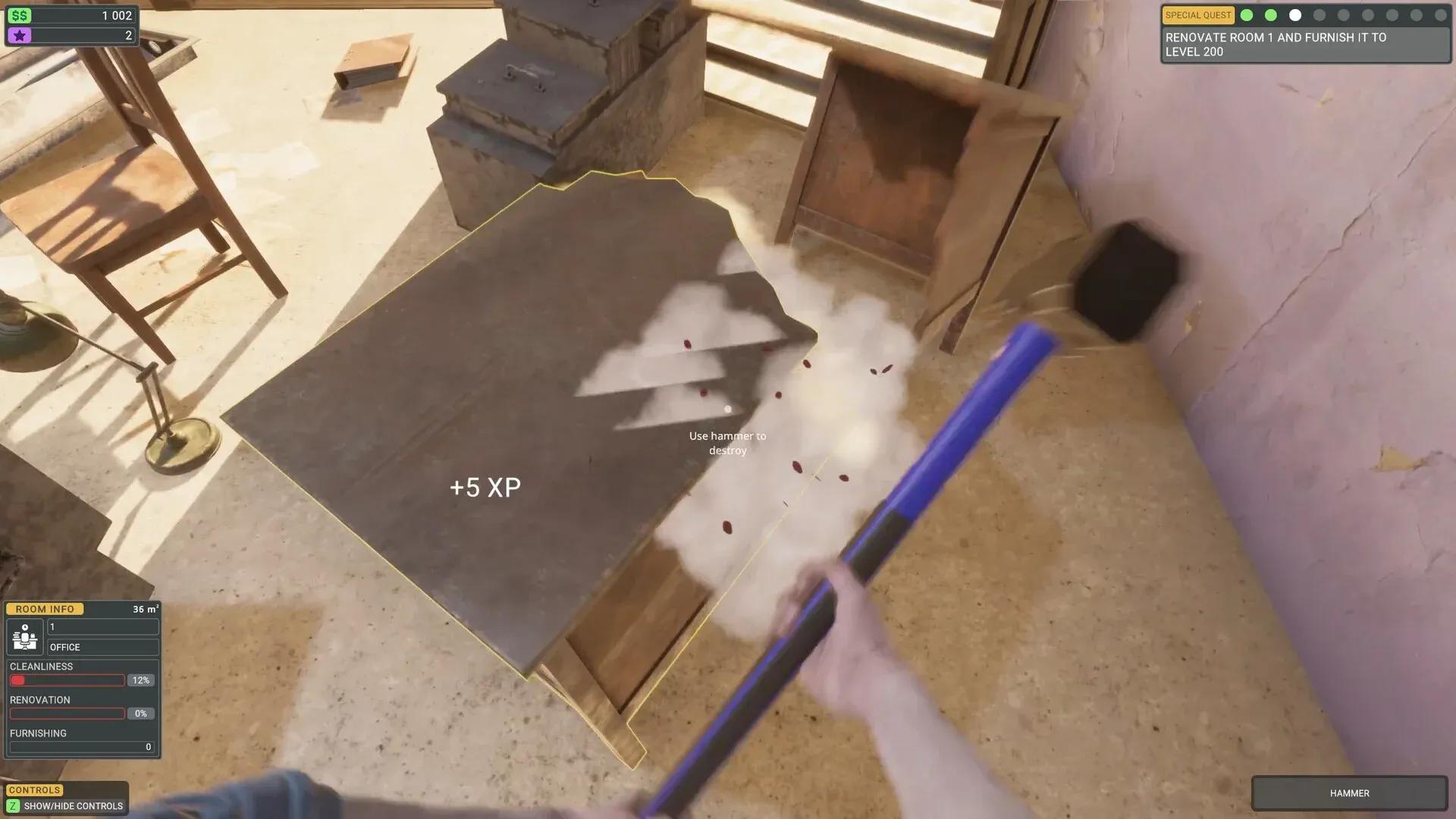
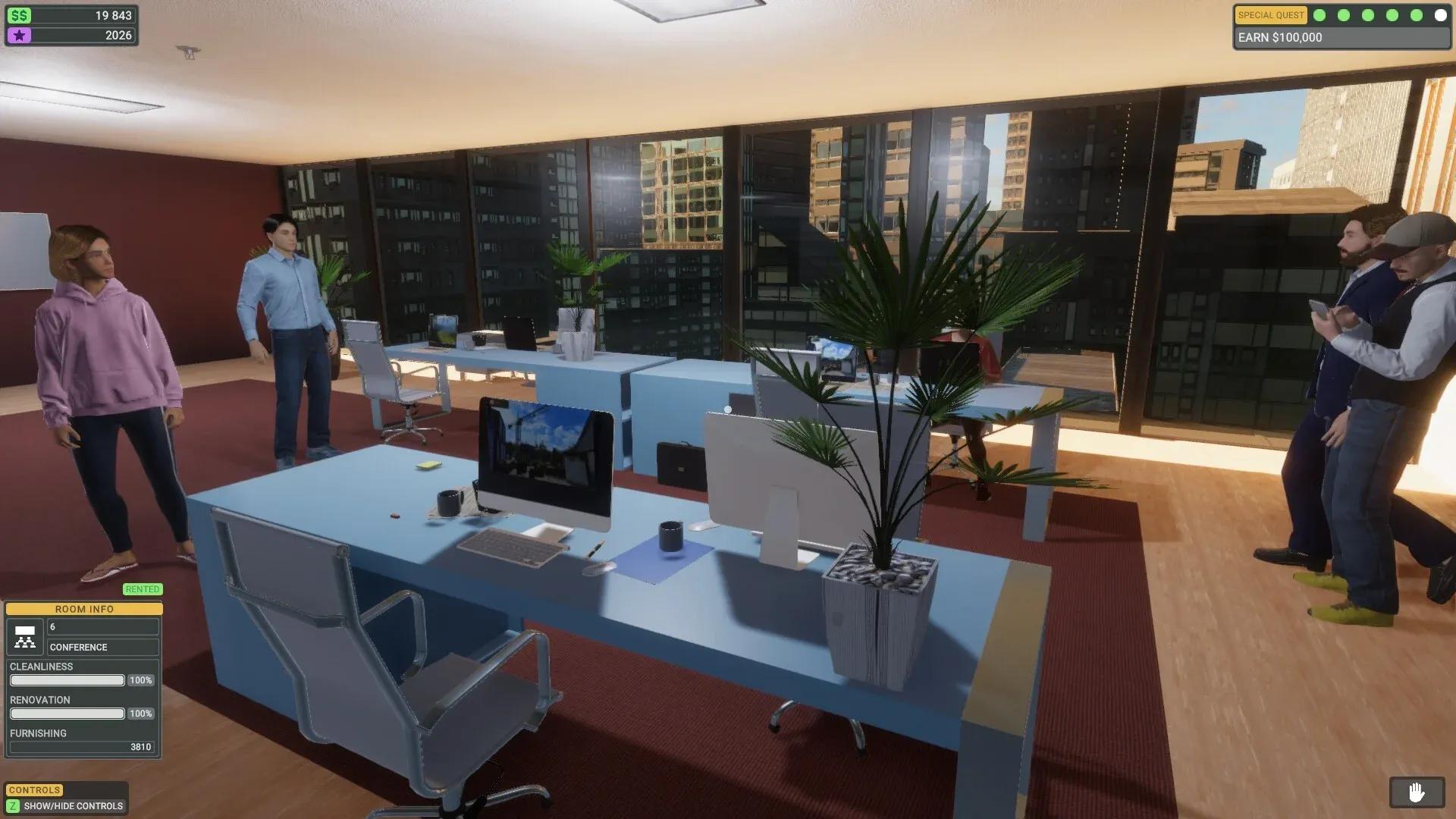
The renovation process itself offers satisfying progression as players witness dramatic transformations from cluttered chaos to organized efficiency. Removing outdated equipment, repairing structural issues, and installing modern amenities creates tangible before-and-after results that reward player effort. The game captures the gratification inherent in restoration work while avoiding the physical demands of actual renovation labor.
Design Tools and Customization Options
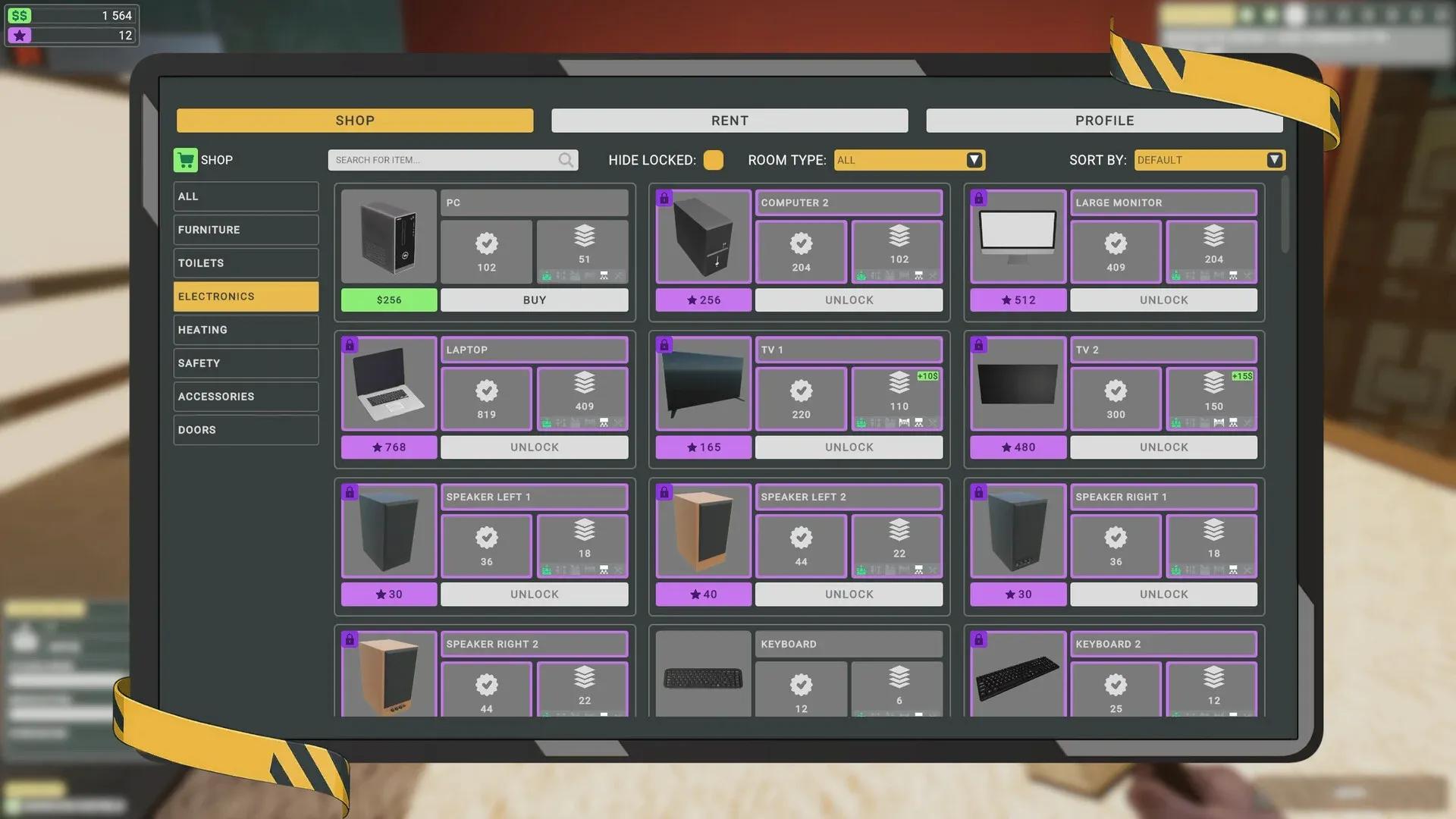
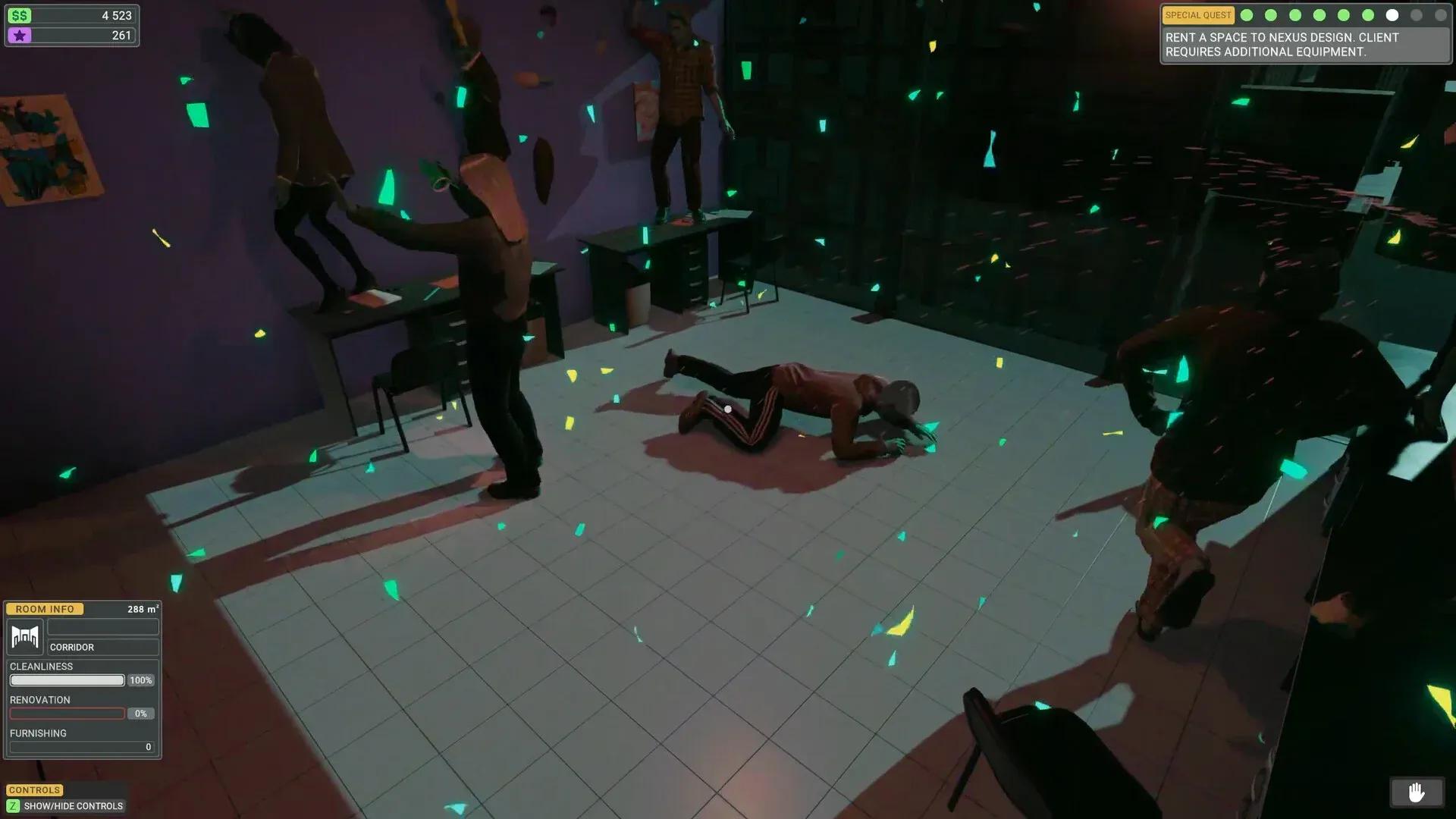
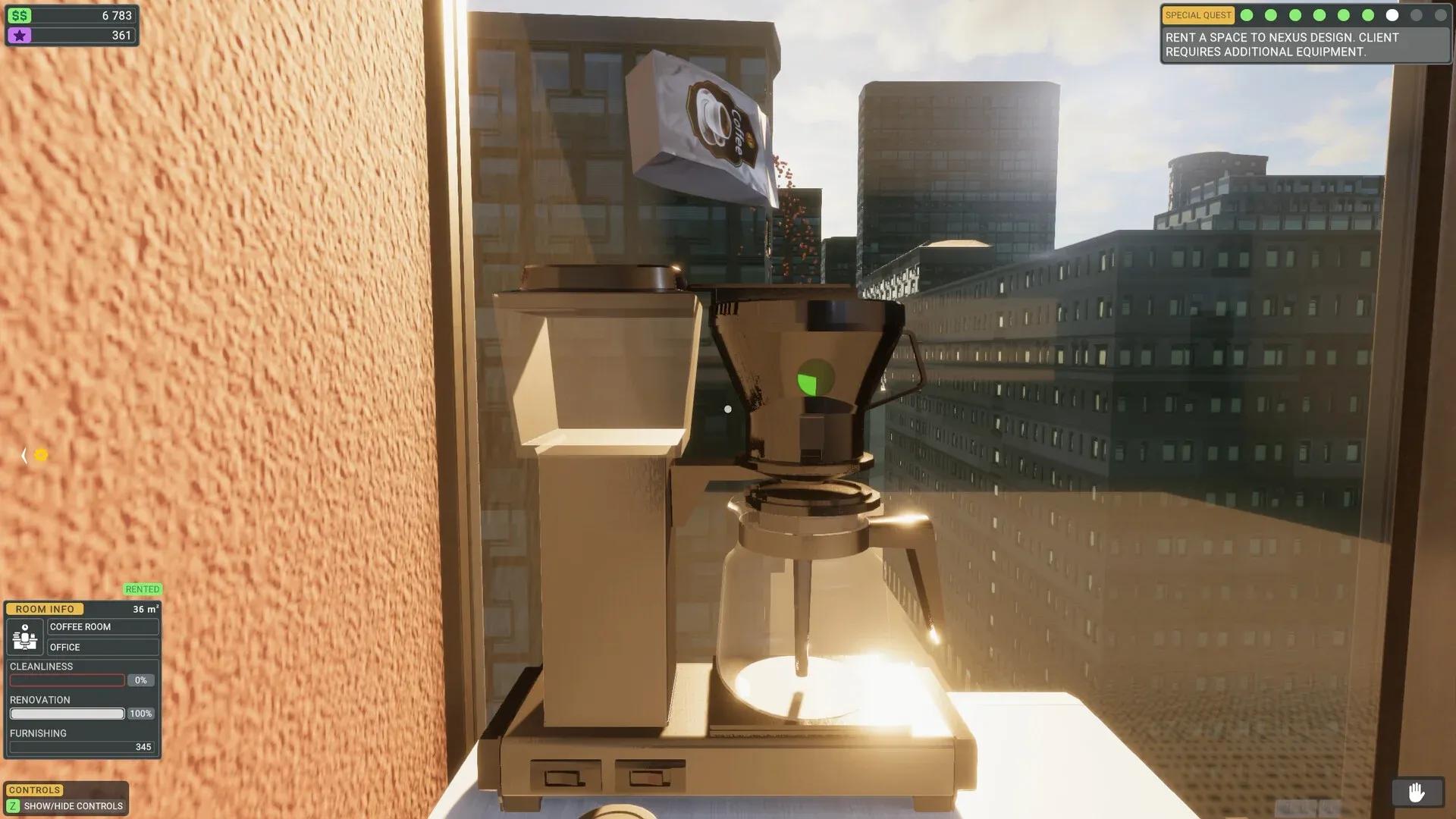
The simulation provides extensive customization capabilities for creating personalized office environments. Players access catalogs of furniture ranging from traditional wooden desks to contemporary standing workstations, each with distinct visual styles and functional properties. Lighting fixtures, wall treatments, flooring materials, and decorative elements combine to create cohesive design schemes that reflect different corporate cultures and industry aesthetics.
The Dream Office
Spatial planning mechanics require careful consideration of traffic flow, departmental adjacencies, and equipment placement. Conference rooms demand appropriate table configurations and presentation technology, while reception areas need welcoming atmospheres that make strong first impressions. The game's layout tools enable precise positioning and rotation of objects, allowing players to optimize every square meter of available space.
Color coordination and material selection systems let players develop signature design styles or adapt to client preferences. Modern minimalist approaches contrast with warm traditional aesthetics, while tech-startup vibes differ markedly from corporate formality. This variety ensures each project maintains distinct character despite similar functional requirements.
Early Access Development
As an Early Access title, The Dream Office continues evolving through player feedback and developer updates. The current build establishes core renovation mechanics and design systems while leaving room for expanded content and refined features. Players participating during this phase contribute to shaping the simulation's direction through community input and bug reporting.
The Dream Office
The indie development approach allows BEPLAYER and publisher FreeMind S.A. to maintain close connection with the player base, implementing suggestions and addressing concerns throughout the development cycle. This collaborative relationship between creators and community helps ensure the final product meets audience expectations while maintaining the developer's creative vision.
System Requirements
| Requirement | Minimum | Recommended |
|---|---|---|
| OS | Windows 10 | Windows 10 |
| Processor | Intel Core i5 | Intel Core i7 |
| Memory | 8 GB RAM | 16 GB RAM |
| Graphics | GeForce GTX 1050 | GeForce RTX 2060 |
Conclusion
The Dream Office carves out distinctive territory within the simulation genre by focusing exclusively on workplace renovation and design. Its combination of creative freedom and practical design challenges appeals to players interested in interior design, business environments, or satisfying transformation gameplay. The Early Access status provides opportunity for players to influence development while experiencing the core renovation mechanics that define this specialized simulator. For those seeking a focused alternative to broader home renovation titles, this office-centric approach delivers a unique creative outlet grounded in professional design principles.