Overview
The Witcher 2: Assassins of Kings is a third-person dark fantasy RPG developed and published by CD Projekt RED, originally released on May 17, 2011. Geralt of Rivia, a professional monster slayer called a witcher, finds himself falsely accused of regicide after the assassination of King Foltest, a ruler he had been personally protecting. What follows is a story of political conspiracy, war on the horizon, and a deeply personal hunt for the truth behind a mysterious assassin who fights like a witcher but answers to no known order.
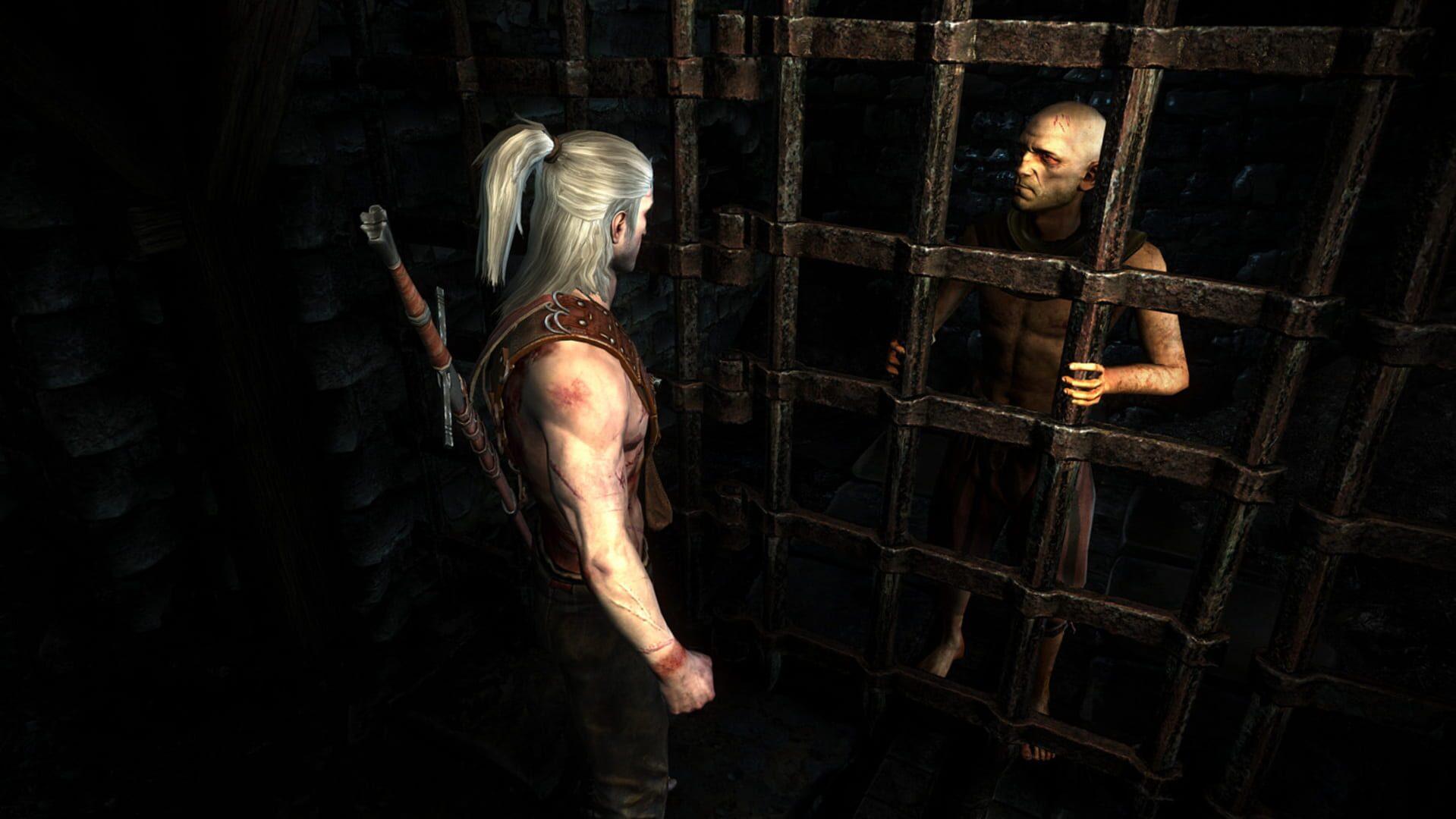
The game's narrative structure is genuinely unusual for the genre. Choices made early in the story can send Geralt down entirely different paths through Act II, meaning two playthroughs can diverge so significantly that players miss nearly half the game's content on their first run. That kind of structural commitment to player agency was rare then and remains rare now.
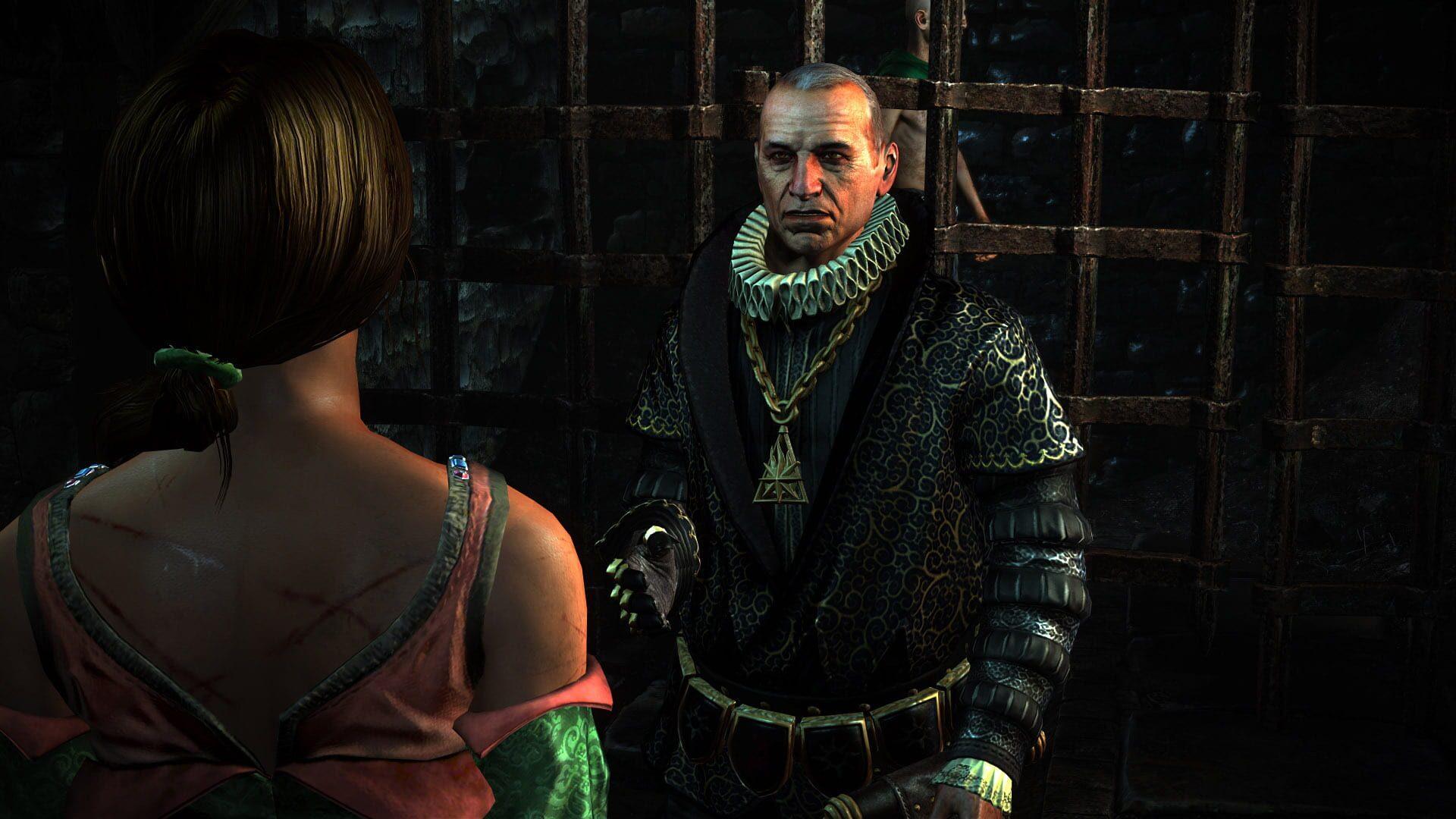
Gameplay and mechanics
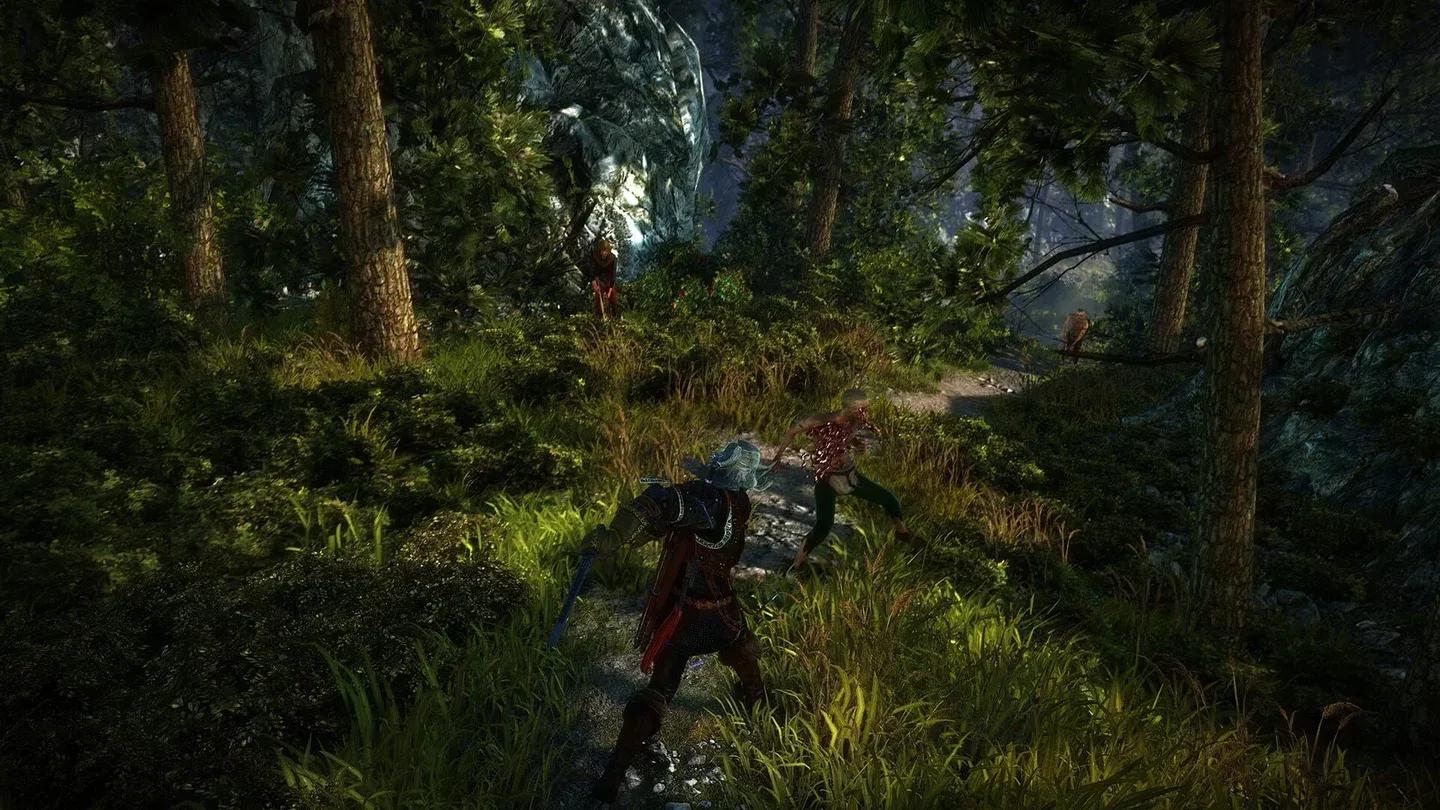
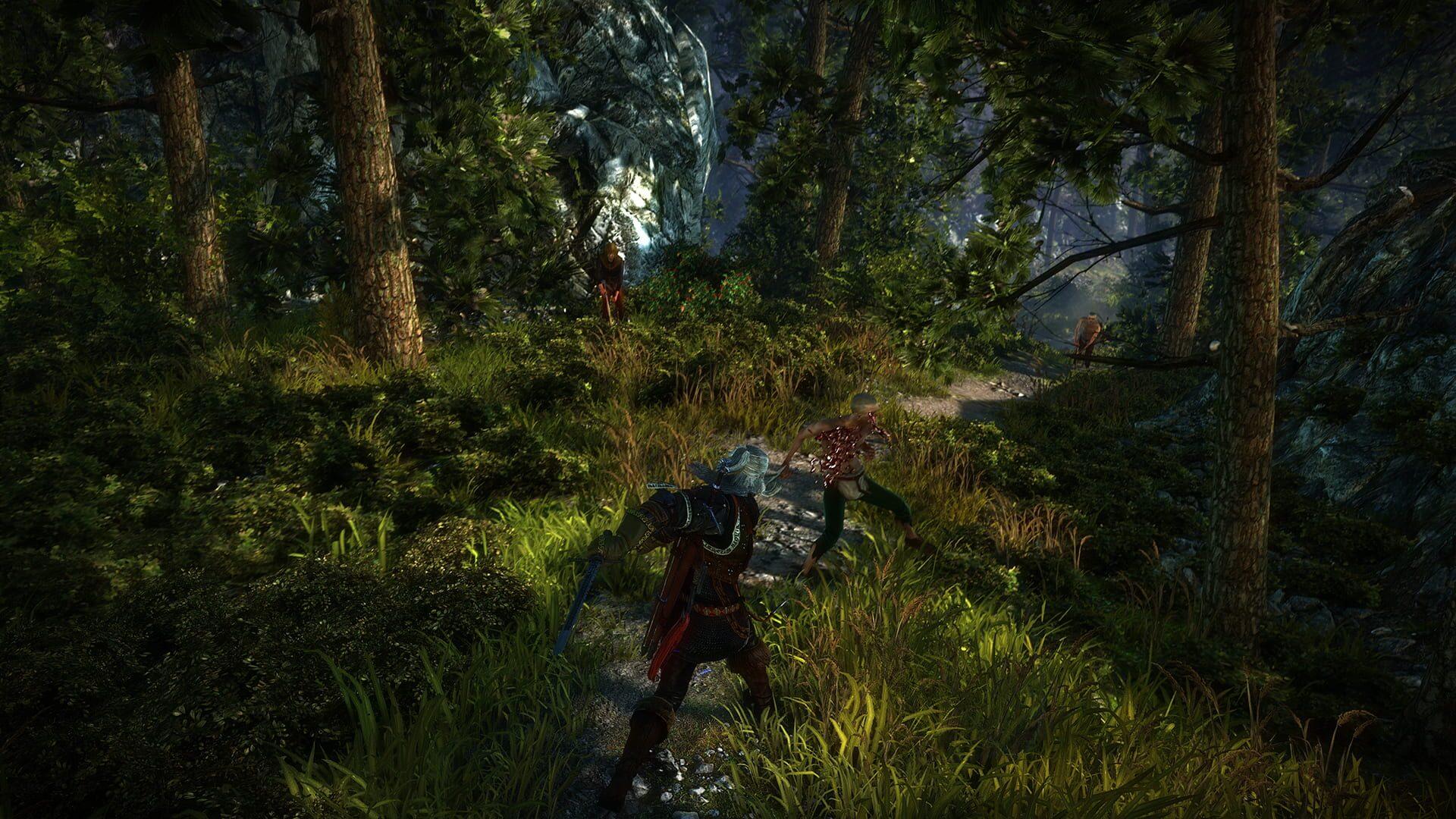
Combat in The Witcher 2 is built around preparation as much as execution. Geralt carries two sword types, silver for monsters and steel for humans, and supplements them with Signs (magic abilities), bombs, and traps crafted from materials gathered across the world. The key mechanics players rely on most:
- Quen: a protective barrier Sign
- Aard: a telekinetic force blast
- Igni: a short-range fire attack
- Yrden: a magical trap for slowing enemies
- Axii: a mind-control Sign used in combat and dialogue
The difficulty is not forgiving, especially early. Enemies hit hard, groups can overwhelm quickly, and the game expects players to actually use the full toolkit rather than mash through encounters. Meditating to brew potions before a tough fight is not optional strategy; it is how the game is designed to be played.
World and setting
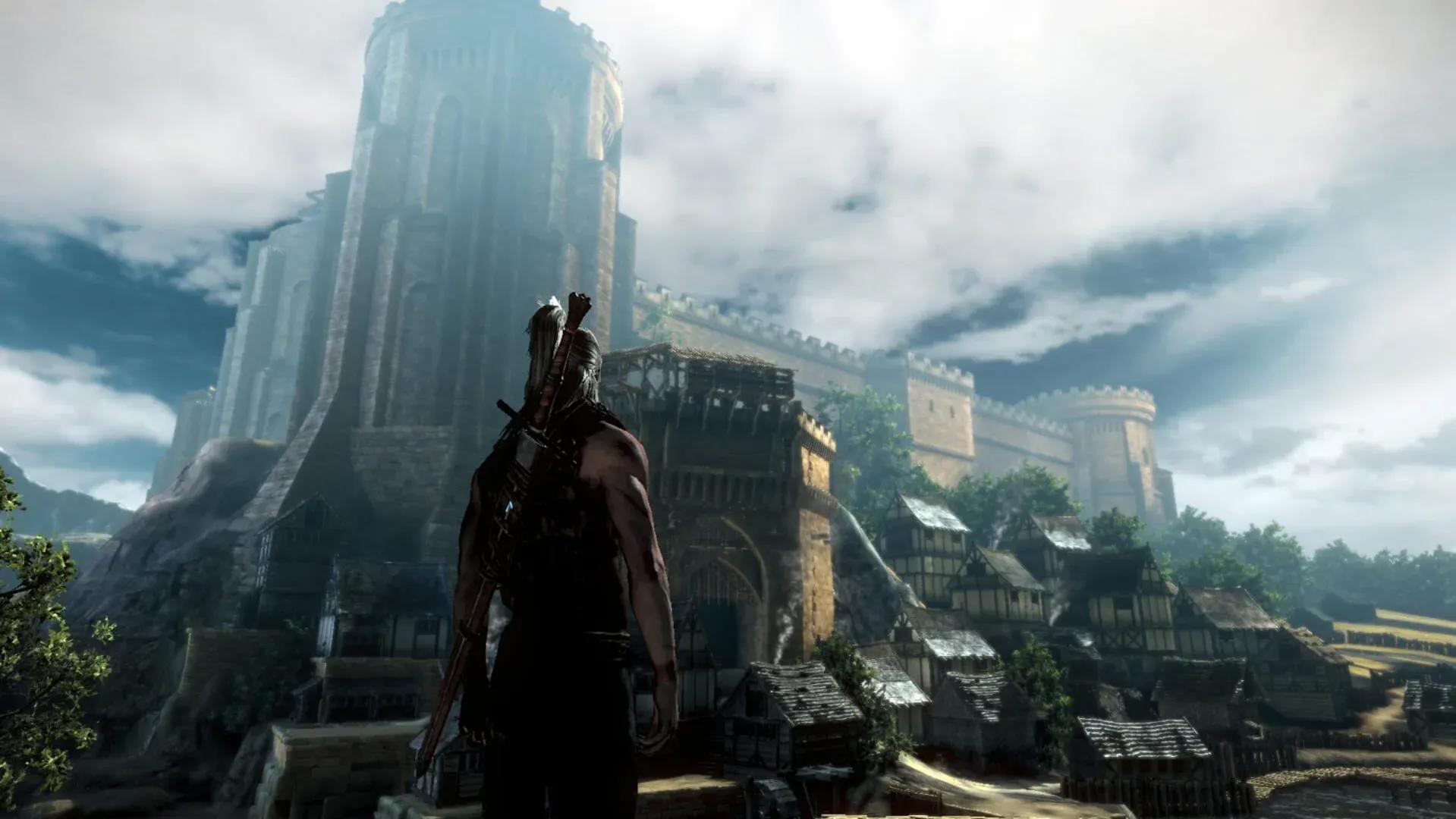
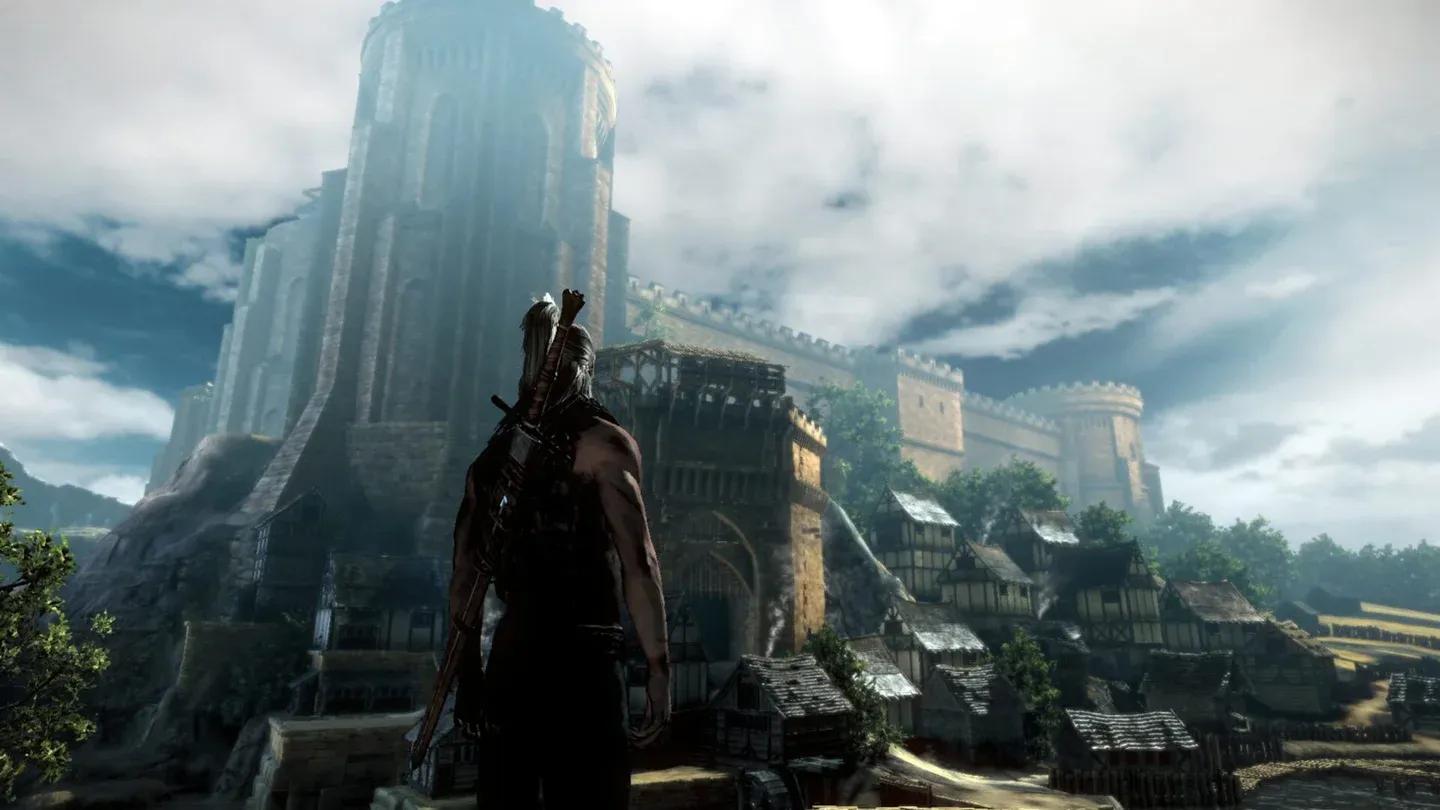
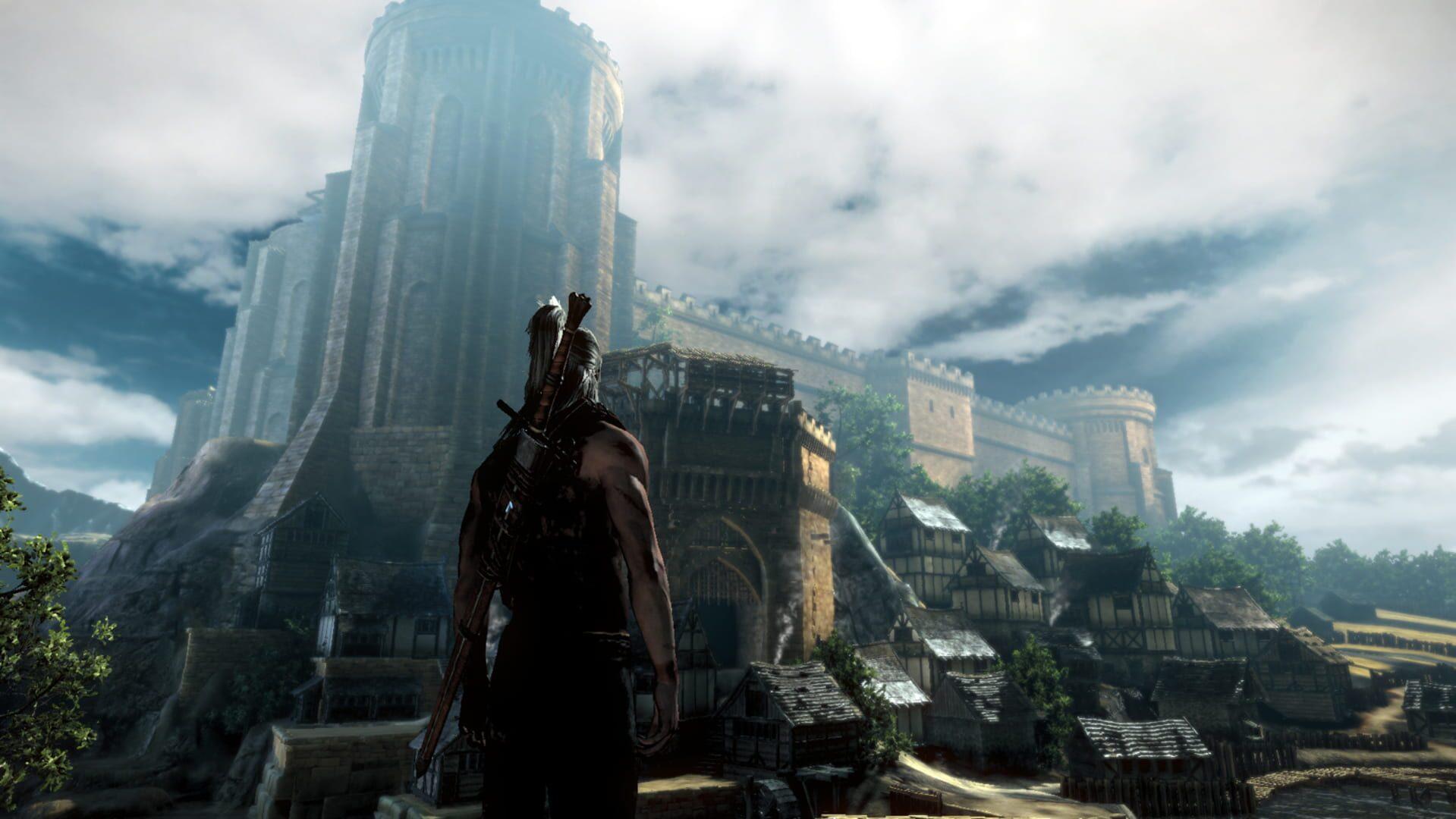
The game takes place across several distinct locations tied to the political crisis unfolding between the Northern Kingdoms and the looming threat of the Nilfgaardian Empire. Flotsam, Vergen, and Loc Muinne each carry their own atmosphere, from the tense, fog-heavy river town of Flotsam to the dwarven stronghold of Vergen carved into a hillside. CD Projekt RED built these areas with enough density that they feel lived-in rather than like set dressing for quest markers.
The writing handles morality without making it simple. Factions in conflict both have defensible positions. The elven Scoia'tael are fighting genuine oppression, but their methods cause civilian casualties. The human kingdoms are corrupt but not monolithic. Geralt operates in the space between these groups, and the game rarely tells the player which side is right.
Impact and legacy
The Witcher 2 arrived at a moment when Western RPGs were in a genuine conversation about how much player choice could actually reshape a narrative. This game made a strong argument that the answer was: quite a lot, if the writing is disciplined enough to support it. The branching structure, the morally grey characters, and the refusal to hand players easy answers all fed directly into the design philosophy that made The Witcher 3: Wild Hunt one of the most celebrated RPGs ever made.
Playing The Witcher 2 today means engaging with a game that still has sharper political writing than most of its successors. The Geralt presented here is cautious, wry, and exhausted by a world that keeps dragging him into conflicts that were never his to solve. That tension between obligation and self-interest is what makes the story land, and it holds up across every playthrough.