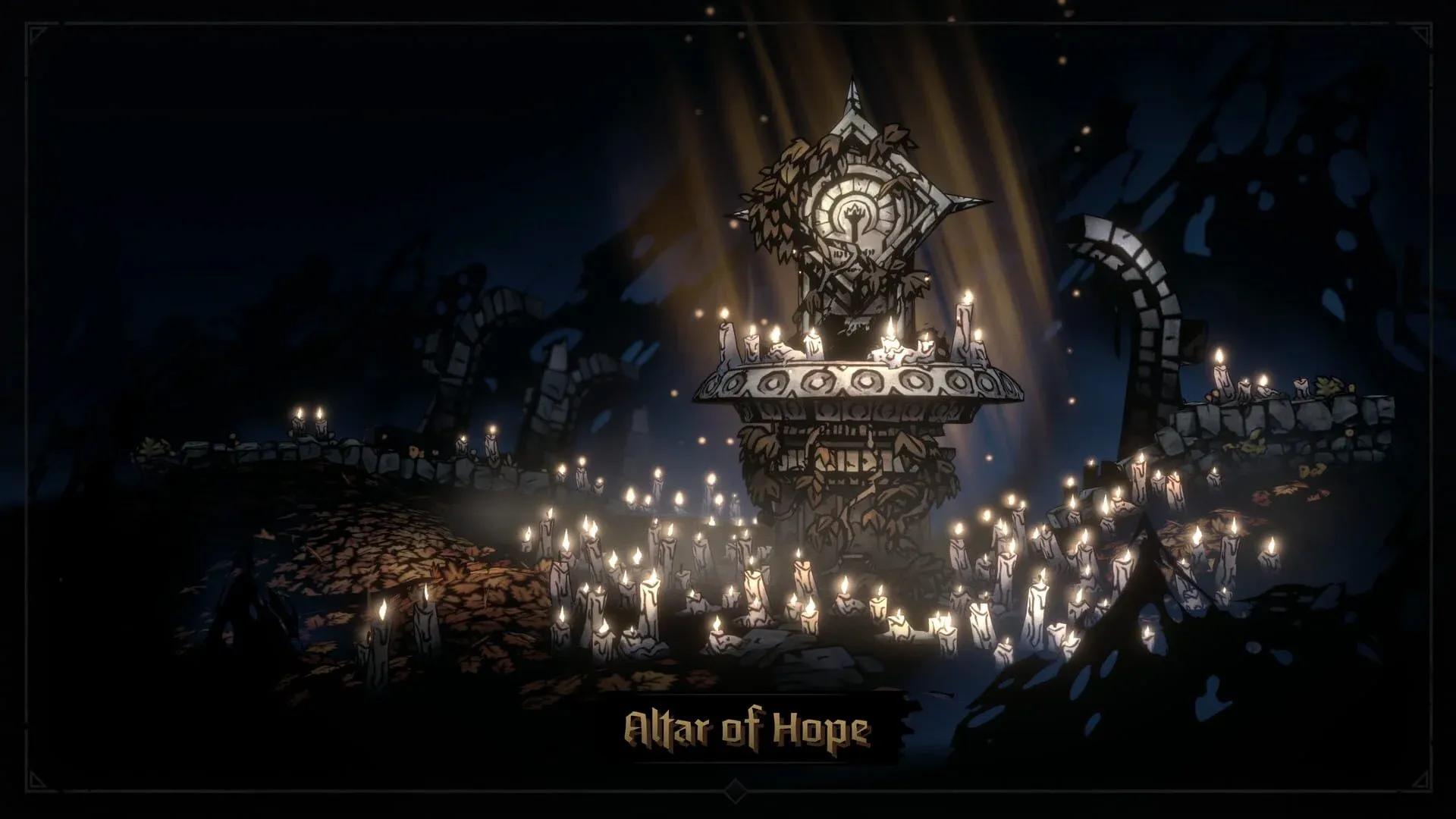
Overview
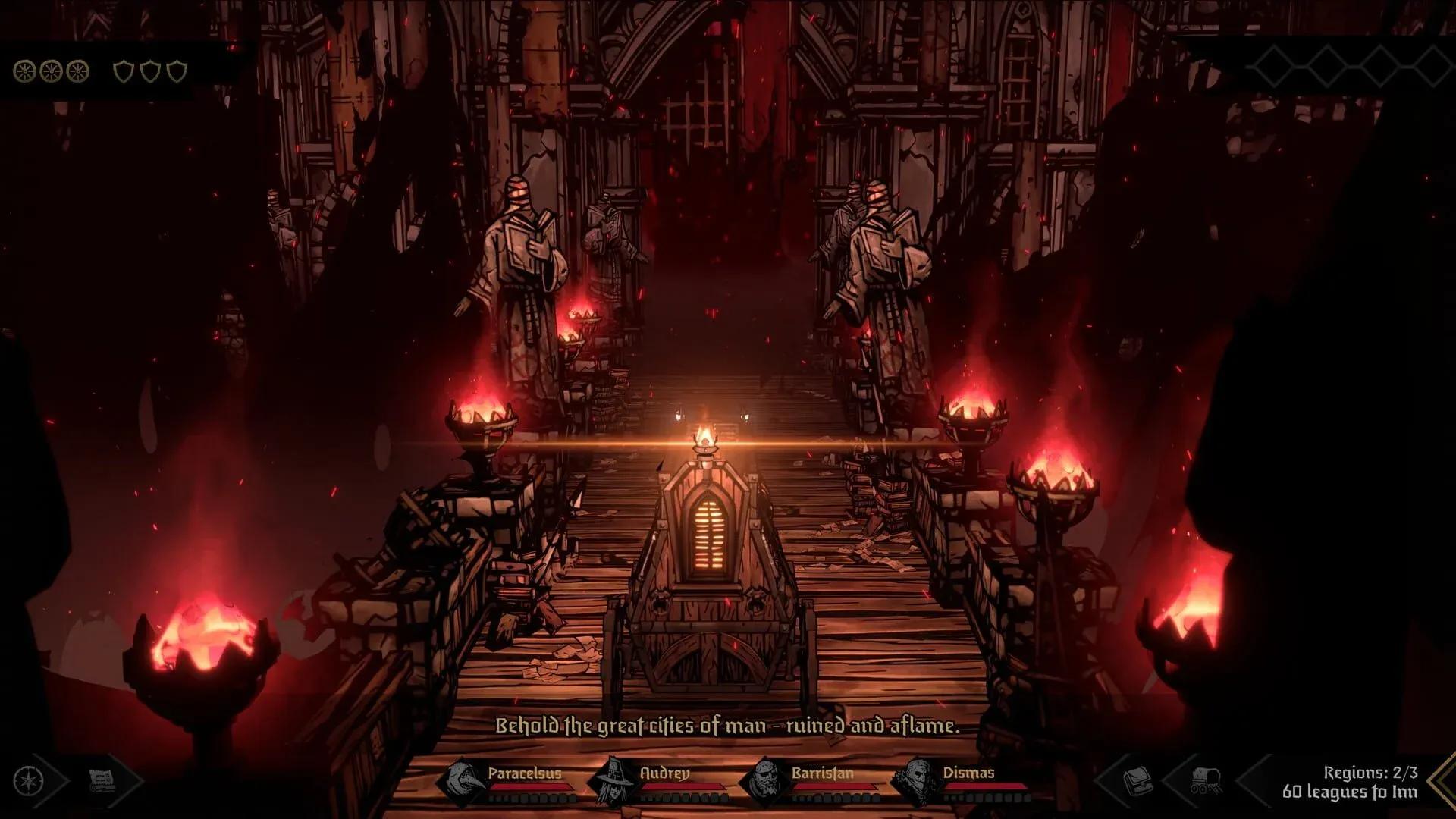
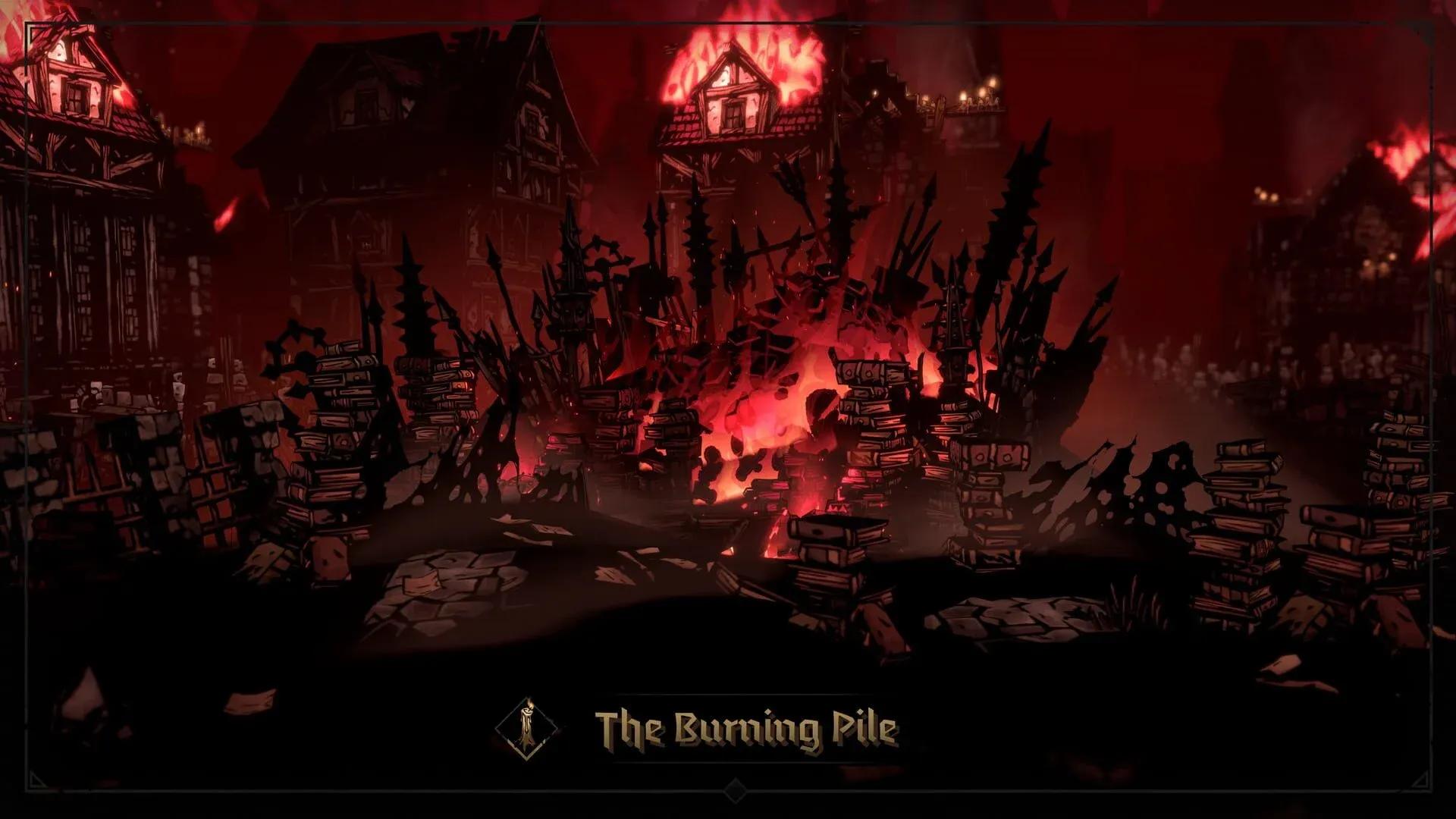
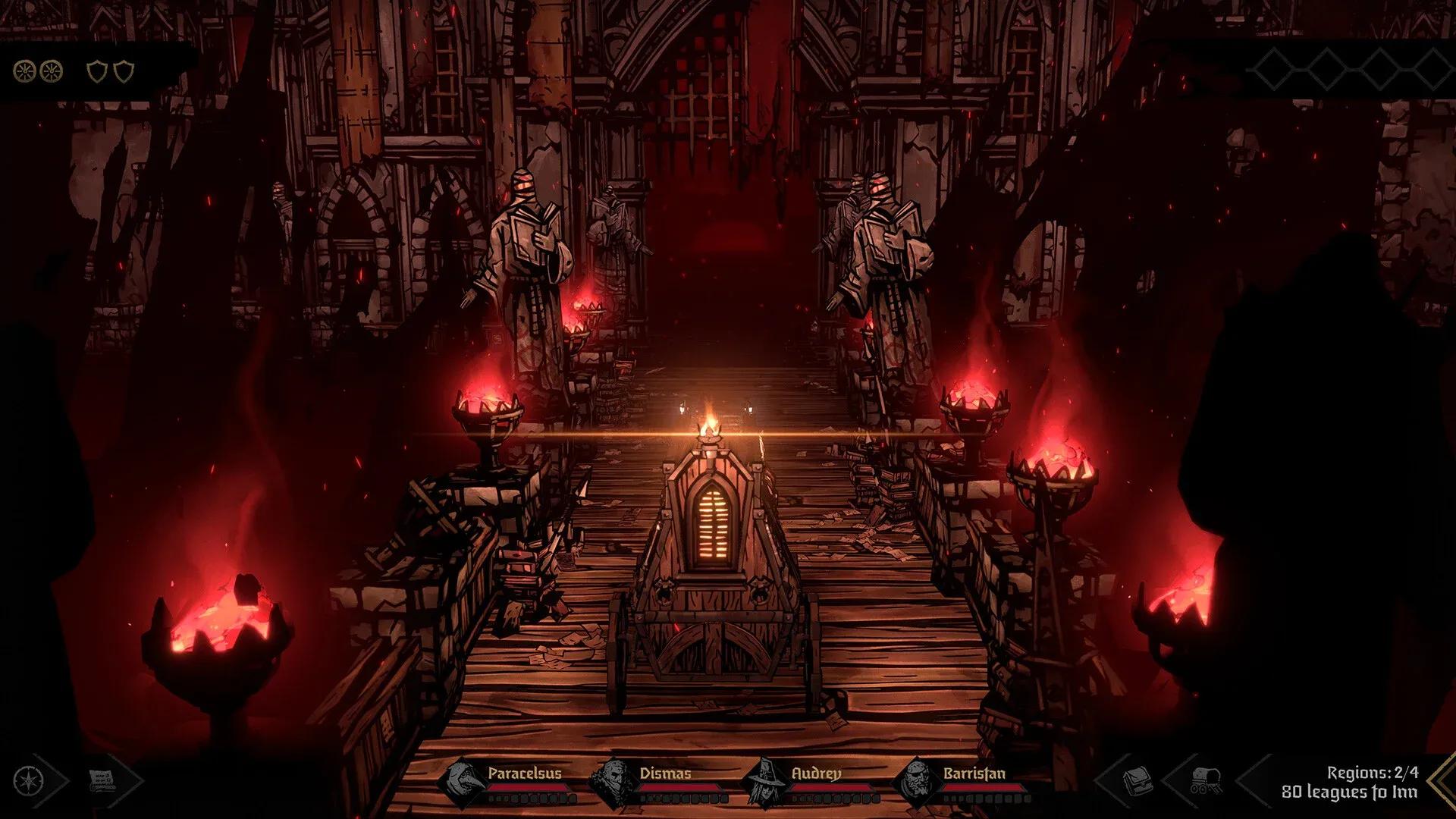
Darkest Dungeon II reimagines the acclaimed original's oppressive atmosphere through an entirely new lens. Rather than managing a hamlet and delving into static dungeons, players now command a rickety stagecoach barreling through procedurally generated routes toward an apocalyptic confrontation. The shift from base-building to road-trip survival creates a fundamentally different experience while preserving the franchise's signature psychological horror elements.
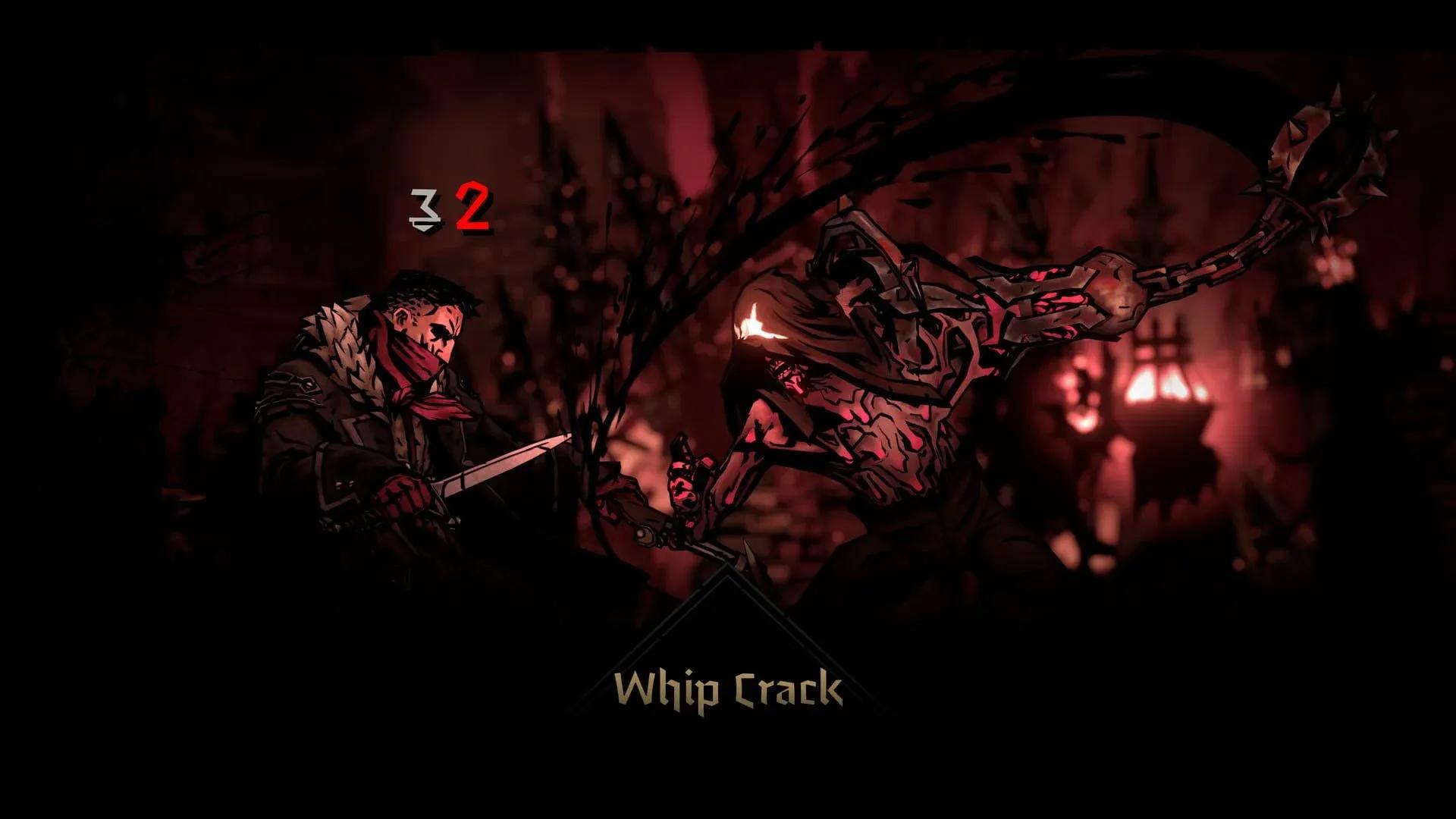
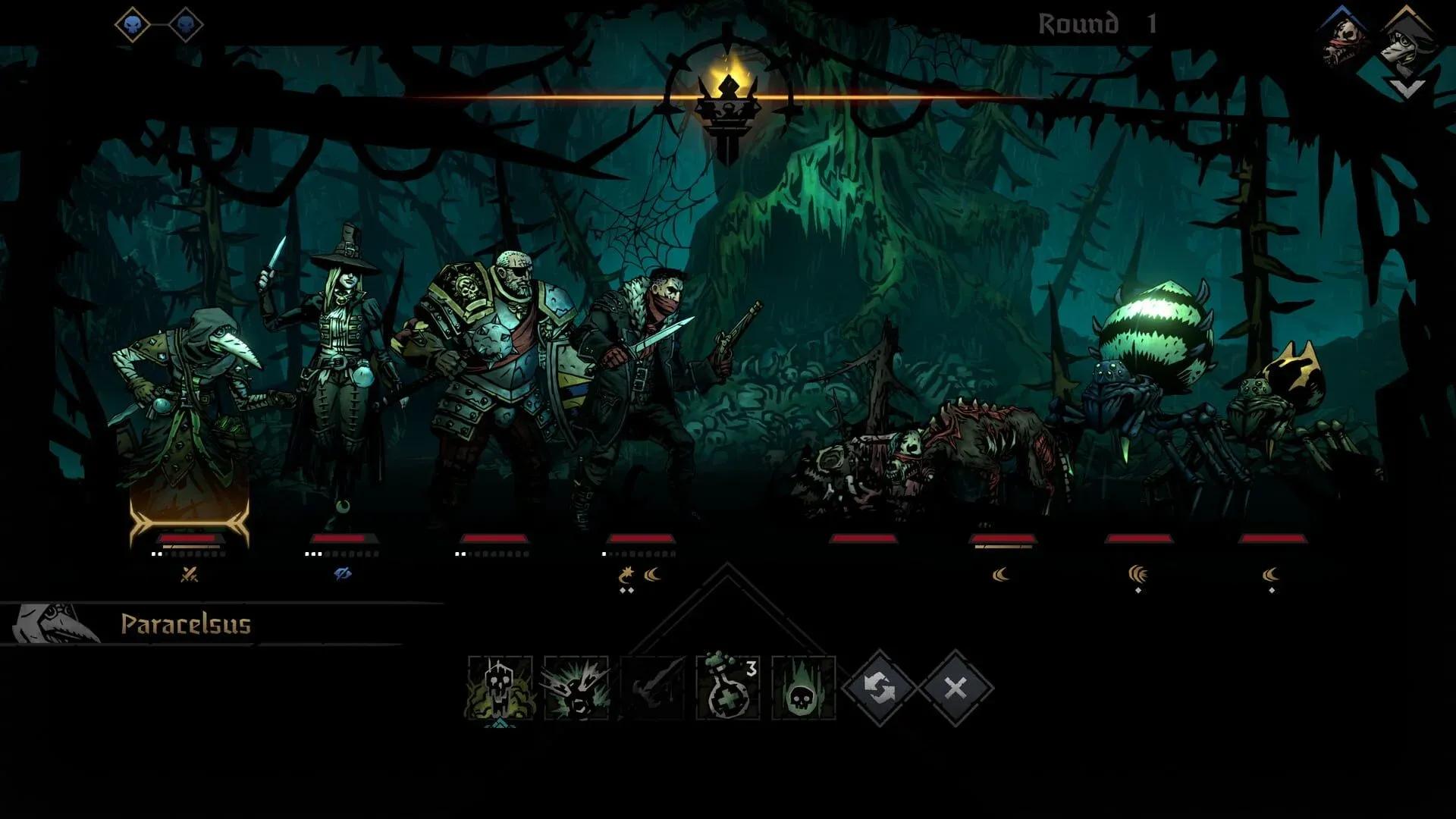
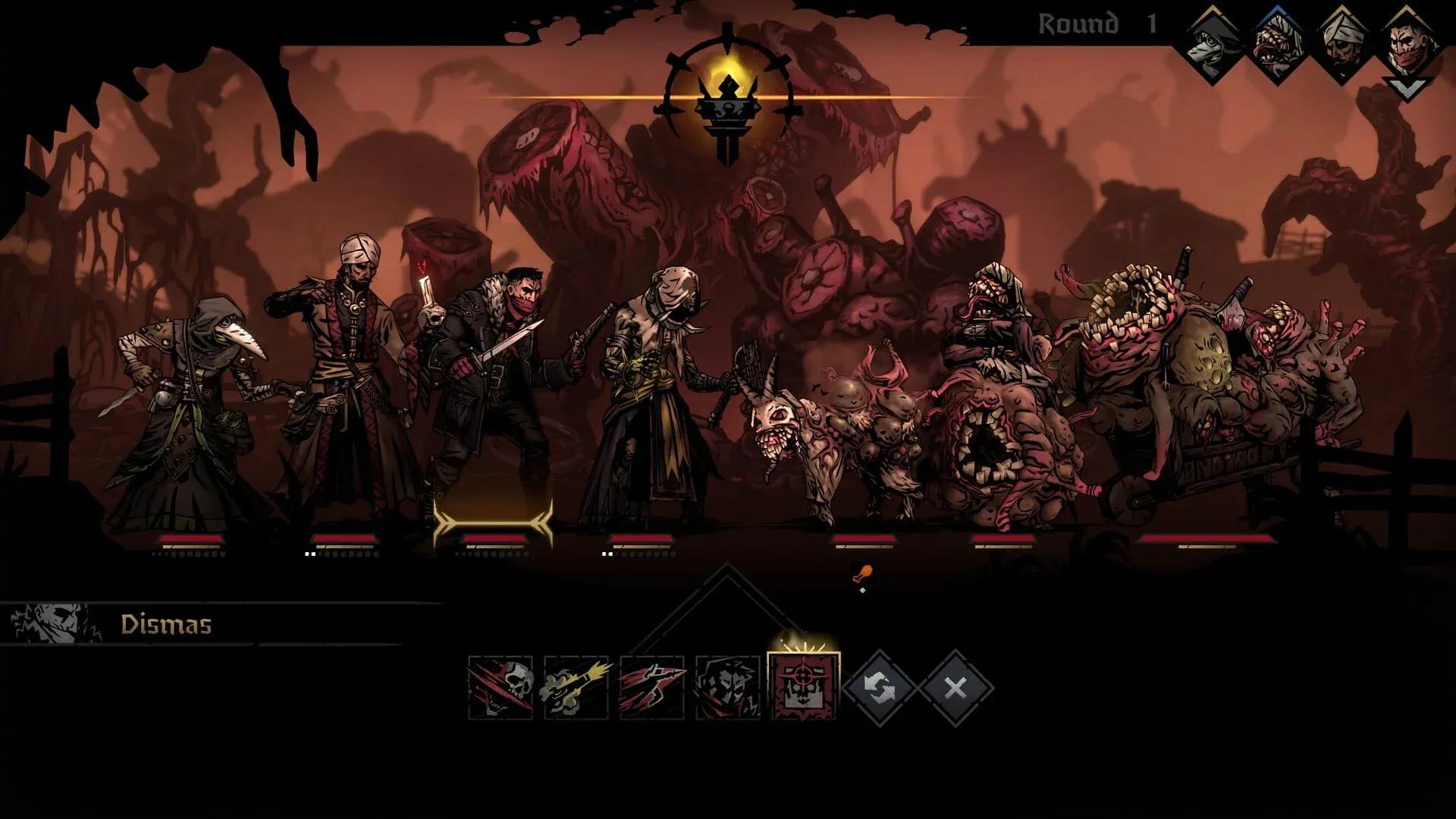
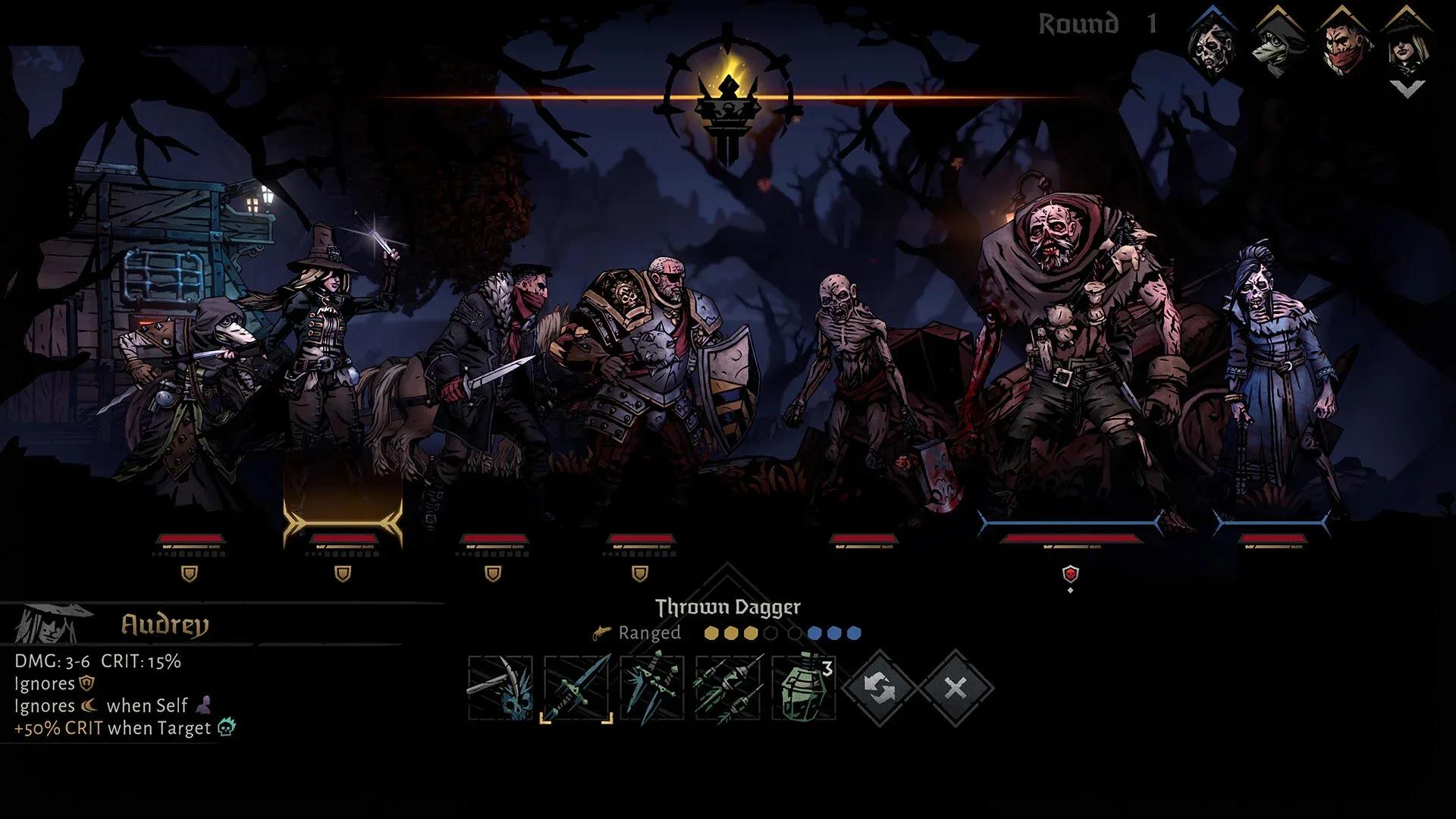
Red Hook Studios crafted this sequel as a standalone vision rather than a simple expansion of mechanics. The gothic art style receives a stunning overhaul with full 3D character models that retain the distinctive hand-drawn aesthetic fans recognize. Combat remains turn-based and position-dependent, but the surrounding systems undergo radical transformation. Each expedition functions as a complete run, with heroes carrying trauma and relationships that persist until death or victory.
How Does the Affinity System Change Combat?
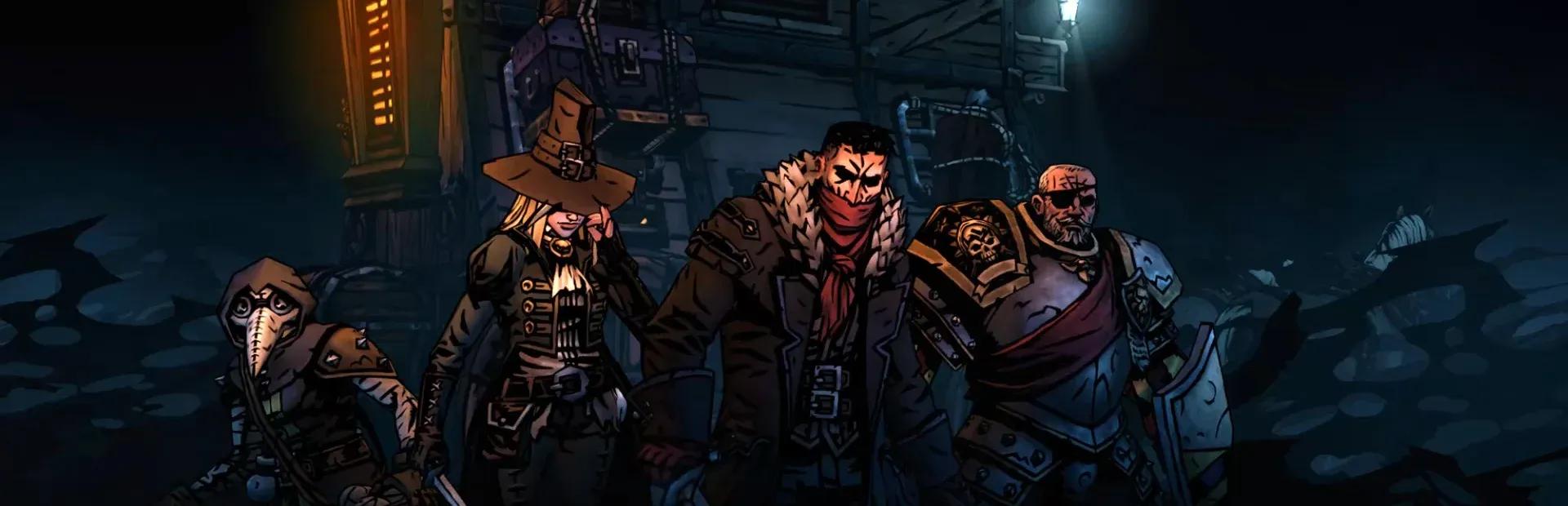
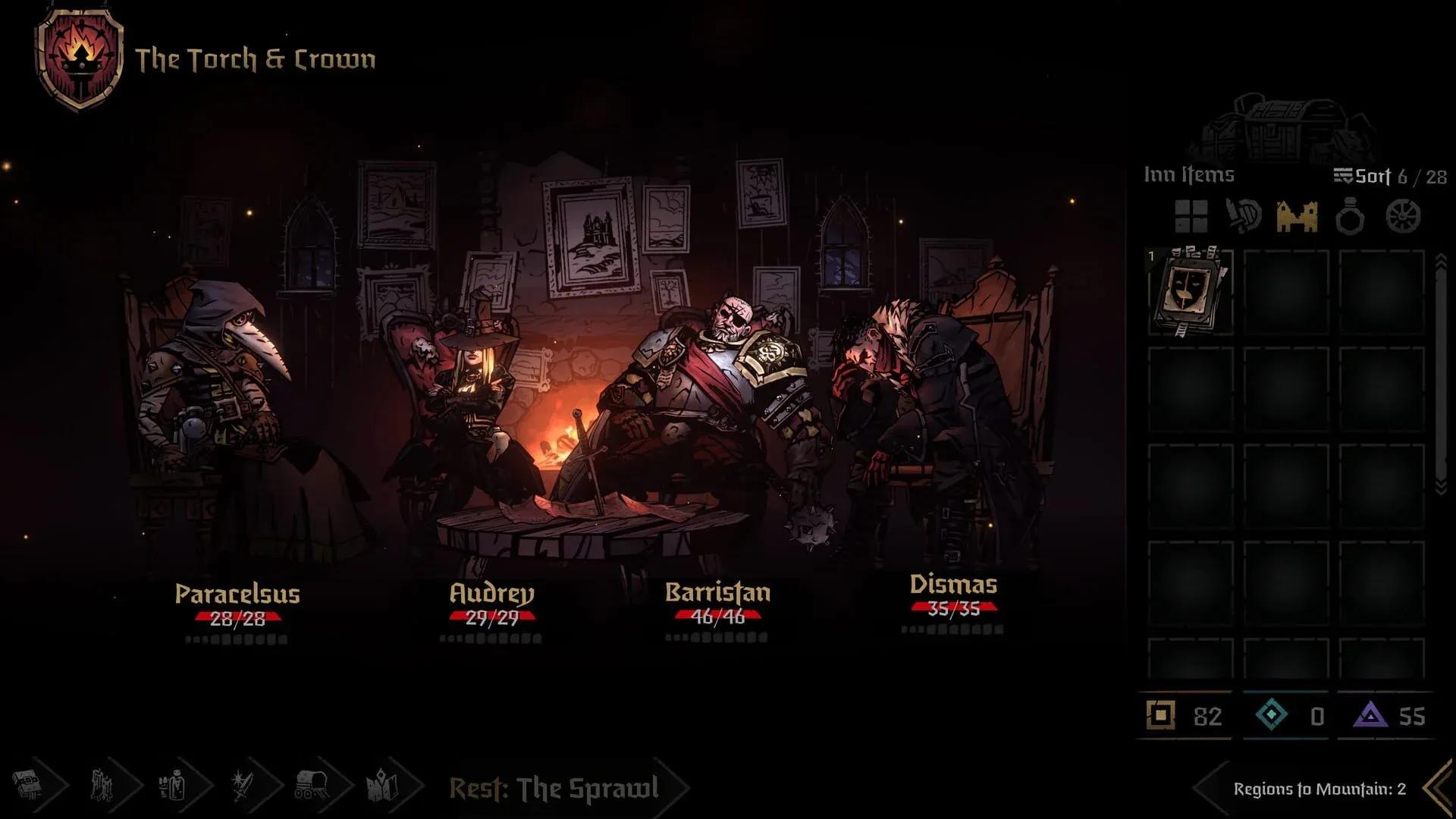
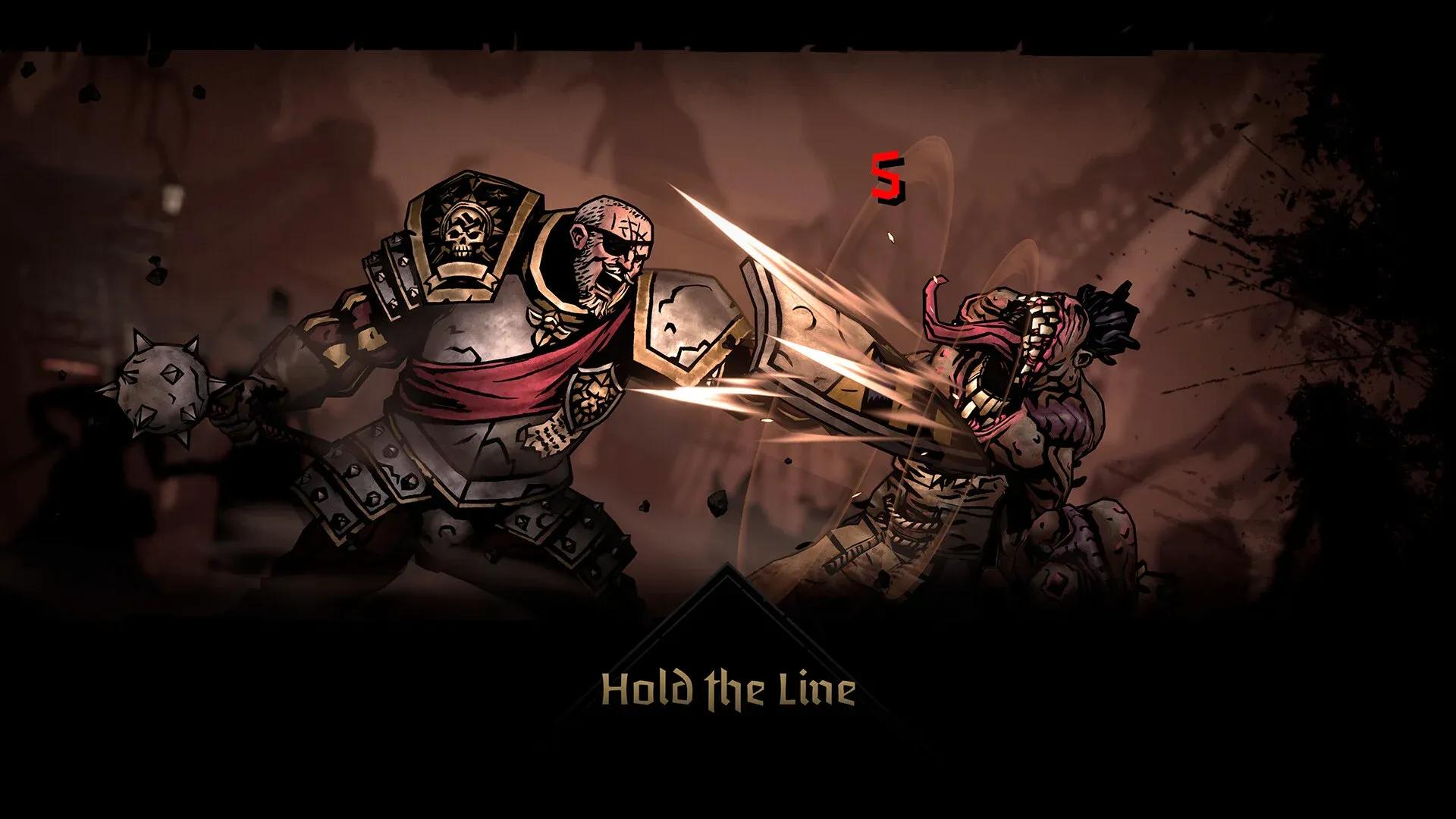
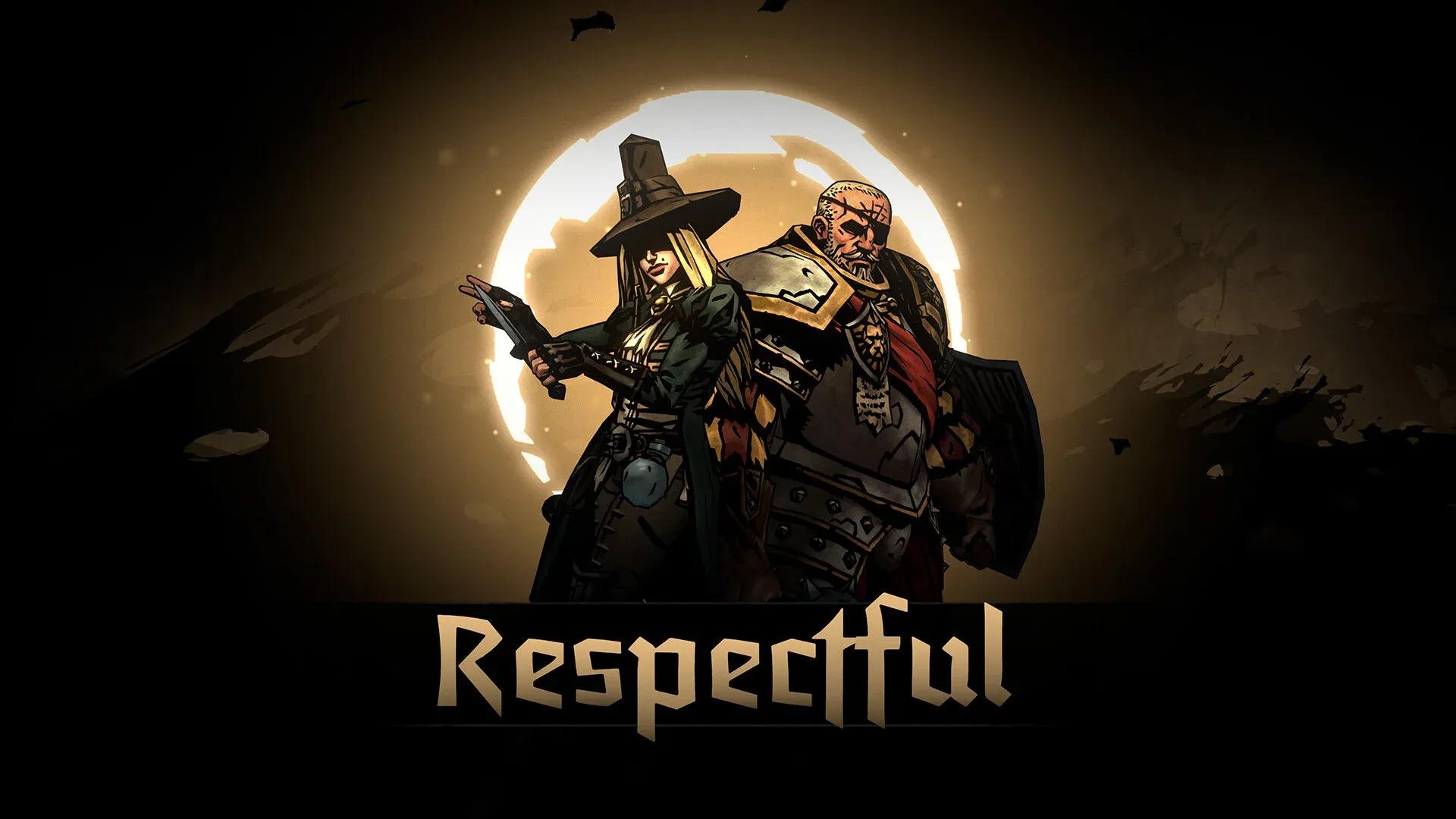
The relationship system represents the most significant mechanical evolution in Darkest Dungeon II. Heroes develop positive and negative affinities toward each other based on combat decisions, travel events, and stress management. A Plague Doctor who repeatedly heals an injured Highwayman might develop a protective bond, granting combat bonuses when fighting alongside each other. Conversely, a Man-at-Arms blamed for a failed expedition could become resentful toward teammates, potentially refusing to assist them during critical moments.
Darkest Dungeon® II
- Positive relationships unlock cooperative combat abilities
- Negative affinities trigger harmful interruptions mid-battle
- Stress affects relationship stability dramatically
- Inn visits provide opportunities to repair bonds
- Hero backstories influence relationship tendencies
Darkest Dungeon® II
This interconnected web of emotions transforms party composition into a delicate balancing act. The strongest tactical lineup might implode due to interpersonal conflicts, while a mechanically weaker team could excel through mutual support and trust.
World & Setting
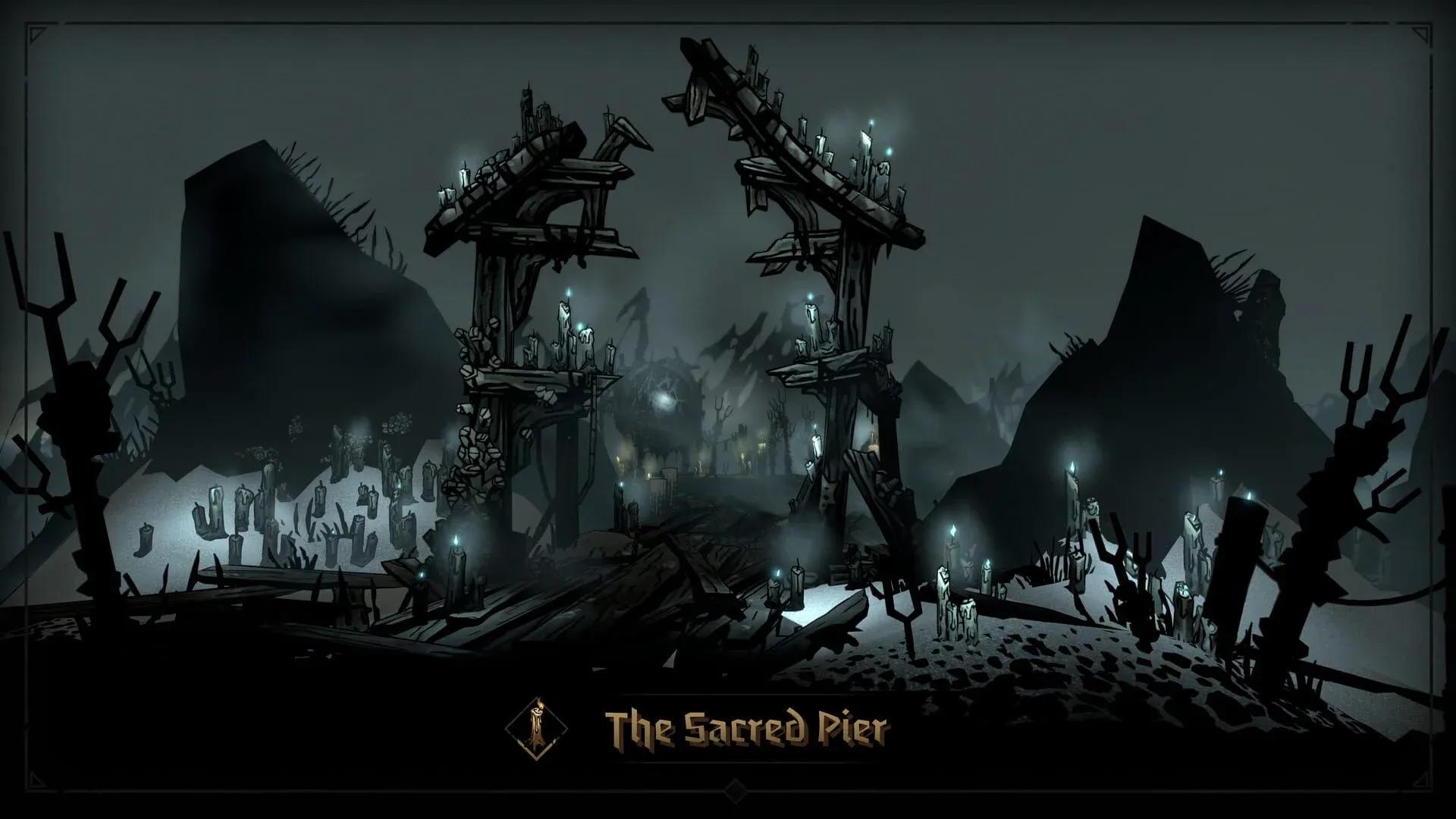
The journey spans five distinct regions, each presenting unique environmental hazards and thematic horrors. Decaying farmlands give way to flooded ruins, tangled forests, and worse. The stagecoach serves as a mobile sanctuary, though one constantly under threat from roadside ambushes and the relentless march toward oblivion.
Darkest Dungeon® II
Environmental storytelling replaces direct narrative exposition throughout most of the experience. Ruined villages, desperate survivors, and cryptic shrines paint a picture of civilization's collapse without lengthy cutscenes interrupting the action. Hero memories, unlocked through repeated expeditions, gradually reveal individual backstories that contextualize their skills and psychological vulnerabilities.
What Makes Each Run Feel Different?
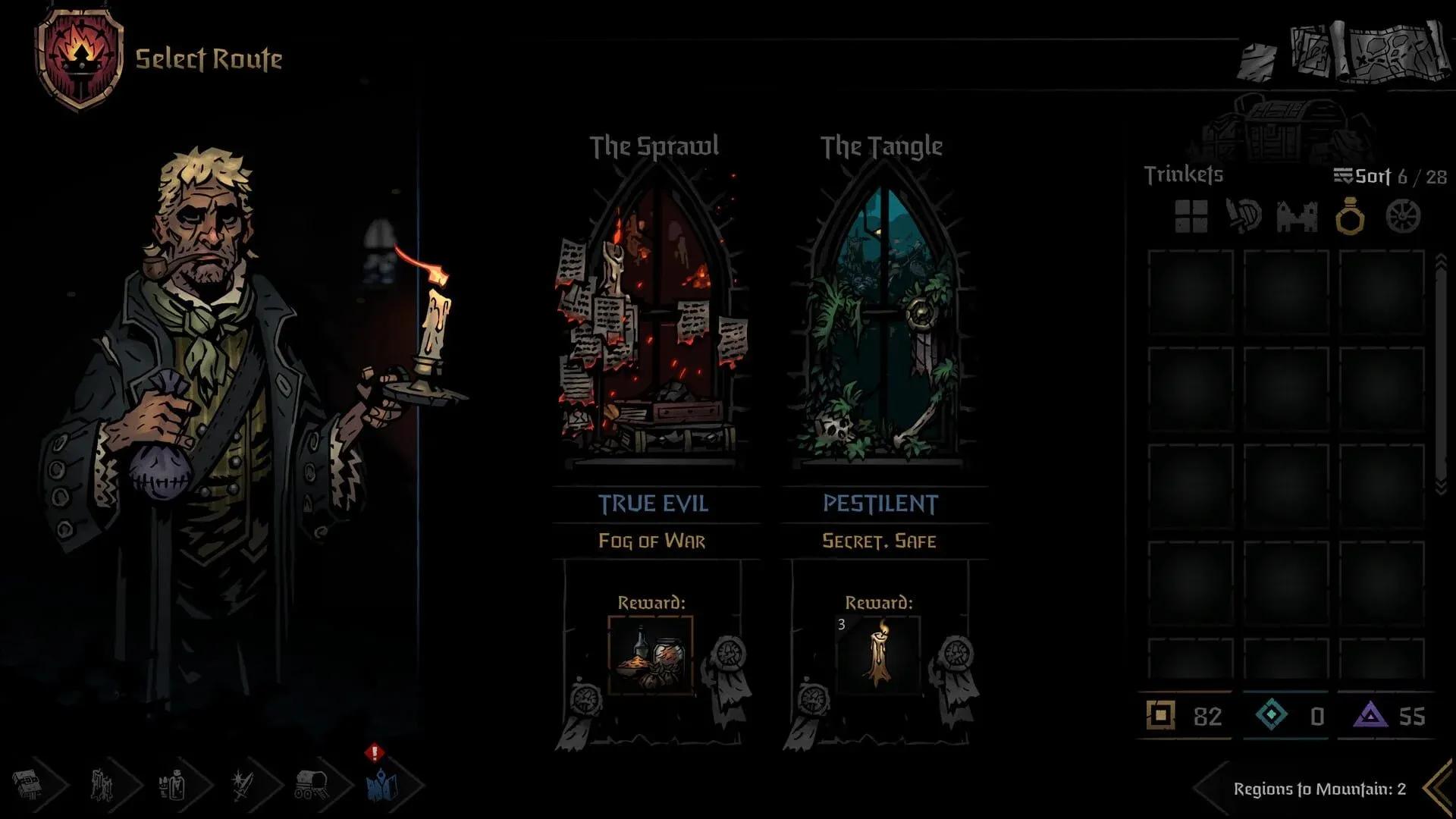
Procedural generation ensures no two expeditions follow identical paths. Route selection at crossroads forces meaningful choices between combat encounters, treasure opportunities, healing locations, and narrative events. The looming threat of the Stagecoach's limited resources—torches, food, and medical supplies—transforms every fork in the road into a calculated risk.
Darkest Dungeon® II
Hero progression operates on a meta-level across multiple runs. Unlocking new abilities, trinkets, and even additional heroes requires completing specific objectives during expeditions. Failure contributes to long-term progress, softening the sting of defeat while maintaining genuine stakes within each individual attempt.
Technical Achievement
Cross-platform availability brings the nightmare to Windows, macOS, PlayStation, Xbox, and Nintendo Switch. The transition to 3D graphics maintains remarkable visual fidelity across all platforms while enabling dynamic camera angles during combat that heighten dramatic moments. Wayne June's iconic narration returns, delivering grim commentary that punctuates pivotal moments without overwhelming the experience.
| Requirement | Minimum | Recommended |
|---|---|---|
| OS | Windows 10 | Windows 10 |
| Processor | AMD Athlon X4 | Intel Core i5 4460 | i7 6700k |
| Memory | 8 GB RAM | 16 GB RAM |
| Graphics | Nvidia GTX 950 | AMD R7 370 | - |
Conclusion
Darkest Dungeon II stands as a bold reinvention of tactical roguelike design. The relationship system adds unprecedented emotional depth to turn-based combat, while the road-trip structure creates natural tension and pacing absent from traditional dungeon crawlers. Red Hook Studios successfully evolved their gothic horror RPG formula without abandoning the punishing difficulty and atmospheric dread that defined the original. For players seeking a strategy game that challenges both tactical thinking and emotional management, this nightmare road trip delivers an unforgettable experience.