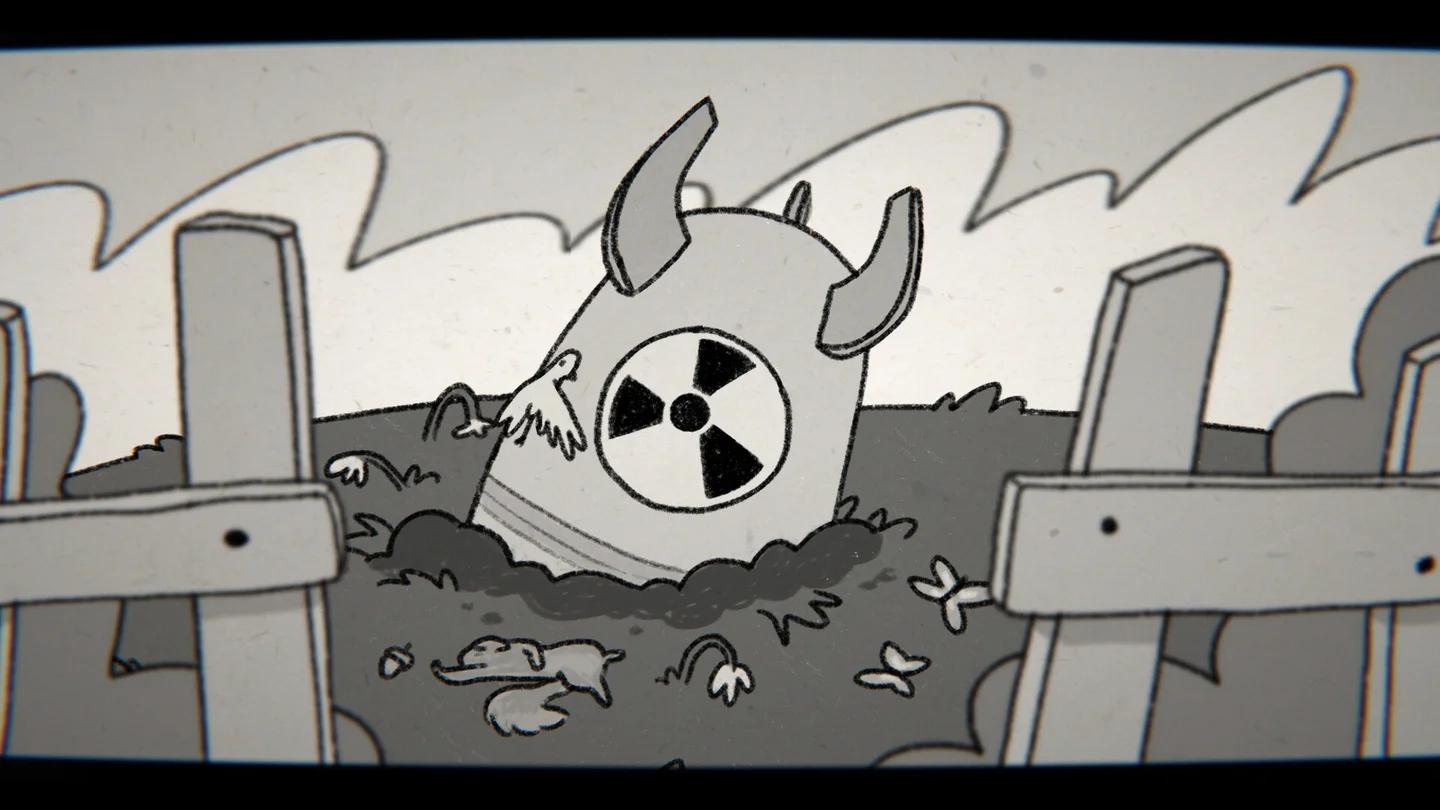

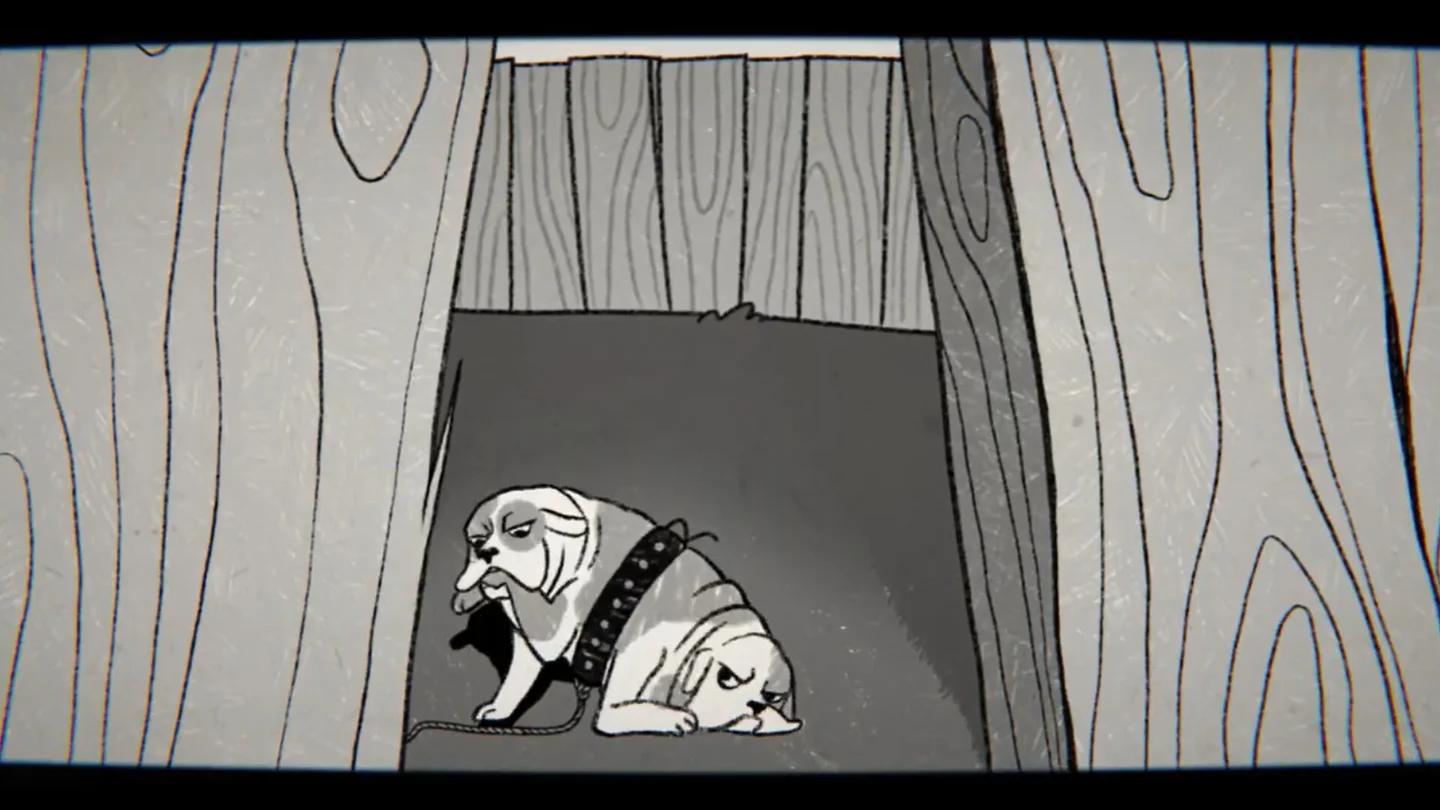
Overview
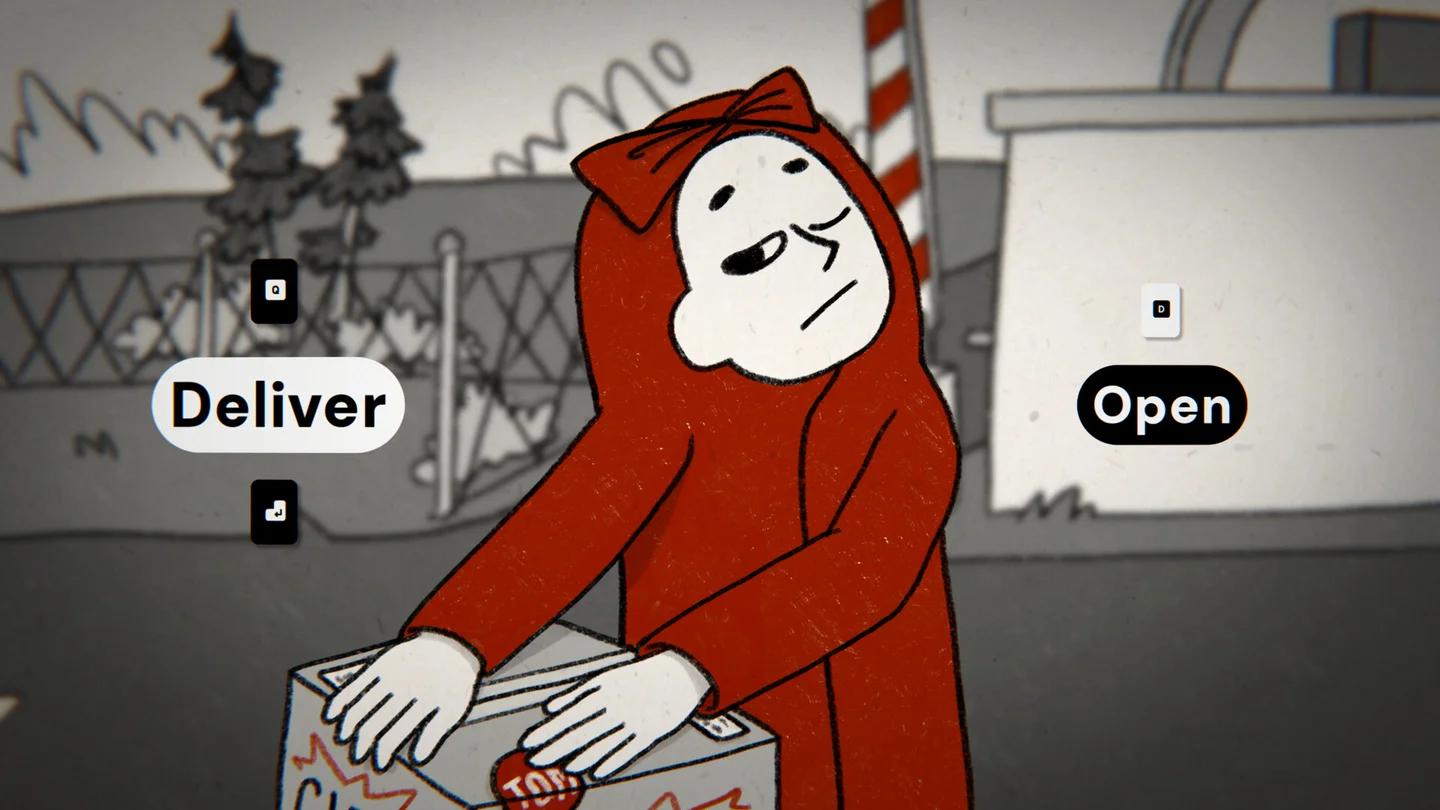
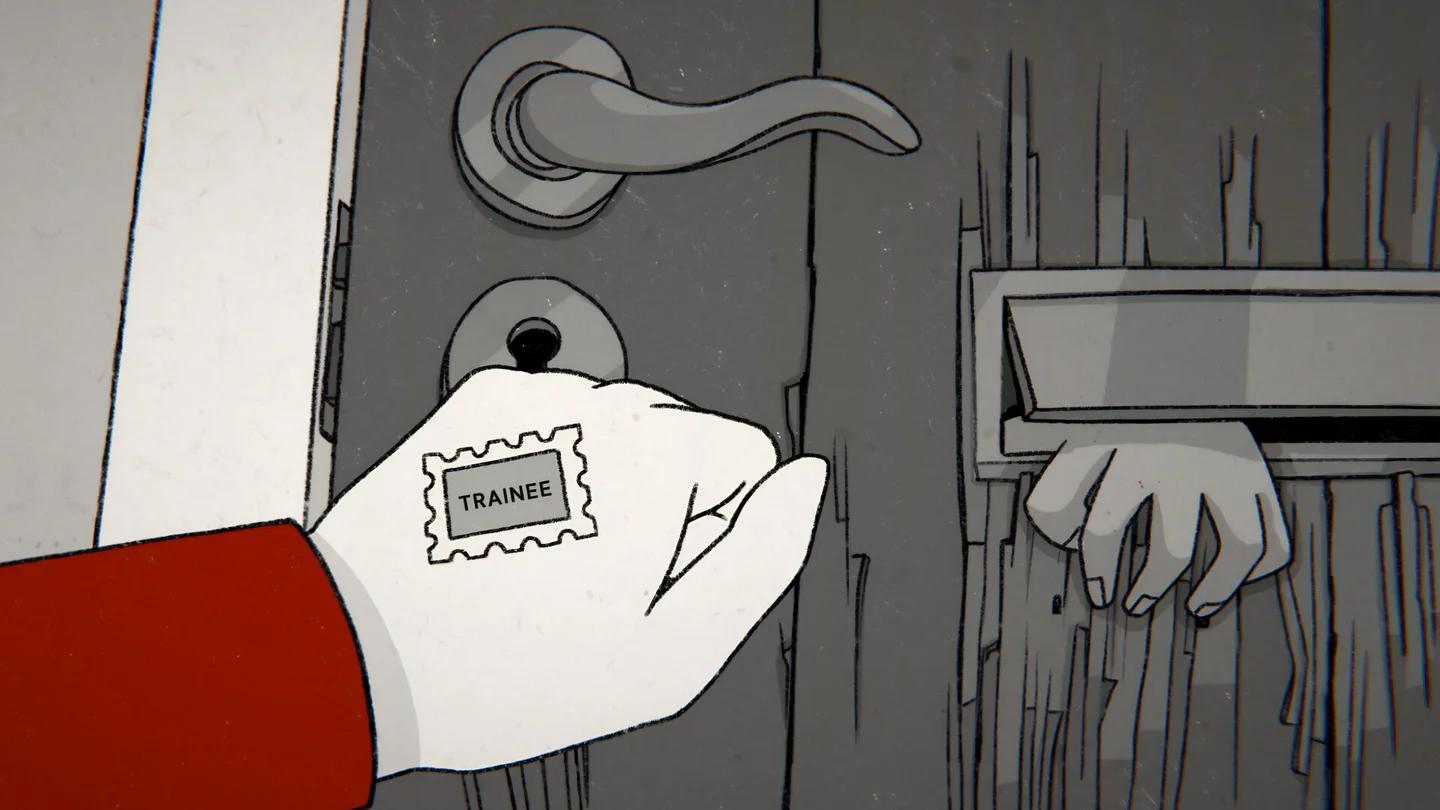
Tom the Postgirl, developed by Oopsie Daisies and published by ARTE France, is a hand-drawn adventure game where the protagonist's job description and her actual behavior have almost nothing in common. Tom is the village's new postgirl, and while she does deliver packages, her real passion is peering through windows, cracking open doors, and generally making herself everyone's uninvited houseguest. The result is a narrative-driven experience built around curiosity, transgression, and a cast of residents who are deeply, enthusiastically unhinged.
The village itself functions as the game's core puzzle. Every delivery is a doorstep opportunity, and what the locals do once they close that door is far more interesting than whatever was in the box. Chainsaw-wielding hippies, party-obsessed priests, and an orphanage that operates like a kennel are just a few of the households Tom gets to investigate. The game frames human nature as its subject matter, and it leans into that premise without flinching.
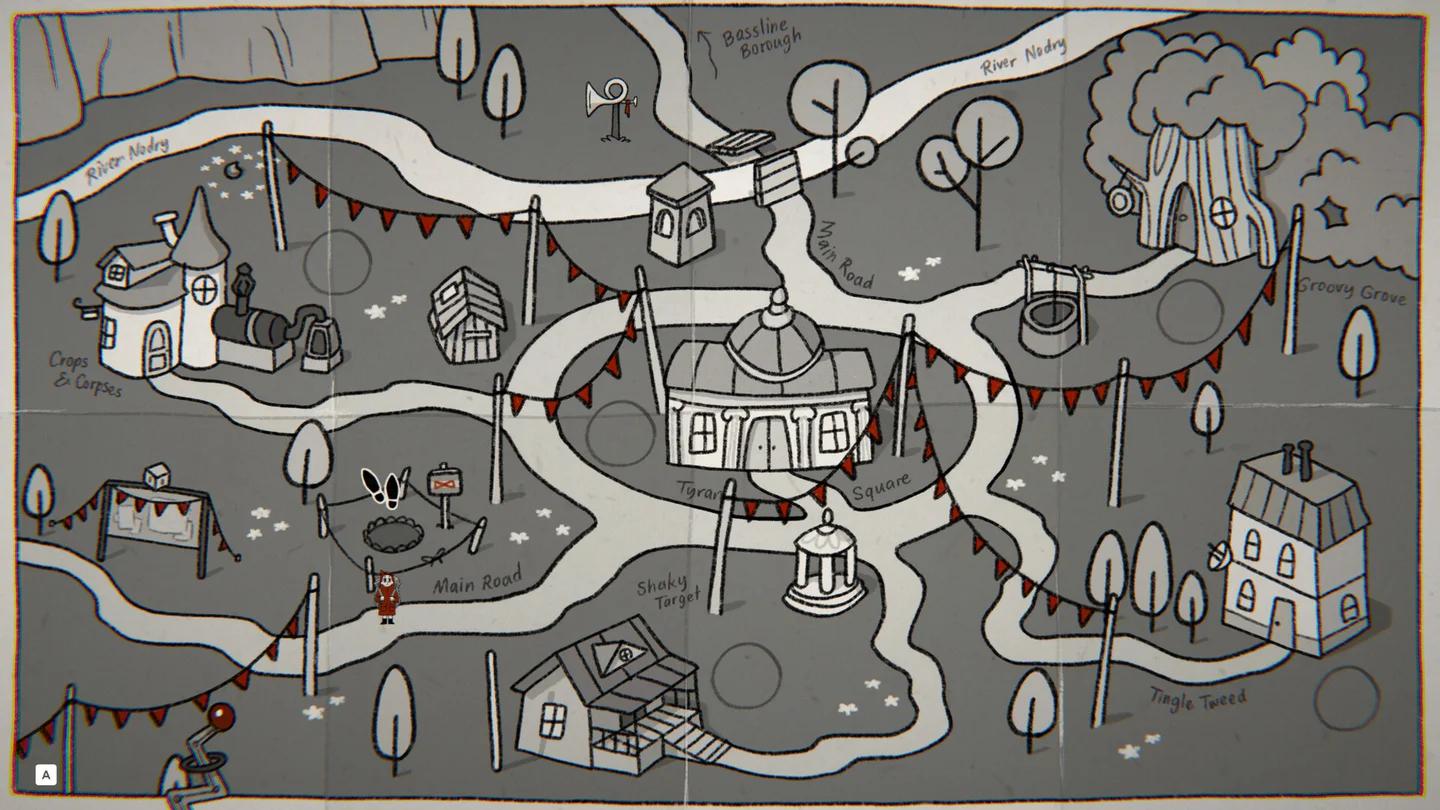
Gameplay and mechanics: walk and stalk
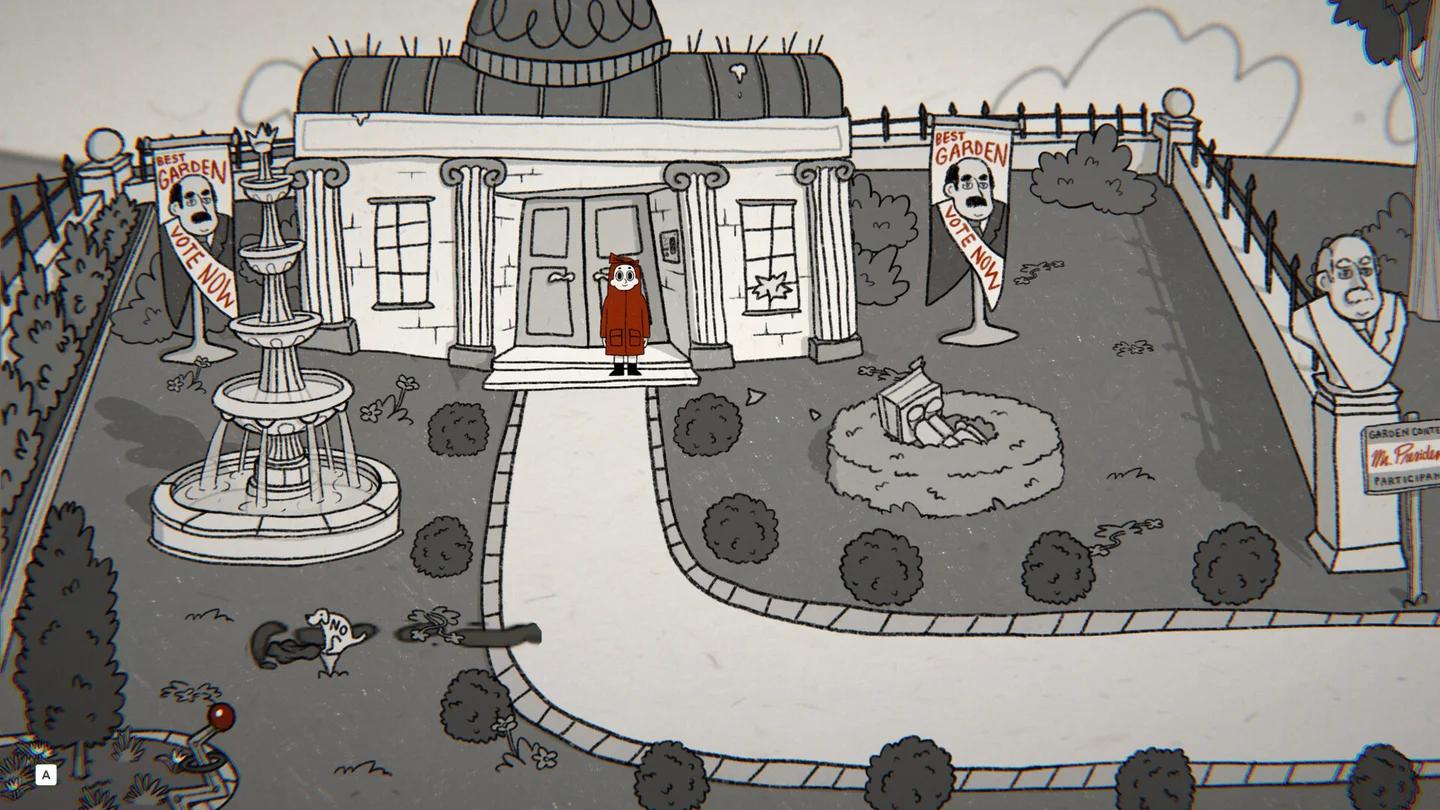
Tom the Postgirl replaces the point-and-click genre's traditional puzzle solving with something more transgressive. The core loop involves exploring the village, finding vantage points, and observing residents through windows, cracks in walls, and gaps in fences. Interaction goes beyond passive watching, though. Players can open packages, trample garden flowers, cut hedges, and steal decorations. The game actively encourages misbehavior.

Key mechanics include:
- Voyeurism-based exploration with hidden observation points
- Destructible or stealable environmental objects
- Branching approaches that range from cautious to chaotic
- Animal NPCs with their own strange storylines
- Replayable scenes with details that change on return visits
The frame-by-frame animation style reinforces the game's unsettling rhythm. Even mundane moments carry a slightly off quality, which makes the genuinely disturbing scenes land harder by contrast.
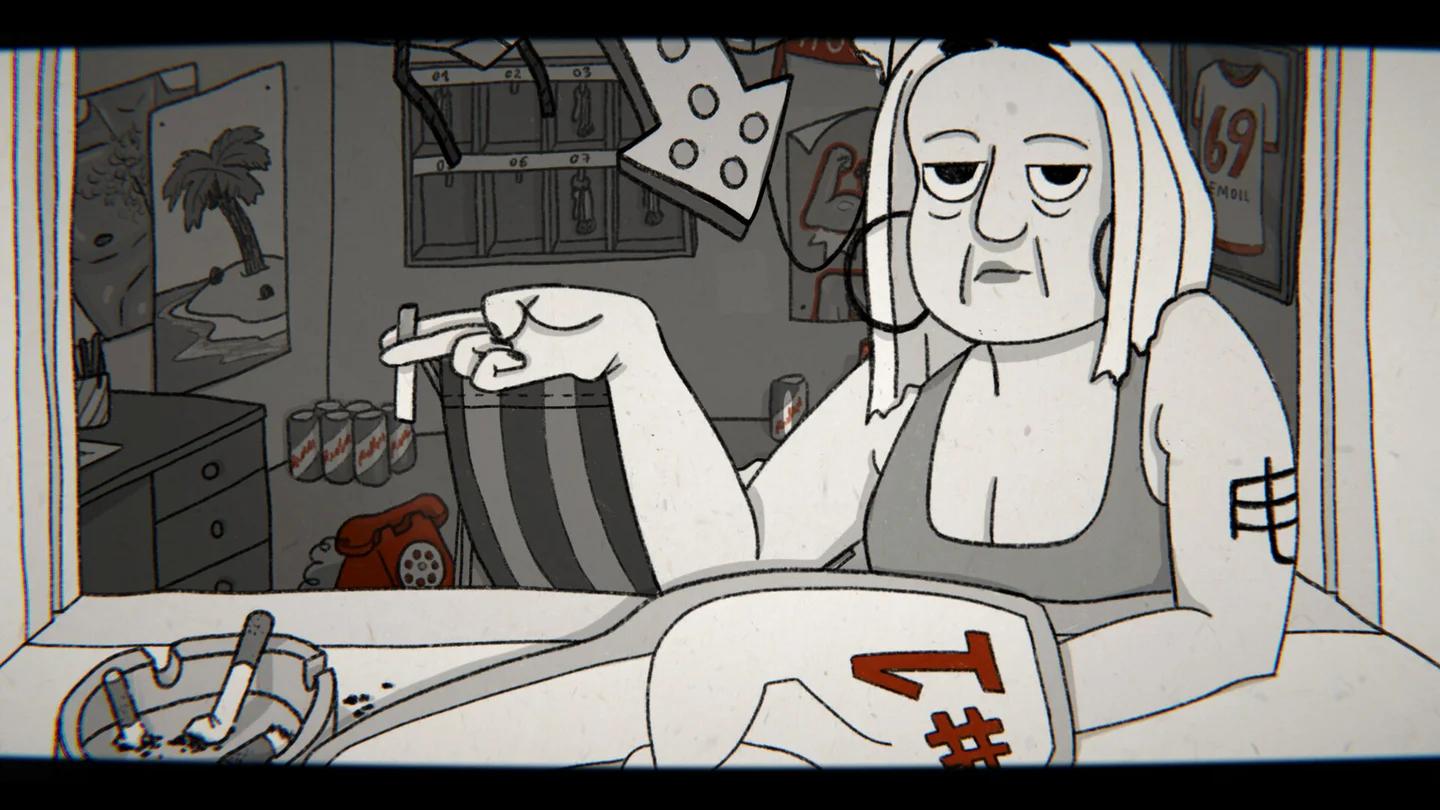
Visual and audio design: black, white, and deeply wrong
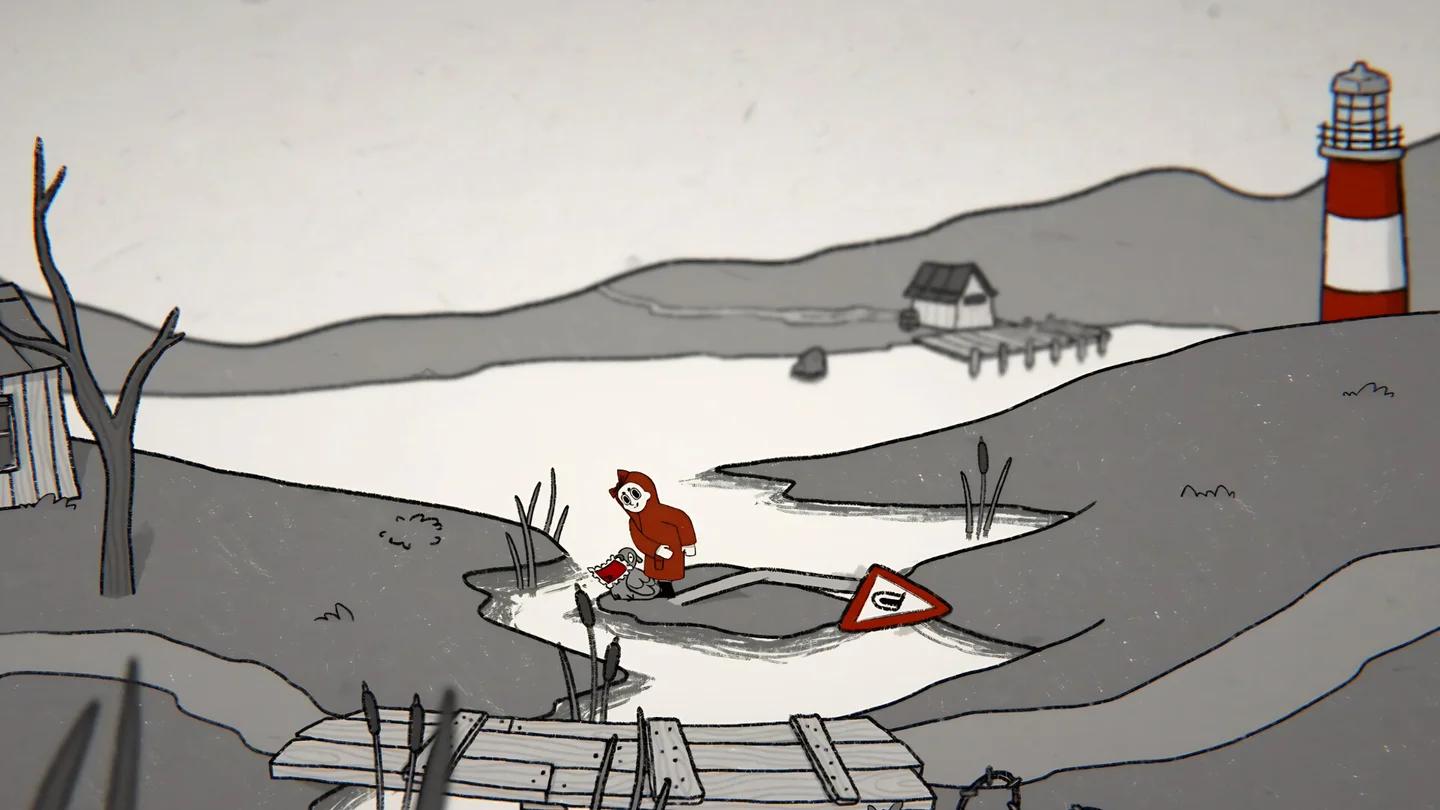
The art direction in Tom the Postgirl is one of its most distinctive choices. Everything is rendered in hand-drawn black-and-white, giving the game the surface appearance of a children's storybook. That visual calm sits in direct tension with the content it contains, and that tension is the point. The aesthetic owes something to early animation and Adult Swim's particular brand of cute-but-wrong, and the frame-by-frame technique gives characters a jerky, slightly hypnotic quality.
The result is a game that looks approachable right up until it isn't. The monochrome palette also keeps the focus on character expression and environmental detail, which matters when the entire game is built around noticing things.
Does Tom the Postgirl have replayability?
Yes, and it's built into the design rather than bolted on. Each playthrough of a scene can reveal details that were present but easy to miss on a first pass. Players who approach situations more carefully will find different information than those who barrel through causing damage. The game doesn't lock content behind a single correct path; it rewards both restraint and recklessness with different outcomes.
The animal NPCs add another layer to this. Drug-dealing pigeons in the cemetery, a wandering cowboy worm, and a grumpy squirrel all exist outside the main human drama and have their own observable behavior. Missing them entirely on a first run is easy. Finding them on a second is the kind of discovery that makes a short game feel larger than its runtime suggests.