Overview
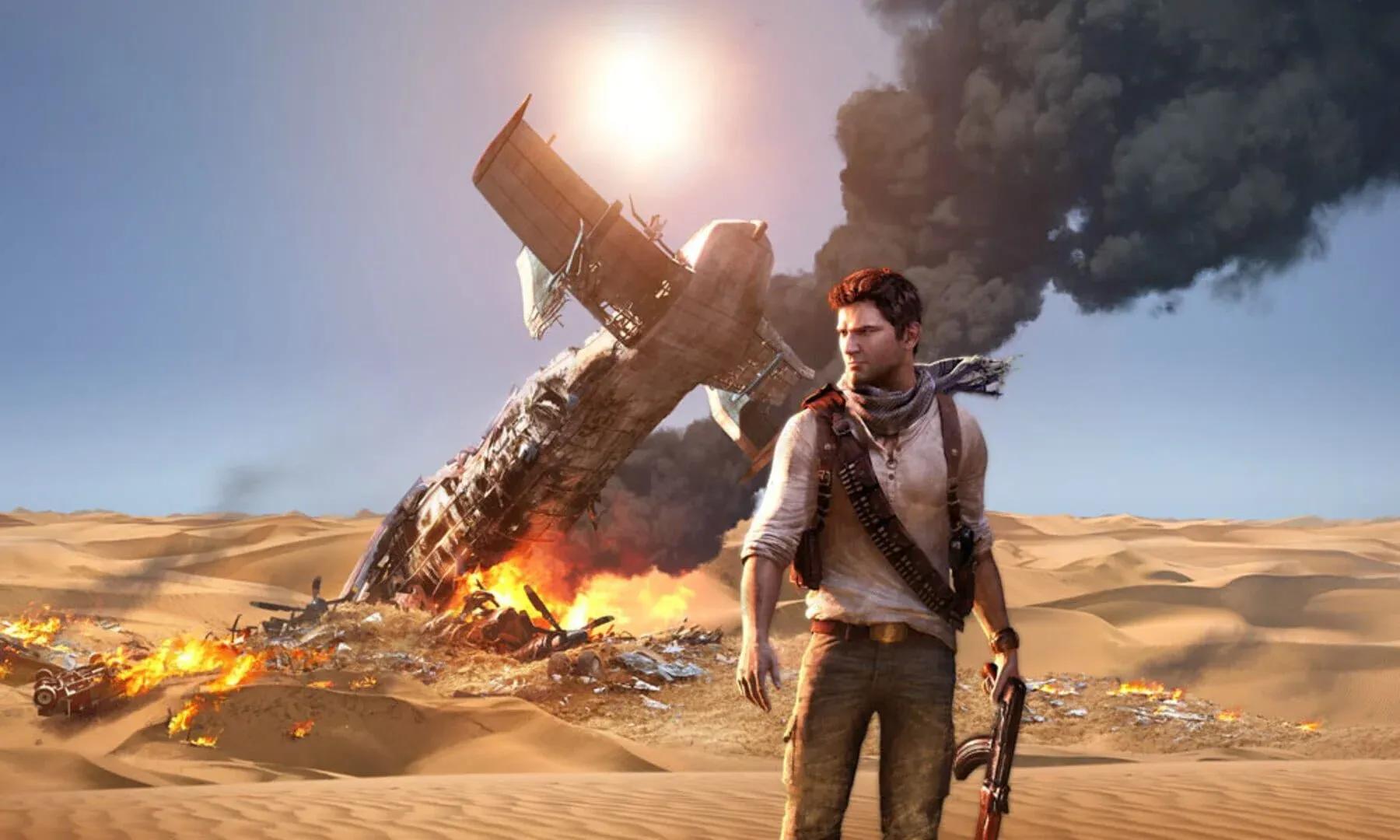
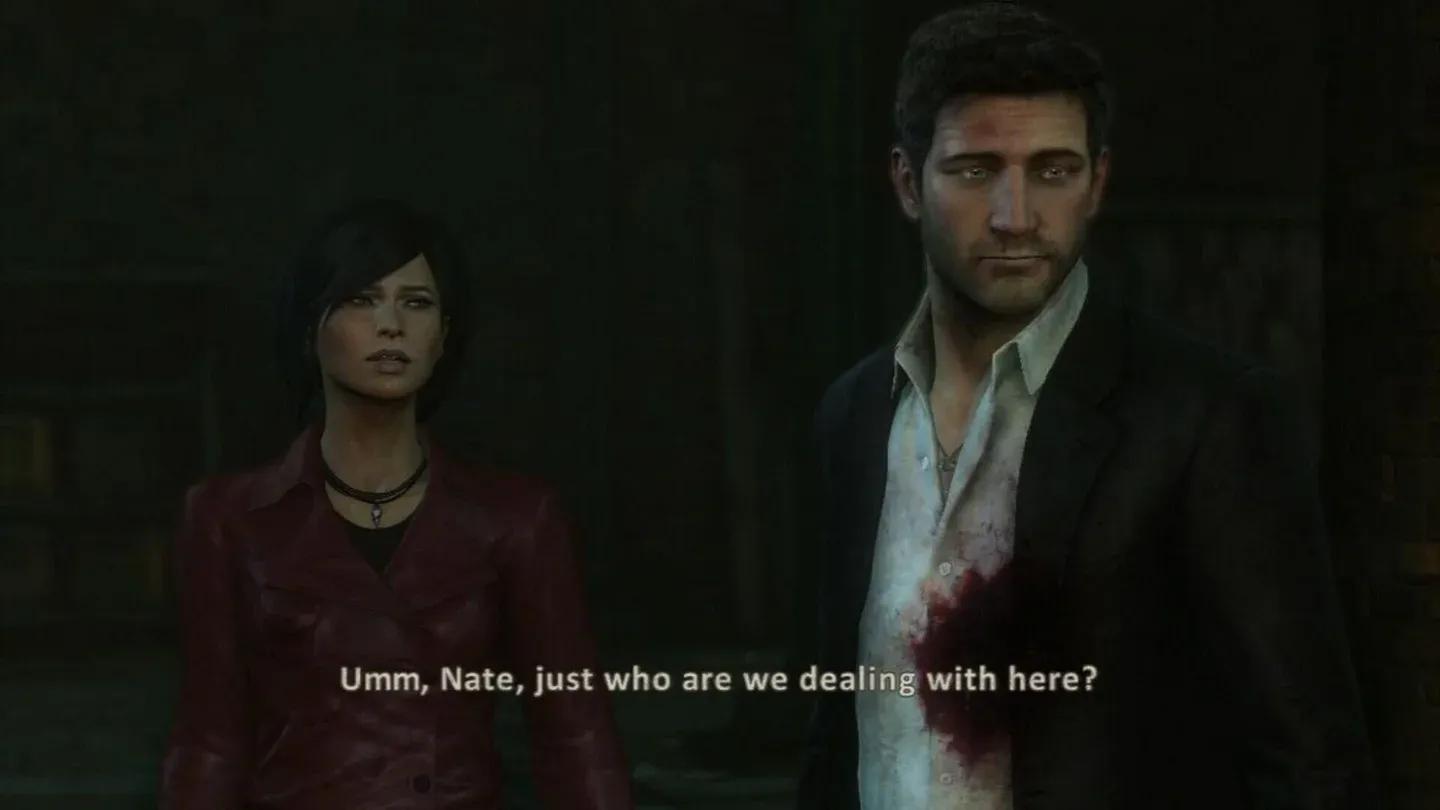
Uncharted 3: Drake's Deception, released in November 2011 by Naughty Dog for PlayStation 3, follows fortune hunter Nathan Drake and his mentor Victor Sullivan as they chase the legend of Iram of the Pillars, a mythical city buried somewhere in the Arabian Desert. The antagonist, Katherine Marlowe, leads a shadowy cabal that has been hunting the same prize for decades, and her history with Drake's lineage gives the conflict a personal weight that the series had been building toward. The result is a third-person action-adventure game that blends cover-based shooting, hand-to-hand combat, and environmental platforming across some of the most varied locations the series has attempted.
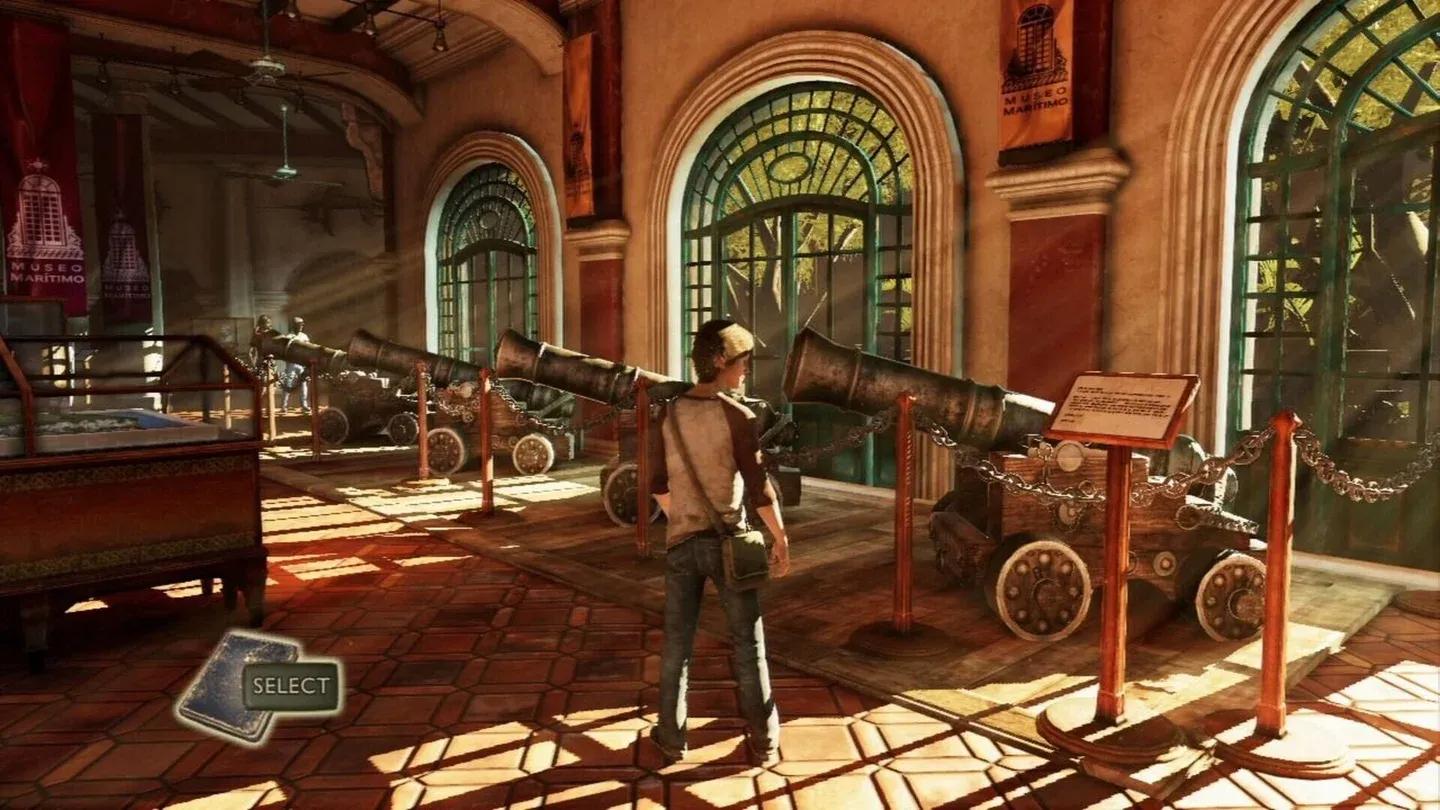
The story opens with a flashback that reframes Drake and Sully's entire relationship, showing a teenage Nate pickpocketing Sully in Cartagena before the two form their unlikely partnership. That structural choice pays off throughout the campaign, which keeps cutting back to establish why these characters will risk everything for each other. Nolan North and Richard McGonagle carry those scenes with performances that feel grounded rather than theatrical, which is genuinely rare for the genre.
Gameplay and mechanics
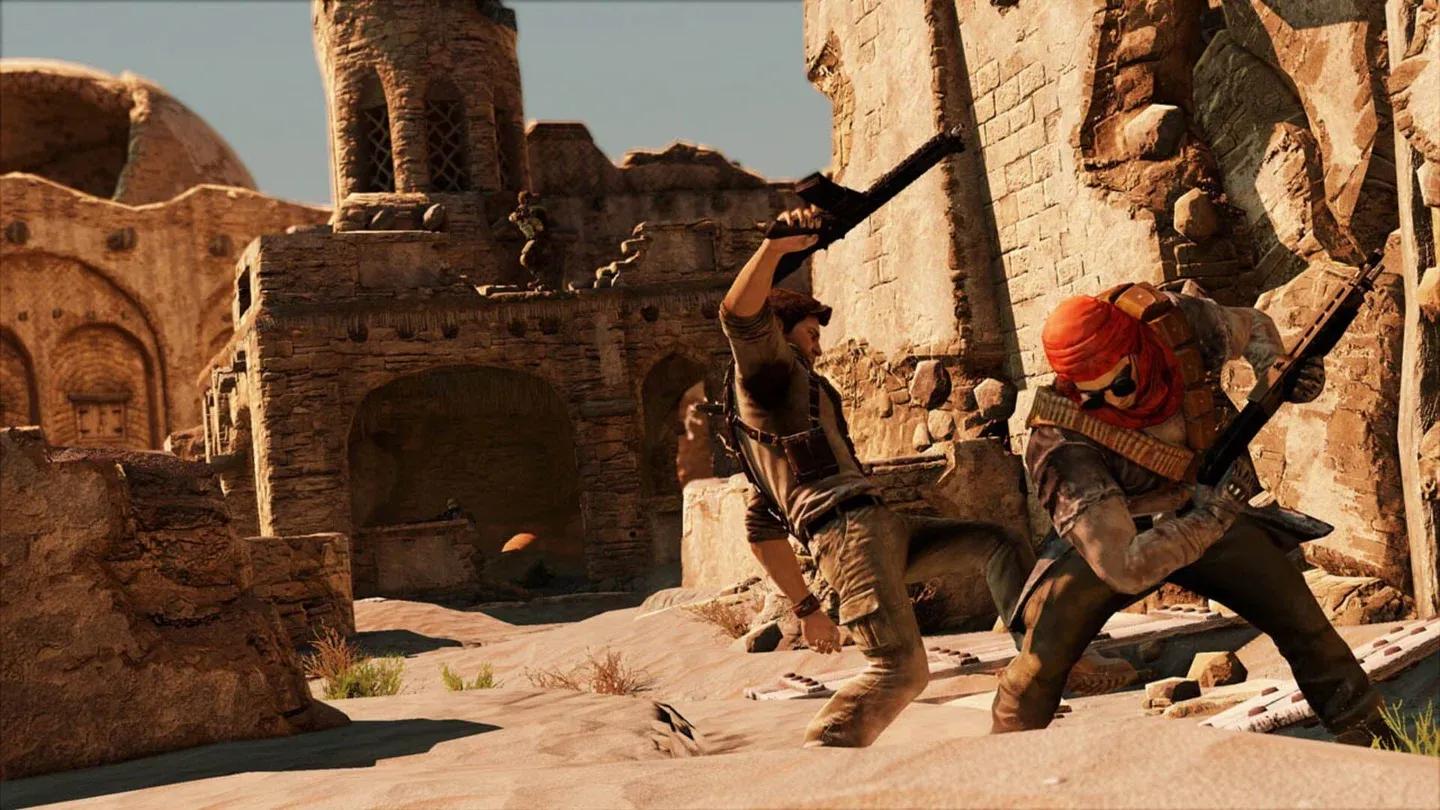
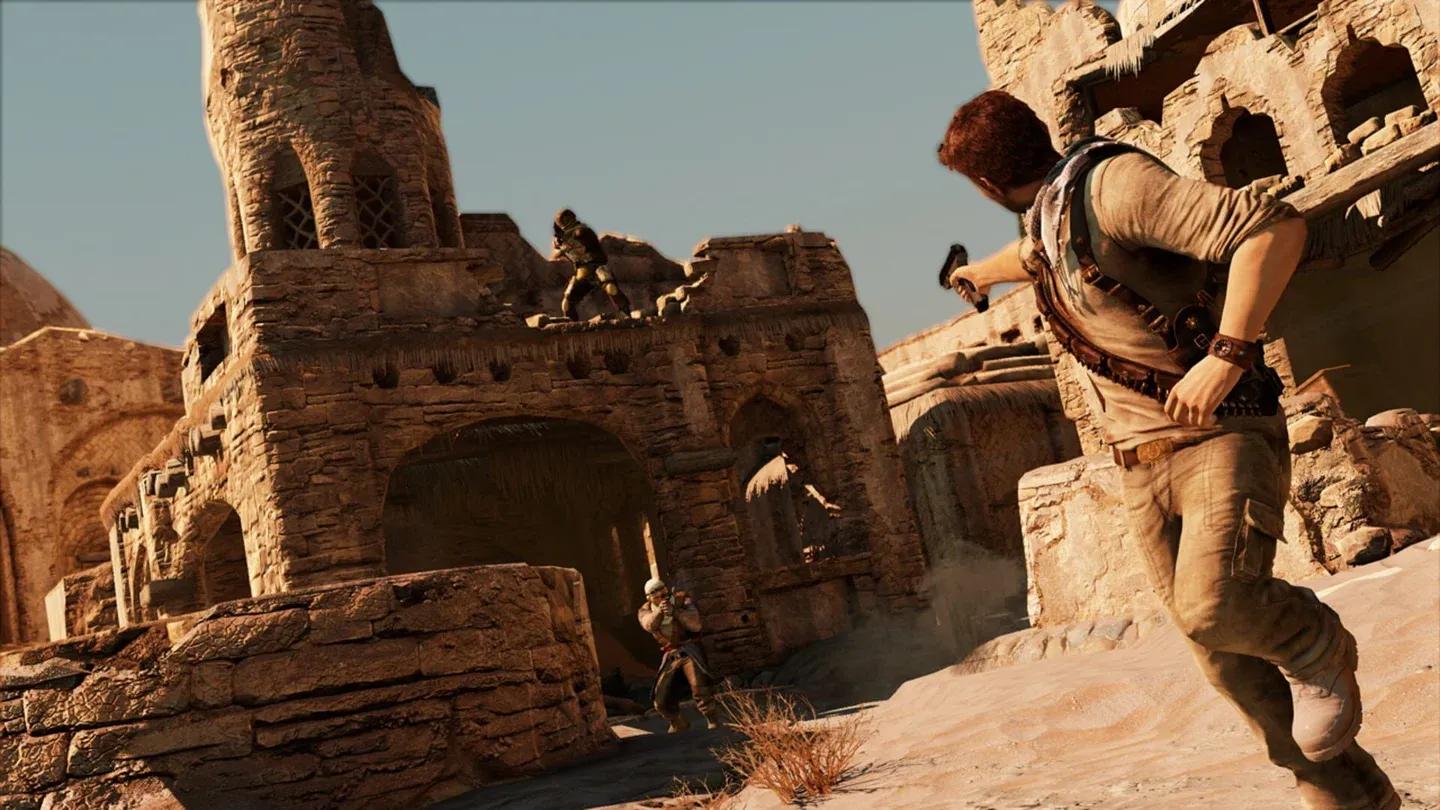
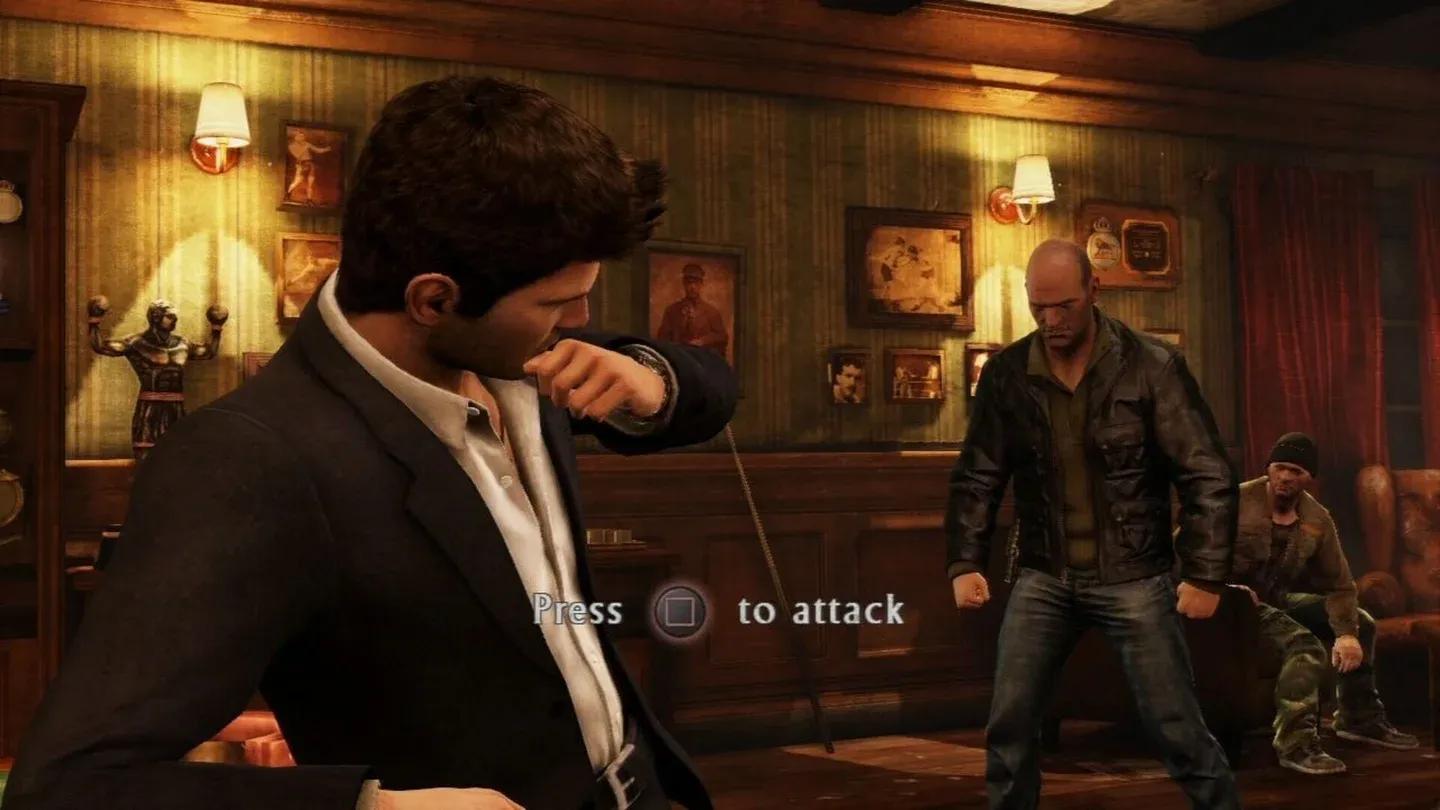
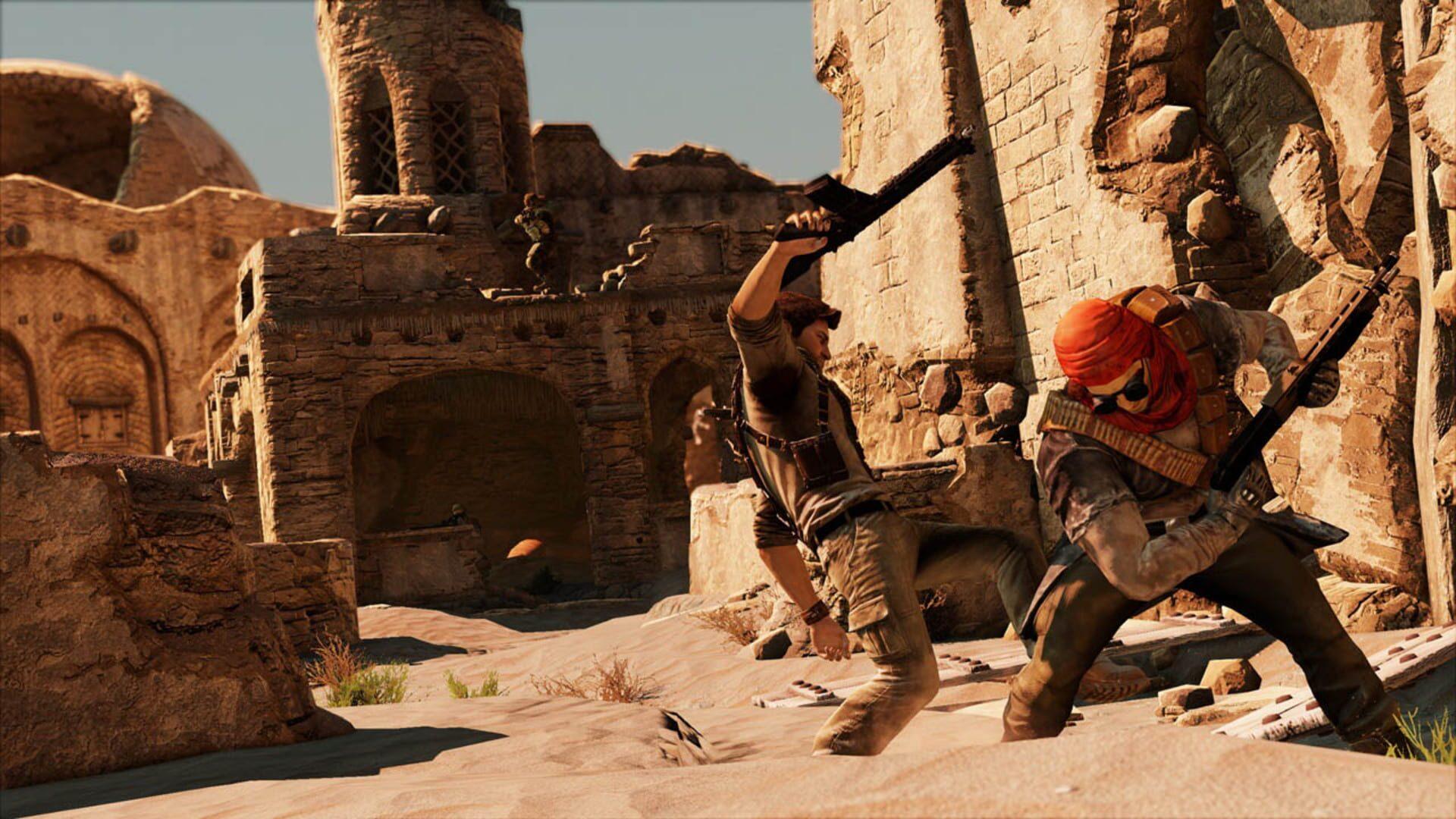
The core loop of Uncharted 3 will feel familiar to anyone who played the first two games, but Naughty Dog tightened several systems for this entry. Drake moves through third-person environments, using waist-high cover to manage firefights, climbing hand-holds to navigate vertical spaces, and solving light environmental puzzles to progress. The hand-to-hand combat received a notable rework, adding contextual counter-attacks that let Drake use nearby objects and scenery mid-brawl.

Key mechanics across the campaign include:
- Cover-based shooting with weapon pickups
- Freerunning and ledge-climbing traversal
- Contextual melee and counter system
- Environmental puzzle-solving
- Stealth takedowns in select encounters
The game also introduced a Fortune Hunter mode that placed hidden treasures throughout each chapter, rewarding thorough exploration with cosmetic unlocks and collectible metadata tied to Drake's journal.
World and setting
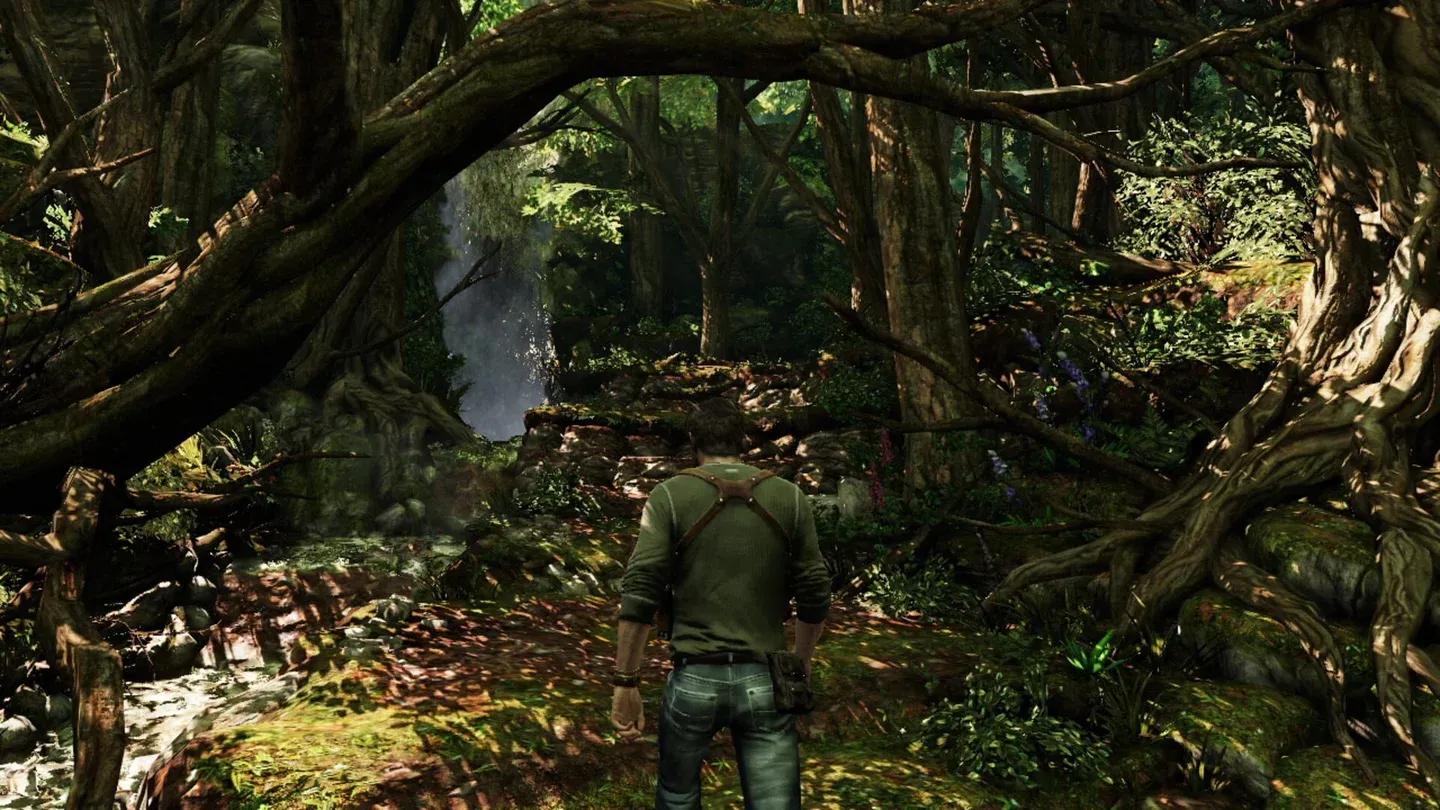
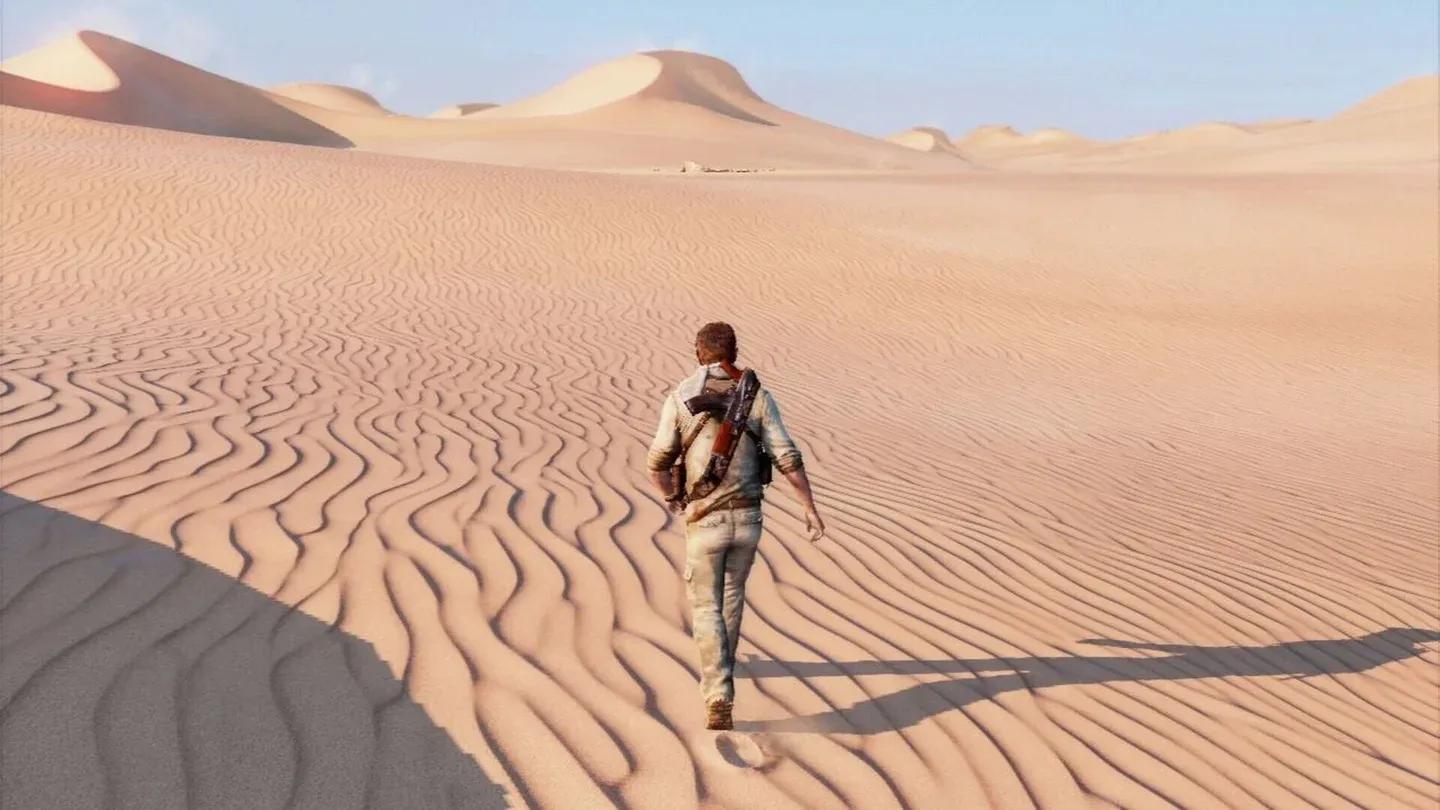
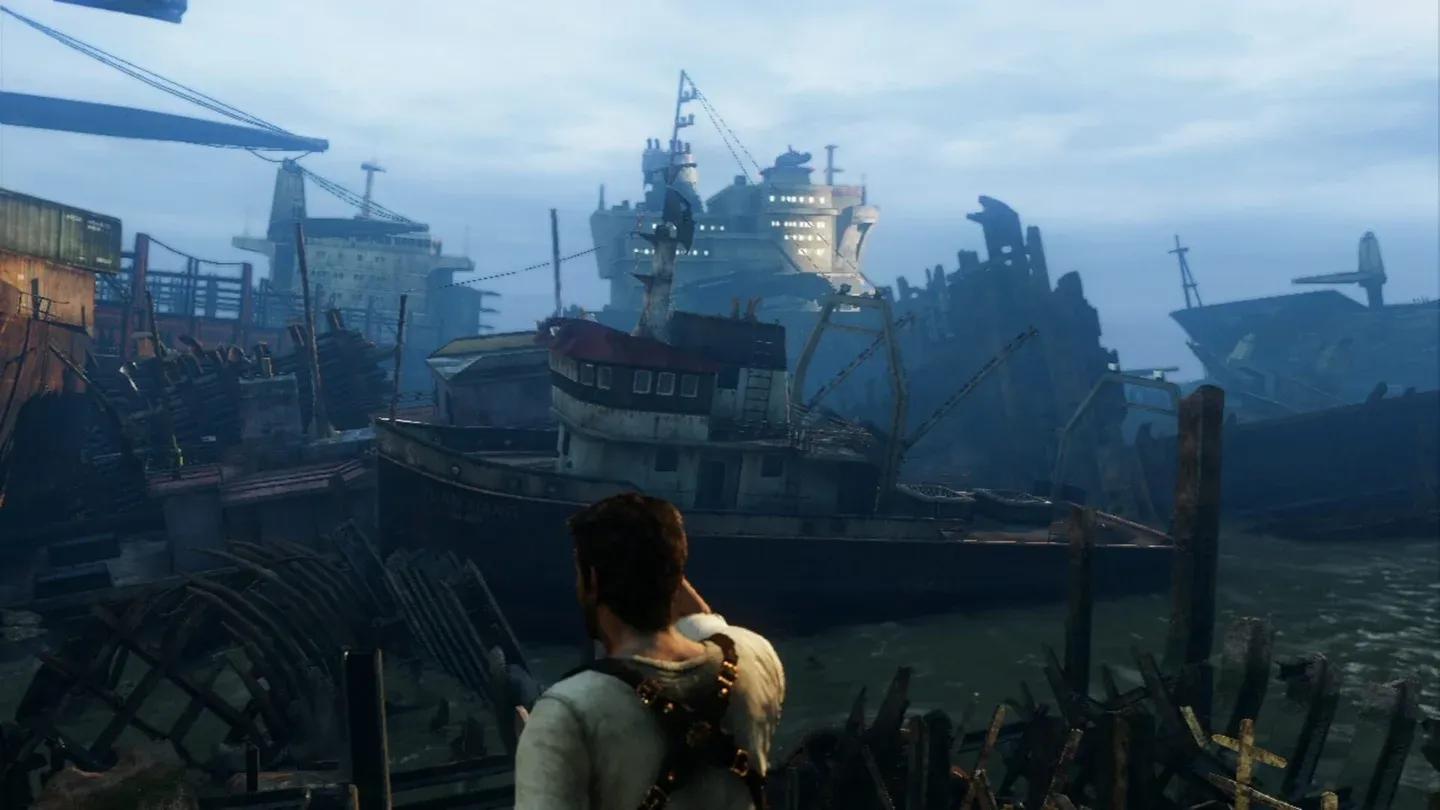
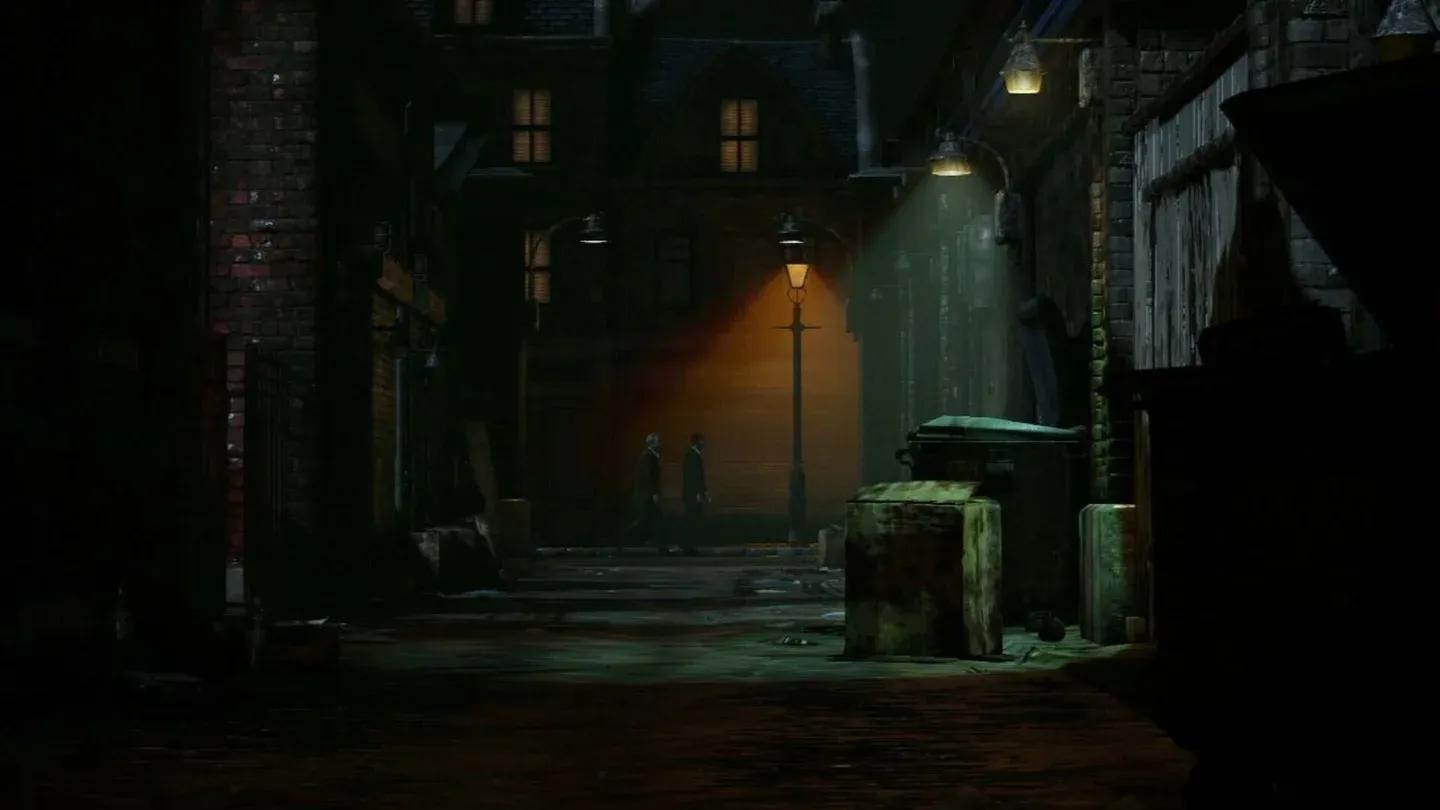
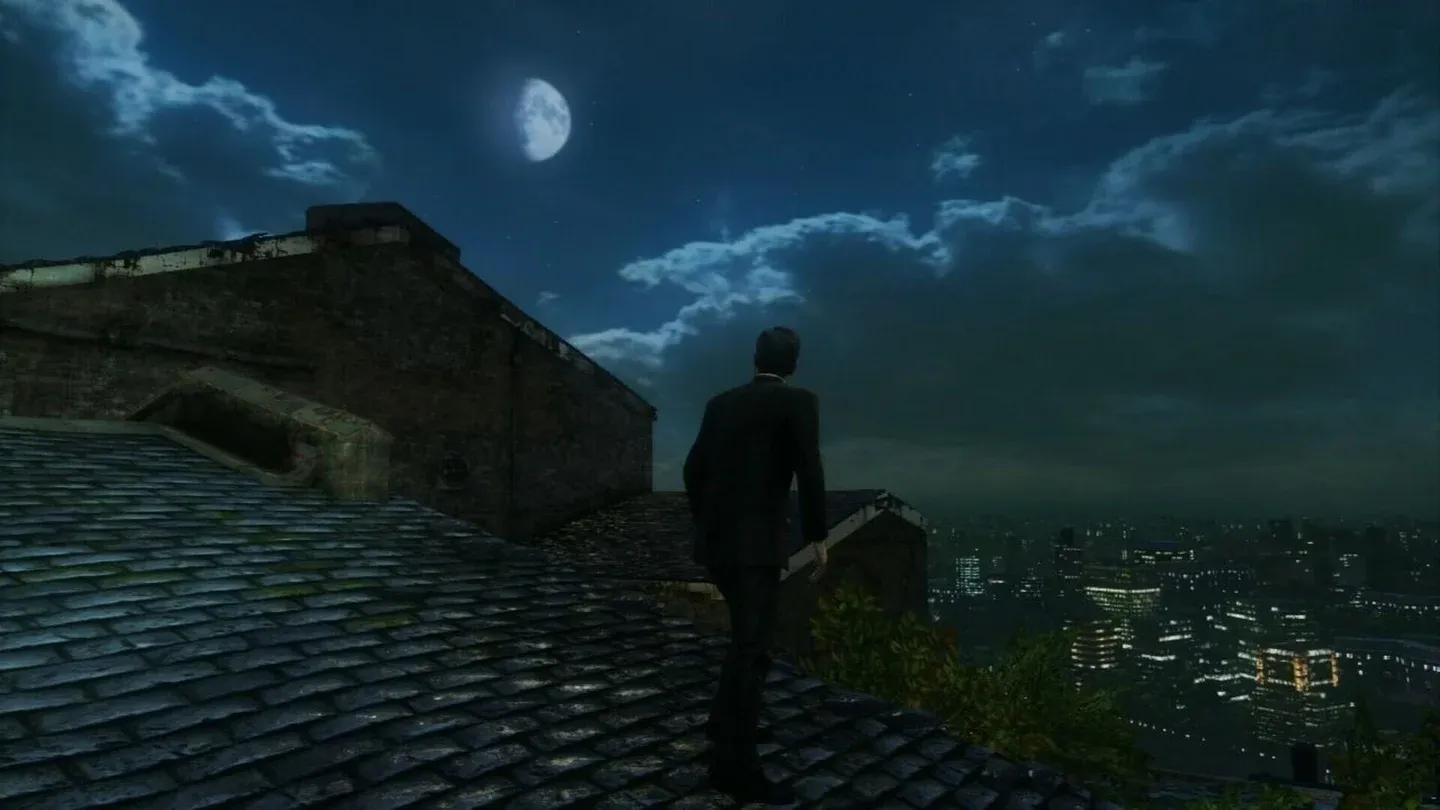
Uncharted 3 covers more geographic ground than its predecessors. The campaign moves through a London pub, a French chateau, a burning cruise ship mid-Atlantic, the streets of Cartagena in flashback, a Yemeni city, and eventually the Rub' al Khali desert. Each environment is built around a set piece that defines its chapter, and Naughty Dog's level designers use those moments to push the PlayStation 3 hardware visibly harder than Uncharted 2 did.

The desert sequences in the final act are the most memorable stretch of the game. Drake stumbles through sand dunes in a hallucinatory state, and the game strips away its usual action rhythms to create something closer to a survival crawl. It is a tonal shift that would have felt jarring in a lesser-written story, but by that point the campaign has earned the quieter register.
Multiplayer and social features
Uncharted 3 shipped with a full competitive and cooperative multiplayer suite, building on the foundation Uncharted 2 established. The competitive modes included Team Deathmatch, Plunder (a flag-capture variant), and Free-for-All, while the cooperative side offered a Survival horde mode and dedicated co-op adventure missions separate from the main campaign.
The multiplayer tier system tracked experience across matches, unlocking character skins, boosters, and weapon mods. Naughty Dog supported the mode with post-launch updates that added maps and adjusted balance, and the suite ran on dedicated servers through the PlayStation Network infrastructure of the era. For a single-player franchise, the online component was genuinely substantial and gave the game legs well beyond its story completion time.

Impact and legacy
Uncharted 3 arrived at a moment when cinematic action-adventure games were being measured against Uncharted 2's 2009 benchmark, and Naughty Dog's answer was to make something more personal rather than simply bigger. The game received widespread critical praise, with particular attention paid to its production values, voice performances, and the Cartagena flashback sequence as a standout structural choice. It remains one of the PlayStation 3's most technically accomplished releases and a clear stepping stone toward The Last of Us, which Naughty Dog shipped less than two years later.