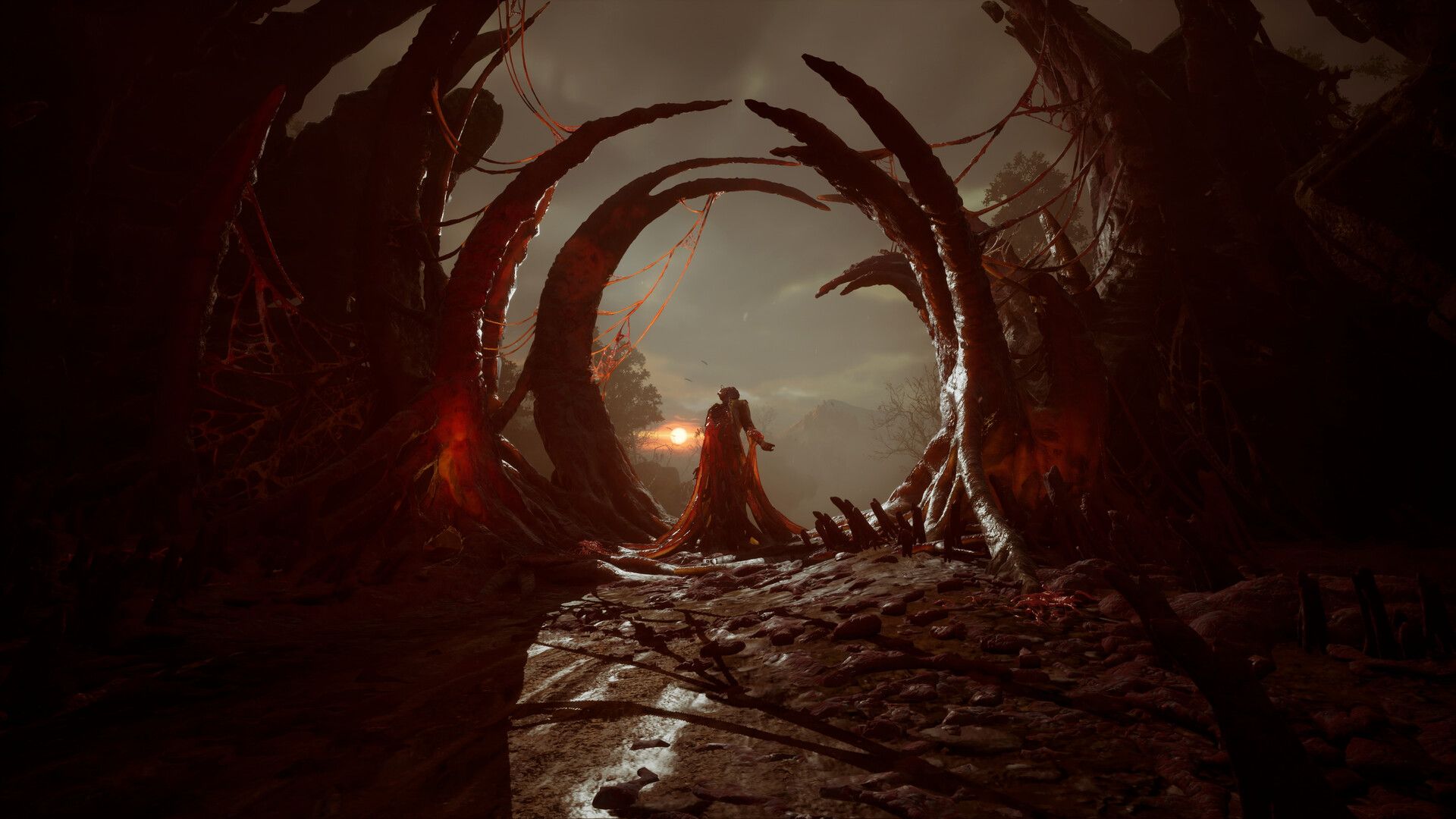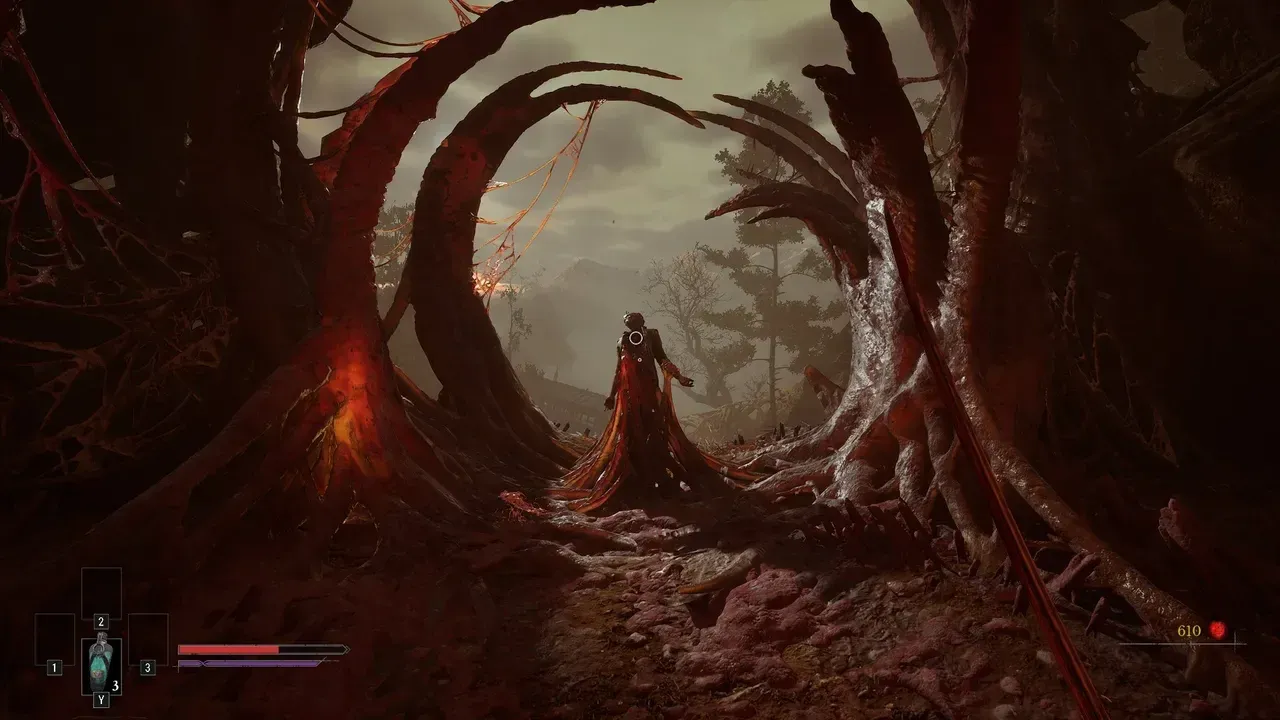

Valor Mortis drops you into a plague-ravaged alternate Napoleonic era as William Dowsett, a resurrected soldier surrounded by former allies turned monstrous Risen. Developed by One More Level, the studio behind Ghostrunner, this first-person soulslike combines demanding melee combat, supernatural Transmutation abilities, and Metroidvania-style exploration. The learning curve is steep, but the systems reward patience far more than aggression. Here is everything you need to know to survive the opening hours.
What kind of game is Valor Mortis?
Valor Mortis is a single-player, first-person soulslike with no co-op and no difficulty settings. The Ghostrunner DNA shows up in the movement, with wall-running, branch jumps, and a grapple ability you unlock as you progress. The soulslike DNA shows up everywhere else: deliberate combat, resource loss on death, and checkpoints that respawn enemies when you rest at them.
Think of it as two games sharing one body. The platforming asks you to move fast; the combat asks you to slow down and read every attack before committing to a response. Getting comfortable with that tension is the first real skill the game teaches.
Valor Mortis Ultimate Beginner's Guide


What happens when you die?
Every enemy you kill drops Catalyst, which functions as both experience and currency. When you die, you respawn at the last Lantern you activated and drop your entire unspent Catalyst at the spot where you fell. Return to that location to recover it. Die a second time before reaching it and the Catalyst is permanently gone.
The system sounds punishing, but the design intent is sound. You keep everything you learned about the enemy's attack patterns even when you lose the currency. A calm, deliberate return trip is almost always safer than sprinting back in a panic.
How do Lanterns work?
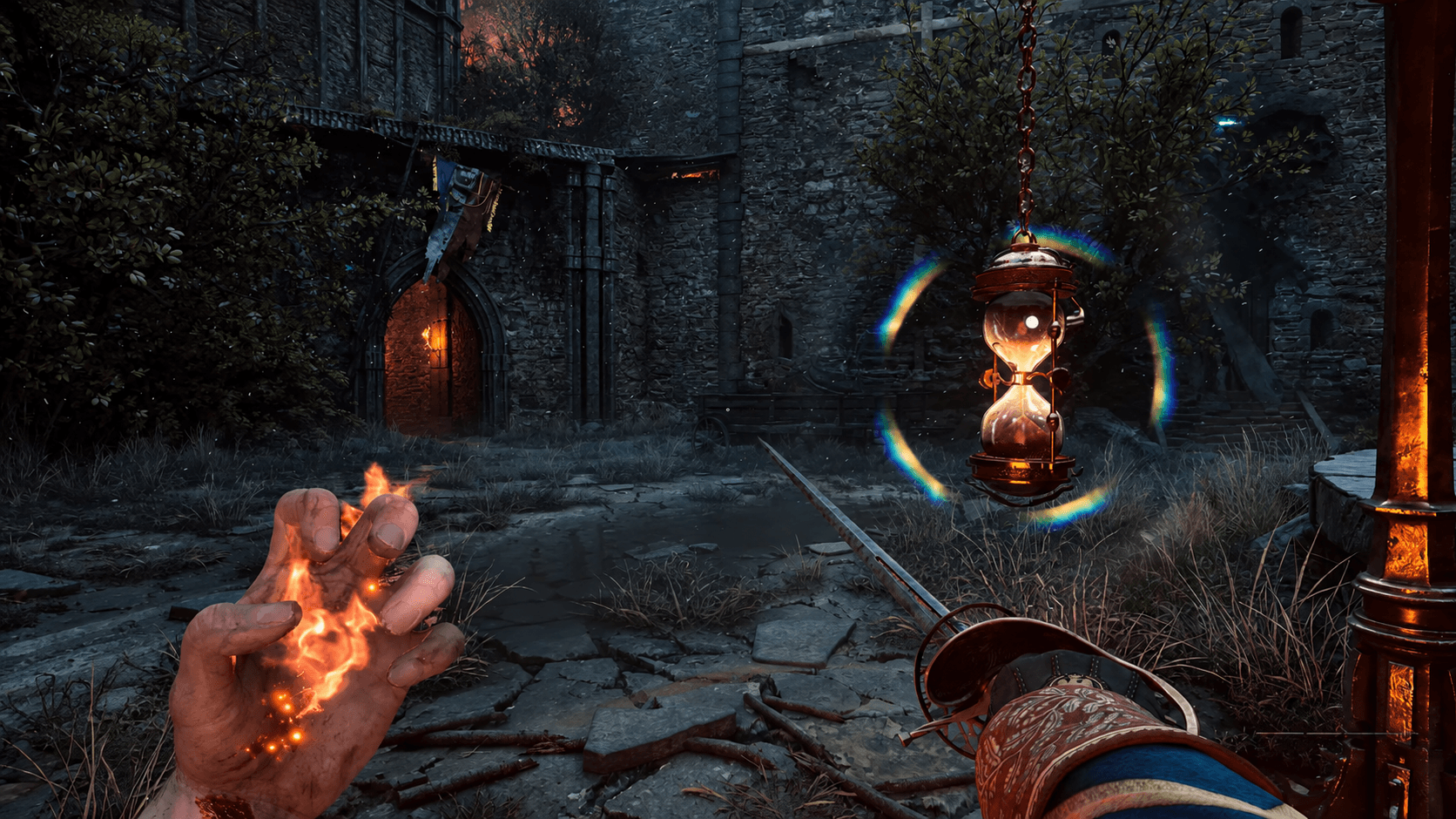
Lanterns are your checkpoints, upgrade stations, and fast travel hubs. Resting at one refills your health, Nephtoglobin (the purple resource bar powering your Transmutations), ammunition, and Ferrofluid Flask charges. Fast travel between previously discovered Lanterns unlocks fairly early, making backtracking for missed items far less painful.
The catch: resting revives every non-boss enemy in the surrounding area. That sounds like a downside, but it also makes Lanterns useful training grounds. Clear the nearby enemies, spend your Catalyst, then run the same encounter again to practice without risking a long death run back to your dropped resources.
Activate every Lantern you find. Skipping one to save time almost always costs more time later.
Valor Mortis Ultimate Beginner's Guide
How does Endurance work in combat?
One Endurance bar covers attacking, blocking, dodging, and sprinting. It regenerates over time, but recovery feels slow mid-fight. A single charged heavy attack can drain more than half the bar.
Running out of Endurance is often worse than taking a hit. An empty bar means you cannot block, dodge, or parry the next incoming attack, so you absorb the full combo. Watch the Endurance bar as closely as your health bar, especially during boss fights where attack chains are long and relentless.
The three combat pillars: melee, defence, and finishers
Valor Mortis combat breaks down into three interconnected systems.
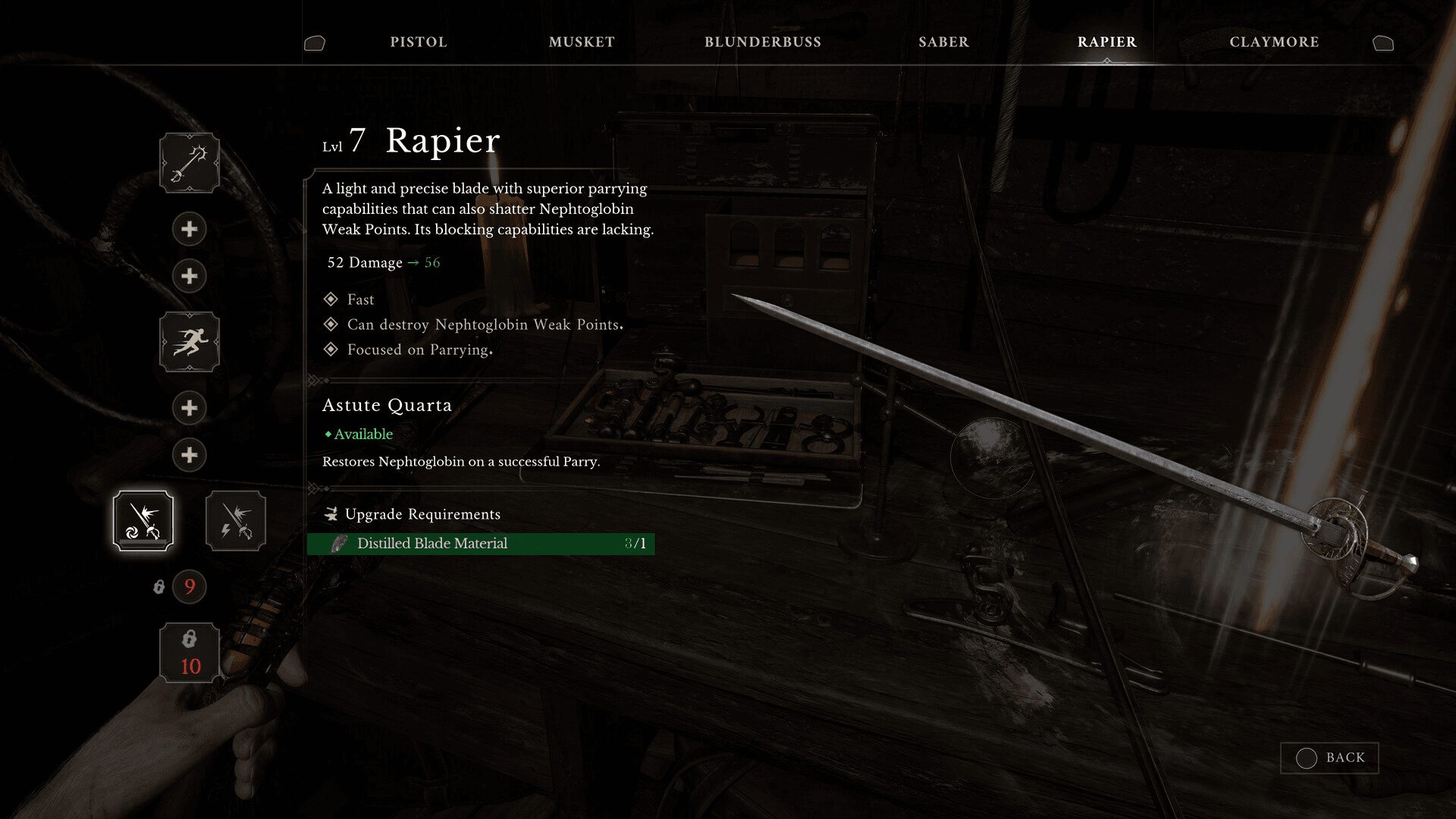
Melee covers light and heavy attacks with your equipped weapon. You start with a Saber, which lets you attack, block, and parry. Later you find the Rapier, which cannot block but can target enemy weak points to deal standard and posture damage. Swords can be dual-wielded, and firearms sit alongside melee as tactical options rather than primary damage sources.
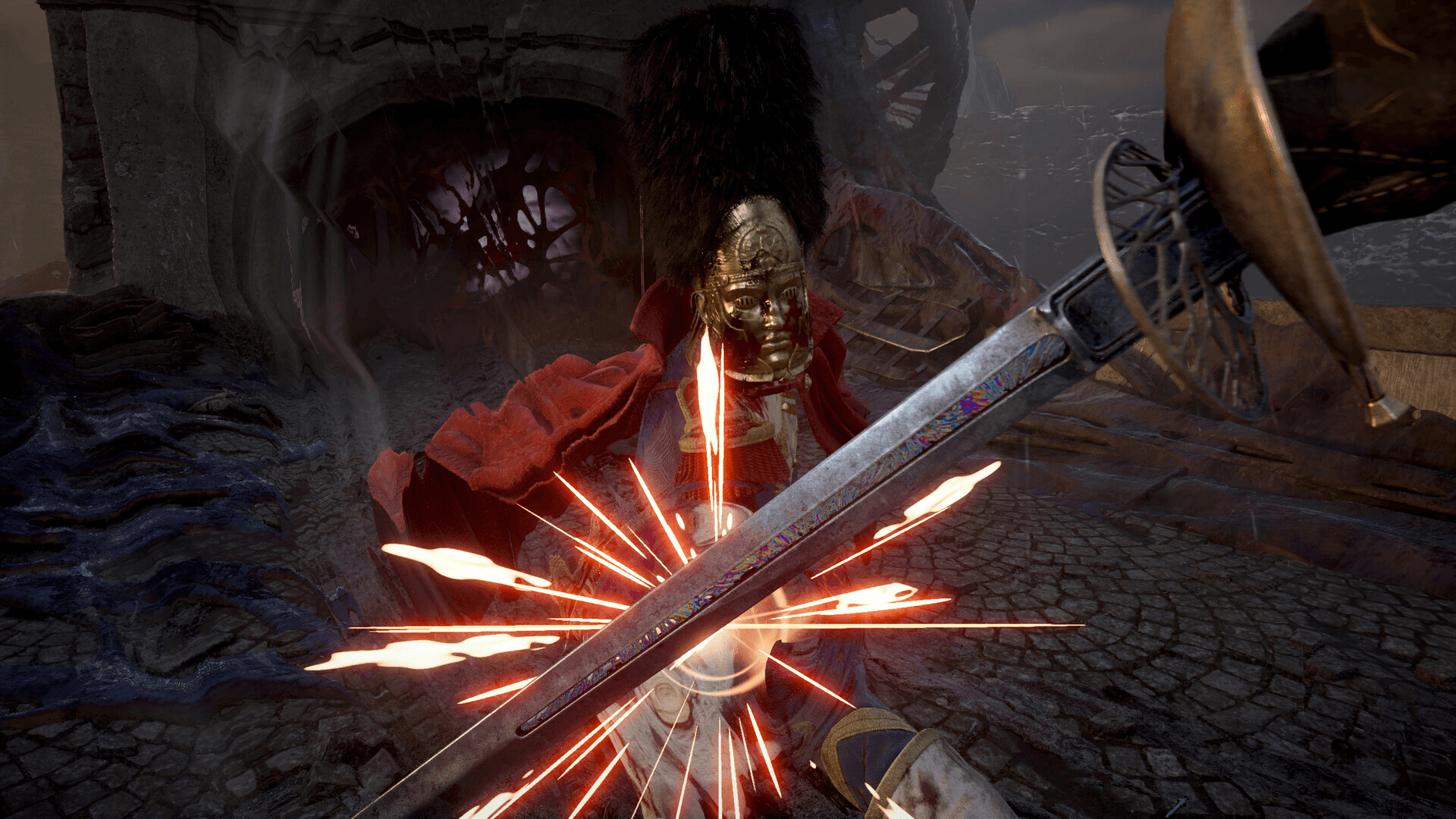
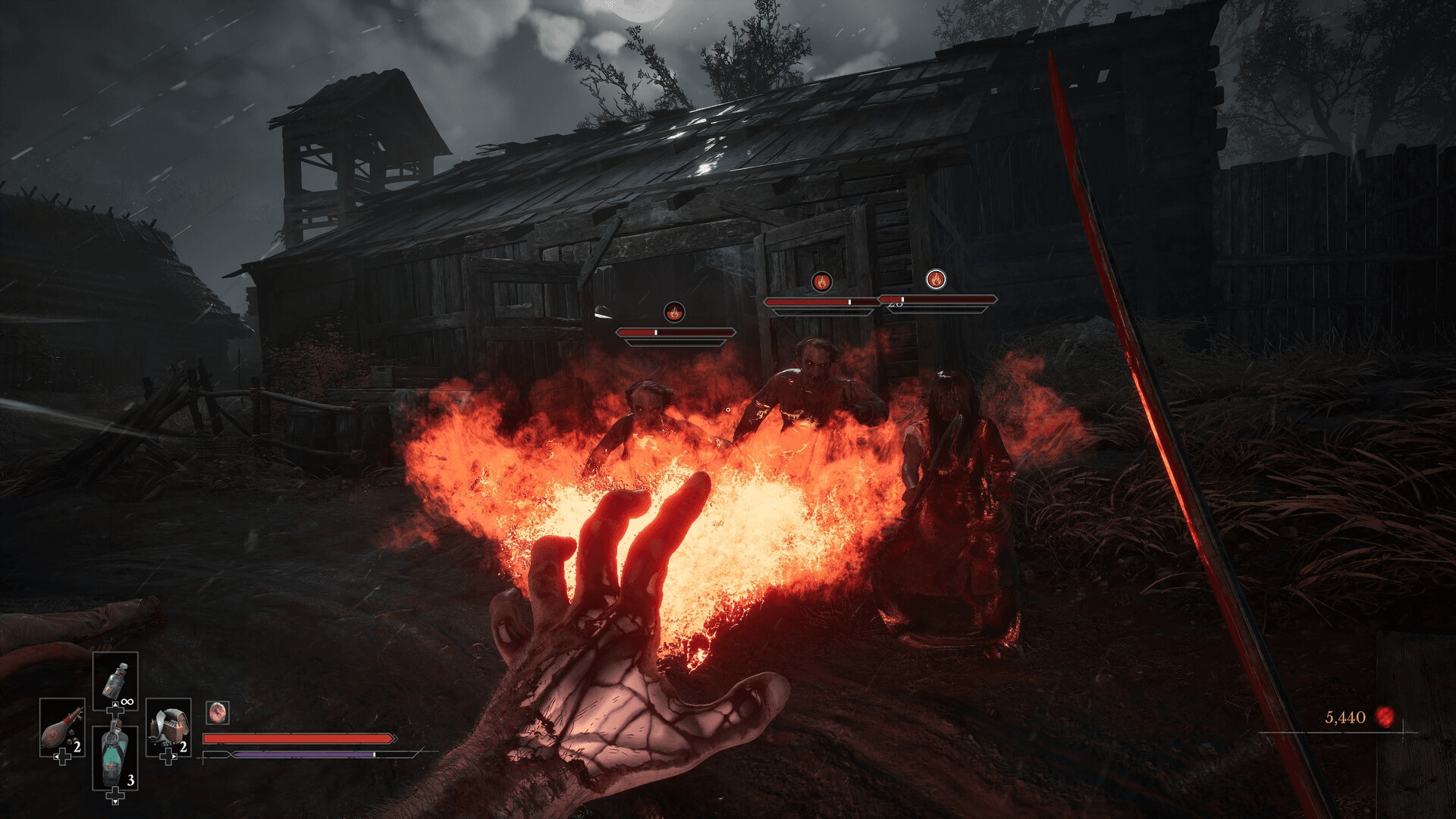
Defence is where most new players struggle. Blocking reduces incoming damage but does not negate it entirely. A blocked hit leaves a pale red segment on your health bar, which you can recover by landing melee attacks before it disappears. A successful parry, timed correctly, negates all damage and deals posture damage to the enemy instead. Unblockable attacks glow red and cannot be blocked or parried; dodge those.
Finishers open when an enemy's posture bar (the white bar beneath their health) fills completely. This exposes them to a critical strike, indicated by a dark red slash shape on the enemy. The window does not last long, so commit immediately. A perfect parry builds posture faster than regular hits, meaning defence is also your most efficient damage setup.
Valor Mortis Ultimate Beginner's Guide
What are enemy weak points?
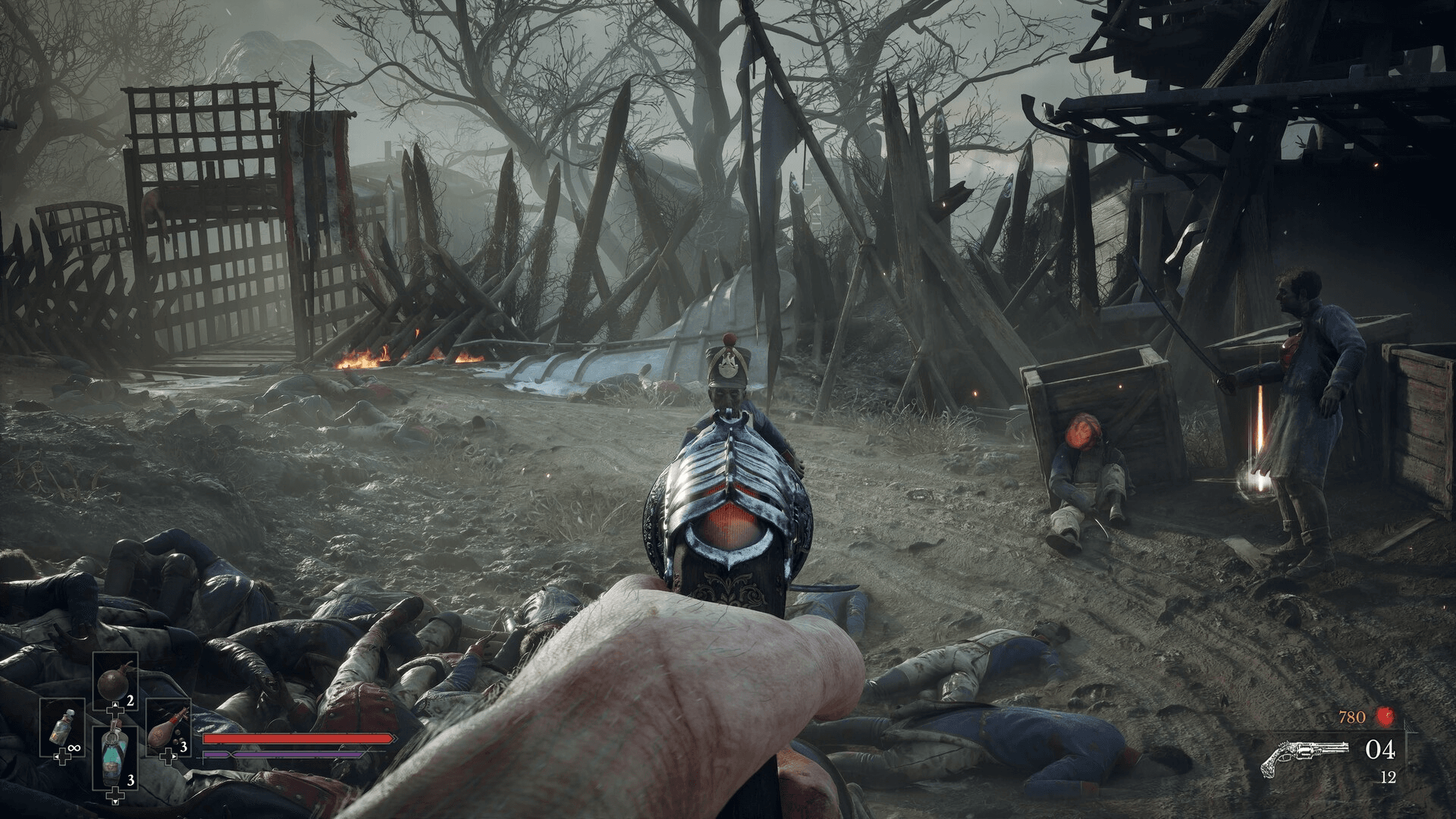
Many enemies have buboes growing from their bodies. These are weak points that deal large amounts of damage when destroyed. You can pop them with firearms or pierce them with the Rapier. On standard enemies, hitting a weak point deals massive damage. On bosses, it deals damage and fills large segments of the posture bar. Some bosses become significantly more manageable when you target these consistently.
If you cannot locate a weak point, look for a red glowing vein on the enemy's body; it typically leads directly to the bubo's location.
Weapons and firearms: what should you use?
| Weapon | Block | Weak Point Targeting | Range | Notes |
|---|---|---|---|---|
| Saber | Yes | No | Melee | Starting weapon, versatile |
| Rapier | No | Yes | Melee | Posture and weak point damage |
| Pistol | N/A | Yes | Mid | First firearm acquired |
| Blunderbuss | N/A | No | Close | High close-quarters damage |
| Musket | N/A | Yes | Long | High damage, slow fire rate |
Ammunition is limited but the game is reasonably generous with pickups. Glowing yellow dots on the floor mark ammo pickup locations. Save firearms for exposed weak points, high-value targets, and situations where closing to melee range is unnecessarily dangerous. Burning through all your shots on standard enemies leaves you vulnerable when a tough encounter appears.
Valor Mortis Ultimate Beginner's Guide
How should you spend your first upgrades?
You spend Catalyst at Lanterns to improve William's attributes and unlock new options. Reaching certain progression milestones on the upgrade track also unlocks slots for Ambers, passive talisman items that provide bonuses like health regeneration or increased damage under specific conditions. You can hold up to five Ambers at higher tiers, and upgrading an Amber happens automatically when you find a second copy of the same one.
For early upgrades, prioritize Endurance first. It pays for almost every action in combat, and more of it makes every encounter more forgiving. Health and Nephtoglobin come next, followed by perks that improve parry efficiency or posture damage output.
Weapons and Transmutations can be upgraded at the Abandoned Church, which you reach early in the game. Weapon upgrades require firearm or blade materials of varying quality. Transmutation upgrades use Transmutation materials. Both types of upgrade materials can be purchased from the shops inside the Abandoned Church.
What are Transmutations and how do you use them?
Transmutations are supernatural abilities powered by your Nephtoglobin bar. The first one you acquire early in the game lets you throw fire at enemies and burn through dry yellow walls that block certain paths. Think of them as BioShock-style Plasmids: offensive tools that also double as environmental keys.
Nephtoglobin replenishes through melee attacks and by destroying enemy weak points, so aggressive play in the right situations actively sustains your ability usage. The most effective approach mixes Transmutations with regular attacks rather than relying on either exclusively. Saving all your Nephtoglobin for emergencies means you are leaving consistent damage off the table.

Valor Mortis Ultimate Beginner's Guide
How does exploration work in Valor Mortis?
Valor Mortis has Metroidvania structure. You will encounter obstacles early that you cannot pass yet, and returning with new abilities later opens previously inaccessible routes. The game has no map, so routes are learned through memory and repetition.
Here is what to look for as you explore:
- Dry yellow walls can be destroyed with the fire Transmutation.
- Bright orange or yellow balls that create purple Nephtoglobin walls can be shot or pierced with the Rapier. A red glowing vein usually points toward their location.
- Glowing blue balls become grapple points once you unlock the grapple ability later in the game.
- Pale blue wall segments can be wall-run across after unlocking that traversal skill.
- Corpses surrounded by an archway give you new Transmutations or weapons when interacted with.
Side quests expand the lore and reward Ambers, upgrade materials, and Catalyst. They are worth completing, and several are tied to achievements and trophies.
Valor Mortis Ultimate Beginner's Guide
What is the Ferrofluid Flask?
The Ferrofluid Flask is your health recovery item, equivalent to the Estus Flask in Dark Souls. Returning to a Lantern restores all charges. Two upgrade types exist for it:
- Ferrofluid Flask Power Upgrade: increases the amount of health restored per use.
- Empty Ferrofluid Flask: adds additional charges before you run out.
Both upgrades can be found through exploration or purchased from Louis's shop inside the Abandoned Church.
What should you watch out for in the environment?
Fire and poisoned areas deal damage quickly and eat through your health faster than most enemy attacks. An indicator at the bottom of the screen shows how close you are to being ignited or poisoned, so watch for it when moving through hazardous zones. Falling damage and environmental objects that can fall on you are also present, so stay aware of your surroundings during platforming sections.
For more on what to expect before you start, the Valor Mortis release date, platforms, and Game Pass details page covers launch specifics. If you want to know how long the full experience runs, the Valor Mortis completion time guide breaks down story and completionist estimates. For everything else, the full Valor Mortis strategy guide collection has boss breakdowns, combat deep-dives, and more to keep you moving forward.