

Advertisement

Overview
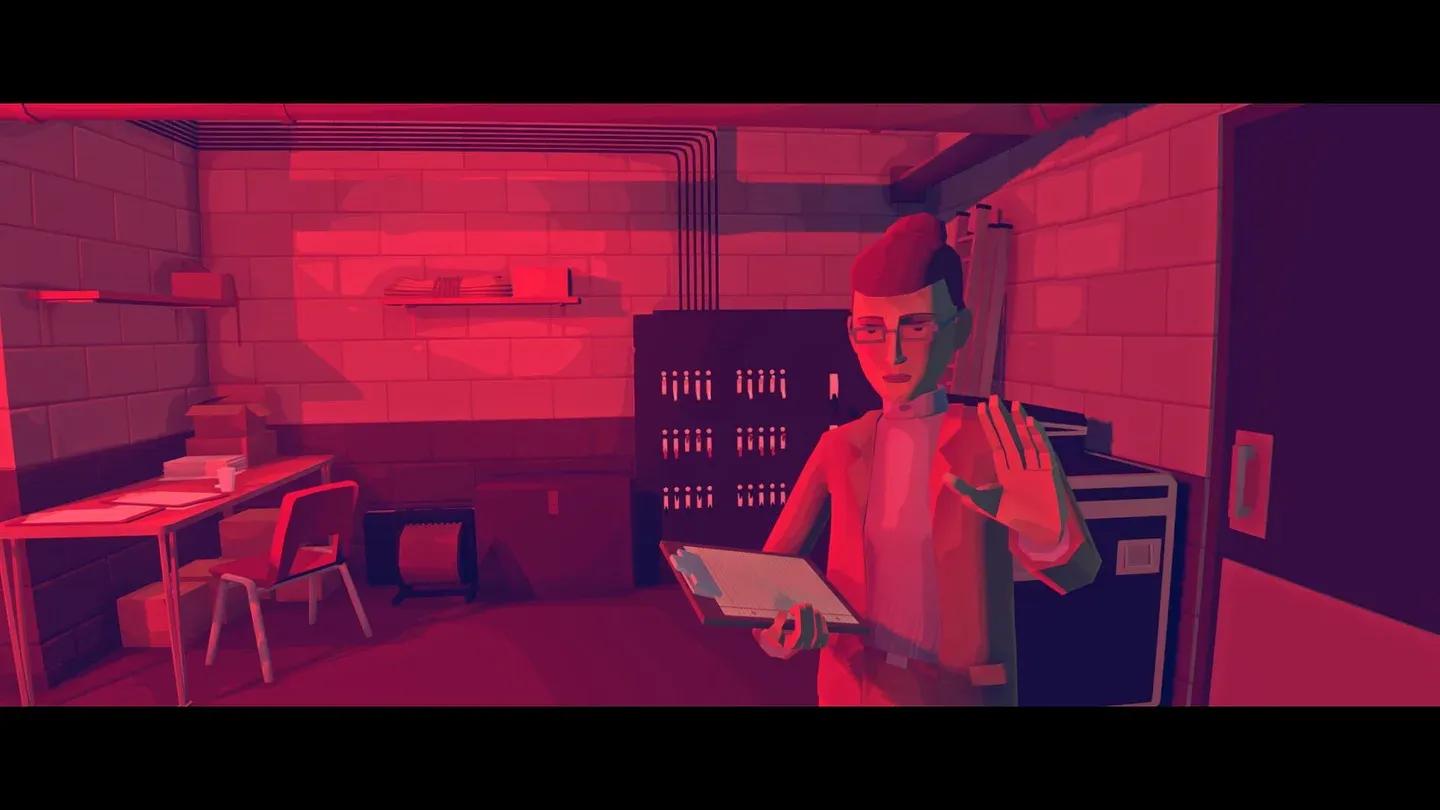
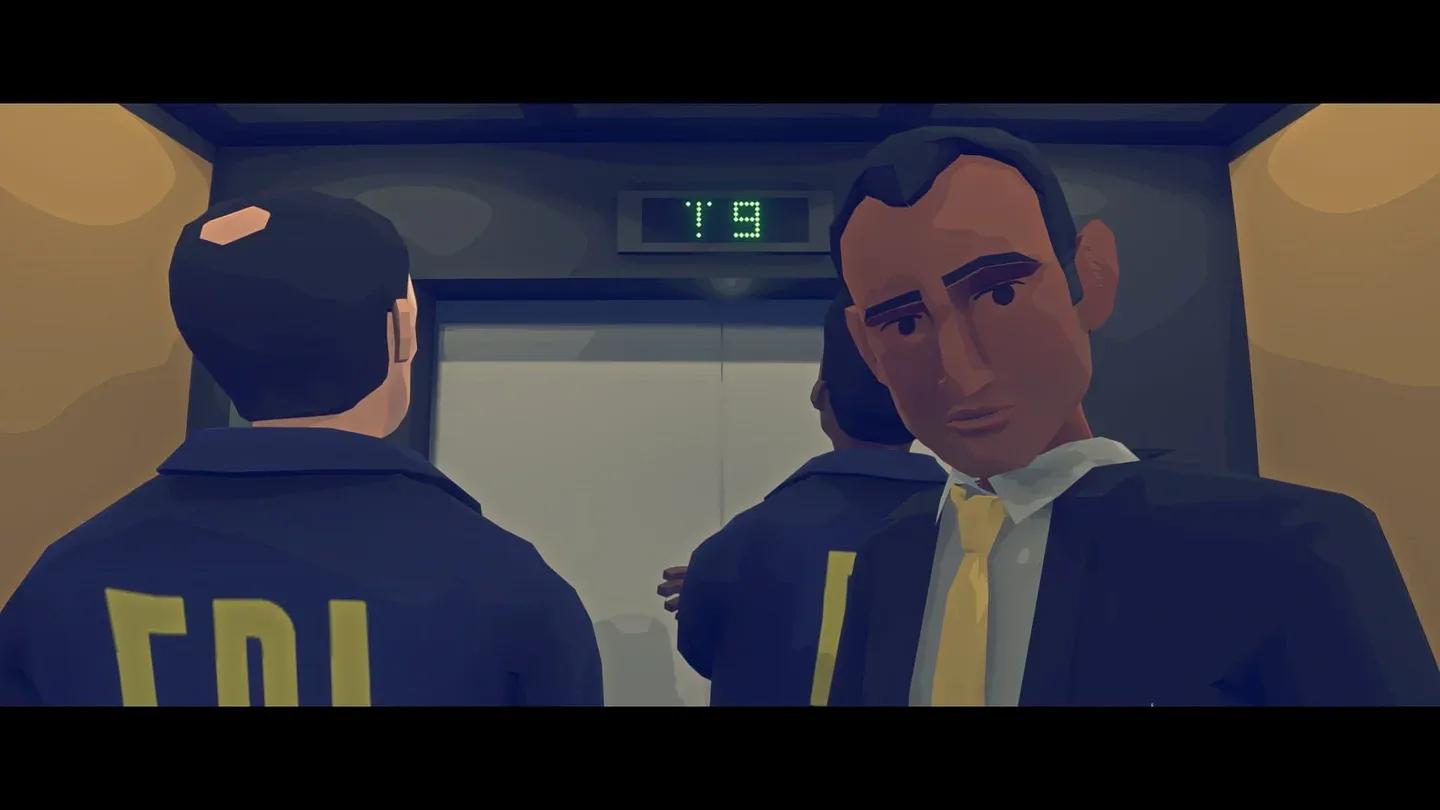
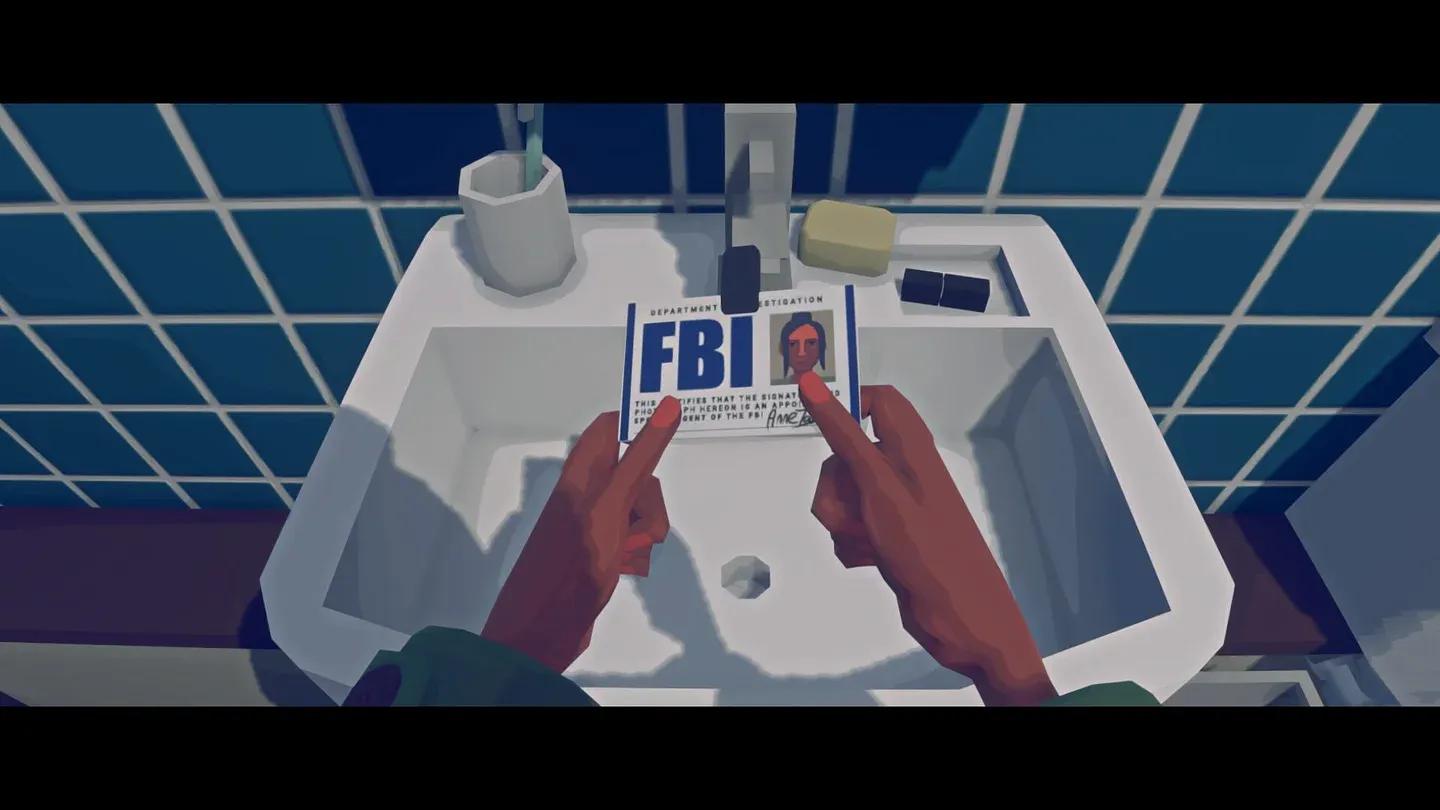
Virginia is a first-person interactive drama set in the final days of summer 1992. Players step into the shoes of Anne Tarver, a freshly graduated FBI special agent sent to the fictional rural town of Kingdom, Virginia to investigate the disappearance of a young boy named Lucas Fairfax. Her partner, the experienced Maria Halperin, comes with a catch: Tarver's superiors have quietly instructed her to report back on Halperin. That layered betrayal sits at the center of everything.
What makes Virginia immediately distinctive is its refusal to use spoken or written dialogue at all. The story unfolds entirely through environmental detail, sharp cinematic cuts, and a sweeping orchestral score composed by Lyndon Holland. Variable State borrowed the grammar of film editing rather than traditional game design, and the result feels closer to watching a prestige TV pilot than playing most adventure games.
Virginia content image
Gameplay and mechanics
Virginia's core loop is built around exploration and observation rather than puzzles or skill-based challenges. Players move through scenes, interact with objects, and absorb narrative information that arrives through visual cues and musical shifts rather than exposition dumps. Key features include:
Virginia content image
- First-person movement with minimal interaction prompts
- Cinematic cut mechanics that skip dead time between scenes
- No dialogue trees, dialogue boxes, or text narration
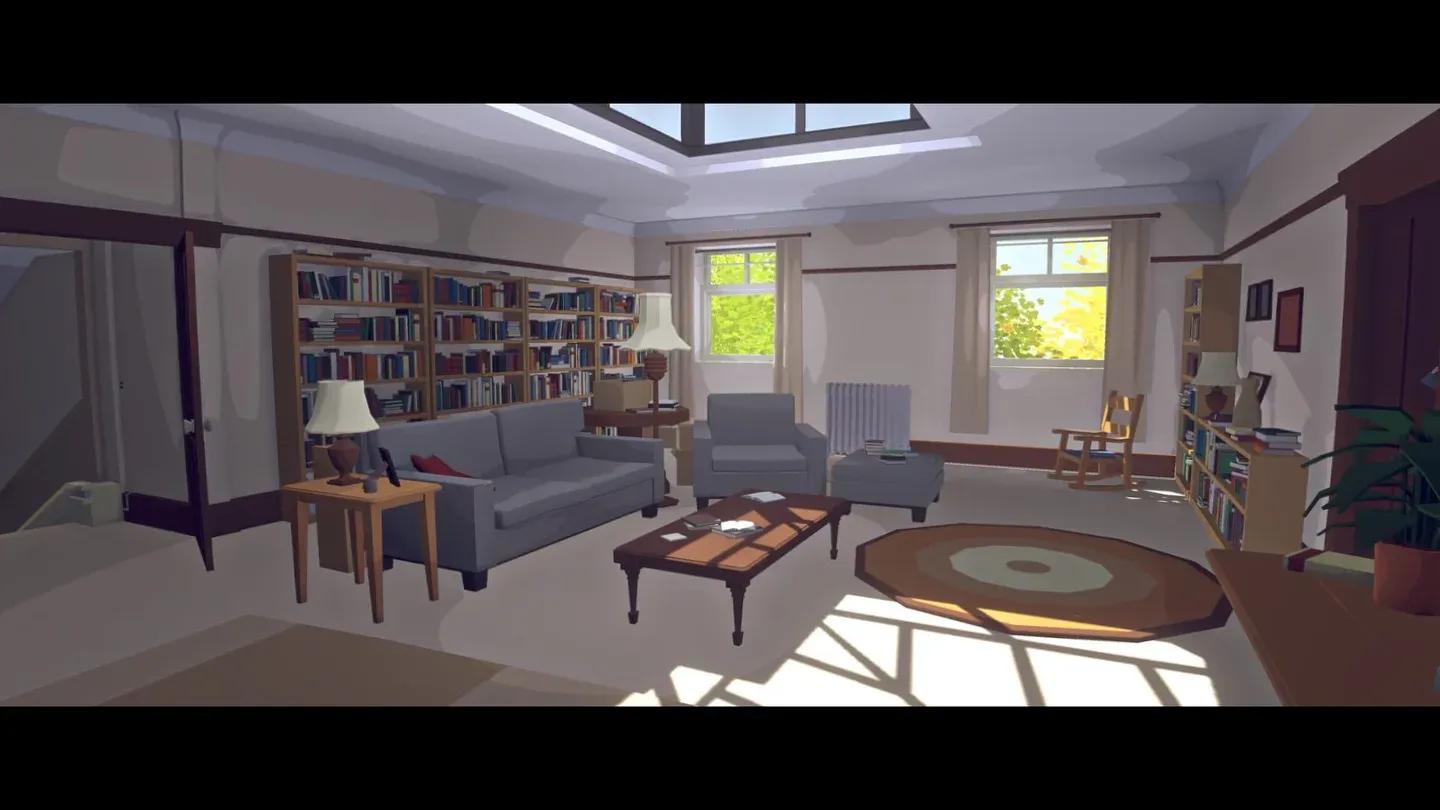
- Environmental storytelling through objects and spaces
- A non-linear narrative structure that rewards attention
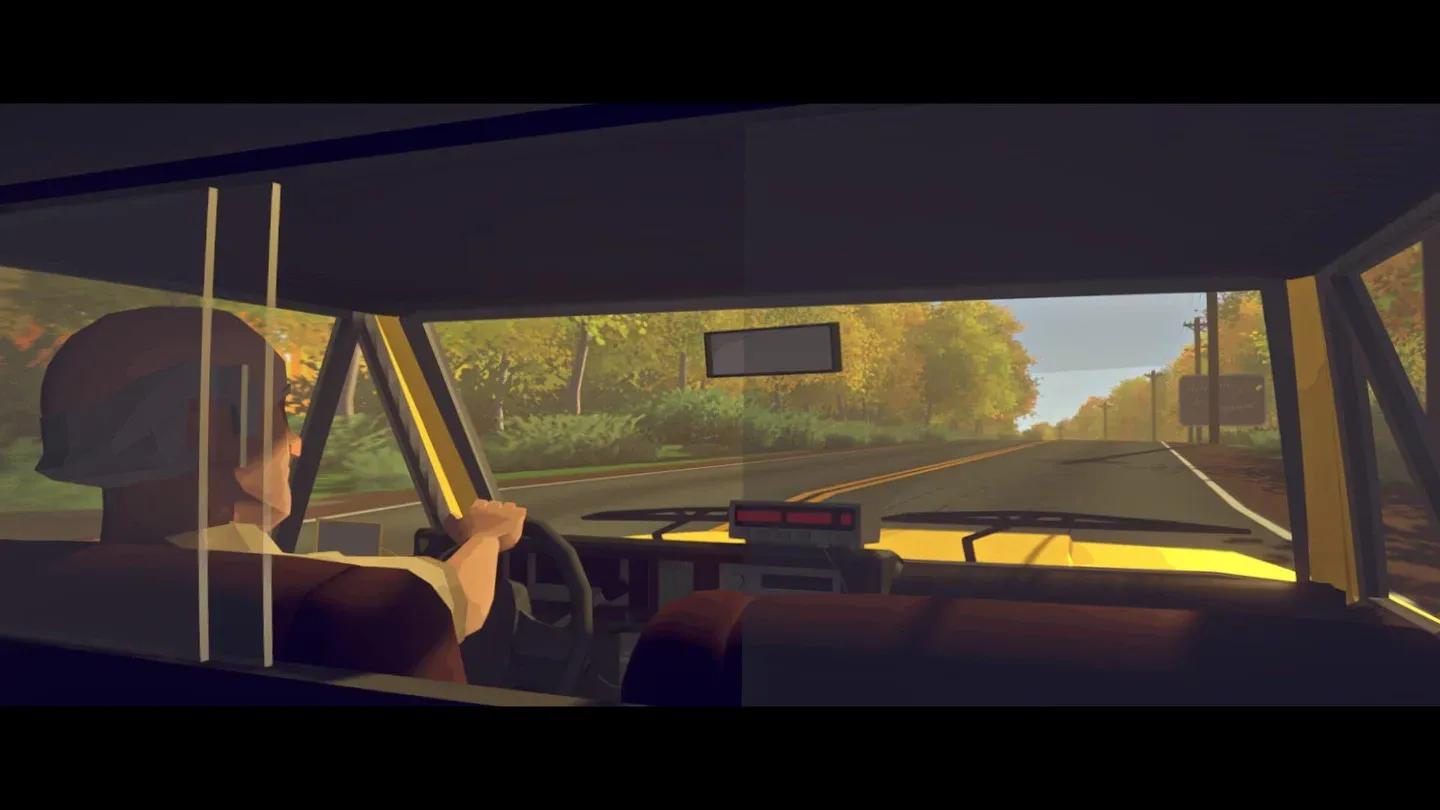
The cut mechanic deserves particular attention. Rather than walking from room to room in real time, Virginia snaps between moments the way a film cuts between scenes. Pick up a car key and you're suddenly behind the wheel. Open a door and you're already inside. It strips out the connective tissue that most games pad their runtime with, leaving only the moments that matter.
World and setting
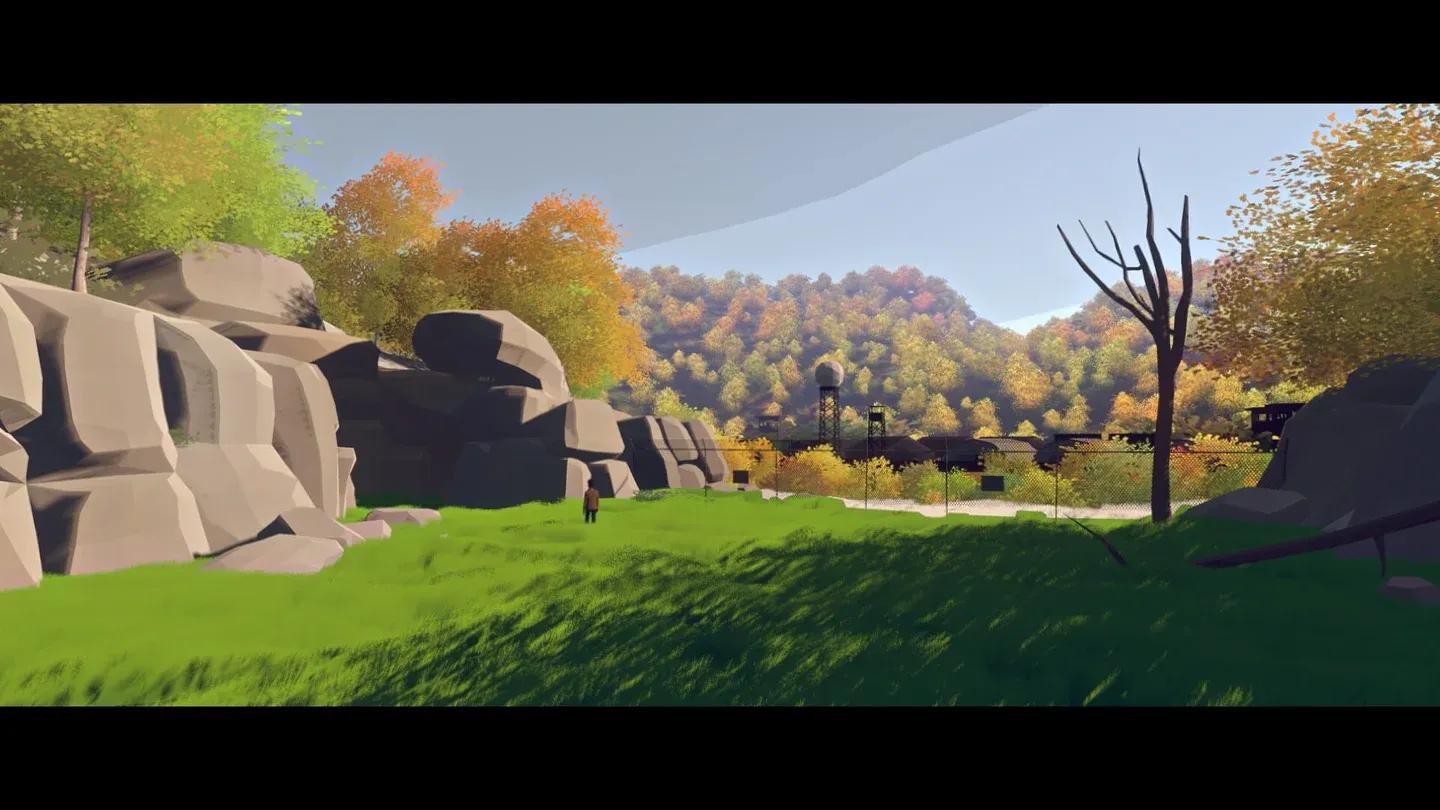
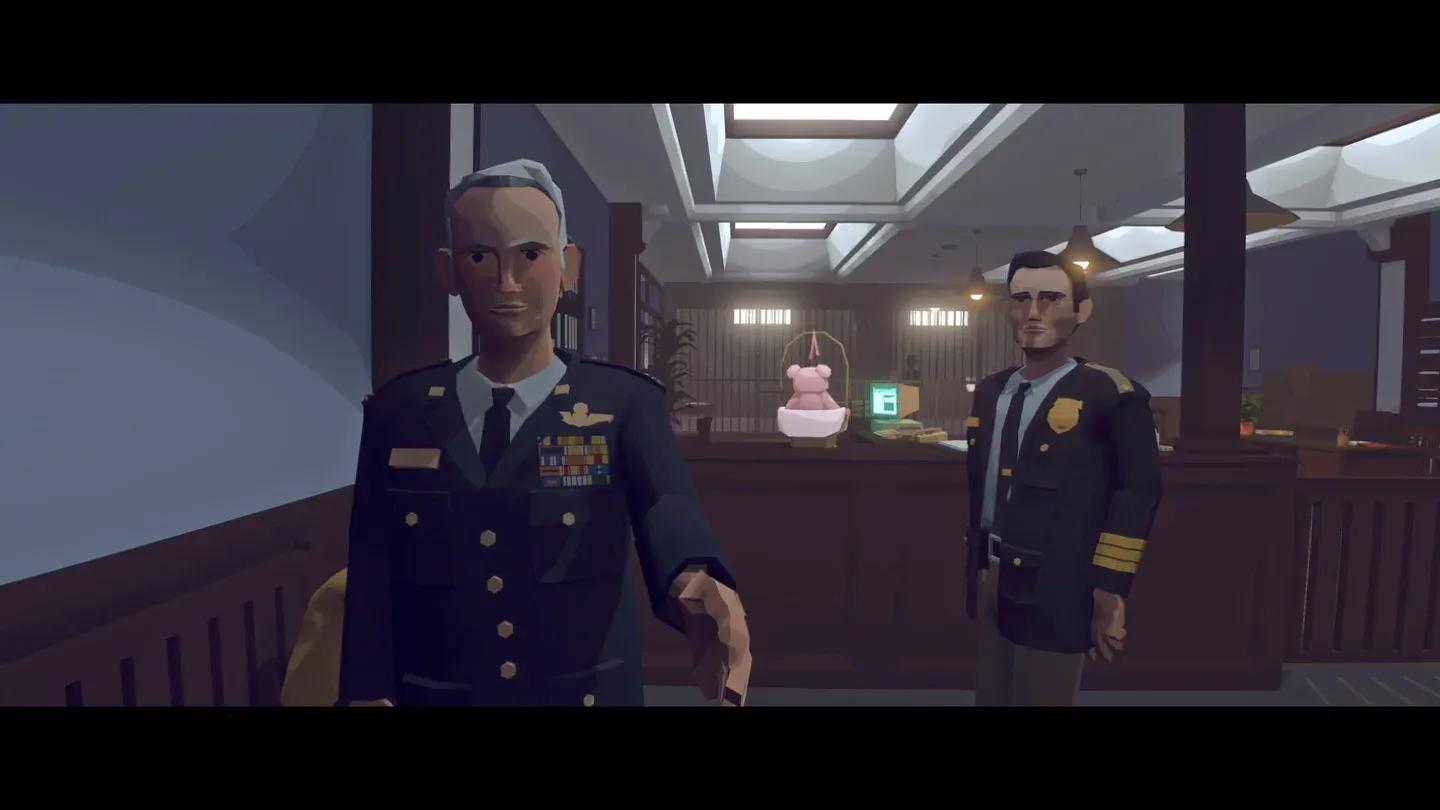
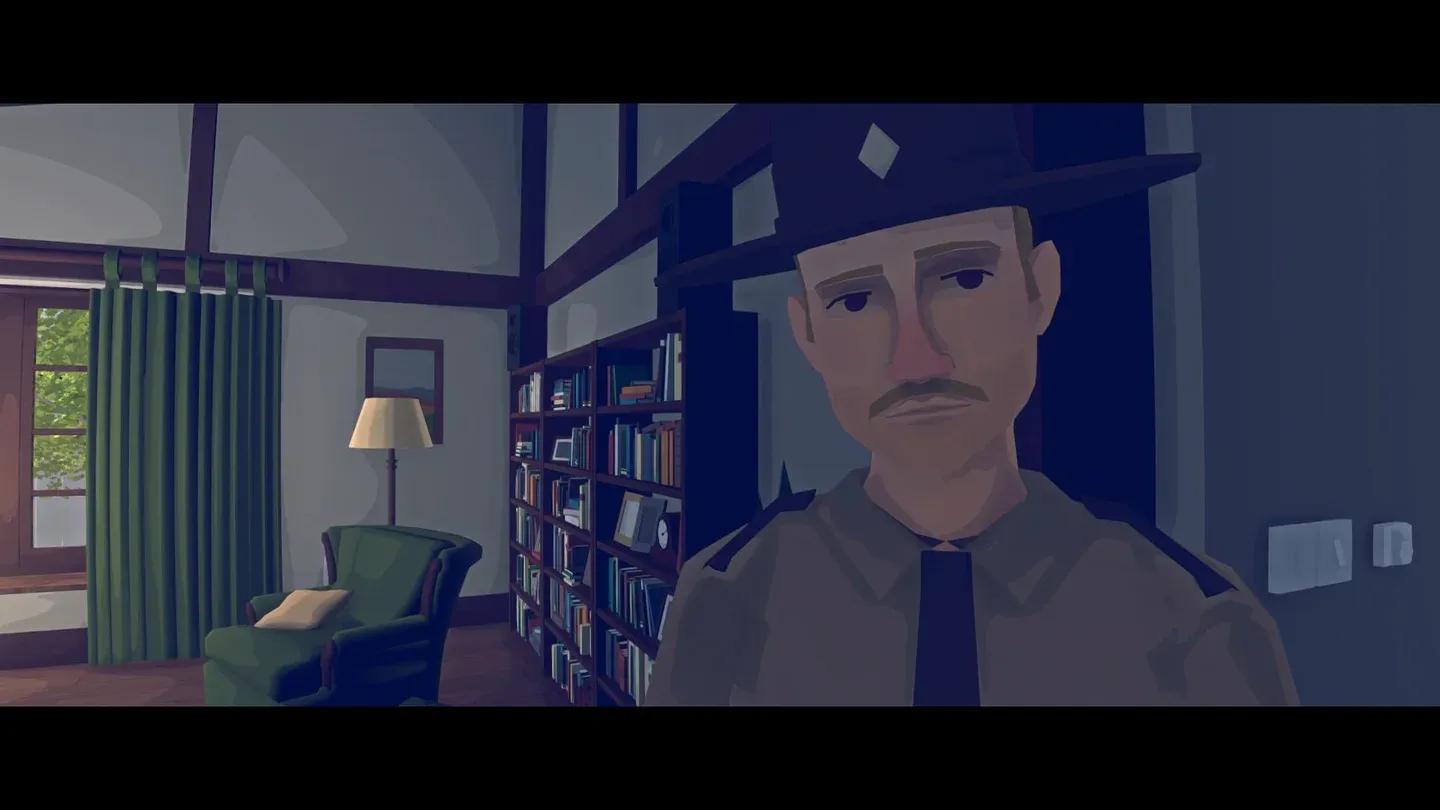
Kingdom, Virginia is rendered with a specific kind of American rural unease. The town feels like somewhere summer forgot to leave, full of diner booths, motel rooms, government offices, and forest roads that seem to lead somewhere they shouldn't. The 1992 setting is worn lightly but consistently, present in the clothing, the interiors, and the general atmosphere of institutional America before everything went digital.
Virginia content image
The supernatural thread that runs through the investigation is handled with restraint early on, then less so as the story progresses. Virginia never explains what it shows you, which will frustrate players expecting resolution and reward players willing to sit with ambiguity. The influence of David Lynch and Chris Carter is worn openly, but Variable State has its own voice.
Visual and audio design
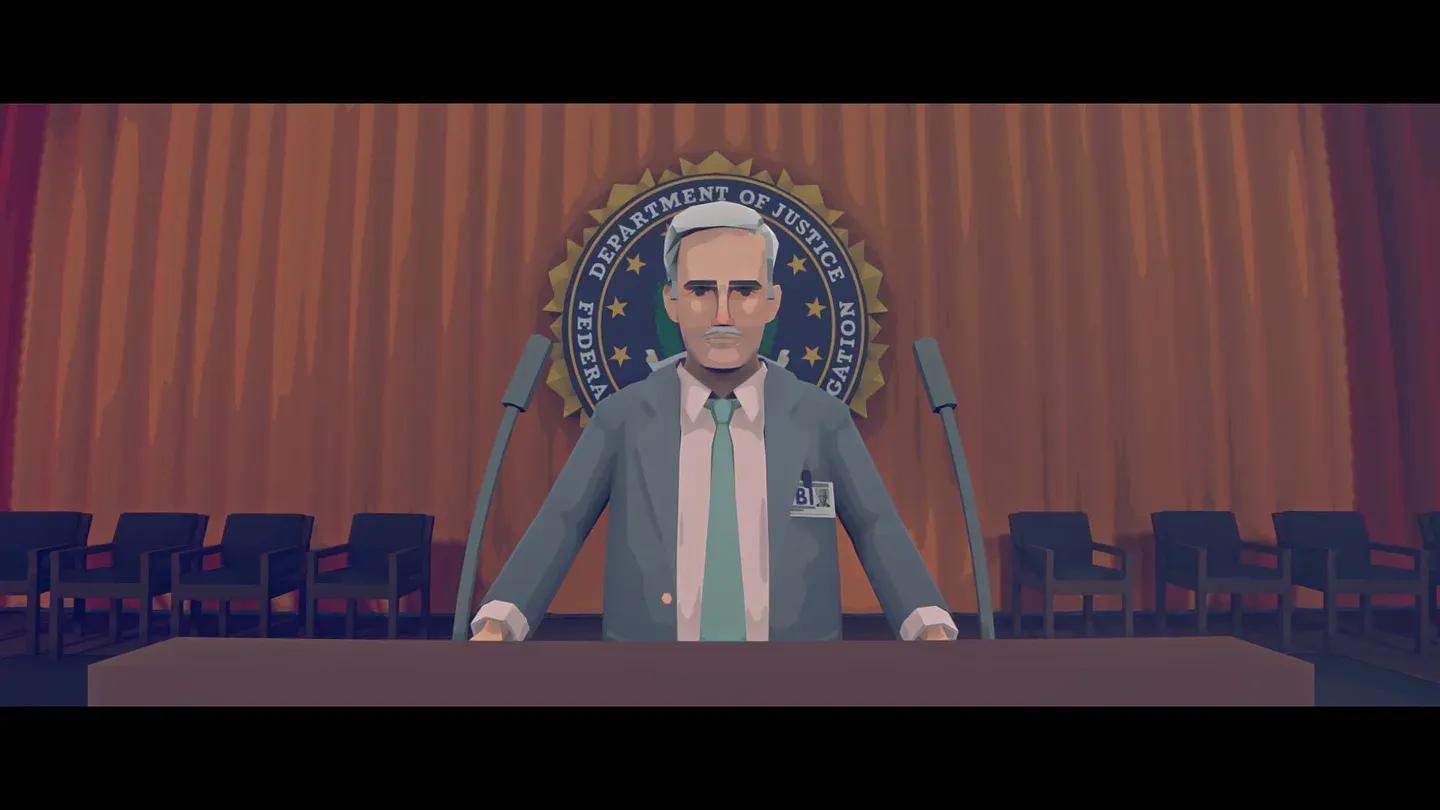
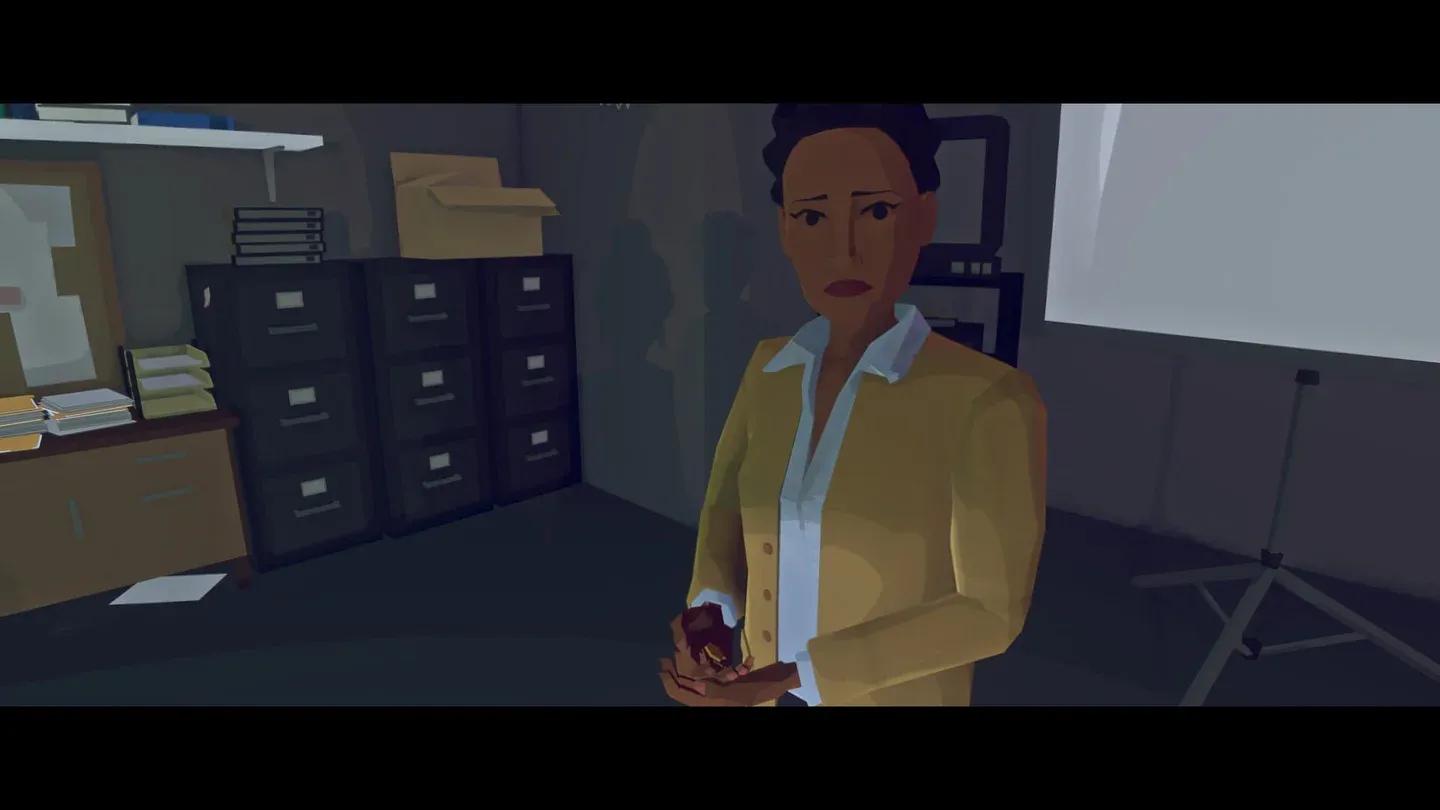
Virginia's visual style leans into flat colors and clean geometry, giving the world a slightly unreal quality that suits the story's growing strangeness. Character faces are deliberately simplified, which keeps the focus on posture, movement, and the space between people rather than facial expression alone.
Lyndon Holland's orchestral score is arguably the game's most important creative element. It does the work that dialogue would normally do, signaling emotional shifts, building tension, and occasionally undercutting the action in ways that feel deliberately disorienting. The score was performed live and sits at the center of Virginia's identity as a piece of interactive storytelling.
Virginia content image
Impact and legacy
Virginia landed in 2016 to strong critical attention for its formal ambition, even as some players found its brevity and opacity hard to reconcile with the price of admission. The game runs roughly 90 minutes, which is either a feature or a dealbreaker depending on what you want from the medium. For players interested in what narrative games can do when they stop imitating novels and start imitating cinema, Virginia remains one of the cleaner arguments for that possibility. Its approach to the first-person mystery genre, specifically the idea that withholding information is a legitimate storytelling tool, continues to influence smaller narrative titles that followed it.