Overview
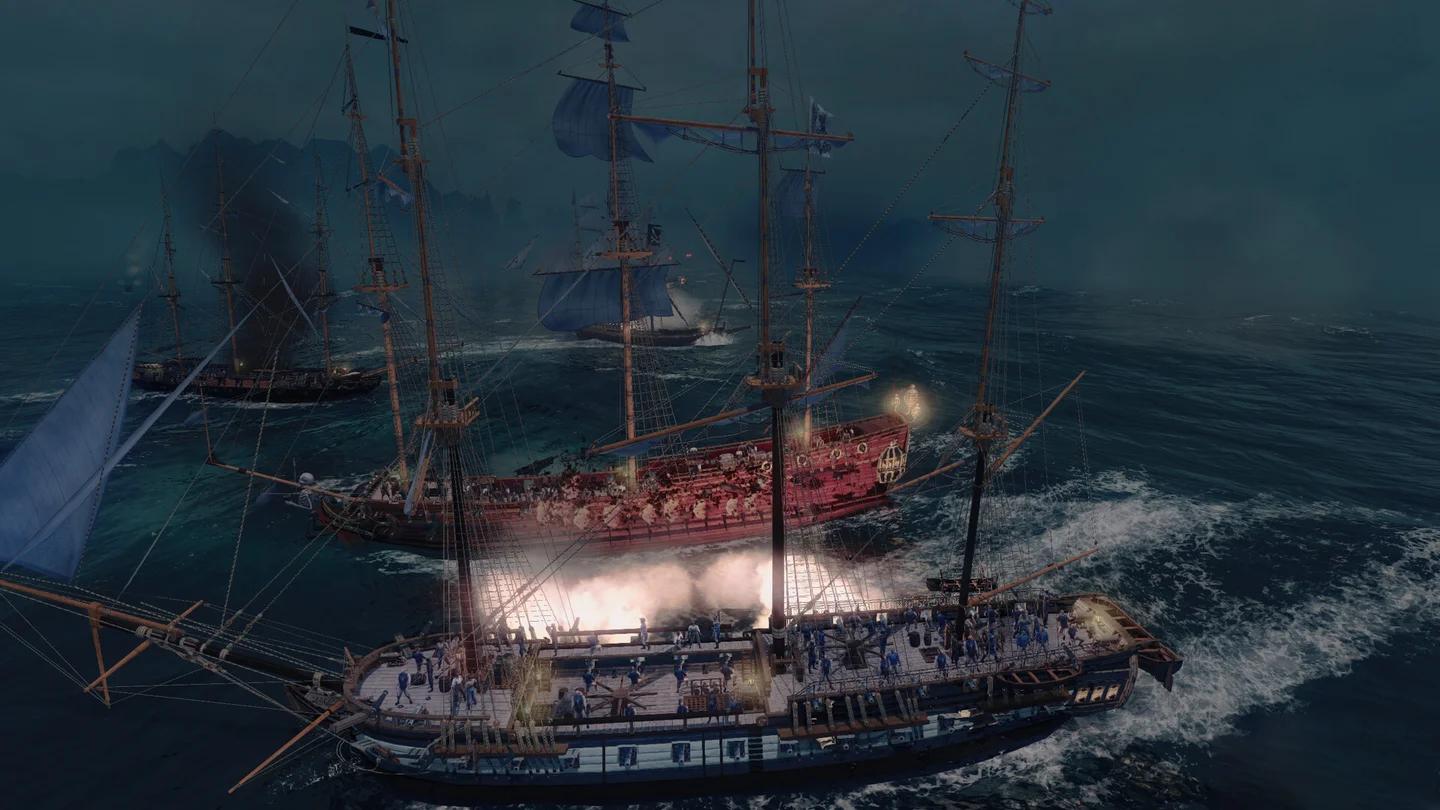
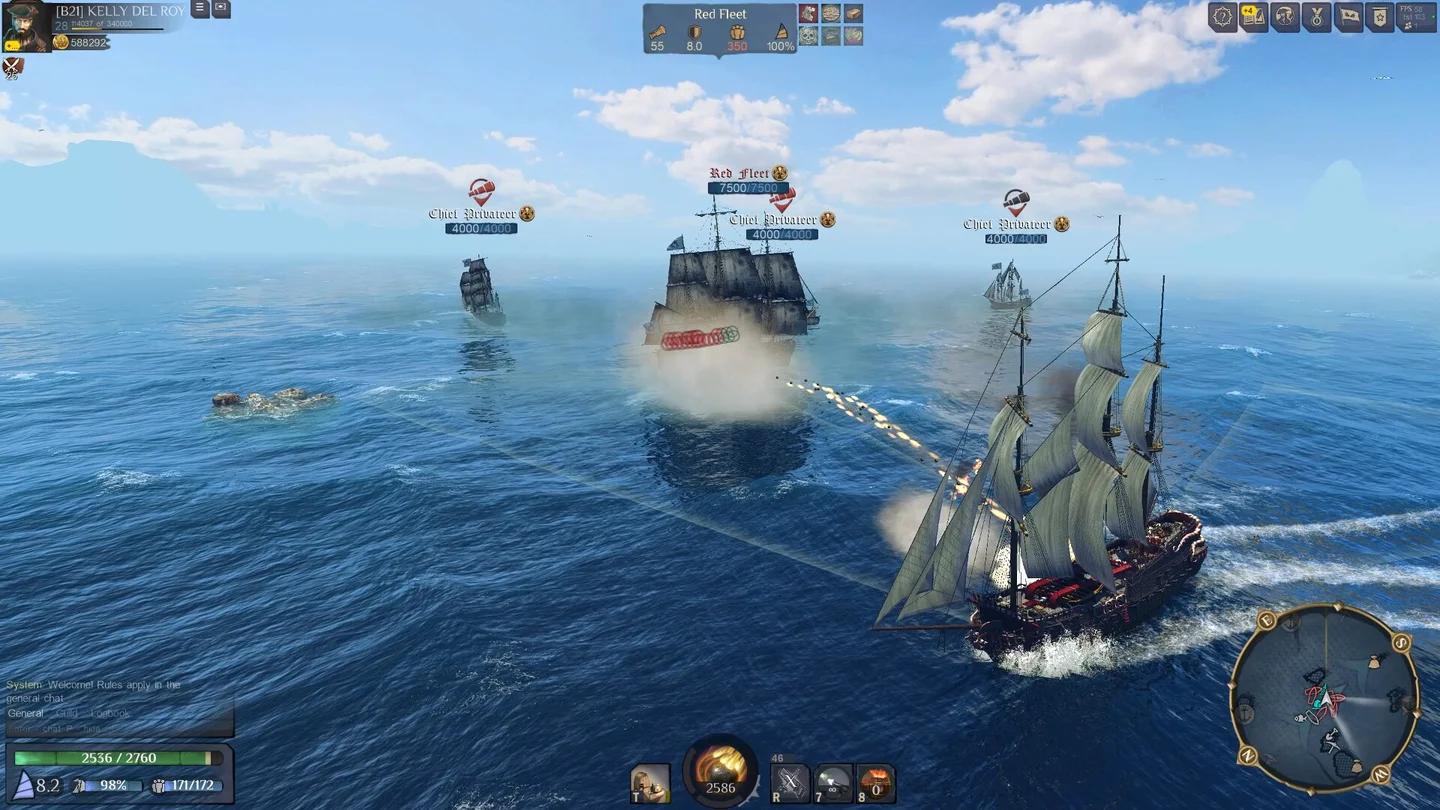
World of Sea Battle is a free-to-play naval MMO from developer and publisher Thera Interactive, available for Windows on Steam. Its shared ocean supports several pursuits, from hunting pirates and exploring distant shores to carrying cargo between regions.
The setting is the Archipelago, a region isolated from the rest of the world by a permanent storm following a cataclysm. Captains compete for scarce resources within this enclosed maritime world.
PvE and PvP coexist across its waters. Merchant vessels, pirates, and other players populate the sea, making encounters part of the journey between destinations.
How does naval combat work?
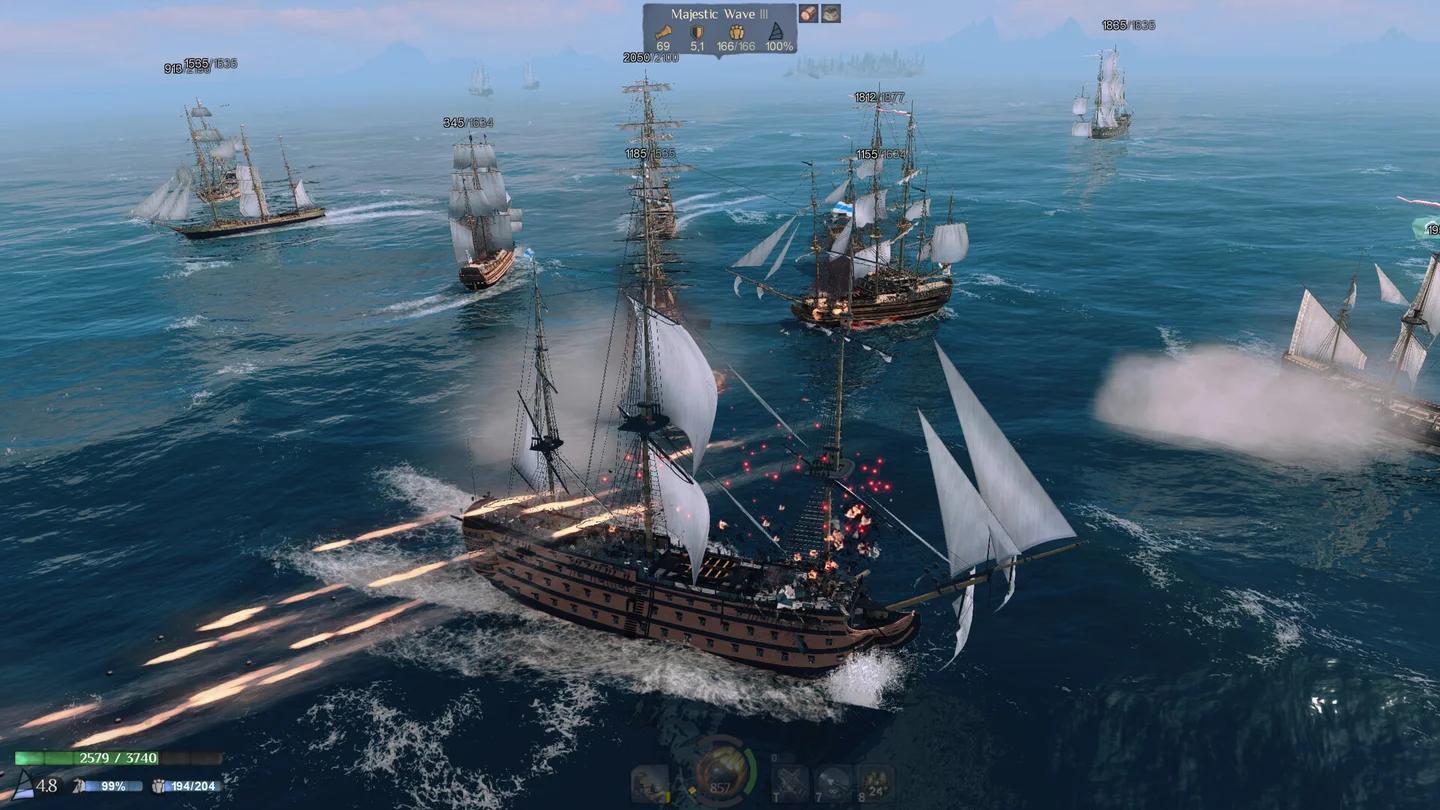
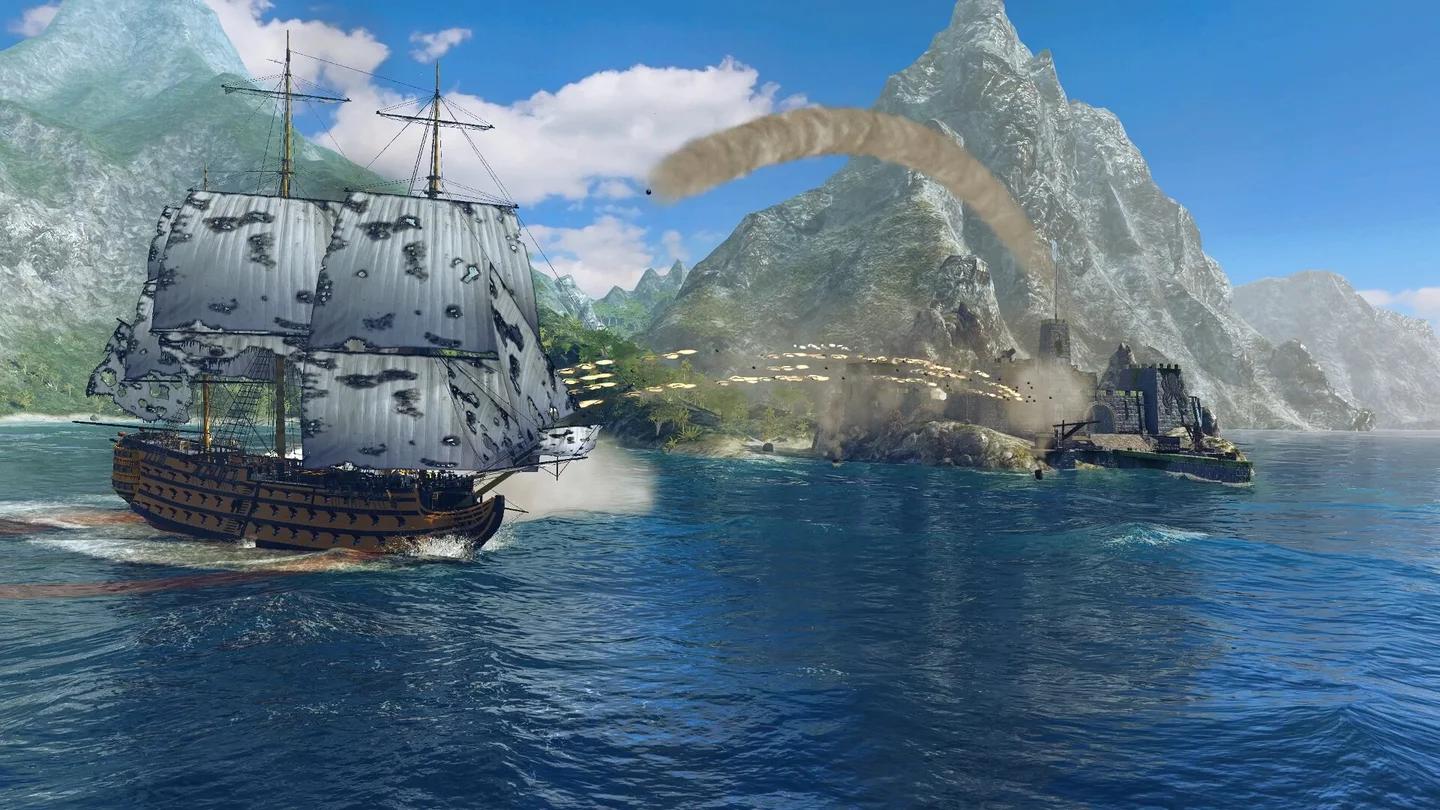
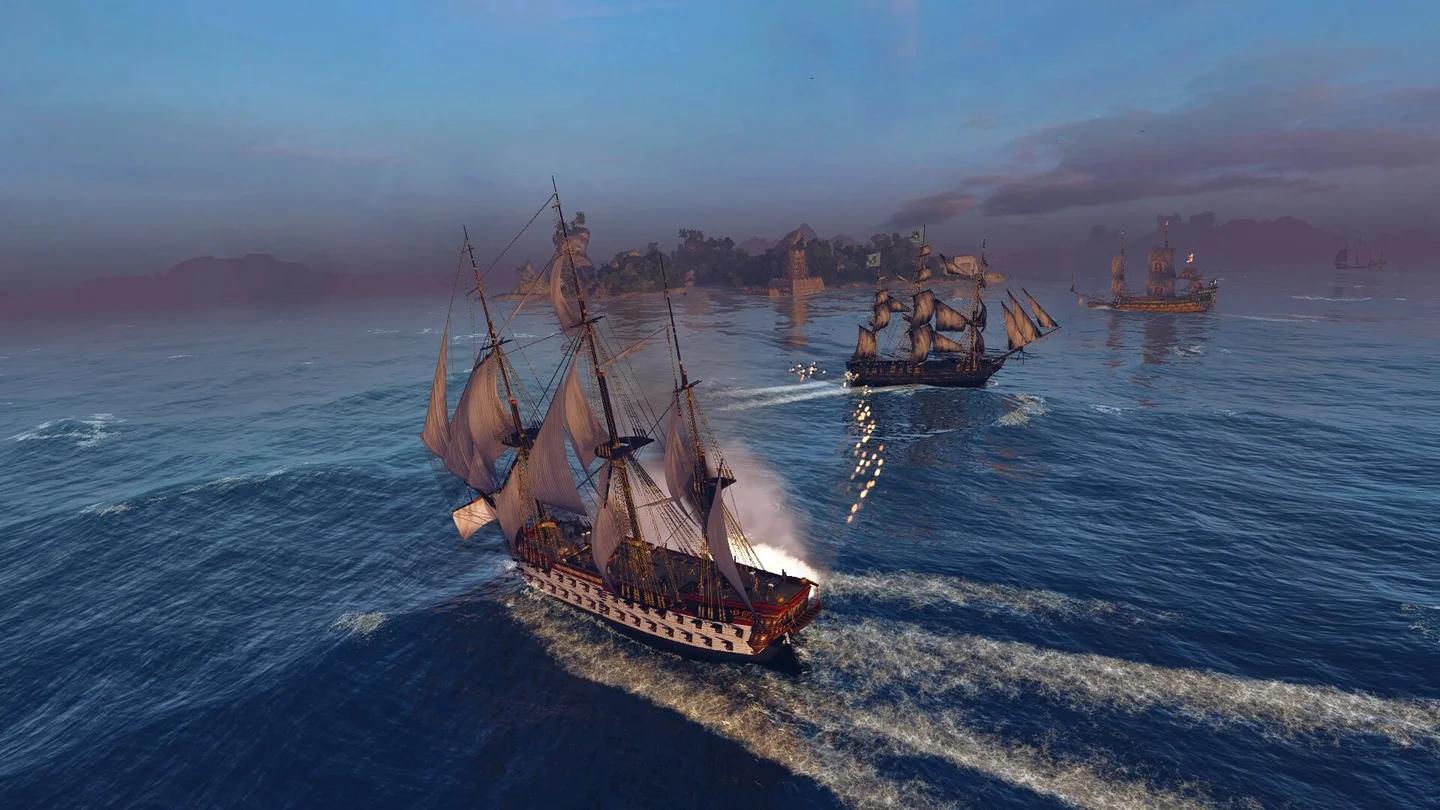
Naval combat combines wind-aware maneuvering, timed broadsides, ammunition selection, and boarding. Captains need to consider their course alongside the kind of damage they want to inflict.
- Round shot damages hulls.
- Bar shot tears sails.
- Grapeshot attacks crews.
- Heated shot starts fires.
These ammunition types make target selection part of combat: attacking a ship's sails serves a different purpose from battering its hull. Boarding adds a close-range option when cannon exchanges fail to settle the fight.
Fleet progression and open-world exploration
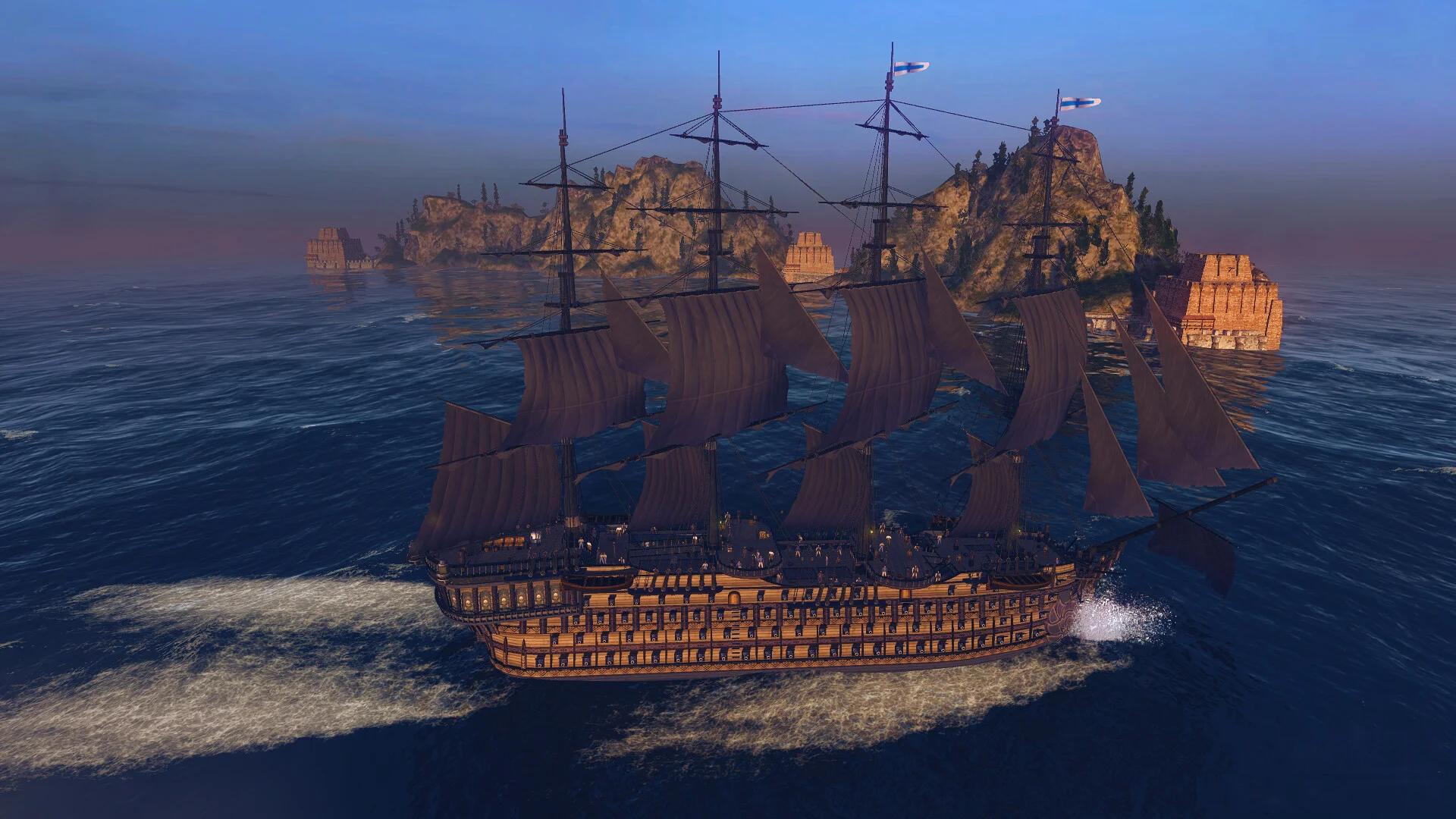
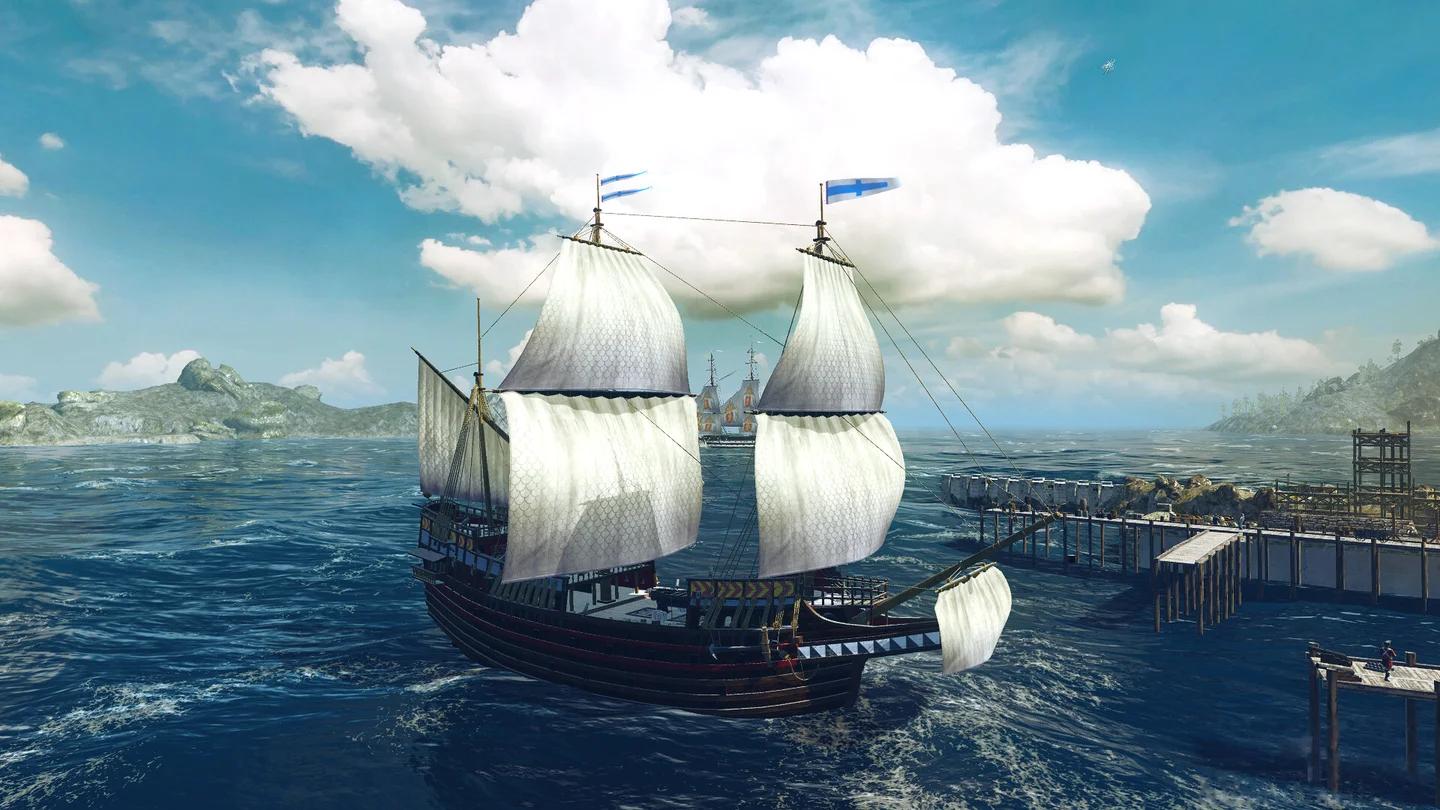
The roster contains more than 50 historical sailing ships drawn from the 16th through 19th centuries. Galleons, brigantines, and frigates sit among the available vessel types.
Ship progression stretches from a small schooner to a 100-gun first-rate ship of the line. Equipment refits and upgrades support mechanical development, while appearance changes let captains customize the look of individual vessels.
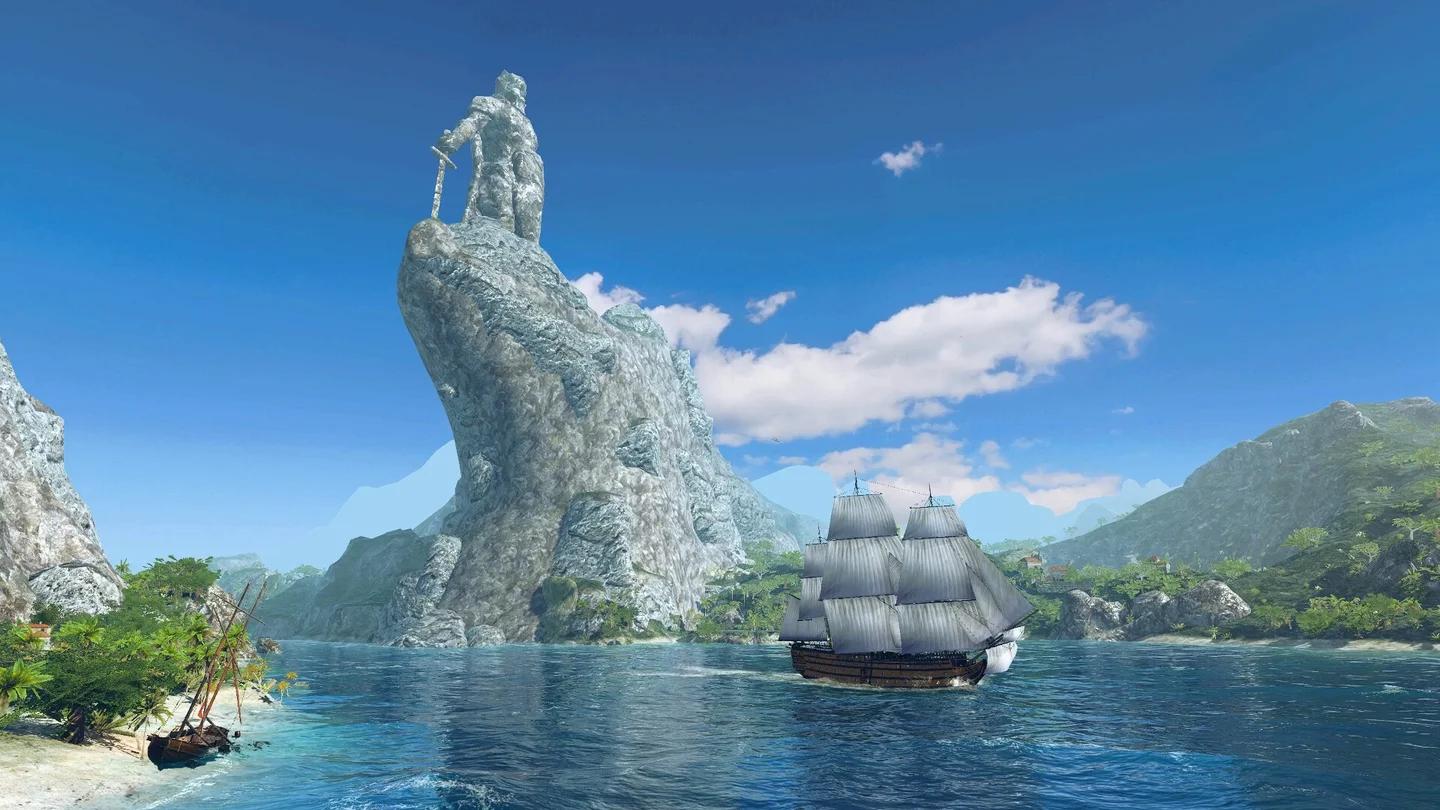
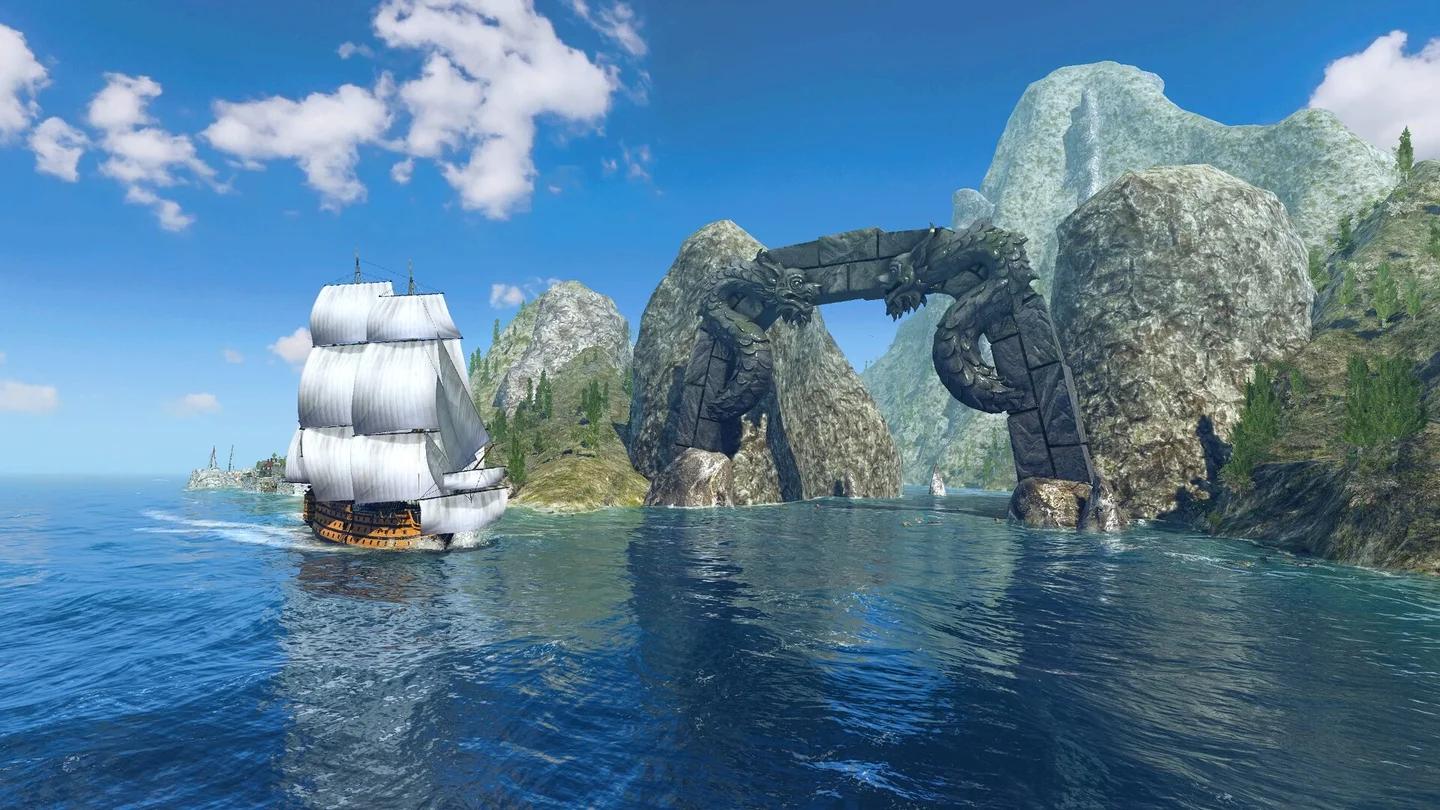
Exploration covers warm southern islands and icy northern waters within one connected Archipelago. The dangerous Endless Sea lies beyond the charted map, giving exploration a destination outside the established regions.
Trading, crafting, and private islands
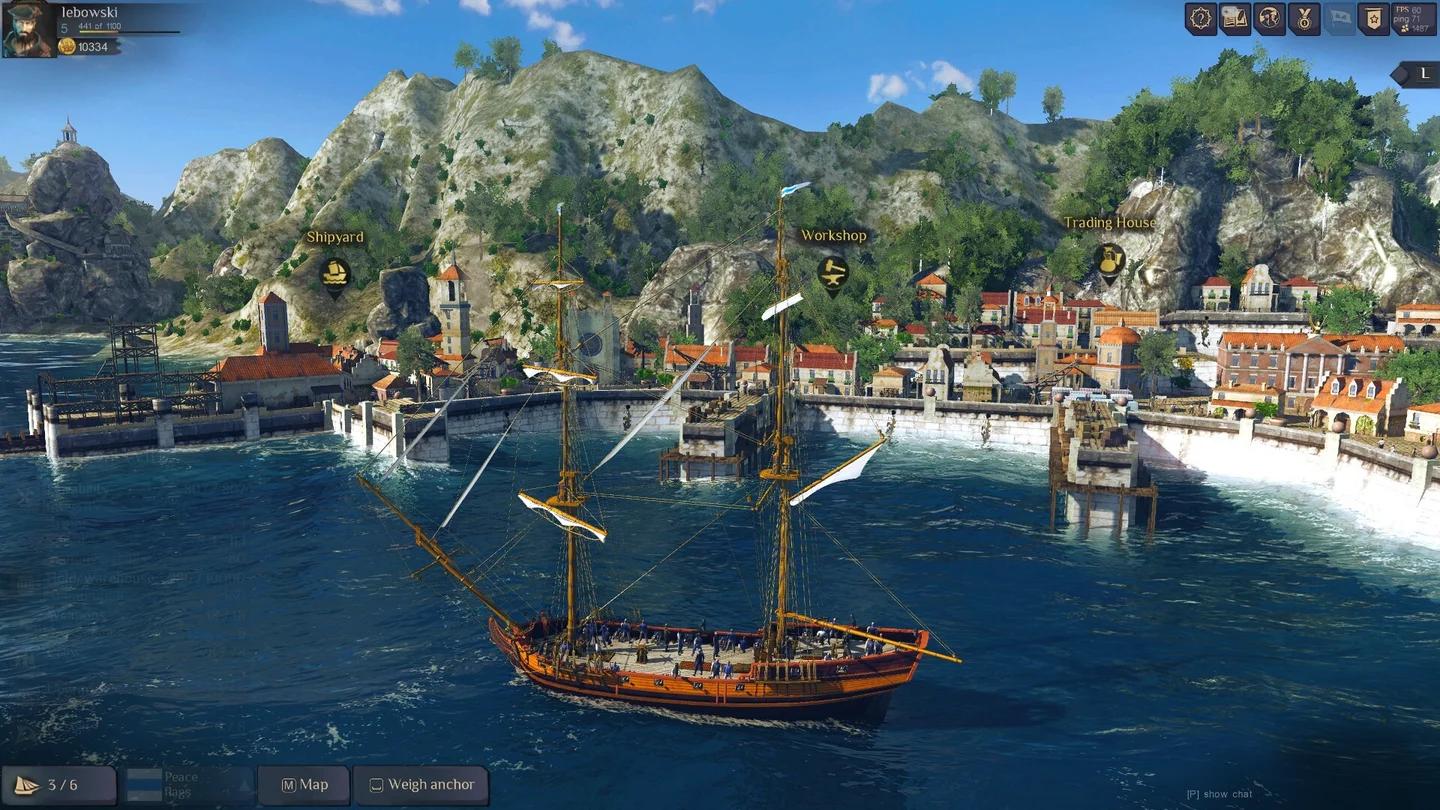
Regional goods give trading voyages a practical purpose. Southern tobacco and wine contrast with northern iron, while crafting turns raw materials into finished products that players can sell through the exchange. Commerce therefore includes both transporting goods and producing them.
Fishing provides another source of supplies and income. A catch can feed the crew, with surplus fish available to sell. Piracy offers a combat-led alternative: captains can board merchant vessels and sell their cargo in port.
Gold also funds private island ownership. An island serves as a fleet stronghold and commercial base, with mines and workshops contributing to its economy. Progression extends beyond acquiring ships into maintaining a place that supports maritime operations.
Flotillas and guild warfare
Friends can form flotillas to sail and fight together. Cooperative play operates within the same open world as competing captains, connecting group activity to the wider sea instead of separating it from exploration and commerce.
Guilds organize the larger territorial struggle. Their members fight over ports and challenge rival groups for control of the Archipelago, with political maneuvering accompanying naval PvP. Port warfare gives organized fleets specific locations to contest and places collective objectives alongside each captain's personal progression.