Overview
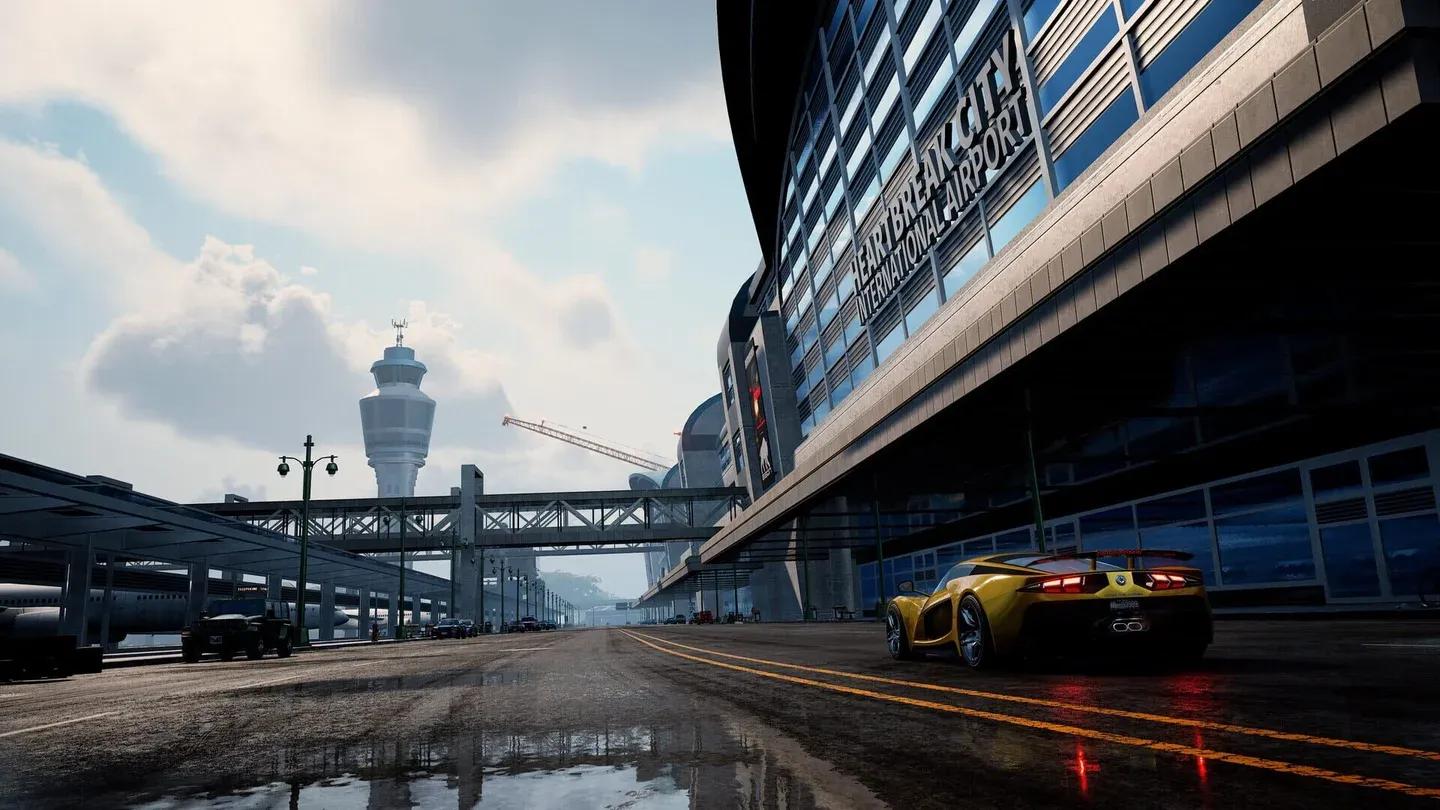
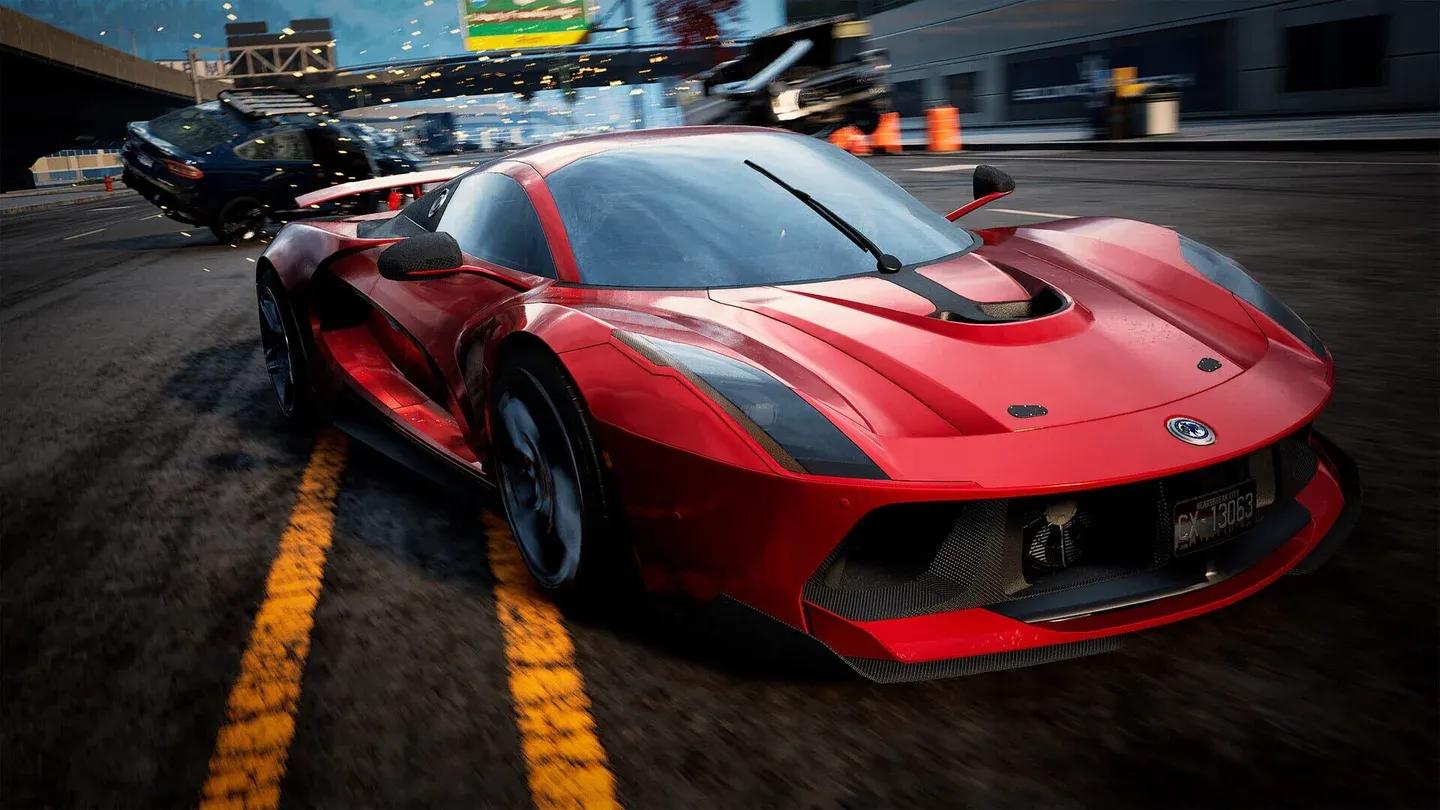
Wreckreation 2 is an open-world arcade racing game developed and published by When Tides Turn. The premise is simple but the execution goes deep: every slam, every shortcut, and every takedown can change the outcome of a race. This isn't a simulation where you find the perfect line and repeat it. The racing here is messy, reactive, and deliberately unpredictable.
The open-world structure means races don't unfold on isolated tracks. The environment is one continuous playground where different routes, hidden paths, and collision opportunities exist at every turn. That design philosophy puts Wreckreation 2 in the same conversation as the classic Burnout series, though When Tides Turn is clearly building something with its own identity.
Wreckreation 2 content image
Gameplay and mechanics
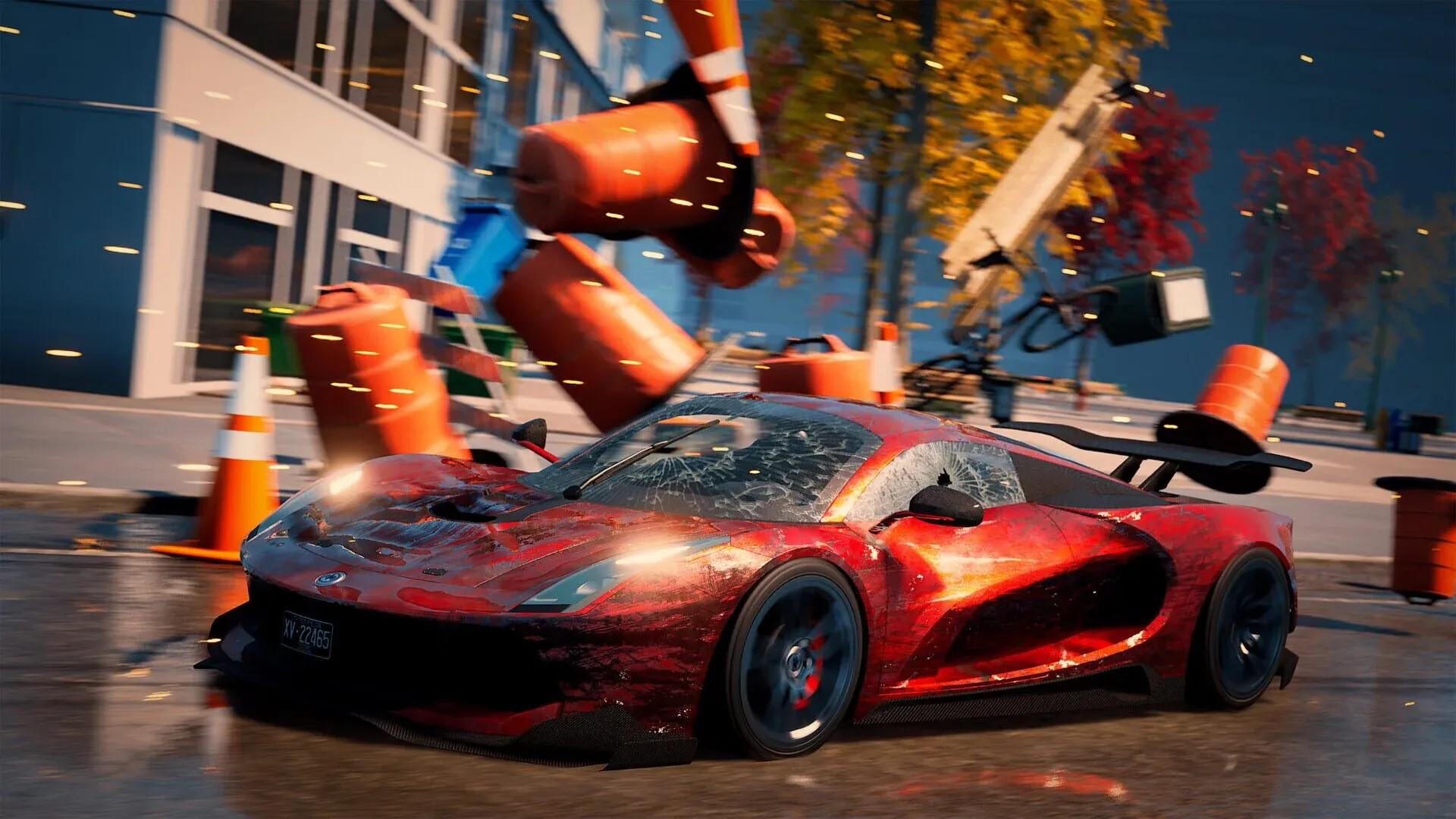
The core loop in Wreckreation 2 centers on three verbs that define the experience:
Wreckreation 2 content image
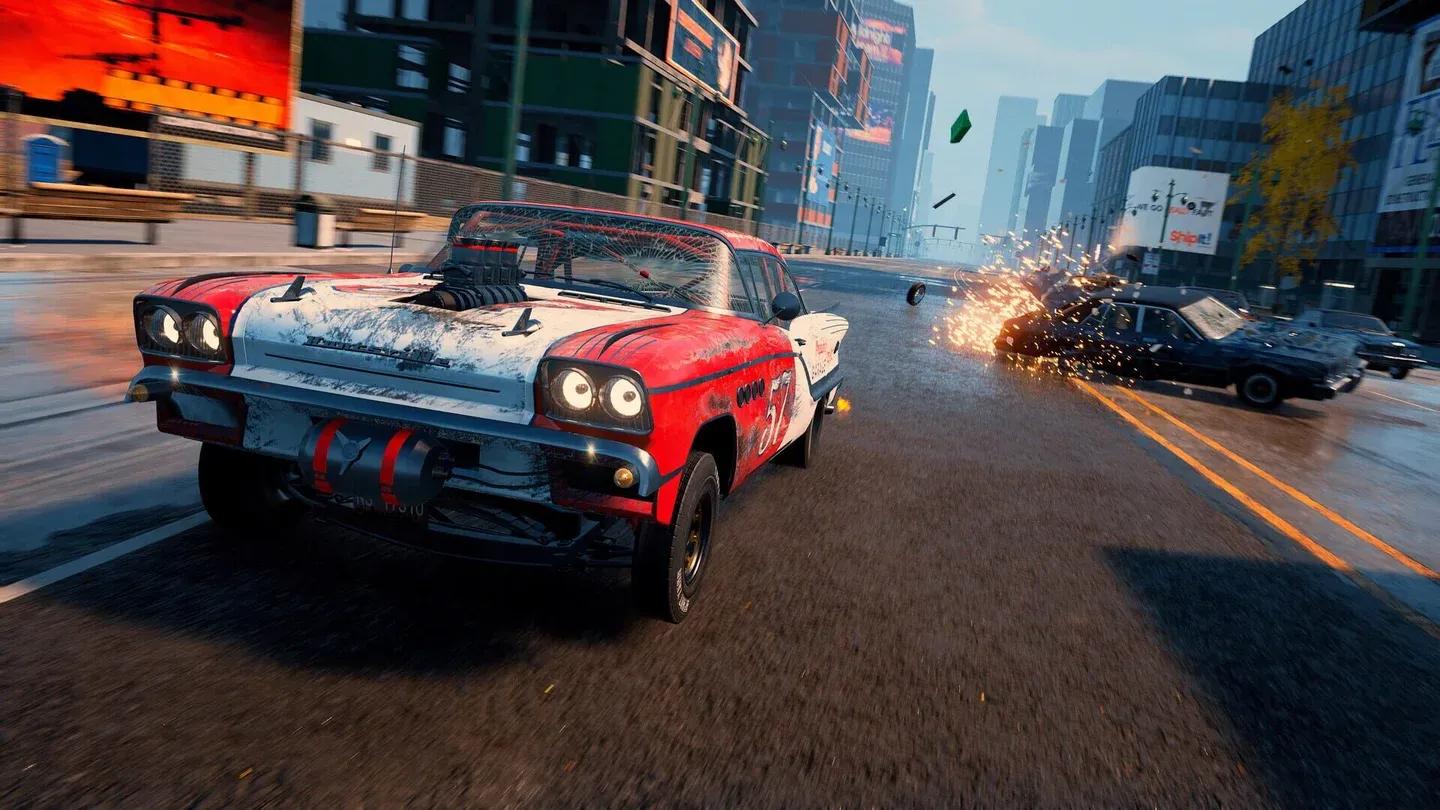
- Slam: aggressive contact that disrupts rivals
- Shortcut: route knowledge that creates separation
- Takedown: eliminating opponents to reshape the race
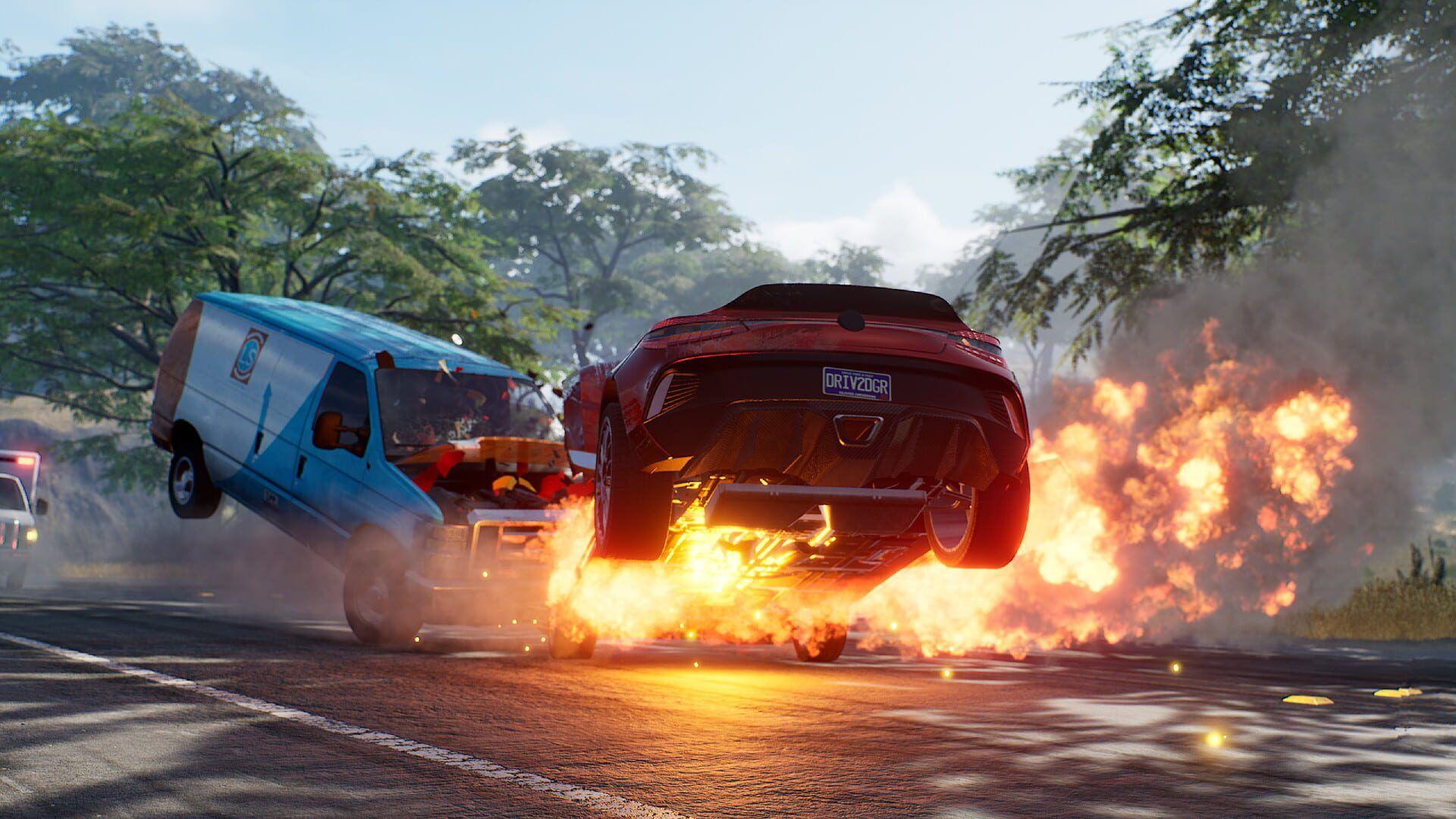
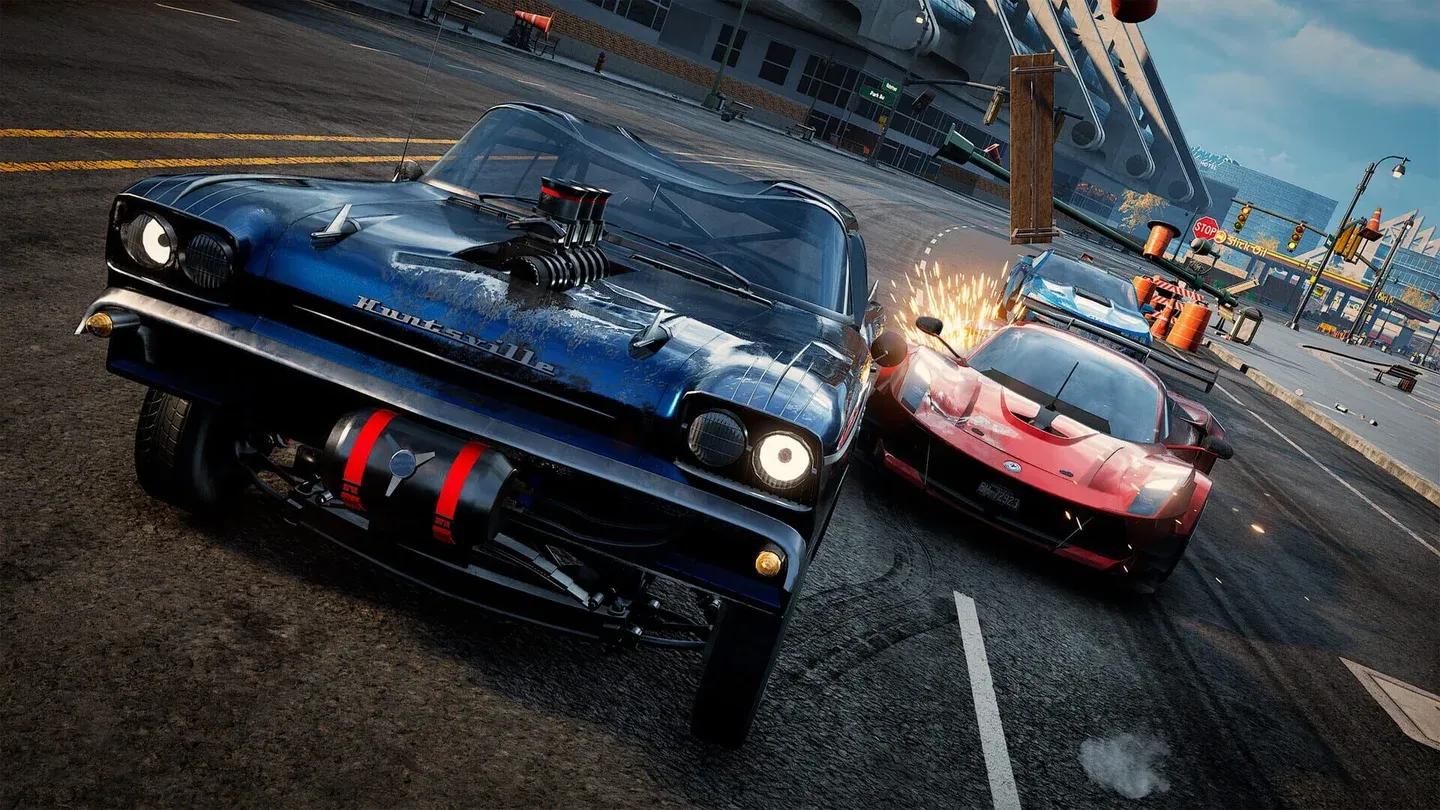
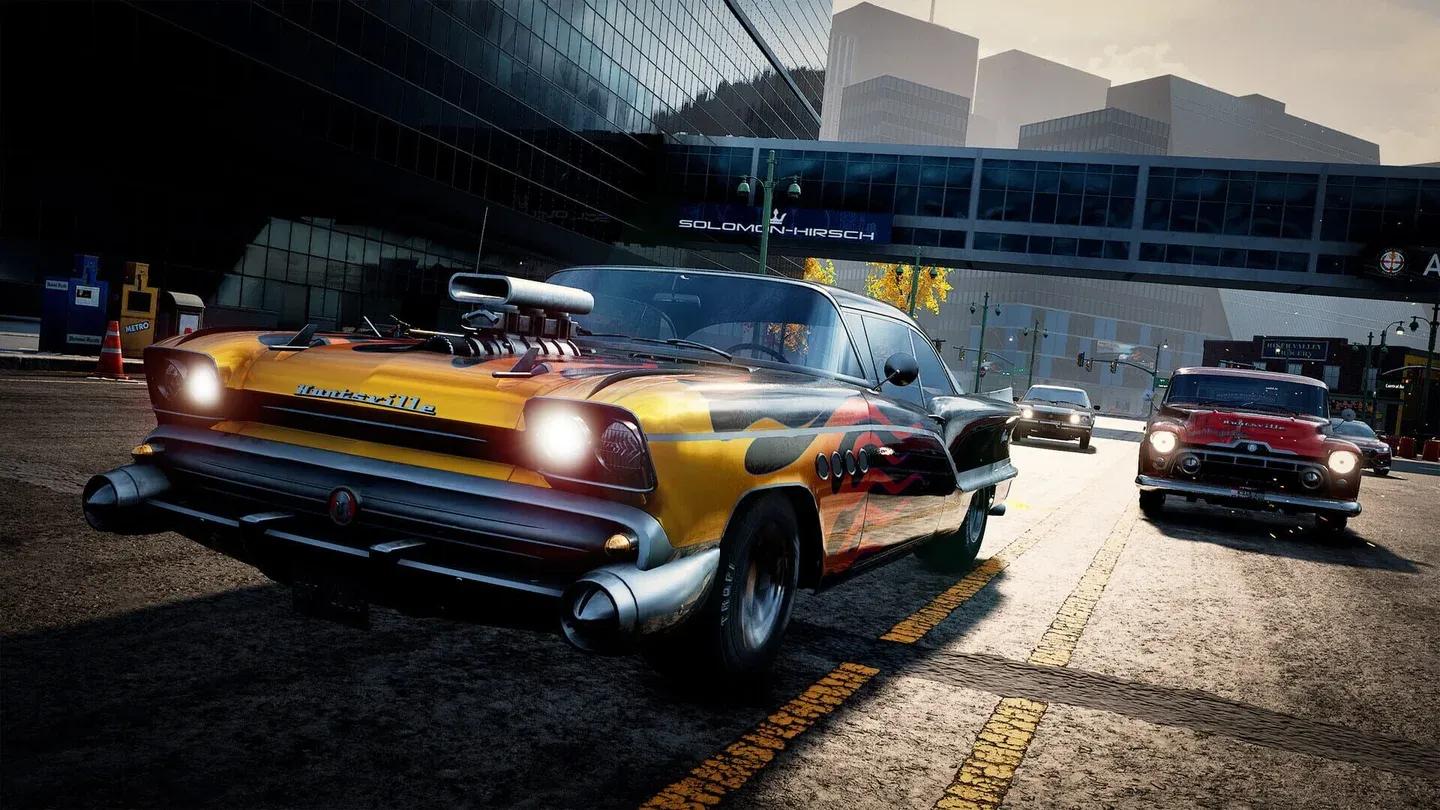
None of these exist in isolation. A well-timed slam can force a rival into a wall, opening a shortcut that wouldn't have been reachable otherwise. A takedown clears the path but costs momentum. The game rewards players who read situations quickly and chain these actions together rather than treating them as separate tools.
Wreckreation 2 content image
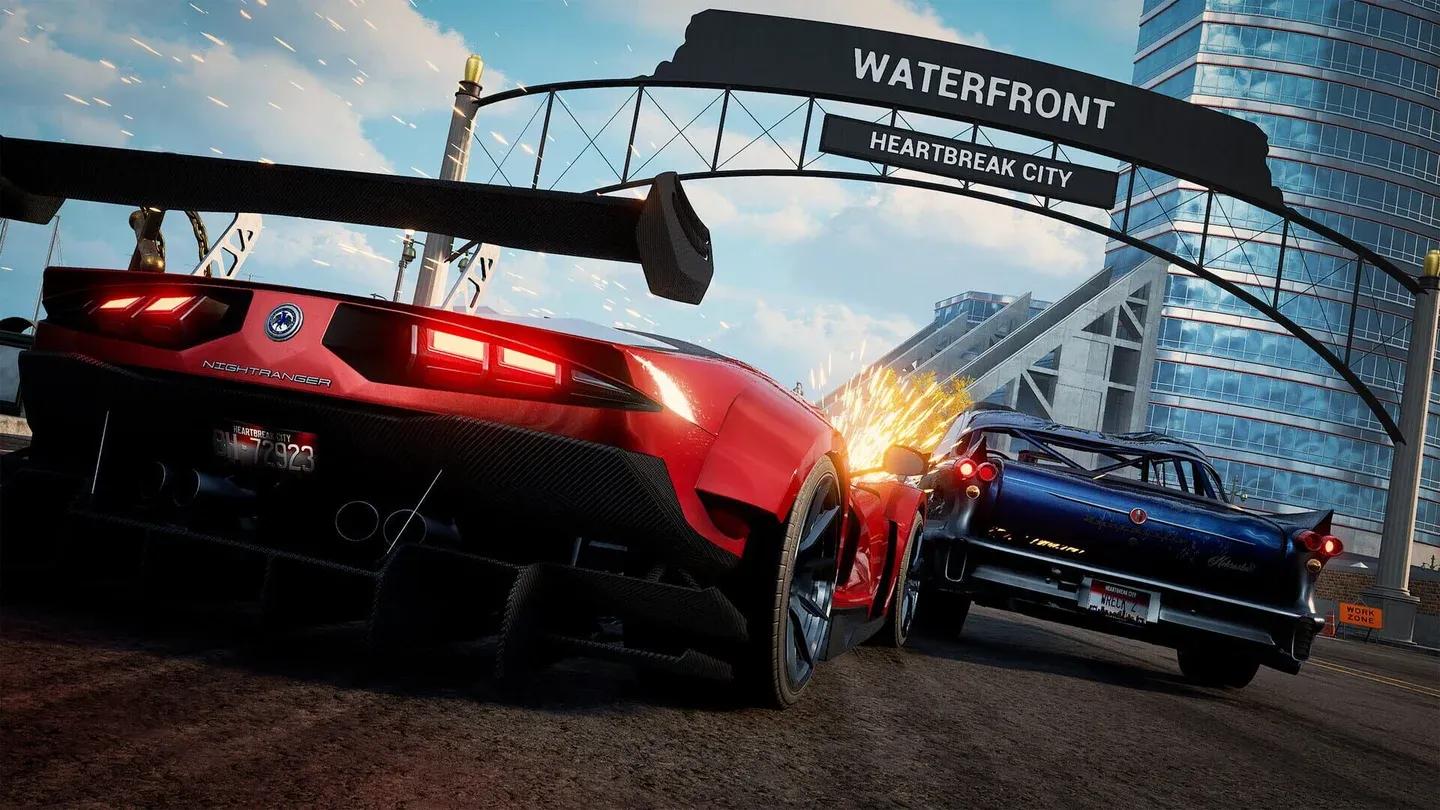
The open-world setting adds another layer to this. Knowing the map becomes as important as reaction time. Routes that look longer on paper can pay off if they bypass a cluster of rivals or set up a better angle for contact. Wreckreation 2 seems designed to make every race feel like a different problem to solve.
What sets Wreckreation 2 apart from other arcade racers?
Most arcade racing games separate combat and speed into distinct systems. Either you're focused on lines and boost management, or you're in a demolition context with no real racing. Wreckreation 2 collapses that divide. The takedown mechanics and the racing mechanics feed directly into each other, meaning aggression is a legitimate strategy rather than a distraction from winning.
The open-world format reinforces this. Fixed-track racers can be memorized and optimized into something predictable. An open world with multiple valid routes and dynamic rival positions means the race evolves in real time. Two runs of the same event can look completely different depending on where rivals cluster and which shortcuts get contested.
Wreckreation 2 content image
Multiplayer and social
Wreckreation 2 targets Xbox, PlayStation, and Windows PC, which positions it for crossplay potential across a broad player base. Arcade racers live or die by their multiplayer communities, and the chaos-forward design of Wreckreation 2 is exactly the kind of format that tends to generate moments worth sharing. Takedowns, near misses, and improbable shortcut finds are the raw material of competitive highlight reels.
The competitive structure of the game, built around a system where any single decision can flip a race result, keeps skill expression high without demanding the kind of precision that shuts out casual players. That balance is hard to strike, and it's the thing that will determine how long the multiplayer ecosystem holds together once the game is in players' hands.