Overview
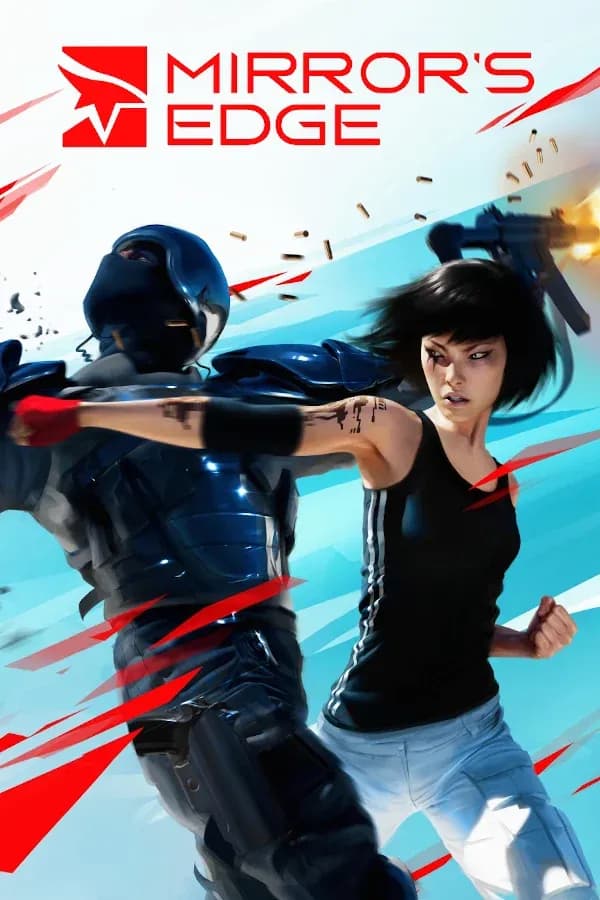
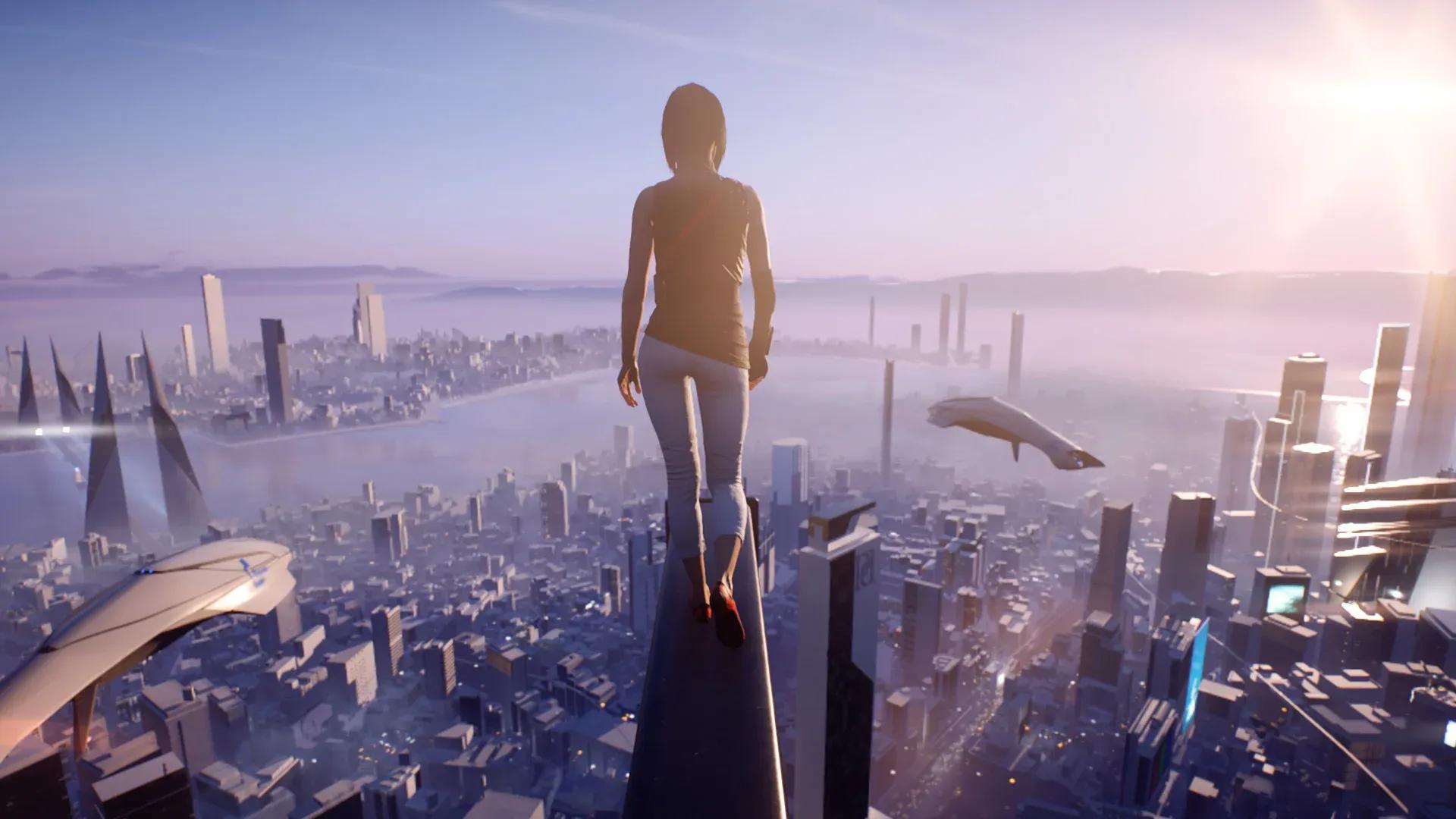
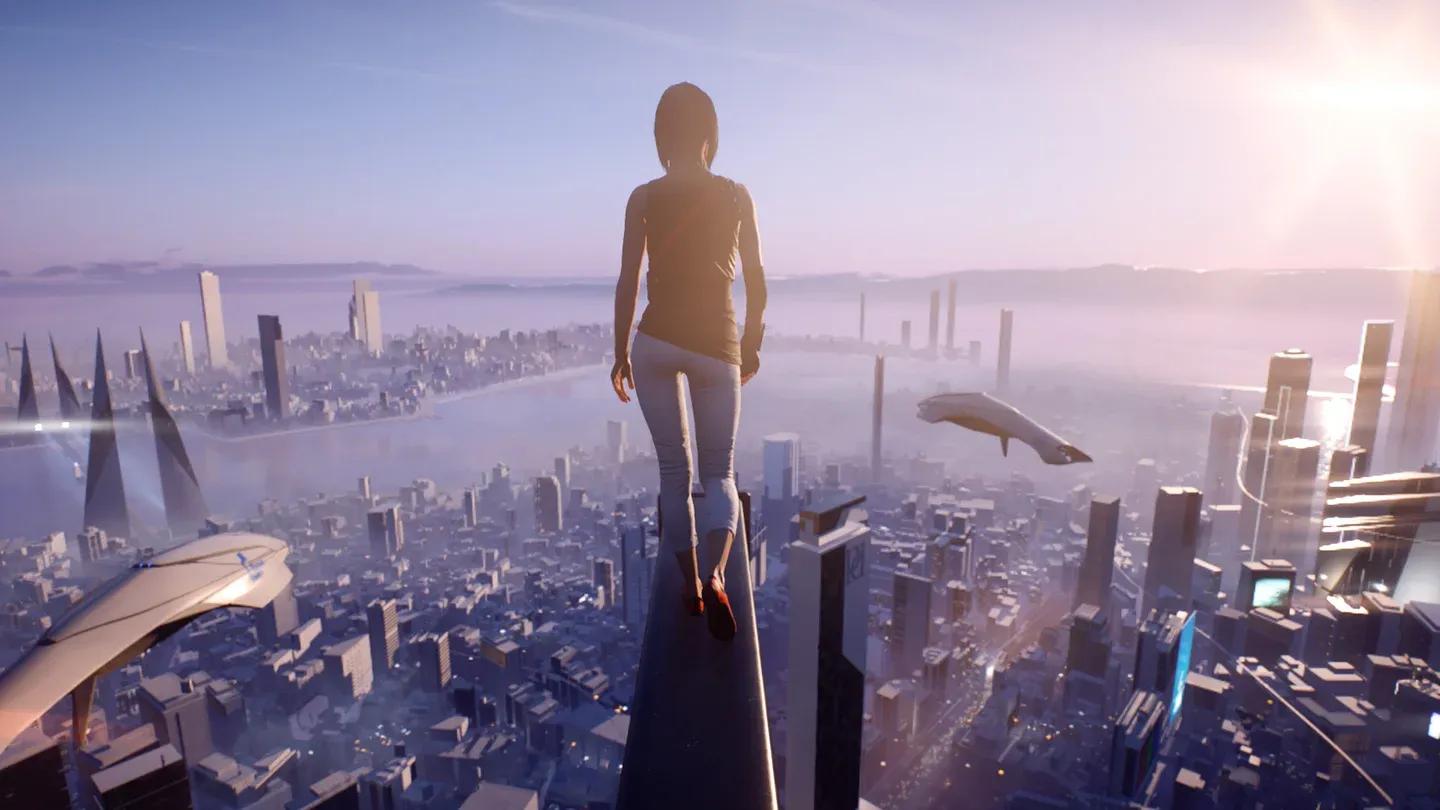
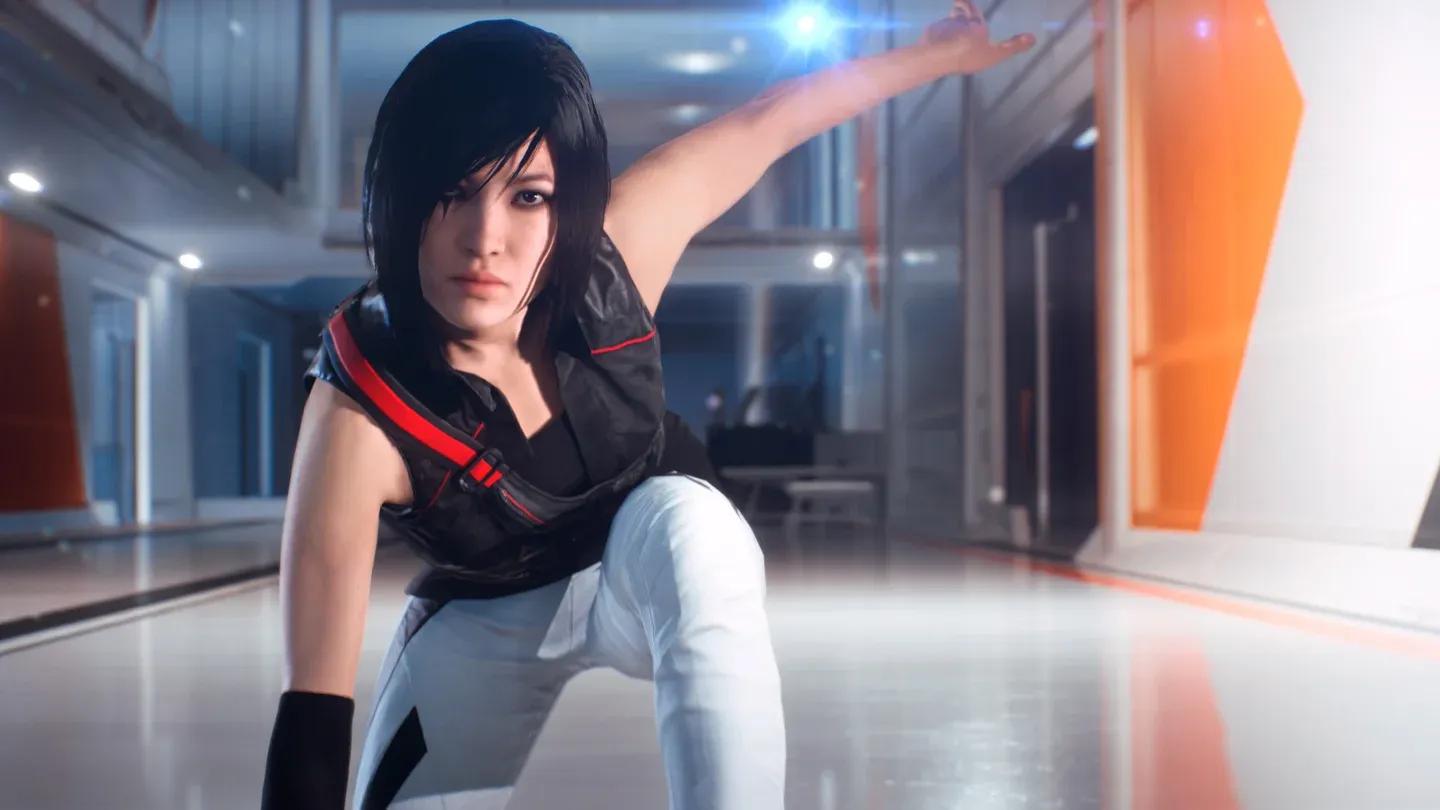
Mirror's Edge Catalyst is an action-adventure parkour game developed by DICE and published by Electronic Arts. Set in the city of Glass, the game follows Faith Connors, a free runner whose story here serves as an origin of sorts, exploring her past and the forces that shaped her. The city itself is the real star: a sprawling open world of sun-drenched rooftops, corporate towers, and grimy underground tunnels that reward players who learn its geometry.
Unlike the original Mirror's Edge, which pushed players through linear levels, Catalyst opens the whole city up for free exploration. That shift changes the game's rhythm significantly. Side missions, time trials, and delivery runs fill the map, and the flow of movement through the environment is what ties it all together. The first-person perspective keeps every jump and wall-run visceral in a way that third-person games simply cannot replicate.
Gameplay and mechanics
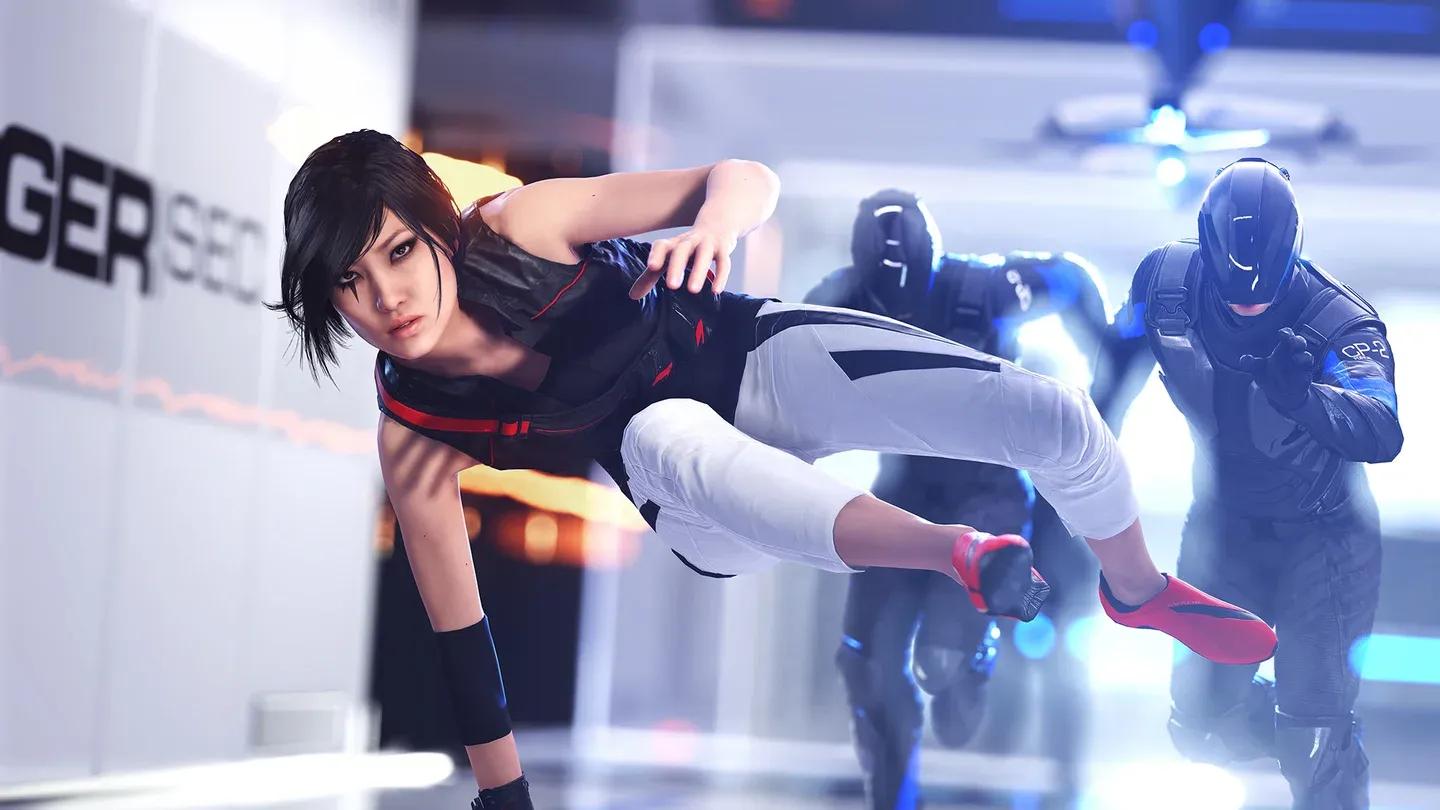
The parkour system is where Catalyst earns its reputation. Faith moves with momentum-based fluidity, and maintaining that momentum is both the challenge and the reward. Stopping is almost always a mistake.
Mirror's Edge™ Catalyst content image
Key movement mechanics include:
- Wall runs and quickturns
- Shift (a dash for tight gaps)
- Coil (a crouch-launch for high ledges)
- Mag rope for swinging across wider gaps
- Spring step for vertical wall jumps
Mirror's Edge™ Catalyst content image
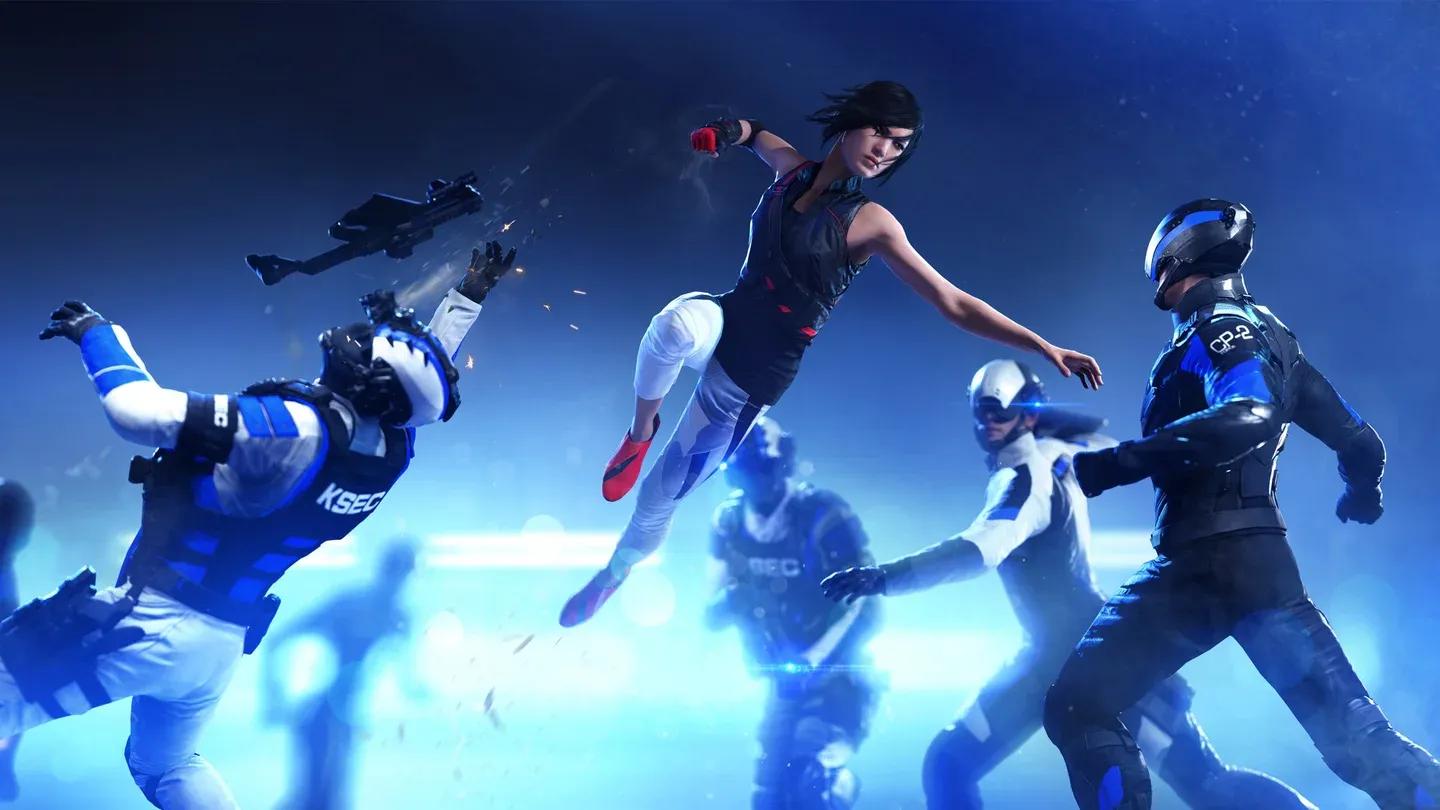
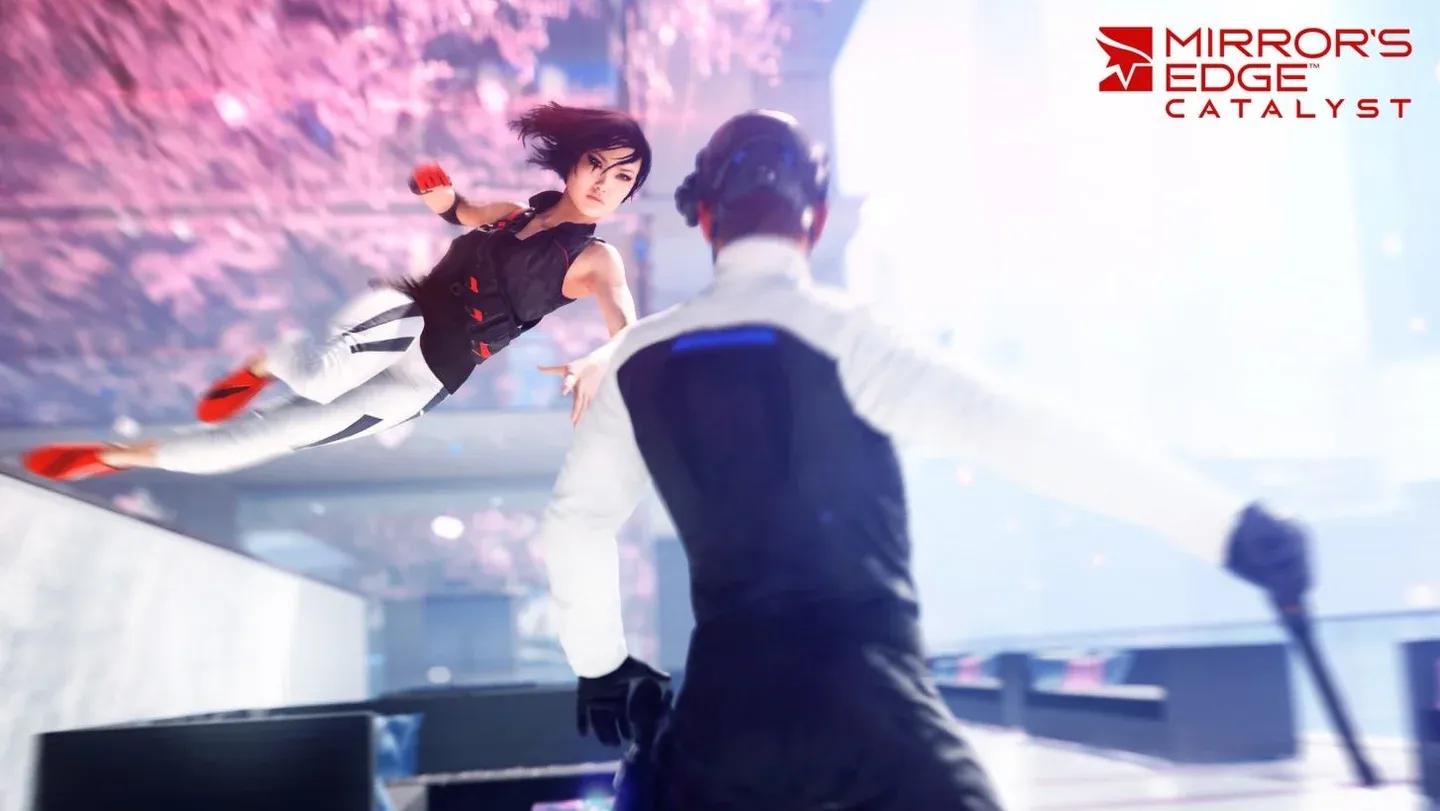
Combat has been stripped of firearms entirely. Faith fights with melee only, using her momentum to power attacks and knockbacks. It is a deliberate design choice that keeps the focus on movement rather than stopping to shoot. The system works well enough in most encounters, though it lacks the depth of dedicated combat games.
World and setting
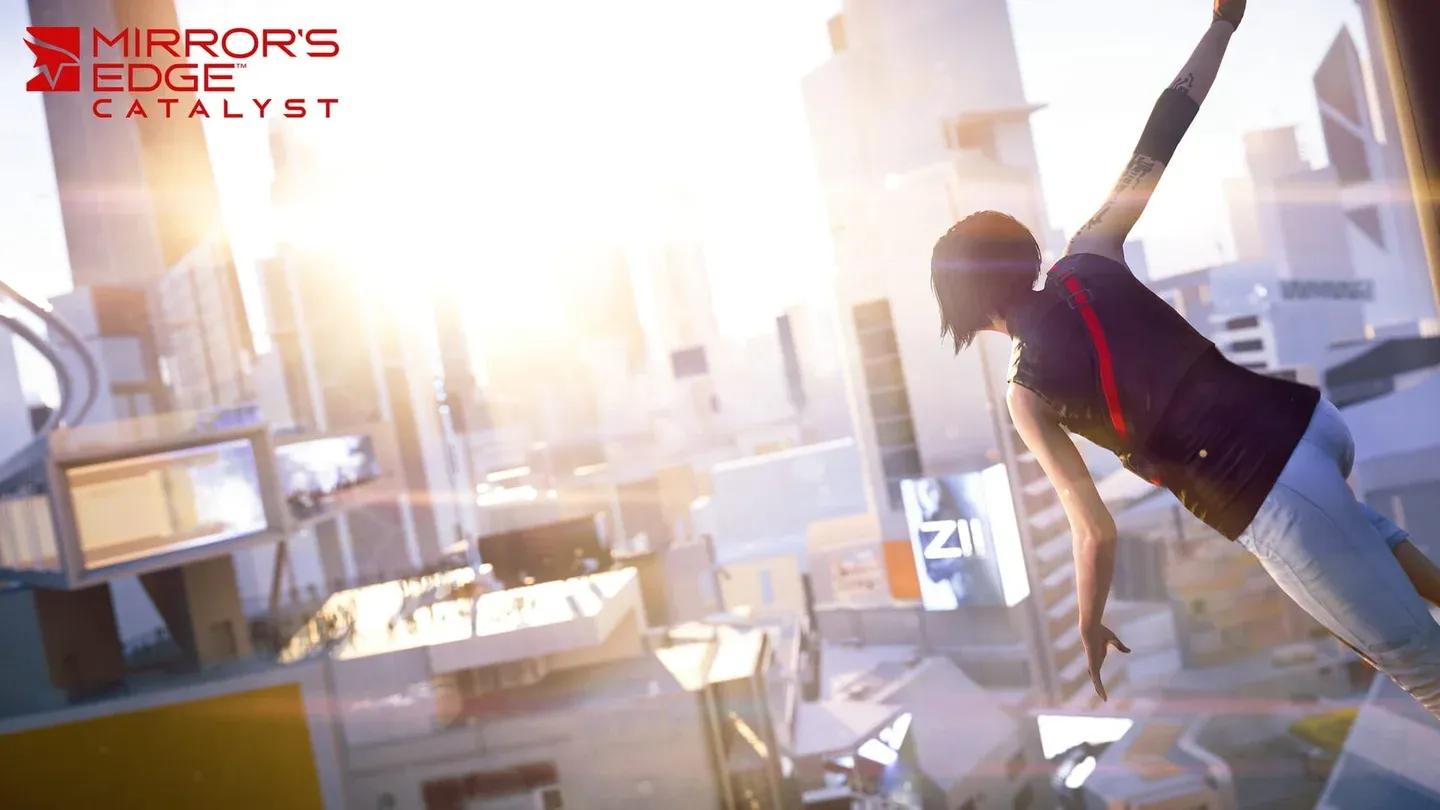
The city of Glass presents a sharp contrast between its polished surface and the oppressive reality underneath. The Conglomerate controls everything, and the Runners who operate outside that system are the only people moving freely through it. Faith operates in this space, taking jobs, uncovering secrets, and gradually pushing back against a system built to grind people down.
Mirror's Edge™ Catalyst content image
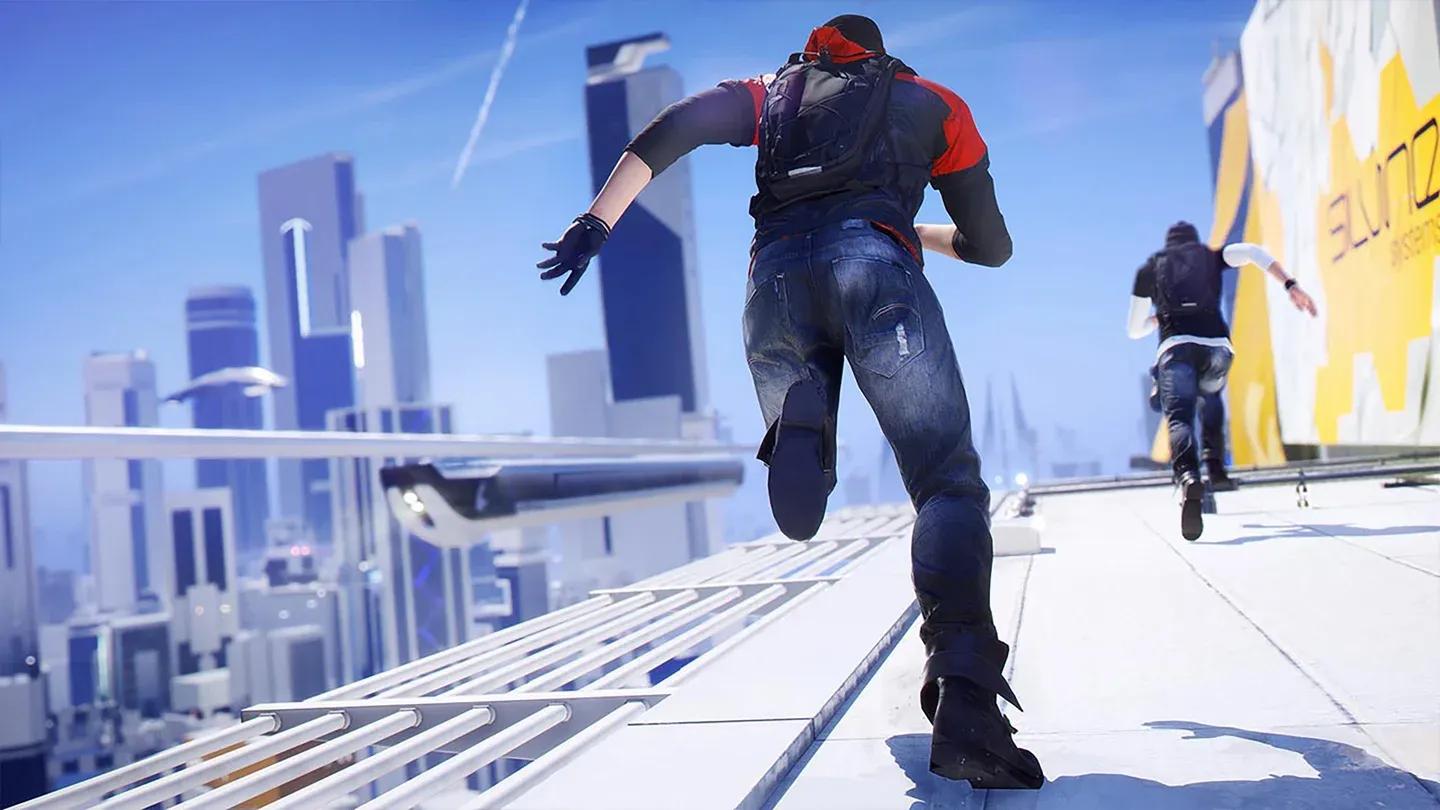
The open world is structured across distinct districts, each with its own visual character. Rooftop routes connect naturally through the environment rather than relying on waypoint-following, and finding faster paths between objectives is genuinely satisfying. The city feels designed for movement first, story second.
Is Mirror's Edge Catalyst worth playing for parkour fans?
For players specifically drawn to first-person parkour, Catalyst remains one of the few games that does it at this level. The movement system has a learning curve that pays off, and the open world gives that system more space than the original's corridor-style levels ever did. Time trial content and the ghost system, which lets you race against recorded runs from other players, add replayability beyond the main story.
The story itself is serviceable but rarely the reason to keep playing. Faith is a compelling protagonist, and the world-building around the Conglomerate and the Runner network has enough texture to carry you through. The real pull is always the next rooftop, the next clean line across the city, the next run where everything clicks into place.
Mirror's Edge™ Catalyst content image
System Requirements
| Requirement | Minimum | Recommended |
|---|---|---|
| OS | - | Windows 10 64-Bit (use the latest Service Pack) |
| Processor | Intel i3-3250 / AMD FX-6350. (Note: Mirror's Edge Catalyst requires at least 4 logical cores to run) | Intel Core i7-3770 at 3.4 GHz / AMD FX-8350 at 4.0 GHz |
| Memory | 6 GB RAM | 16 GB RAM |
| Graphics | NVIDIA GeForce® GTX 650 Ti 2GB or better / AMD Radeon™ R9 270x or better | NVIDIA GeForce® GTX 970 4GB or better / AMD Radeon™ R9 280x 3GB or better |