

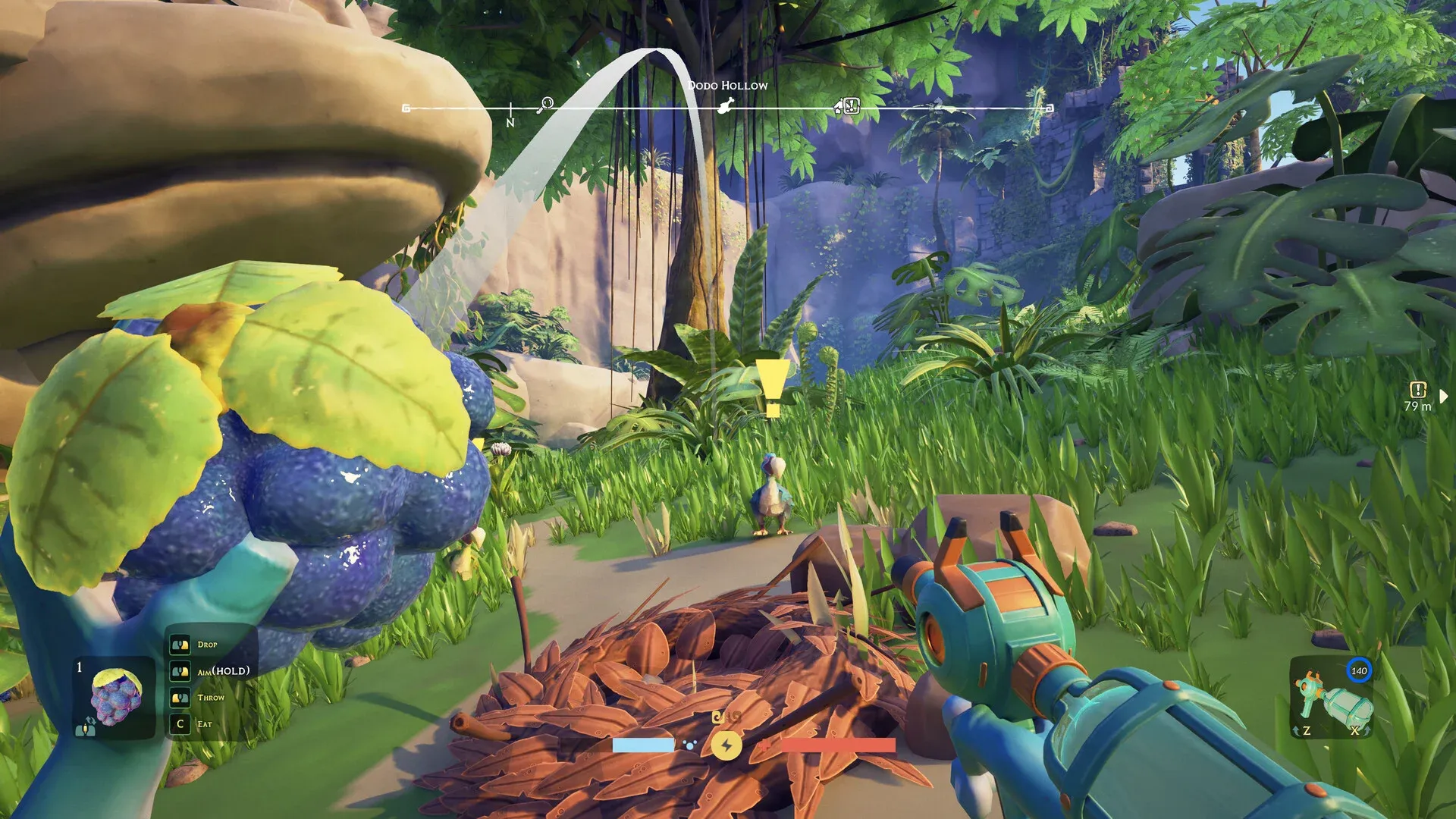
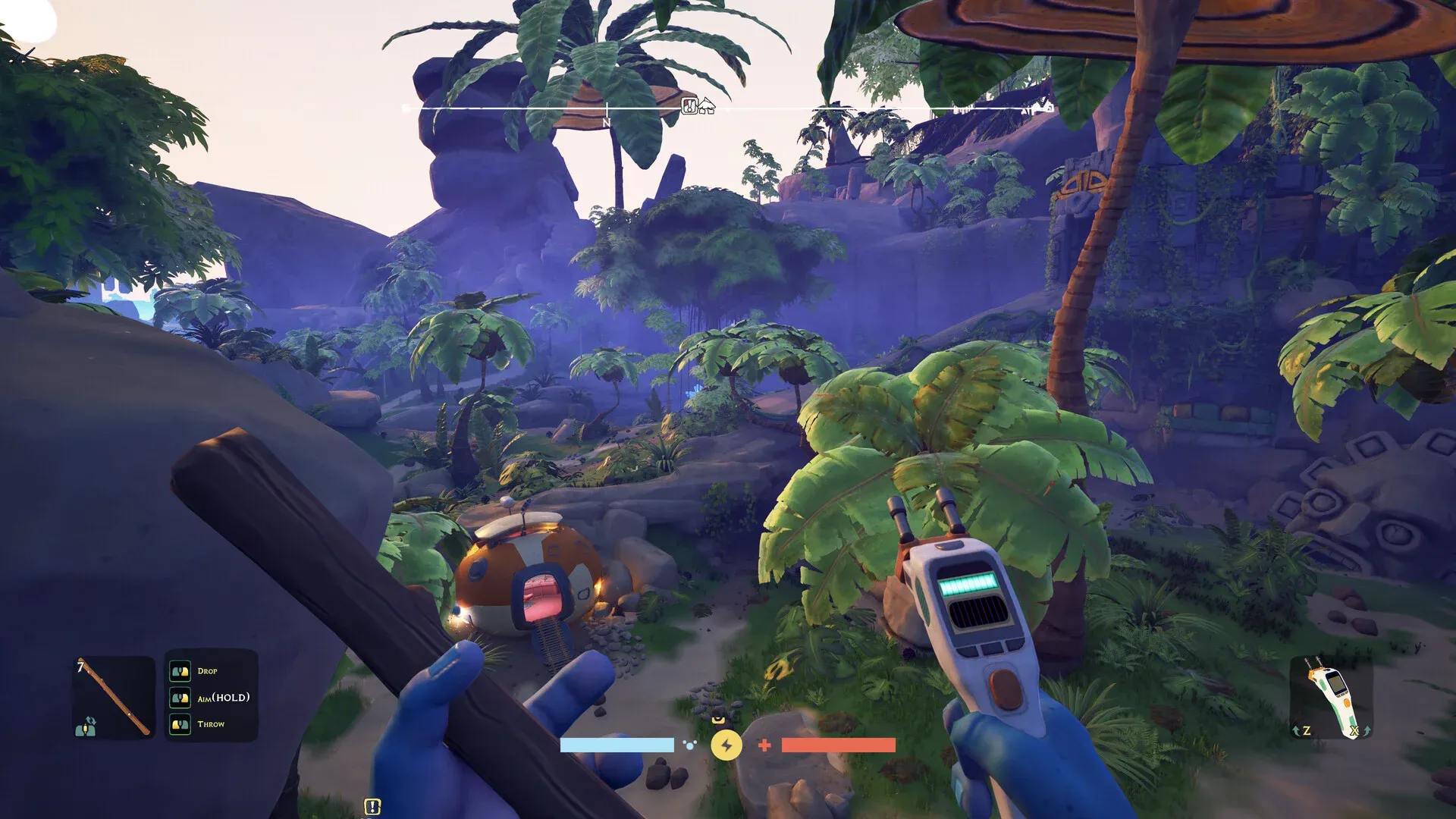
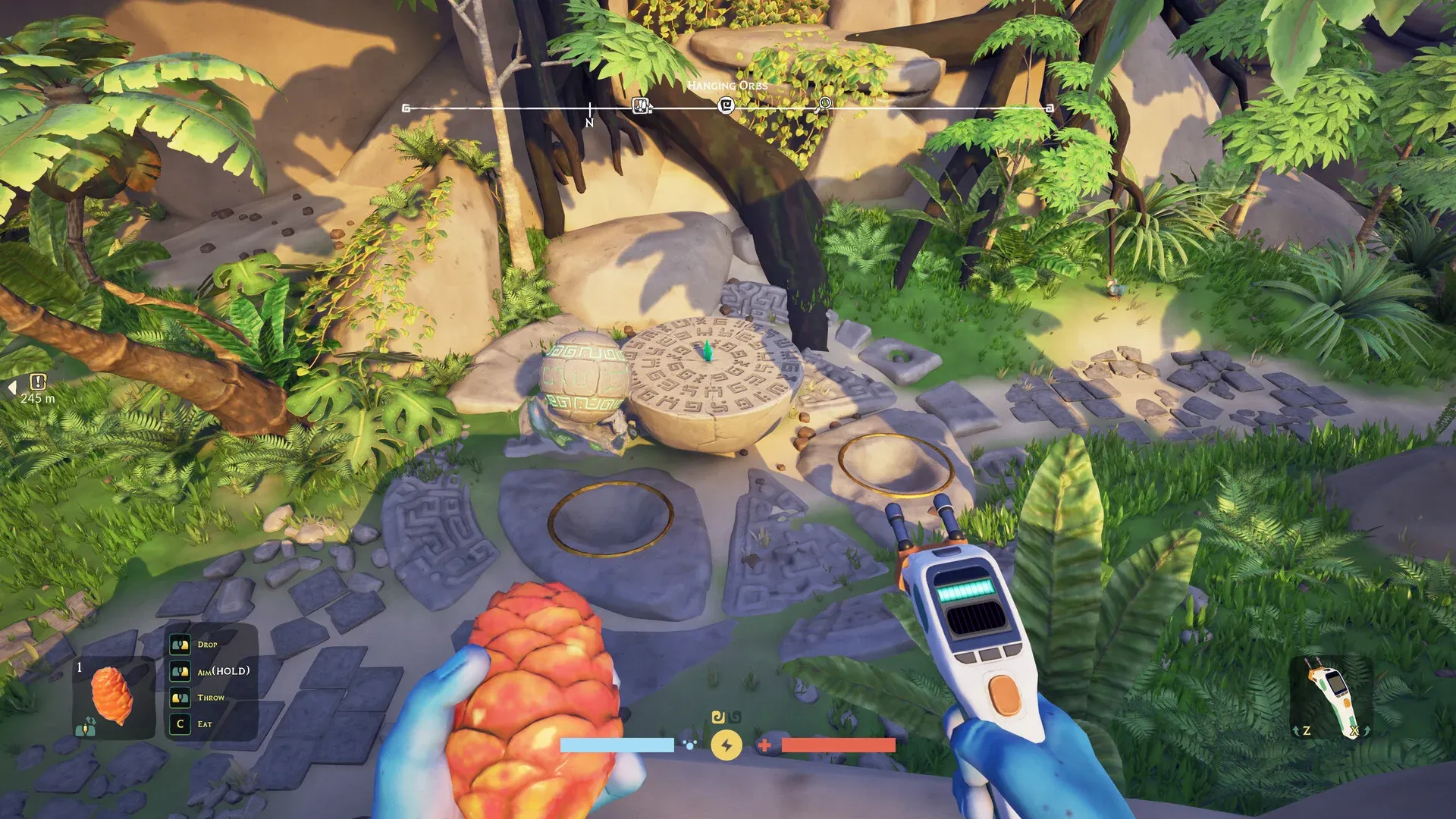


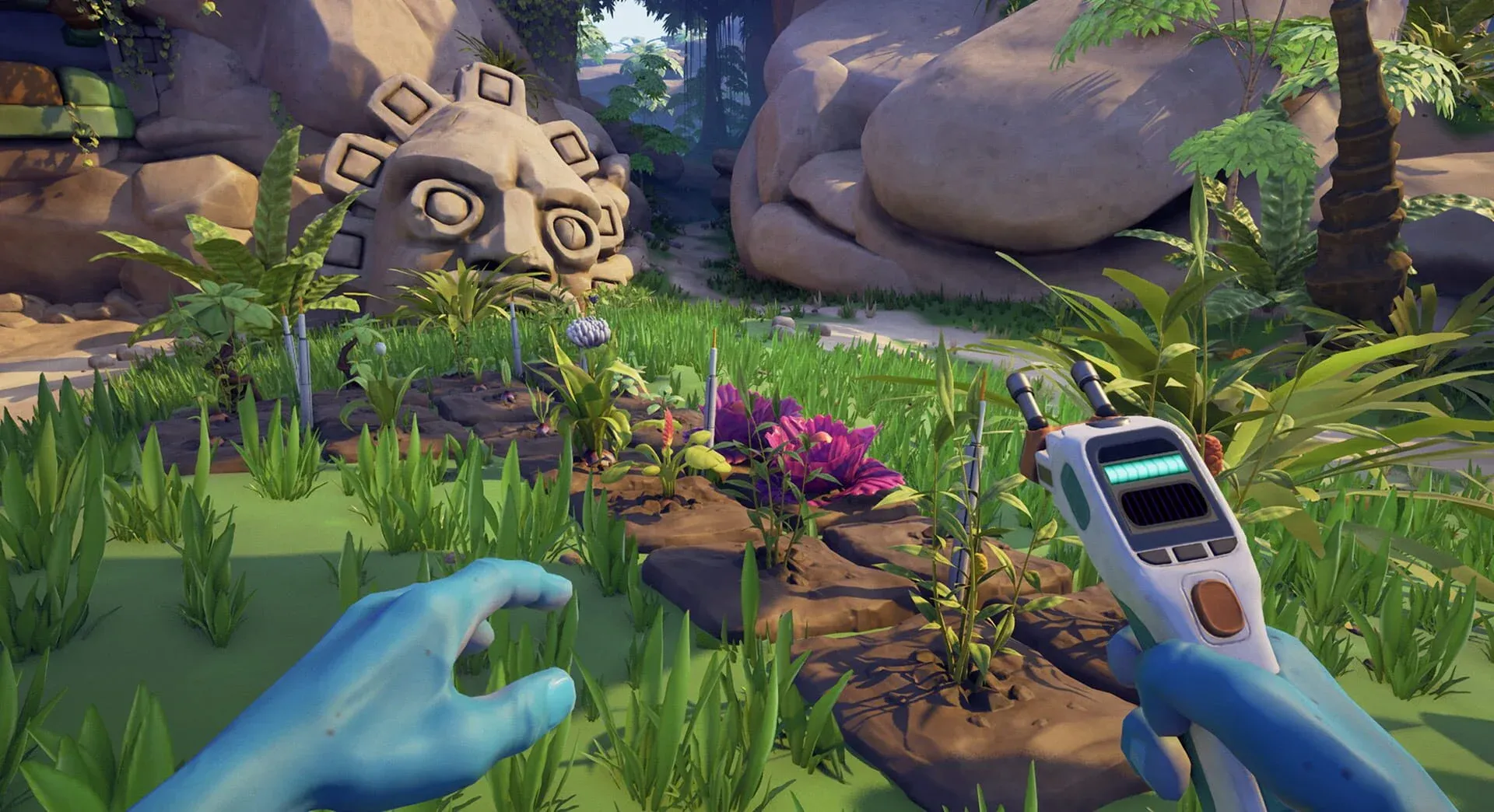

ASTROBOTANICA casts players in an unconventional role rarely explored in survival games—a botanist marooned on ancient Earth. The premise centers on Xel, an extraterrestrial researcher whose seed-hunting expedition across galaxies ends abruptly when their spacecraft crashes during the Pleistocene epoch. Rather than wielding weapons or building sprawling bases, survival hinges entirely on botanical knowledge and agricultural prowess.
The core gameplay loop revolves around cultivation, experimentation, and adaptation. Players must master soil composition, water management, and crop protection while defending their gardens from wildlife and environmental hazards. The setting itself becomes a character—an untamed version of Earth where megafauna roam and early humans represent unpredictable neighbors rather than allies or enemies. This temporal displacement creates fascinating dynamics as advanced alien science meets primitive survival conditions.
Space Goblin Studio has crafted a simulation that rewards patience and experimentation. The agricultural systems demand attention to detail, from mixing proper soil amendments to timing harvests correctly. Meanwhile, the tonic-brewing mechanics add layers of complexity, transforming raw botanical materials into survival tools through careful recipe discovery.

Biggest discounts, free games, and limited-time offers across every major gaming store.
Never pay full price again.
What Makes the Botanical Systems Unique?
The cultivation mechanics distinguish ASTROBOTANICA from conventional farming simulators through their scientific depth. Players don't simply plant seeds and wait—they engineer growing conditions by analyzing soil composition, managing nutrient levels, and creating microenvironments suitable for alien specimens alongside Earth's prehistoric flora.
- Soil mixing with compost and organic materials
- Irrigation system design and water conservation
- Pest control against birds and rodents
- Crop rotation and bed management
- Environmental adaptation strategies
ASTROBOTANICA
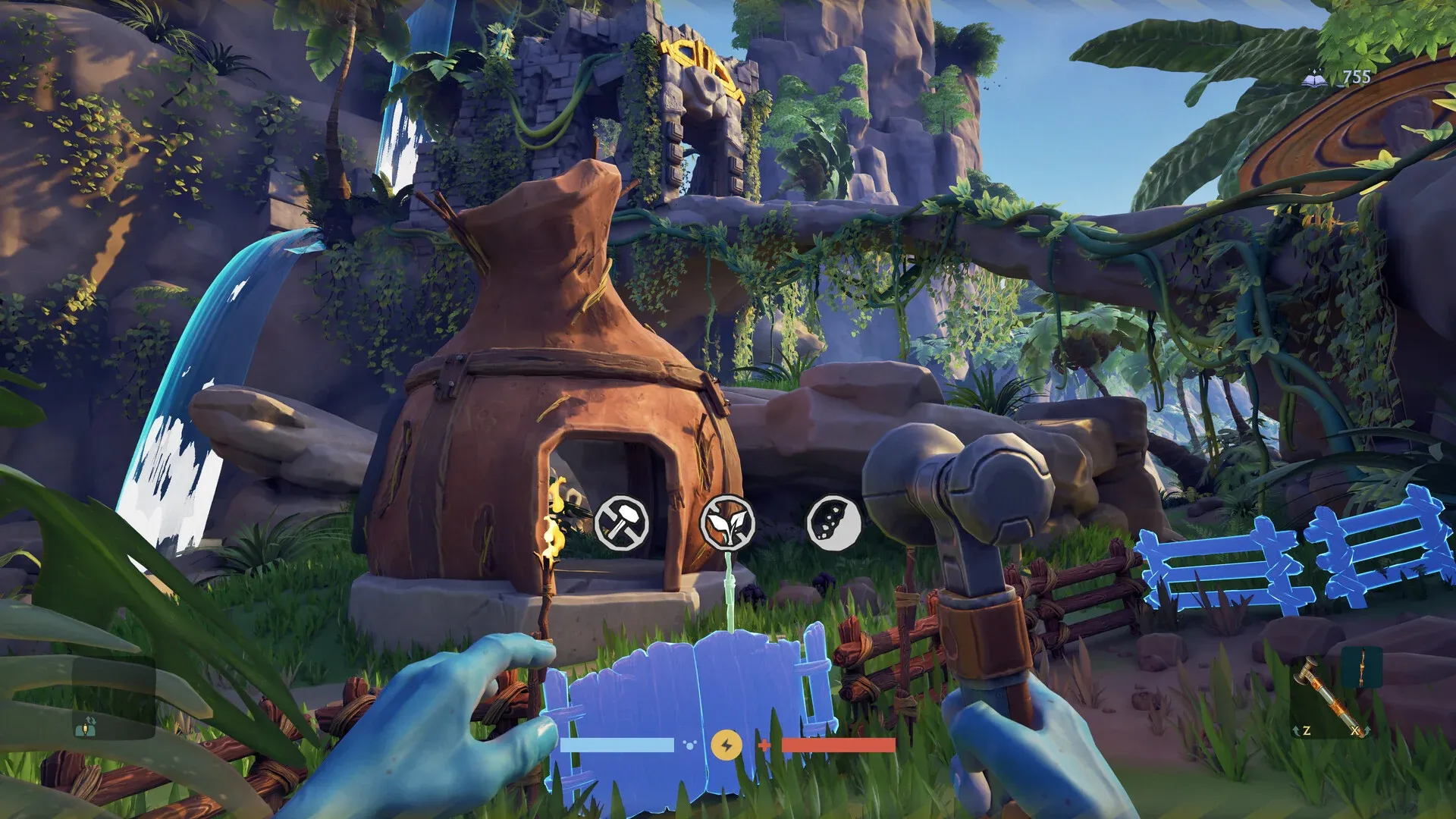
Garden planning requires strategic thinking beyond typical grid-based farming. Protecting vulnerable plants from curious wildlife introduces puzzle elements, while seasonal variations affect growth cycles. The game respects real botanical principles, creating an educational layer beneath its science fiction premise. Players gradually unlock understanding of how different species interact, which combinations yield superior results, and how to maximize limited resources in hostile territory.
Alchemy and Discovery Through Brewing
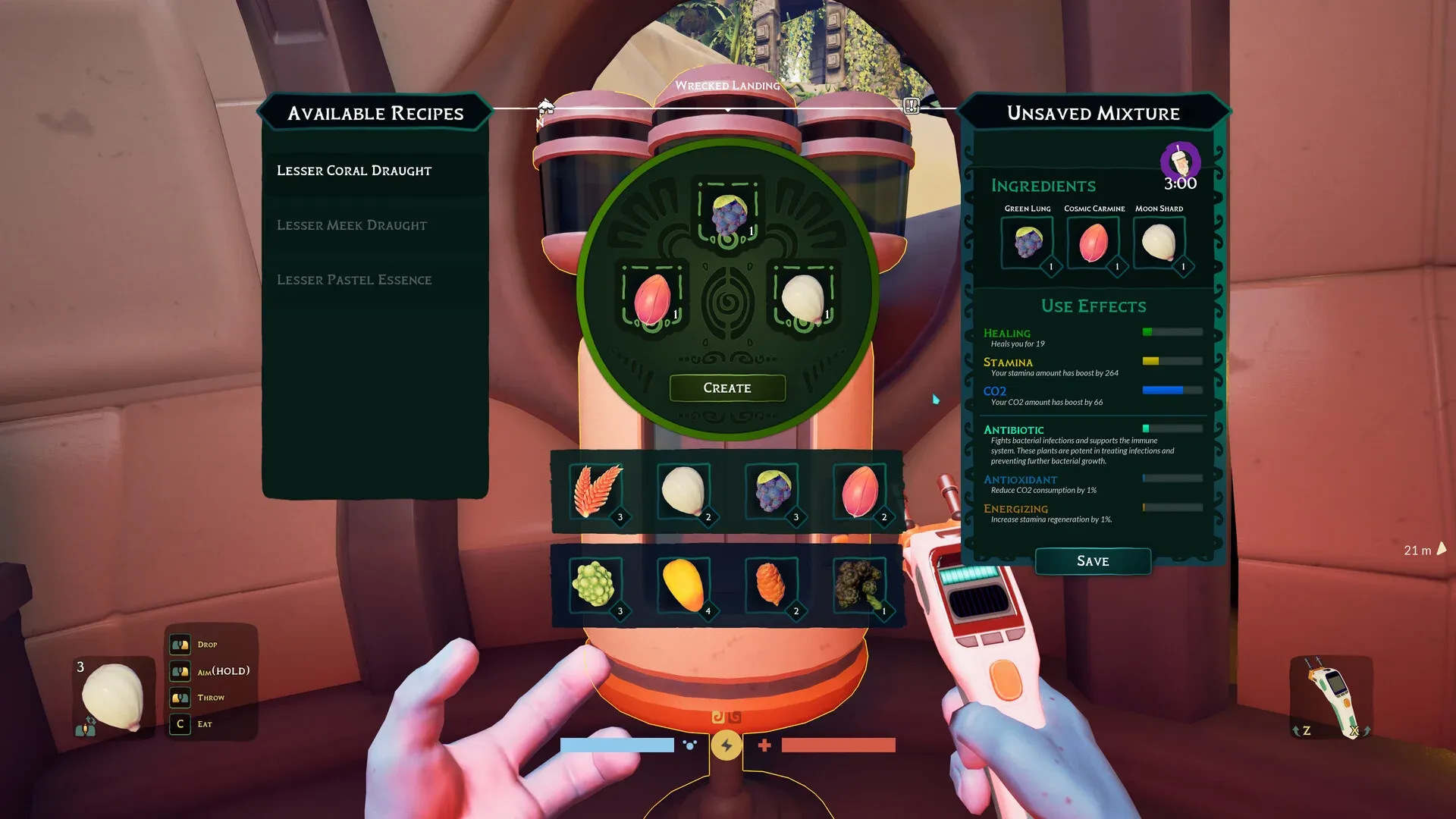
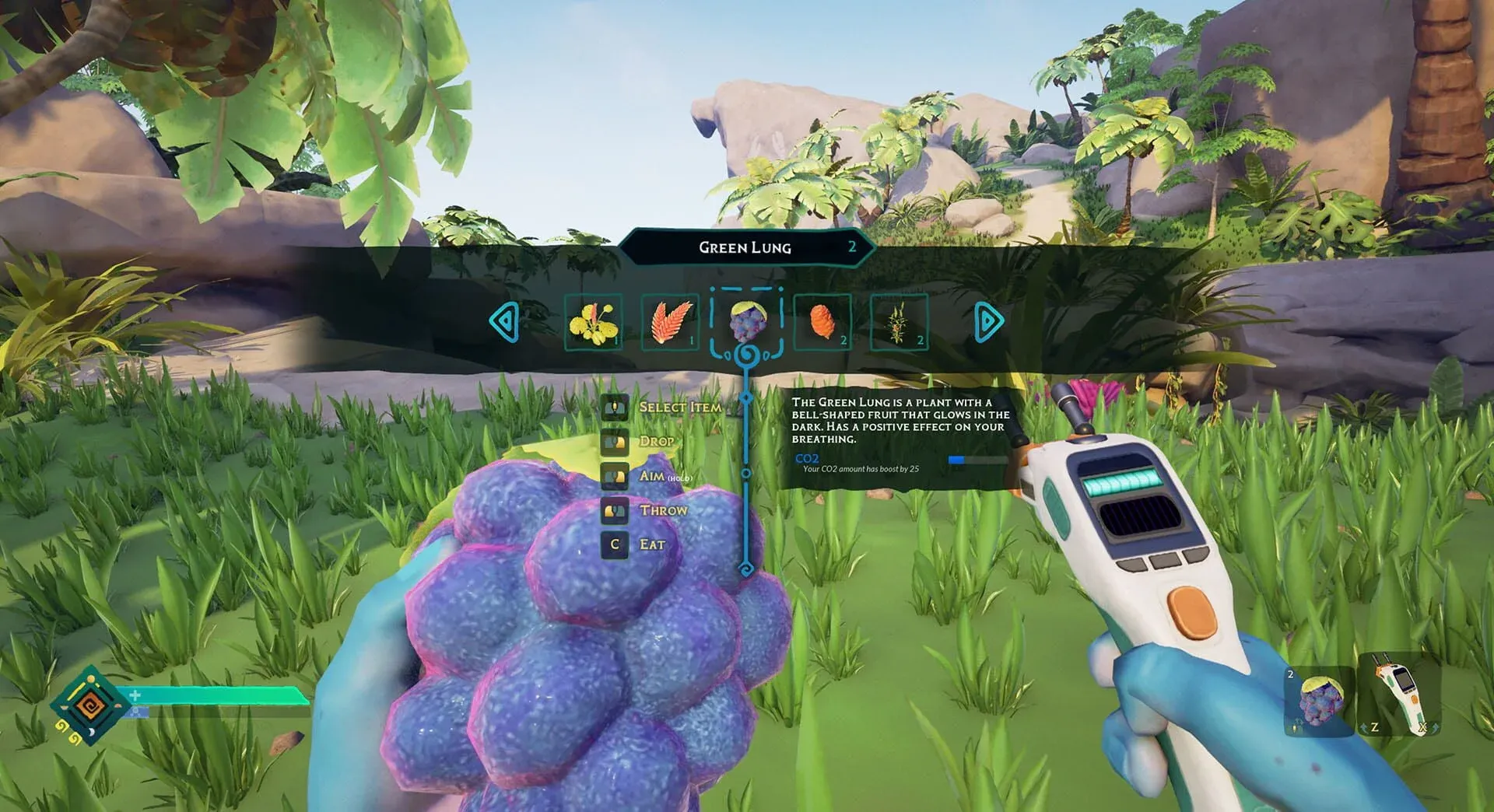
The tonic system transforms ASTROBOTANICA from pure agriculture into experimental chemistry. Harvested plants serve as ingredients for various concoctions, each requiring specific combinations and preparation methods. This mechanic encourages thorough exploration of the game's flora catalog, rewarding players who cultivate diverse species rather than focusing on single crops.
ASTROBOTANICA
Brewing operates through trial and discovery rather than explicit recipes. Players experiment with ratios, processing techniques, and ingredient pairings to unlock new formulas. Some tonics enhance Xel's abilities, others provide environmental protections, and certain brews reveal hidden properties within seemingly ordinary plants. The system scales elegantly—early tonics address immediate survival needs while advanced alchemy unlocks capabilities that reshape gameplay possibilities.
Interaction with Prehistoric Humanity
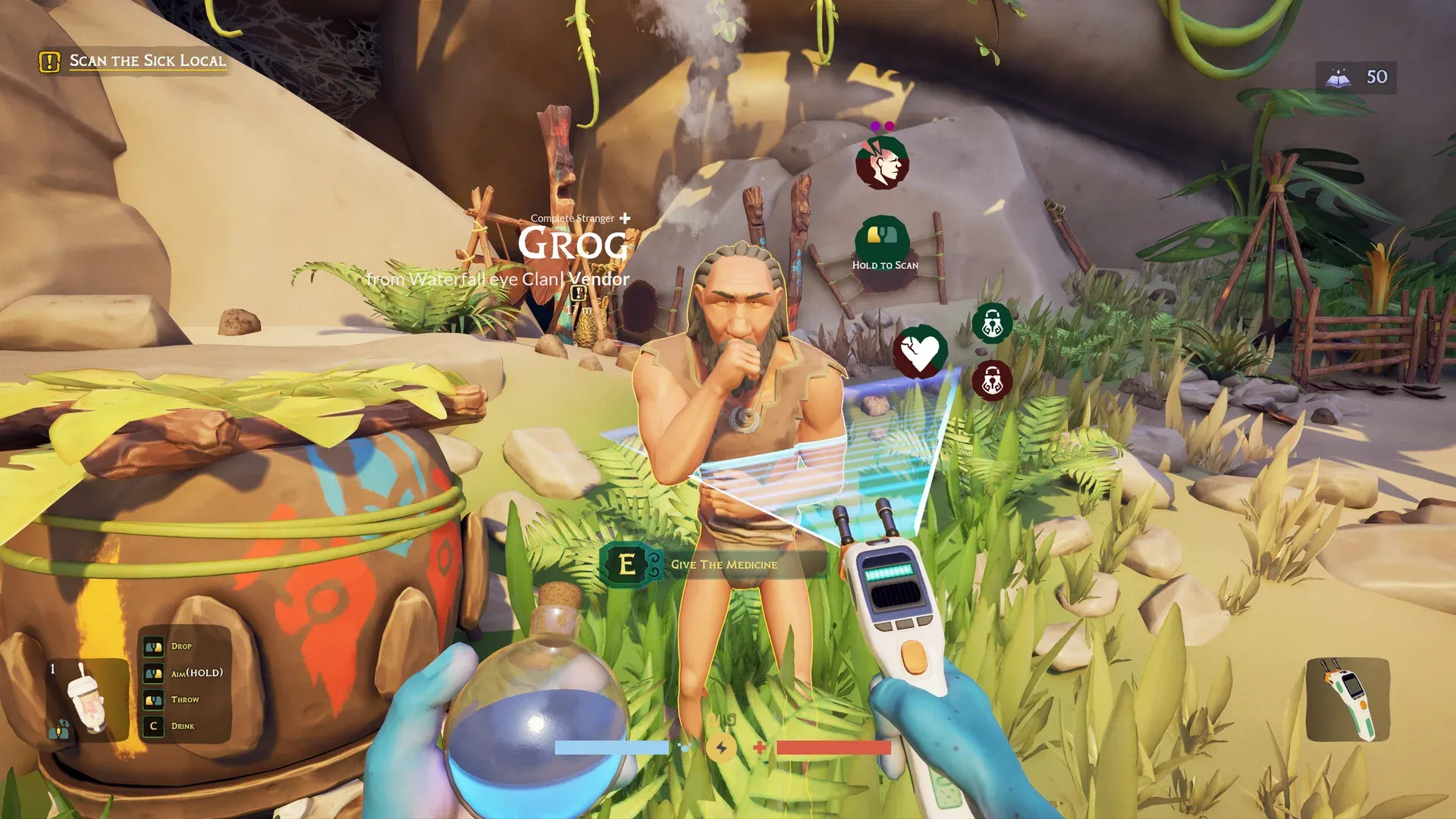
The presence of early humans adds unpredictable social dynamics to what could have been a solitary experience. These encounters range from cautious observation to direct interaction, with player choices influencing relationships over time. Rather than following scripted storylines, the game allows organic development of these connections based on actions and offerings.
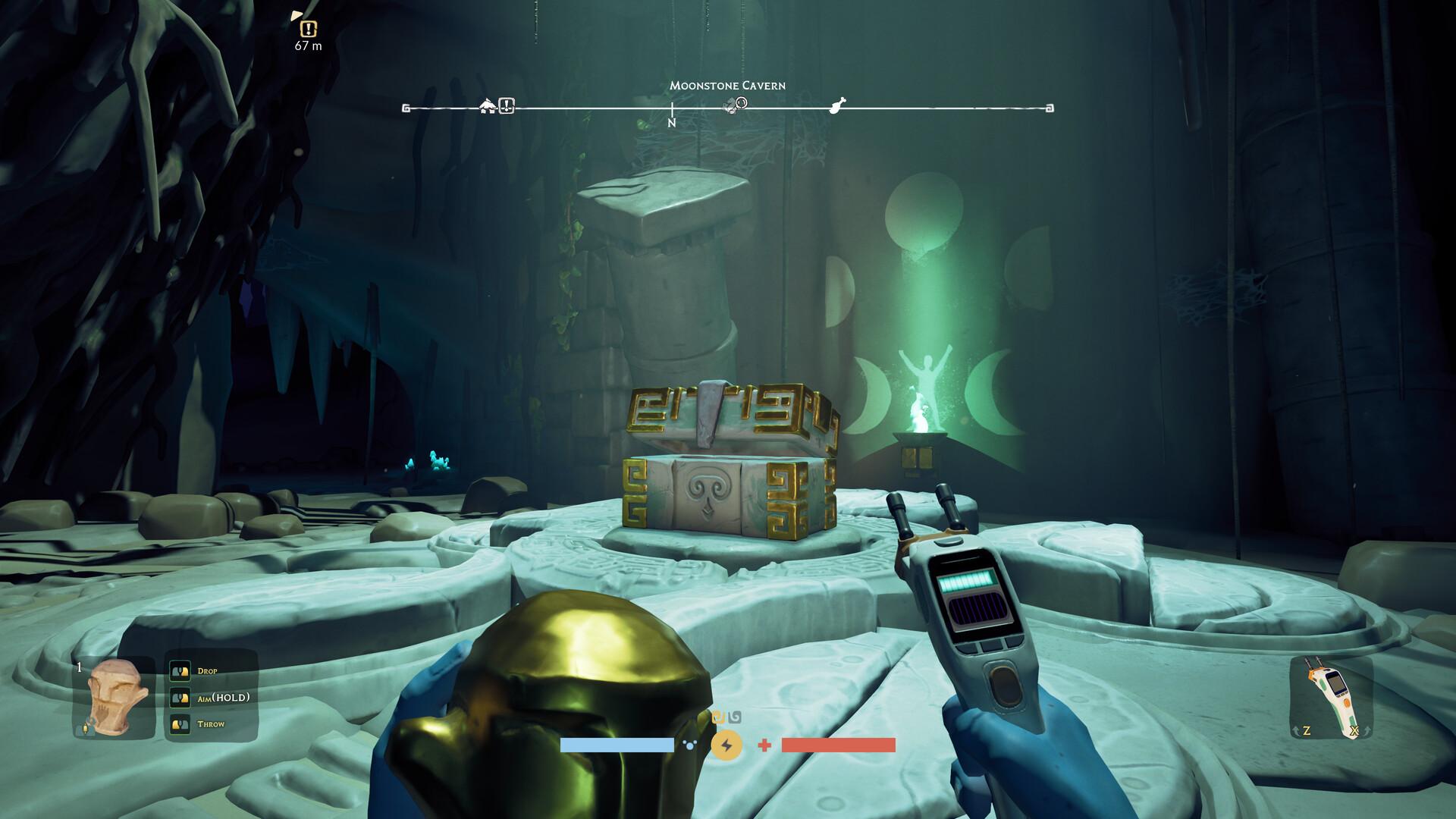
Xel's advanced knowledge positions them as either potential benefactor or mysterious threat. Sharing certain discoveries with human tribes creates opportunities for cooperation, while hoarding resources maintains independence at the cost of isolation. The Early Access version establishes these relationship foundations, creating space for emergent narratives as players navigate cultural exchanges across species and evolutionary epochs.
Visual Presentation and Atmospheric Design
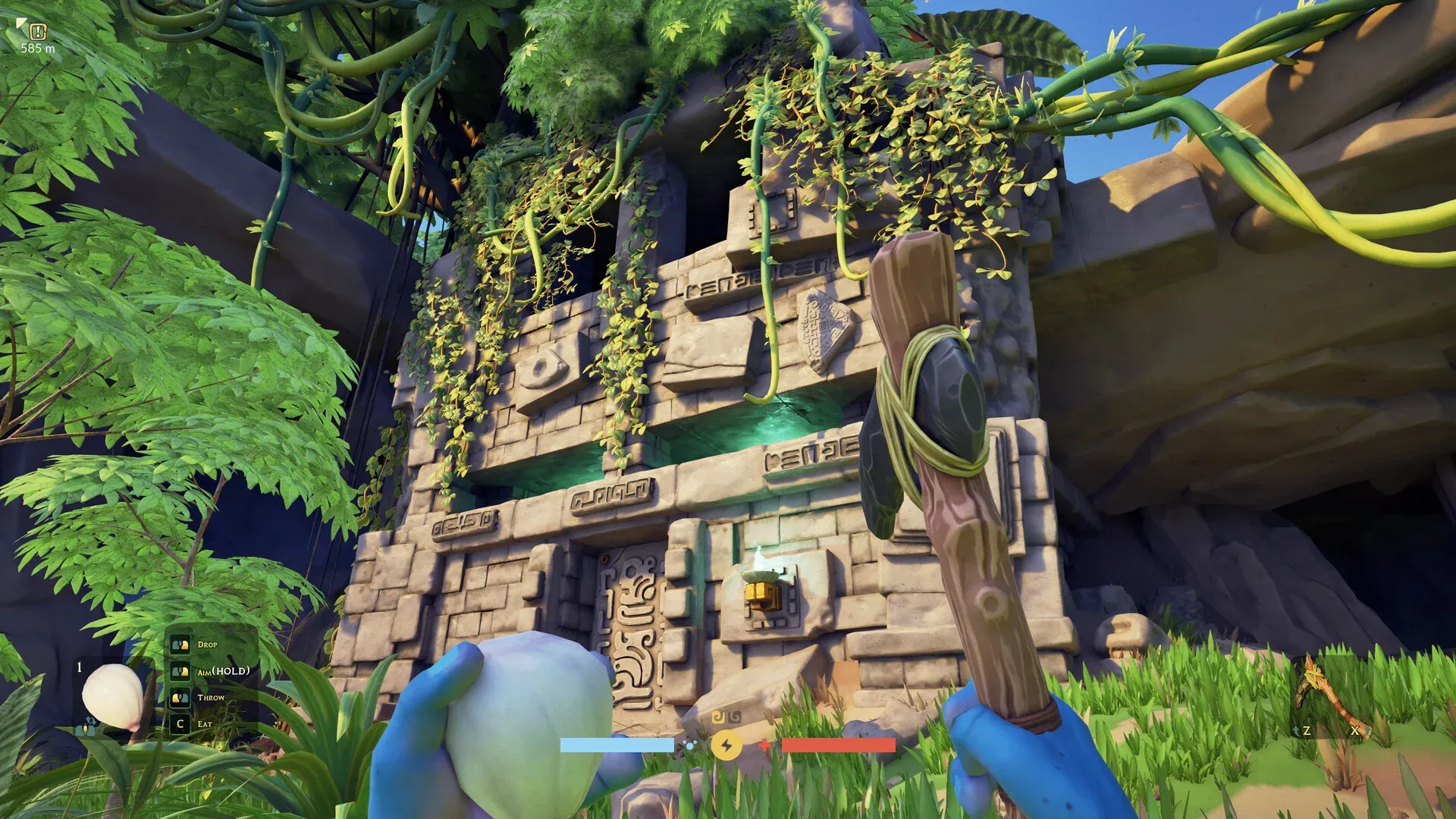
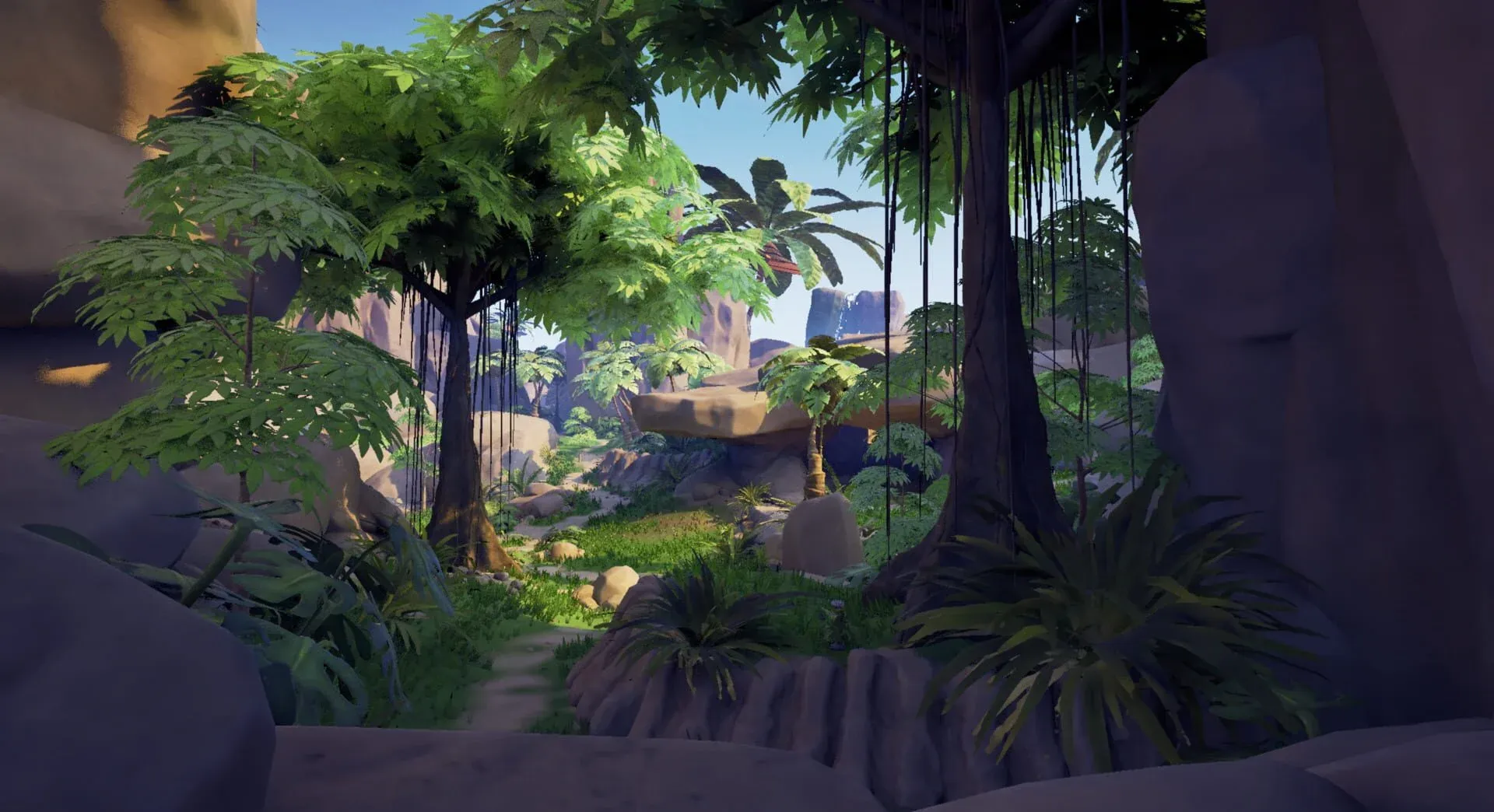
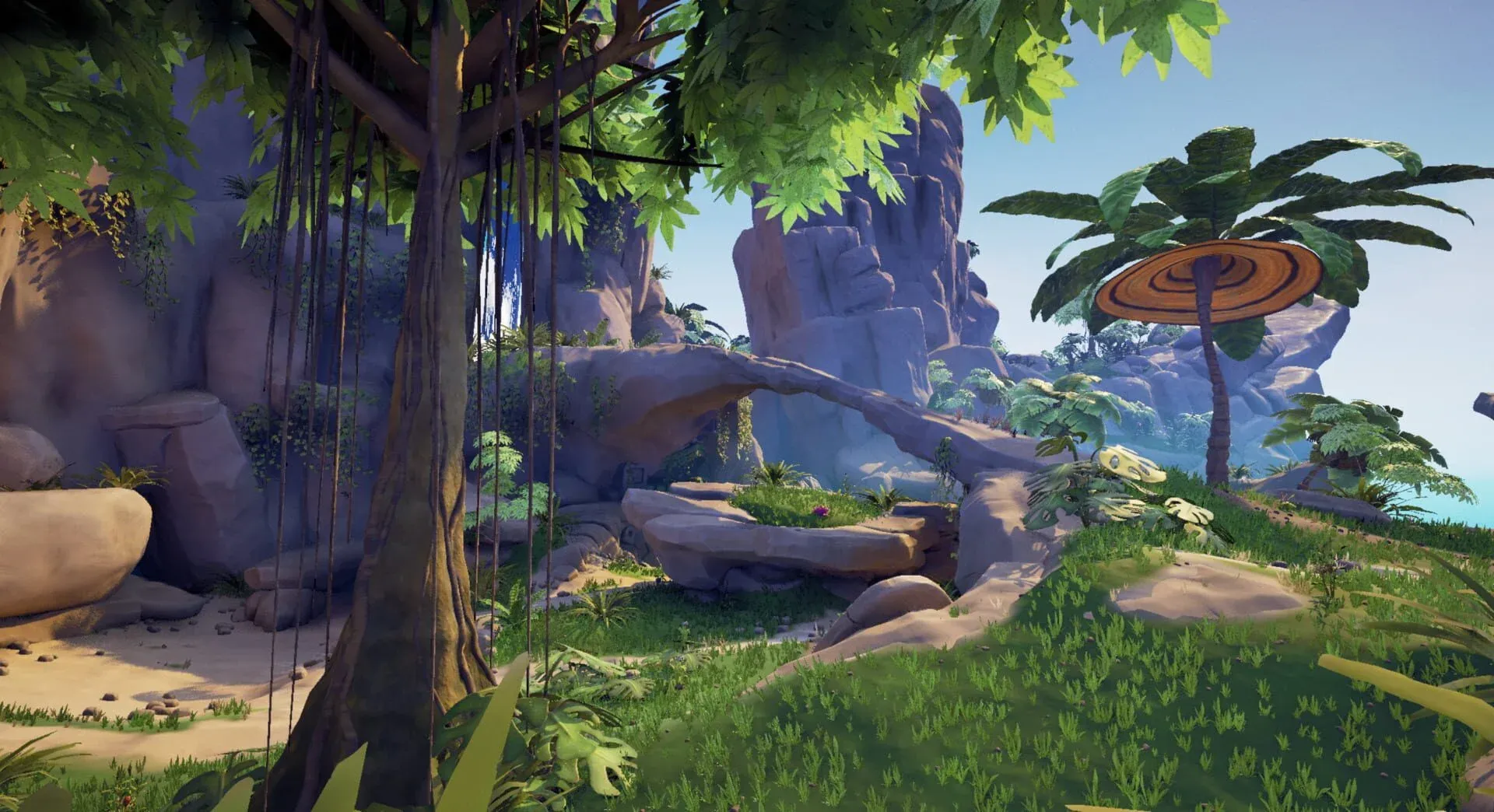
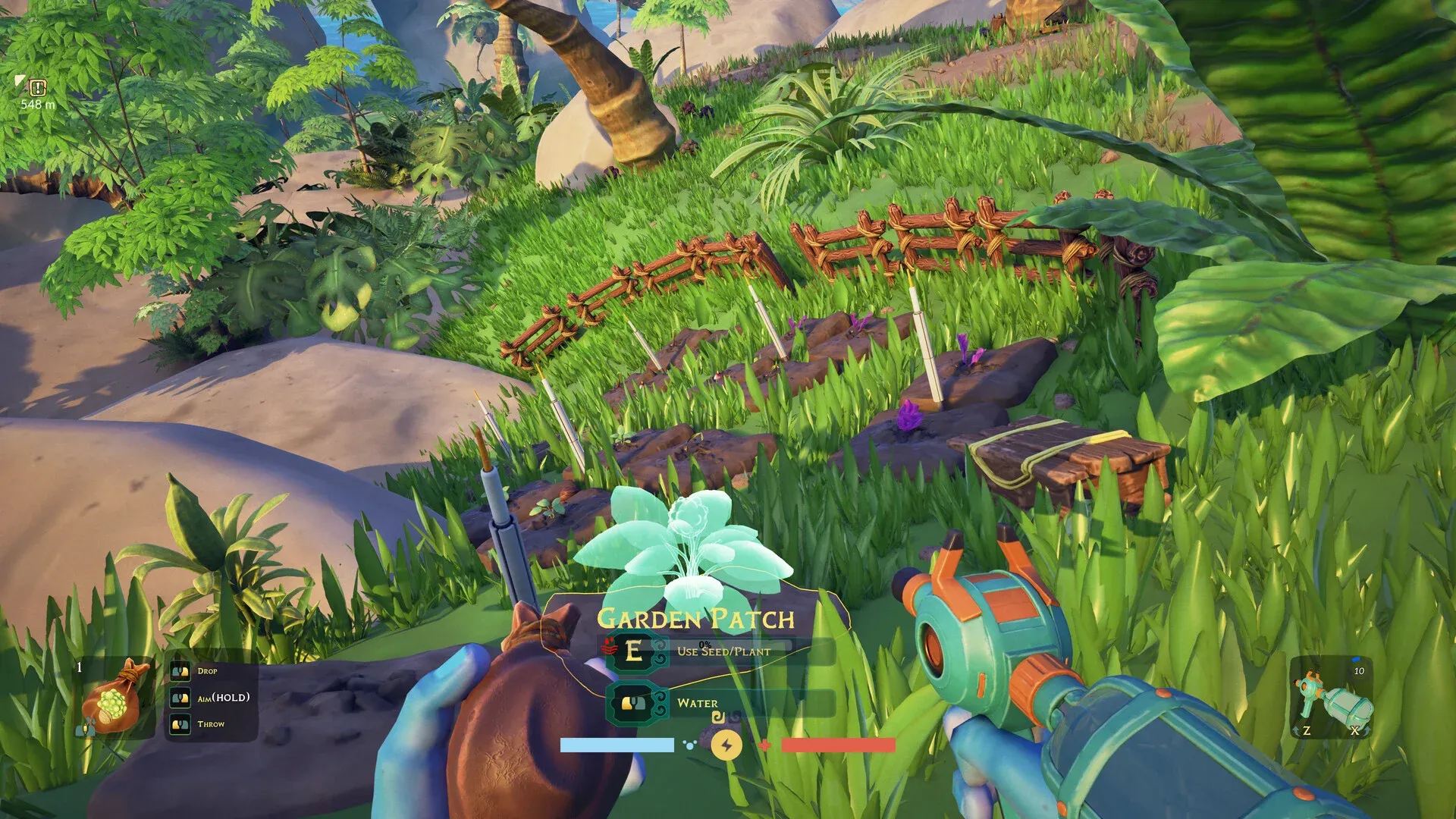
The art direction embraces stylized realism, rendering Pleistocene landscapes with earthy color palettes and attention to period-appropriate flora and fauna. The alien protagonist provides visual contrast—Xel's design incorporates otherworldly elements without veering into caricature. Gardens evolve visually as players improve them, creating satisfying before-and-after transformations that reflect invested effort.
ASTROBOTANICA
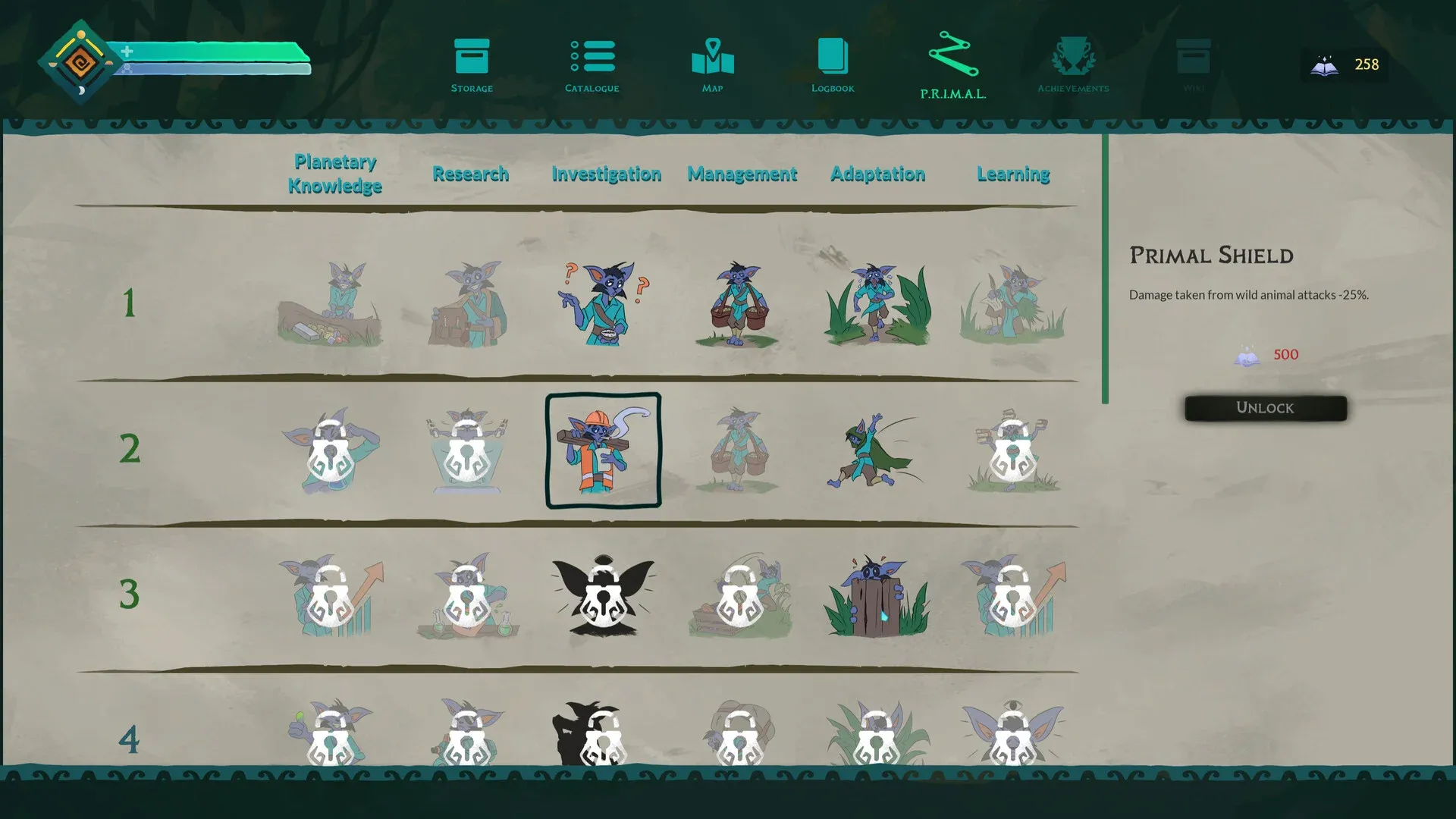
Environmental details reinforce the temporal setting. Megafauna occasionally wander past cultivation sites, weather patterns affect growing conditions visibly, and the day-night cycle influences both plant growth and wildlife behavior. The interface balances scientific readability with aesthetic cohesion, presenting complex information through clear visual language that doesn't break immersion.
Conclusion
ASTROBOTANICA carves out distinctive territory within the survival simulation genre by prioritizing botanical expertise over combat or construction. The combination of detailed gardening systems, experimental alchemy, and cross-species cultural exchange creates compelling gameplay loops that reward methodical players. Space Goblin Studio's Early Access release establishes solid foundations for this unusual premise, offering puzzle-solving through agriculture and discovery through patient cultivation in Earth's distant past.