Overview
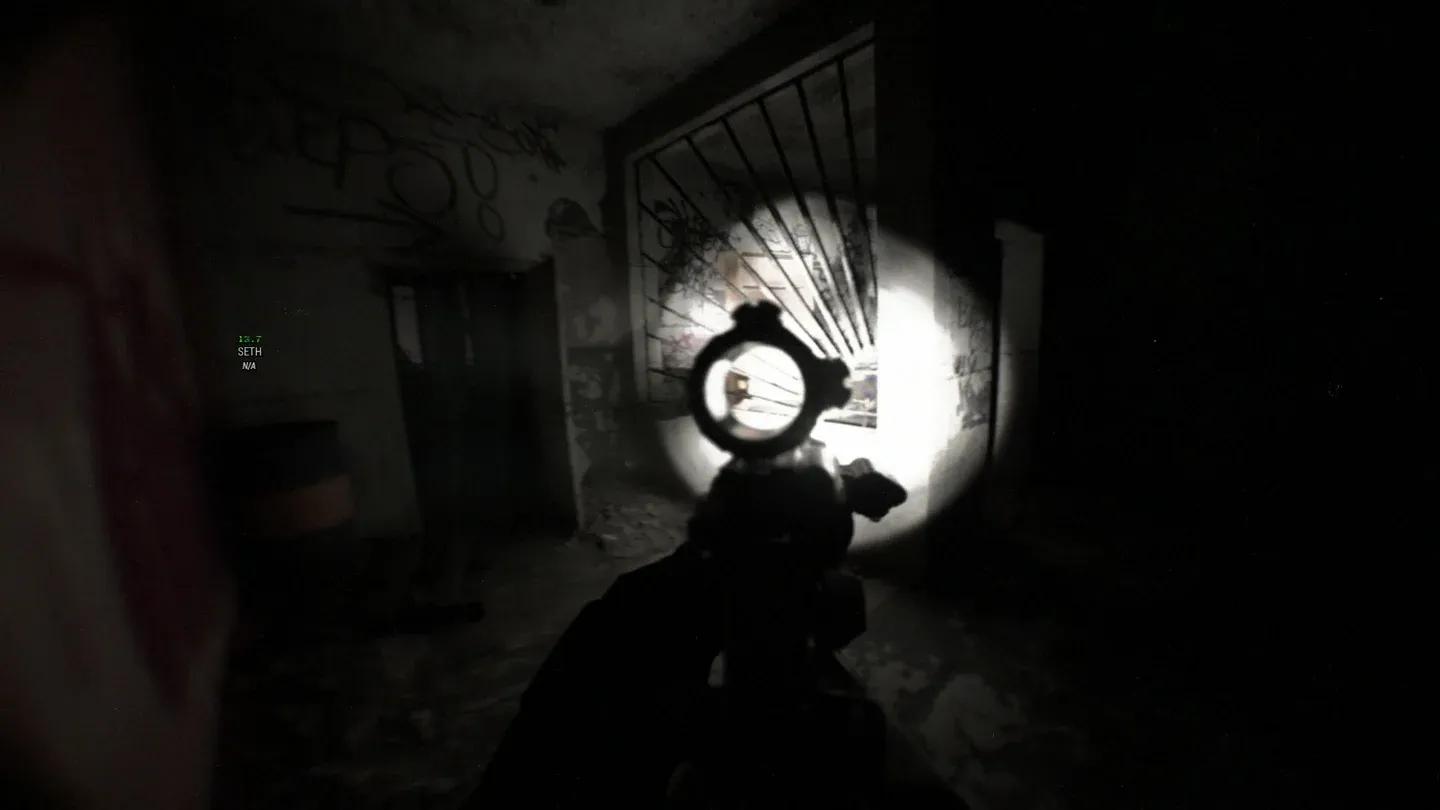
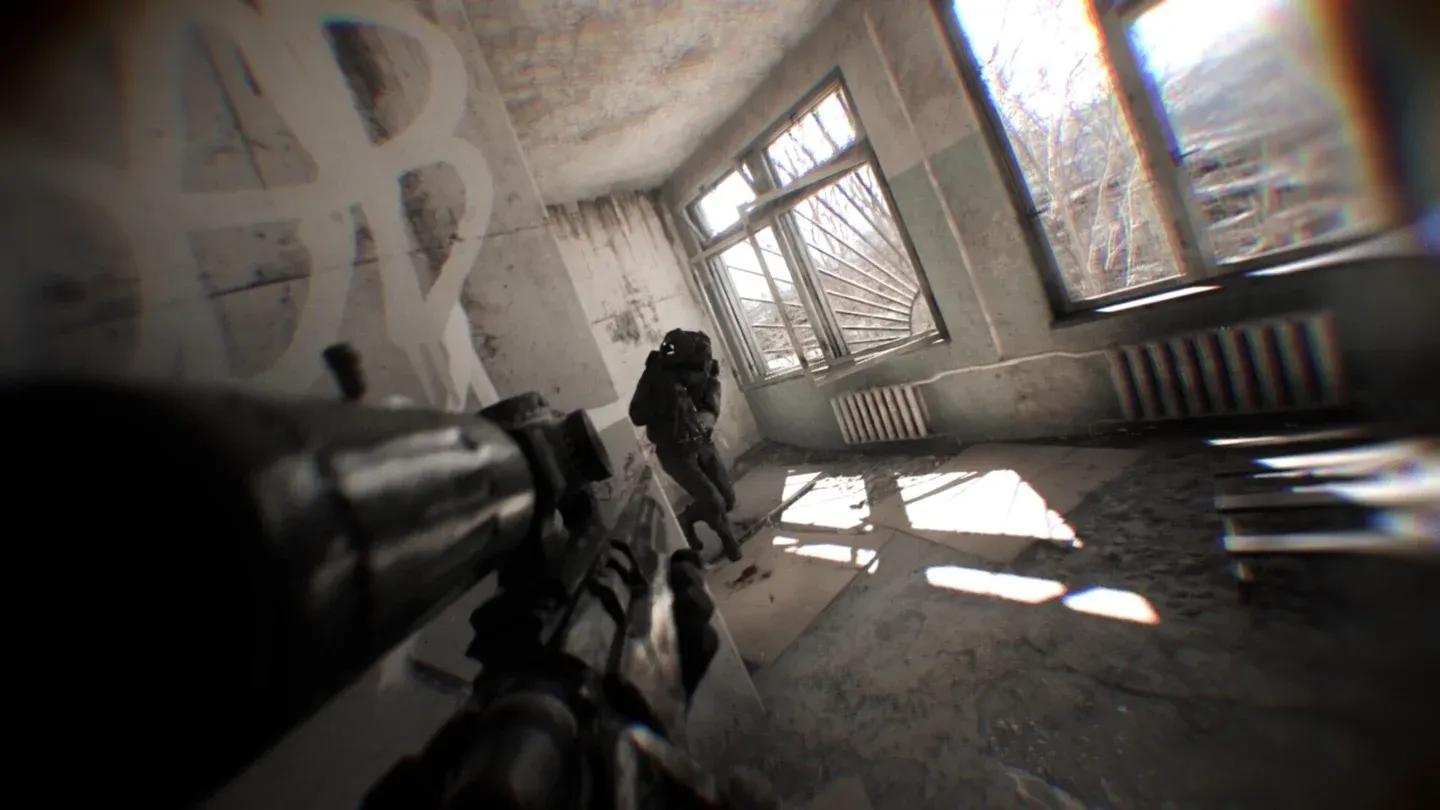
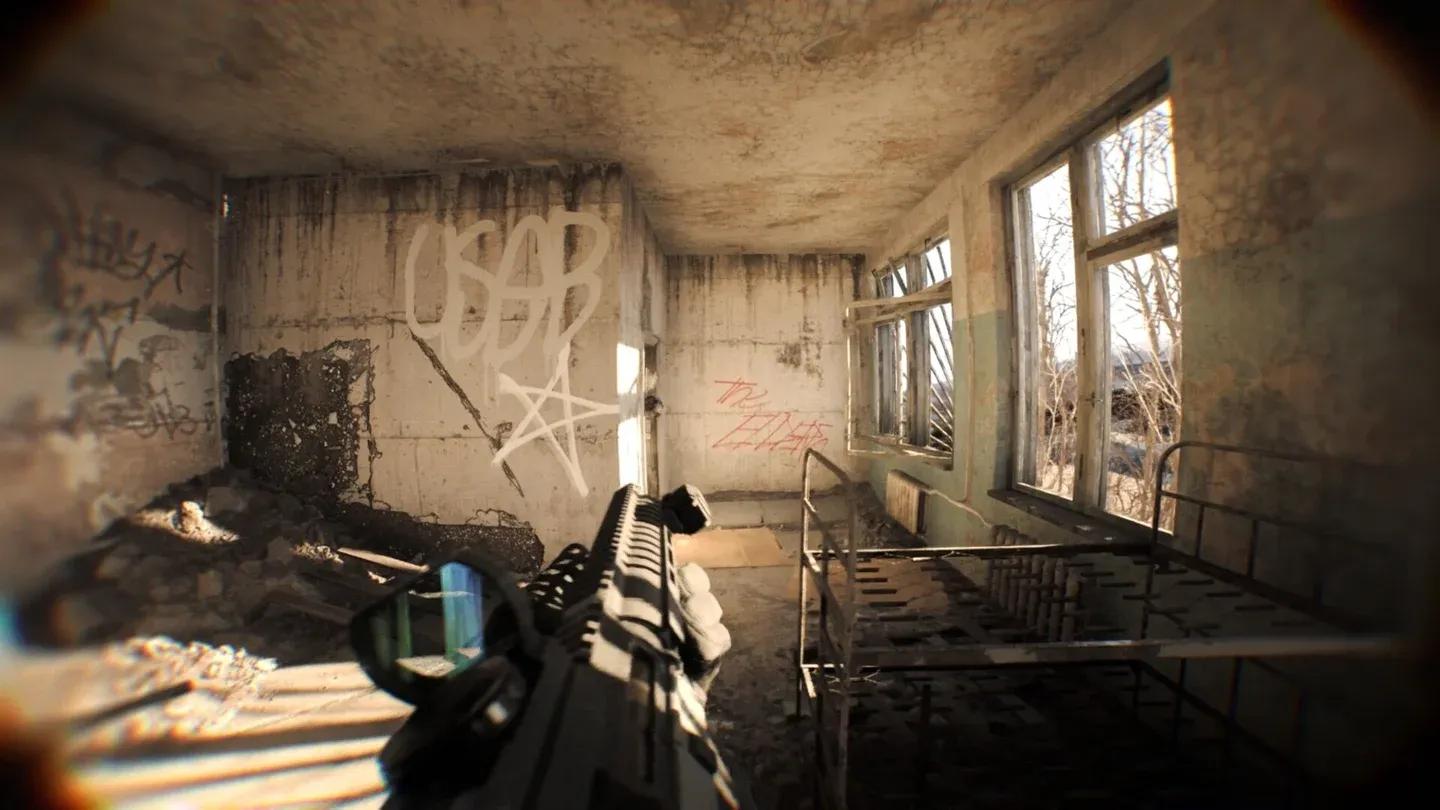
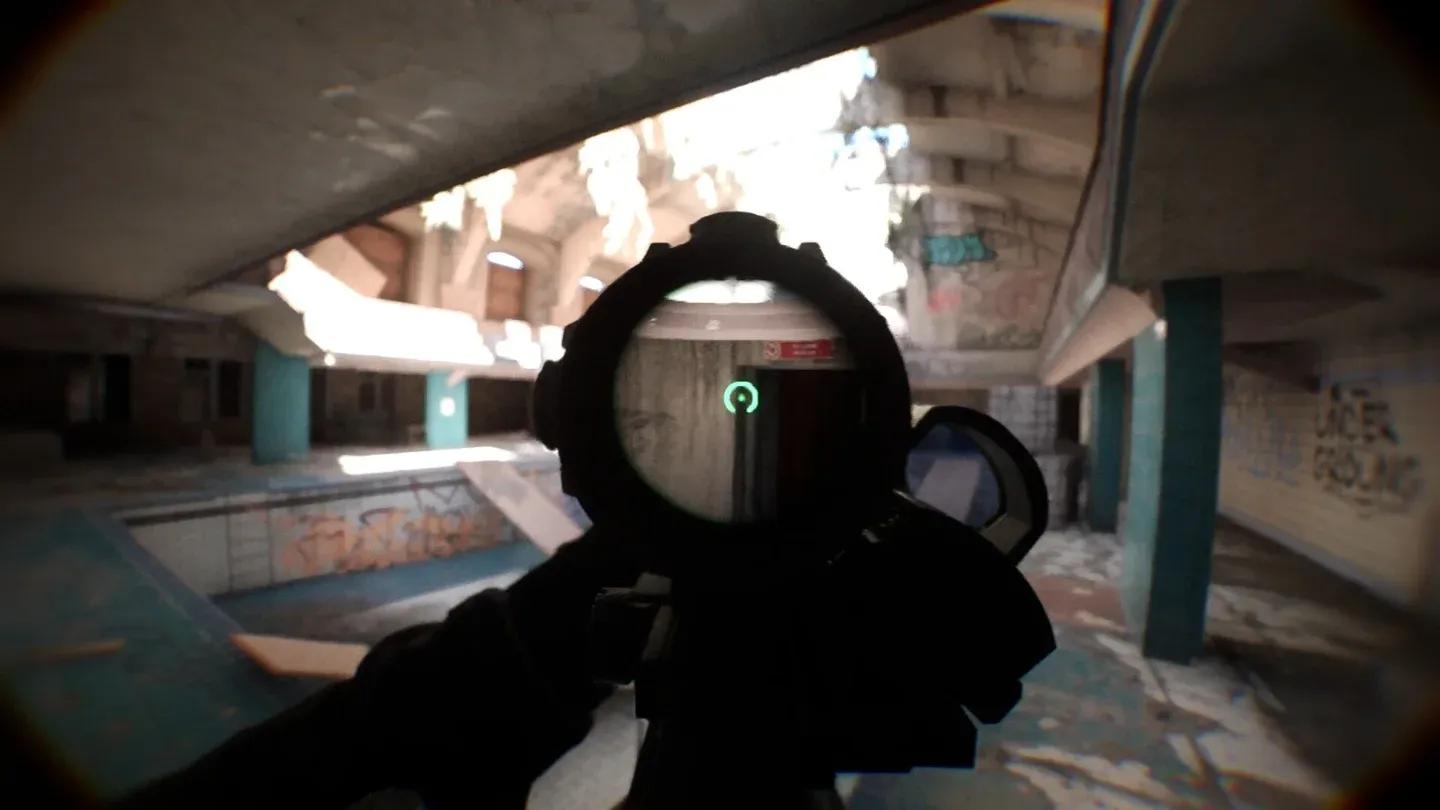
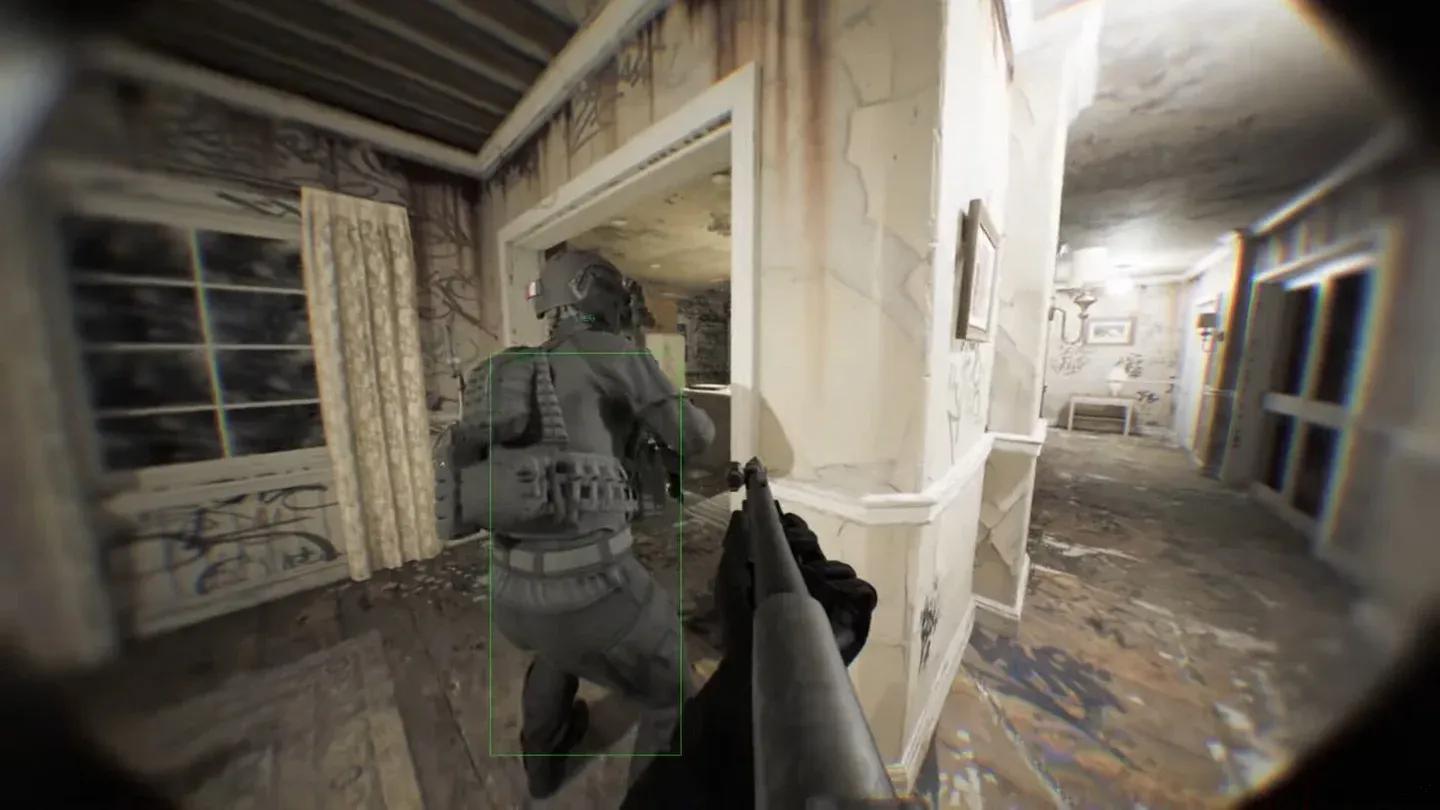
Bodycam is a multiplayer tactical FPS developed and published by Reissad Studio, released into Early Access on June 7, 2024. Built on Unreal Engine 5, the game simulates combat through the lens of a body-worn camera, stripping out the HUD entirely and forcing players to rely on spatial awareness, sound, and muscle memory. There are no floating health bars, no kill confirmations, no minimap. Just the weight of the gun in your hands and the consequences of every decision.
The concept started with two French developers, aged 17 and 20 at the time, who spent hundreds of hours studying real combat footage, optics behavior, camera compression, and sound propagation to build something that felt less like a game and more like a simulation. That obsession with accuracy is visible in every system Bodycam ships with.
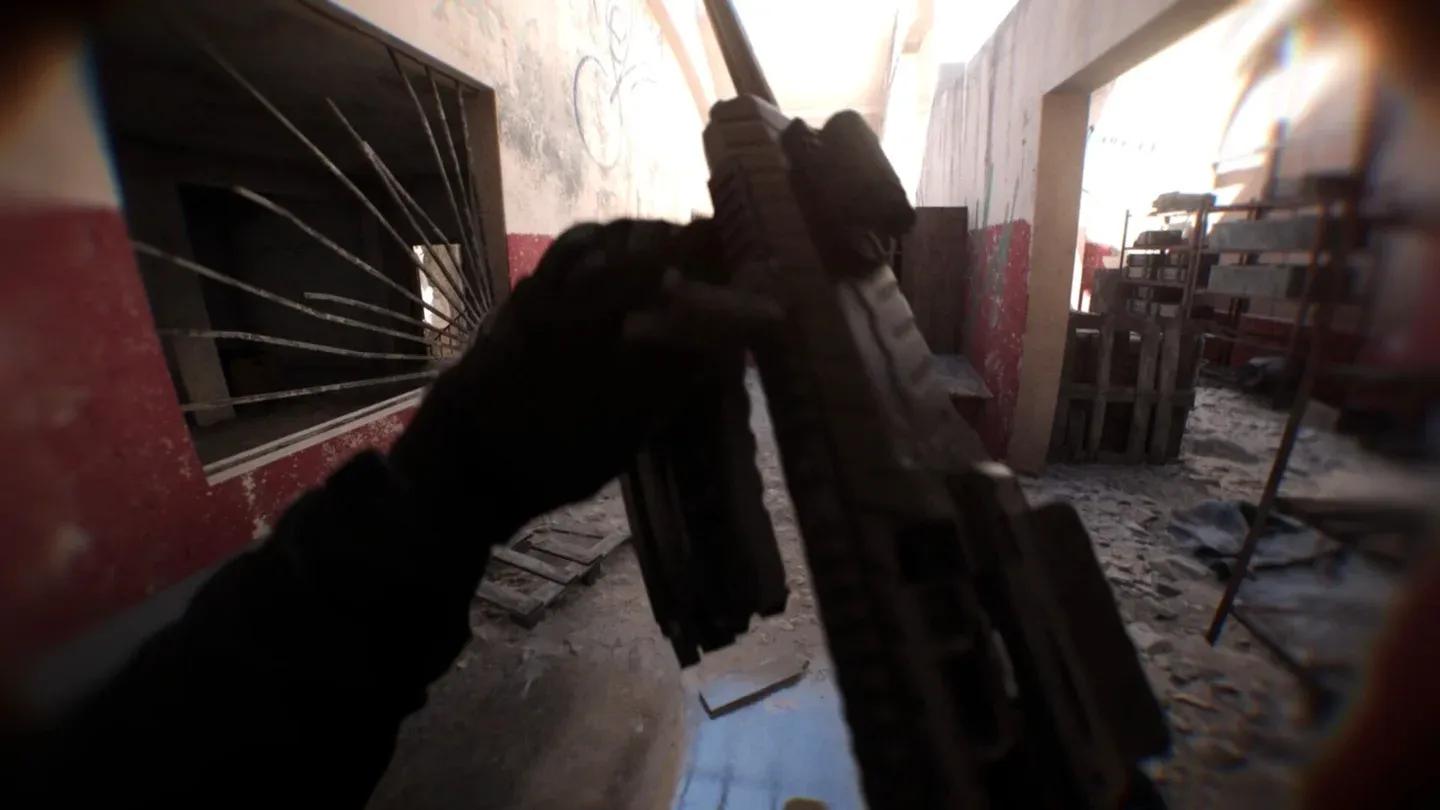
How does Bodycam's True Body system change the first-person experience?
Most FPS games attach a pair of floating hands to the camera and call it a day. Bodycam takes a different approach with its proprietary True Body technology, where your arms, torso, legs, and weapon are all physically connected and move as a single unit. The result is a first-person perspective that actually feels inhabited.
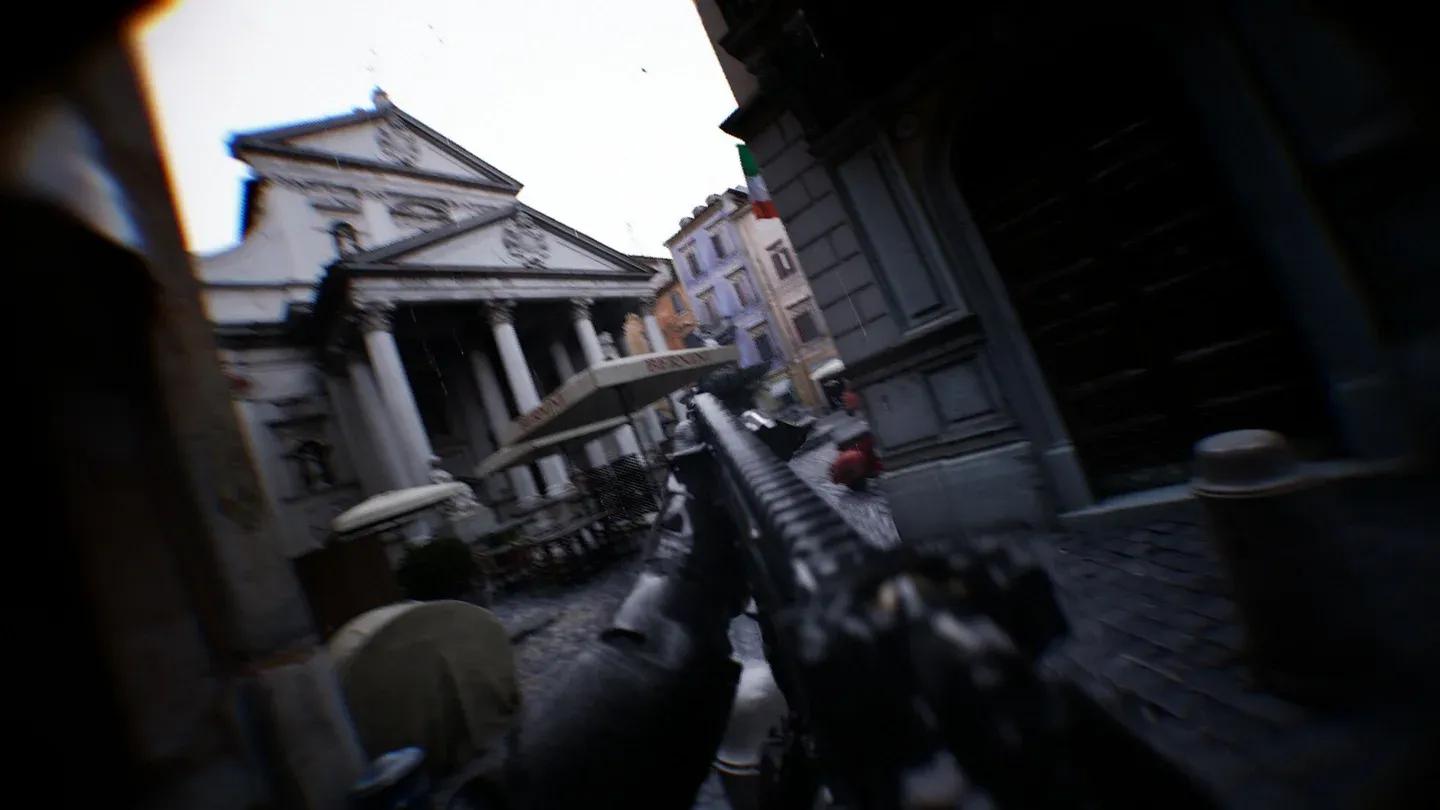
Key mechanics that separate Bodycam from conventional shooters:
- No HUD: no crosshair, ammo counter, or health bar
- True Body: full physical connection between player model and camera
- Stress-state reload system with dozens of unique animation variations
- Ragdoll Stumbling: procedural physics that affect balance and recovery
- Tactical Tablet: in-game menu system accessed without leaving the world
The reload system deserves particular attention. Under calm conditions, animations play out cleanly. Put the player under pressure and the character can fumble, rush, and make mistakes. Reissad Studio built dozens of unique reload variations specifically so no two reloads feel identical.
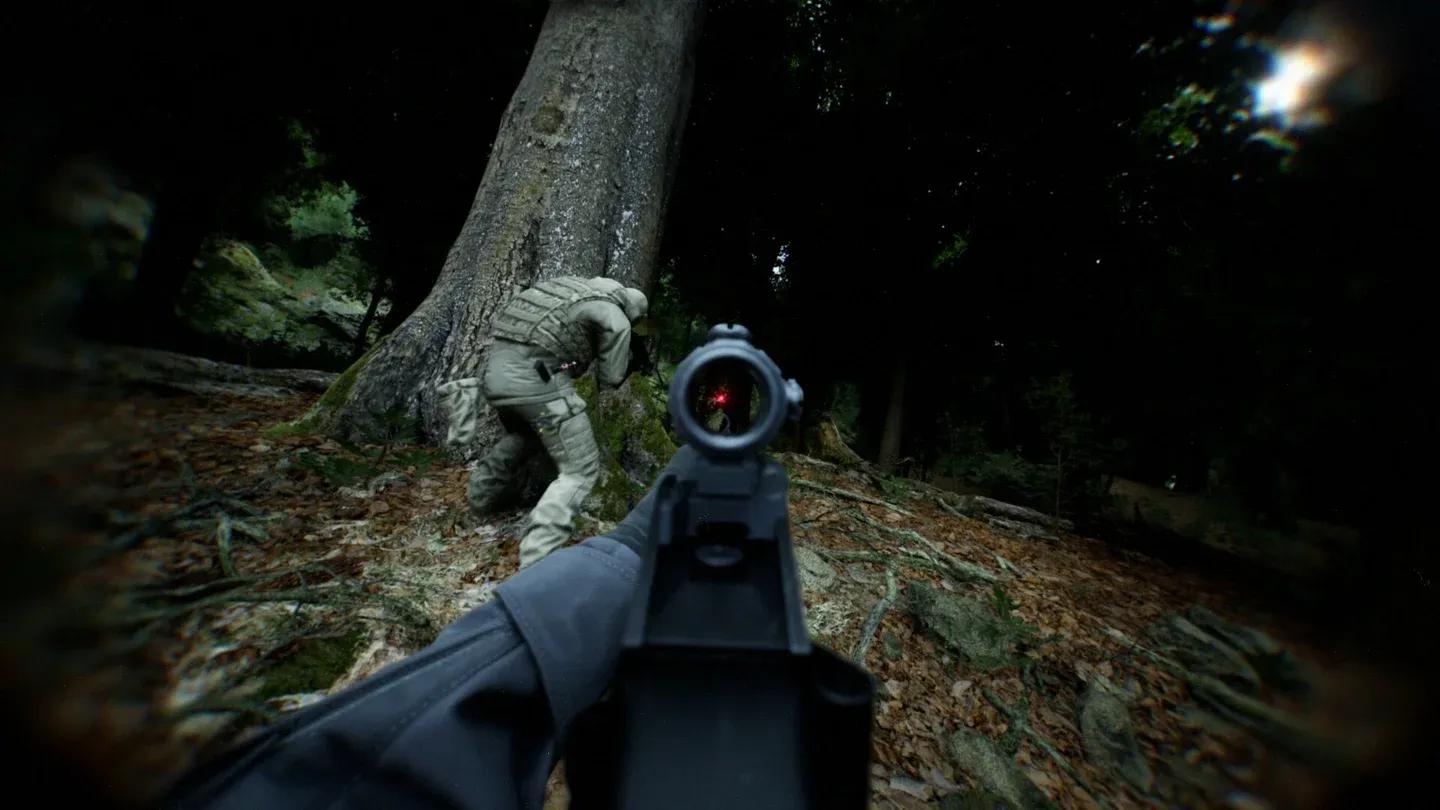
Weapons, drones, and the depth of customization
Bodycam's weapon builder supports hundreds of attachments across billions of possible combinations. Every attachment changes actual performance, not just cosmetics. Swapping a barrel affects handling. Changing optics changes how you acquire targets. The system scales from tight CQB builds to long-range precision platforms, and the difference between them is felt immediately in how the weapon moves and responds.
Beyond firearms, Bodycam includes deployable FPV drones and reconnaissance RC vehicles. The drone system supports both Stabilized and Full Manual (Acro) flight modes with adjustable rates, throttle curves, and flight profiles. These tools serve real tactical purposes: scouting positions, gathering intelligence, and supporting squad pushes.
Game modes and content depth
Bodycam offers more range than its realism-focused presentation might suggest. The competitive anchor is Wingman, a 2v2 Search and Destroy mode with no hero abilities, no killstreaks, and no movement exploits. Rounds are decided by positioning and communication alone. For larger engagements, 5v5 Body Bomb carries a similar tactical structure.
Casual players have Team Deathmatch, Deathmatch, Hardpoint, and Gun Game to work through. A round-based co-op Zombies mode runs across multiple maps, asking players to manage ammunition, restore power, and unlock new areas as wave difficulty escalates. The recently added Trenches map mixes close-quarters trench fighting with open-area long-range sightlines, creating a sharp contrast in engagement distances within a single environment.
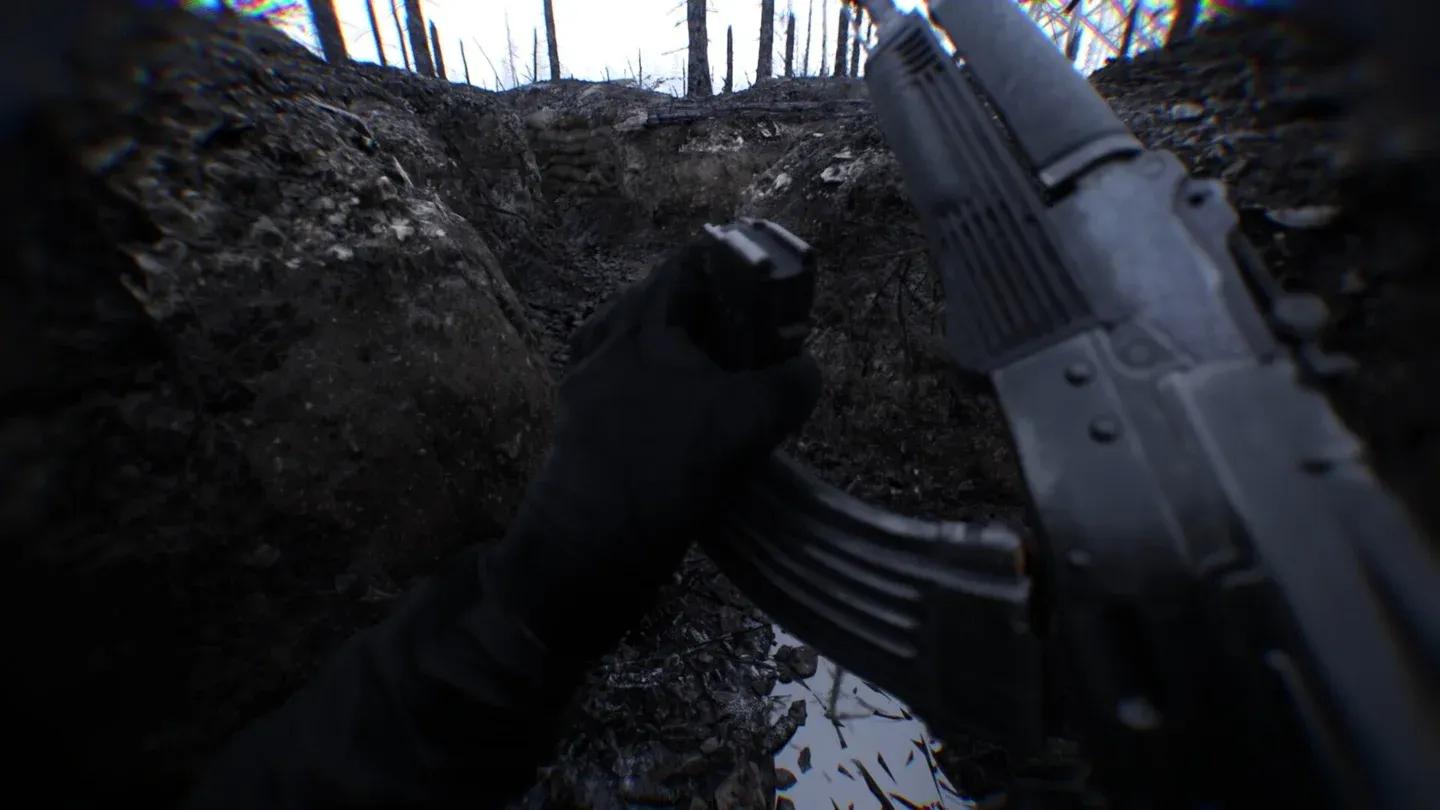
Visual fidelity and audio design
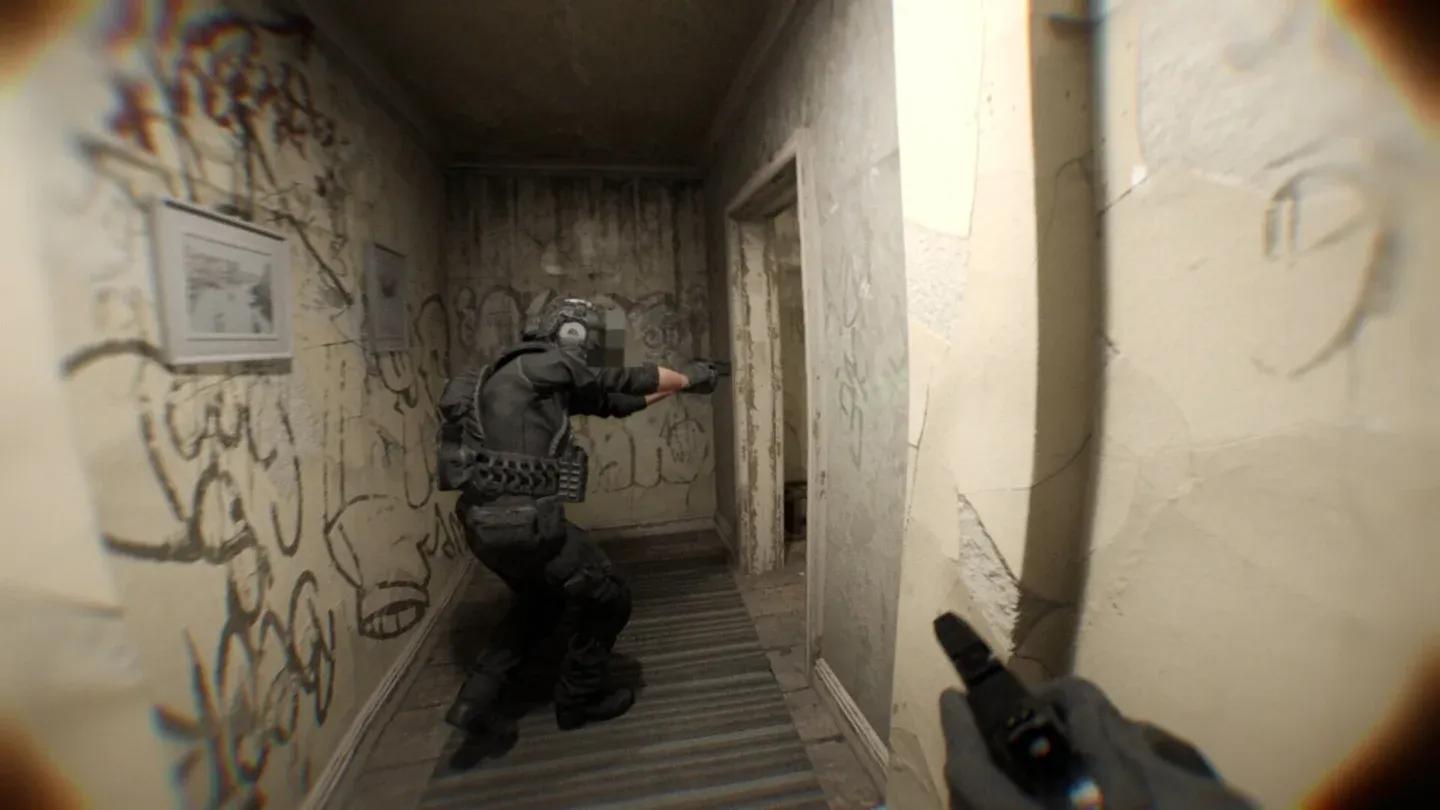
Bodycam's photorealistic maps pull from real-world locations, covering CQB buildings, forests, abandoned hospitals, and trench networks. The body-camera visual presentation adds compression artifacts, exposure shifts, and lens behavior that make the image feel recorded rather than rendered. That distinction is subtle but consistent, and it reinforces the game's identity in a way no amount of high-resolution textures could replicate on their own.
The audio system runs real-time sound propagation with spatial positioning, reverb, and occlusion. Gunshots sound different depending on the geometry around them. Footsteps carry directional information that actually matters. Sound in Bodycam functions as a tactical layer, not background atmosphere, and that design choice makes every match louder and more demanding than the average multiplayer FPS.
| Requirement | Minimum | Recommended |
|---|---|---|
| OS | Windows 10/11 | Windows 10/11 |
| Processor | AMD Ryzen 7 3700X, Intel Core i7-9700K | AMD Ryzen 7 3800X, Intel Core i7-10700K |
| Memory | 8 GB RAM | 16 GB RAM |
| Graphics | AMD Radeon RX 5700 (8 GB), NVIDIA GeForce RTX 2070 (8 GB) | AMD Radeon RX 6600 XT (8 GB), NVIDIA GeForce RTX 3060 (12 GB) |
| Network | Broadband Internet connection | Broadband Internet connection |
| Storage | 50 GB available space | 50 GB available space |