

Biggest discounts, free games, and limited-time offers across every major gaming store.
Never pay full price again.
Overview
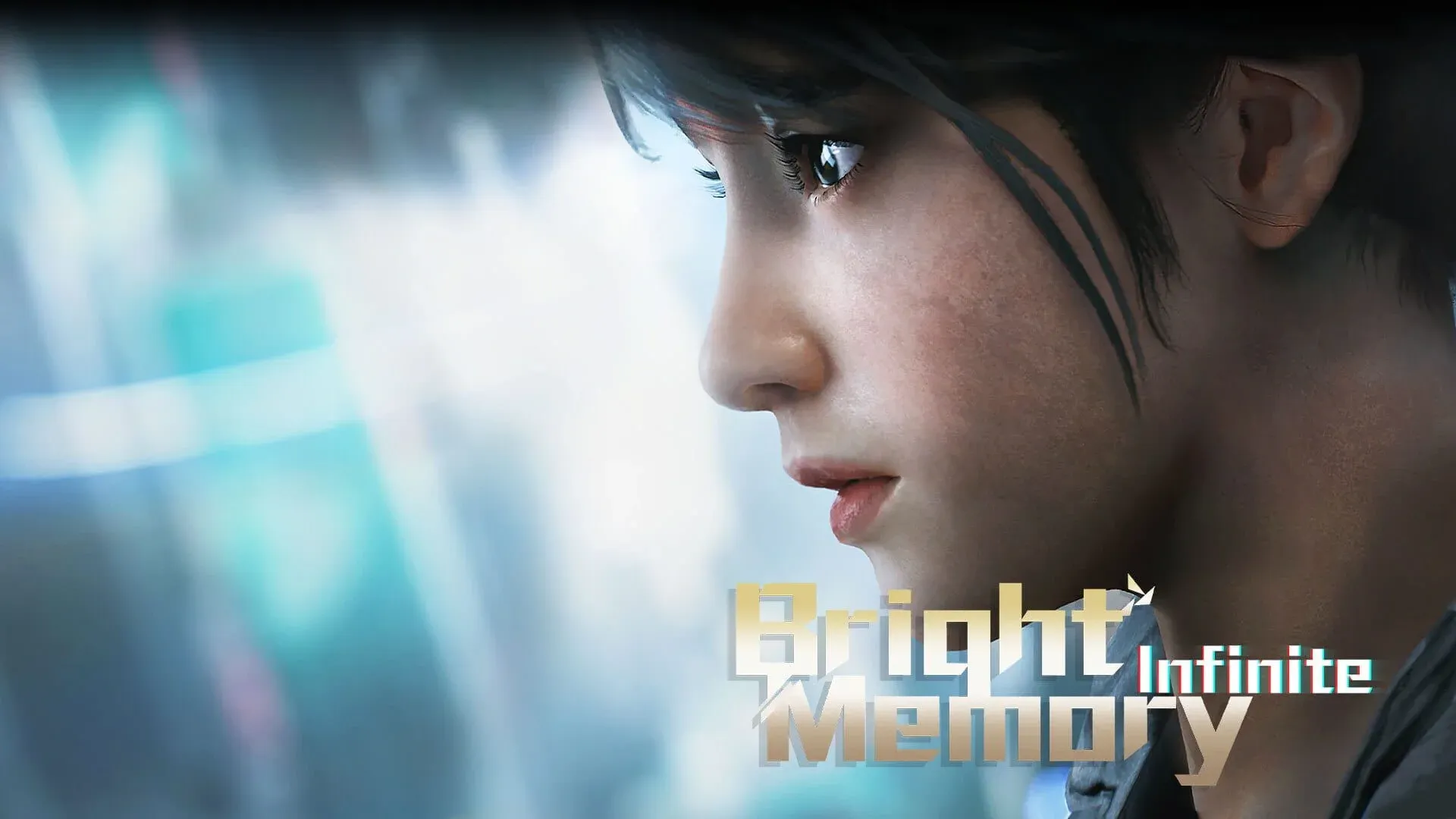
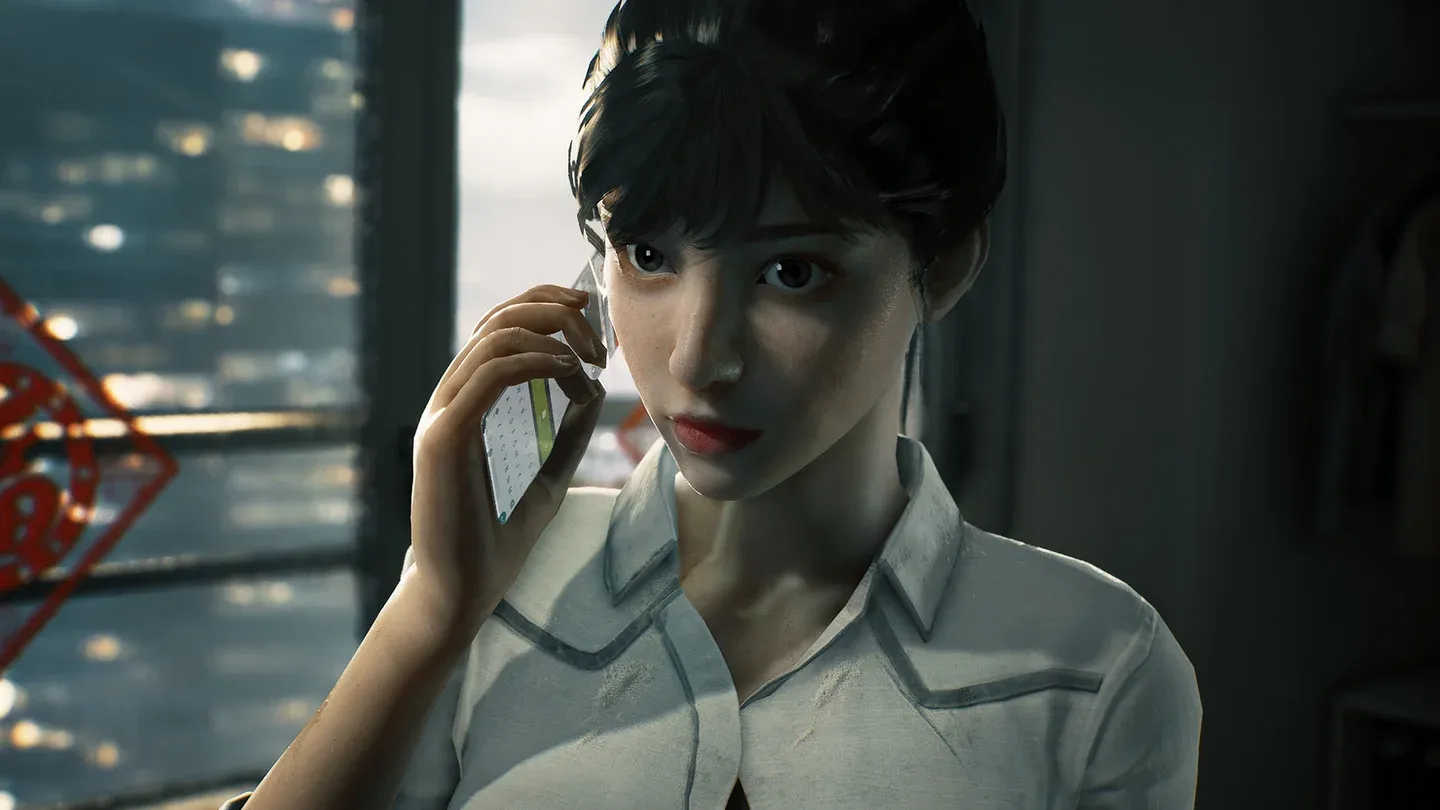
Bright Memory: Infinite drops players into the year 2036, where SRO agent Shelia is dispatched to investigate a worldwide atmospheric phenomenon that scientists can't explain. What starts as a field investigation quickly unravels into a conflict tied to an ancient, hidden history connecting two worlds. The story is lean but genuinely strange, and the setting does real work, mixing gleaming futuristic cityscapes with environments that feel pulled from a different era entirely.
The game launched on November 11, 2021 across PC, Xbox Series X/S, PS5, Nintendo Switch, Android, and iOS, making it one of the more widely available indie action games in recent memory. At $19.99 on PS5, the price reflects the game's compact runtime, but FYQD-Studio's ambition is visible in every frame.
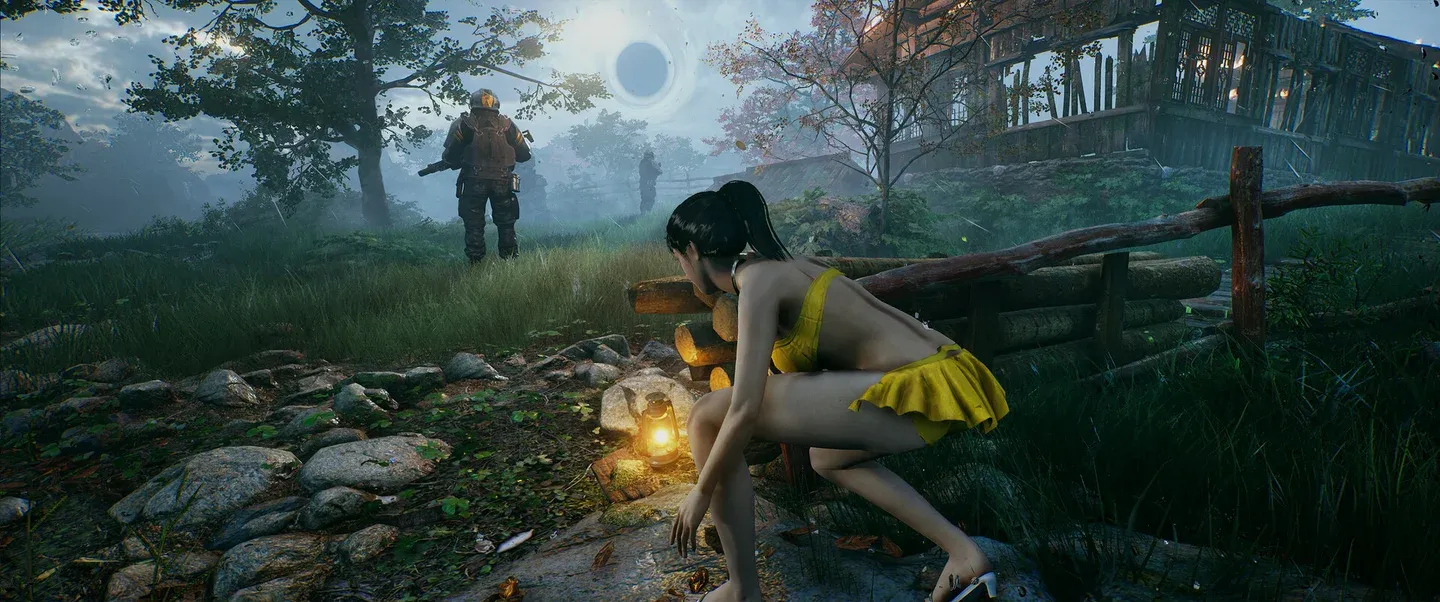
Bright Memory: Infinite content image
Gameplay and mechanics: how does the combat system work?
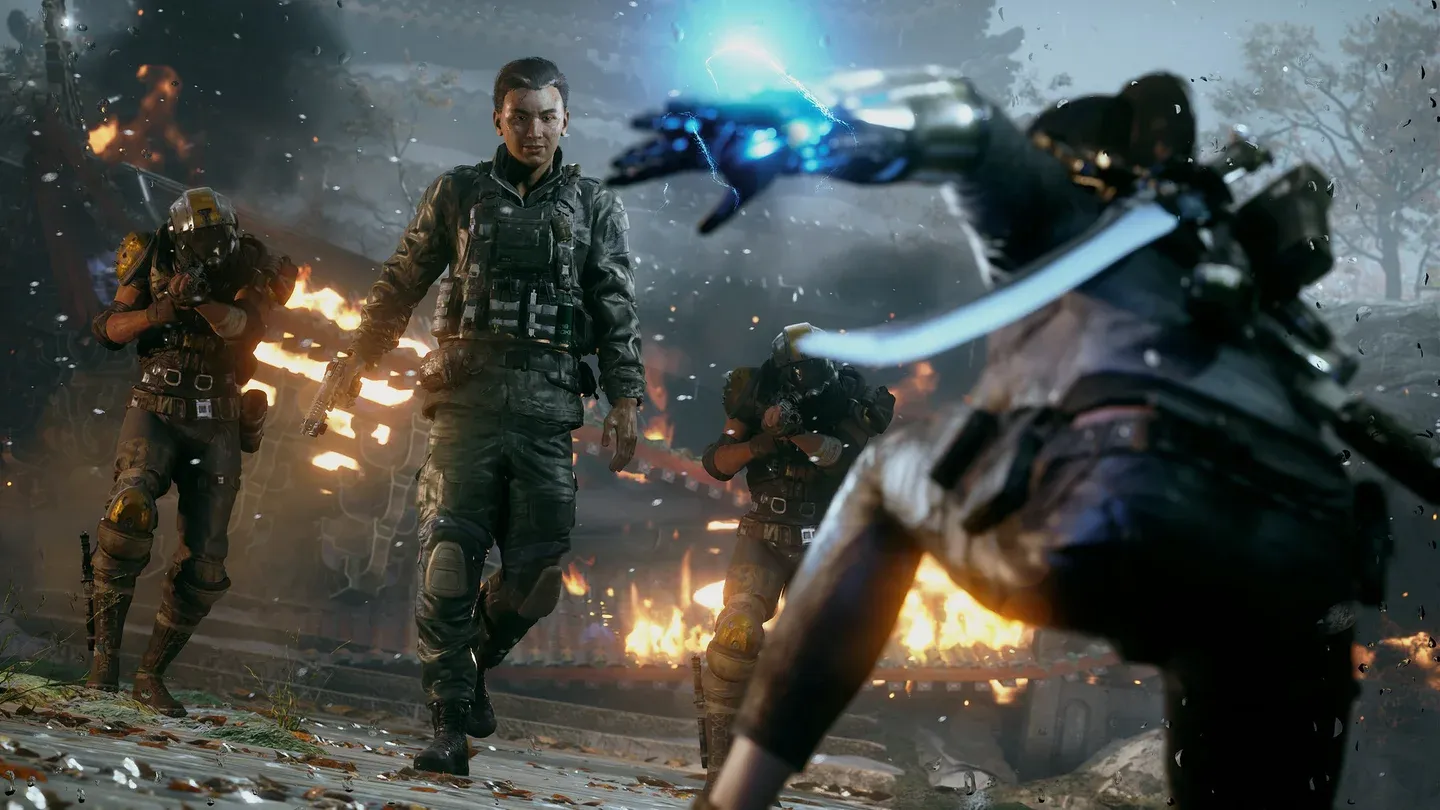
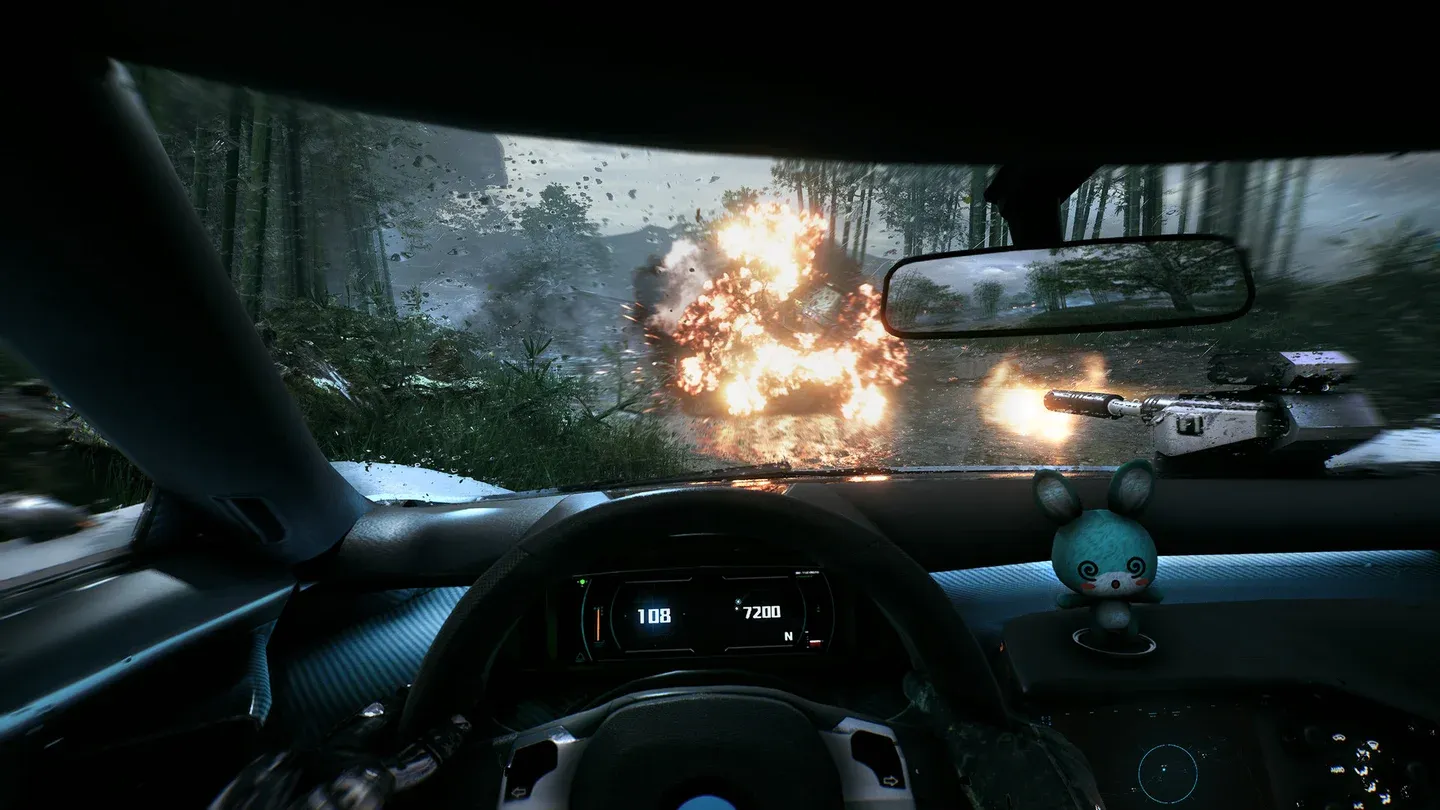
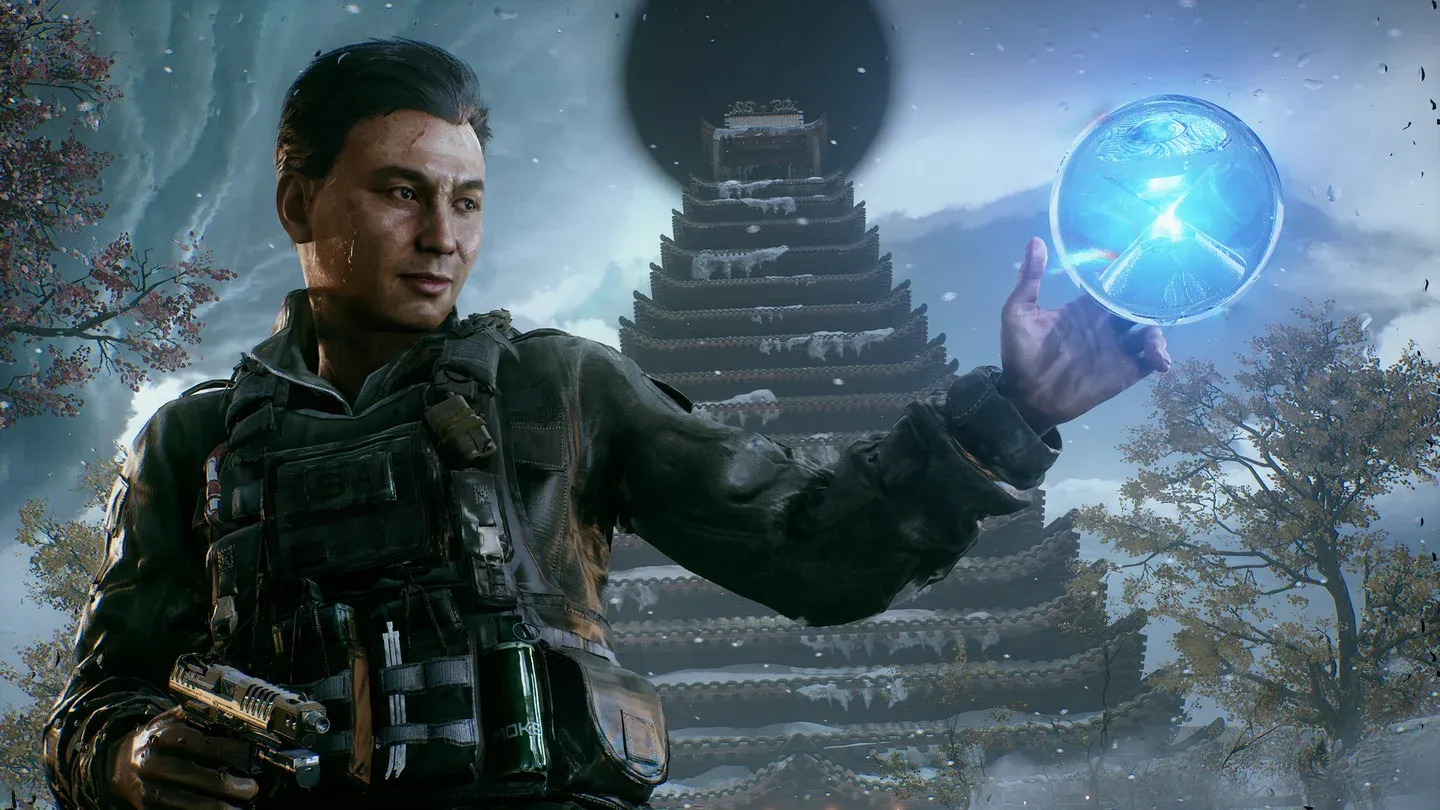
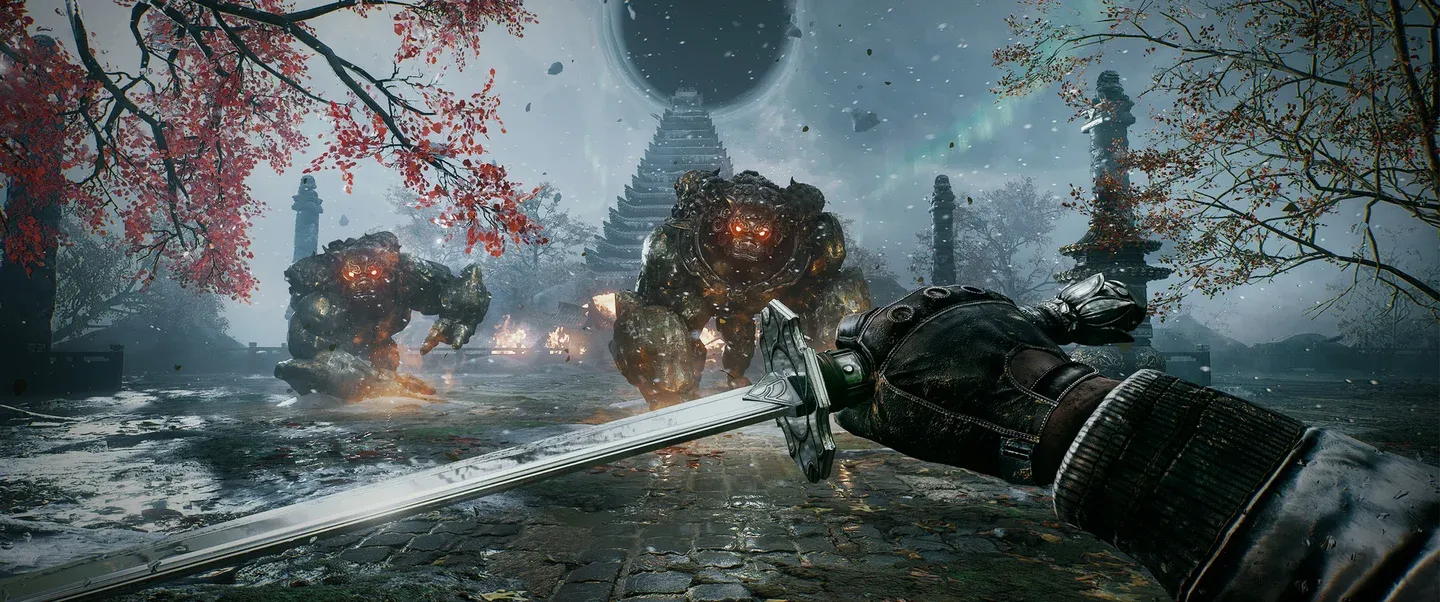
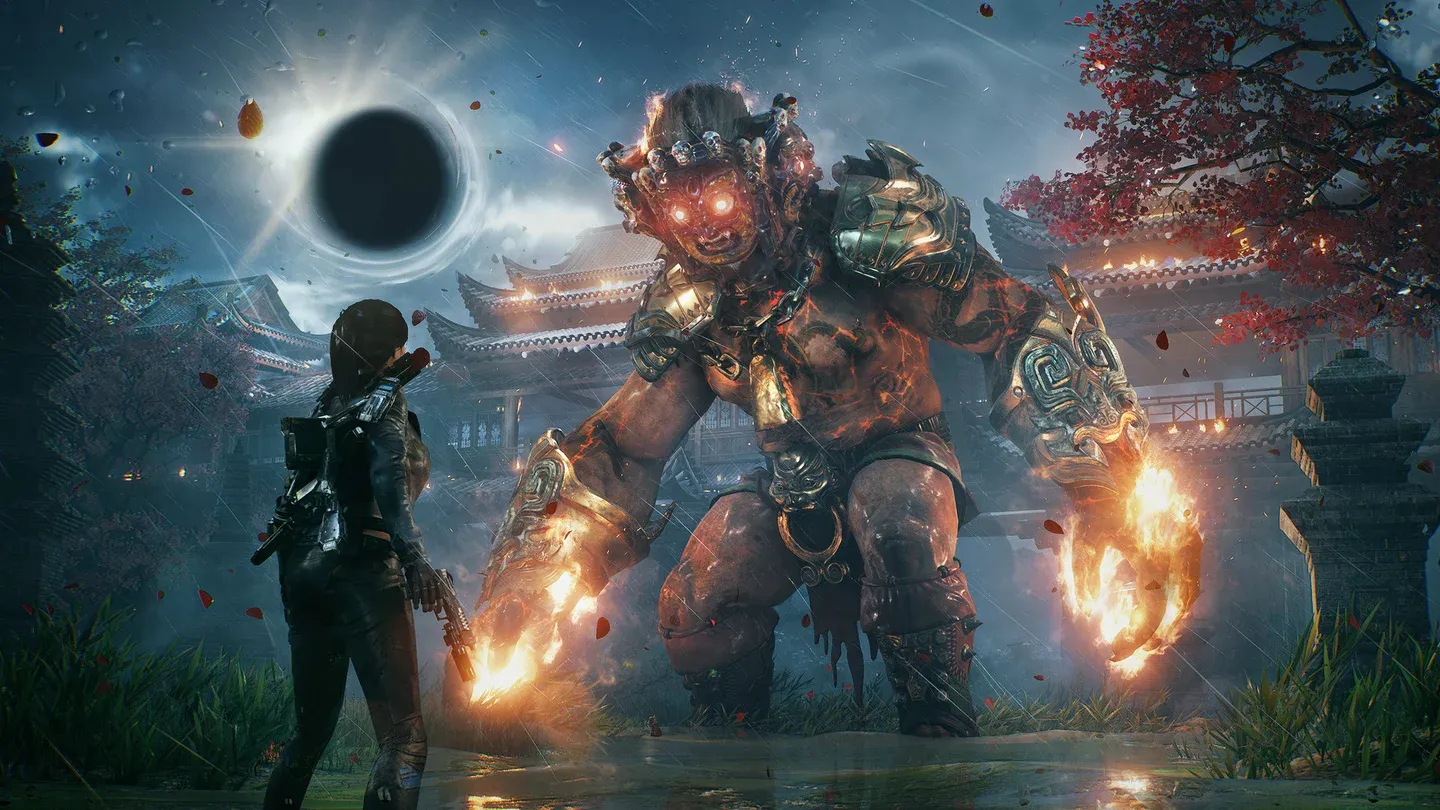
The core combat loop in Bright Memory: Infinite is where the game earns its reputation. Shelia can switch fluidly between firearms and a melee blade, and the game actively rewards chaining both together. Gunning down an enemy, pulling them toward you with a skill, then finishing with a sword combo isn't just possible, it's the intended rhythm.
Bright Memory: Infinite content image
Key mechanics include:
- Skill-based enemy launches and pulls
- Sword combos that cancel into gunfire
- Parry and counter system
- Upgradeable abilities via skill tree
- Environmental traversal with momentum
The controls feel tight on both mouse and keyboard and controller, with DualSense haptics and adaptive triggers on PS5 adding a tactile layer to every shot and slash. The game moves at a pace that punishes passivity, which keeps even short sessions feeling intense.
Bright Memory: Infinite content image
Visual and audio design
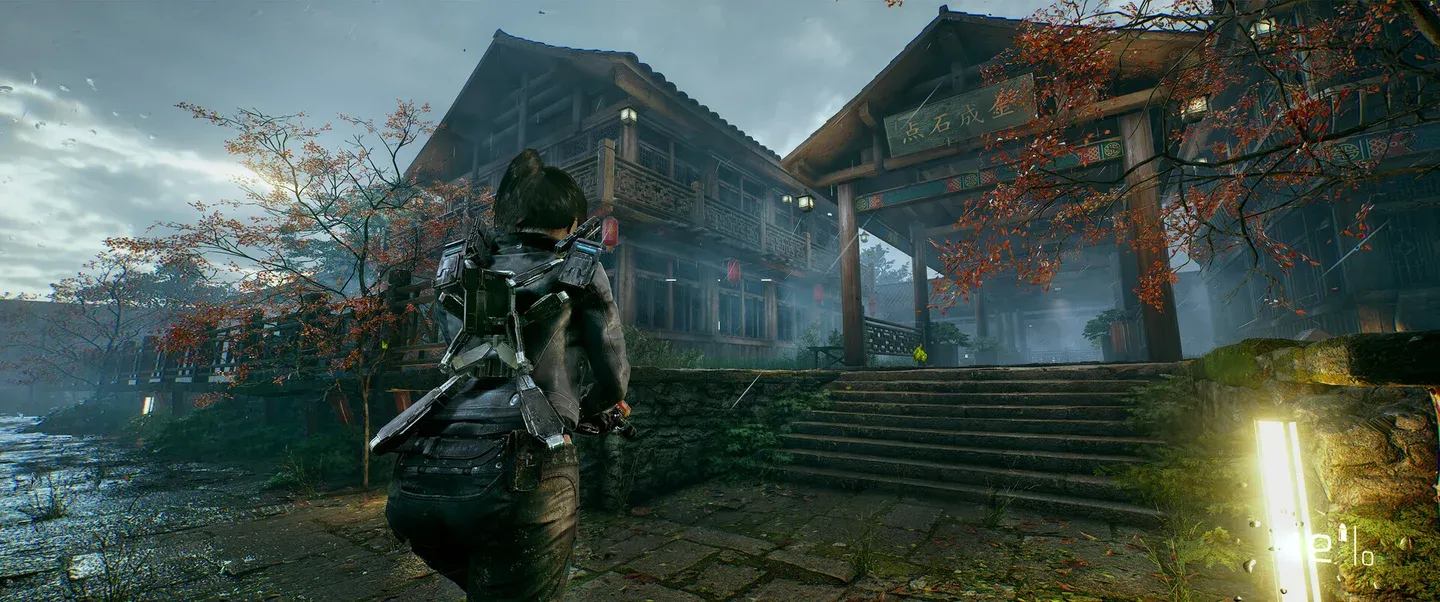
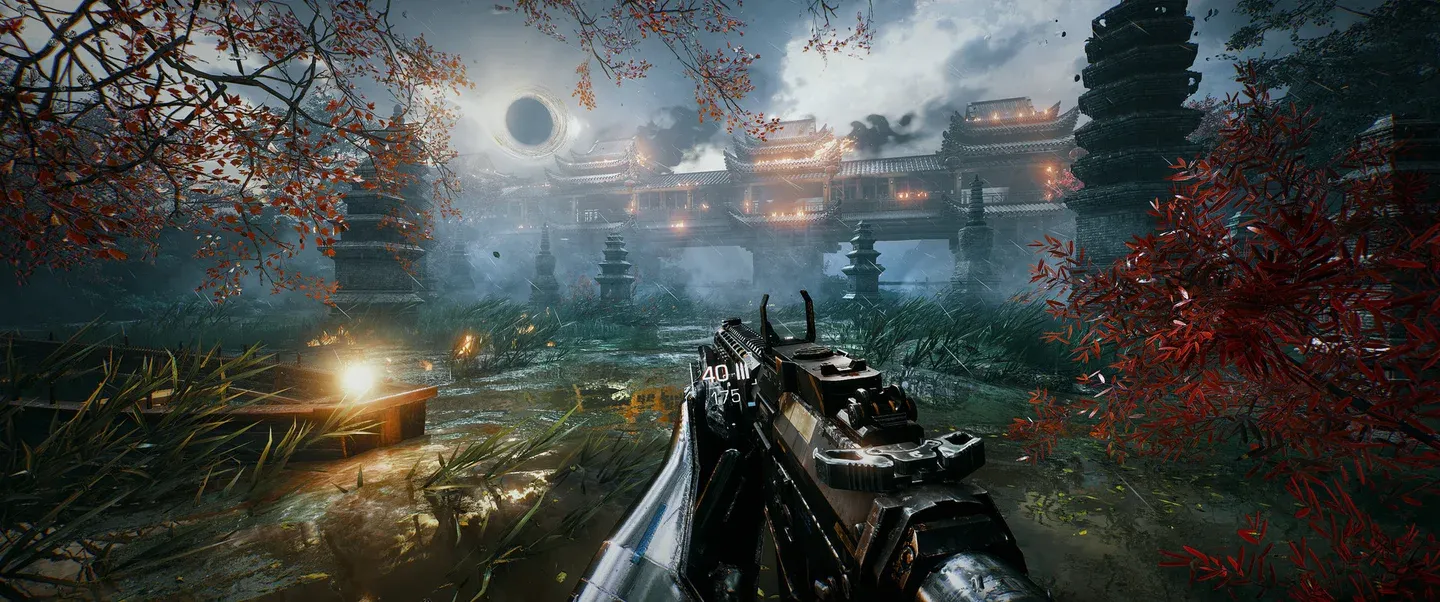
For a one-man studio, the visual fidelity in Bright Memory: Infinite is genuinely hard to explain. The PC version supports ray tracing and DLSS, and the results are striking, with dynamic lighting that makes the futuristic environments feel alive. Character models hold up under scrutiny, and the action rarely loses visual clarity even at peak chaos.
The audio design matches the pace. Gunshots have weight, sword impacts land with satisfying crunch, and the soundtrack shifts between orchestral tension and high-energy electronic depending on the scene. It's a polished audio-visual package that outperforms what the budget tier would suggest.
Innovation and unique features
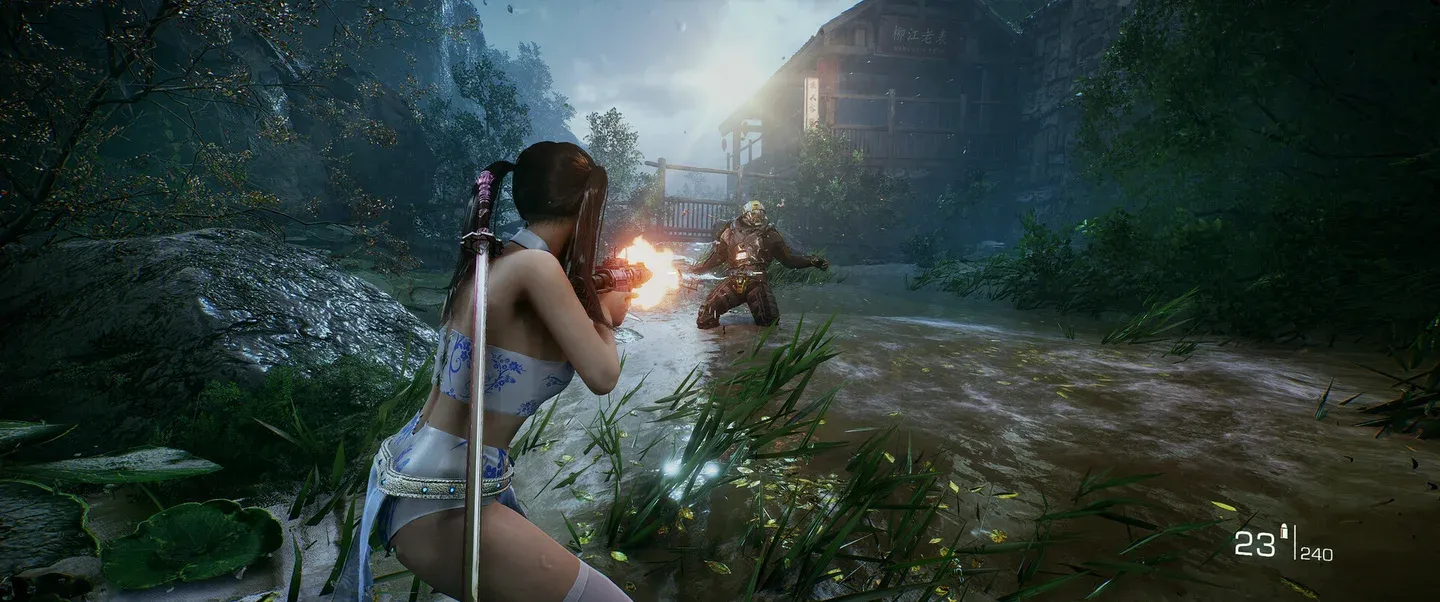
What makes Bright Memory: Infinite stand out isn't any single mechanic but the combination. Most FPS games treat melee as a desperation move. Most hack-and-slash games treat guns as secondary tools. This game treats both as equal parts of a single combat language, and the skill system is built around rewarding players who actually learn to speak it.
Bright Memory: Infinite content image
The game's origins as a solo indie project (FYQD-Studio is effectively one developer) give it an unusual identity. There's no committee design here. The pacing, the tone, the decision to blend genres that rarely mix this aggressively, all of it reflects a single creative vision executed with real technical skill. The result is a short game that feels more distinctive than many releases with ten times the development budget.