Overview
Crysis, developed by Crytek Frankfurt and published by Electronic Arts, launched in November 2007 and immediately carved out a permanent place in shooter history. Set in 2019 on a fictional island in the South China Sea, the game drops players into a Delta Force operation that quickly unravels when a massive alien structure tears through the island's core. The story moves through tropical jungle combat, frozen wastelands caused by the alien ship's energy sphere, and a climactic Zero-G battle inside the vessel itself.
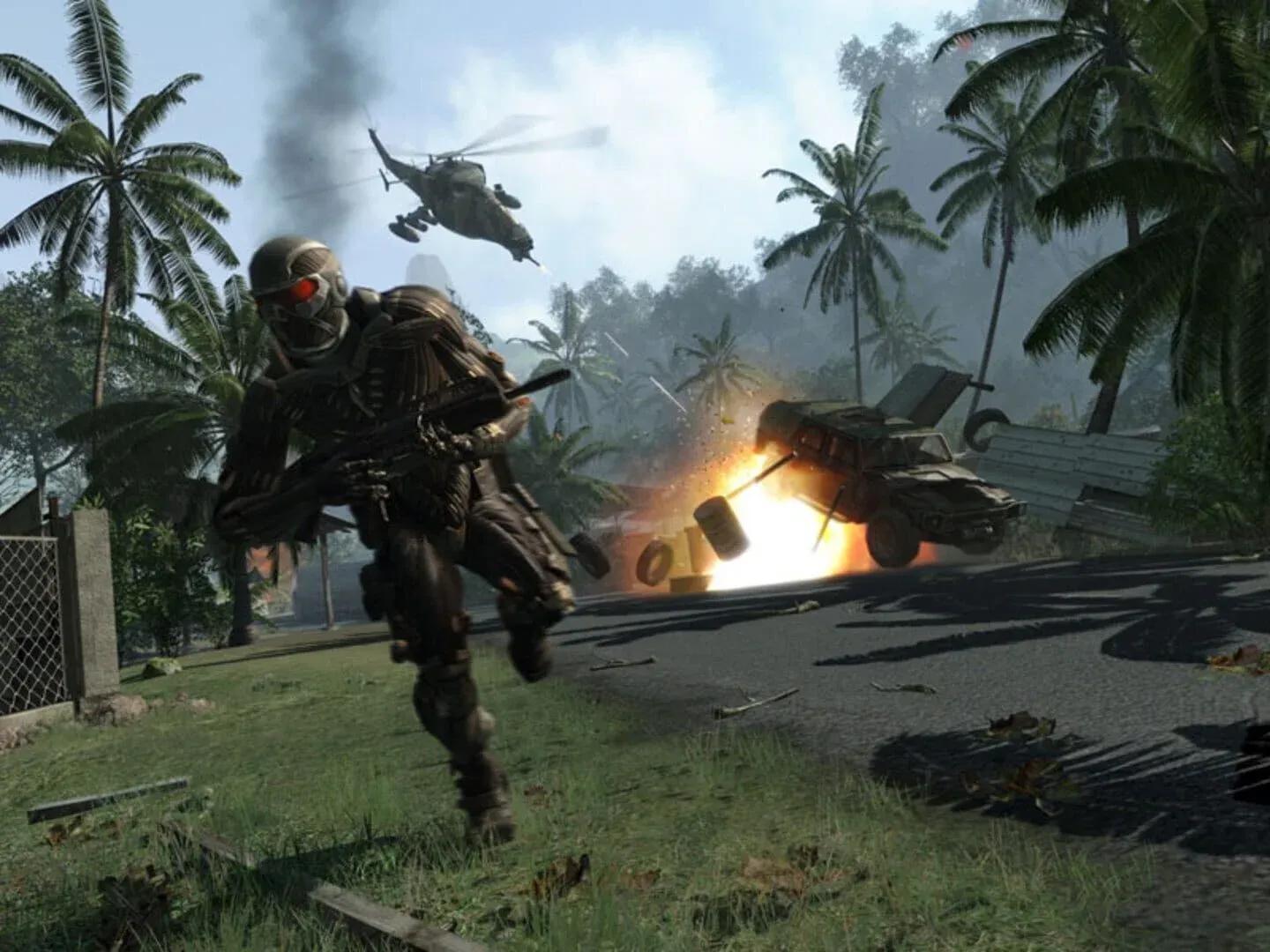
What separates Crysis from its contemporaries is the Nanosuit, a powered combat suit that gives protagonist Nomad four distinct modes: Strength, Speed, Armor, and Cloak. Swapping between them mid-combat is the game's central loop. Sprint at superhuman speed to flank a patrol, cloak to reposition, then switch to Armor to absorb a burst of fire before finishing the engagement. No two encounters play out the same way, and the open-ended level design actively rewards experimentation.
Gameplay and mechanics
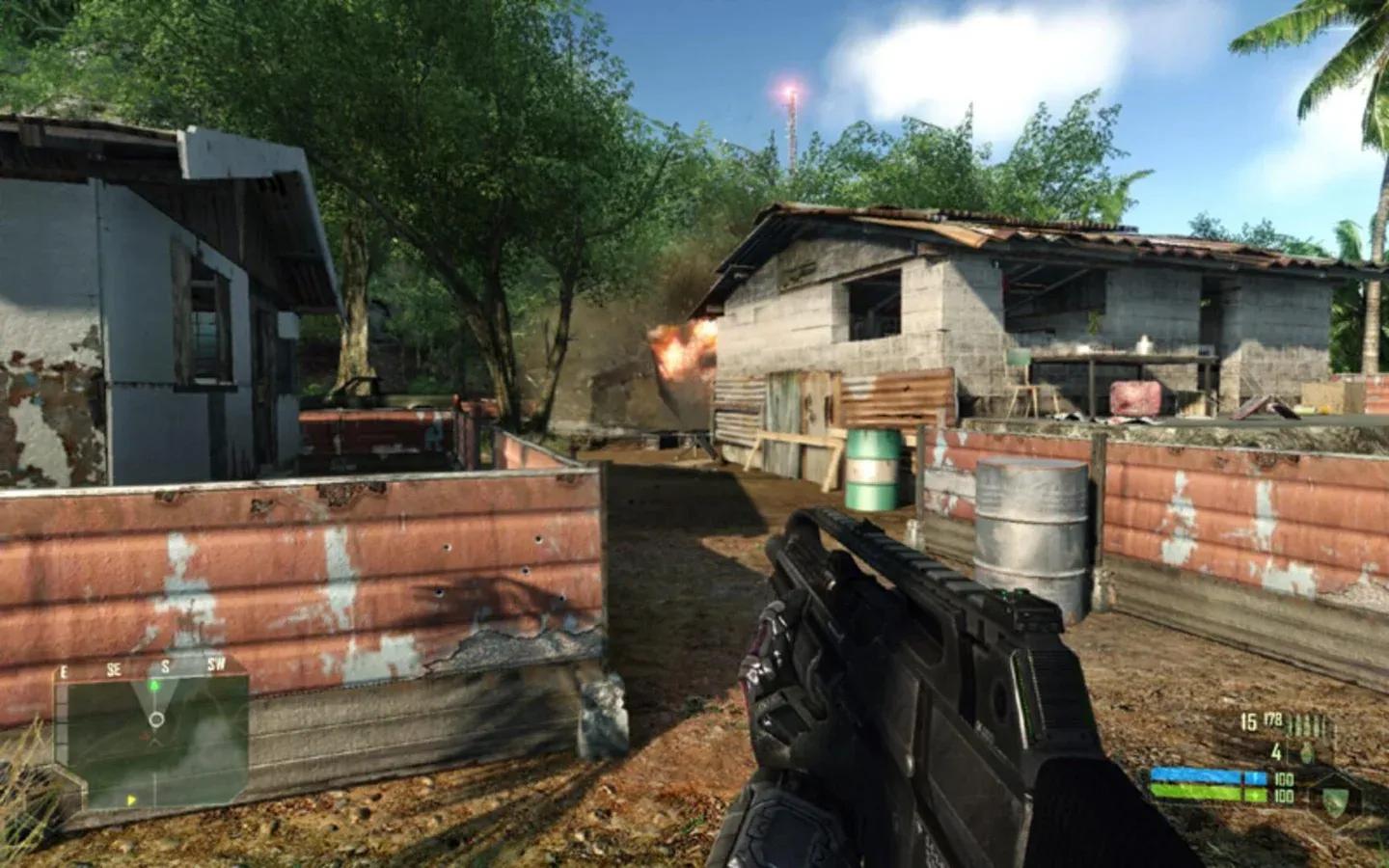
The Nanosuit system is the engine that makes Crysis tick. Each ability draws from a shared energy bar, so players constantly manage resources while adapting to enemy behavior.
Crysis content image
Key mechanics at a glance:
- Cloak for stealth infiltration
- Strength for melee kills and heavy object throws
- Speed for rapid repositioning
- Armor for direct firefights
- Weapon attachment customization mid-mission
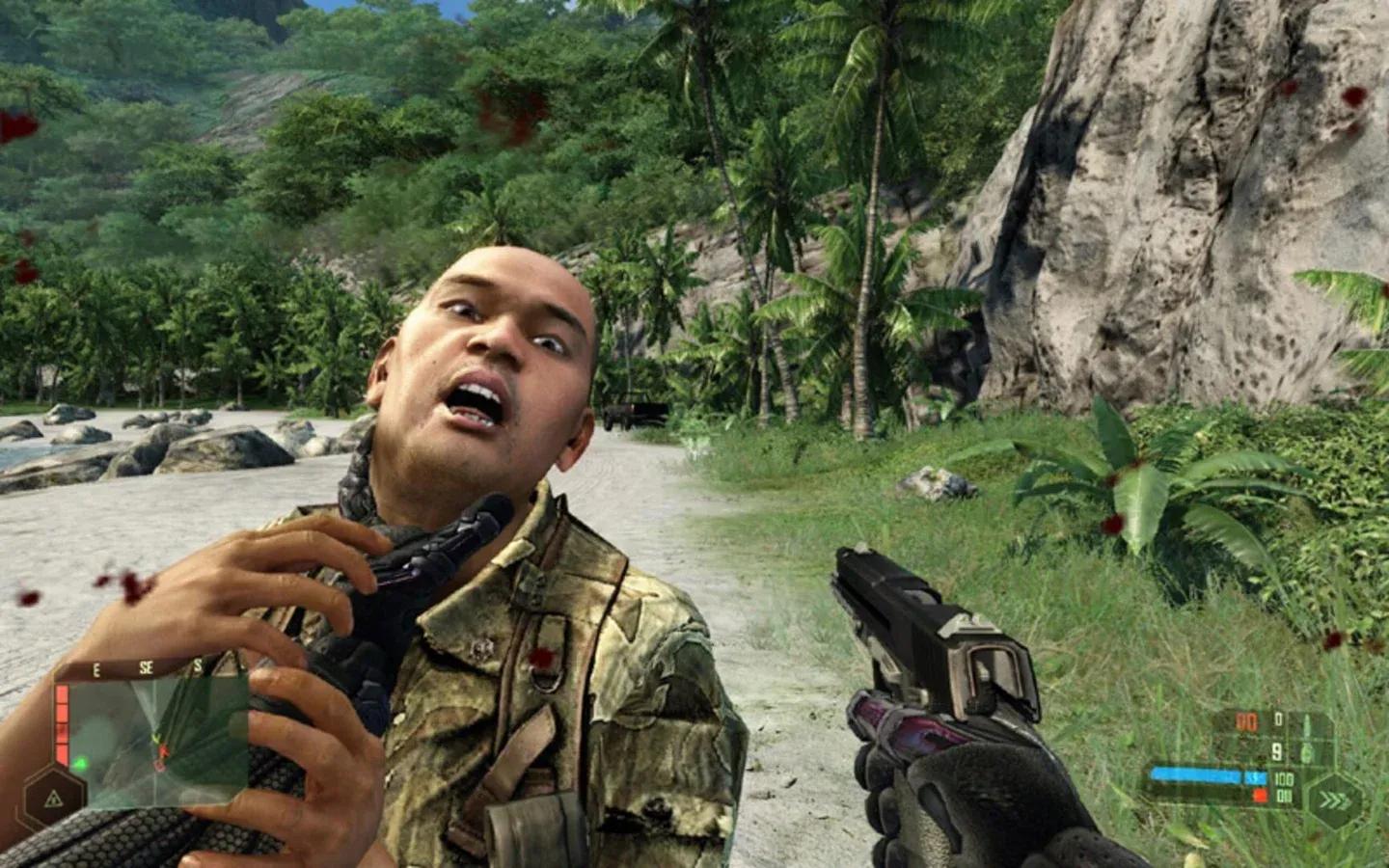
Weapons are fully customizable on the fly, letting players swap scopes, suppressors, and grenade launchers without pausing. Enemy AI reacts dynamically to player behavior, calling for backup, flanking, and retreating when outmatched. The North Korean soldiers in the early hours are tactically aware enough to make even straightforward encounters feel earned.

Crysis content image
World and setting
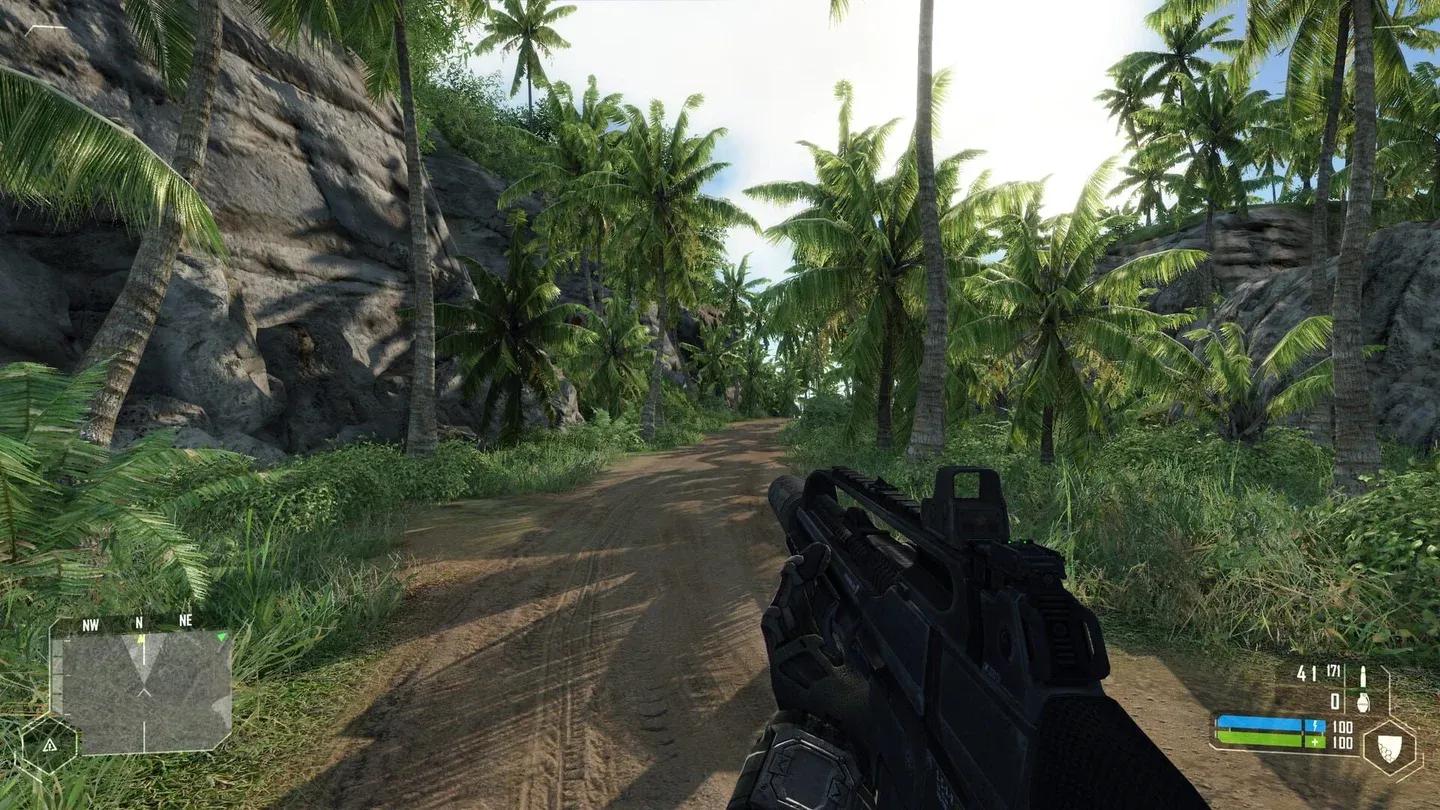
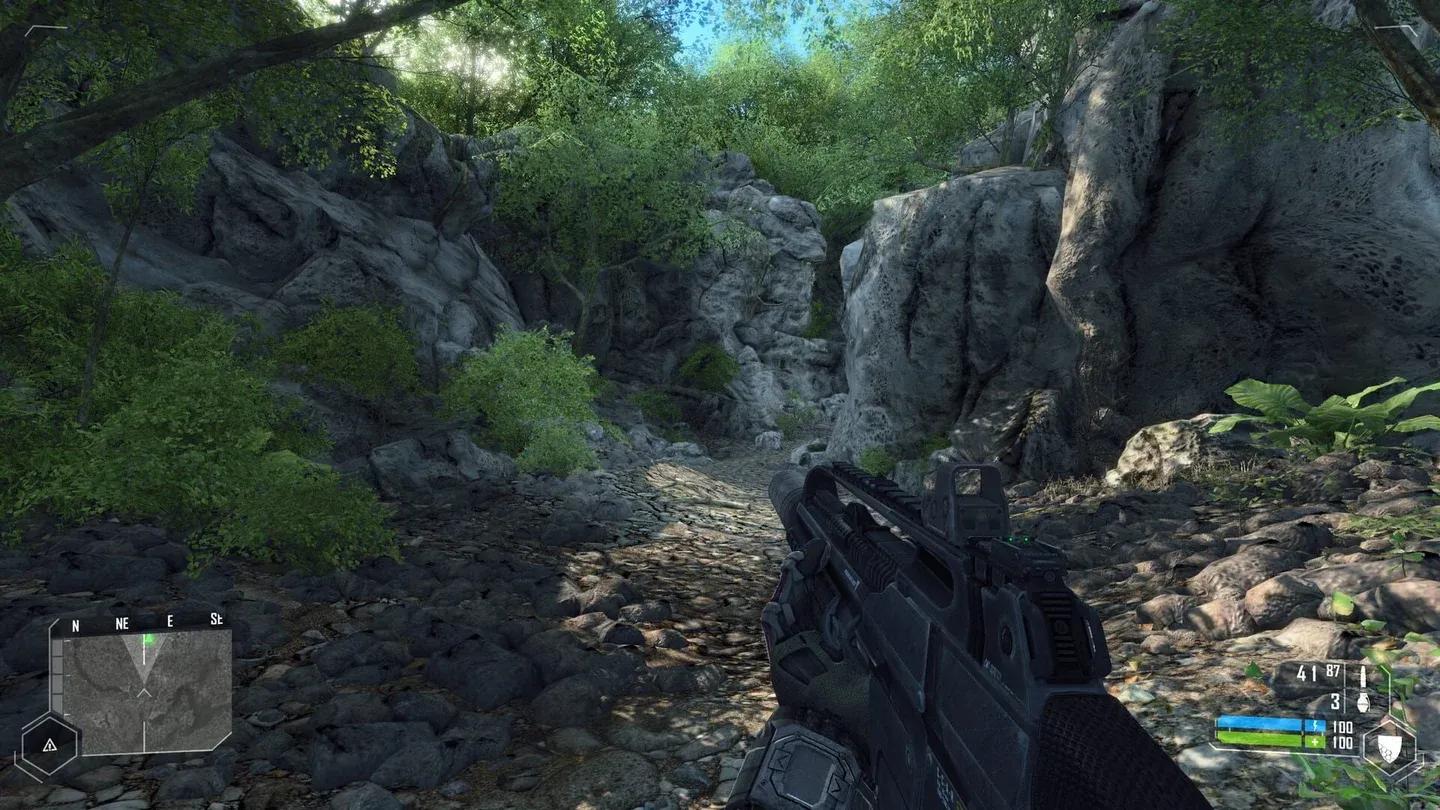
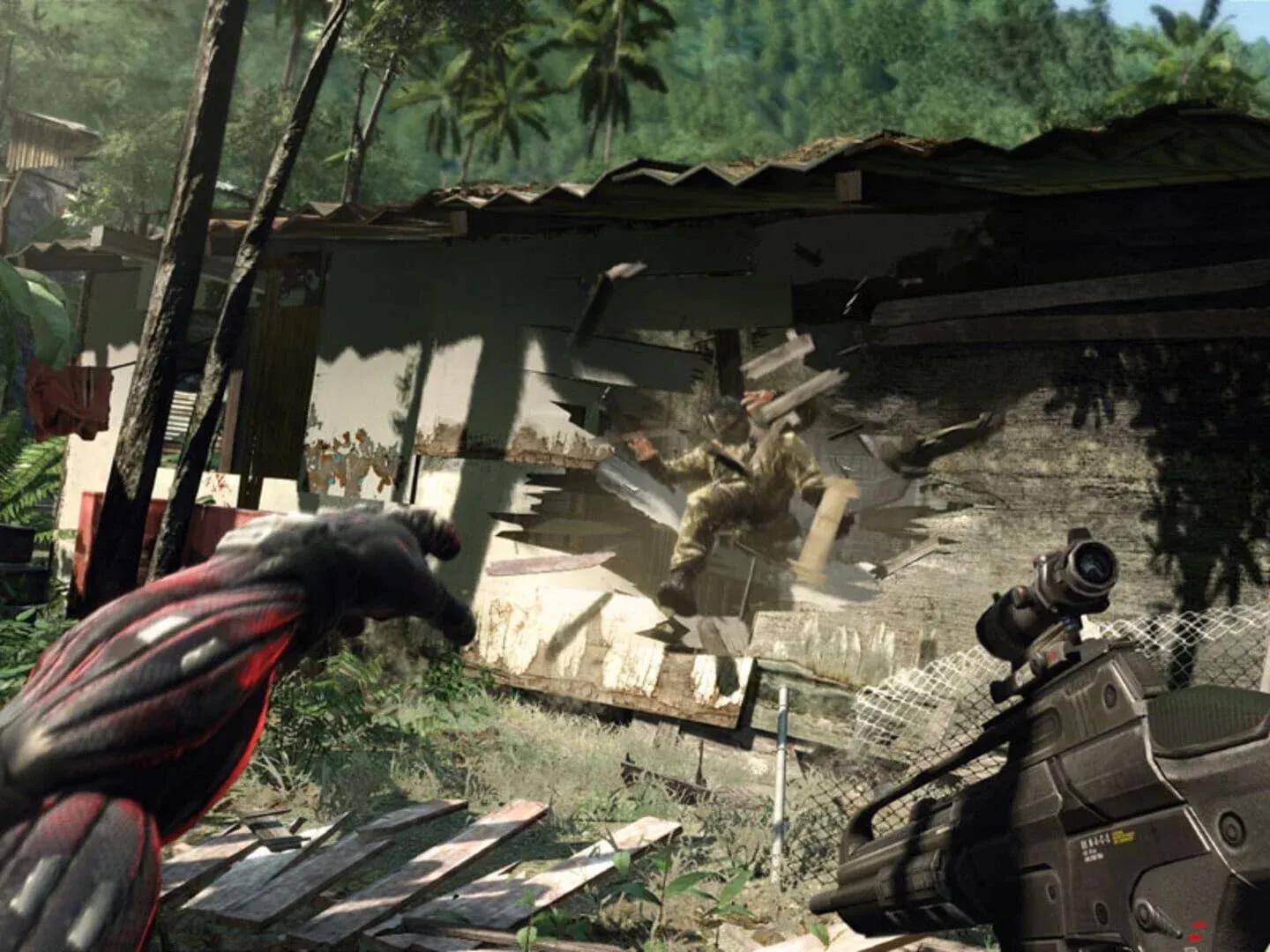
The Lingshan Islands serve as one of gaming's most technically ambitious open environments. Dense jungle foliage reacts to physics, vehicles can be commandeered, and destructible structures change the shape of a fight in real time. When the alien ship activates midway through the campaign, it flash-freezes a significant portion of the island, and the game's tone shifts dramatically. Palm trees become ice sculptures. The warm military thriller becomes something far stranger and more hostile.
Crysis content image
That tonal shift is deliberate. The first half of Crysis plays like a sandbox military shooter with near-complete tactical freedom. The second half tightens into a more linear sci-fi action sequence, culminating in Zero-G combat aboard the alien vessel. The contrast is jarring for some players, but it gives the game a structural arc that most shooters of its era never attempted.
Crysis content image
Technical achievement
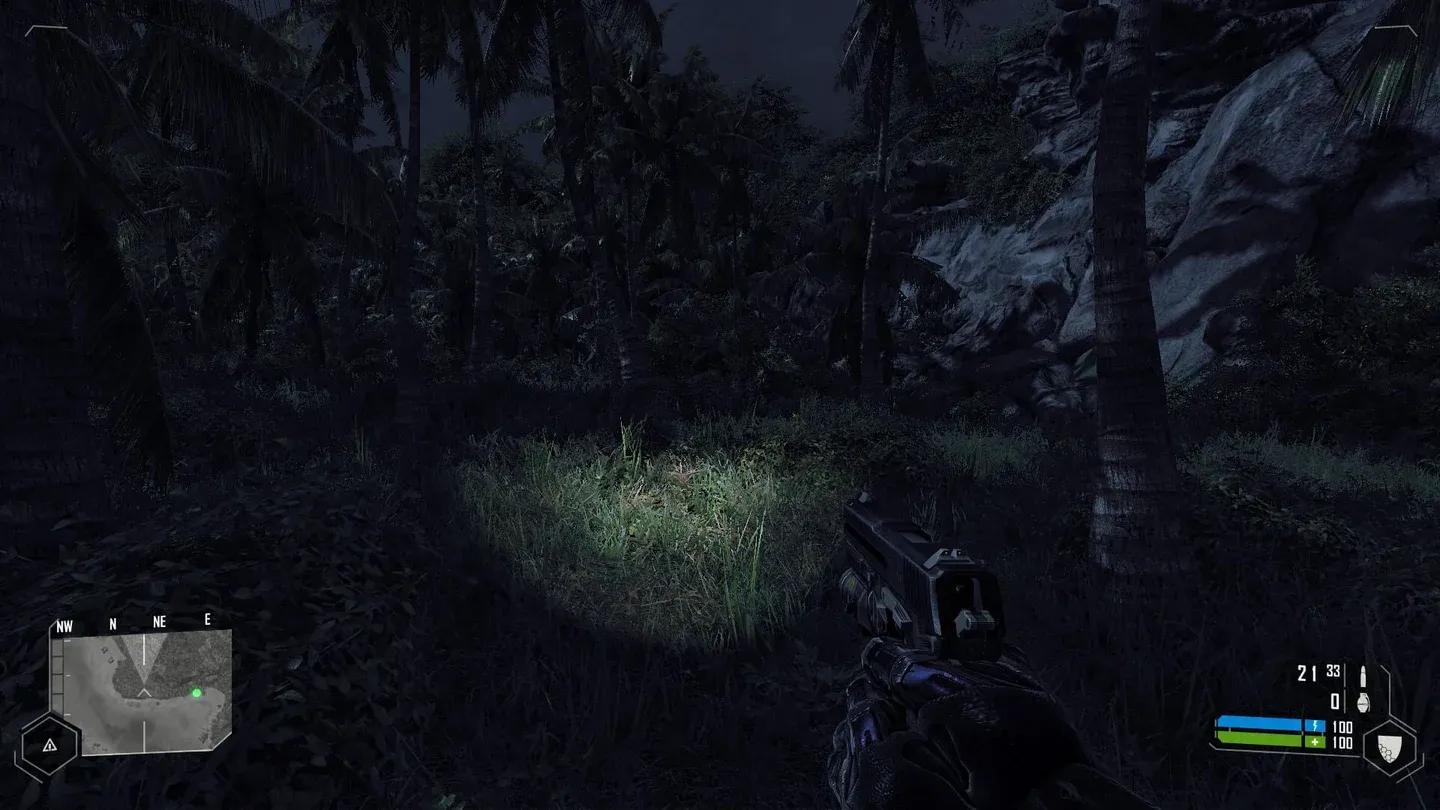
Crytek built the CryEngine 2 specifically for Crysis, and the results were so demanding that "Can it run Crysis?" became a genuine cultural touchstone in PC gaming. Dynamic lighting, real-time shadows cast through dense foliage, and physics-driven destruction ran at resolutions and detail levels that outpaced consumer hardware for years after release. The game is available across PC (Steam and Epic Games Store), PlayStation, Xbox, and Nintendo Switch, largely through the Remastered version, which updated the renderer while preserving the original's design.
Impact and legacy
Crysis established a template for physics-based, open-ended first-person shooters that developers still reference. The Nanosuit's ability-switching mechanic predates ability-based shooter design by nearly a decade, and the game's insistence on environmental interactivity set expectations for what PC hardware could achieve. For anyone interested in the history of the first-person shooter genre, or who simply wants a tactical sandbox that holds up on its own terms, Crysis remains a direct and demanding argument for what the genre can accomplish.