

Advertisement


GAMES.GG Deals
Biggest discounts, free games, and limited-time offers across every major gaming store.
Never pay full price again.
Overview
Clive Barker's Hellraiser: Revival is a first-person action horror survival game developed by Mad Head Games and published by Boss Team Games. Set within the legendary Hellraiser universe, the game drops players into a desperate bargain with Pinhead, the series' most iconic Cenobite, and arms them with the Genesis Configuration puzzle box as both a tool and a weapon. The result is a horror game built around the tension of using cursed power just to stay alive.
The Hellraiser franchise has a complicated history in gaming, with past adaptations rarely capturing what makes the source material so unsettling. Revival looks to change that by grounding the experience in first-person perspective, forcing players into an uncomfortably close relationship with the nightmare around them. Mad Head Games, known for their work in the adventure and hidden-object space, brings a puzzle-forward sensibility to a genre that often neglects it.
The game releases October 8, 2026, across Xbox, PlayStation, Nintendo Switch, and PC via Steam, making it one of the wider horror launches of the year.
Clive Barker's Hellraiser: Revival content image
Gameplay and mechanics
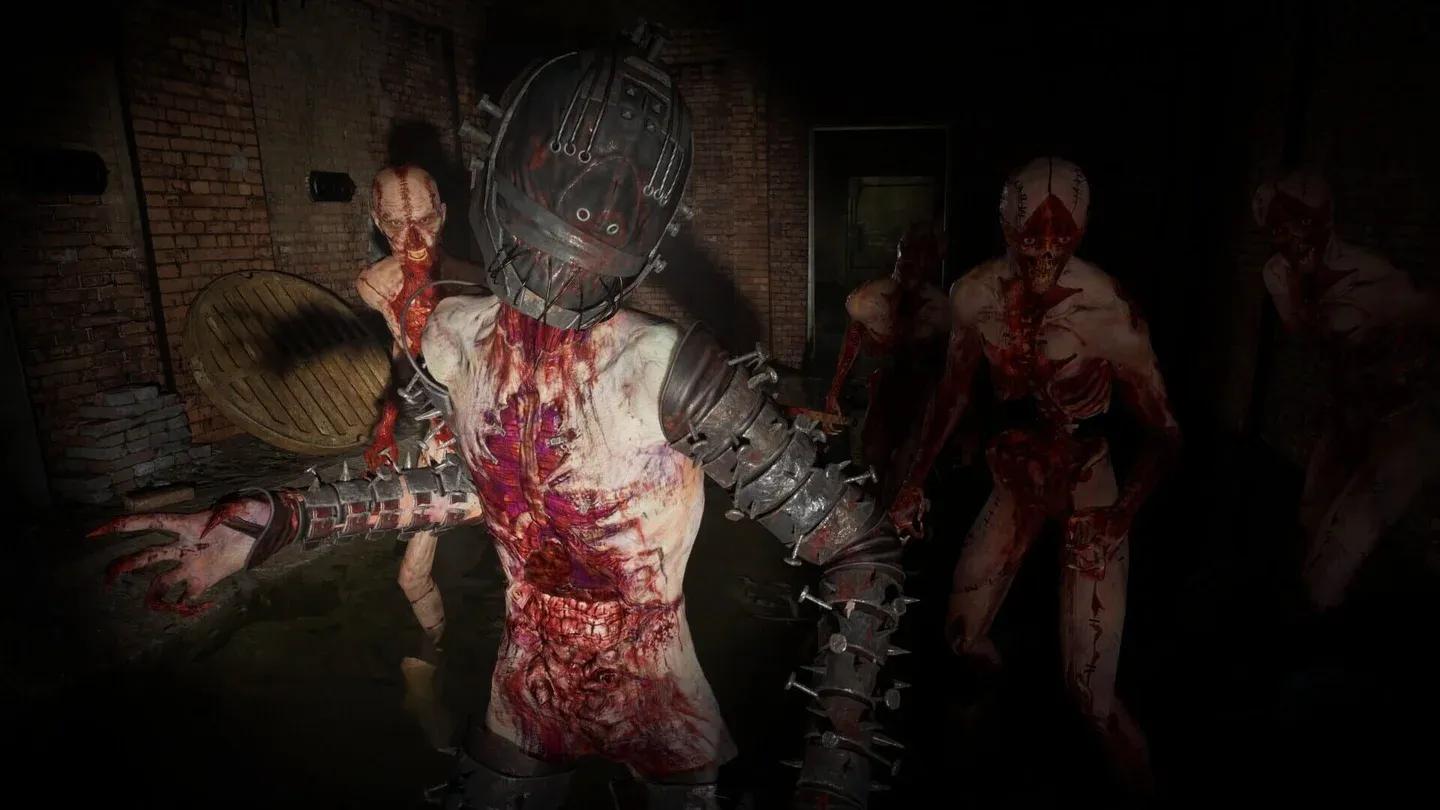
At the heart of Revival is the Genesis Configuration, a new variant of the iconic puzzle box that gives players active abilities to survive encounters with Cenobites and other horrors. This is not a passive collectible or a narrative device sitting on a shelf. The box is a survival instrument.
Key gameplay elements include:
- First-person combat and exploration
- Genesis Configuration puzzle mechanics
- Survival-horror resource management
- Cenobite encounter design
- Puzzle-box ability progression
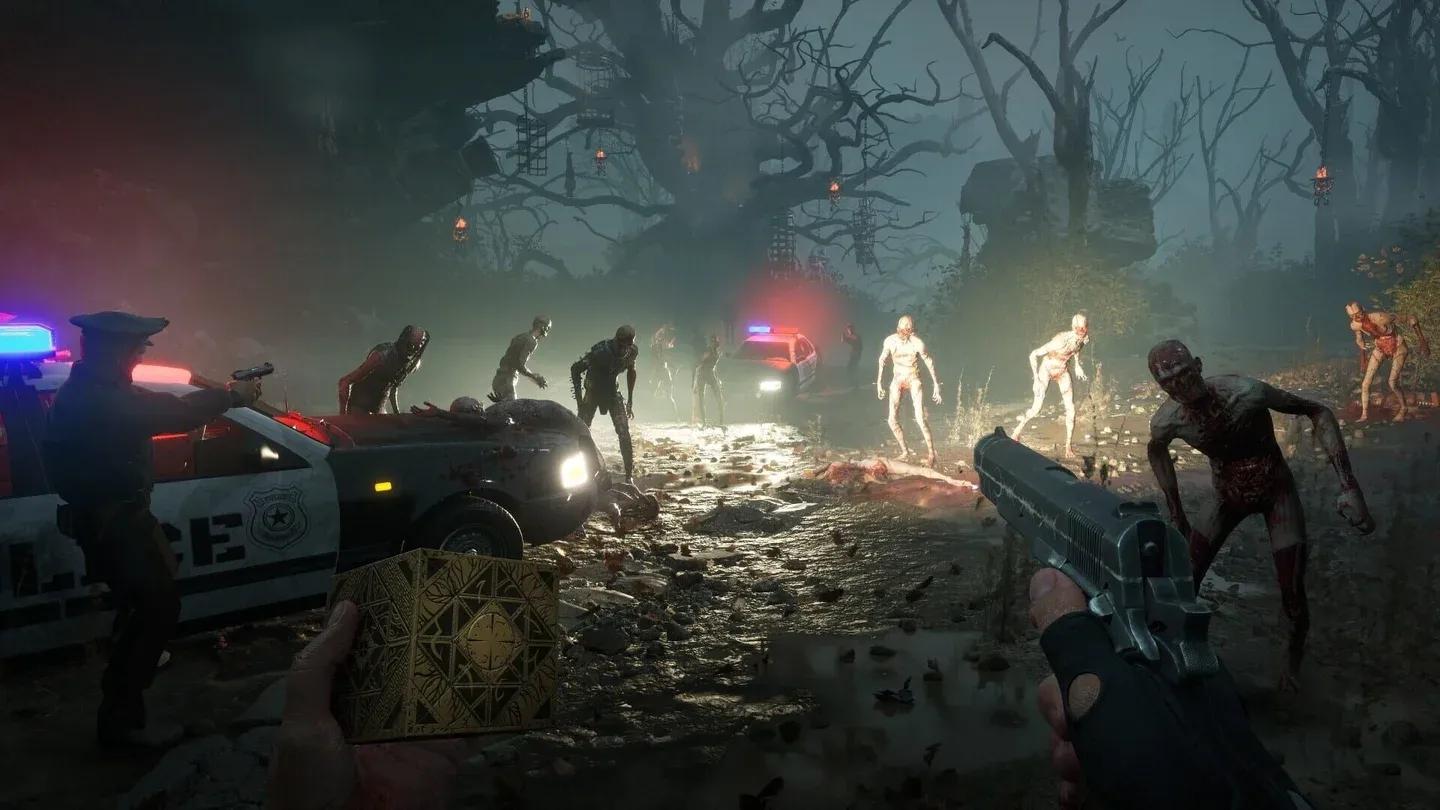
Clive Barker's Hellraiser: Revival content image
The survival horror loop appears to center on balancing the power the box provides against the cost of wielding it. That tension, using something dangerous to fight something worse, is a thematic fit so natural it's surprising it took this long to build a game around it.
World and setting
Revival positions itself as a new chapter in the Hellraiser canon rather than a direct adaptation of any existing film. That gives Mad Head Games room to construct original scenarios within the established mythology without being locked into recreating scenes fans already know by heart.
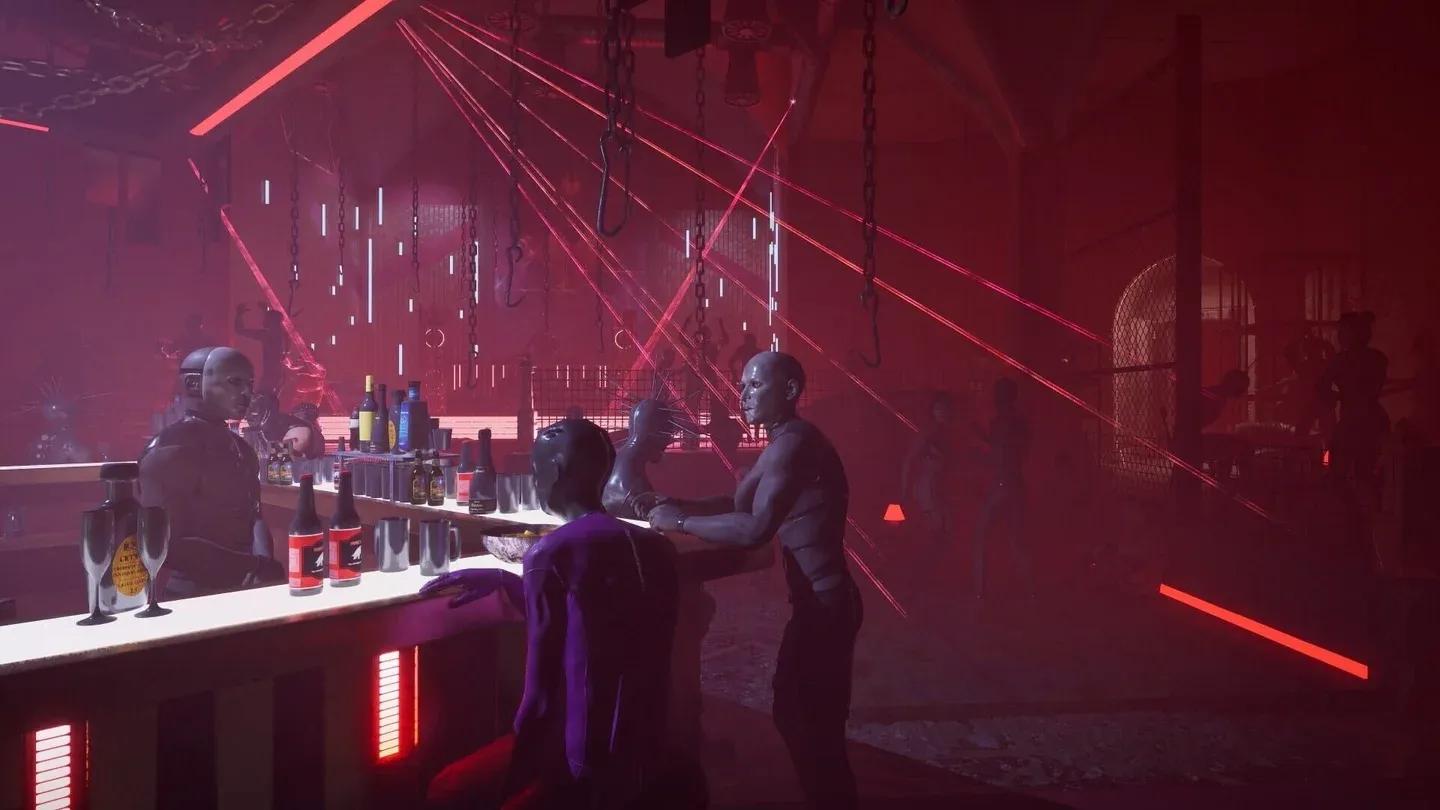
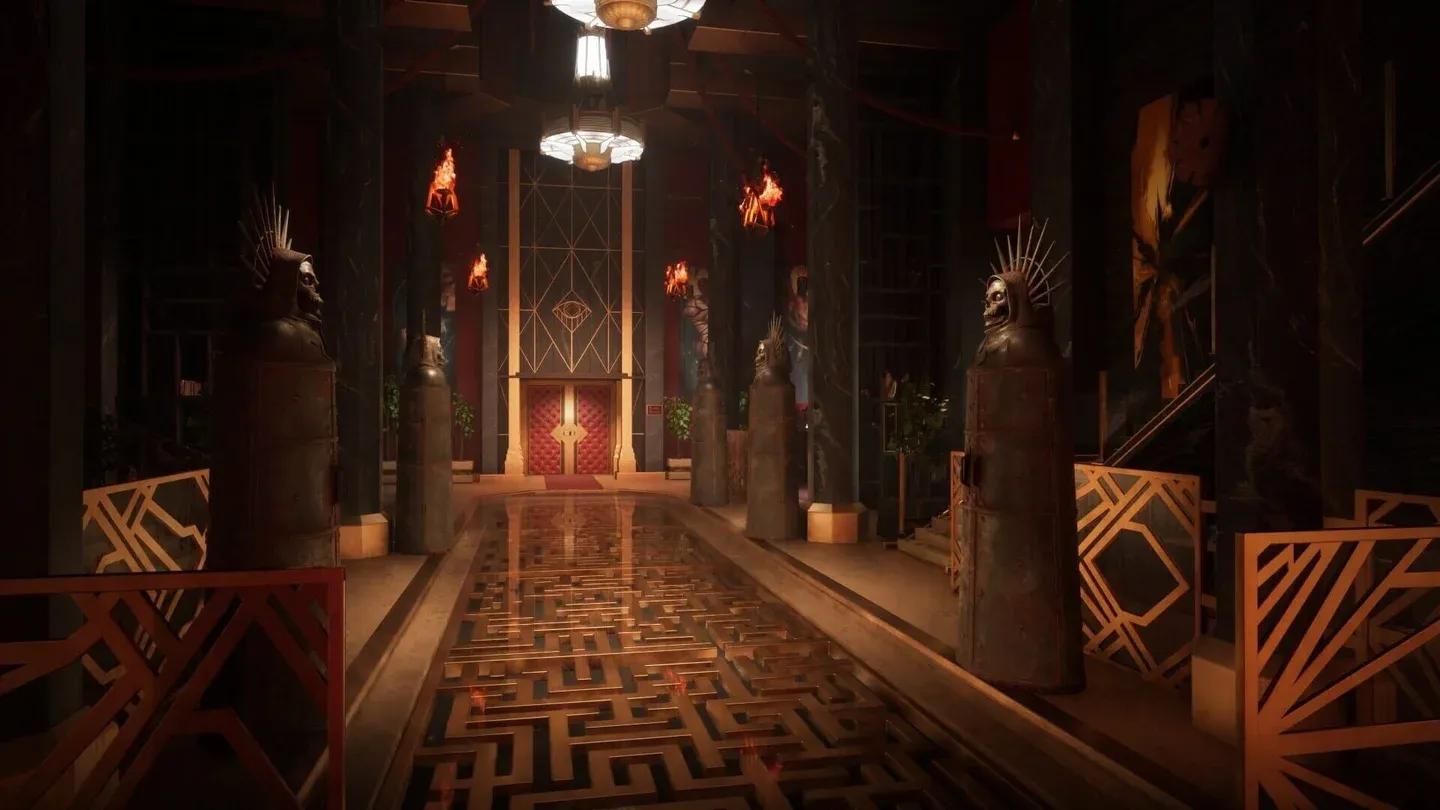
The Hellraiser universe is defined by its philosophy as much as its monsters. Pleasure and pain as indistinguishable forces, bargains with entities that operate outside human morality, and environments that feel like architecture designed by something inhuman. A first-person perspective suits all of this extremely well. Being inside that world rather than watching it from behind a character's shoulder changes the psychological weight of every corridor and every encounter.
Clive Barker's Hellraiser: Revival content image
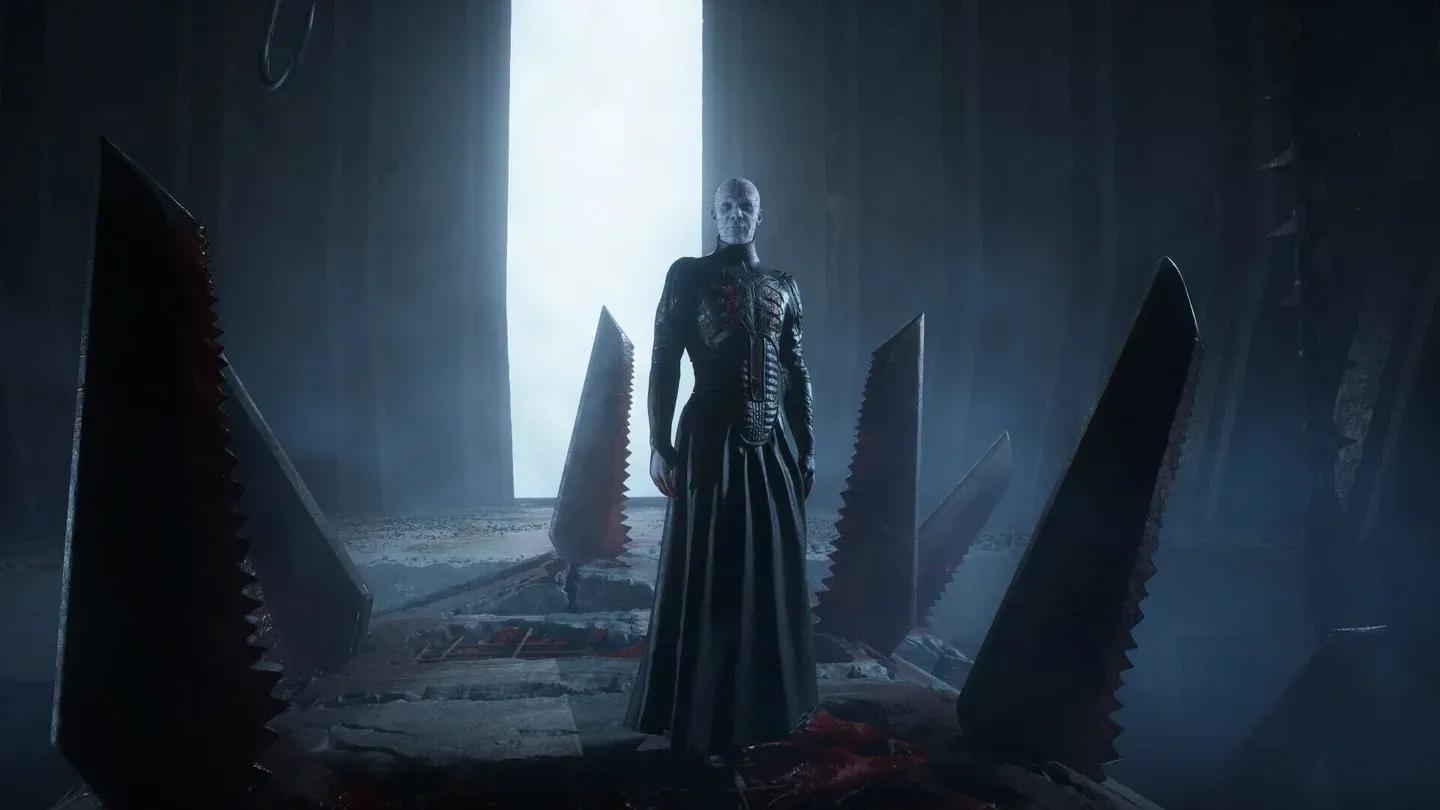
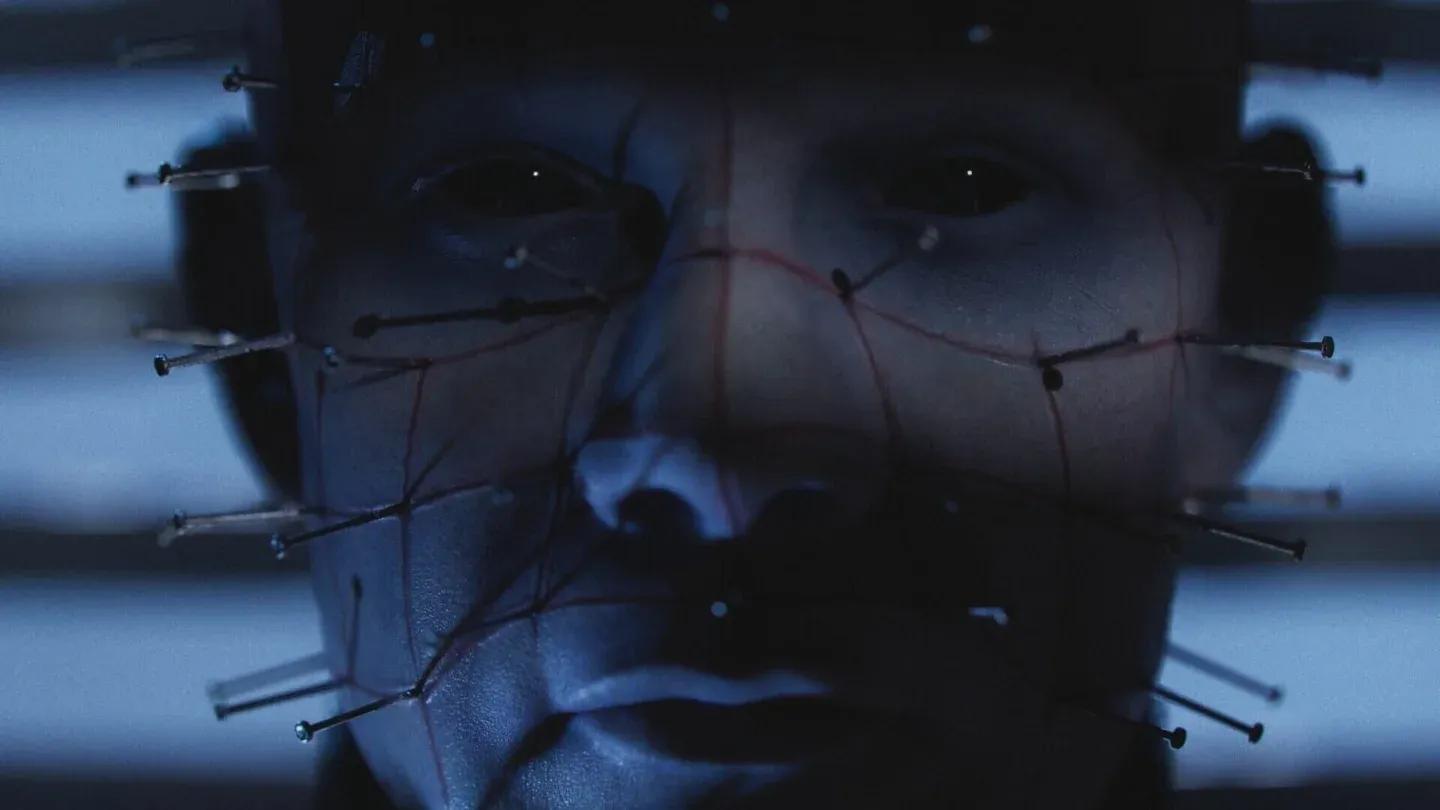
Pinhead's presence as the central antagonist, or perhaps something more ambiguous than a simple villain, grounds the narrative in the franchise's most recognizable and menacing figure. The "bargain" framing suggests a story with stakes beyond simple survival.
Does Revival capture authentic Hellraiser horror?
That question sits at the center of any licensed horror game. The answer, based on what Mad Head Games has built here, leans toward yes. The Genesis Configuration as an active gameplay mechanic rather than a cutscene prop shows genuine engagement with what makes the source material work. Hellraiser was never just about gore or jump scares; it was about desire, consequence, and the horror of getting exactly what you asked for.

Clive Barker's Hellraiser: Revival content image
First-person action horror survival as a genre has produced some of the medium's most effective experiences in recent years, and Revival's puzzle-box mechanics offer a design hook that distinguishes it from straightforward shooters or walking simulators. The combination of Clive Barker's mythology with a developer that understands puzzle design makes this one of the more structurally interesting horror releases in the current slate.