Overview
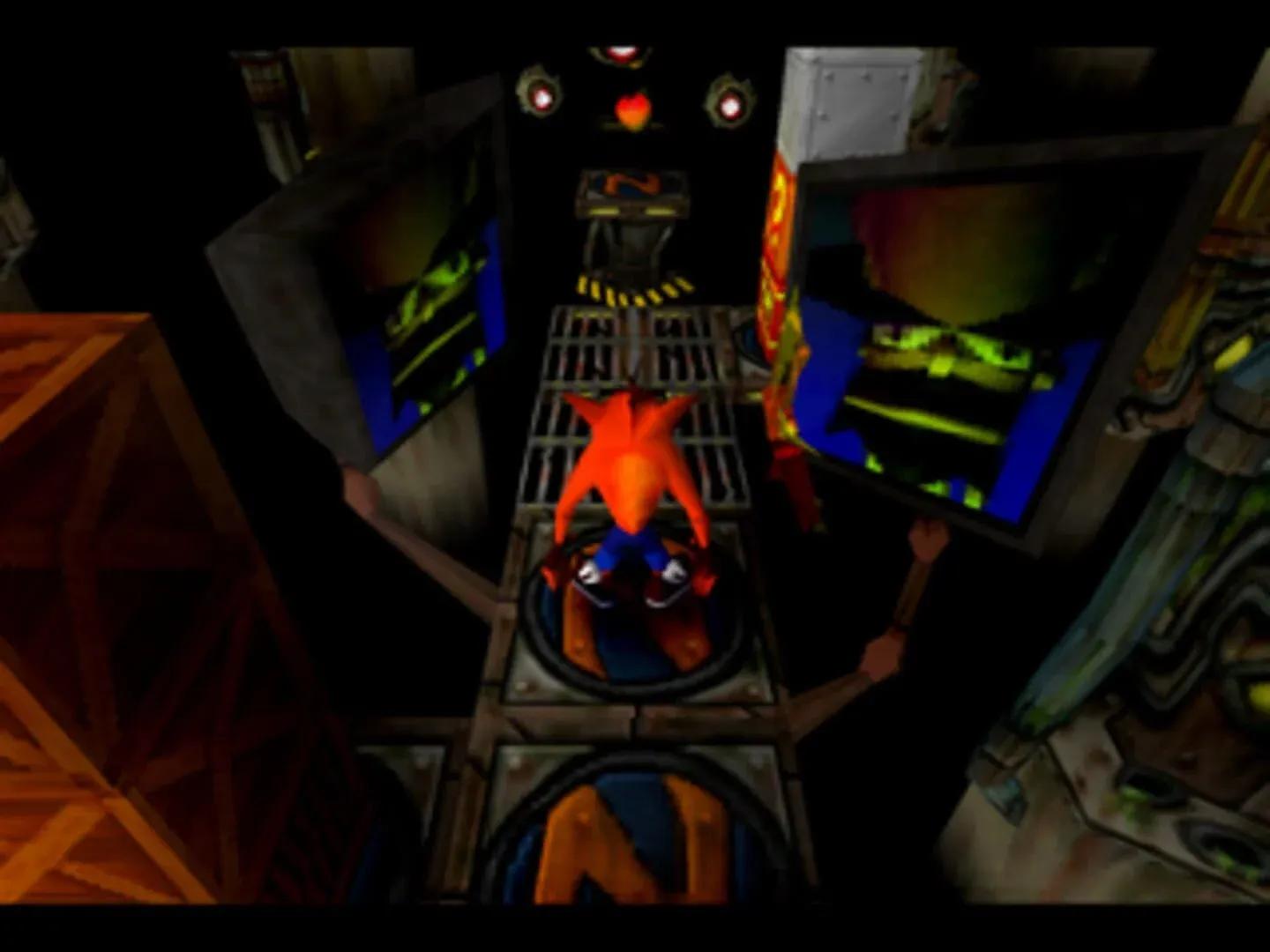
Crash Bandicoot launched on September 9, 1996, developed by Naughty Dog and published by Sony Computer Entertainment for the original PlayStation. The game follows Crash, a genetically enhanced bandicoot who escapes the failed experiments of Dr. Neo Cortex and Dr. Nitrus Brio. Cortex, furious at the setback, dumps Crash on a distant island. The story is thin by design, but it gives the game exactly as much narrative scaffolding as it needs to justify sending you through jungle temples, castle ruins, and underground caves.
The camera sits behind Crash for most levels, giving the game a pseudo-3D feel that was genuinely novel for the platform era. Some stages flip to side-scrolling or forward-scrolling perspectives, keeping the pacing varied across the game's roughly 30 levels. Cortex himself waits at the end, and reaching him requires clearing each island in sequence.
Gameplay and mechanics
Crash's moveset is deliberately small, which is part of what makes the game work:
- Spin attack to clear enemies
- Jump and belly flop for different situations
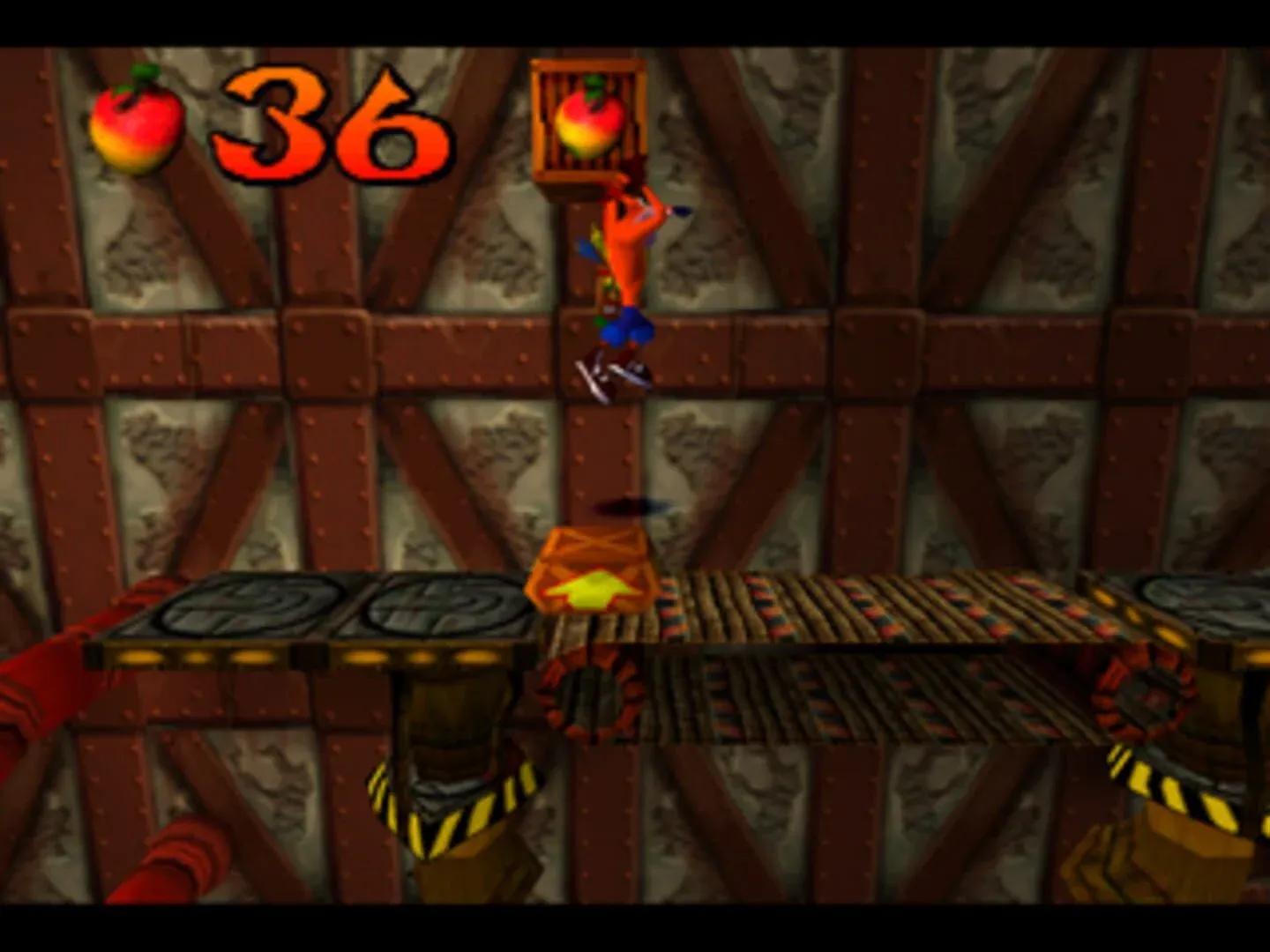
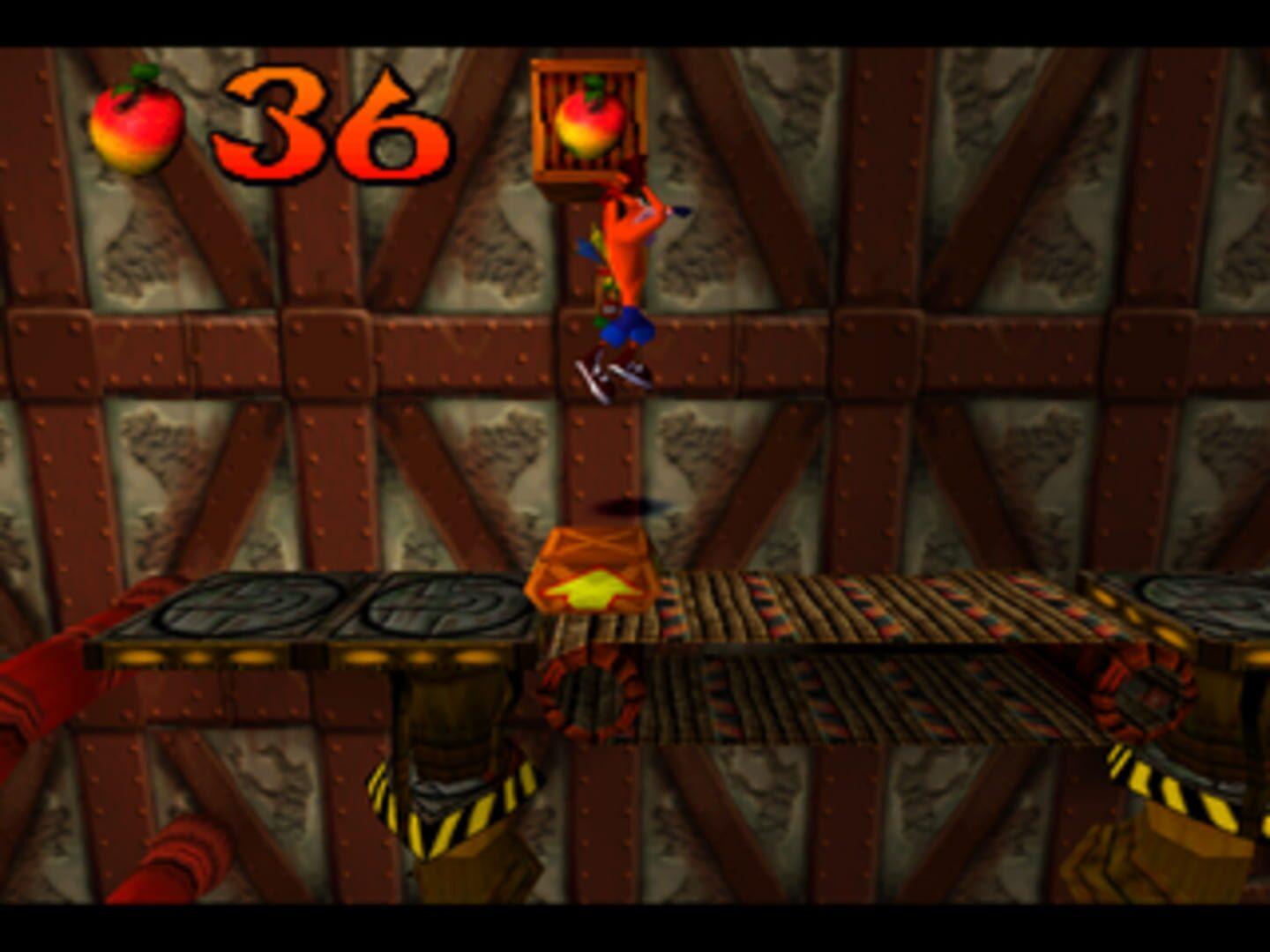
- Wumpa fruit collection for extra lives
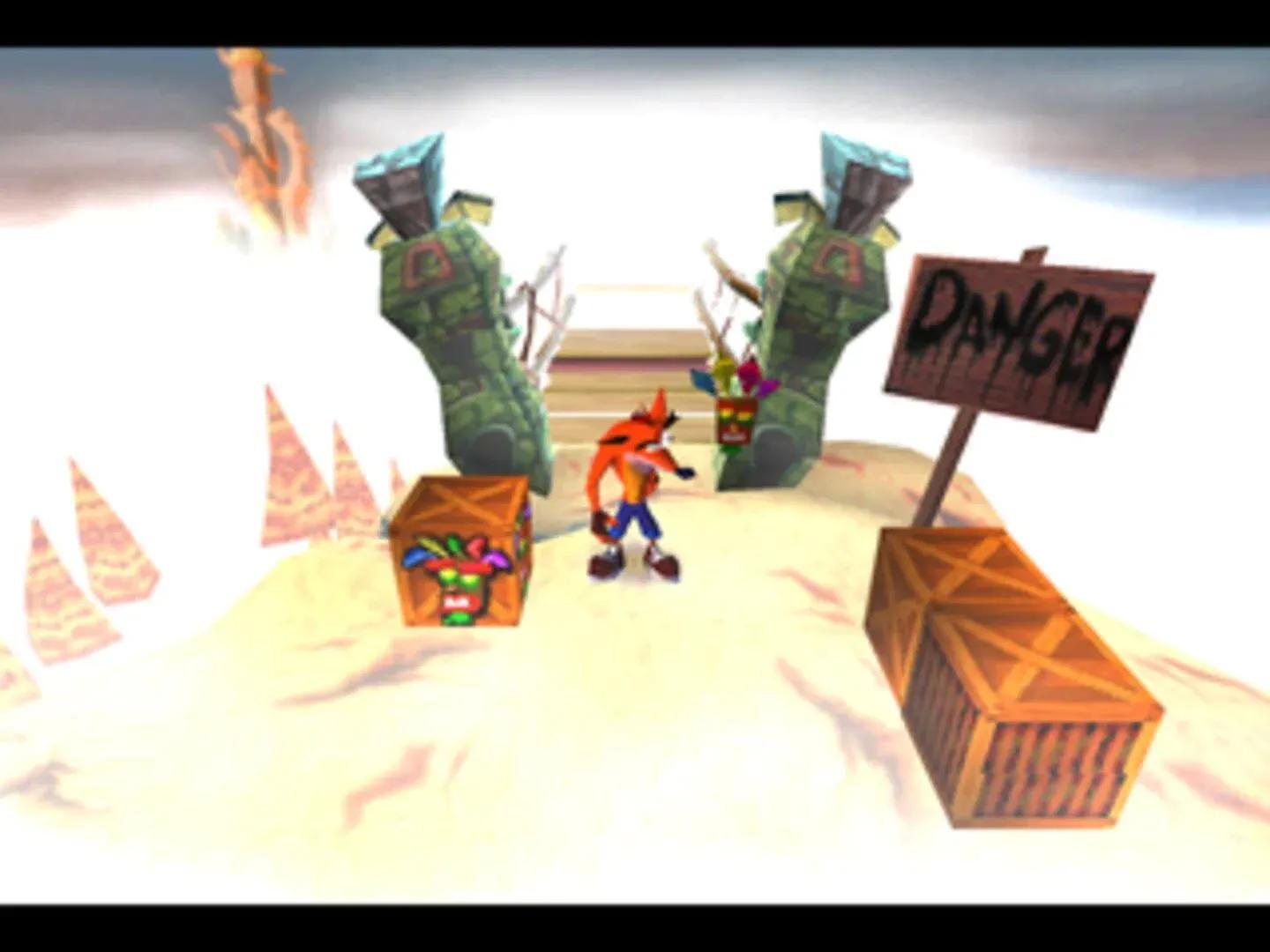
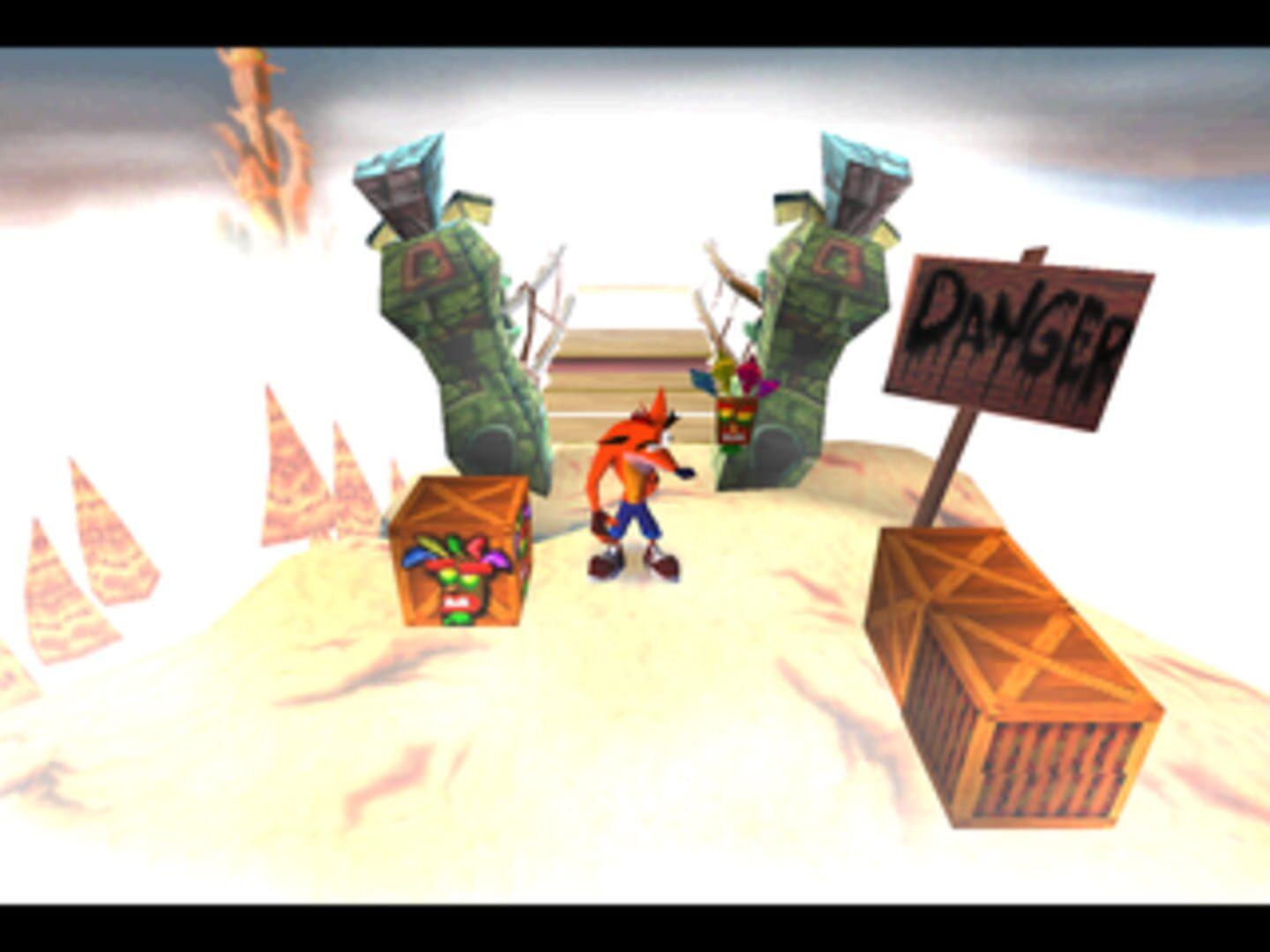
- Crates to smash for fruit and Aku Aku masks
- Death routes and colored gems for completionists
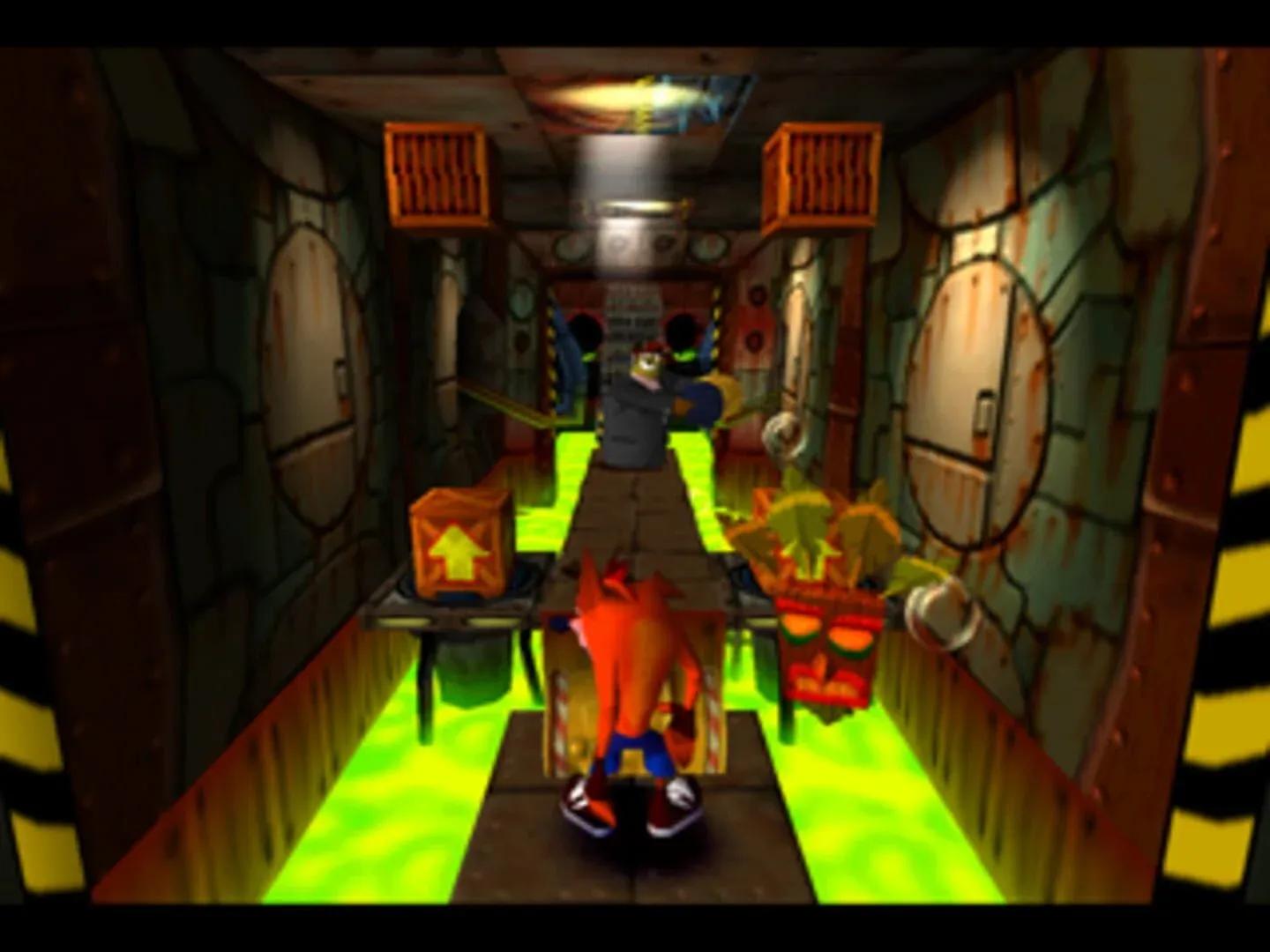
The Aku Aku mask system acts as a hit buffer. Collect one and a single mistake won't kill you. Collect three in a row and Crash turns briefly invincible. It's a simple mechanic, but it gives newer players a safety net without undermining the challenge.
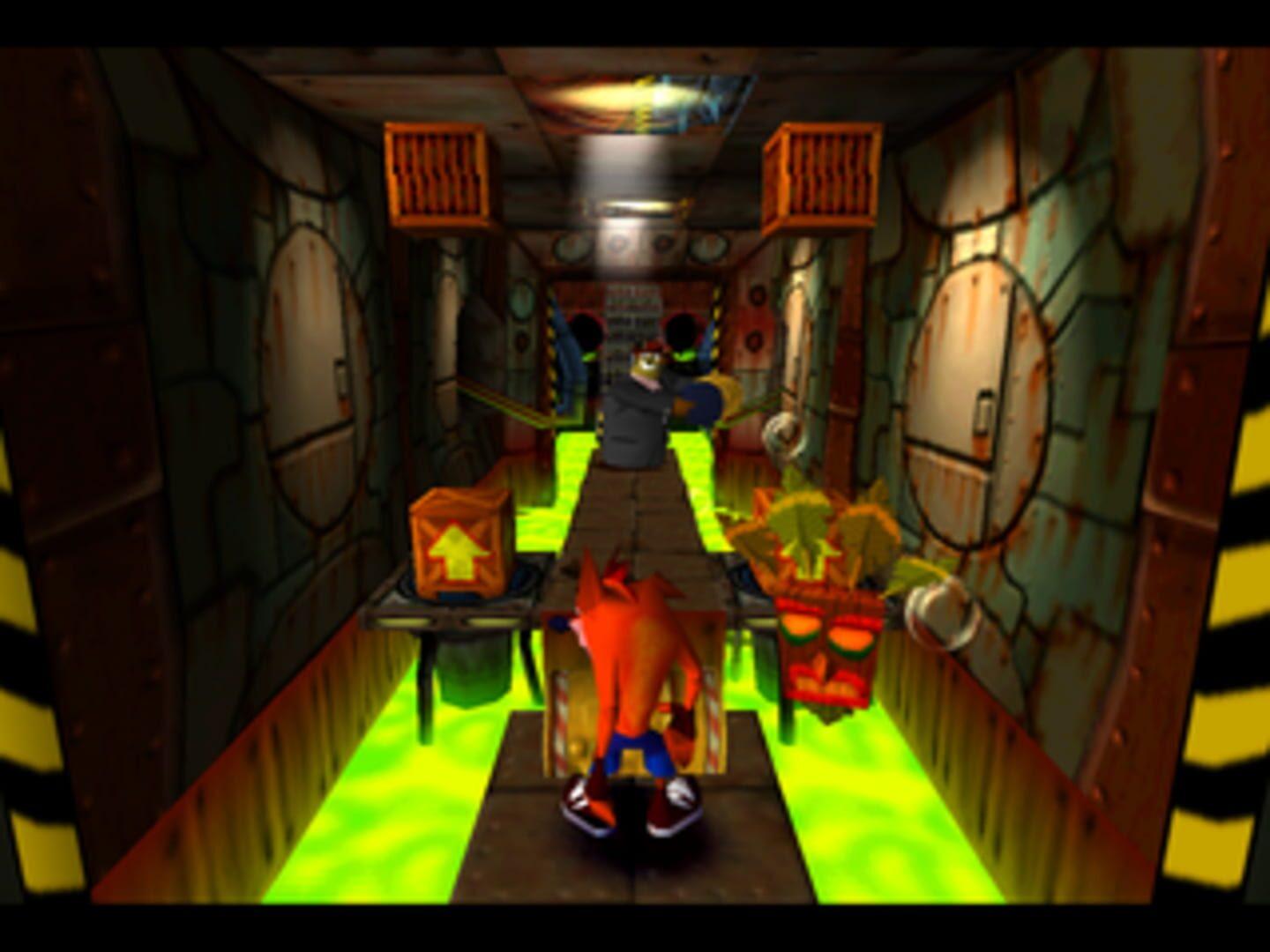
The level design is where Crash Bandicoot earns its reputation. Naughty Dog built stages around precise jumps, memorization, and pattern recognition. The game does not hold your hand. Some sections require near-pixel-perfect timing, and the checkpoint system is sparse enough that dying late in a level stings. That friction is intentional.
World and setting
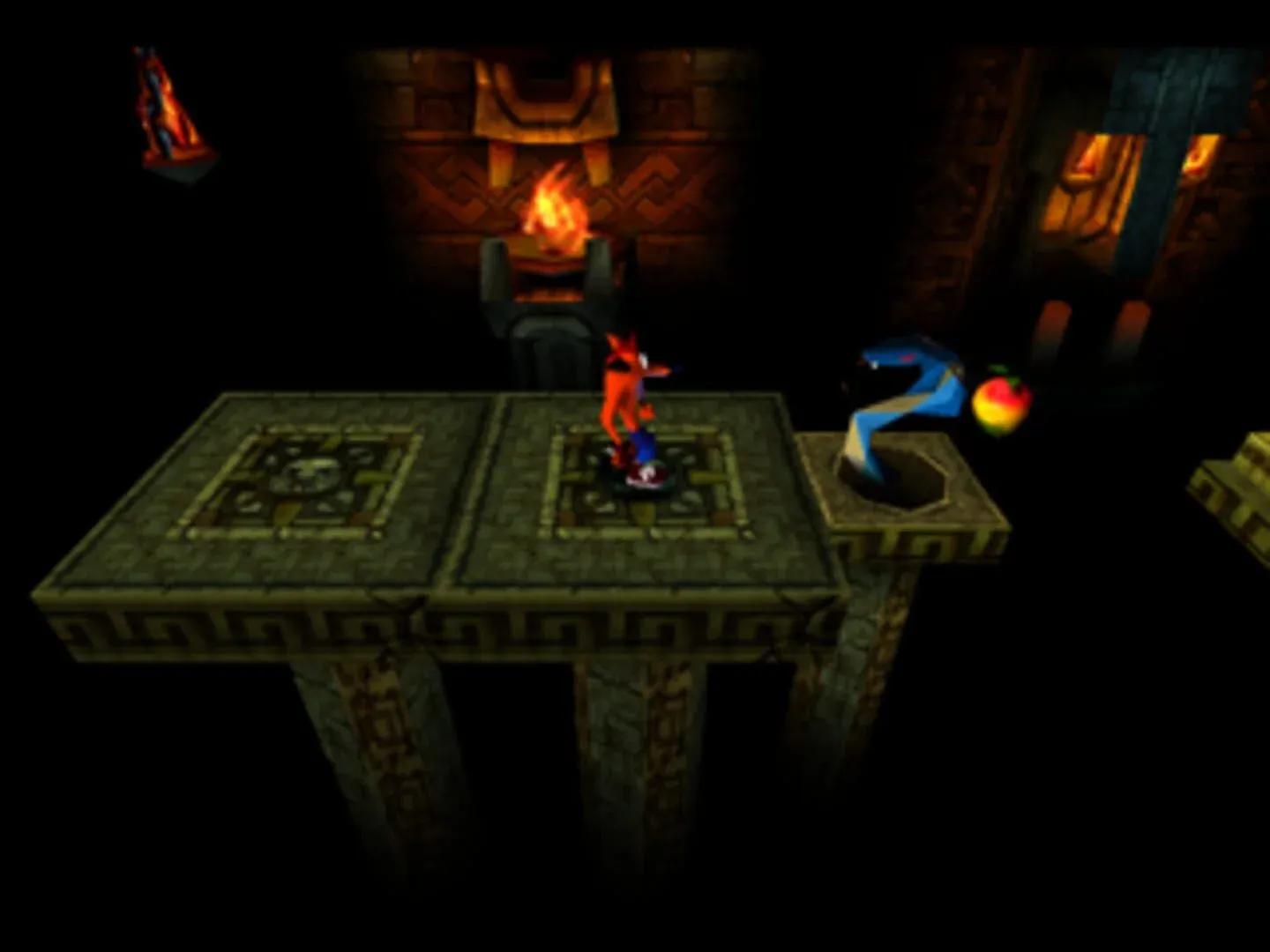
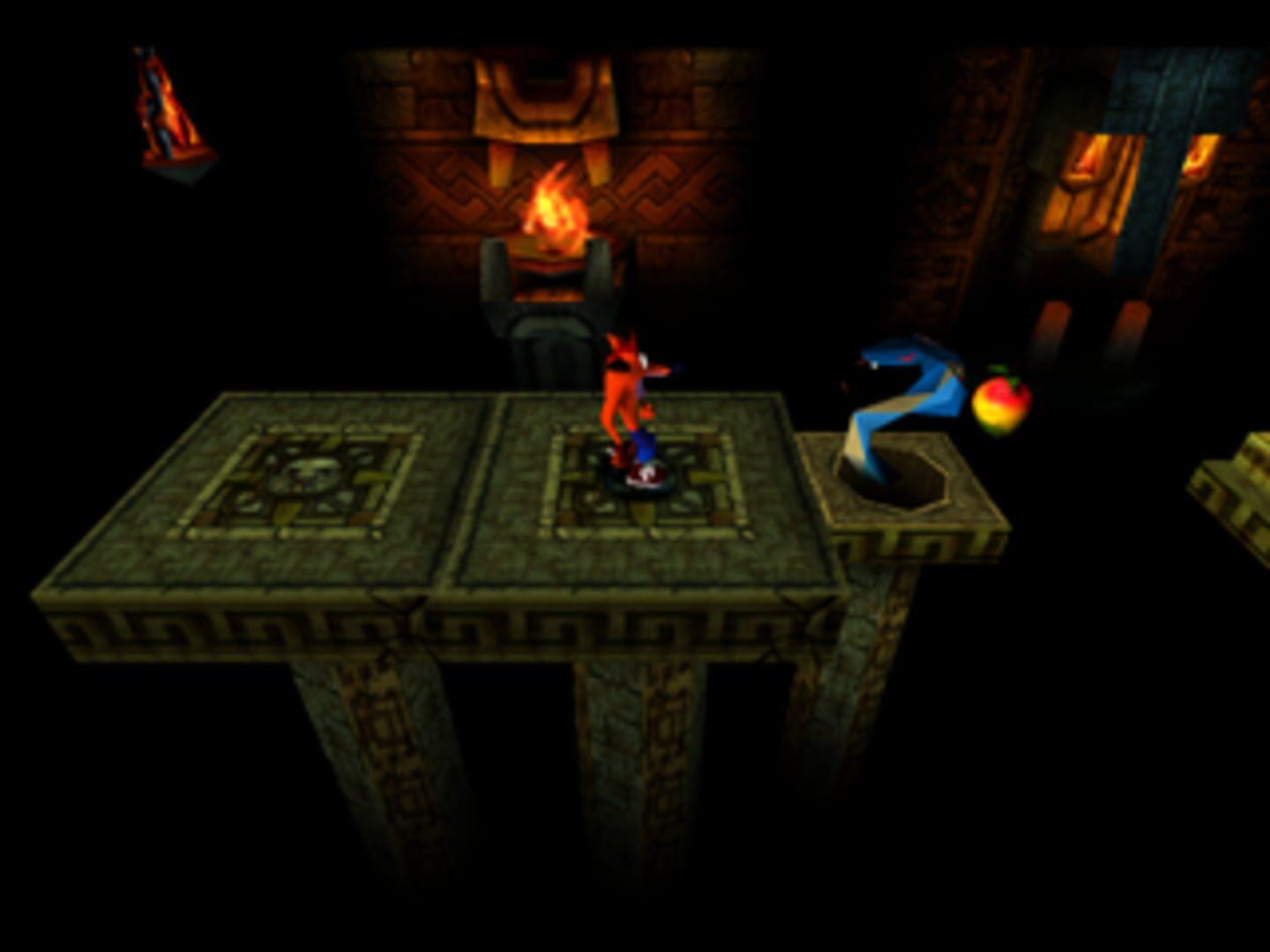
The three islands that make up Crash's journey range from tropical beaches to ancient ruins to Cortex's sky fortress. Each environment has a distinct visual identity, and Naughty Dog pushed the original PlayStation hardware noticeably hard to achieve the texture detail on display. The color palette stays warm and slightly cartoonish, which suits the tone.
Cortex and Brio are played as comedic villains, and the game never takes its own premise too seriously. Crash himself is mute, which keeps the story moving without dialogue trees or cutscene padding. His girlfriend Tawna is the motivation for the final push, held captive in Cortex's fortress as the next subject for the mutation device.
Impact and legacy
Crash Bandicoot became the defining platformer for the original PlayStation, selling millions of copies and establishing Naughty Dog as a studio capable of competing with Nintendo's first-party output. The character became Sony's unofficial mascot through the late 1990s, appearing in marketing campaigns alongside the console itself.
The game is now most widely available through the Crash Bandicoot N. Sane Trilogy, a remaster developed by Vicarious Visions that rebuilds all three original games with updated visuals while preserving the original level geometry and timing. That collection runs on PlayStation 4, Nintendo Switch, Windows via Steam, and mobile platforms, making the original Crash experience accessible across modern hardware. The remaster carries a 4.46 out of 5 star rating from over 67,000 PlayStation Store ratings, a number that reflects how well the source material translates three decades later.
For a game built on a 1996 platform with a moveset you can count on one hand, Crash Bandicoot remains a sharp, demanding platformer that rewards patience and punishes sloppiness in equal measure.