
Overview
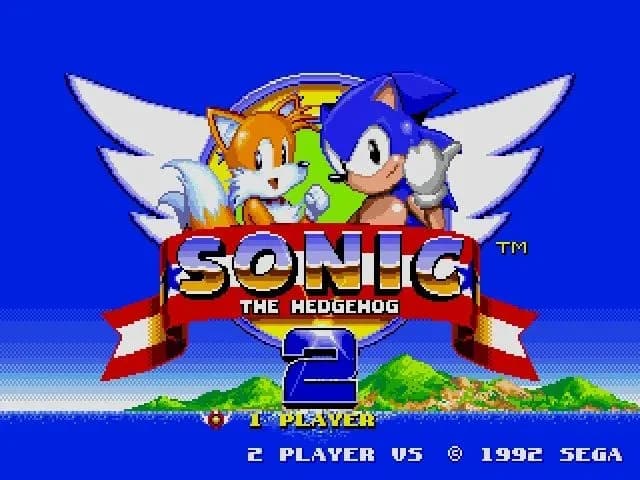
Released by SEGA in November 1992, Sonic the Hedgehog 2 is the direct sequel to the original Mega Drive hit and the game that cemented Sonic as a genuine platform gaming icon. Set across West Side Island, it follows Sonic and his new companion Miles "Tails" Prower as they race to collect all 7 Chaos Emeralds before Doctor Robotnik can use them to power the Death Egg, a massive space station built on the backs of enslaved animals trapped inside robots.
The game expands on every element of its predecessor. Levels are bigger, faster, and more vertical. The stage count jumps to 11 zones, each with its own visual identity, from the chemical pipework of Chemical Plant Zone to the industrial chaos of Metropolis Zone. SEGA clearly understood what made the first game work and pushed it further rather than reinventing it.
Sonic The Hedgehog 2 content image
Gameplay and mechanics
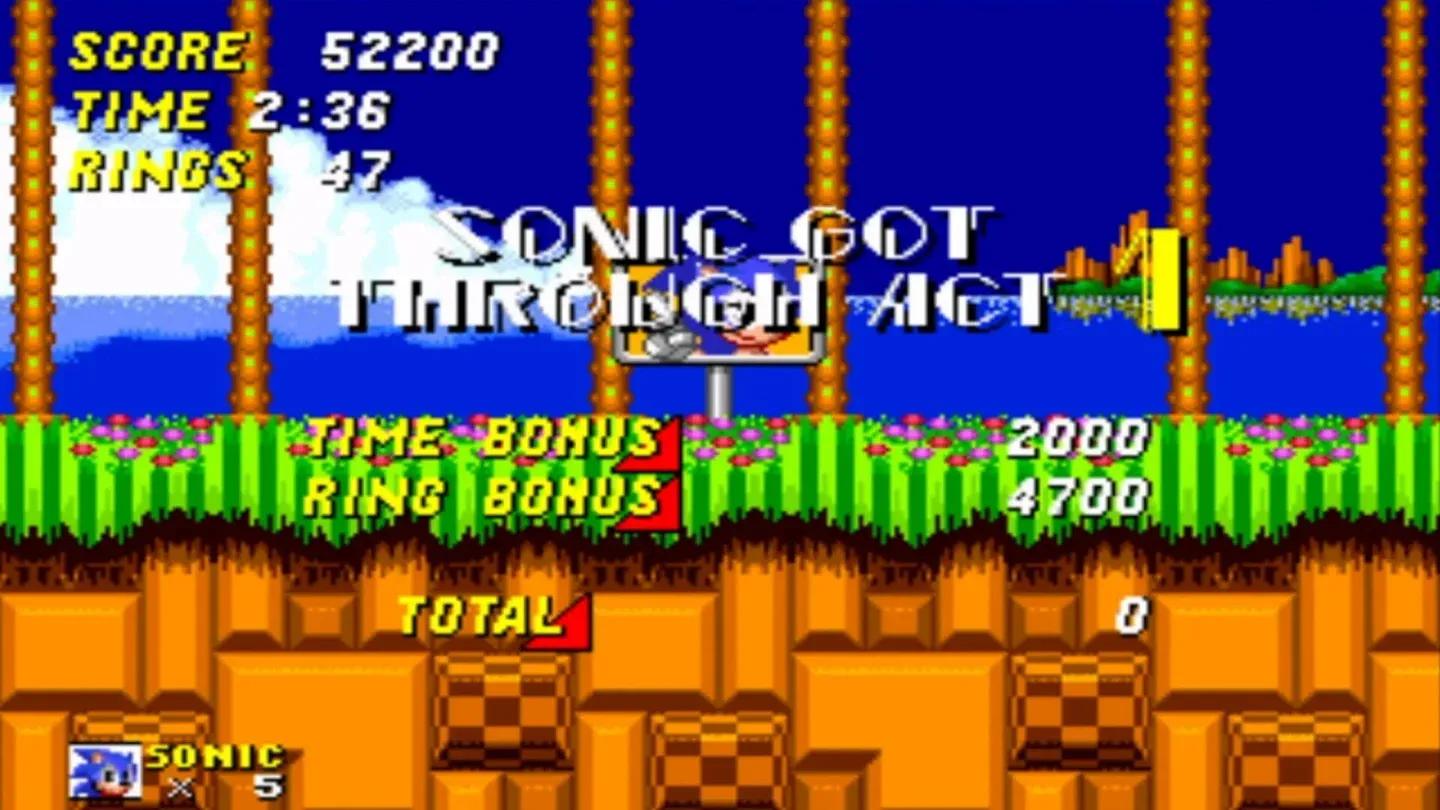
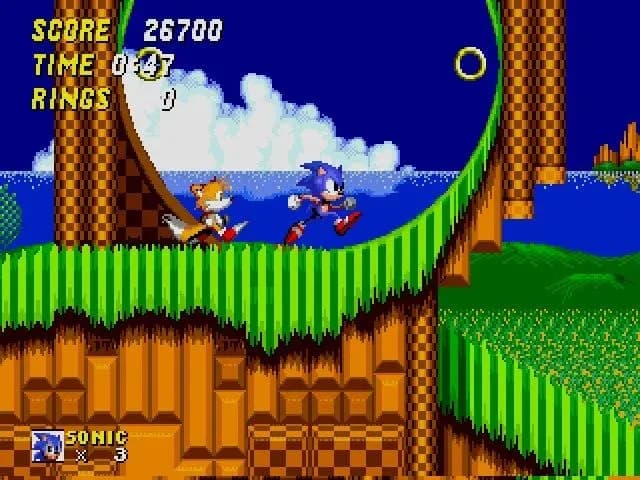
The core loop of Sonic 2 is built around speed and ring collection. Rings serve as both a health buffer and a currency for the special stages, so hoarding them matters. Hit an enemy without rings and it is game over. The formula is simple, but the level design gives it constant texture.

Sonic The Hedgehog 2 content image
Key mechanics in Sonic 2:
- Spin dash: charge momentum from a standstill
- Ring collection: protection and special stage access
- Chaos Emerald hunting: unlocks Super Sonic
- Split-screen multiplayer: race a second player across select zones
- Special stages: pseudo-3D half-pipe runs with ring quotas
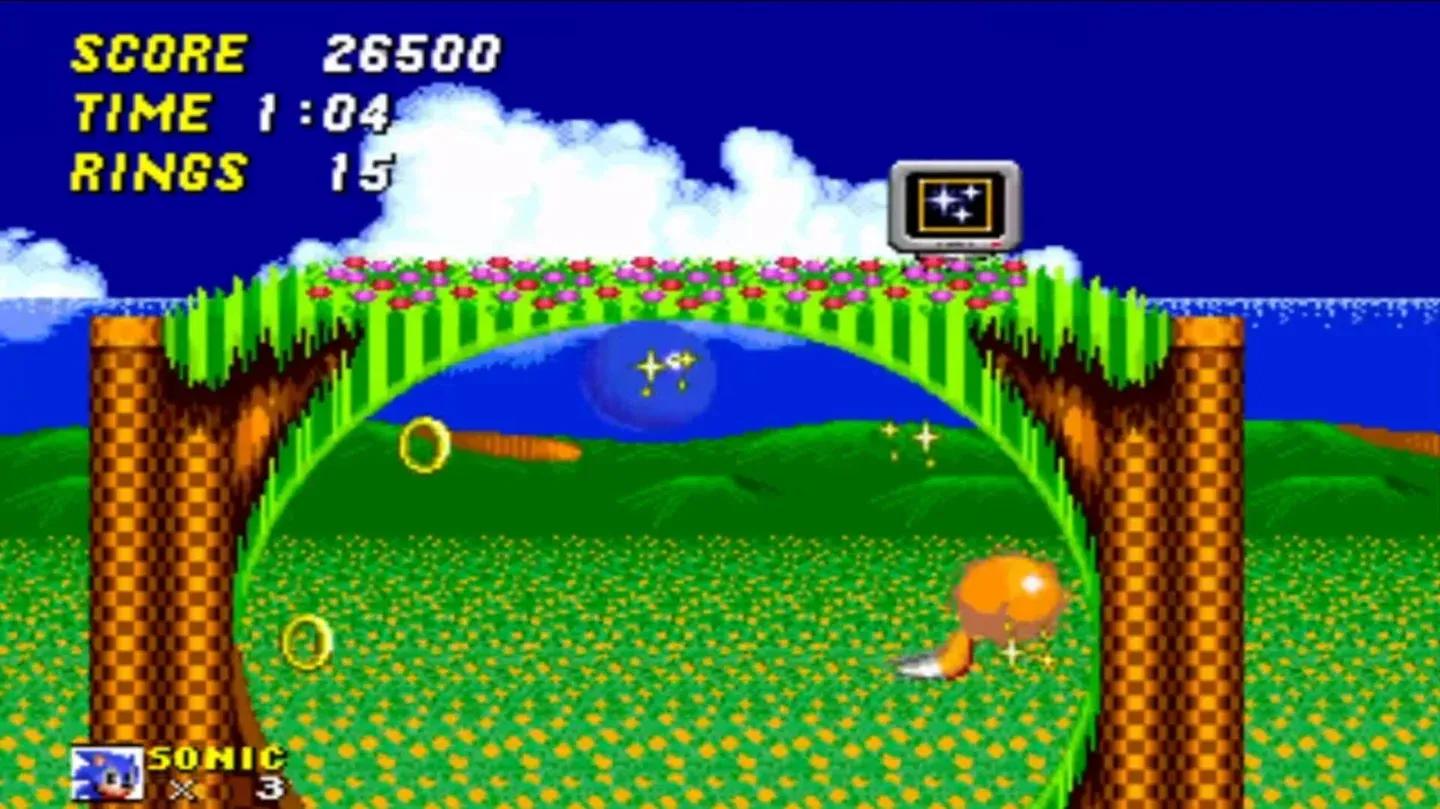
The spin dash is the defining addition. Introduced here for the first time in the series, it lets Sonic curl into a ball and build speed before launching forward. It sounds minor, but it fundamentally changes how you approach every level, turning slow sections into momentum puzzles.

Sonic The Hedgehog 2 content image
What makes the special stages worth chasing?
Collecting all 7 Chaos Emeralds through the special stages transforms Sonic into Super Sonic, a gold, invincible form with dramatically increased speed. The special stages themselves are pseudo-3D half-pipe runs where you collect a set number of rings before the stage ends. Miss the quota and the Emerald is gone for that attempt. The tension is real, and the payoff of unlocking Super Sonic gives completionists a genuine reason to replay zones and stockpile rings.
Sonic The Hedgehog 2 content image
Multiplayer and split-screen racing
Sonic 2 introduced a competitive split-screen mode that let two players race through modified versions of several zones simultaneously. Player two controls Tails, who can also be set to follow Sonic automatically in the main game. The co-op dynamic is surprisingly well-handled for 1992, letting a less experienced player contribute without derailing the run.
The competitive mode has aged unevenly, mostly because the screen split makes it hard to read the terrain at speed. But as a technical achievement for the hardware and era, it holds up as a genuine attempt to make a fast platformer work for two people at once.
Impact and legacy
Sonic the Hedgehog 2 sold over 6 million copies on the Mega Drive and Genesis, making it one of the best-selling games on the platform. It is now available on Windows, macOS, PlayStation, Xbox, Nintendo Switch, Steam, and the Epic Games Store, meaning the barrier to playing it is essentially zero. The game is regularly included in discussions about the greatest platform games ever made, and the spin dash mechanic it introduced has appeared in nearly every mainline Sonic title since. For a 1992 side-scroller, that kind of mechanical staying power says everything about how well the design holds up.