



Overview
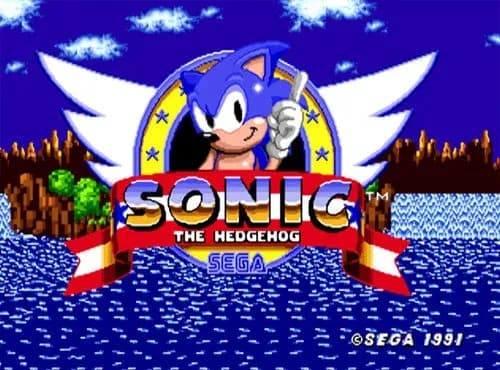
Sonic the Hedgehog is a 2D side-scrolling platformer developed by Sonic Team and published by SEGA, originally released for the Sega Genesis in 1991 and later made available across modern platforms including Windows, macOS, PlayStation, Xbox, and iOS. The premise is lean: Dr. Robotnik has imprisoned the animals of South Island inside robots and metal capsules, and Sonic is the only one fast enough to stop him. Six Chaos Emeralds are also at stake, hidden across the game's Special Stages and worth hunting down if you want the best ending.
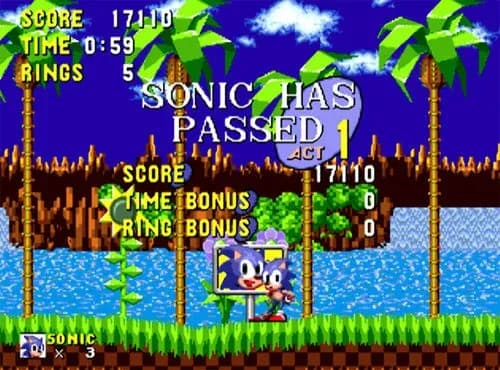
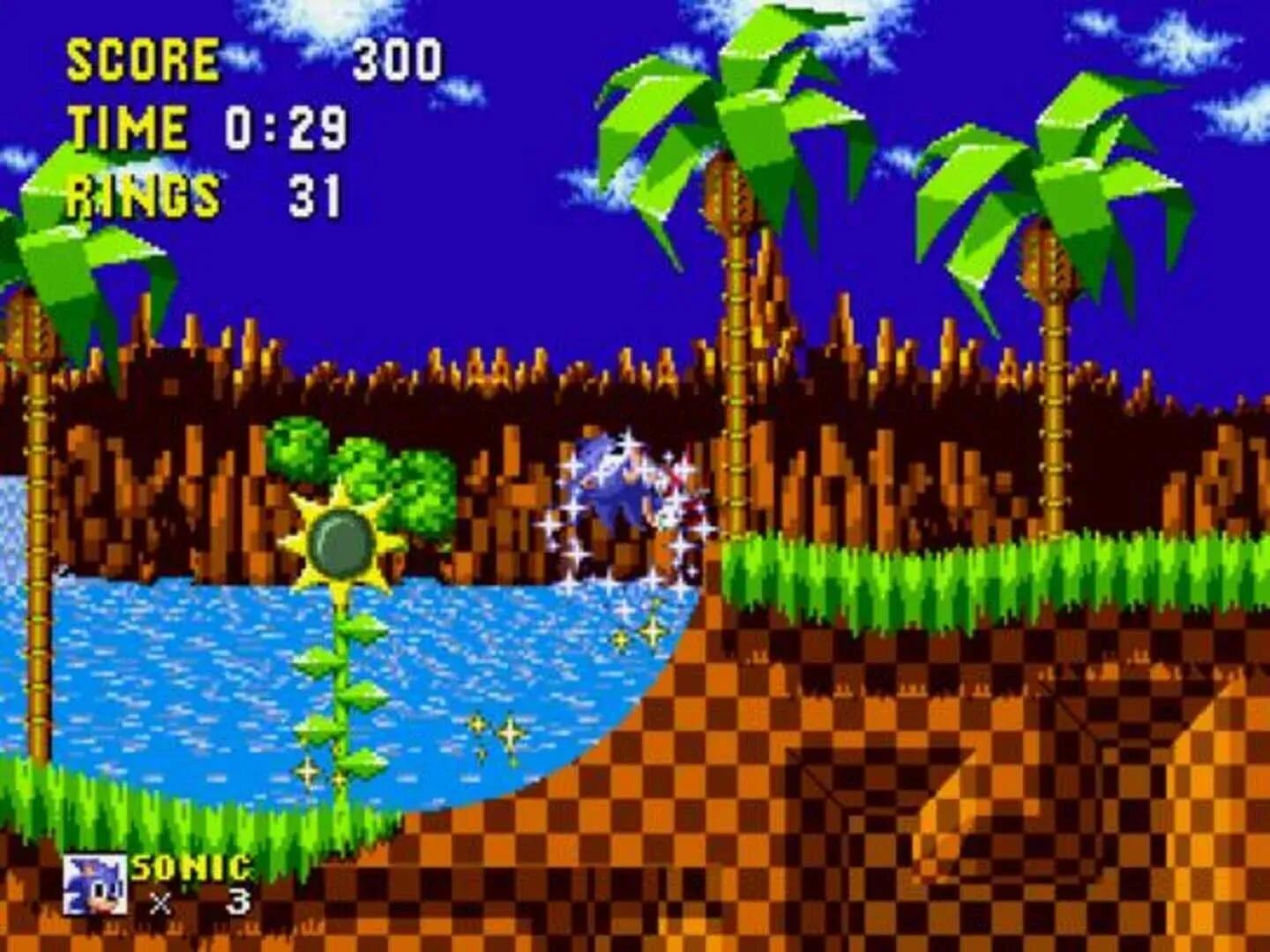
The game's structure holds up decades after its debut. Six zones, each split into three acts, make up the main campaign, with a boss fight against Robotnik capping every third act. The pacing between zones keeps things from feeling repetitive, cycling through lush greenery in Green Hill Zone, the industrial clutter of Scrap Brain Zone, and everything in between. Clearing each act requires reaching the goal post before a 10-minute timer runs out, though very few players will ever come close to hitting that limit.
Sonic The Hedgehog content image
Gameplay and mechanics
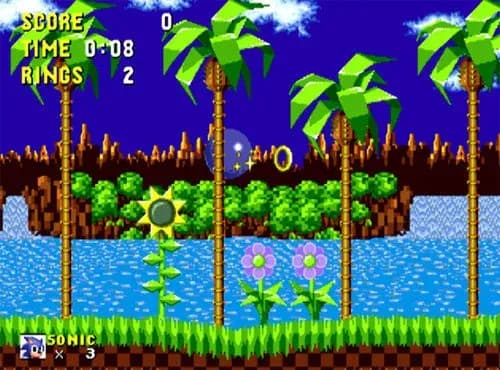
Speed is the defining mechanic here, but the game is not purely about holding right and watching Sonic blur across the screen. The level design rewards players who learn the geometry. Loops, springs, and ramps are placed to build momentum, and Sonic's rolling Spin Attack lets him barrel through enemies without losing speed. Knowing when to slow down matters too, since the later zones introduce traps, crushers, and enemy placements that punish reckless play.
Sonic The Hedgehog content image
Core mechanics at a glance:
- Spin Attack for offensive and defensive movement
- Ring system as a one-hit buffer against enemies
- Special Stages accessed via Giant Rings hidden in levels
- Chaos Emerald collection for the true ending
- Boss encounters at the end of each zone's third act
The ring system is one of the smartest health mechanics in early platformers. Sonic can carry any number of rings, and taking a hit scatters them rather than ending a life outright. Grab one back before they vanish and you survive. Hit with zero rings and it costs a life. The tension that creates, especially in later zones, never really gets old.
World and setting
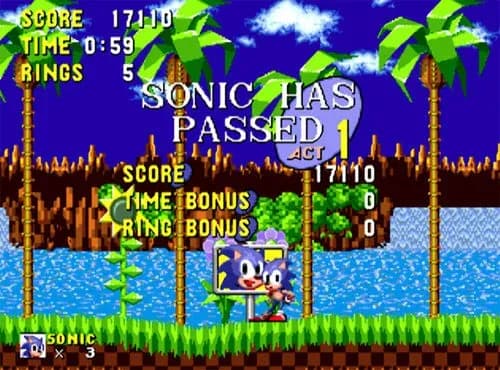
South Island is a compact but varied world. Green Hill Zone's checkered hills and loop-de-loops set the visual tone for the series, and the contrast between that breezy opener and the mechanical grind of Marble Zone or the underground maze of Labyrinth Zone keeps each world feeling distinct. Robotnik's presence is felt throughout in the form of his machines, his traps, and the caged animals Sonic frees at the end of each boss fight.

Sonic The Hedgehog content image
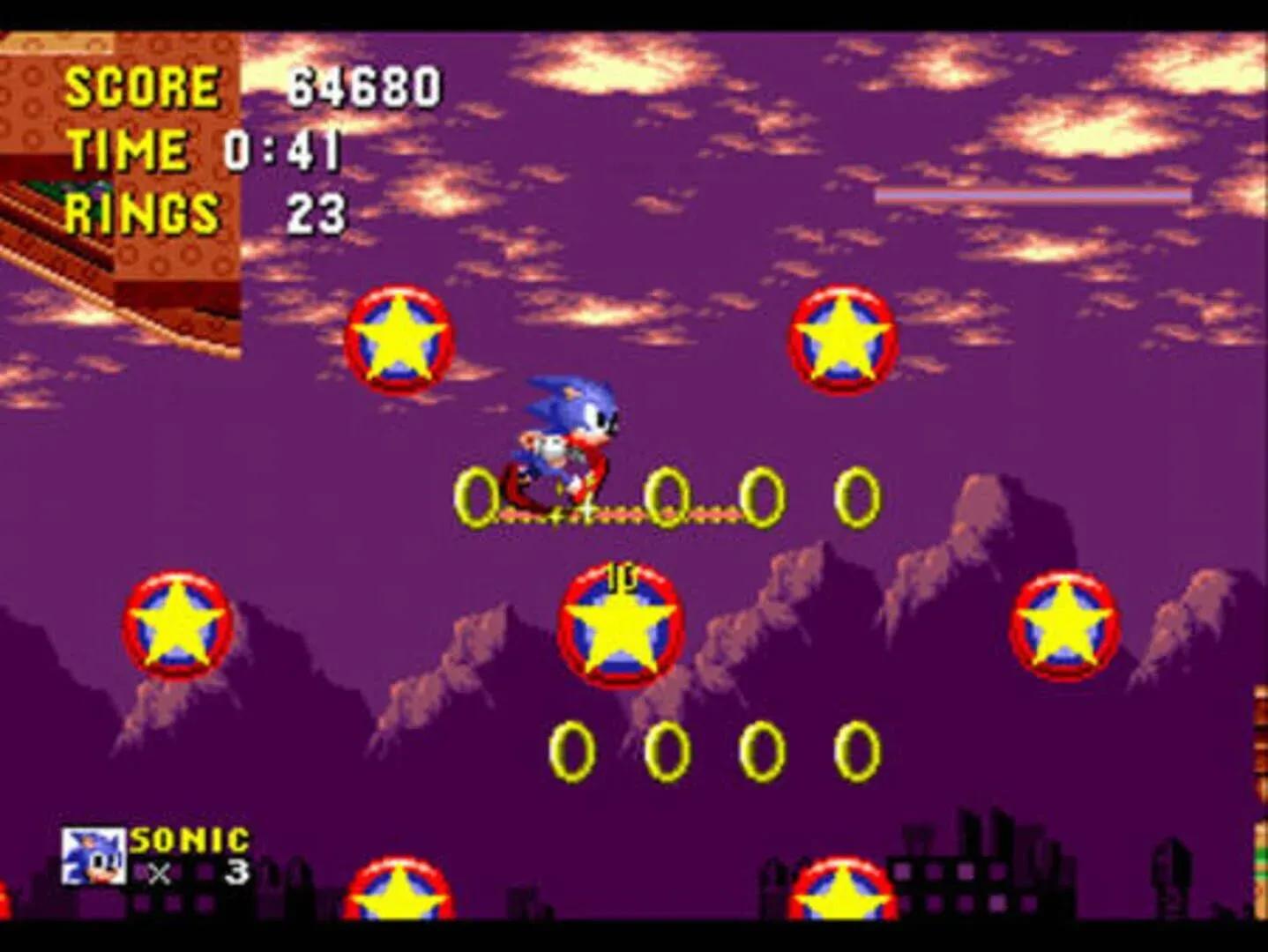
The Chaos Emeralds add a secondary objective layer. Finding the hidden Giant Rings in certain acts transports Sonic to a Special Stage, a rotating maze where collecting all the emeralds without hitting the walls unlocks the game's good ending. It is optional, but the extra challenge gives completionists a reason to replay earlier zones.
Impact and legacy
The original Sonic the Hedgehog did not just launch a franchise. It established speed as a viable platformer identity at a time when careful, methodical movement was the genre norm. The game's influence shows up across decades of platformer design, and its soundtrack, composed by Masato Nakamura, remains one of the most recognizable in gaming history.
Sonic The Hedgehog content image
The modern ports preserve the original experience faithfully, with the Steam and console versions running cleanly on current hardware. For anyone who missed the Genesis era or wants to revisit where Sonic's legacy began, this 2D platformer is exactly as sharp and playable as its reputation suggests.