
Advertisement

Overview
Sonic Generations Collection, developed by Devil's Details and published by SEGA, launched on November 3, 2011 as a celebration of Sonic the Hedgehog's 20th anniversary. The game splits its identity across two distinct playstyles: Classic Sonic, who runs through reimagined stages in tight 2D side-scrolling form, and Modern Sonic, who blazes through those same environments using the boost mechanics introduced in the post-2006 era. Every stage gets two acts, one per Sonic, making the level count feel generous without padding the runtime.
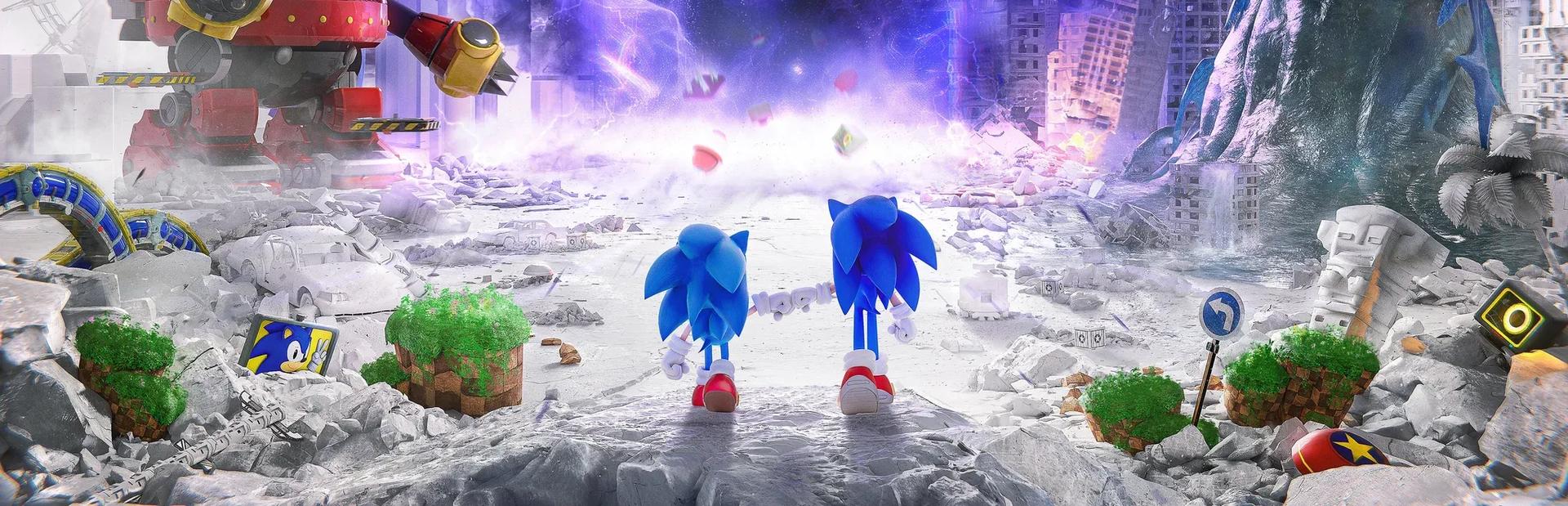
The story kicks off when a mysterious entity tears holes in time, pulling Sonic and his friends into a fractured timeline where past and present collide. Classic Sonic and Modern Sonic meet, team up, and work through iconic locations from across the series to unravel who is behind the chaos. The narrative is light but charming, leaning into fan service without drowning in it.
Gameplay and mechanics
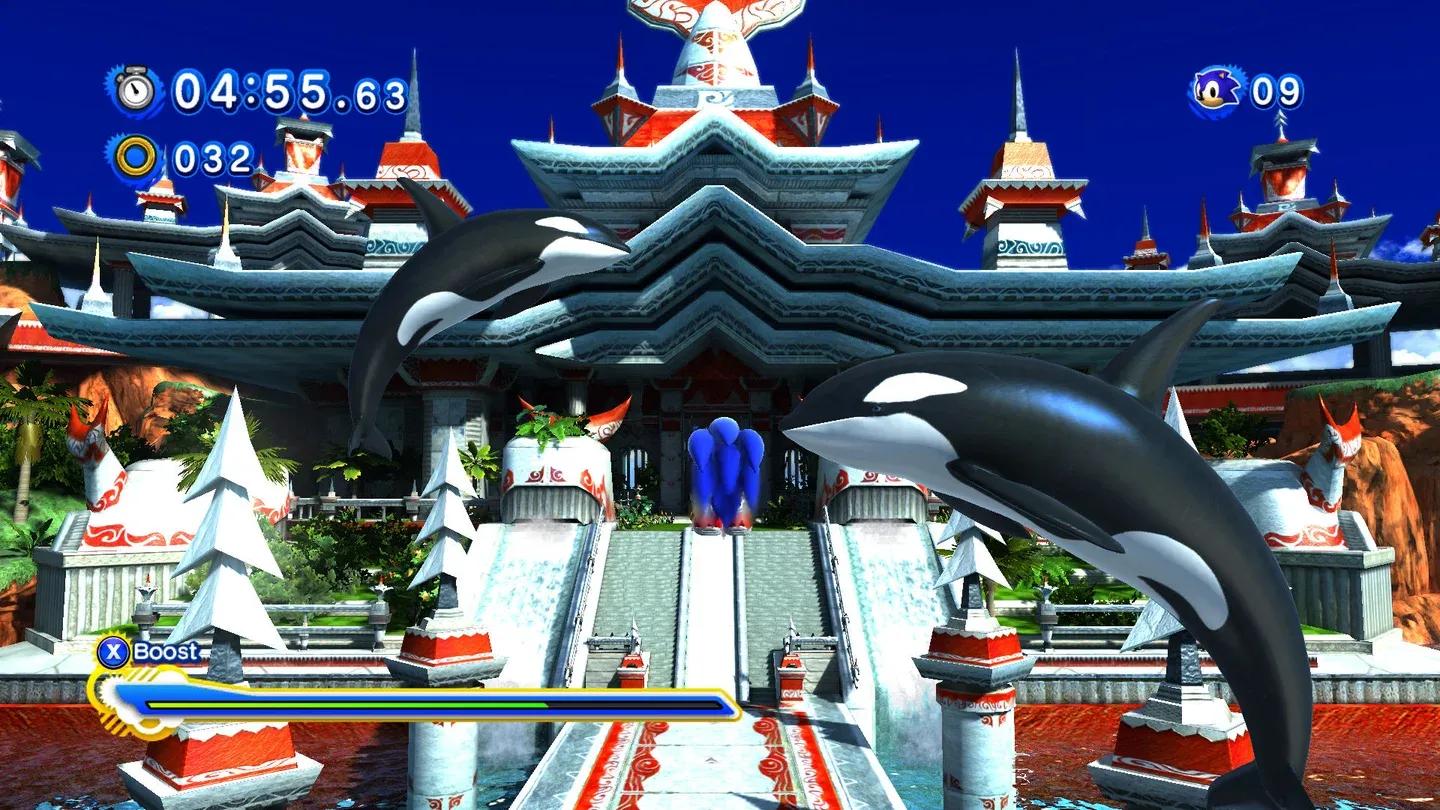
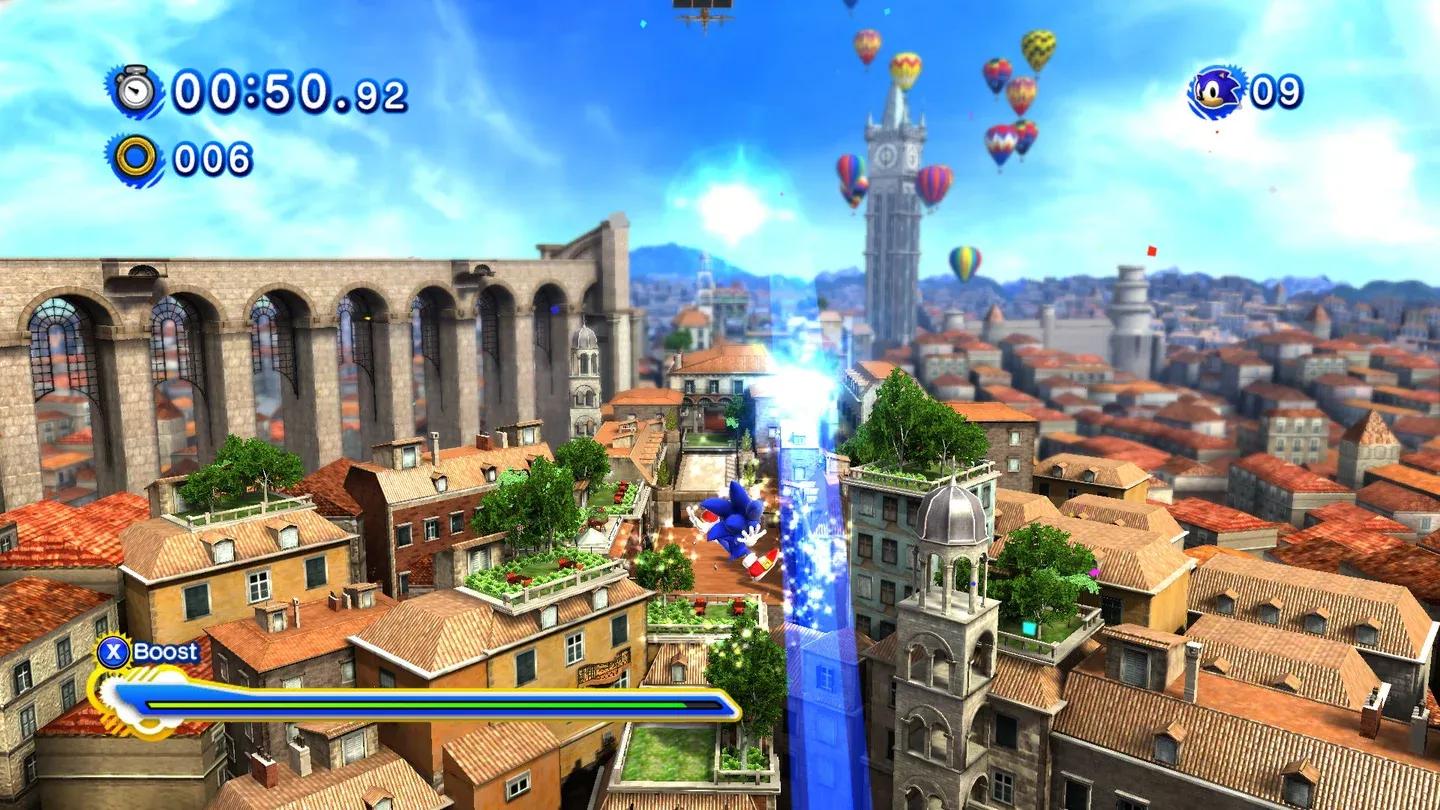
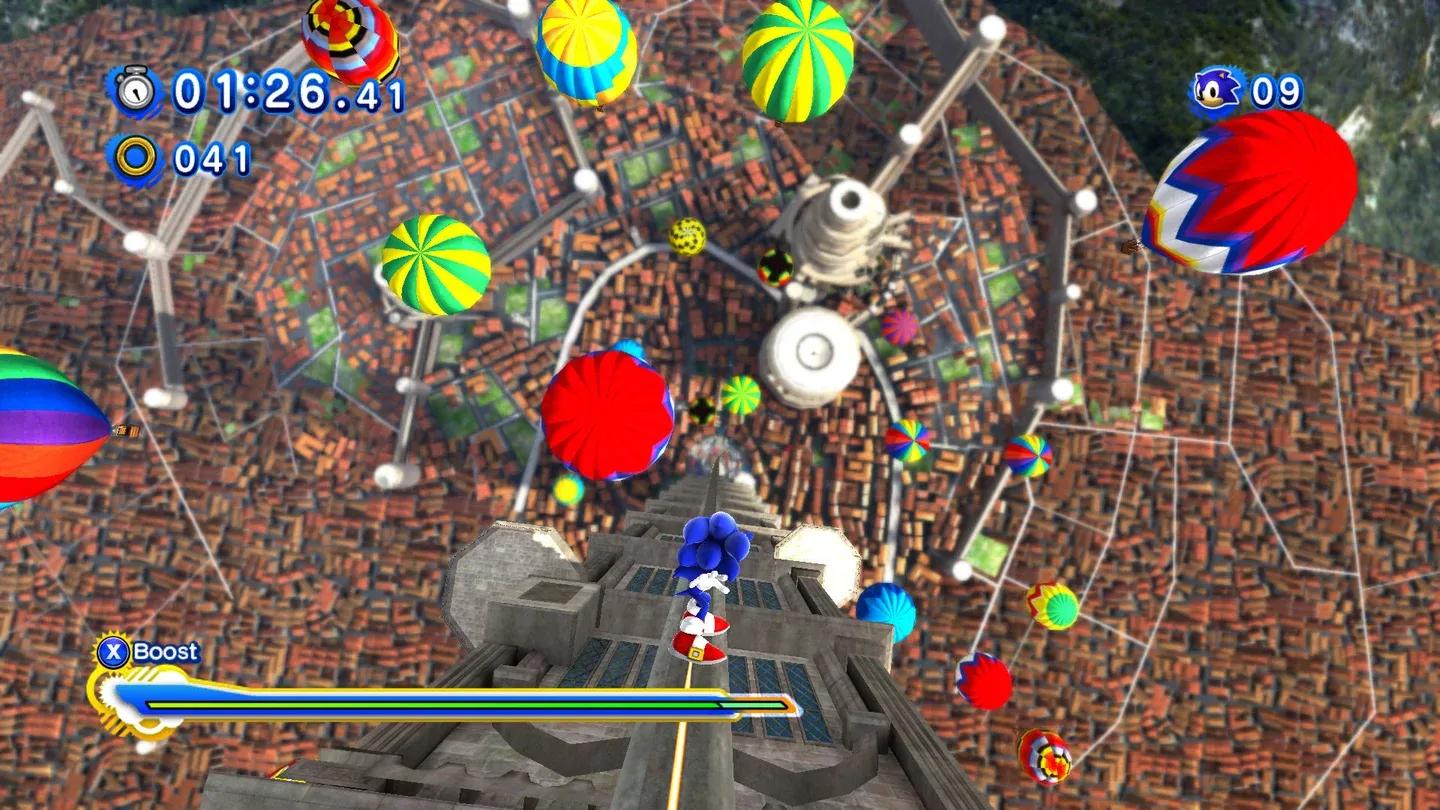
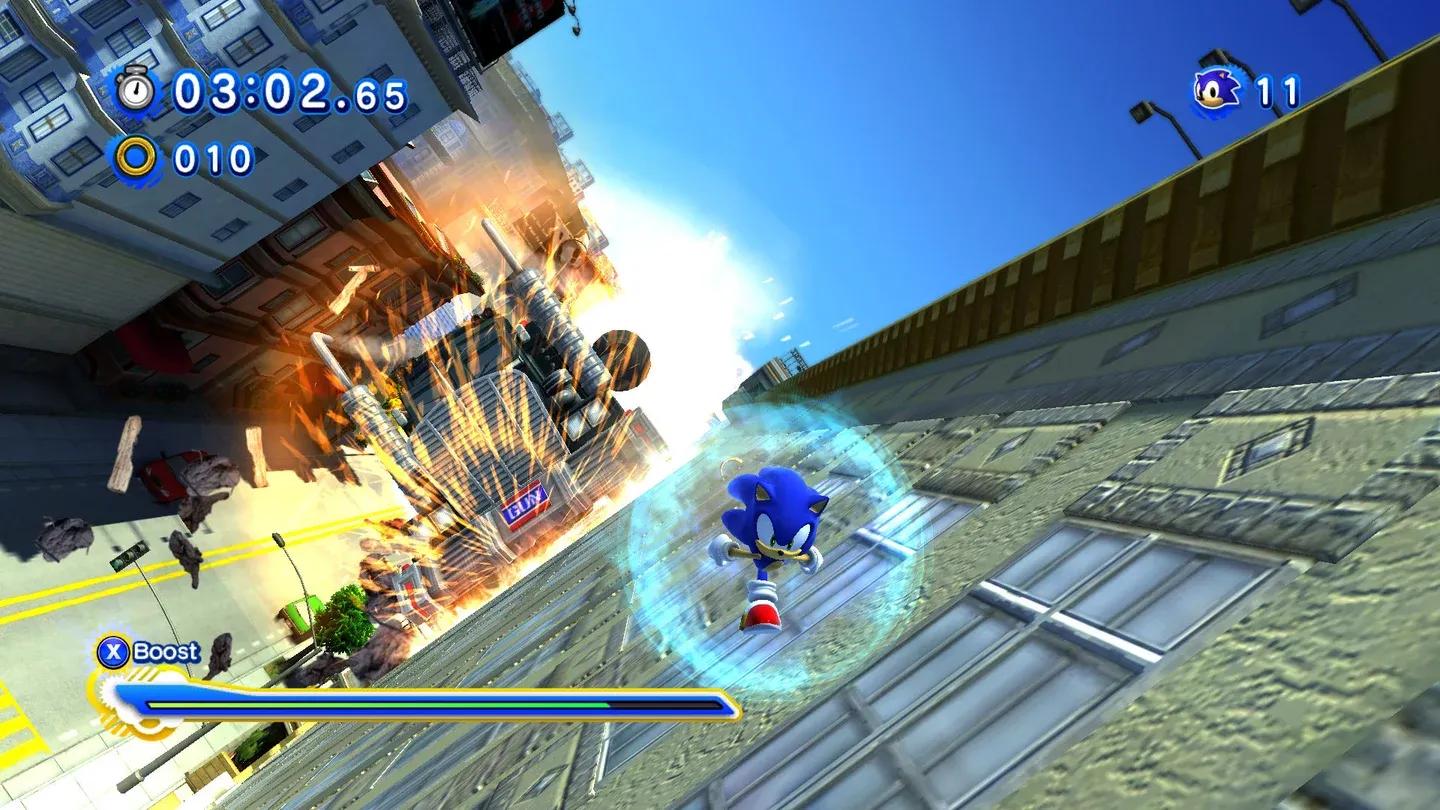
The dual-playstyle structure is where Sonic Generations earns its reputation. Classic Sonic controls with the momentum-based physics that defined the Mega Drive originals, rewarding players who learn to carry speed through slopes and loops rather than just holding a direction. Modern Sonic's stages flip to a mix of 2D and 3D perspectives, where the boost mechanic lets you chain high-speed sections together with quick reactions and well-timed jumps.
Sonic Generations Collection content image
Key gameplay features include:
- Classic 2D momentum-based platforming
- Modern 3D boost stages with perspective shifts
- Challenge acts for each zone with unique modifiers
- Rival and boss battles against returning characters
- Unlockable skills for both Sonic variants
Sonic Generations Collection content image
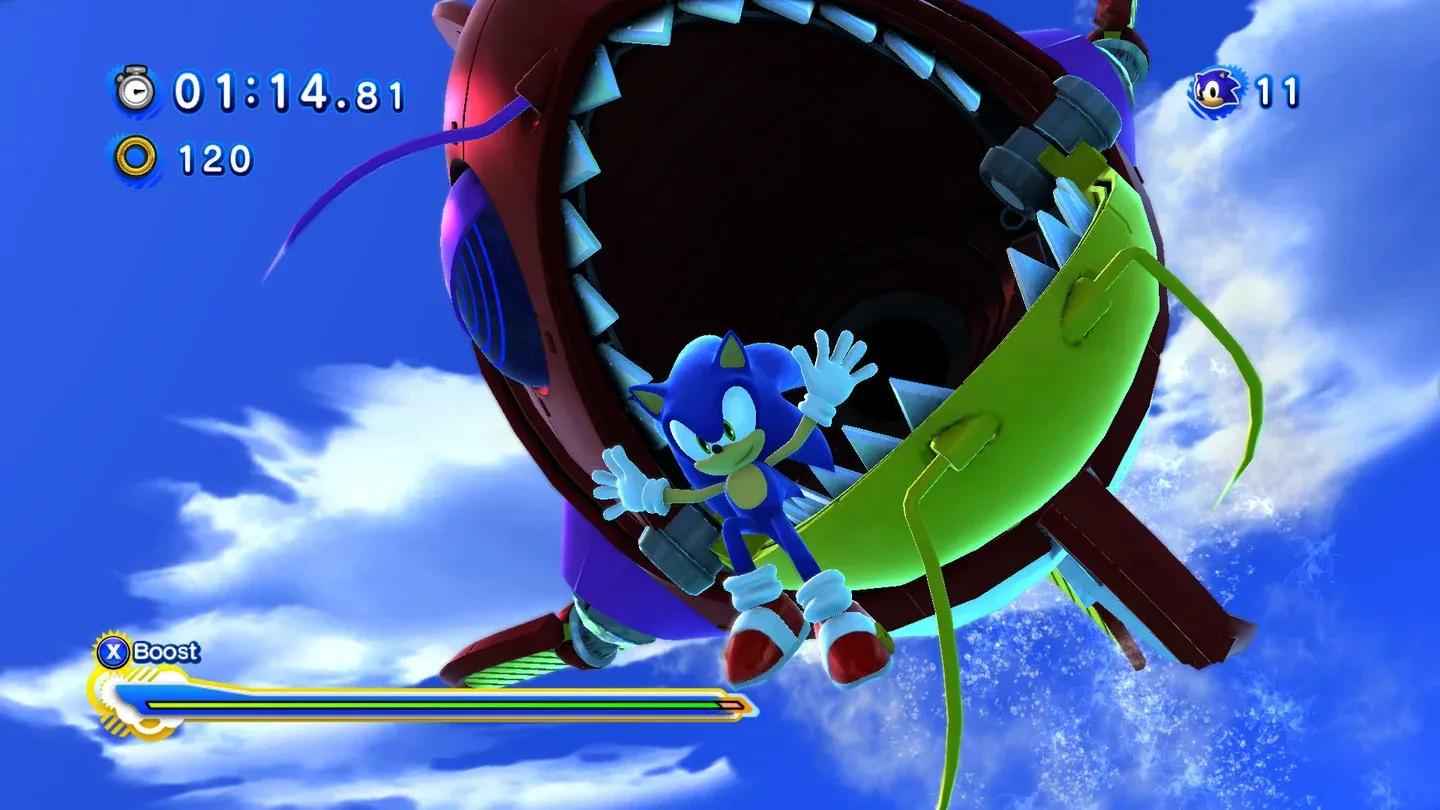
Boss fights revisit memorable encounters from the series, including a rematch with Perfect Chaos and a duel against rival Shadow the Hedgehog. Challenge acts layer extra objectives onto existing stages, giving completionists plenty of reason to return after the main story wraps.
World and setting
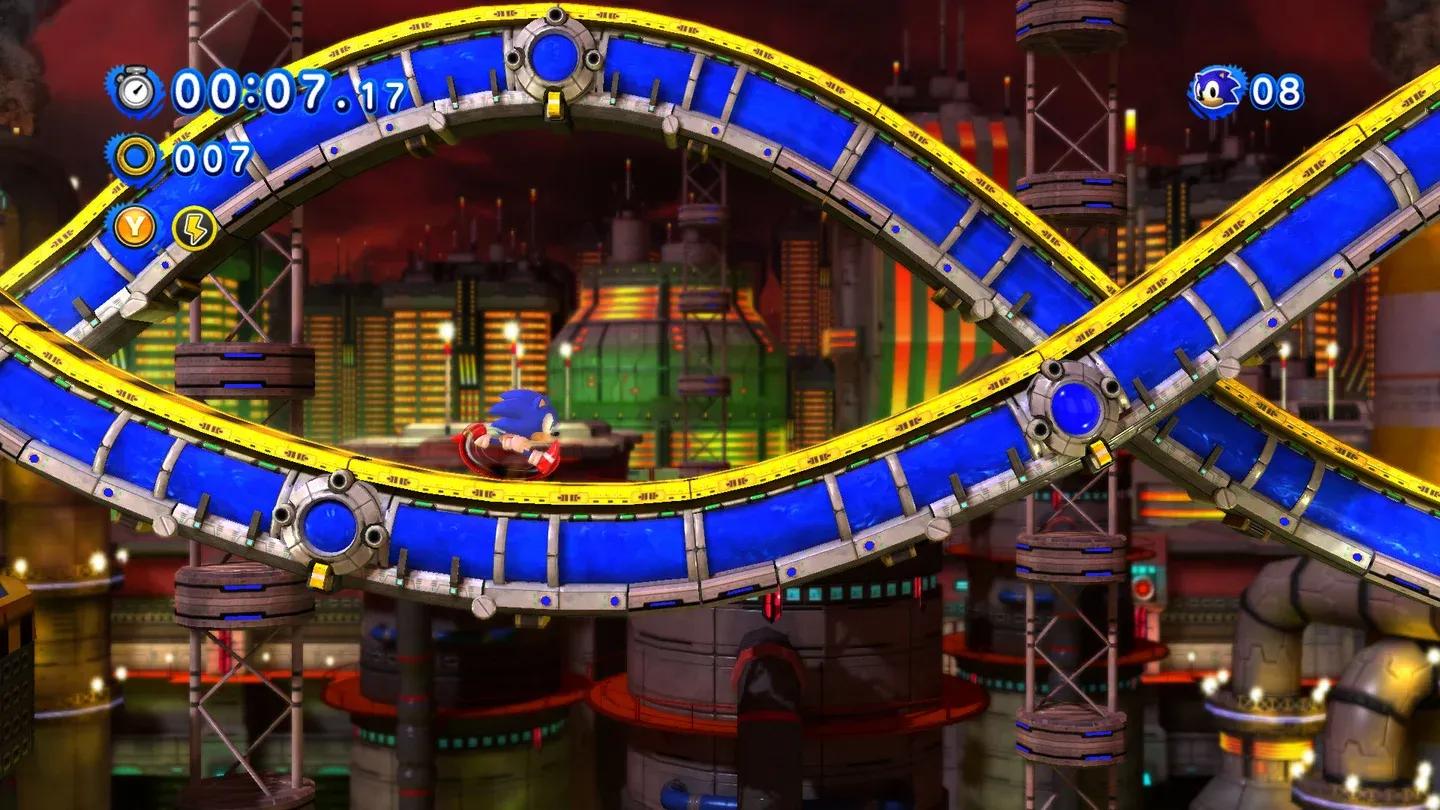
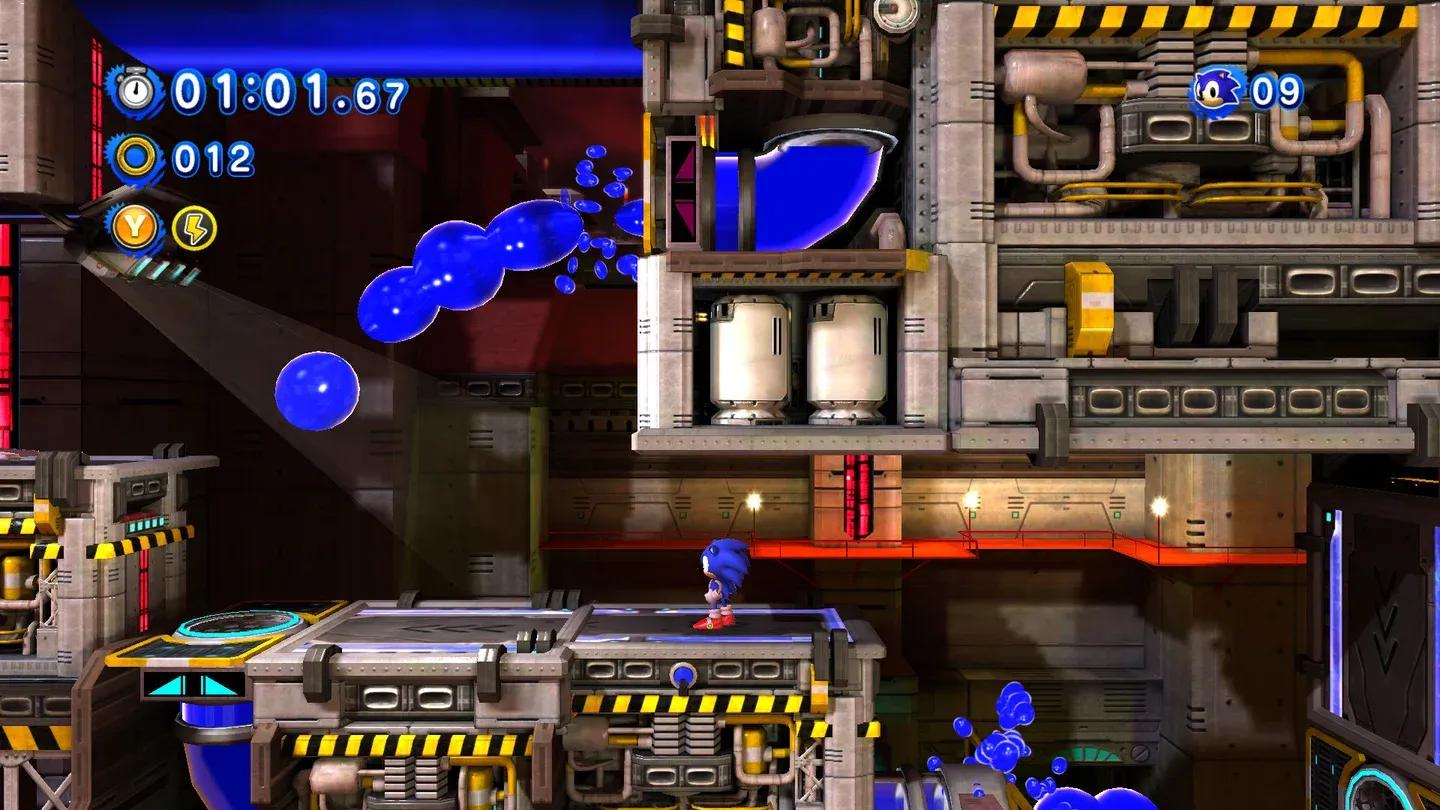
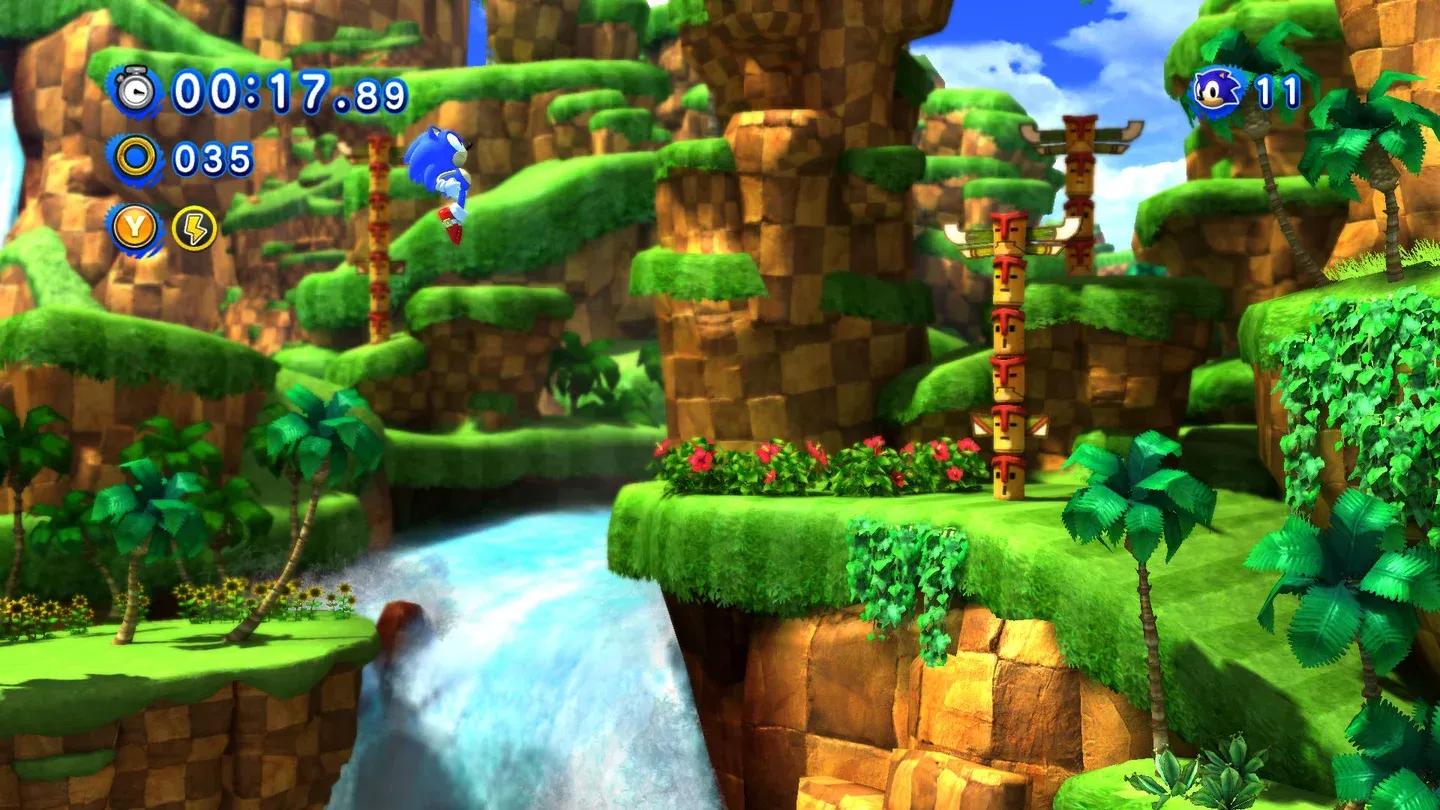
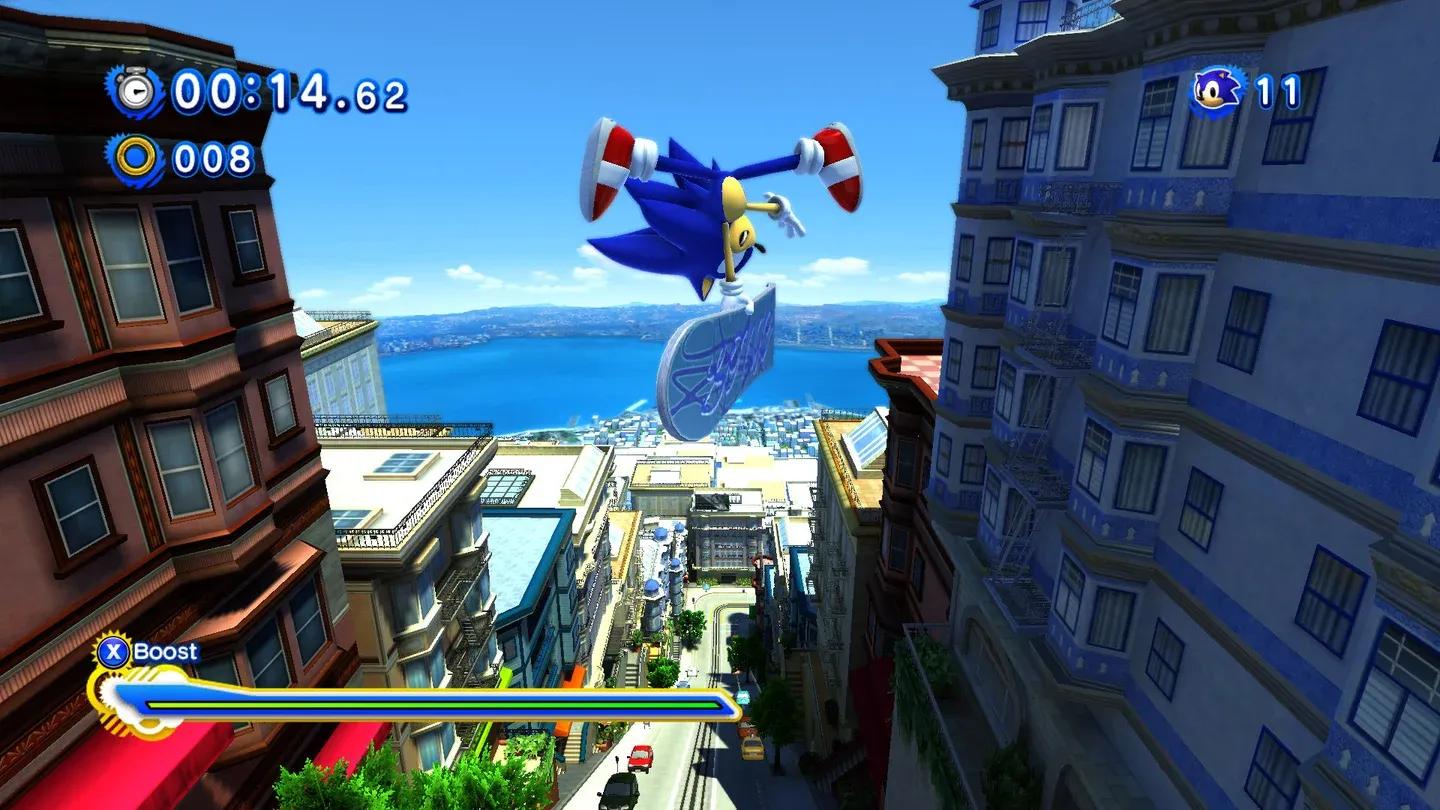
The stage selection covers three eras of Sonic history, pulling from the Genesis period, the Dreamcast era, and the HD generation. Green Hill Zone, Chemical Plant, and Sky Sanctuary represent the classics, while Rooftop Run, Planet Wisp, and Crisis City bring the modern catalog. Each location gets a visual overhaul that makes it feel fresh while keeping its original identity intact.
Sonic Generations Collection content image
The White Space hub world connects everything, letting players unlock stages, collect red rings, and access challenge acts between main missions. It's a simple structure but it keeps the pacing tight and avoids unnecessary filler.
Visual and audio design
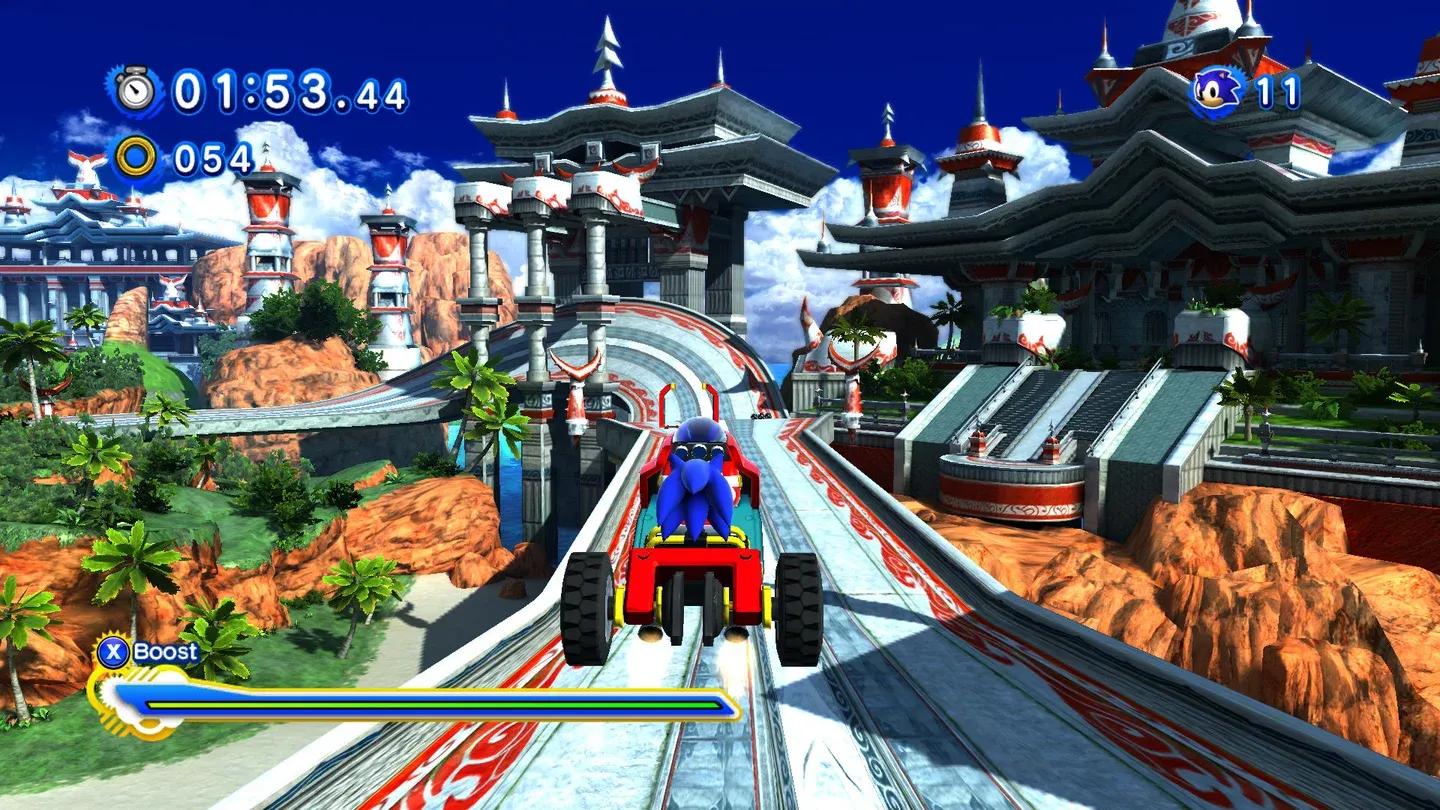
Sonic Generations holds up visually better than most games from its era. The art direction leans into saturated colors and clean geometry, which ages more gracefully than the gritty realism that dominated 2011 releases. Classic Sonic's 2D sections carry a pixel-art aesthetic while Modern Sonic's 3D stages push speed and spectacle without sacrificing readability.
Sonic Generations Collection content image
The soundtrack is a genuine highlight. Every stage features remixed versions of its original theme alongside the classic composition, giving longtime fans two versions of tracks they already know by heart. Composers across multiple Sonic titles contributed to the score, and the quality is consistent throughout.
Impact and legacy
Few Sonic games have landed as consistently well as Sonic Generations. The dual-playstyle format resolved a long-running debate in the fanbase by simply offering both options in the same package, letting players decide which era resonated more. The game's structure has since influenced how SEGA approaches anniversary releases, and its stage selection reads like a crowd-sourced best-of list from the franchise's most dedicated players. For anyone looking for a high-quality Sonic platformer that respects both old and new, Generations remains one of the strongest entries in the entire series.