Biggest discounts, free games, and limited-time offers across every major gaming store.
Never pay full price again.
Overview
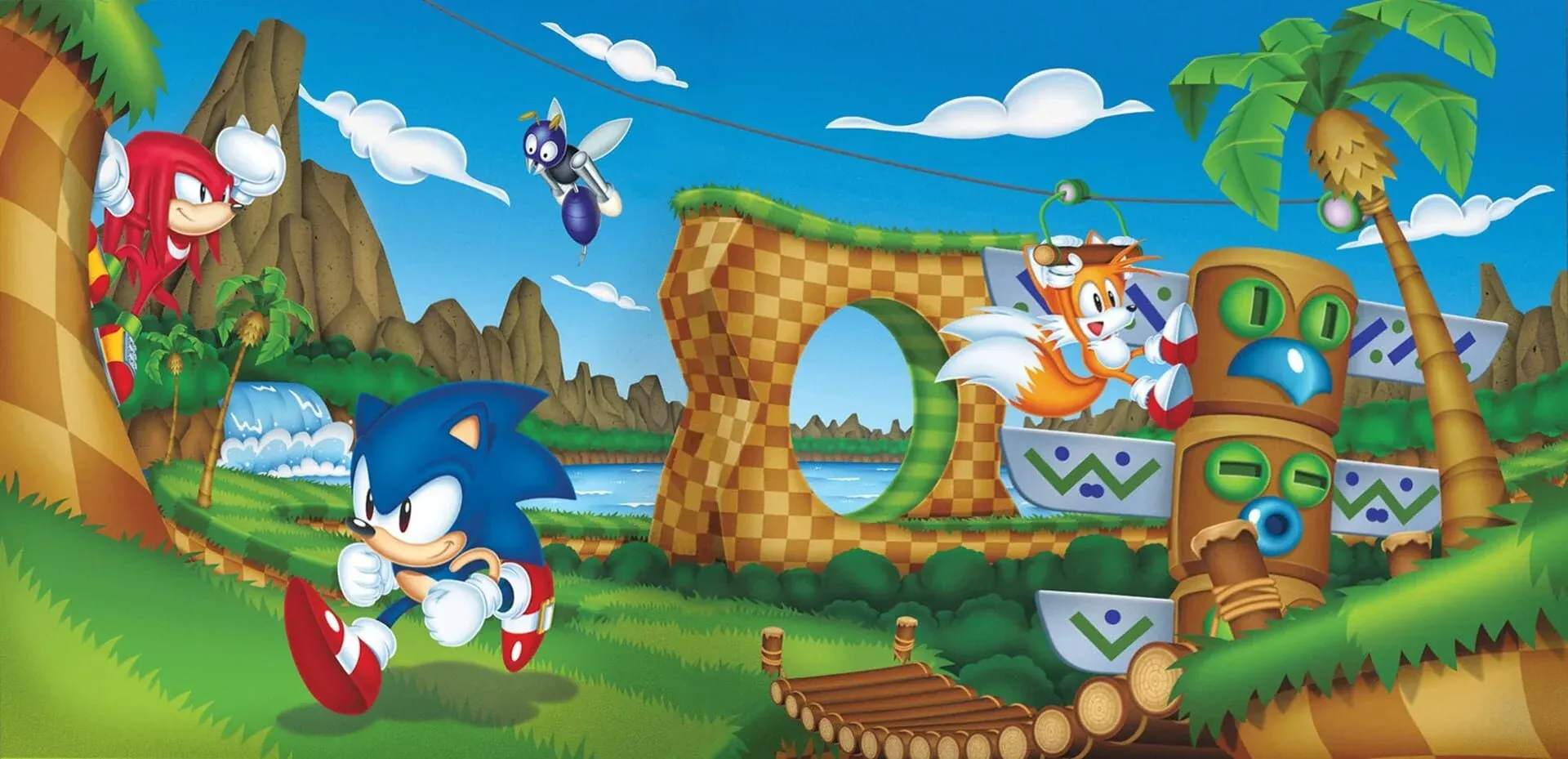
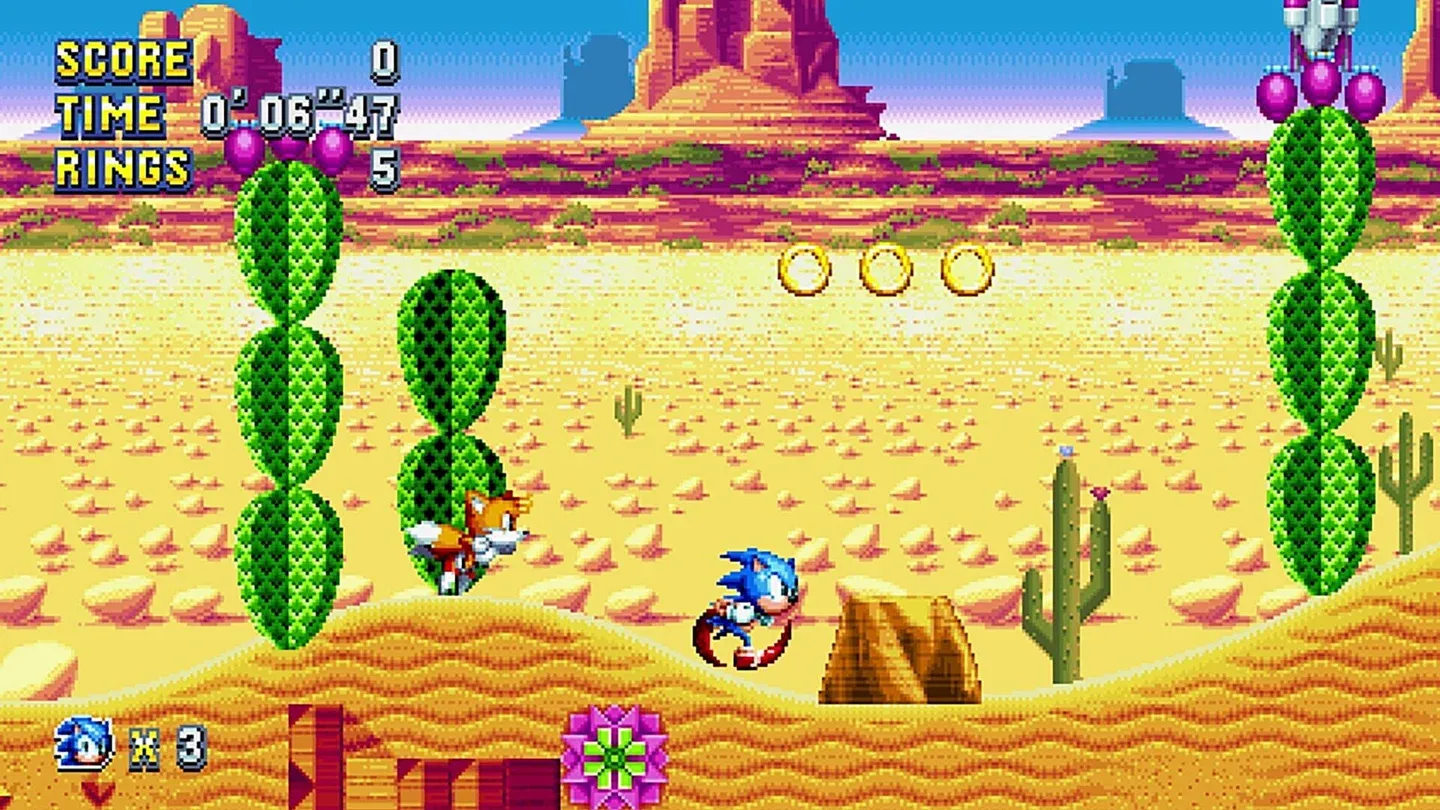
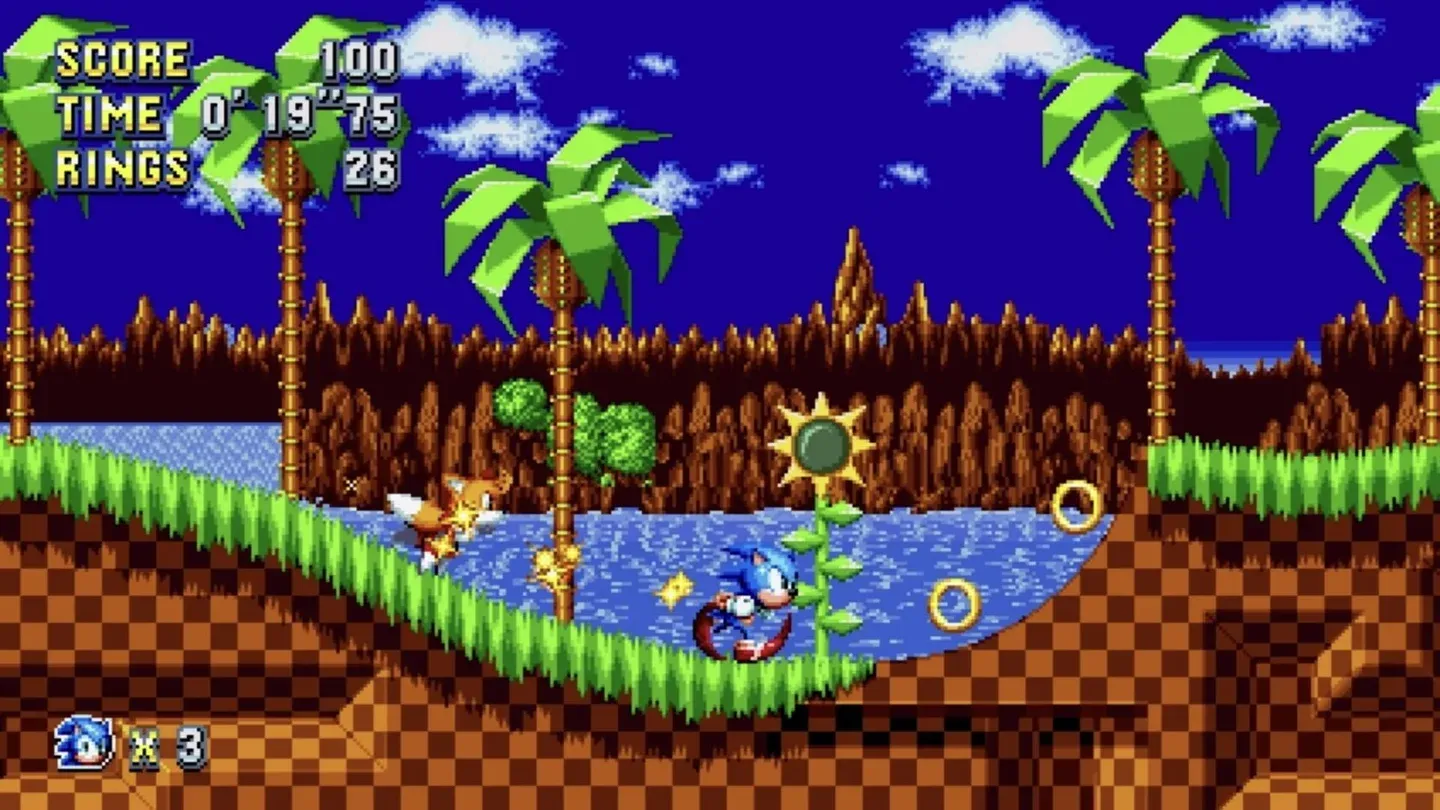
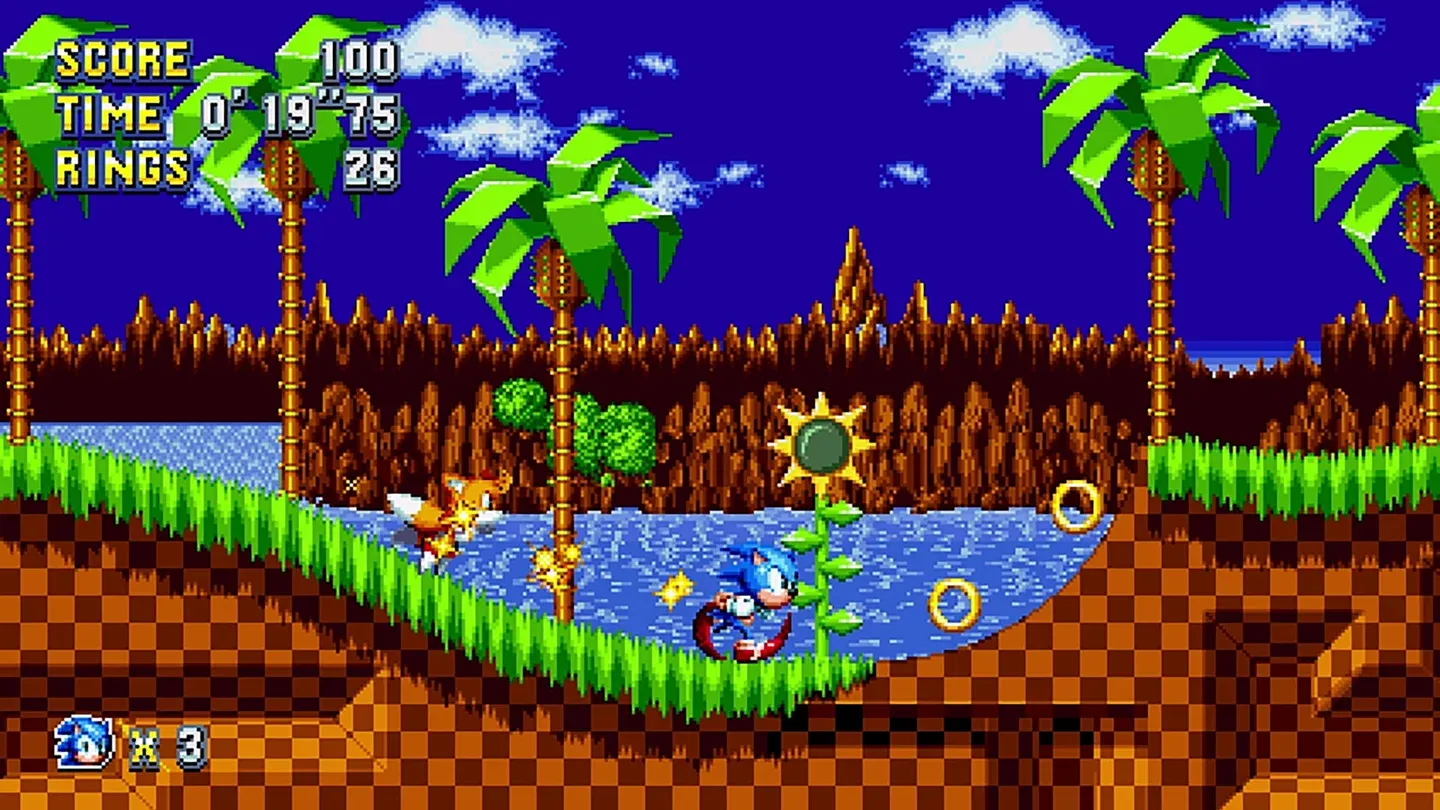
Sonic Mania is a 2D side-scrolling platformer developed by Christian Whitehead and published by SEGA, released on August 29, 2017, for PC, PlayStation, Xbox, and Nintendo Switch. It channels the look, feel, and speed of the original Sega Genesis titles while adding enough new content to stand on its own. Thirteen zones make up the full run, split between lovingly redesigned classics like Green Hill Zone and Chemical Plant Zone and brand-new original stages built specifically for this game.
The story kicks off when Sonic and Tails detect a mysterious energy signal on Angel Island. Dr. Eggman's EggRobos beat them to the source, a reality-warping gemstone called the Phantom Ruby, and are transformed into the Hard-Boiled Heavies. The gem scatters Sonic, Tails, and Knuckles across familiar zones, setting up a chase through Eggman's schemes and the Heavies' own rogue agenda. The plot is light, but it gives the zone-hopping structure a real sense of momentum.
Sonic Mania content image
Gameplay and mechanics
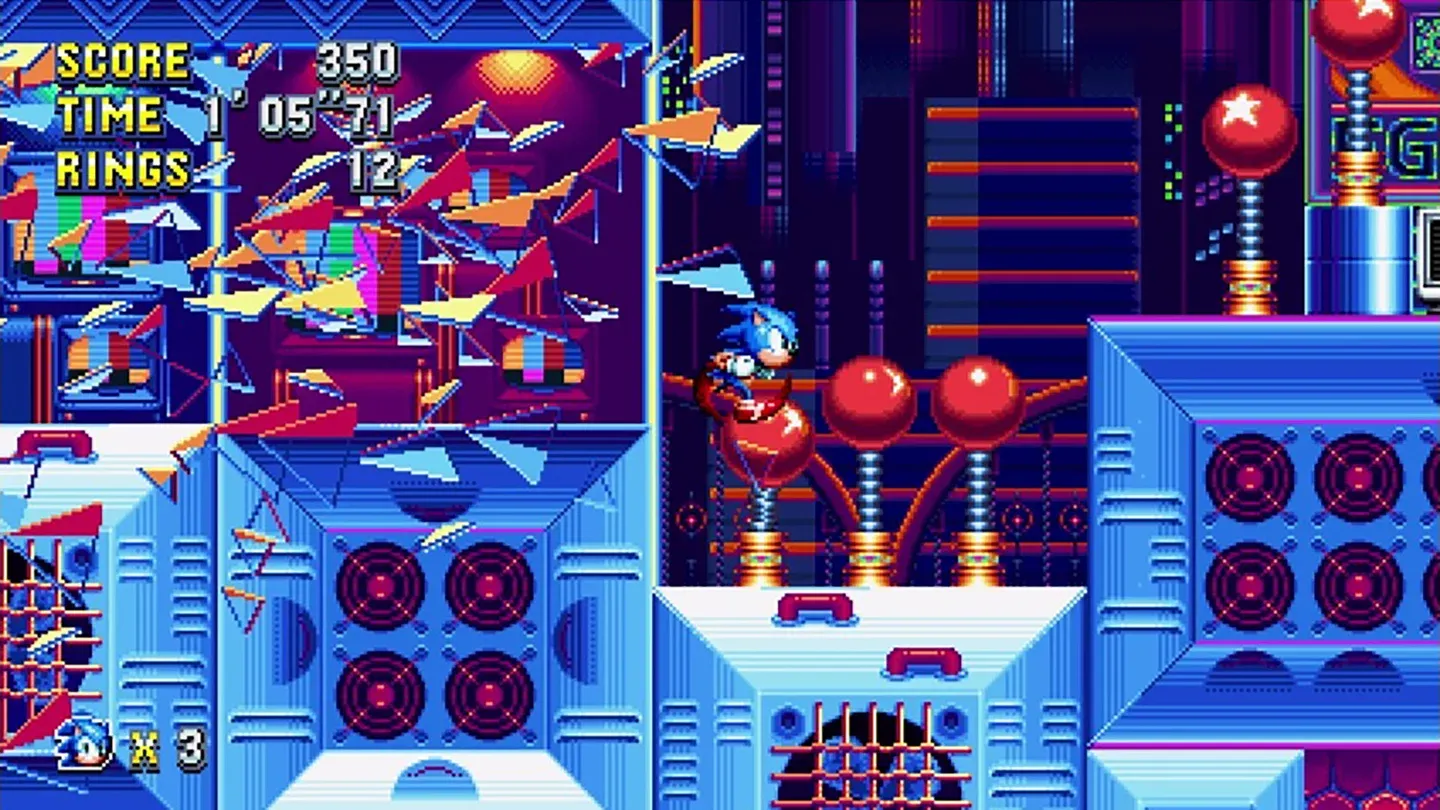
Players choose from three characters, each with a distinct move set that changes how zones play out:
Sonic Mania content image
- Sonic: double jump with the Drop Dash, a new move that lets him roll immediately on landing
- Tails: sustained flight to reach alternate paths
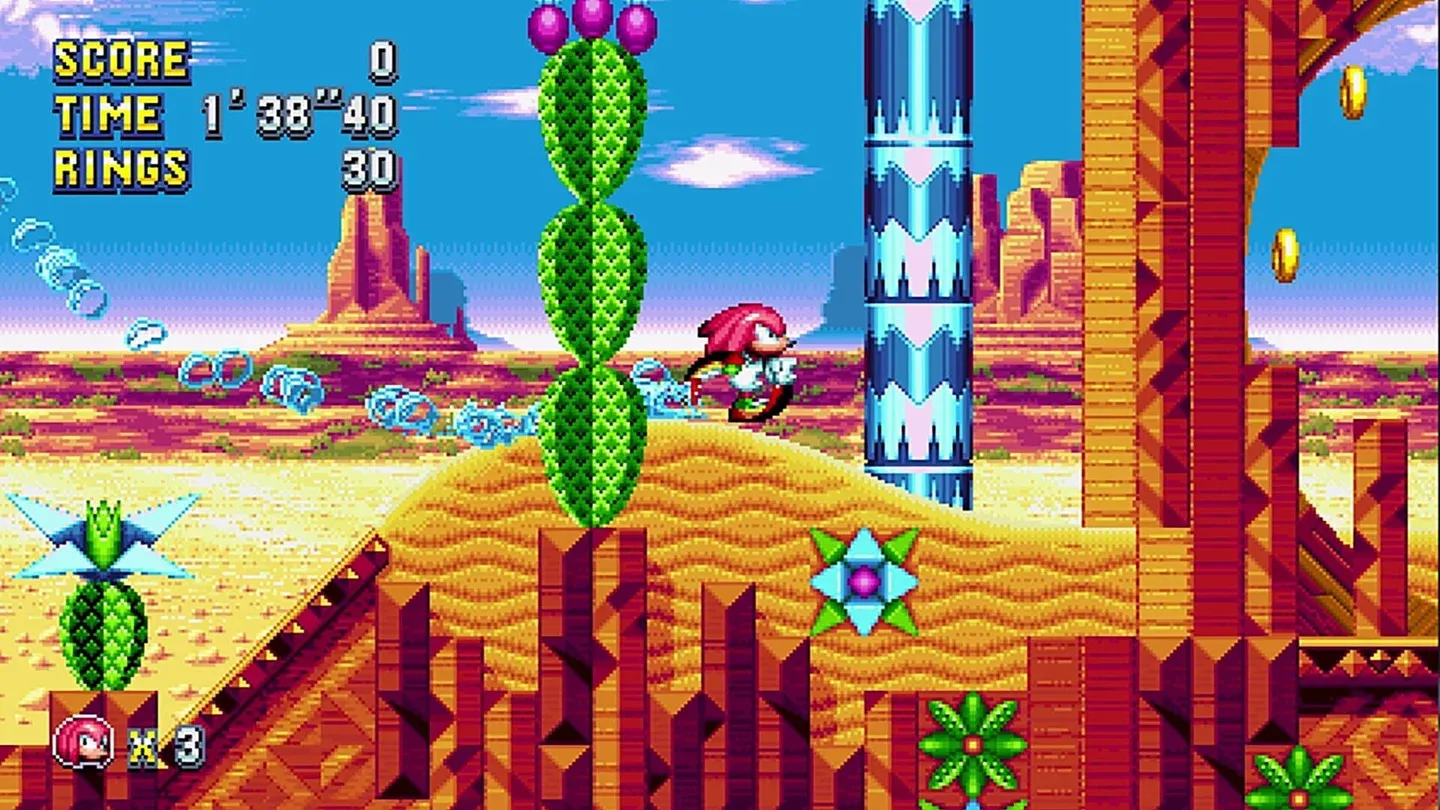
- Knuckles: wall-climbing and gliding for sequence-breaking exploration
The core loop is exactly what it should be: build speed, read the level, survive the traps, find the route. Each zone has two acts, and boss fights at the end of Act 2 range from clever callbacks to genuinely creative new encounters. The Hard-Boiled Heavies serve as recurring mini-bosses with personality, and the final stretch escalates in ways that reward players who stuck with the whole run.
Sonic Mania content image
What makes Sonic Mania worth playing in 2026?
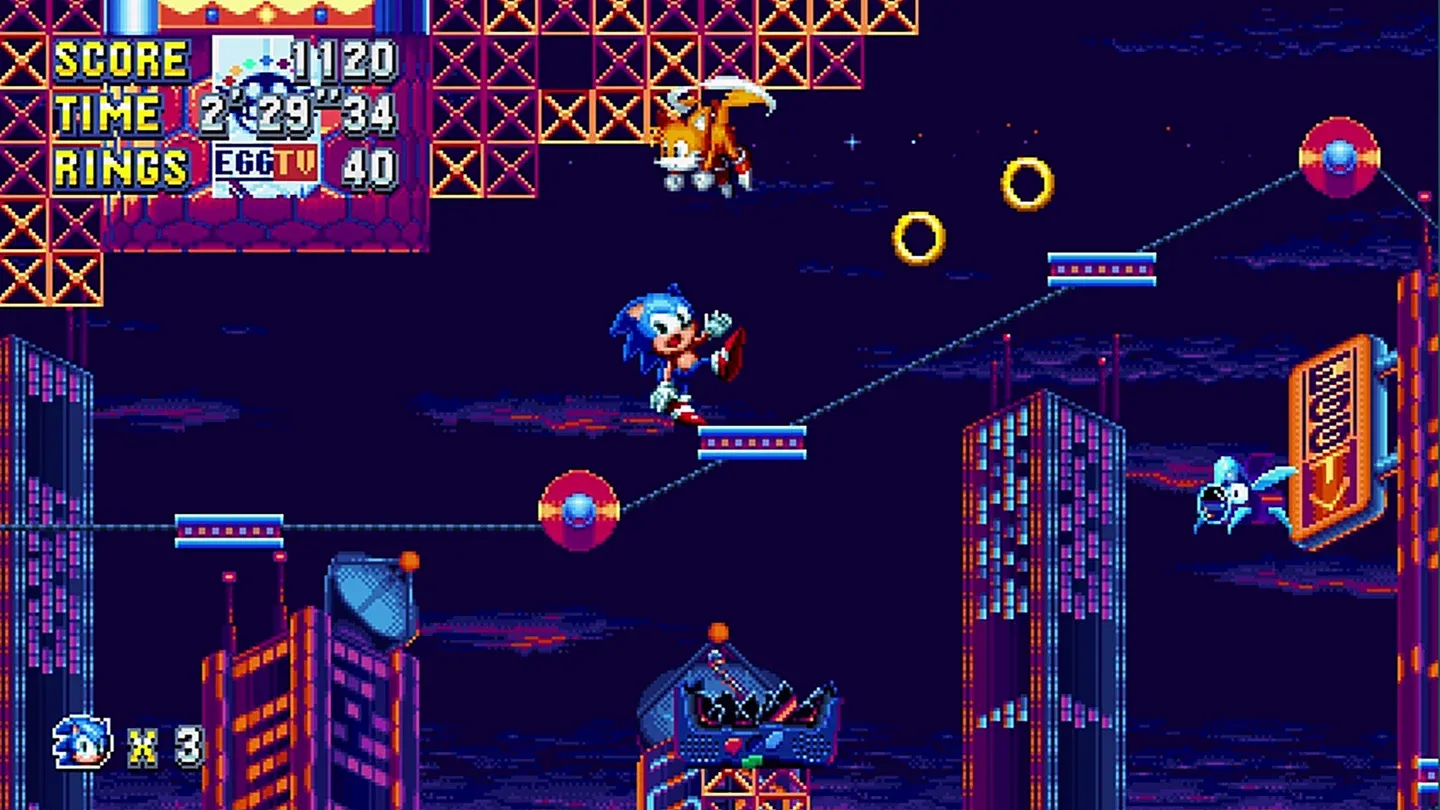
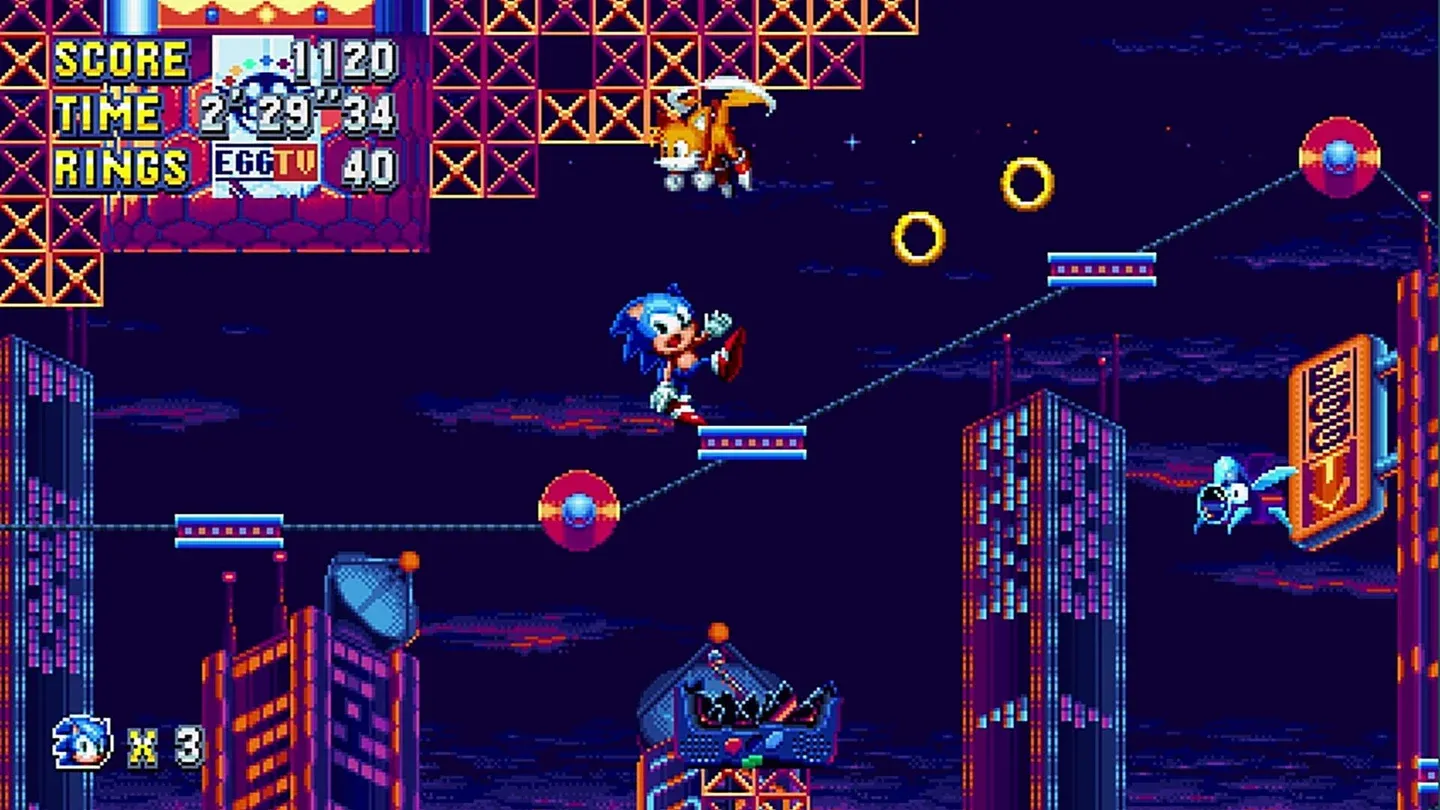
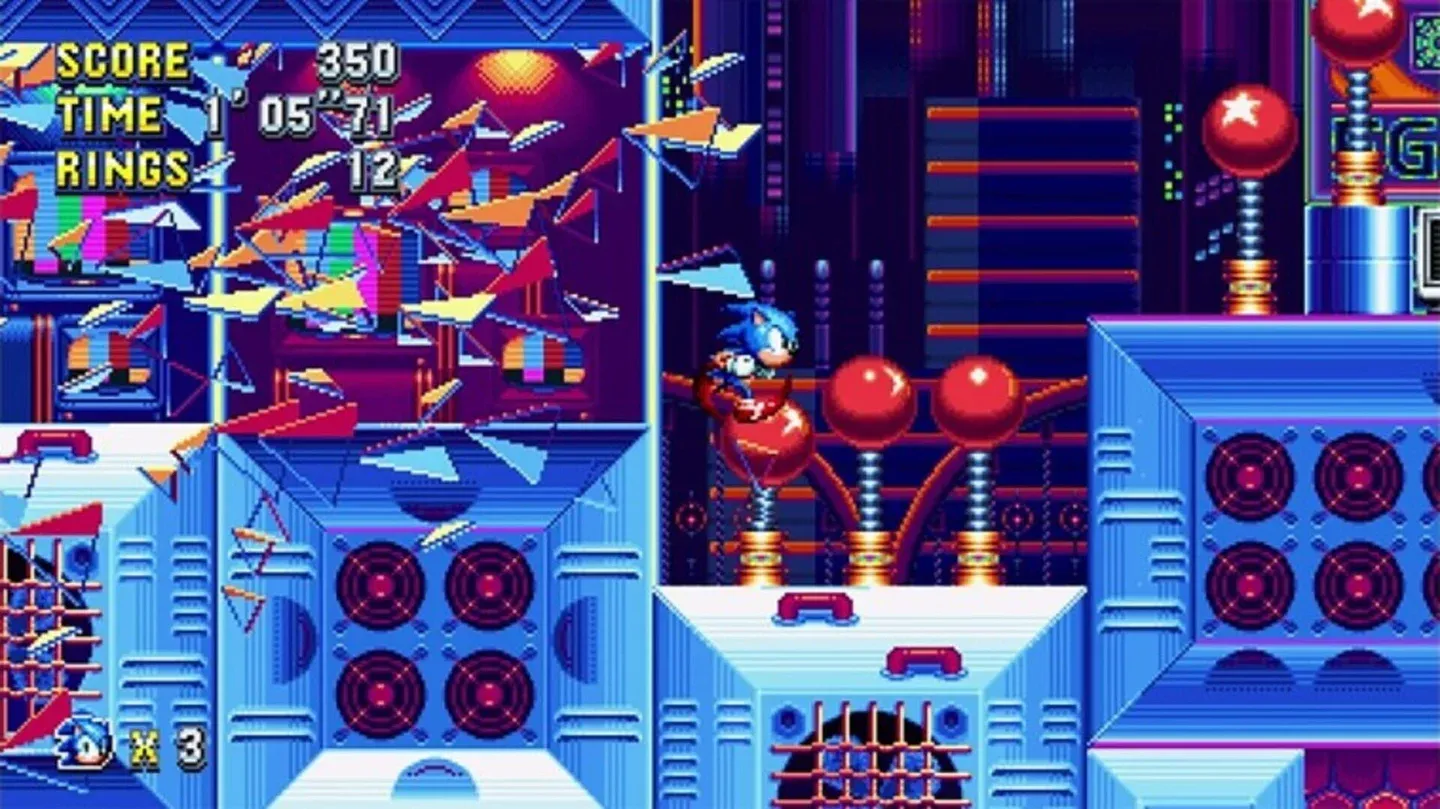
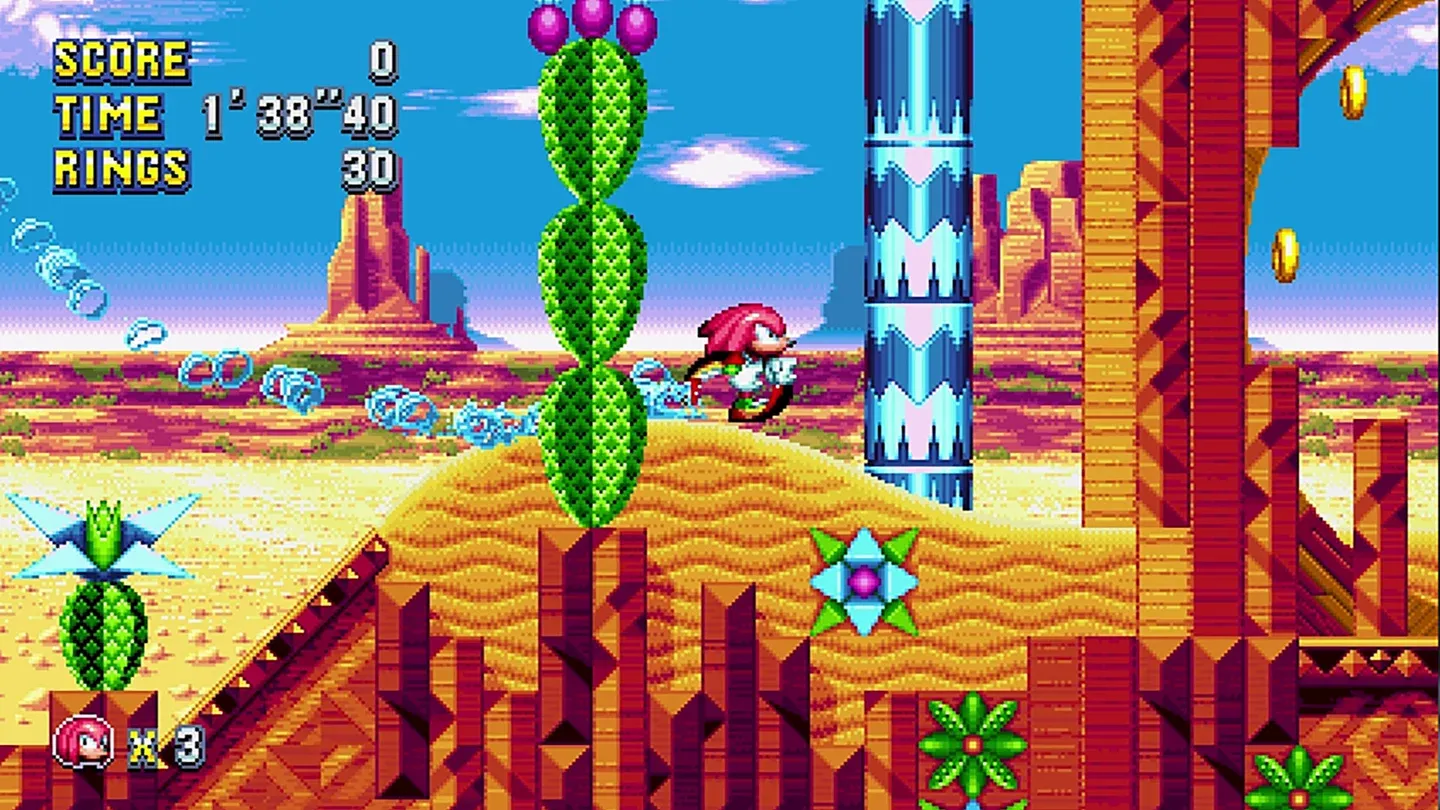
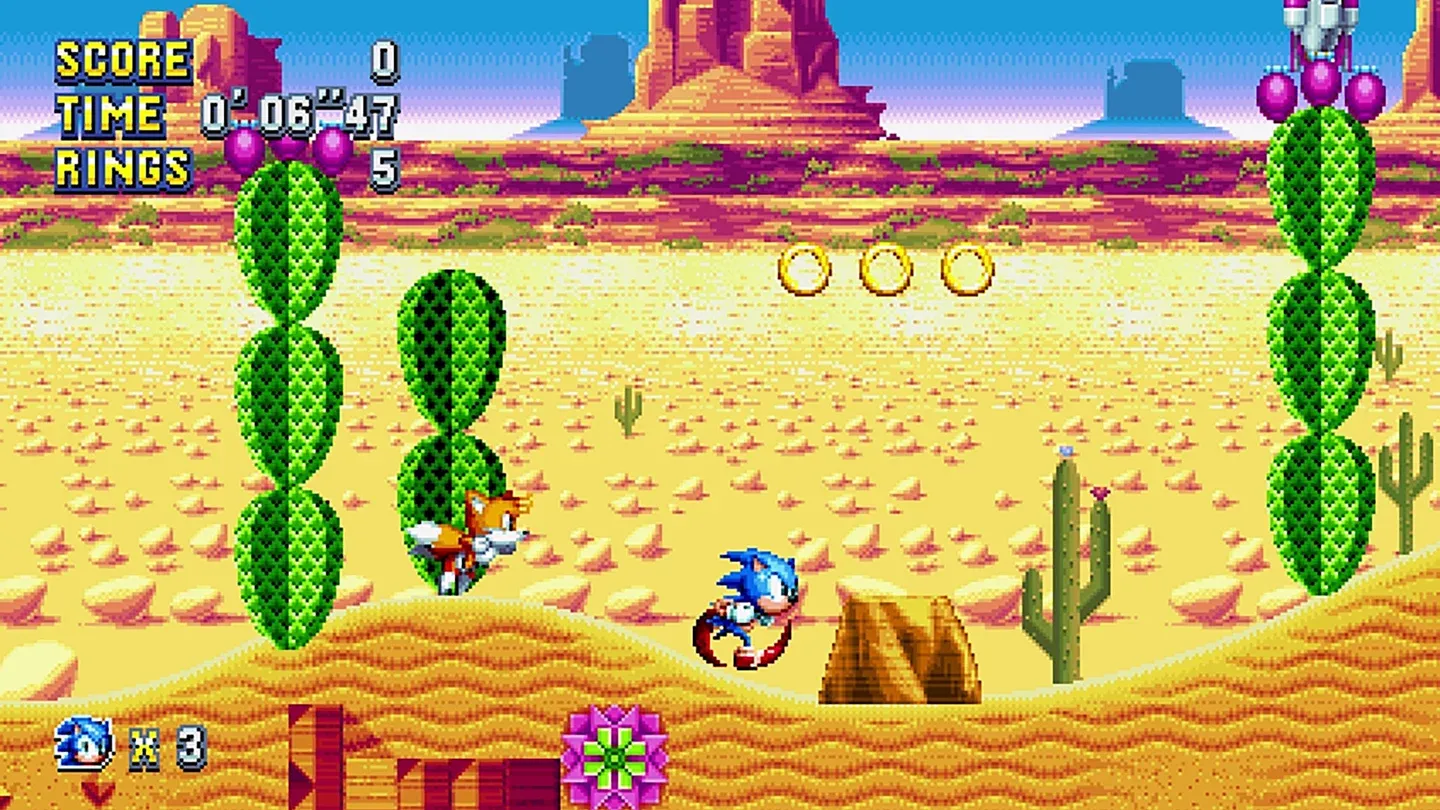
Sonic Mania succeeds because it treats the source material as a design foundation rather than a museum exhibit. The redesigned classic zones are not straight ports. Chemical Plant Zone Act 2 becomes a competitive bean-matching puzzle fight. Stardust Speedway gets a complete structural overhaul. Each returning stage has been rebuilt to surprise players who know it by heart, while still feeling unmistakably like its original self.
Sonic Mania content image
Special Stages return for Chaos Emerald collection, using a Blue Sphere-style format where you chase a UFO across a 3D track. Time Attack mode posts your runs to online leaderboards, which gives the game legs well beyond a single playthrough. Split-screen competitive multiplayer rounds out the package for local sessions.
Visual and audio design
The pixel art runs at a smooth 60 frames per second and holds up on modern displays without looking like a stretched ROM. The sprite work is detailed enough that you can see the influence of the original artists while clearly being something new. Tee Lopes composed the soundtrack, and it is one of the best arguments for chiptune-adjacent music in years. Tracks like Studiopolis Zone's Act 1 theme have taken on a life of their own outside the game, appearing in fan remixes and speed-running highlight reels regularly.
Content and replayability
Thirteen zones across multiple characters, special stages, time attack leaderboards, and competitive multiplayer give Sonic Mania a replay draw that most games in the series never managed. The Encore Mode, added in the Sonic Mania Plus update, introduced Mighty the Armadillo and Ray the Flying Squirrel as playable characters alongside a remixed stage layout and a new lives system. Running the game with a different character genuinely changes which paths open up, making repeat playthroughs feel like a different game rather than just a harder difficulty.