Overview
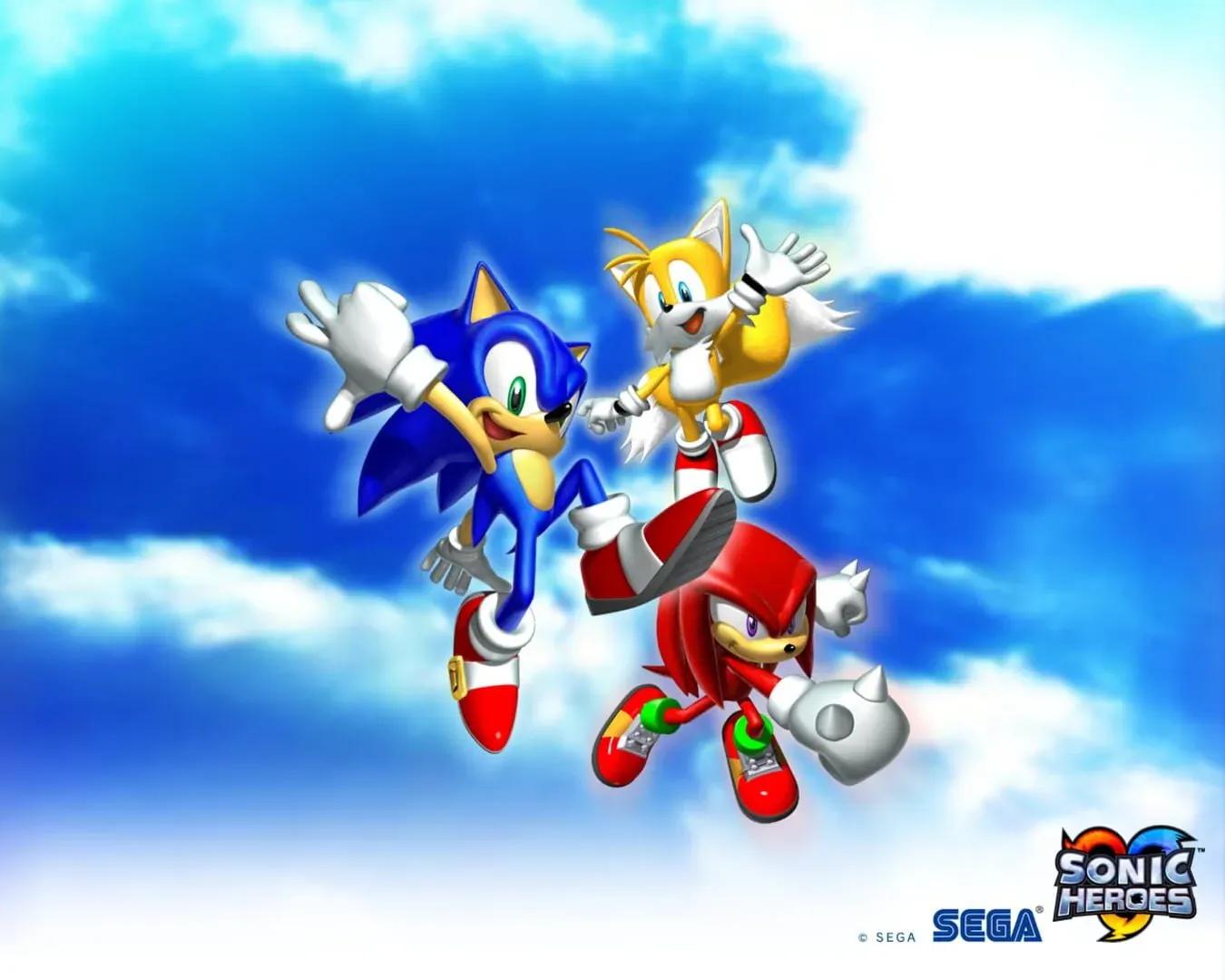
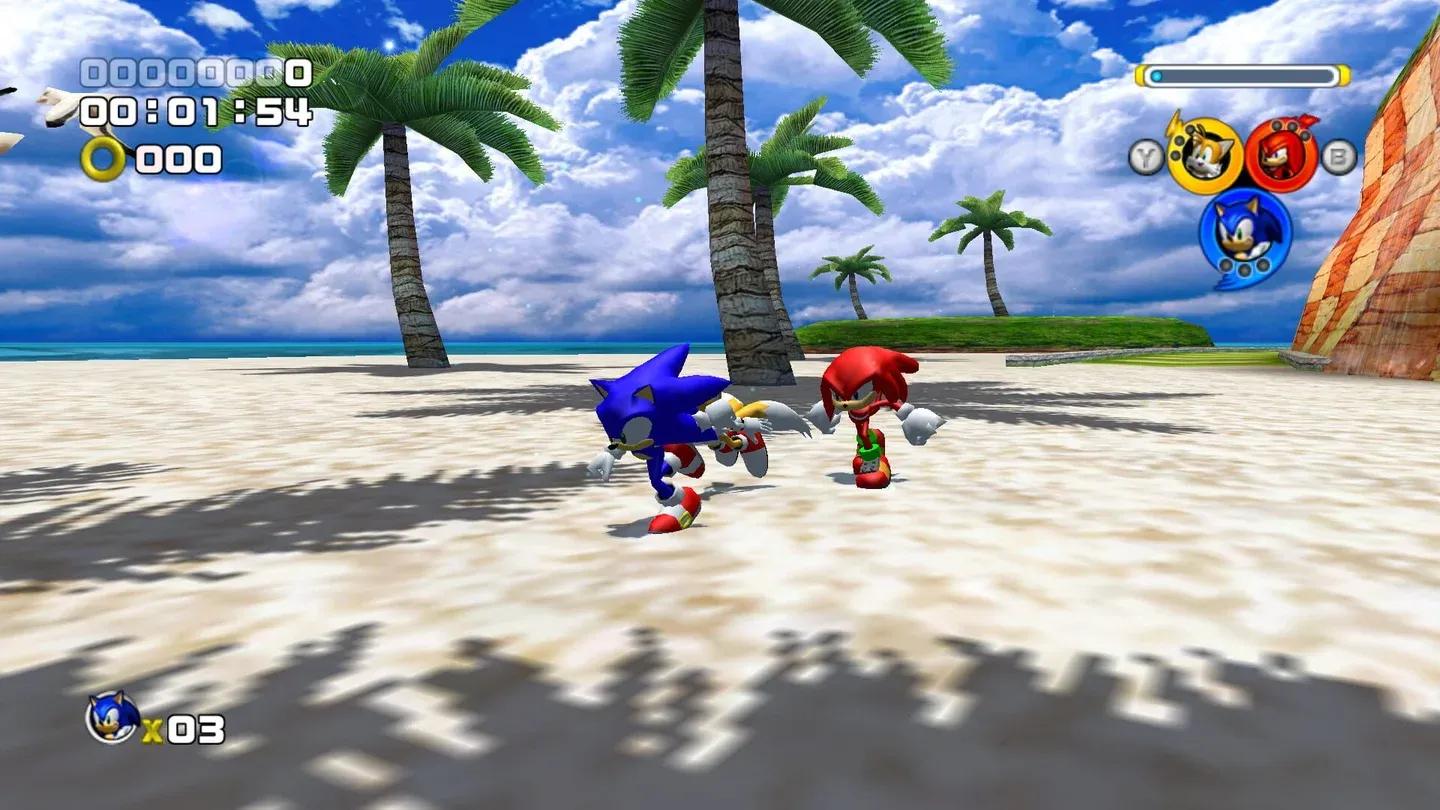
Sonic Heroes, developed by Sonic Team and published by Sega, launched in December 2003 across PlayStation 2, Xbox, GameCube, and Windows PC. The game marked a deliberate departure from the single-character focus of earlier 3D Sonic titles, instead organizing the franchise's growing cast into four teams of three. Each team runs through the same core set of stages, but their distinct abilities and storylines give each playthrough a different flavor.
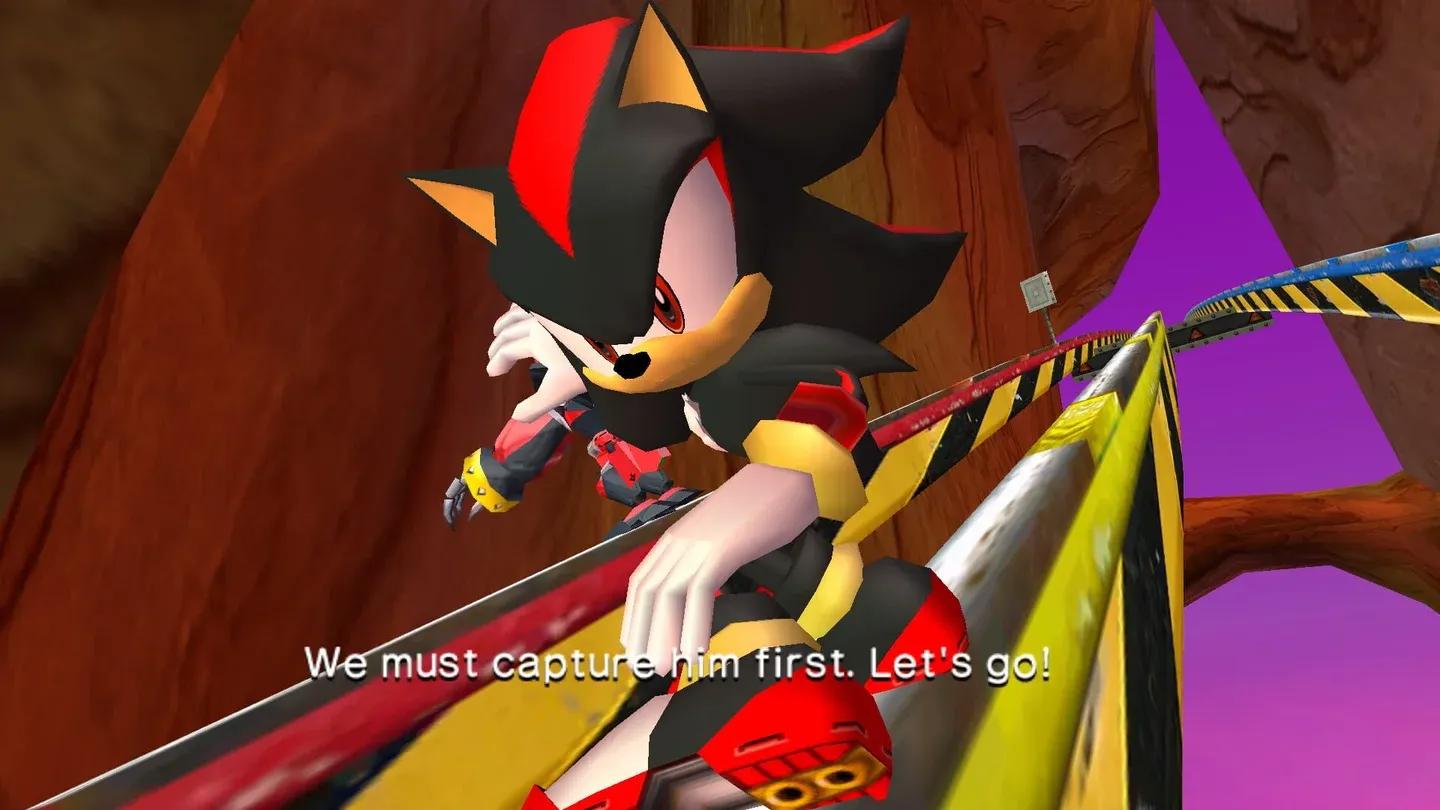
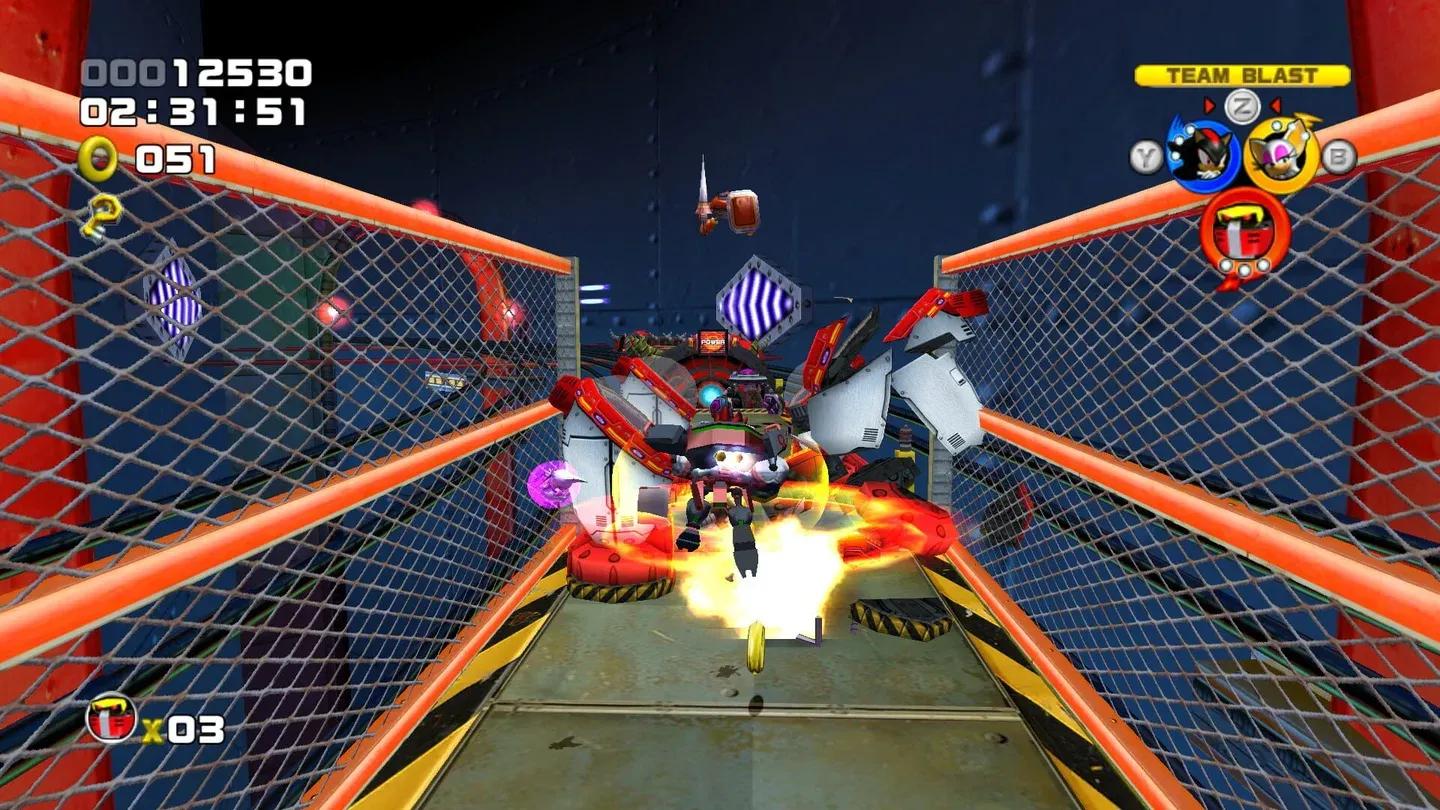
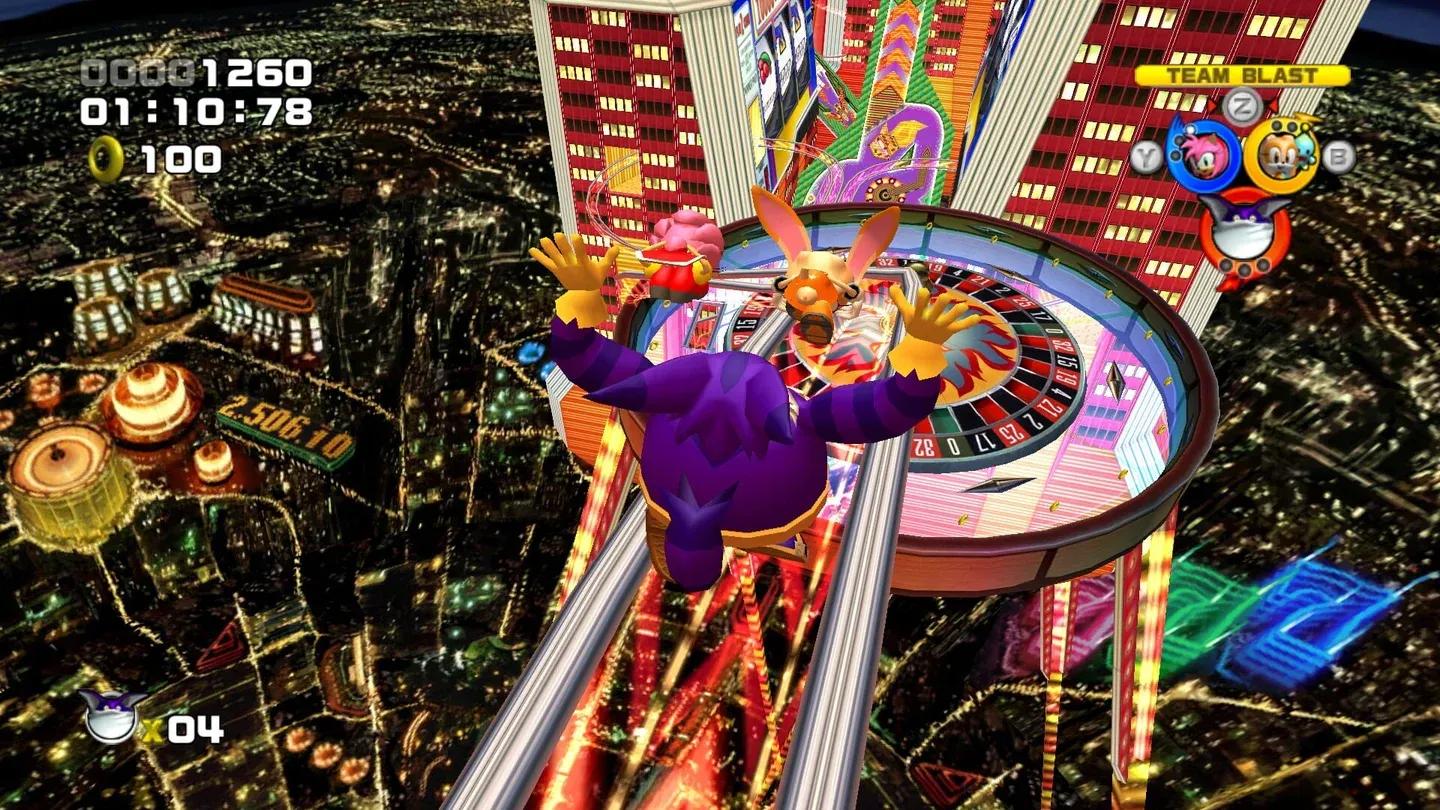
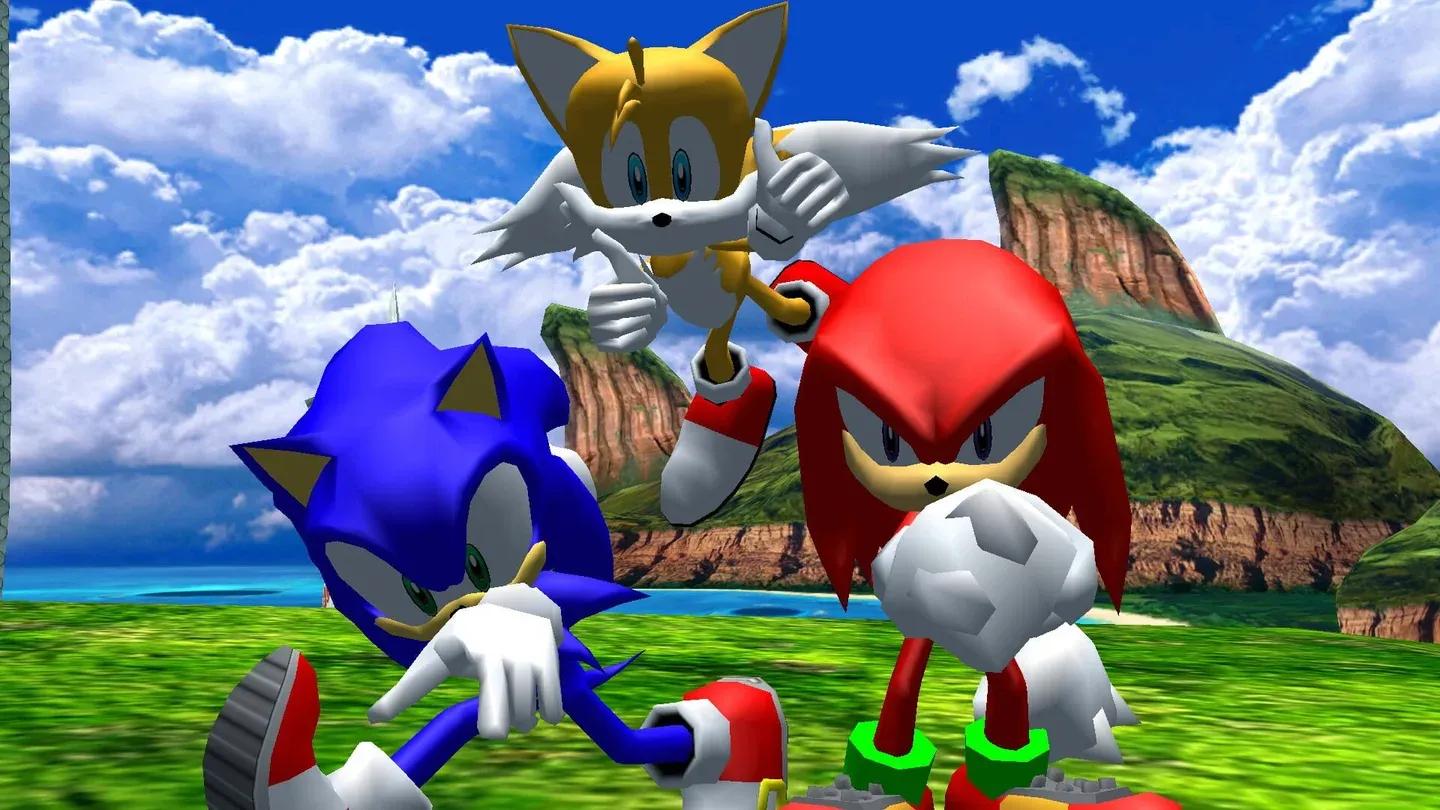
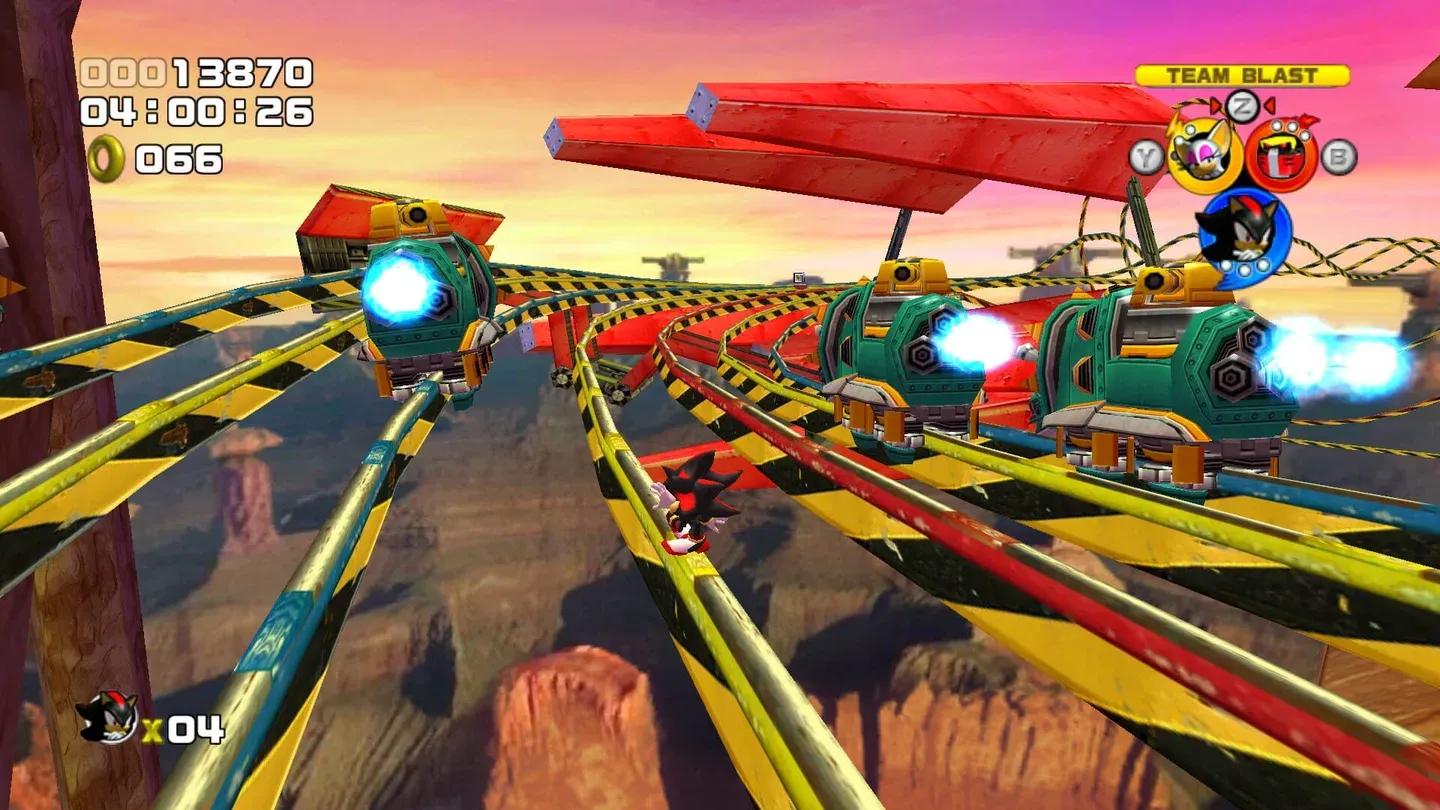
The four teams are Team Sonic (Sonic, Tails, Knuckles), Team Dark (Shadow, Rouge, E-123 Omega), Team Rose (Amy, Cream, Big), and Team Chaotix (Vector, Espio, Charmy). Team Rose offers a shorter, more accessible experience aimed at newcomers, while Team Chaotix flips the objective entirely with mission-based stages that ask players to find items rather than just blast through to the finish line. Team Dark cranks up the difficulty, and Team Sonic sits comfortably in the middle as the default adventure.
Gameplay and mechanics
The core loop of Sonic Heroes revolves around switching between three formation types on the fly:
Sonic Heroes content image
- Speed: leads the charge, grinds rails, and builds up tornado attacks
- Flight: lifts the team over gaps and targets aerial enemies
- Power: breaks through obstacles and handles heavy combat
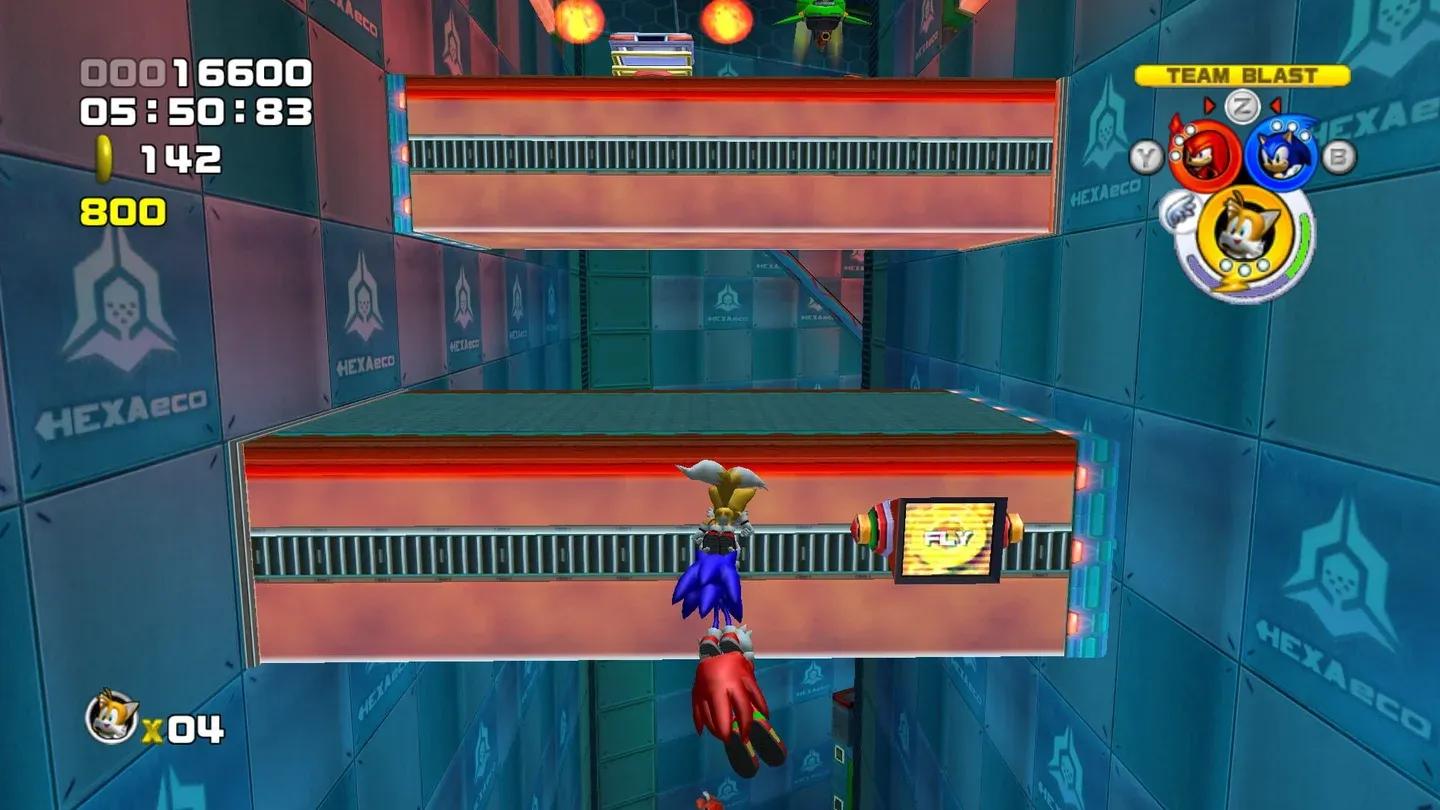
Switching between these roles mid-run is where the game's depth lives. A Speed formation Sonic can launch into a tornado, then immediately switch to Knuckles to smash through a barrier blocking the next grind rail. The system keeps stages from feeling like a flat sprint and adds a layer of decision-making that earlier 3D Sonic titles lacked.
Sonic Heroes content image
Each character also levels up their stats by collecting Team Blast orbs scattered through stages, building toward a screen-clearing Team Blast attack unique to each squad. Team Dark's Chaos Inferno, for instance, reflects their aggressive playstyle, while Team Chaotix's Chaotix Recital is more chaotic and situational.
World and setting
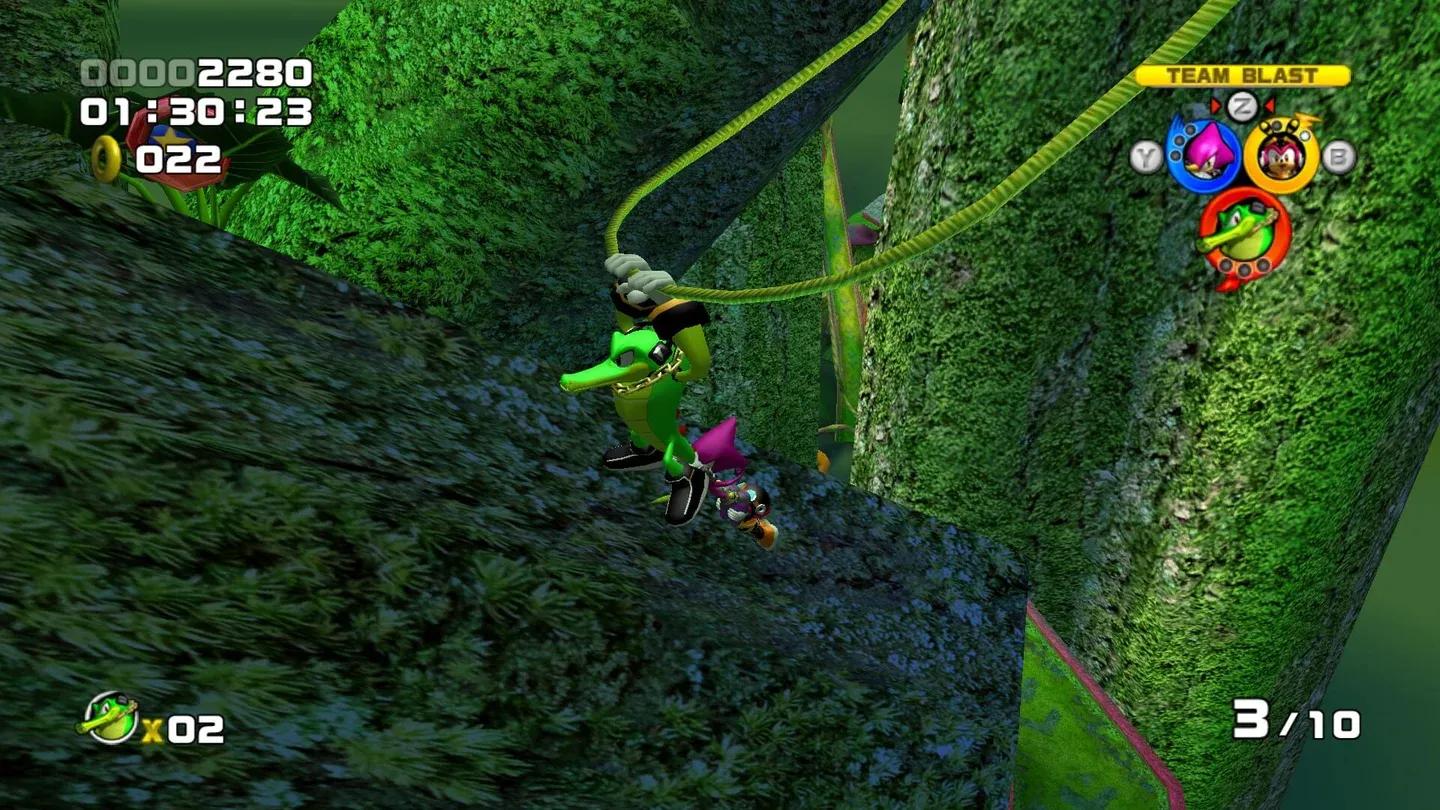
Sonic Heroes doesn't run a single unified story. Each team has its own reason to be in motion. Team Sonic is chasing Eggman's latest threat as a matter of course. Team Dark is unraveling the mystery of Shadow's sealed capsule inside one of Eggman's old fortresses. Team Rose is tracking down Sonic after spotting him in a suspicious advertisement alongside Cream's Chao, Chocola, and Big's frog companion, Froggy. The Chaotix are taking anonymous missions through a walkie-talkie in exchange for payment, without knowing who's actually hiring them.
Sonic Heroes content image
The storytelling is light by design, but the four parallel narratives converge into a final act that ties everything together. The true ending requires completing all four team campaigns, which gives the game a legitimate reason to replay content rather than just padding out the runtime.
Impact and legacy
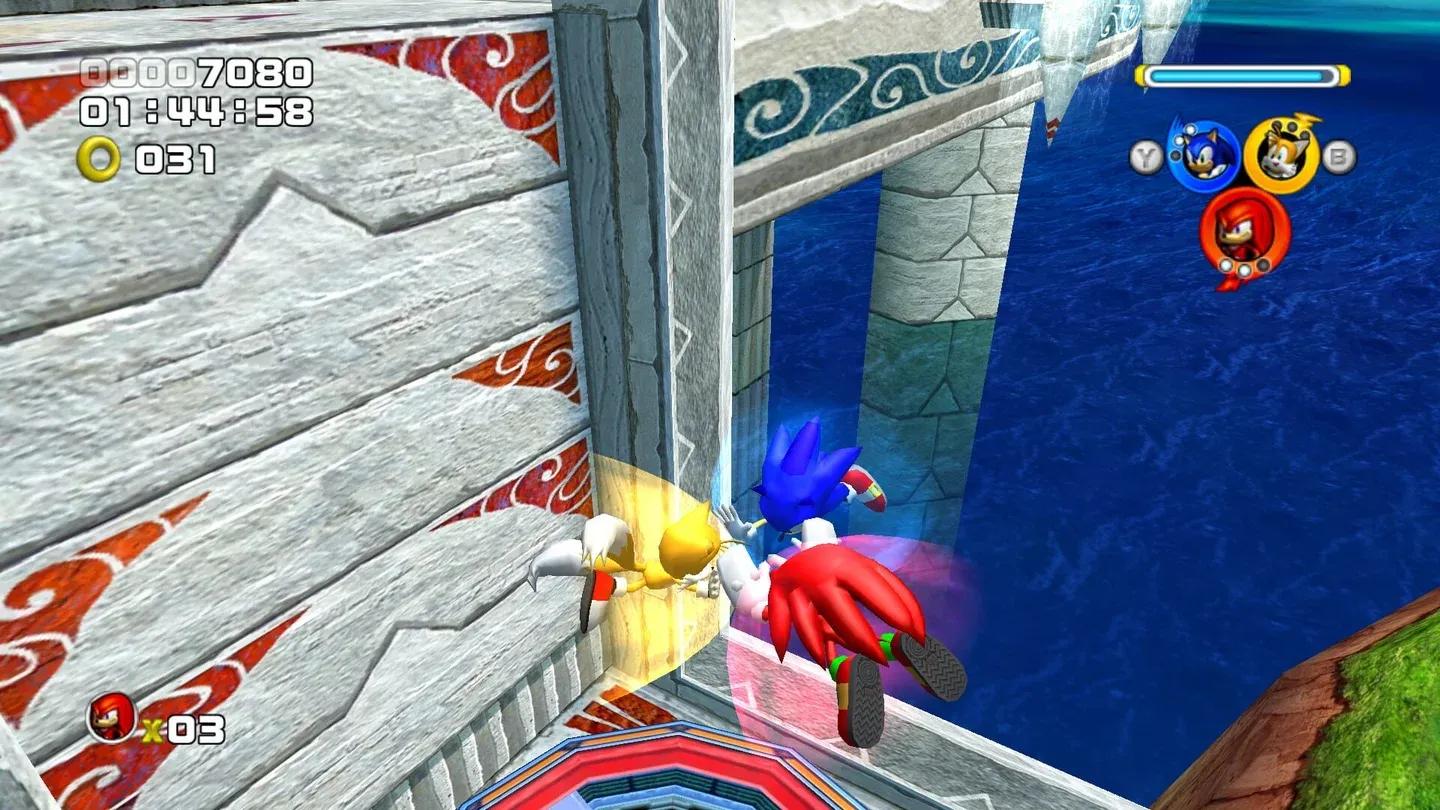
Sonic Heroes sold over two million copies and topped best-seller charts on all three of its original console platforms, making it one of the more commercially successful entries in the series during the early 2000s. Critical reception landed in mixed territory, with praise directed at the team-switching mechanics and the sheer volume of playable content, while complaints pointed to camera issues and inconsistent level design.
Sonic Heroes content image
The game holds a specific place in the franchise because it was the first Sonic title built simultaneously for multiple platforms without a single version being the lead. For fans of the classic Sonic cast, it also remains one of the few 3D games to give characters like Espio, Vector, and E-123 Omega meaningful screen time. The Chaotix in particular developed a fanbase through this game that carried forward into later Sonic media.