
Overview
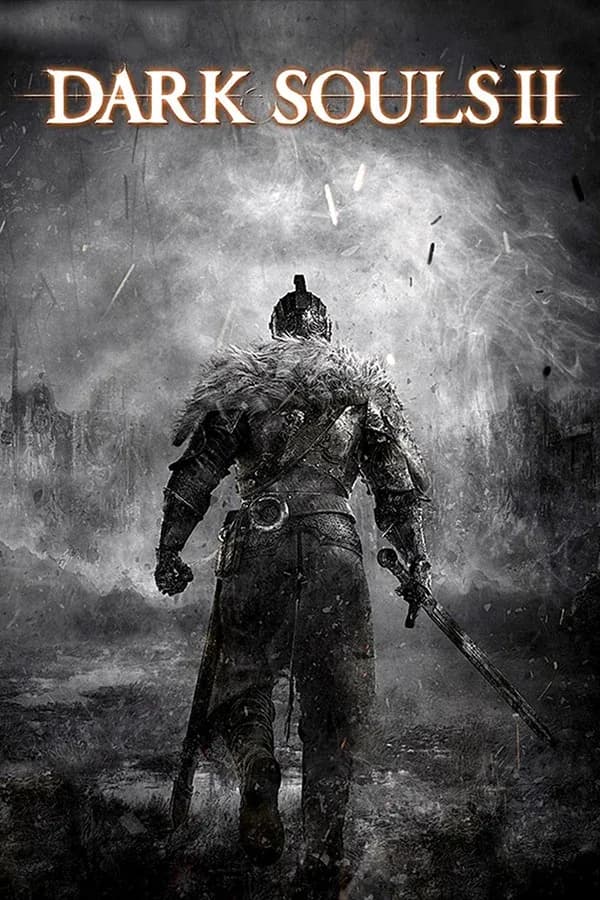
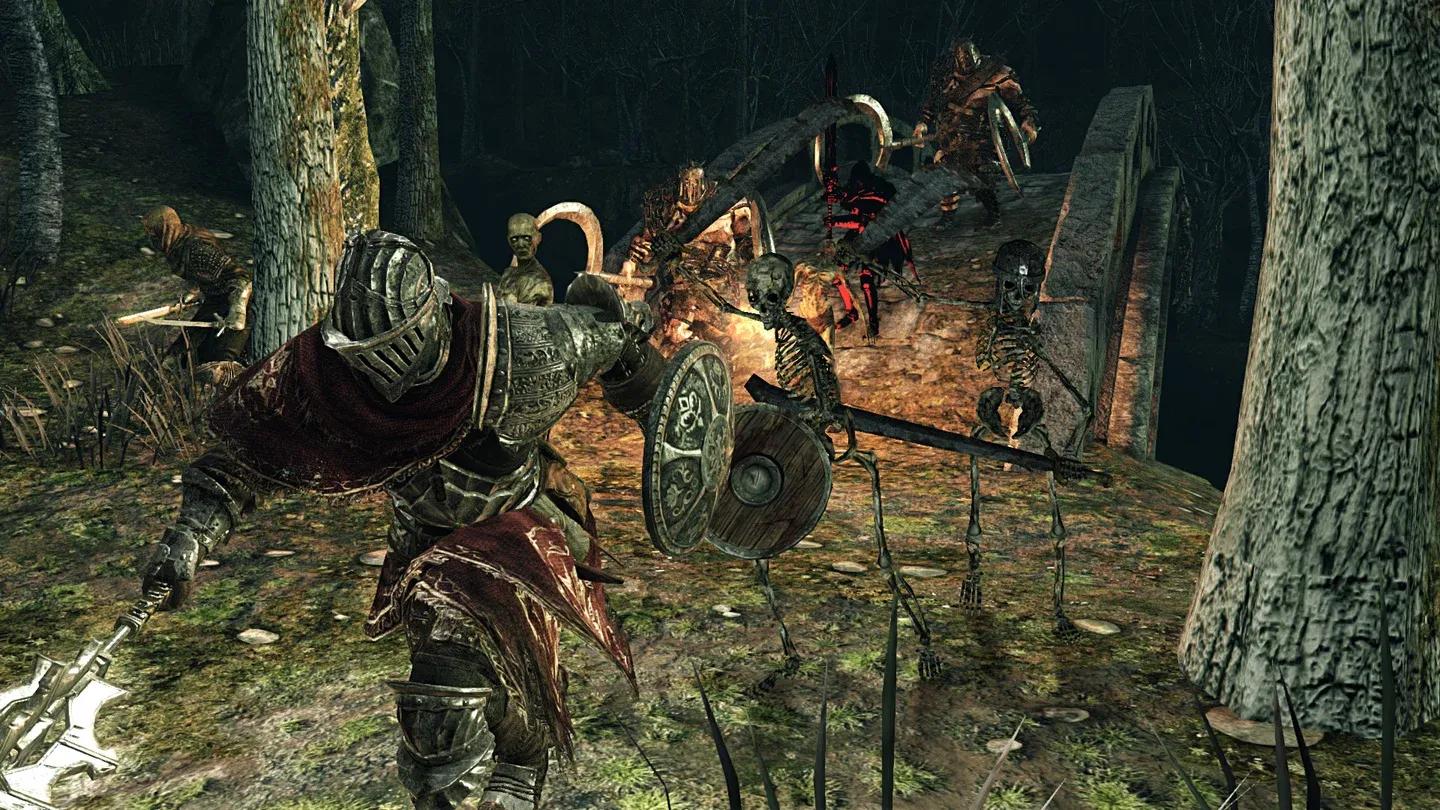
Dark Souls II: Scholar of the First Sin launched in April 2015 as a director's cut of FromSoftware's second entry in the Souls series. Published by Bandai Namco Entertainment, it collects every piece of content released for Dark Souls II into a single package while reworking the game at a fundamental level. Enemy positions, item placements, and NPC interactions have all been adjusted, meaning even players who finished the original will find themselves caught off guard in areas they thought they had memorized.
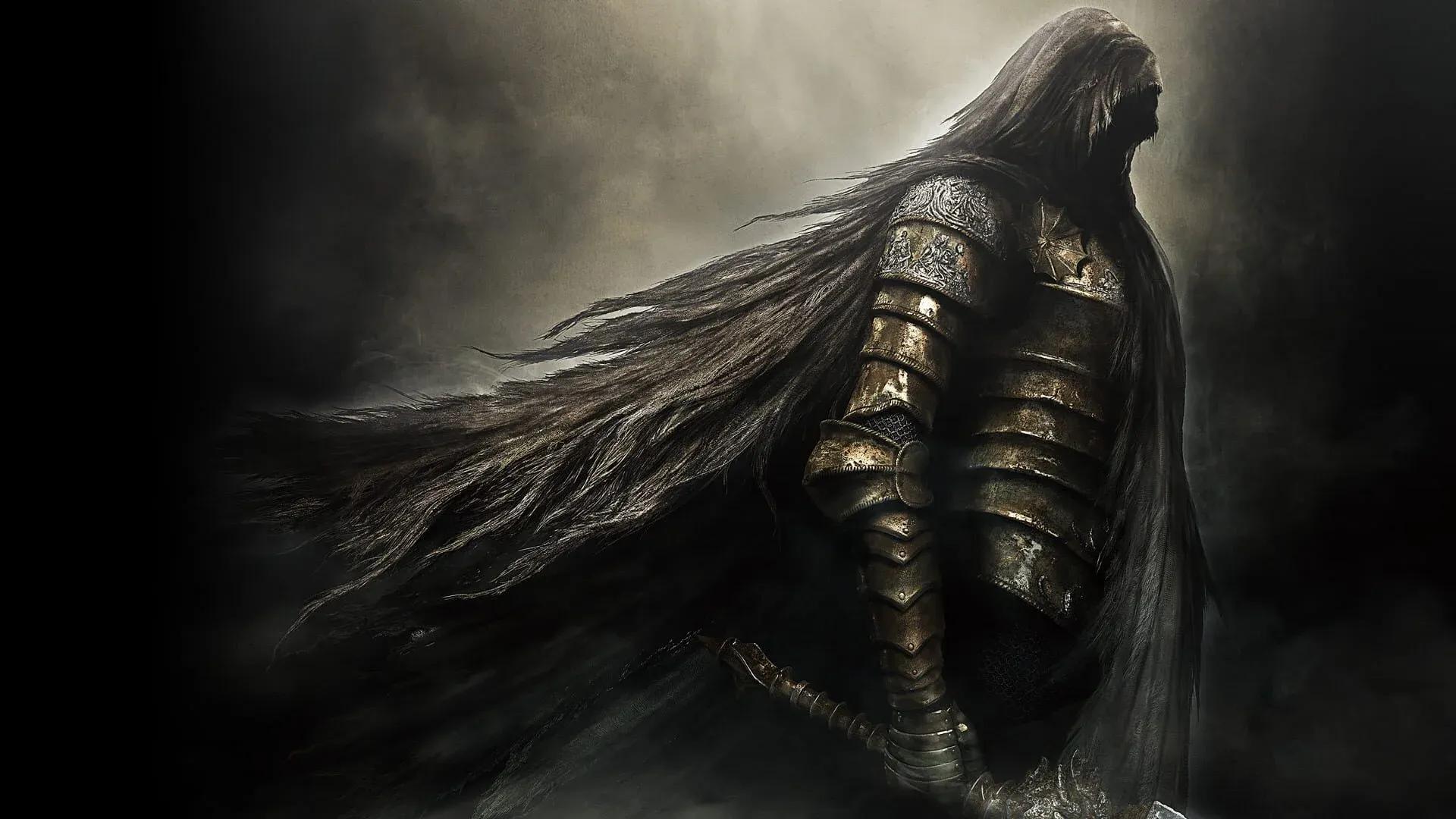
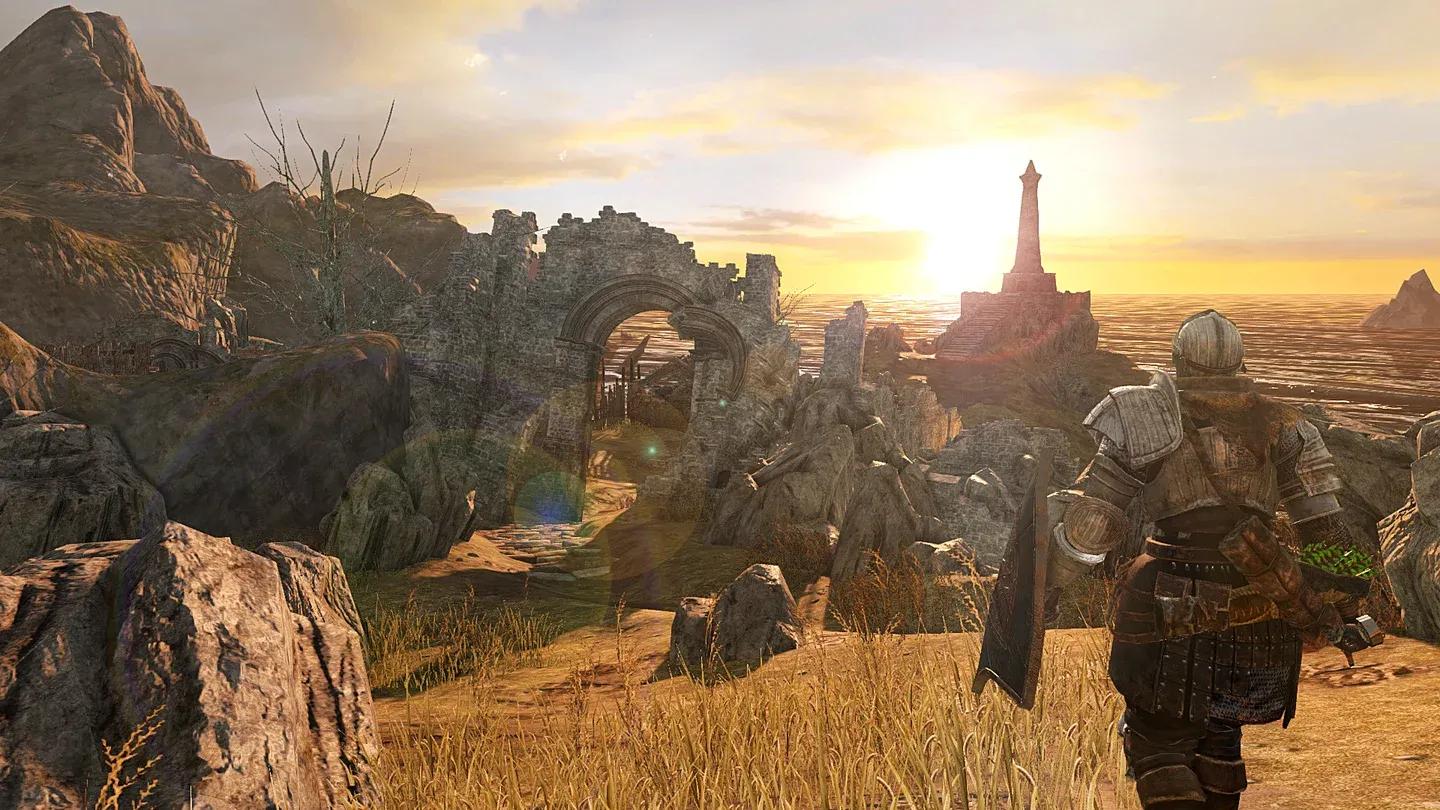
The setting is Drangleic, a crumbling kingdom haunted by the curse of undeath. The tone is bleak and deliberate, told mostly through item descriptions and fragmented dialogue rather than cutscenes. The world asks questions it rarely answers directly, and that opacity is part of the appeal. Piecing together what happened to Drangleic is a slow, satisfying process that rewards players who pay attention.
DARK SOULS™ II: Scholar of the First Sin content image
Gameplay and mechanics
The core loop is familiar to anyone who has played a Souls game: explore, fight, die, recover your souls, repeat. Scholar of the First Sin keeps that loop intact while tightening the screws around it. Key features of the gameplay system include:
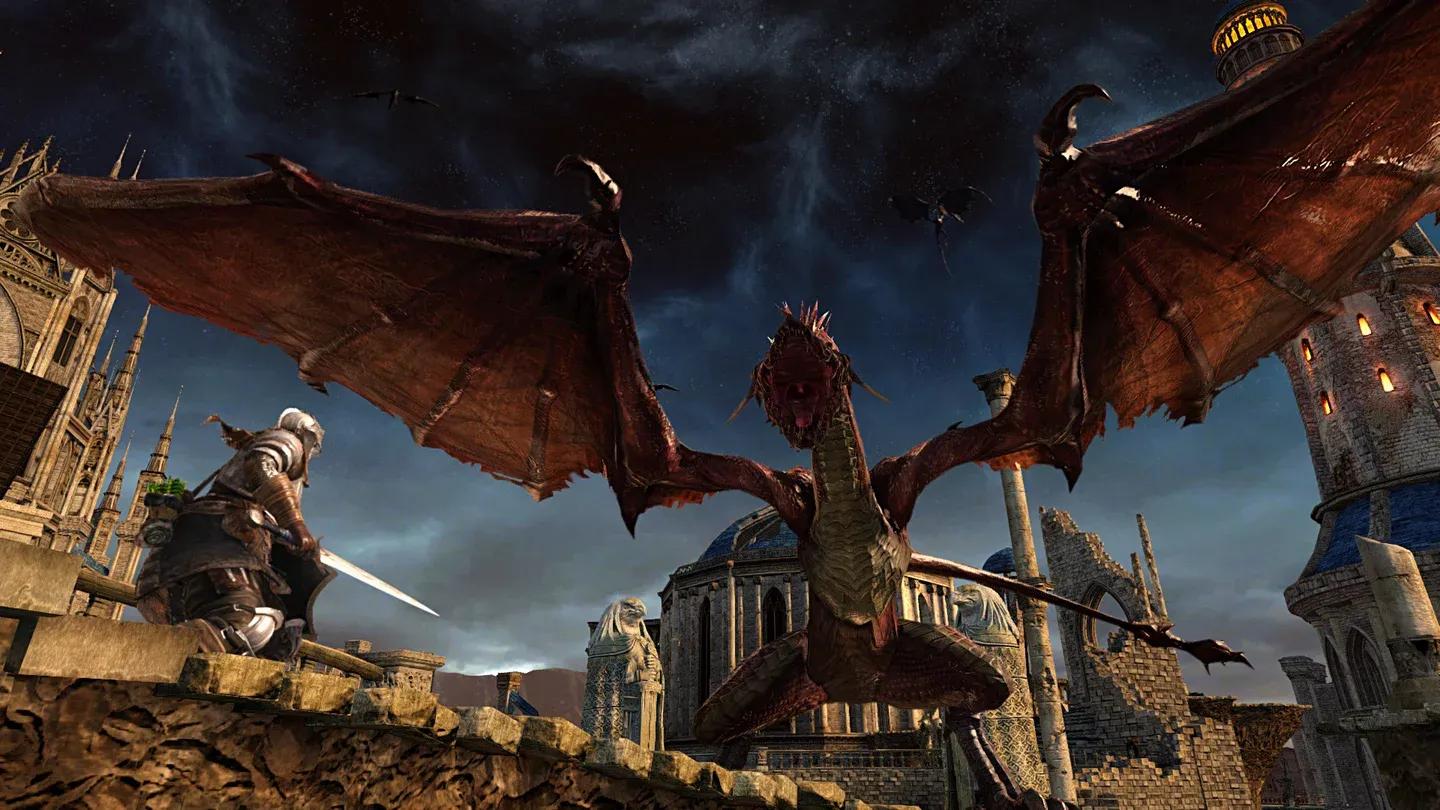
DARK SOULS™ II: Scholar of the First Sin content image
- Dual-wielding via the Power Stance system
- Adaptability stat affecting i-frames on rolls
- Bonfire Ascetic mechanic for resetting and scaling areas
- Soul Memory matchmaking, adjusted with new items
- New NPC invader Forlorn appearing throughout the world
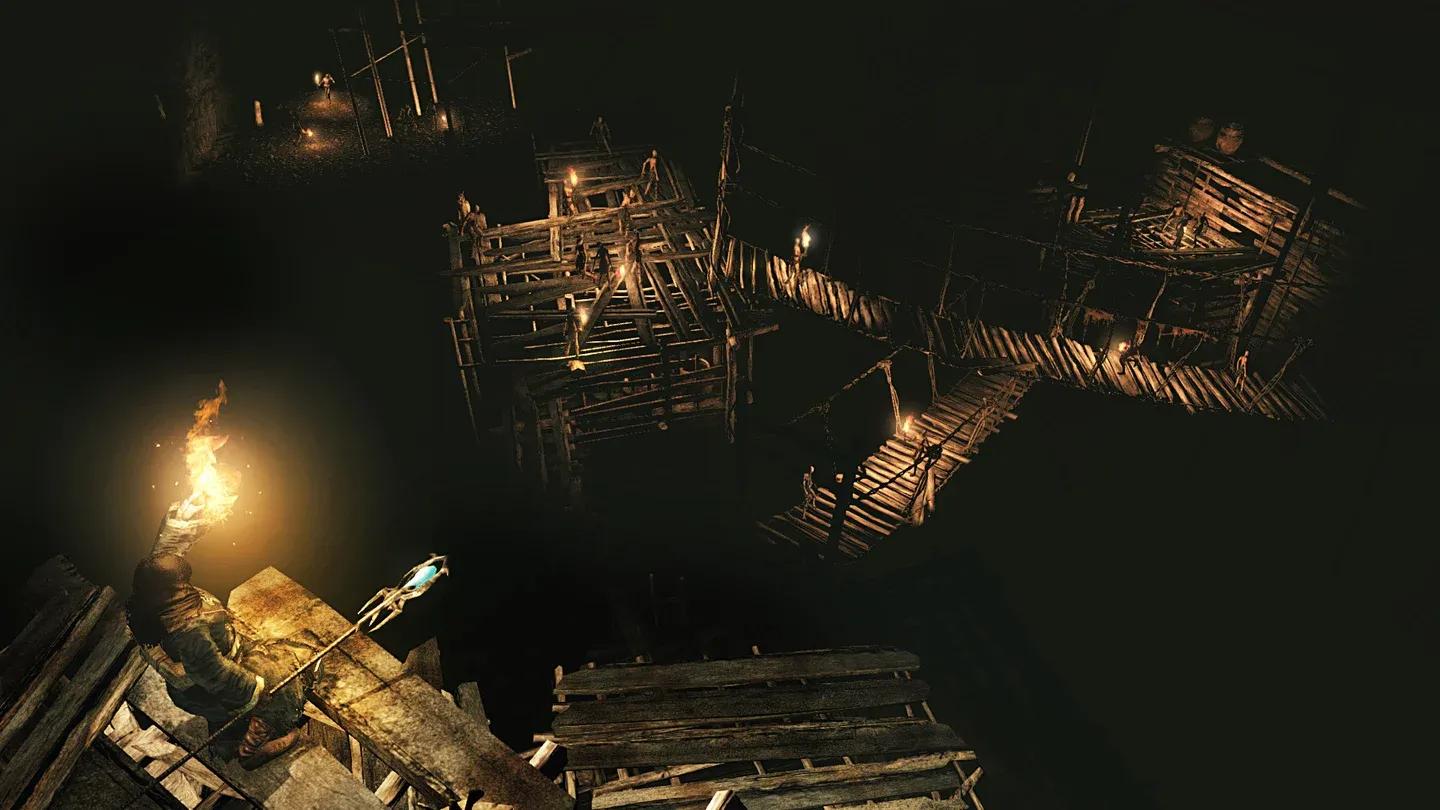
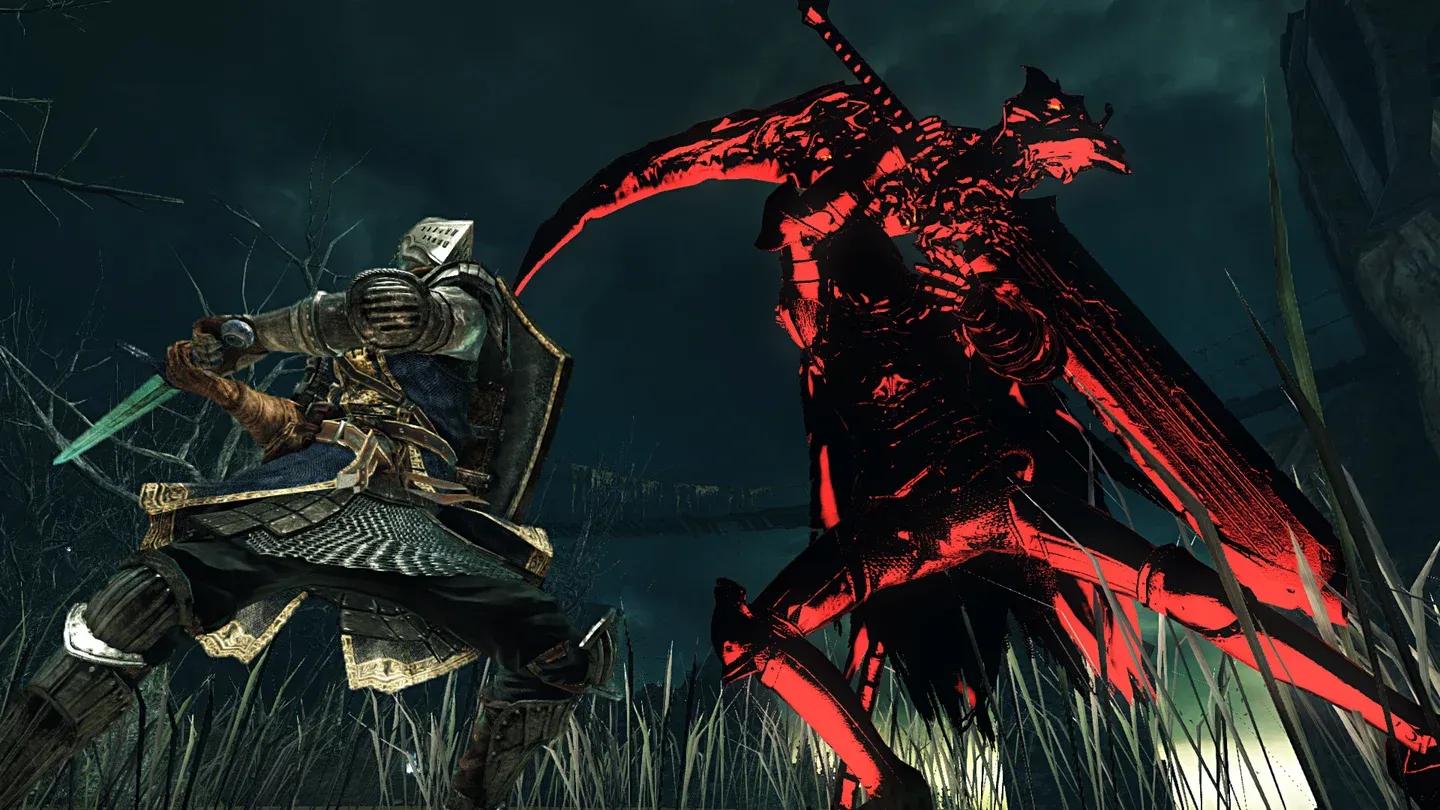
The Forlorn invasions are a genuine addition. This NPC shows up unpredictably across multiple areas, carrying weapons and armor from a set that can be looted from their corpse. It adds a layer of tension to exploration that the original game lacked in certain stretches.
What does Scholar of the First Sin add over the base game?
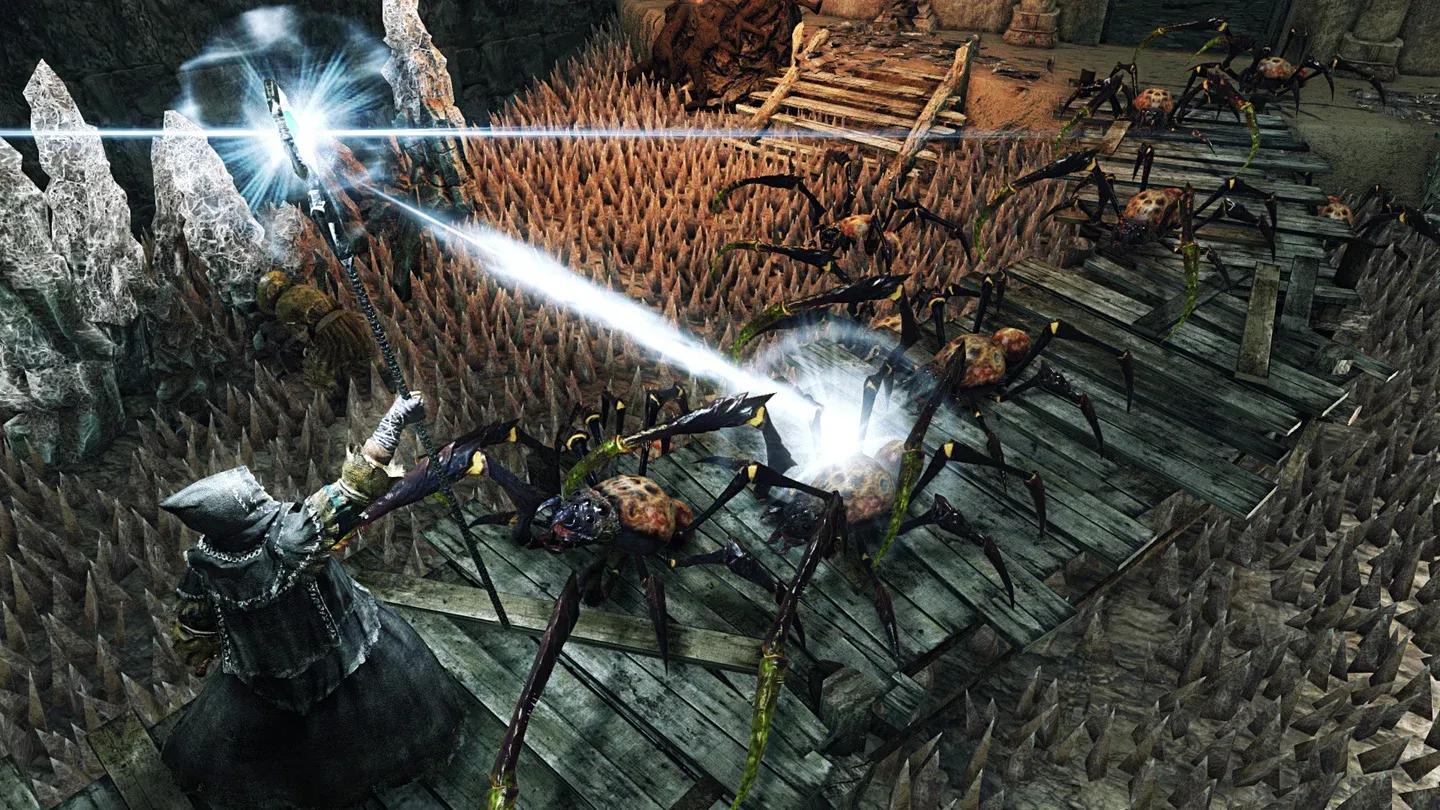
The three Crown DLC expansions, Crown of the Sunken King, Crown of the Old Iron King, and Crown of the Ivory King, are included in full. Each one takes place in a self-contained area with its own bosses, enemies, and environmental design. Crown of the Ivory King in particular is widely considered some of the best content in the entire Souls series, built around a blizzard-swept castle with a cooperative mechanic tied to summoning knights from the environment.

DARK SOULS™ II: Scholar of the First Sin content image
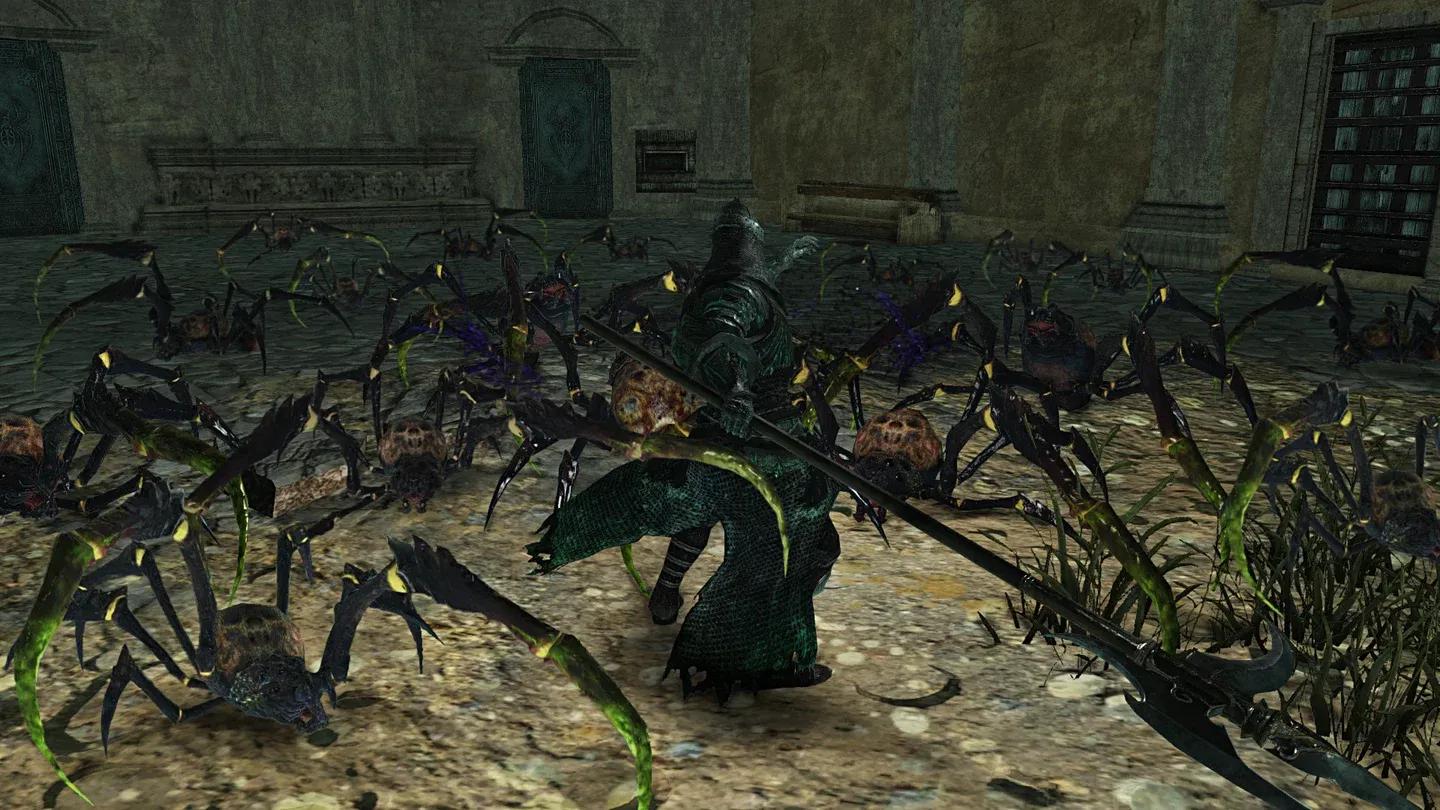
Beyond the DLC, the enemy placement overhaul is the biggest change. Areas that veterans treated as safe corridors have been repopulated. Enemies that appeared later in the game show up earlier. The effect is a version of Dark Souls II that plays like a remix rather than a remaster, which makes it worth revisiting even for players who finished the original multiple times.
Multiplayer and online play
Scholar of the First Sin expanded the online session cap from 4 to 6 players, a change that meaningfully shifts how co-op and invasions feel. A larger group can push through difficult areas with more confidence, but it also means invaders can coordinate in greater numbers. The addition of a soul-regulating item helps smooth out matchmaking by keeping players with similar soul totals connected more consistently.
The covenant system remains central to the online experience. Joining factions like the Blue Sentinels or the Brotherhood of Blood ties players into specific invasion and defense mechanics, giving the multiplayer a structure that goes beyond casual drop-in co-op.
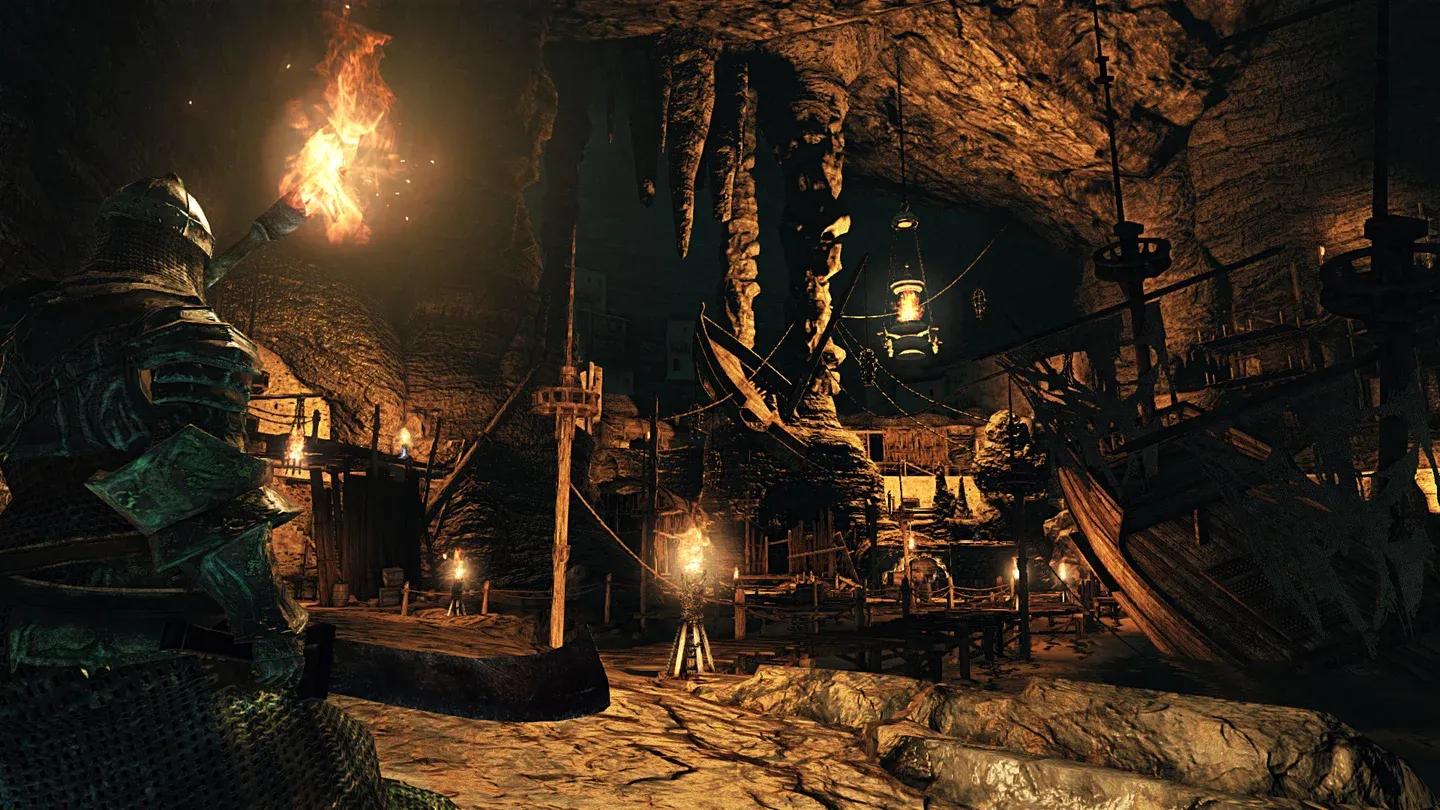
DARK SOULS™ II: Scholar of the First Sin content image
Content and replayability
With all three DLC expansions included, Scholar of the First Sin represents the most complete version of Dark Souls II available. New Game Plus cycles scale enemy health and damage while adding new item placements, and the Bonfire Ascetic item lets players manually trigger NG+ conditions in specific areas without starting a new run. That flexibility, combined with the depth of build variety across strength, dexterity, faith, and intelligence paths, gives the game substantial staying power for players who want to experiment with different approaches to the same challenge.
| Requirement | Minimum | Recommended |
|---|---|---|
| Processor | AMD® A8 3870 3,6 Ghz or Intel® Core ™ i3 2100 3.1Ghz | AMD® FX 8150 3.6 GHz or Intel® Core™ i7 2600 3.4 GHz |
| Memory | 4 GB RAM | 8 GB RAM |
| Graphics | NVIDIA® GeForce GTX 465 / ATI Radeon TM HD 6870 | NVIDIA® GeForce® GTX 750, ATI Radeon™ HD 7850 |
| DirectX | Version 11 | Version 11 |
| Network | Broadband Internet connection | Broadband Internet connection |
| Storage | 23 GB available space | 23 GB available space |