Overview
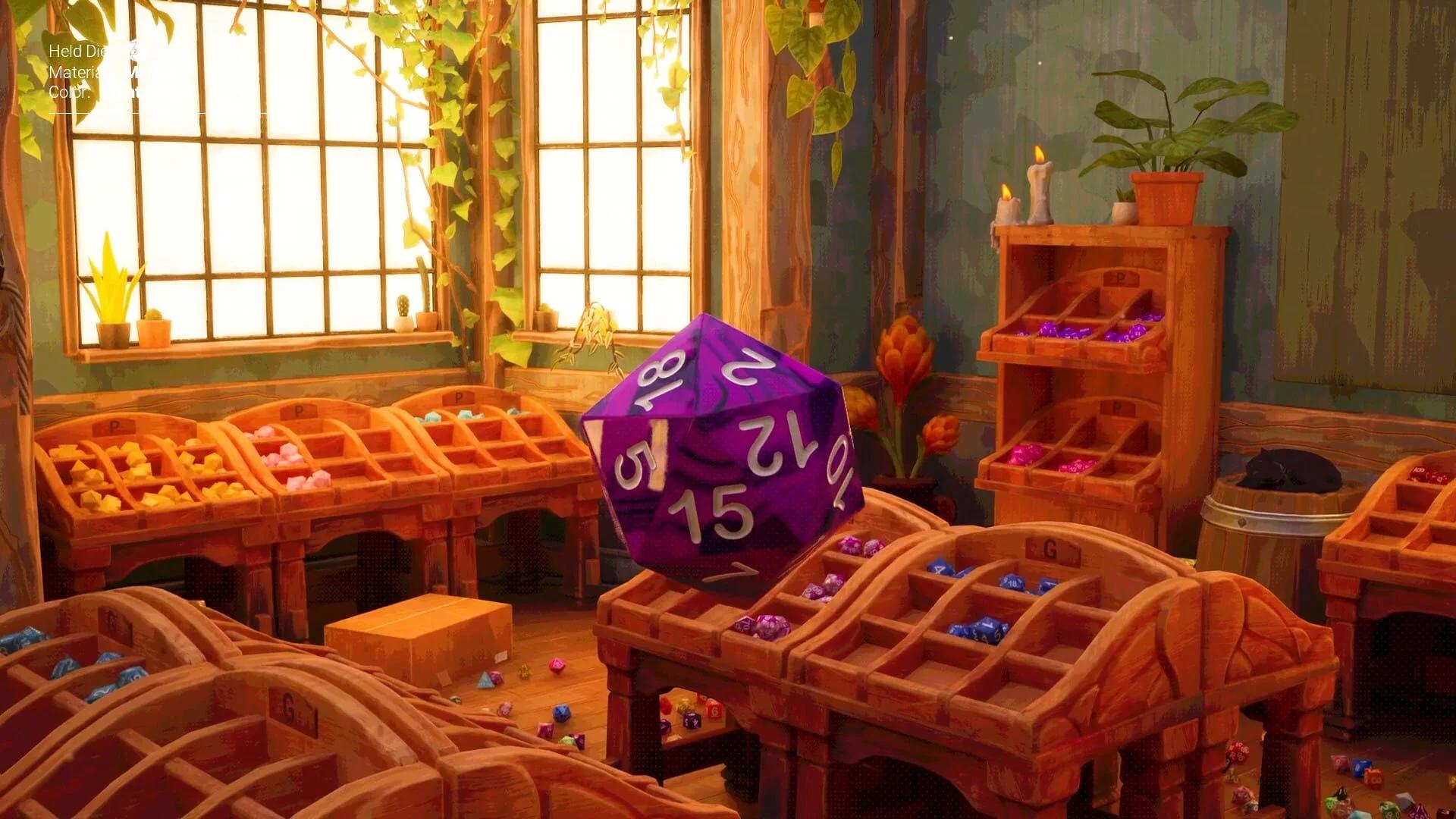
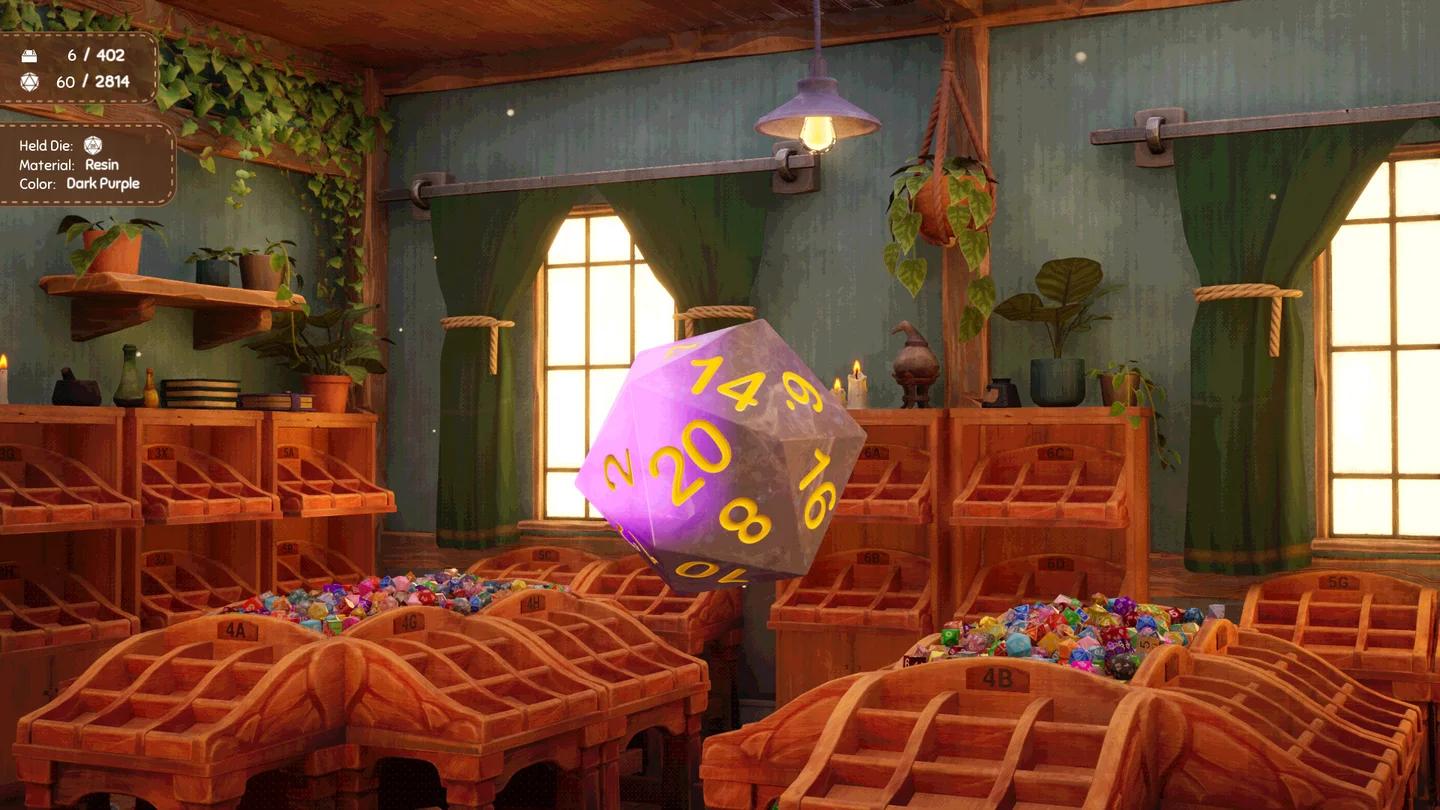
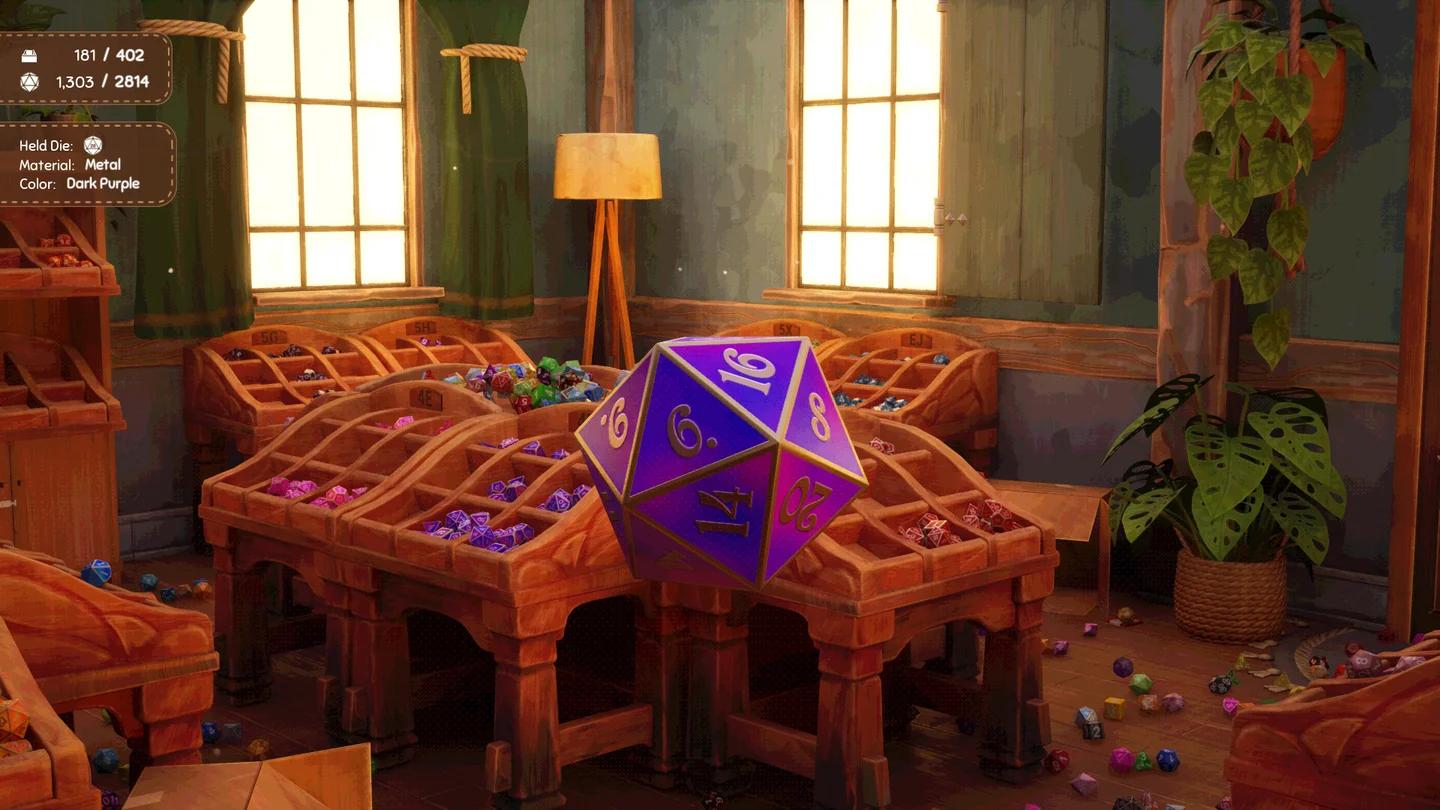
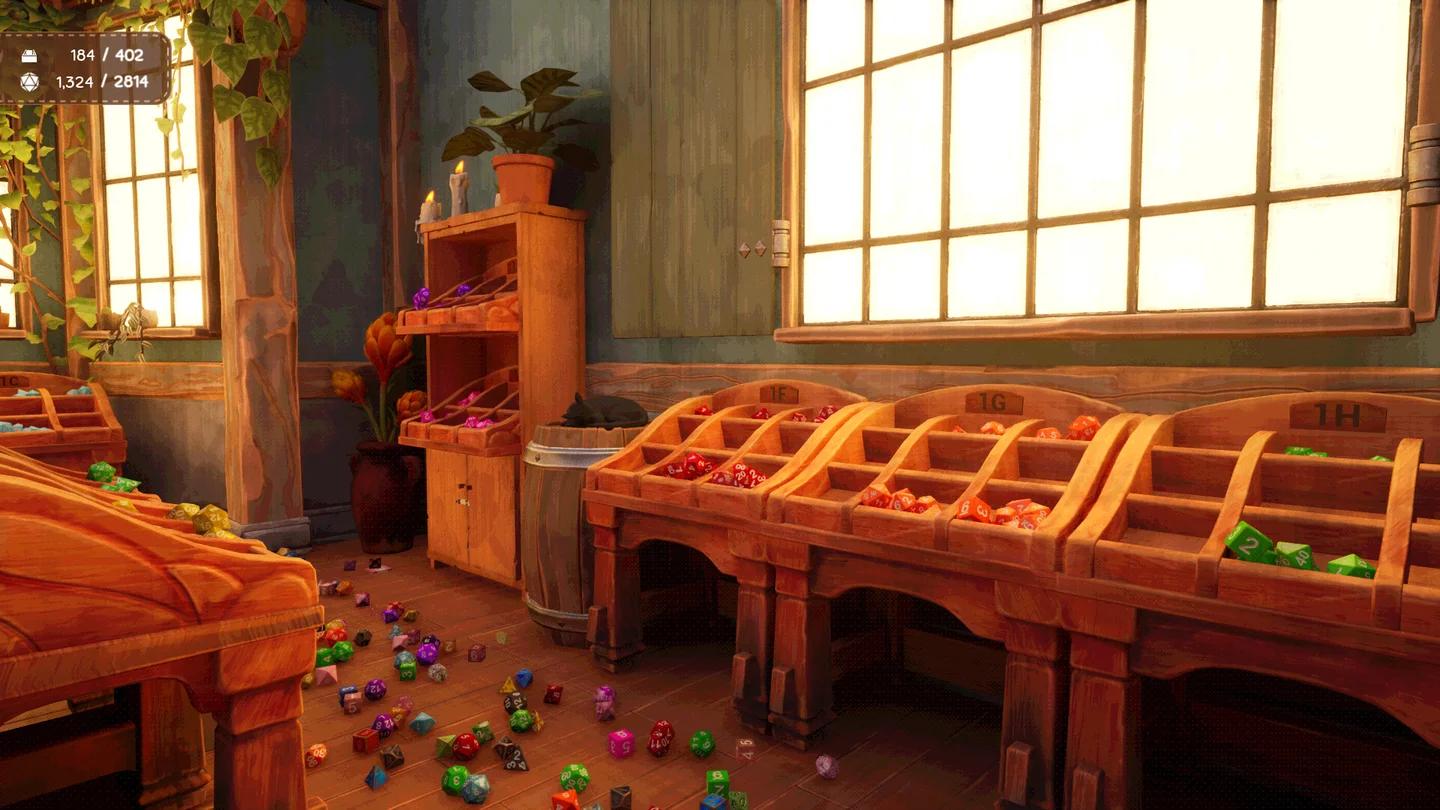
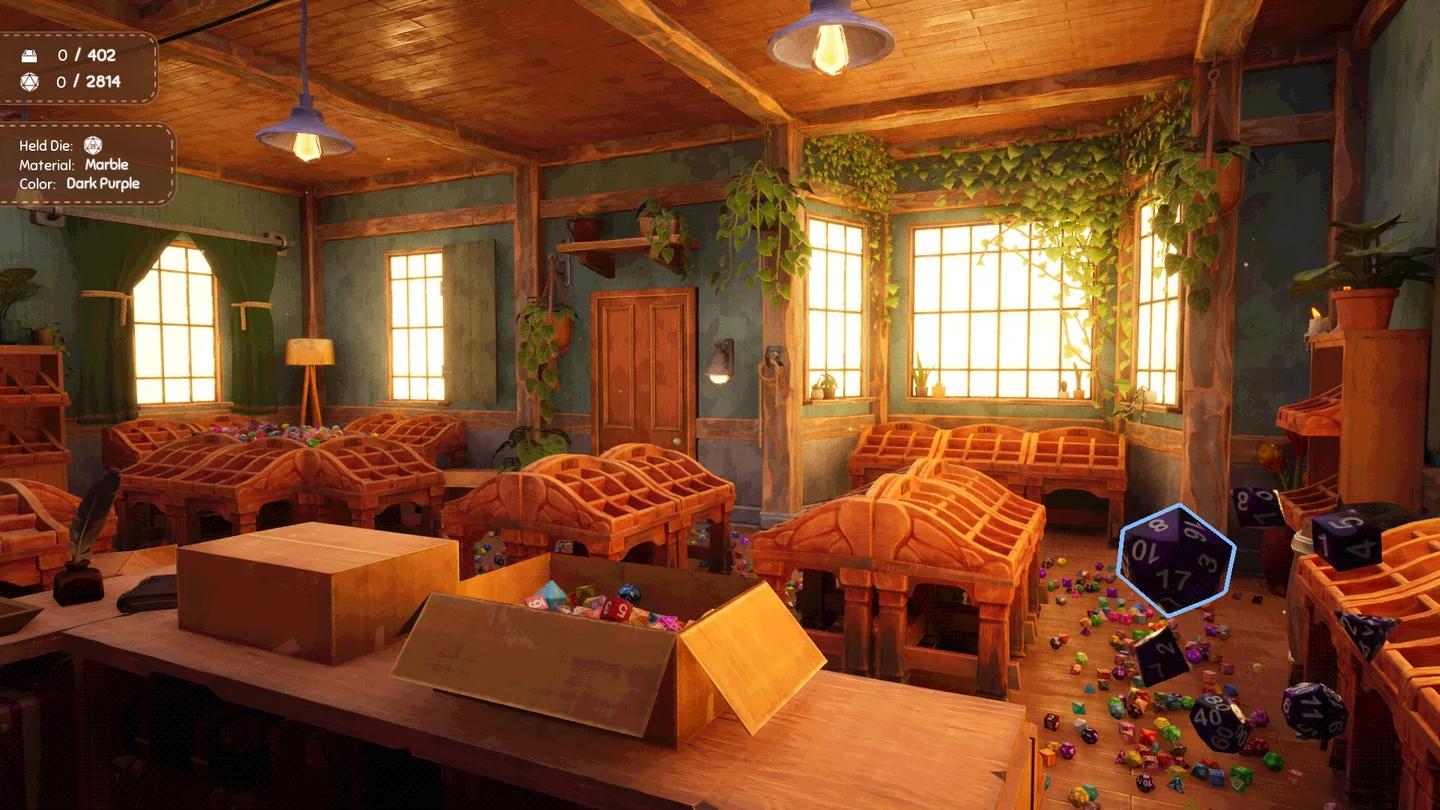
Dice Hoarder is a first-person organizing puzzle game developed and published by DieCorp Games for Windows on Steam. Its workplace is a dice shop, where restocking means picking through scattered objects and turning a disordered collection into finished stock.
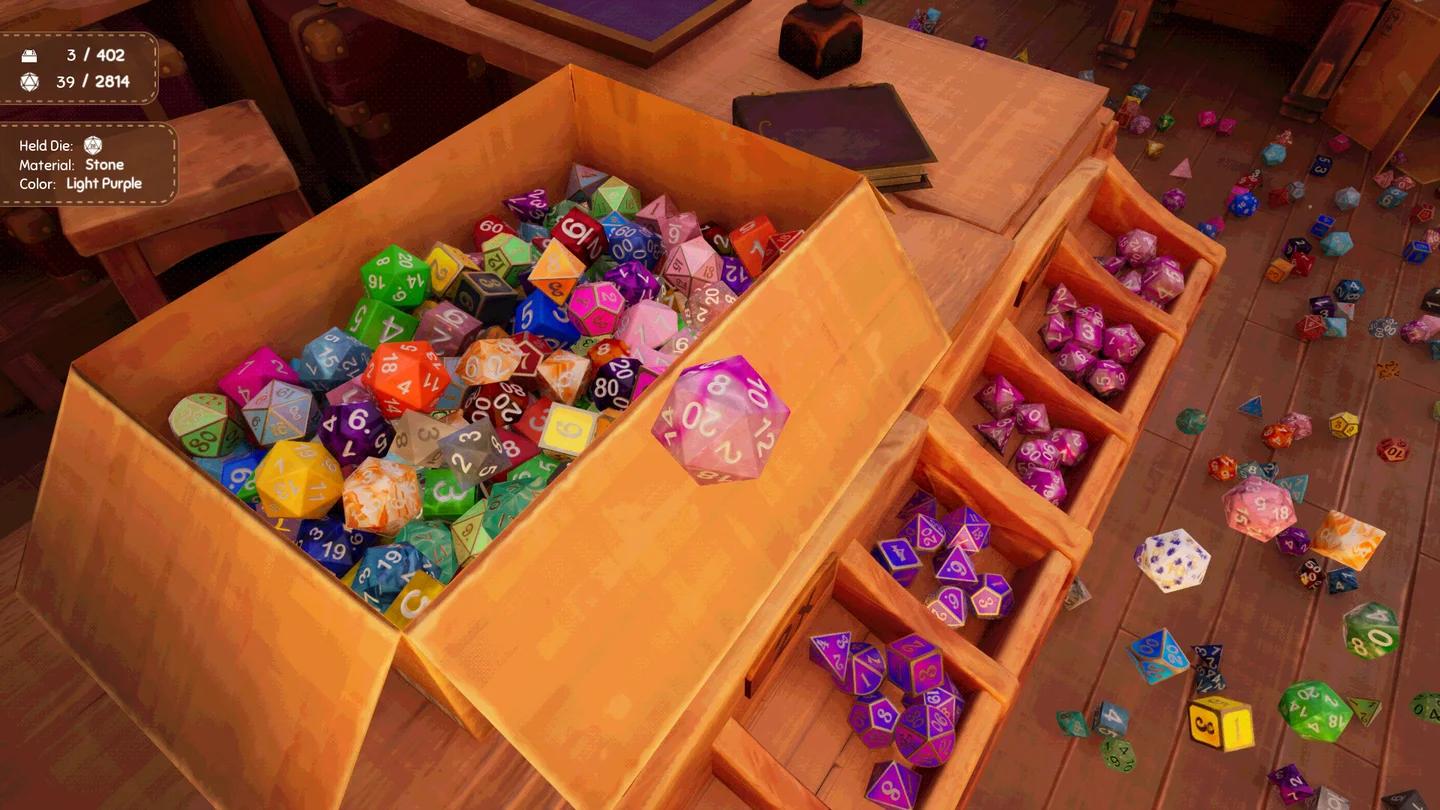
More than 400 sets account for thousands of individual dice. The size of that collection makes recognizing patterns as important as spotting a particular shape, while the shop setting turns each completed match into part of a larger organizing task.
What makes a complete dice set?
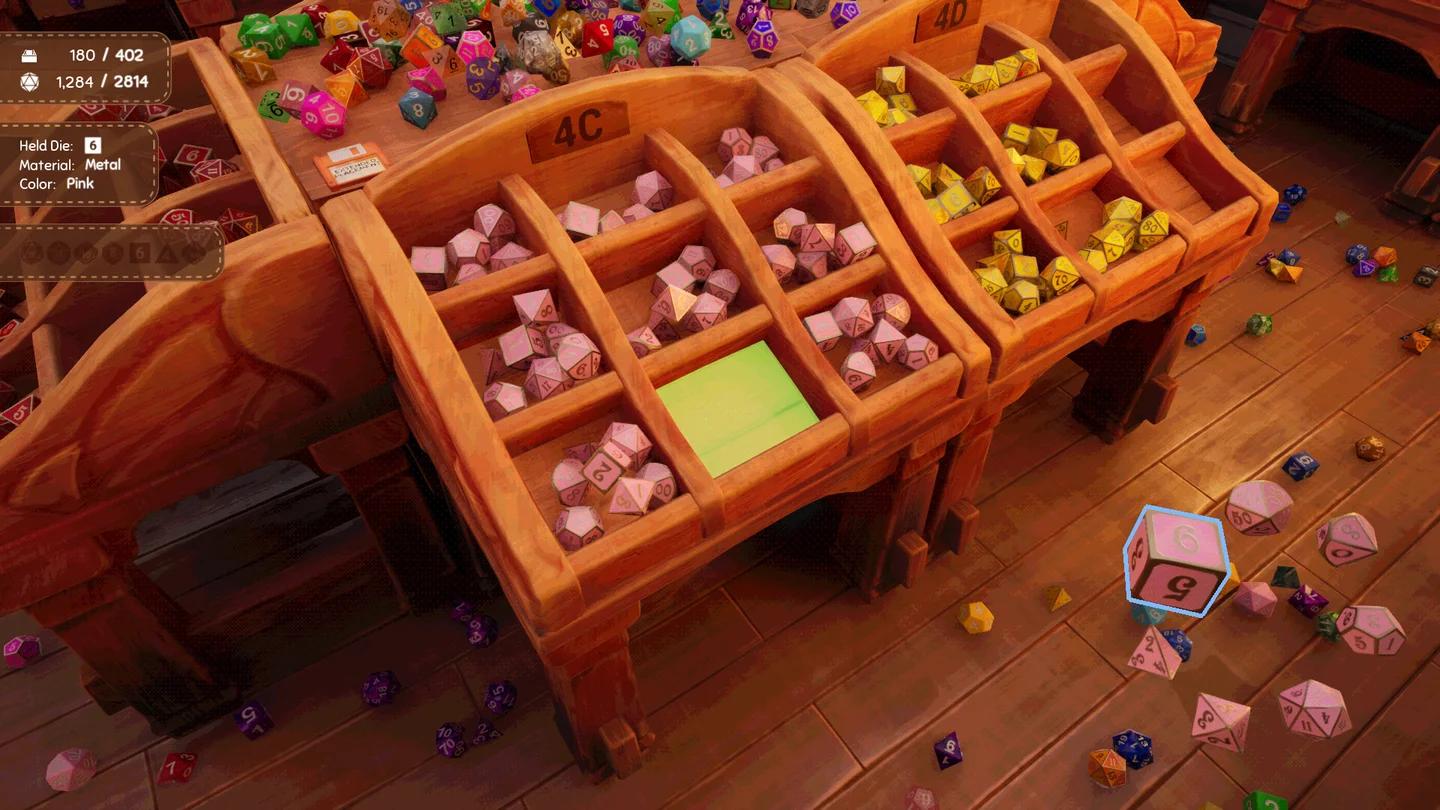
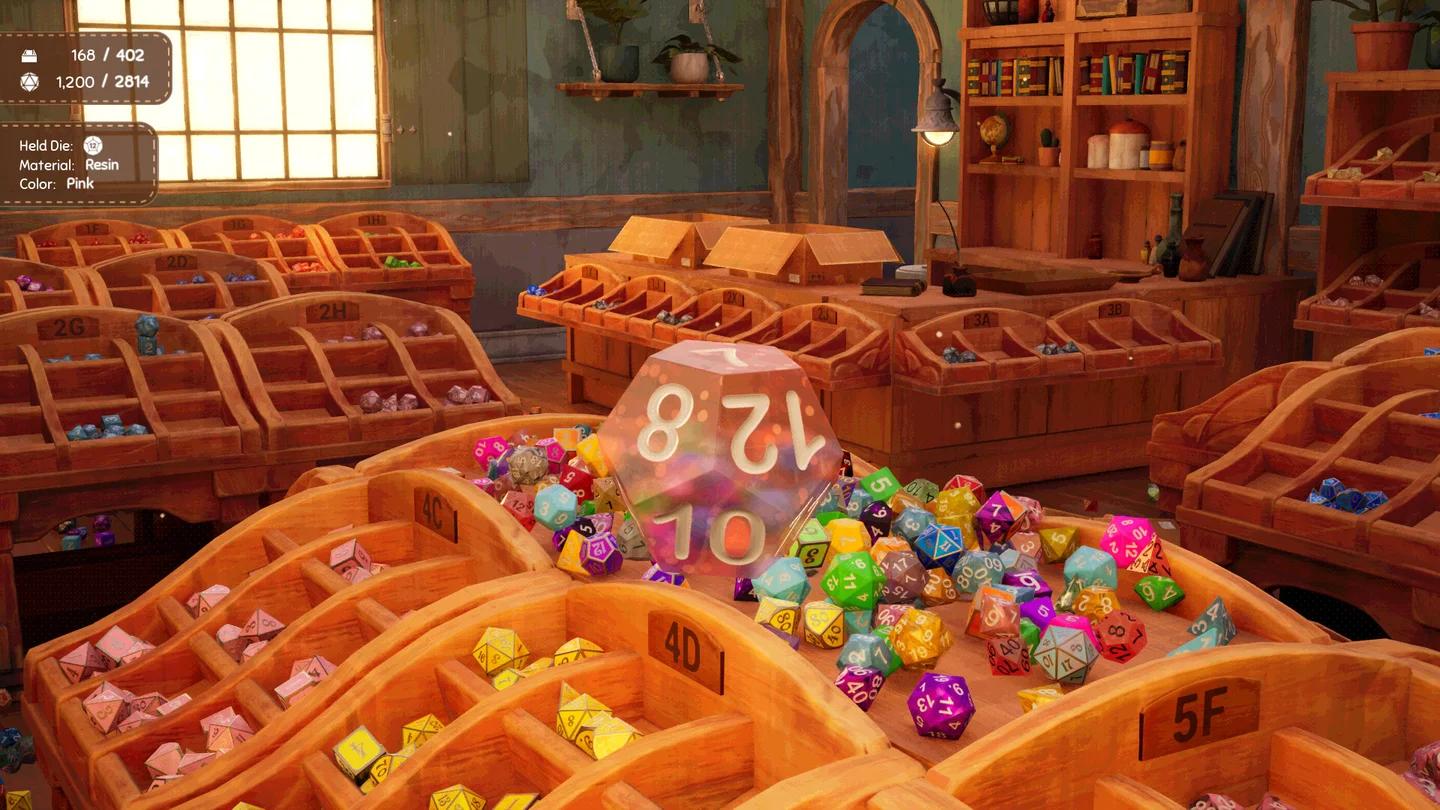
A complete set contains seven pieces: a percentile die, D4, D6, D8, D10, D12, and D20. A group with the right appearance still needs that full assortment, so counting pieces alone does not solve the puzzle.
- Compare colors and materials
- Examine individual dice
- Identify missing die types
- Stock matching sets
The inspection process involves two checks: whether a die shares a set's design, and whether its shape fills a gap. A duplicate D6 cannot replace a missing D12. That requirement keeps the task from becoming just a color-matching exercise, giving each discovery a specific place within the collection.
Story shifts or uninterrupted organizing
Story Mode advances through workdays. Each shift requires a particular value of dice to be stocked before the next day begins, and there are no timers. Players can search the shop carefully and plan which groups to finish without a countdown pushing them toward hurried decisions.
Chill Mode provides one uninterrupted, story-free organizing experience. Choosing between the modes determines whether the sorting follows a sequence of workdays or remains a continuous activity without narrative interruptions.
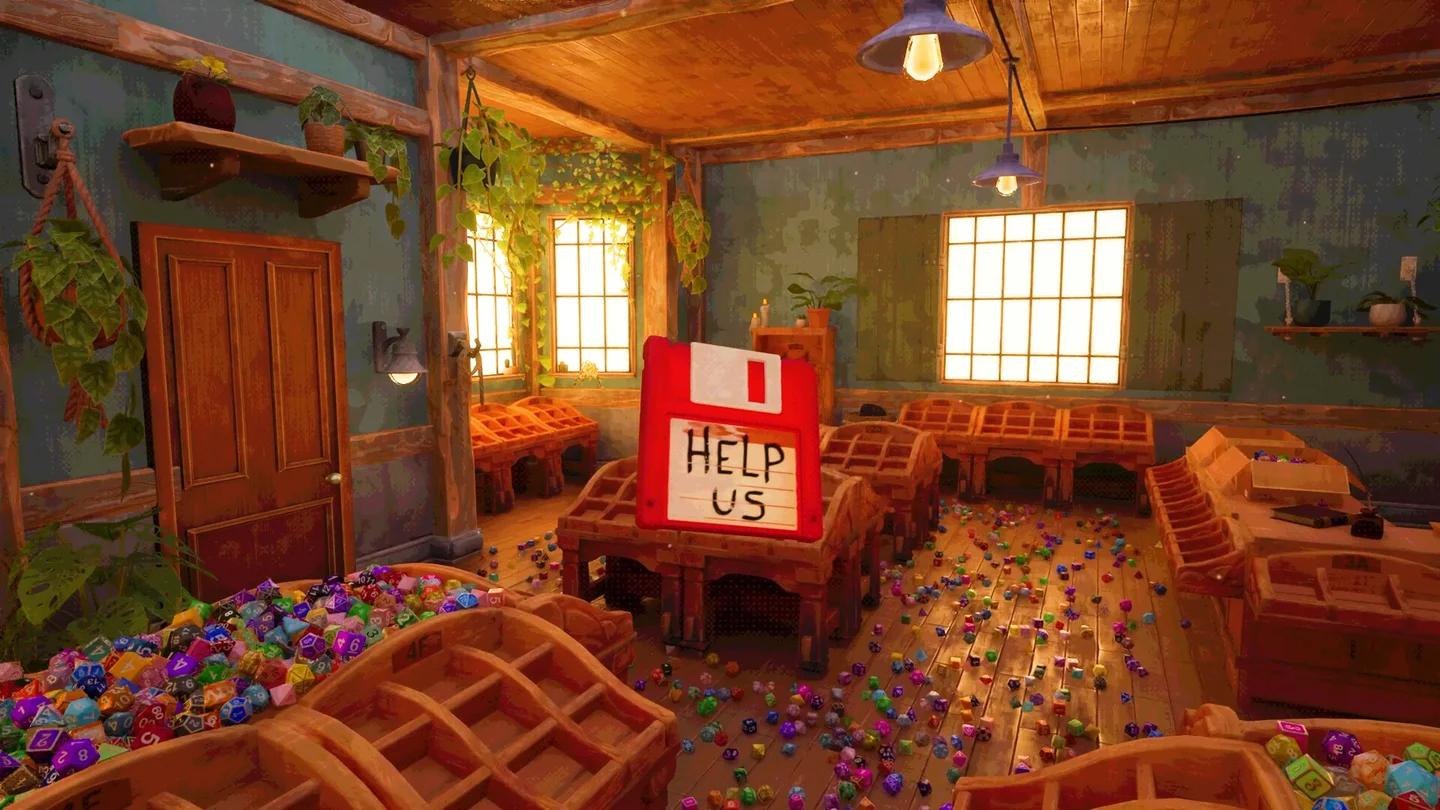
Floppy disks appear as the days pass and unlock special abilities. These powers can locate the remaining dice needed for a set or draw them directly into the character's hand, reducing the searching and handling involved in completing a group.
A quiet shop with a mystery
The player starts with little information about the employer, and clues found across shifts develop the workplace mystery. The unexplained arrival of the disks connects a practical source of help with the question of who is behind the job.
Audio supports the slower pace through a relaxing original soundtrack and the click-clack of handled dice. These object sounds supply an ASMR element, emphasizing individual movements within a task that involves sorting thousands of small pieces.
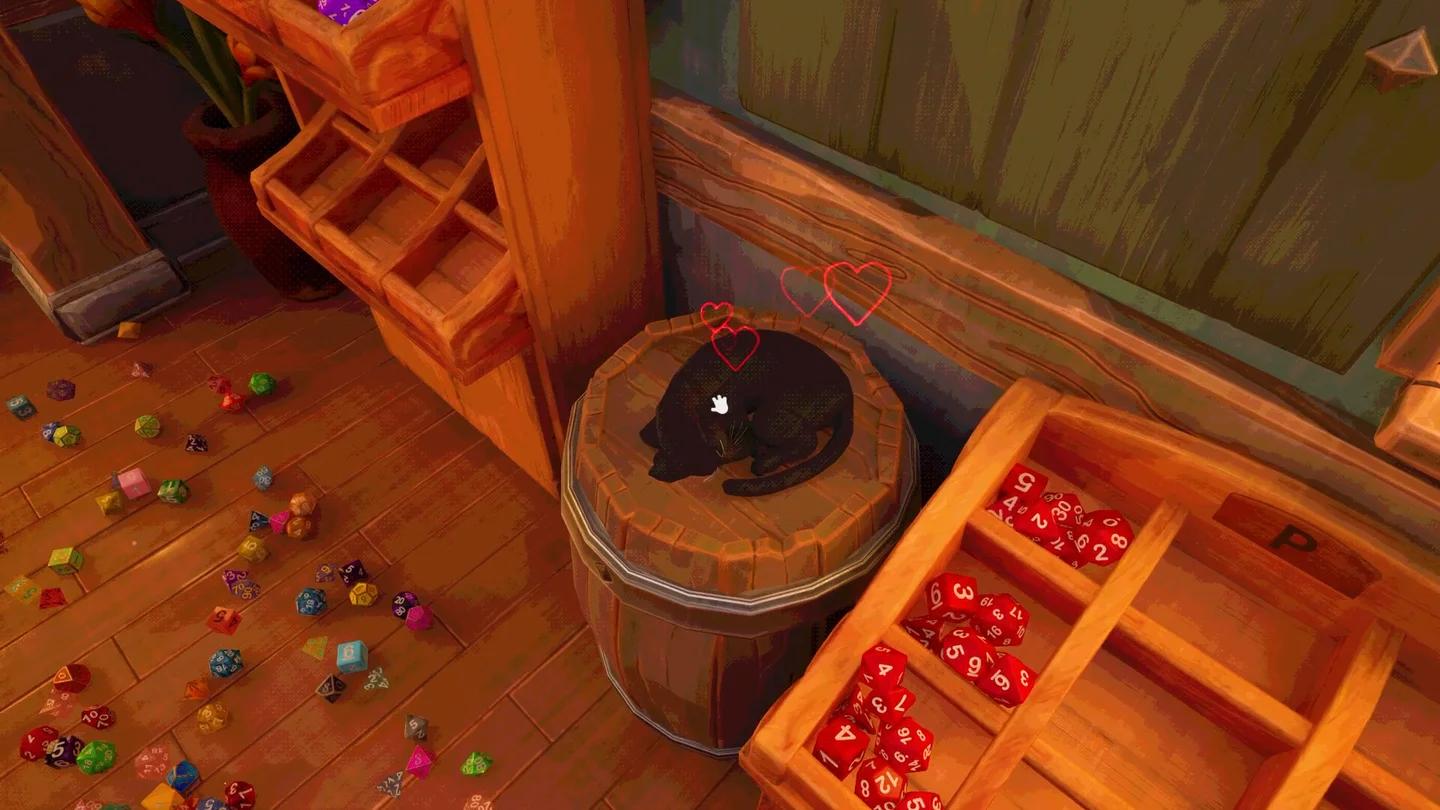
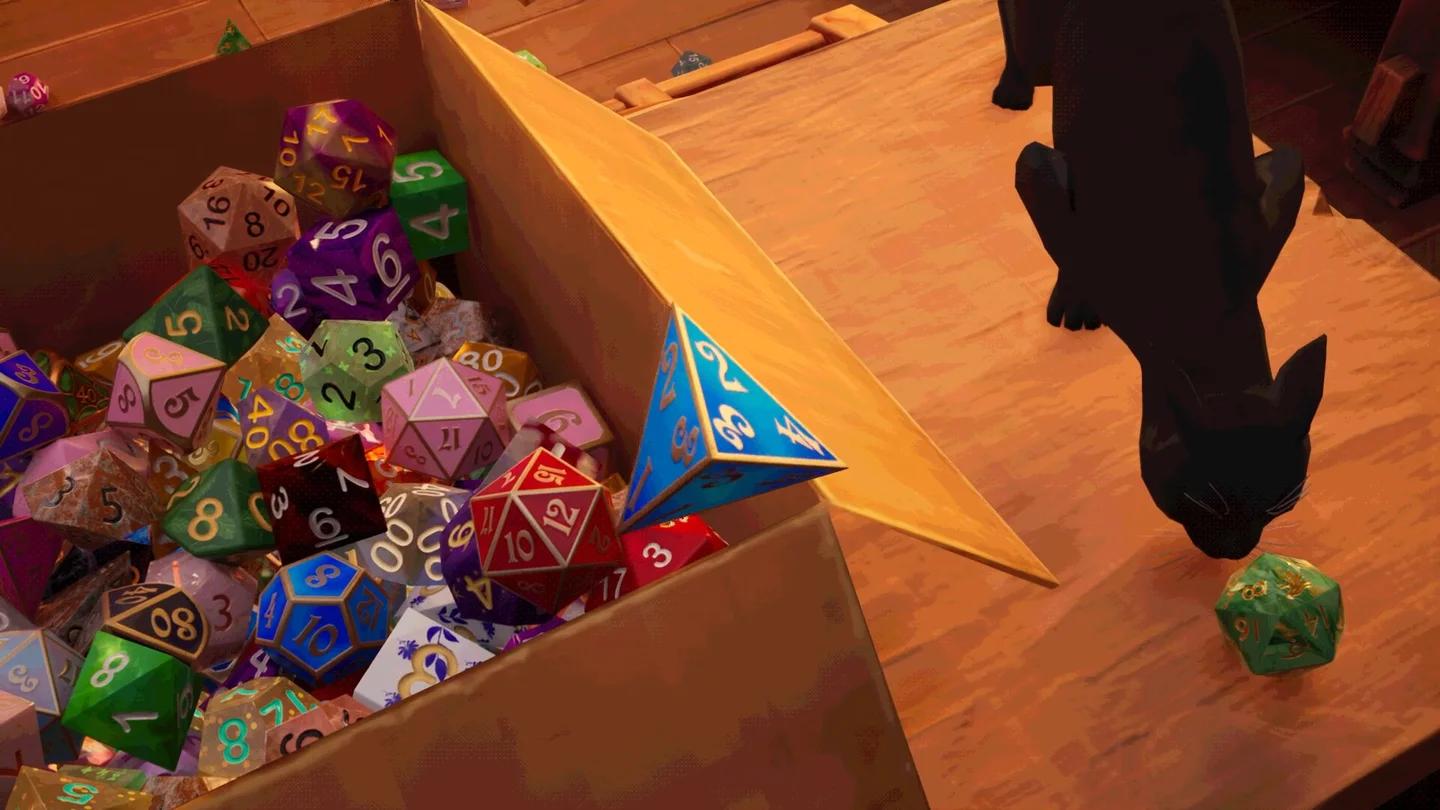
A cat also shares the shop with its magical dice. Those details place the setting between a comfortable workplace and something stranger, while the cozy puzzle gameplay stays grounded in a concrete task: finding the piece that completes a set.