Advertisement


Overview
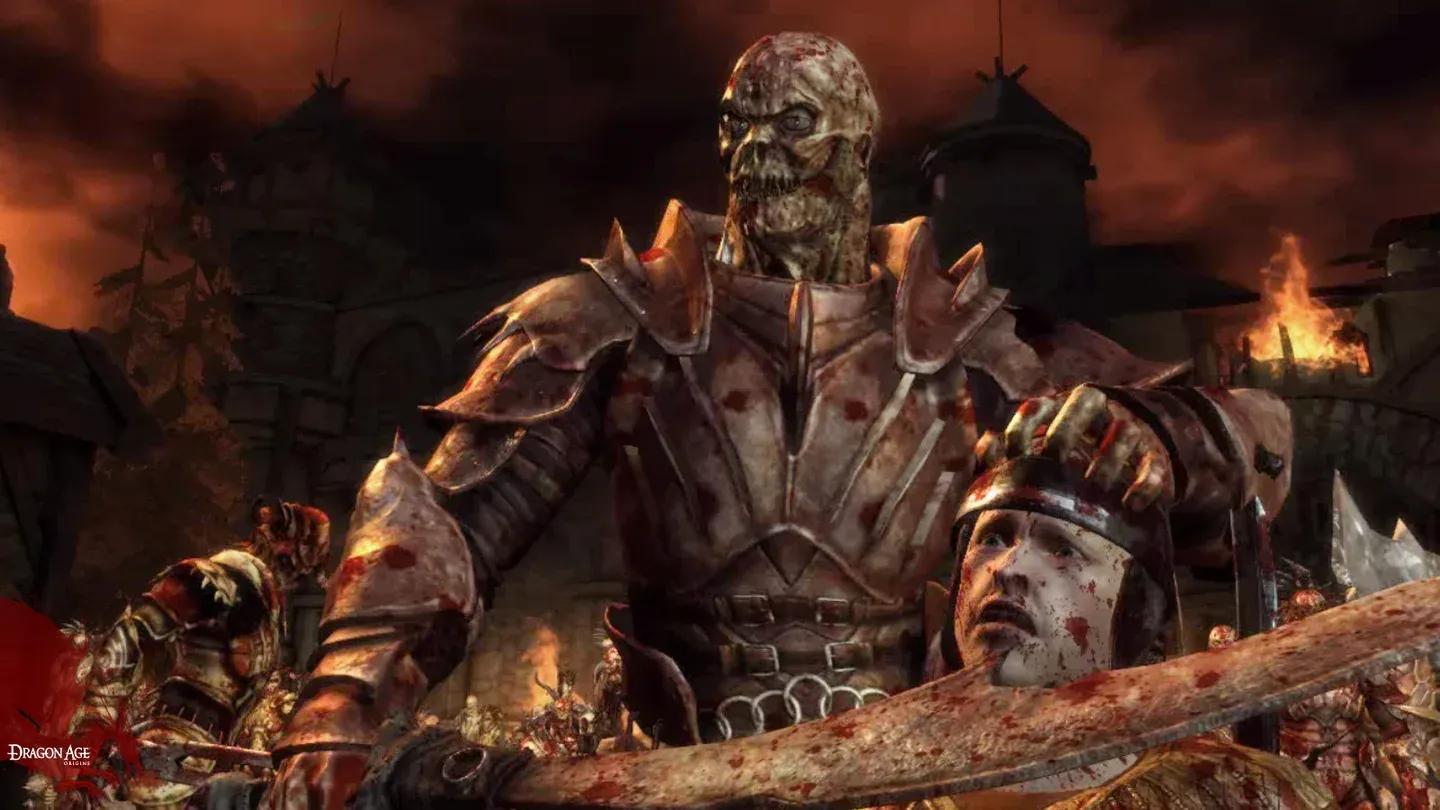
Dragon Age: Origins puts players in the role of a Grey Warden, the last line of defense against a darkspawn horde commanded by an Archdemon threatening to consume the kingdom of Ferelden. The game draws a direct line from the classic BioWare tradition of Baldur's Gate and Neverwinter Nights, building a dark fantasy RPG around reactive storytelling, tactical combat, and a companion system that rewards genuine investment.
The scope here is substantial. BioWare estimates over 80 hours of content across the main campaign and side quests, spread across dozens of distinct environments ranging from underground dwarven cities to plague-ridden forests. The world feels lived-in because the writing treats it that way, with factions, histories, and tensions that exist whether the player pays attention to them or not.
Dragon Age: Origins content image
Six origin stories: does your background actually matter?
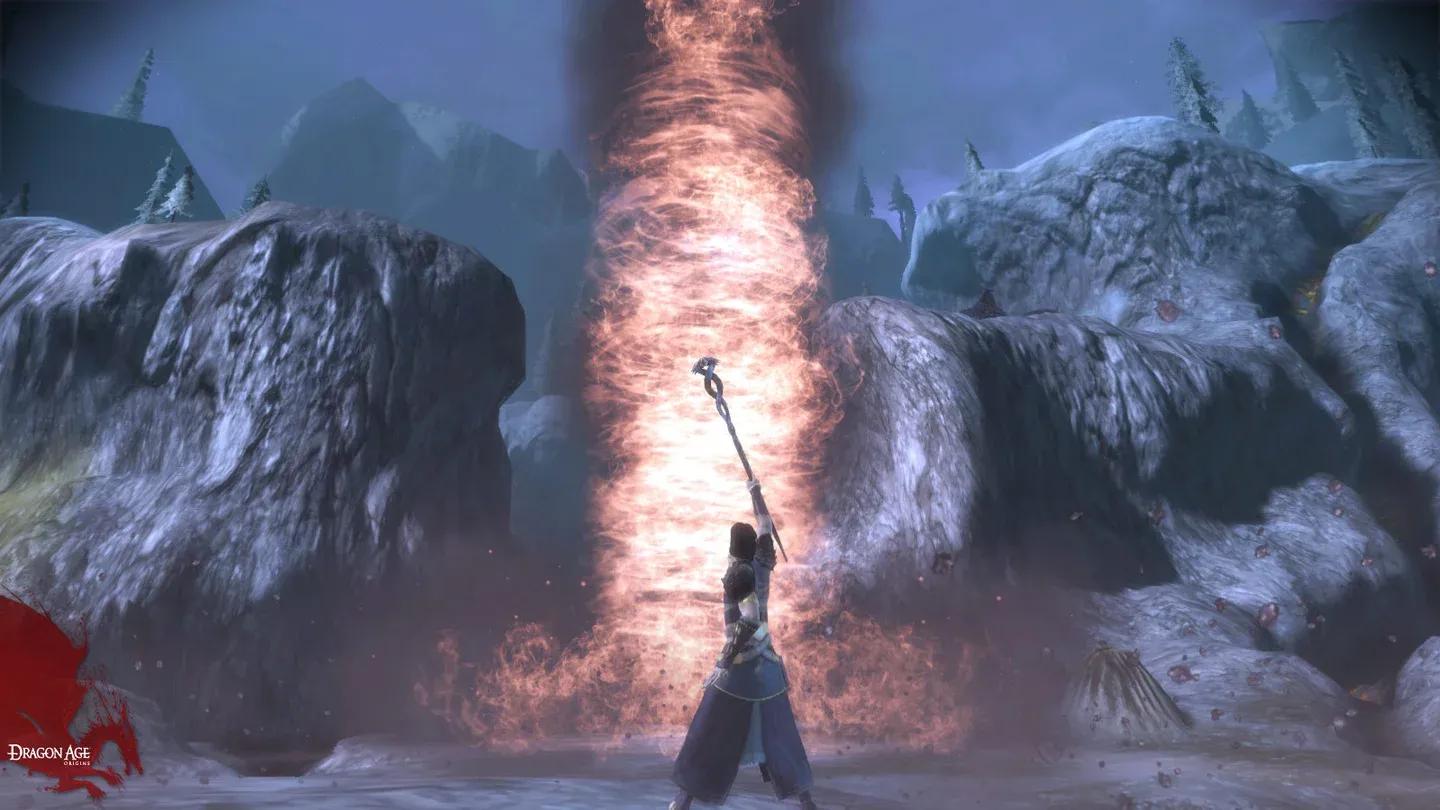
Yes, and meaningfully so. Dragon Age: Origins opens with one of six unique prologues tied to the player's chosen race and class combination, whether human noble, city elf, Dalish elf, dwarven commoner, dwarven noble, or mage. Each prologue is a self-contained story that establishes who the character is before the Grey Warden recruitment, and those backgrounds resurface throughout the main game in dialogue, NPC reactions, and quest outcomes.
Dragon Age: Origins content image
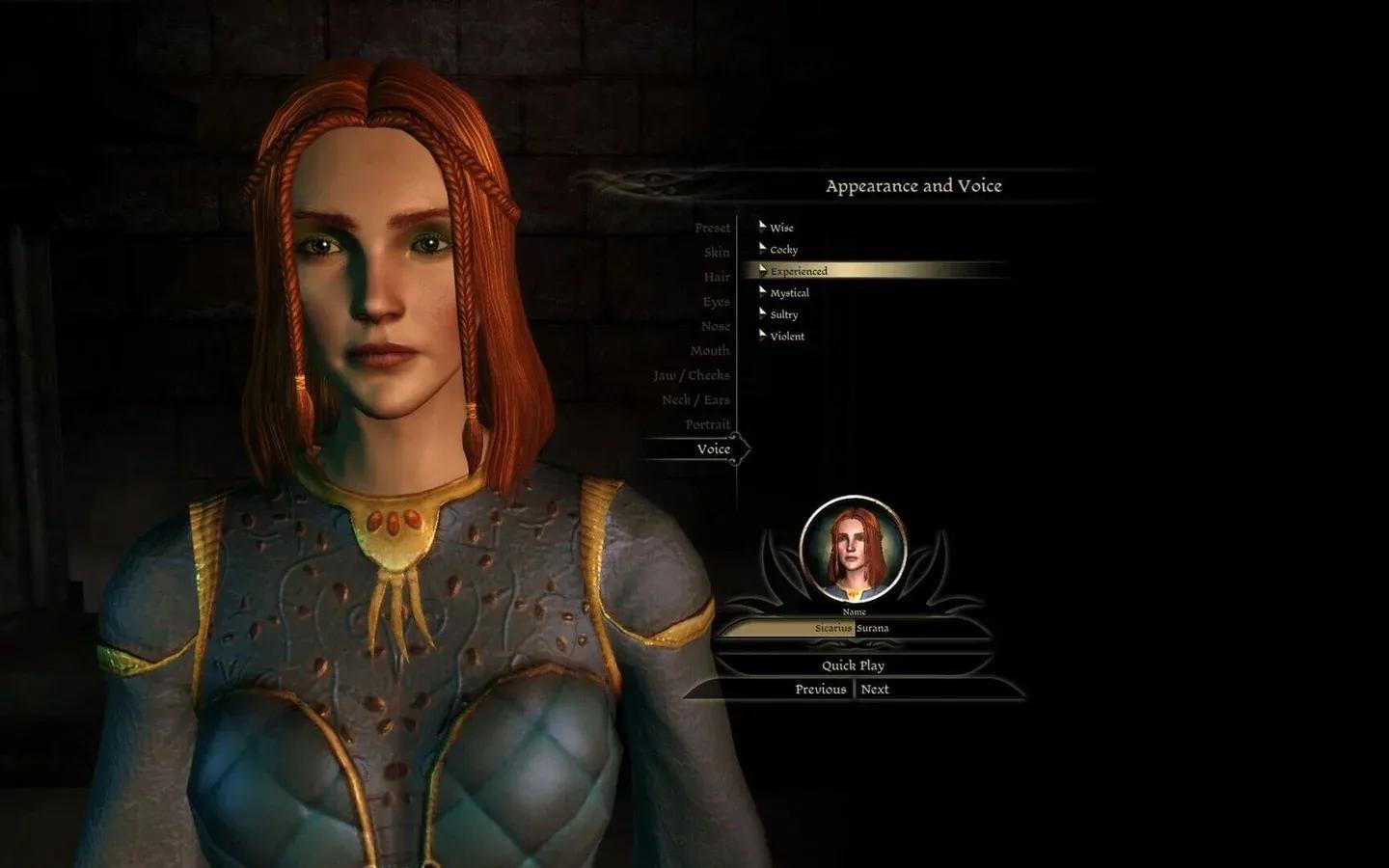
Key character creation options include:
- 3 playable races (human, elf, dwarf)
- 3 base classes (warrior, rogue, mage)
- 6 distinct origin prologues
- Over 100 spells and skills across talent trees
- Companion approval system that shapes relationships
This means two playthroughs with different origin choices genuinely feel like different games in their opening hours, and the ripple effects carry forward.
Tactical combat and the pause system
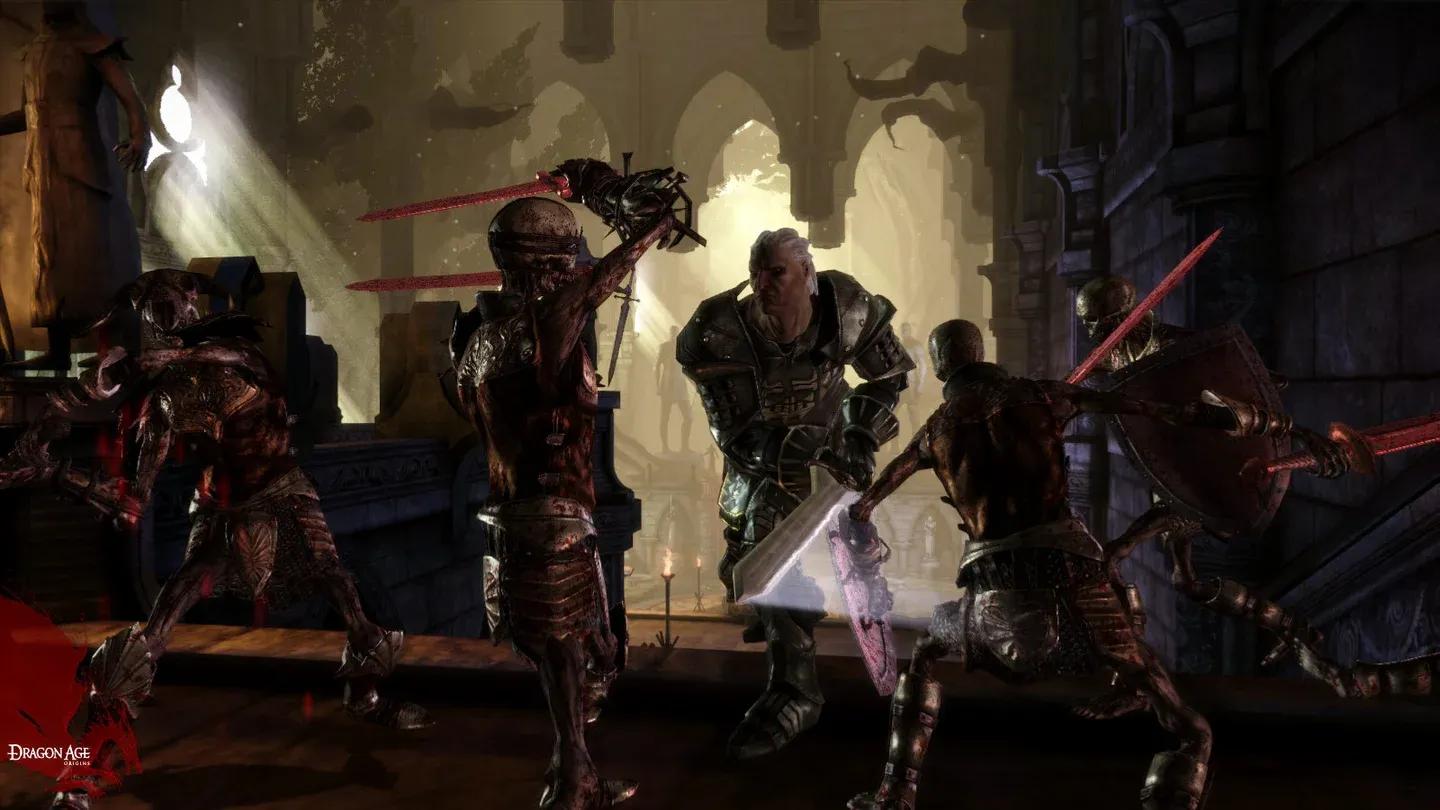
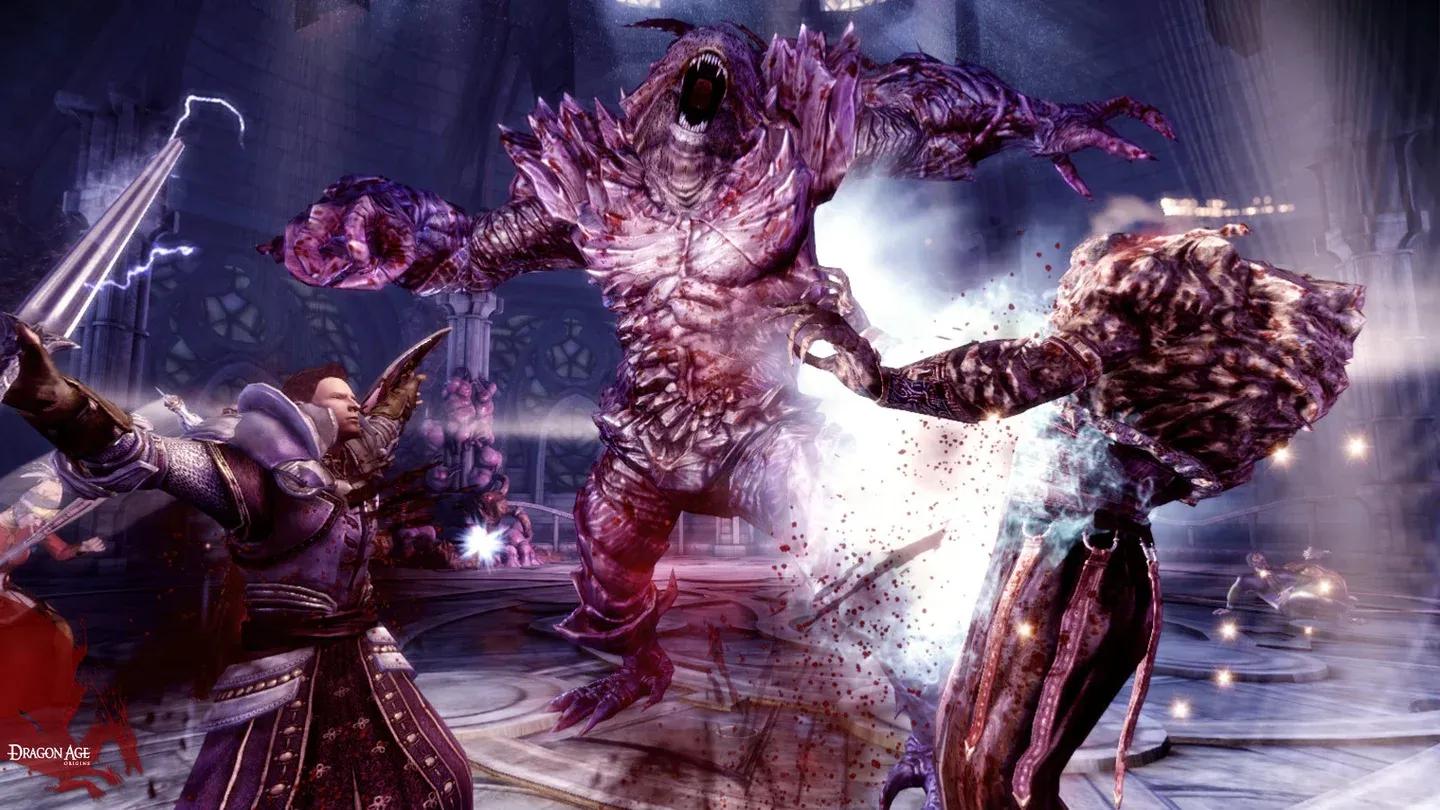
Combat in Dragon Age: Origins runs in real time but can be paused at any moment to issue orders, queue abilities, and reassess positioning. On PC, a pulled-back tactical camera gives a near-isometric view of the battlefield, making the system feel closest to its classic RPG roots. The AI tactics editor lets players program companion behavior in granular detail, specifying conditions and responses for every party member.
Dragon Age: Origins content image
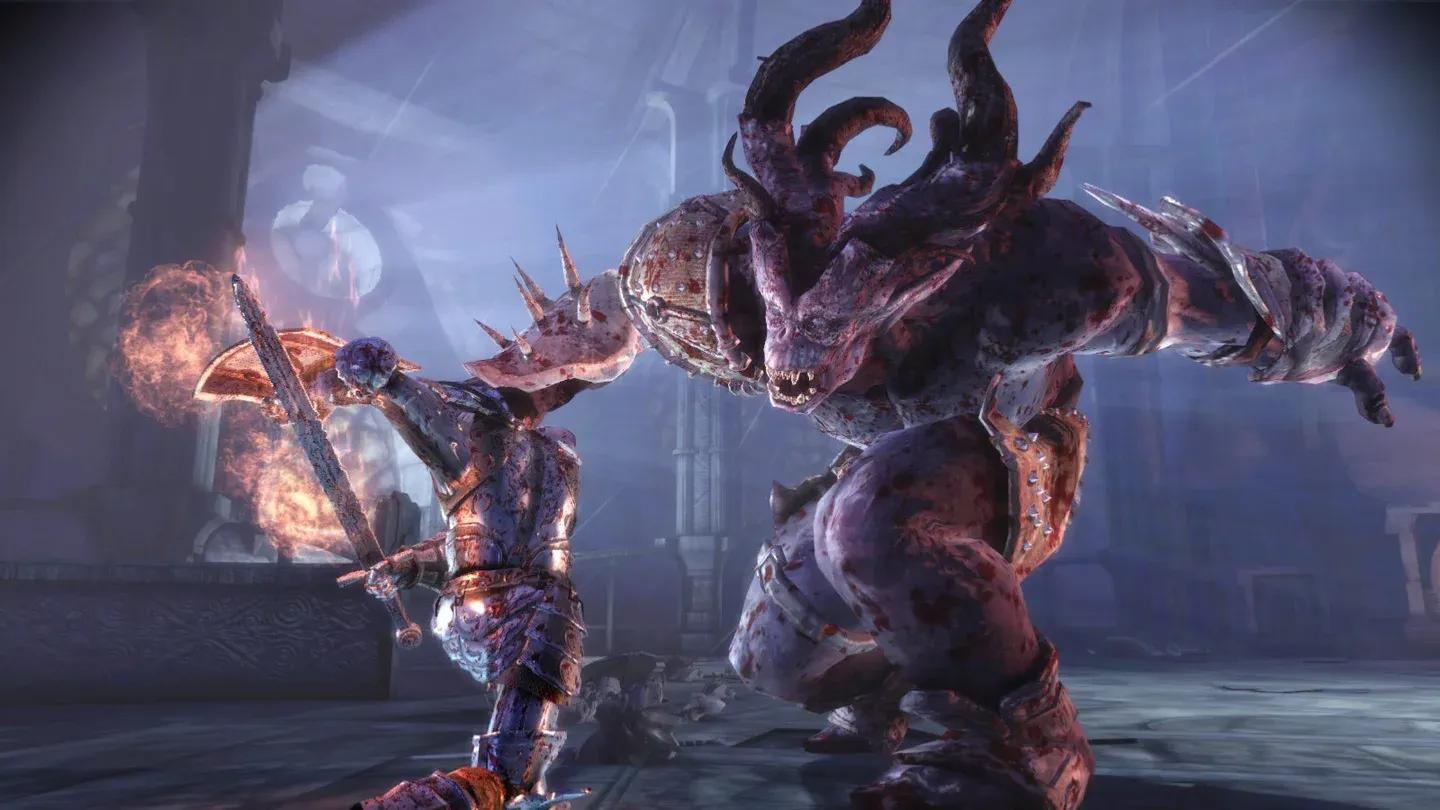
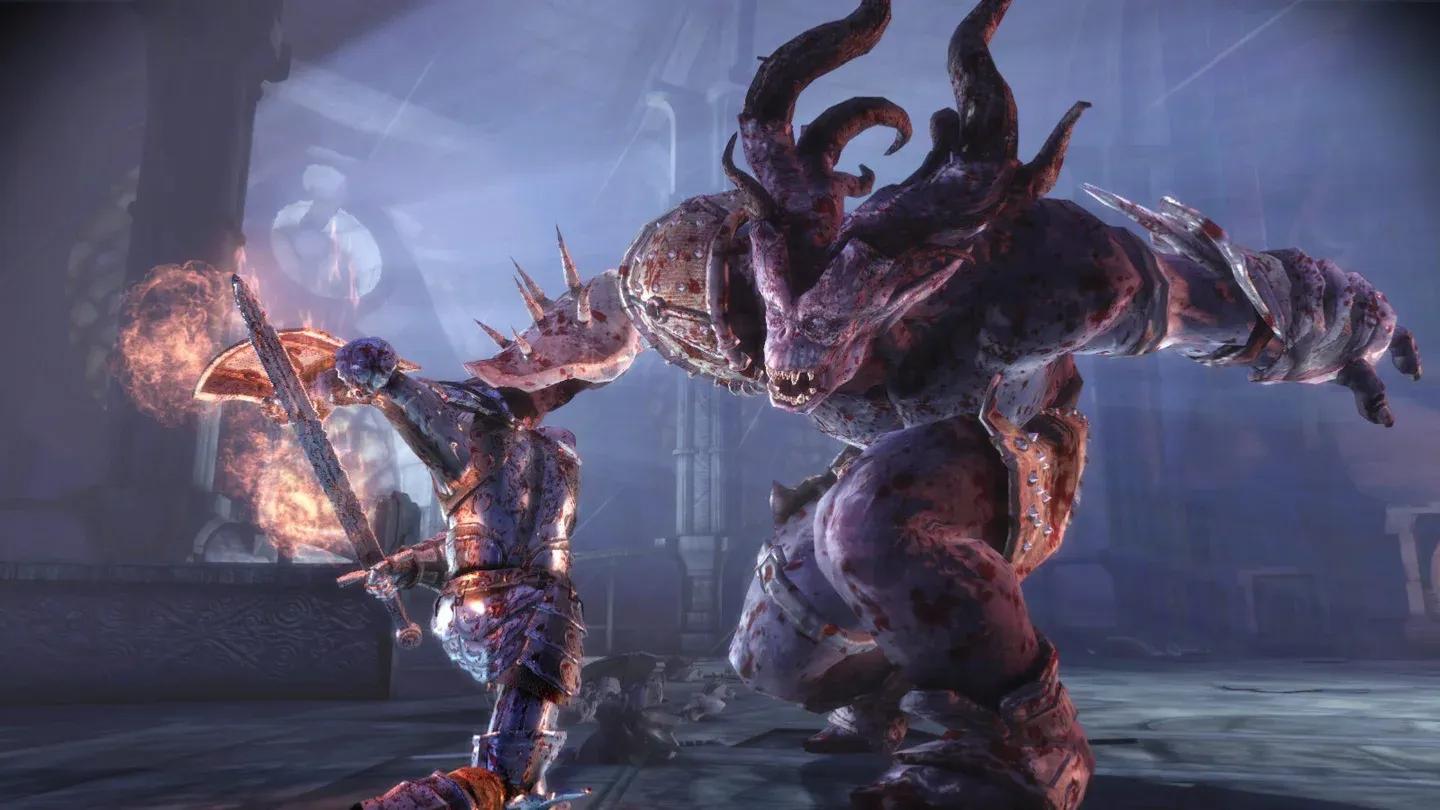
Fights against larger enemies and boss encounters demand actual preparation. Friendly fire on higher difficulties means spell combos that devastate enemies can also down allies, so party composition and positioning matter in ways a simple action RPG never requires. The combat earns its reputation for being demanding without being obtuse.
Moral weight without a morality meter
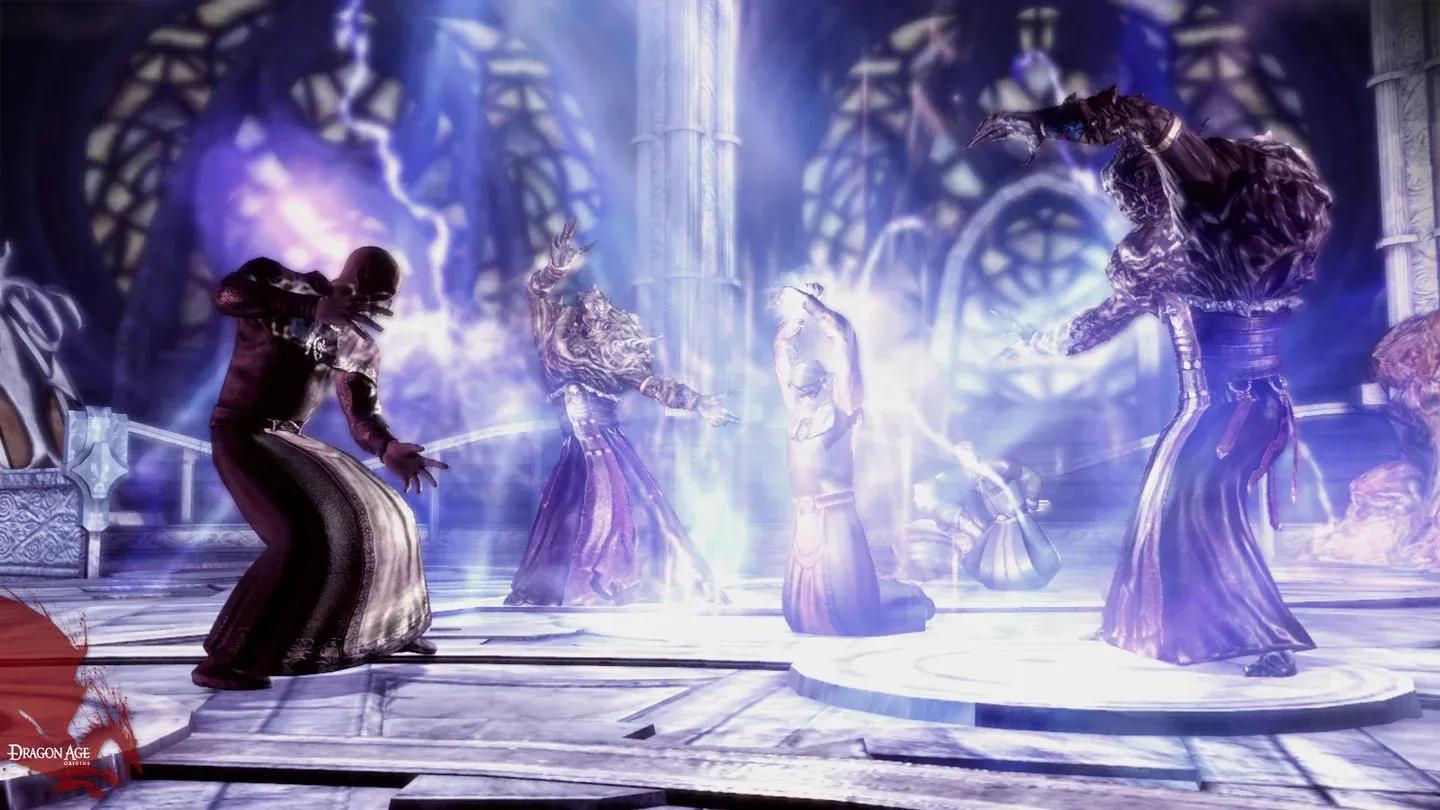
The choices in Dragon Age: Origins do not get sorted into good and evil columns. The game presents situations involving genocide, blood magic, political betrayal, and the sacrifice of innocents, then lets players decide without assigning a karma score. Consequences arrive through story outcomes, companion reactions, and world-state changes rather than a sliding moral indicator.
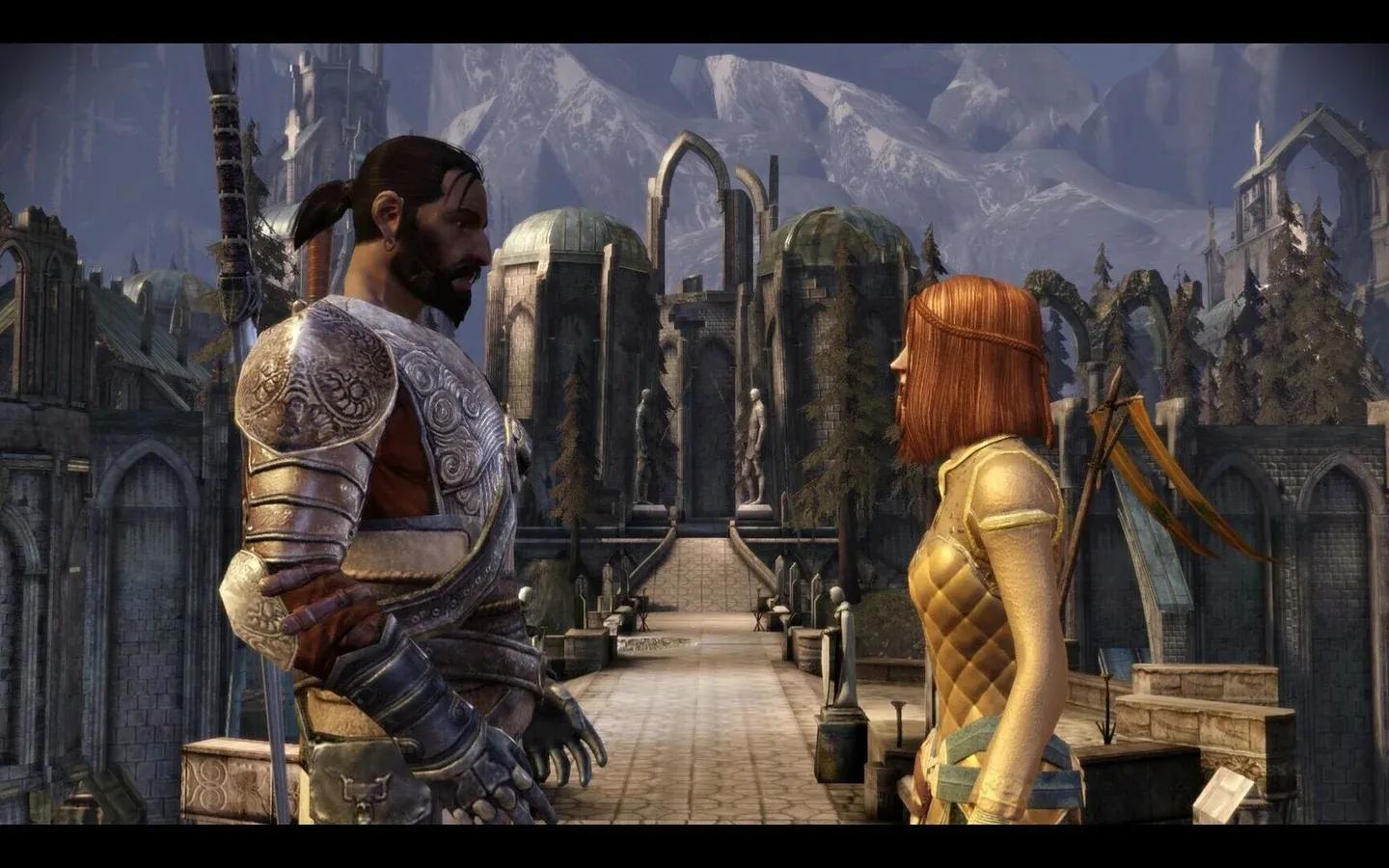
This extends to the companion system, where characters like Morrigan, Alistair, and Leliana have their own convictions and will leave or turn hostile if pushed far enough against their values. Building those relationships, or burning them, shapes the ending in concrete ways.
Content and replayability
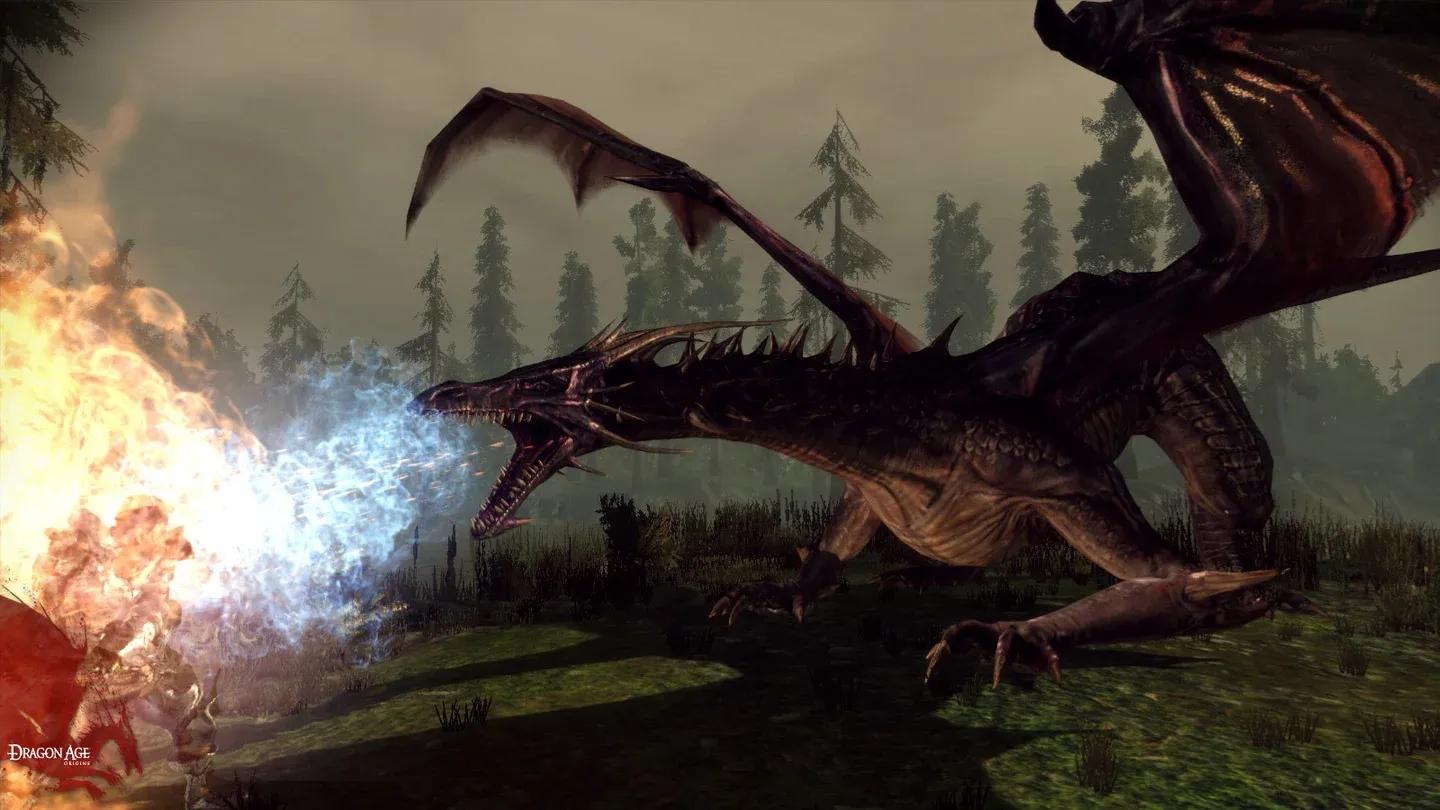
The Stone Prisoner DLC adds Shale, a stone golem companion with full voice acting and a dedicated questline, alongside the village of Honnleath and new items. The Blood Dragon Armor set provides cosmetic and combat bonuses from the start. Between the six origin stories, three class paths, and branching major quest resolutions, Dragon Age: Origins holds up as one of the most replayable single-player RPGs in BioWare's catalog. The decisions made in the final hours, particularly around the archdemon confrontation, are shaped entirely by the relationships built and alliances forged across the full campaign, making each run feel like a distinct playthrough rather than a repeated one.
Dragon Age: Origins content image