Overview
Neverwinter Nights is a third-person RPG developed by BioWare and originally released on June 18, 2002. Built on the Forgotten Realms campaign setting, the game runs on Dungeons and Dragons 3rd edition rules, translating tabletop mechanics like ability checks, saving throws, and spell slots directly into real-time-with-pause combat. The result is one of the most faithful D&D adaptations ever made, with enough mechanical depth to reward players who actually read the rulebook.
The Enhanced Edition, developed by Beamdog, brings the game to modern platforms including PC, PlayStation, Xbox, Nintendo Switch, iOS, and Android. It carries an ESRB Mature rating for blood and gore, sexual themes, and violence, and supports up to 64 players online.
Neverwinter Nights content image
Gameplay and mechanics
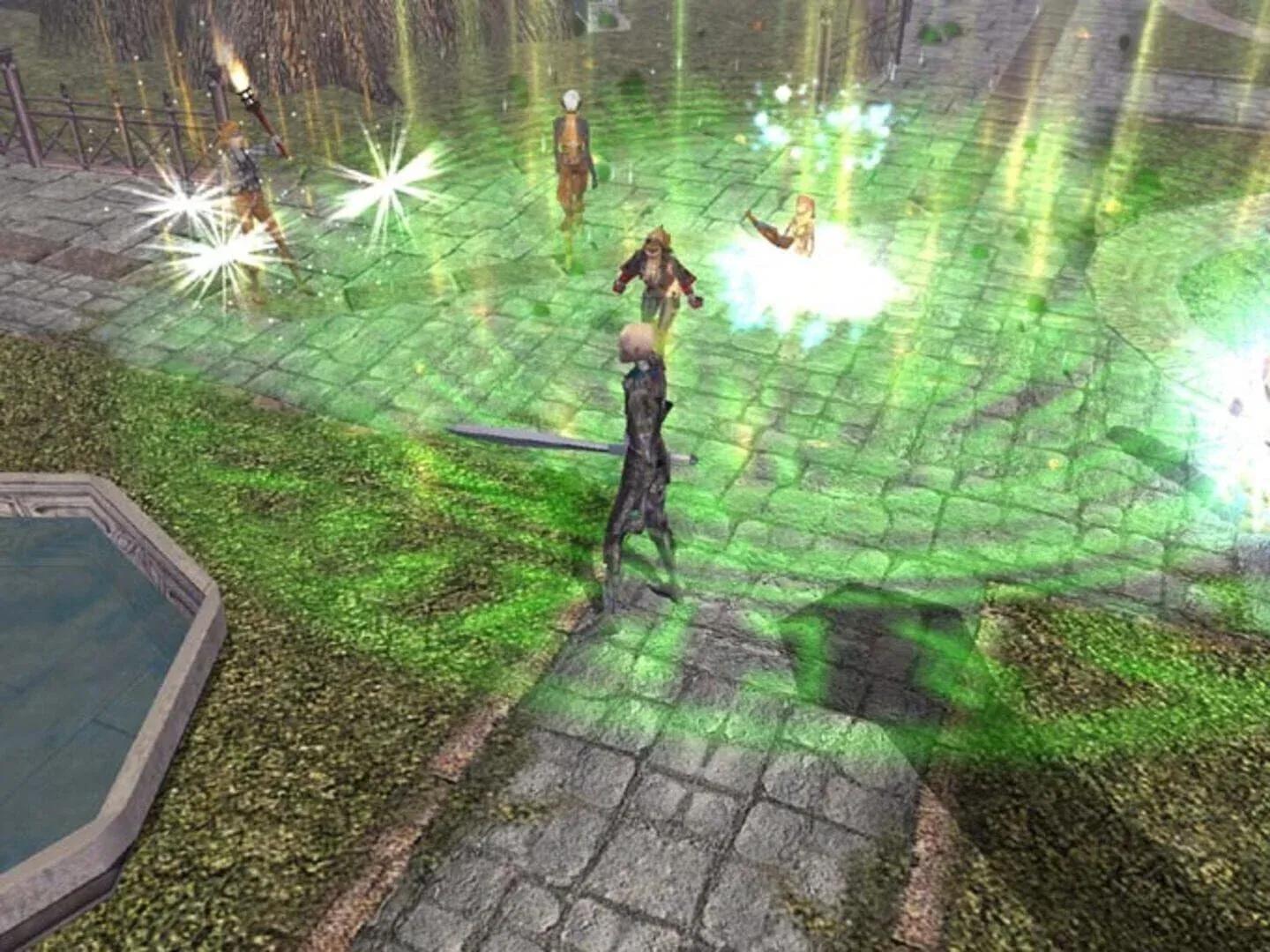
The core gameplay loop centers on character building and tactical combat. You choose from a wide range of races and classes drawn straight from the D&D 3rd edition Player's Handbook, then develop your character through a traditional experience-point progression system. Every level gained opens up new feats, skills, and spell selections.
Neverwinter Nights content image
Key mechanics that define the experience:
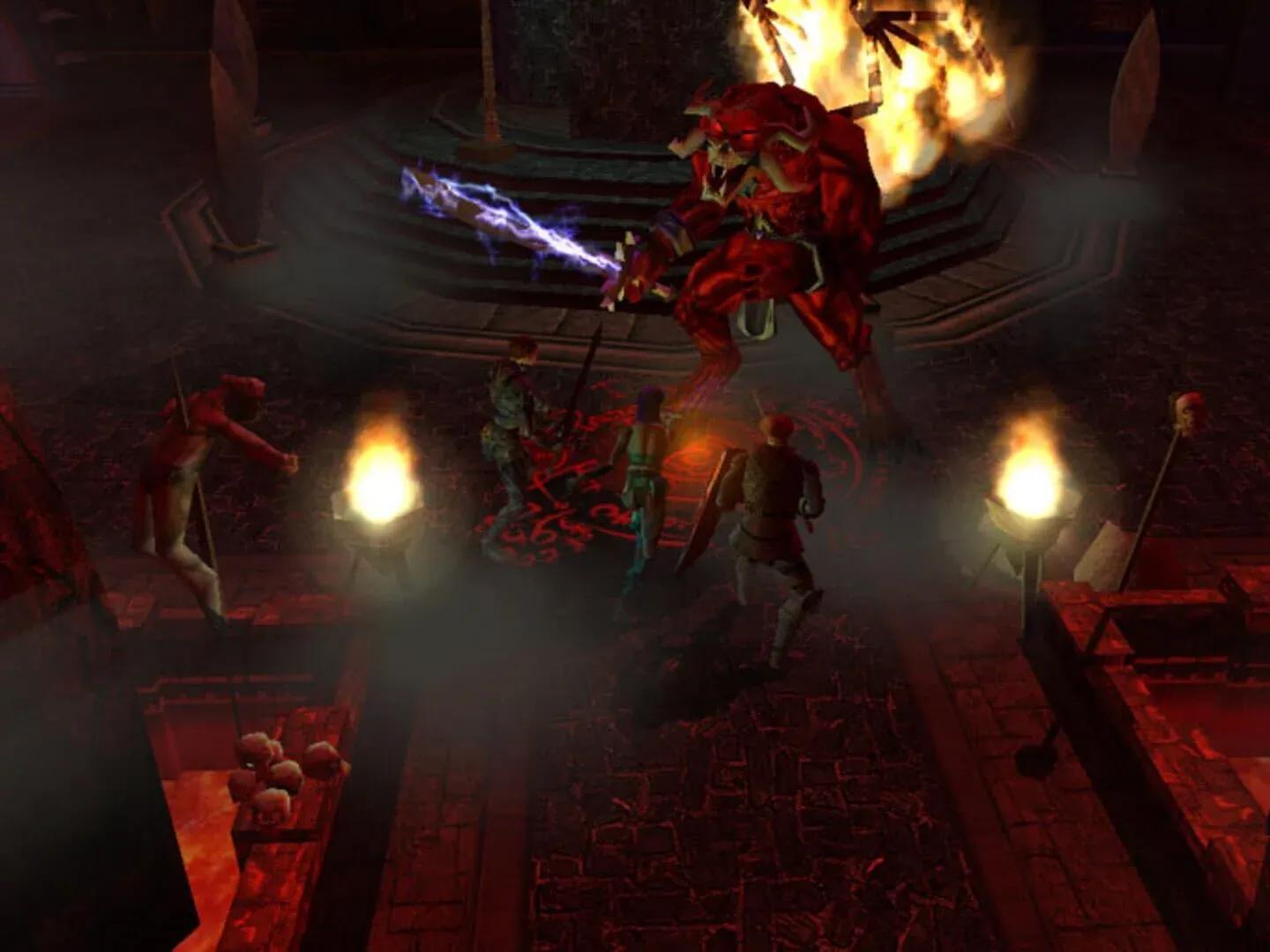
- Real-time combat with D&D dice rolls running under the hood
- Multiclassing across standard and prestige classes
- A henchman companion system with limited party control
- Persistent world server support for custom multiplayer campaigns
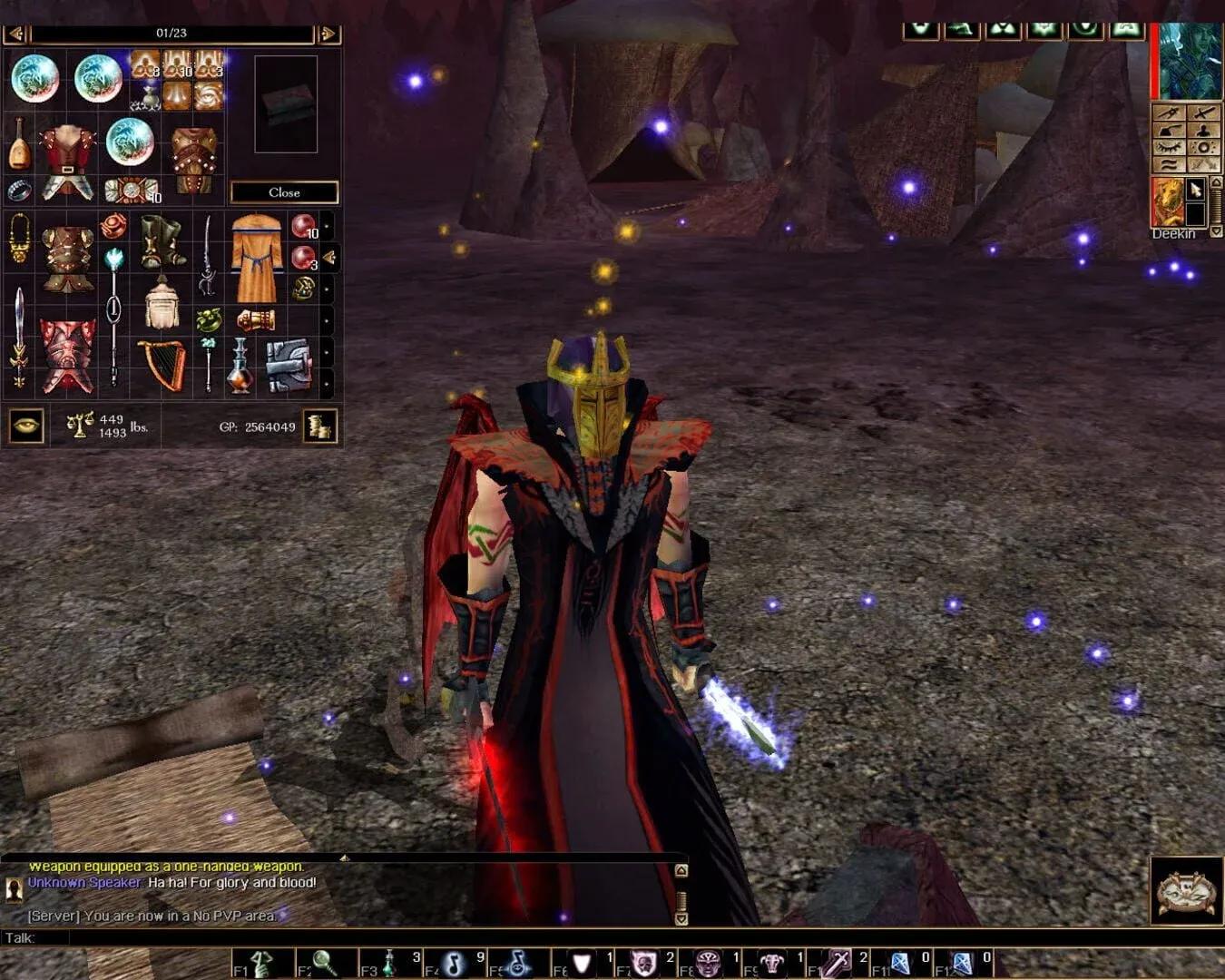
- A full Aurora Toolset for creating original modules
The henchman system is deliberately limited compared to later BioWare games, giving you one companion at a time rather than a full party. That design choice keeps the focus on your own character build rather than juggling multiple party members.
World and setting
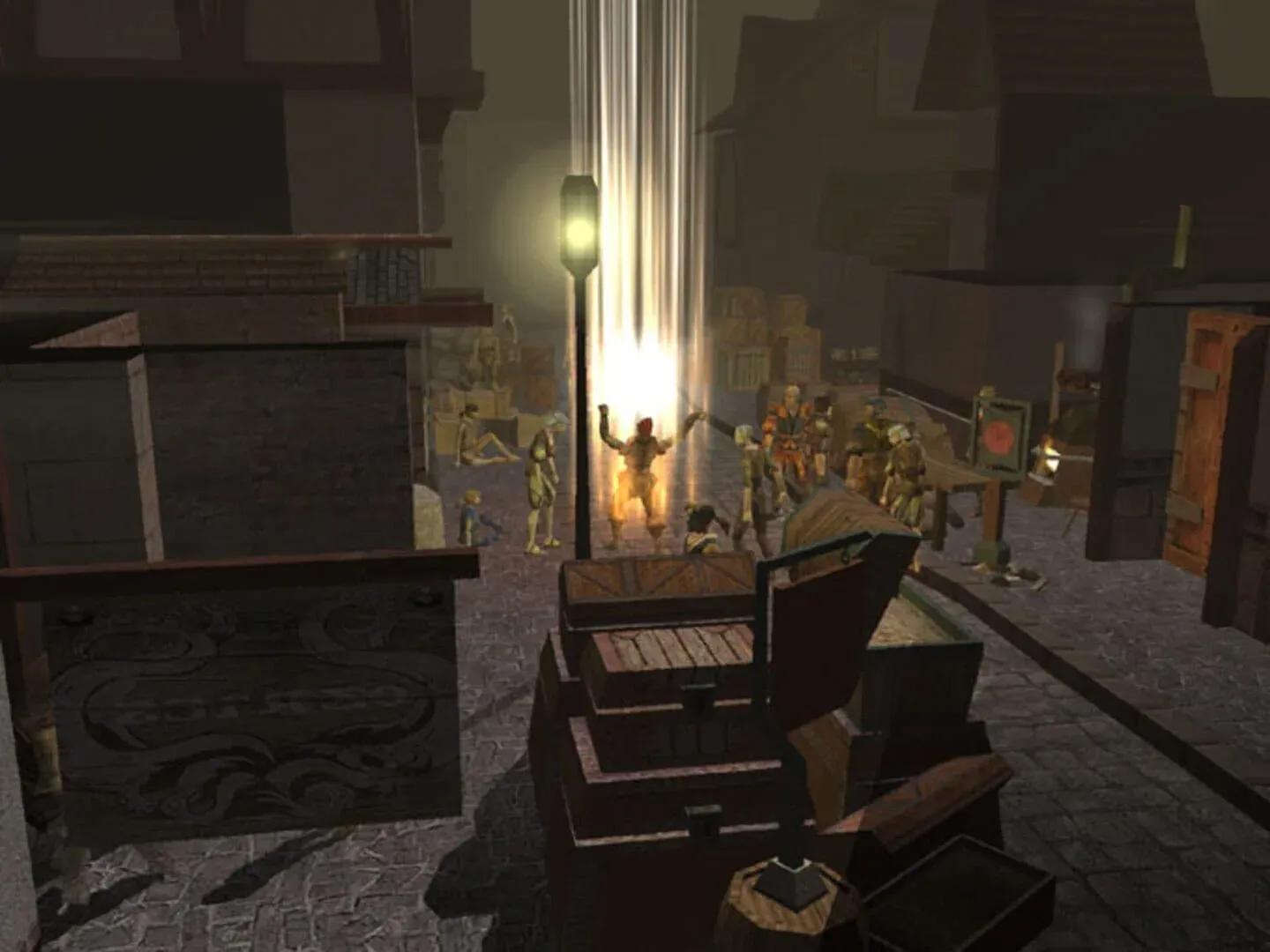
The main campaign takes place in the city of Neverwinter, which is under quarantine due to a plague called the Wailing Death. Your character, working under Lady Aribeth, is tasked with recovering four magical creatures needed to produce a cure. What starts as a containment mission expands into a conspiracy involving a shadowy cult, a traitorous ally, and an ancient threat called Morag, Queen of the Old Ones, who seeks a set of magical relics known as the Words of Power.
The story handles betrayal better than most RPGs of its era. Aribeth's arc from trusted knight to antagonist is one of the more memorable character turns in early 2000s gaming, and the game gives you genuine choices in how her story ends.
Neverwinter Nights content image
Is the Aurora Toolset still worth using?
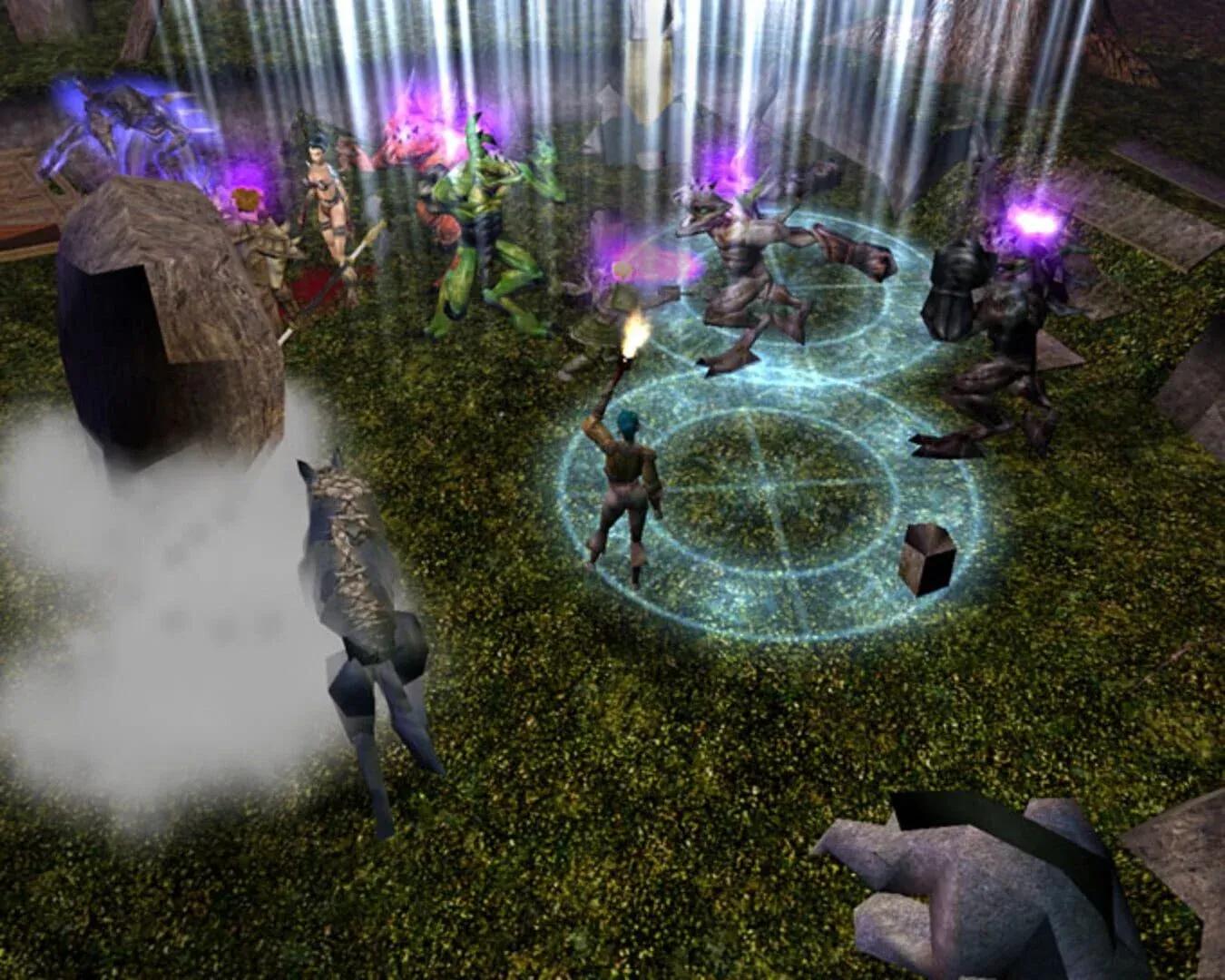
Yes, and this is where Neverwinter Nights separates itself from every other RPG of its generation. The Aurora Toolset ships with the game and lets players build complete modules using the same tools BioWare used to create the official campaign. The modding community has produced thousands of custom campaigns over the decades, some of which run as persistent online worlds with dedicated player bases.
The toolset supports custom tilesets, scripting, dialogue trees, and encounter design. Persistent world servers have hosted ongoing campaigns with hundreds of concurrent players, making this game function more like a tabletop RPG platform than a traditional single-player title.
Neverwinter Nights content image
Content and replayability
Beyond the main campaign, Neverwinter Nights ships with two expansion packs, Shadows of Undrentide and Hordes of the Underdark, plus the Kingmaker, Shadow Guard, and Witch's Wake premium modules. Each expansion adds new prestige classes, spells, and story content set in different corners of the Forgotten Realms.
The combination of deep class customization, branching story outcomes, and a virtually unlimited supply of community-made modules gives the game a replayability ceiling that most modern RPGs still haven't matched. Building a sorcerer playthrough feels meaningfully different from a fighter or cleric run, and the D&D ruleset ensures those differences matter in combat and dialogue alike.