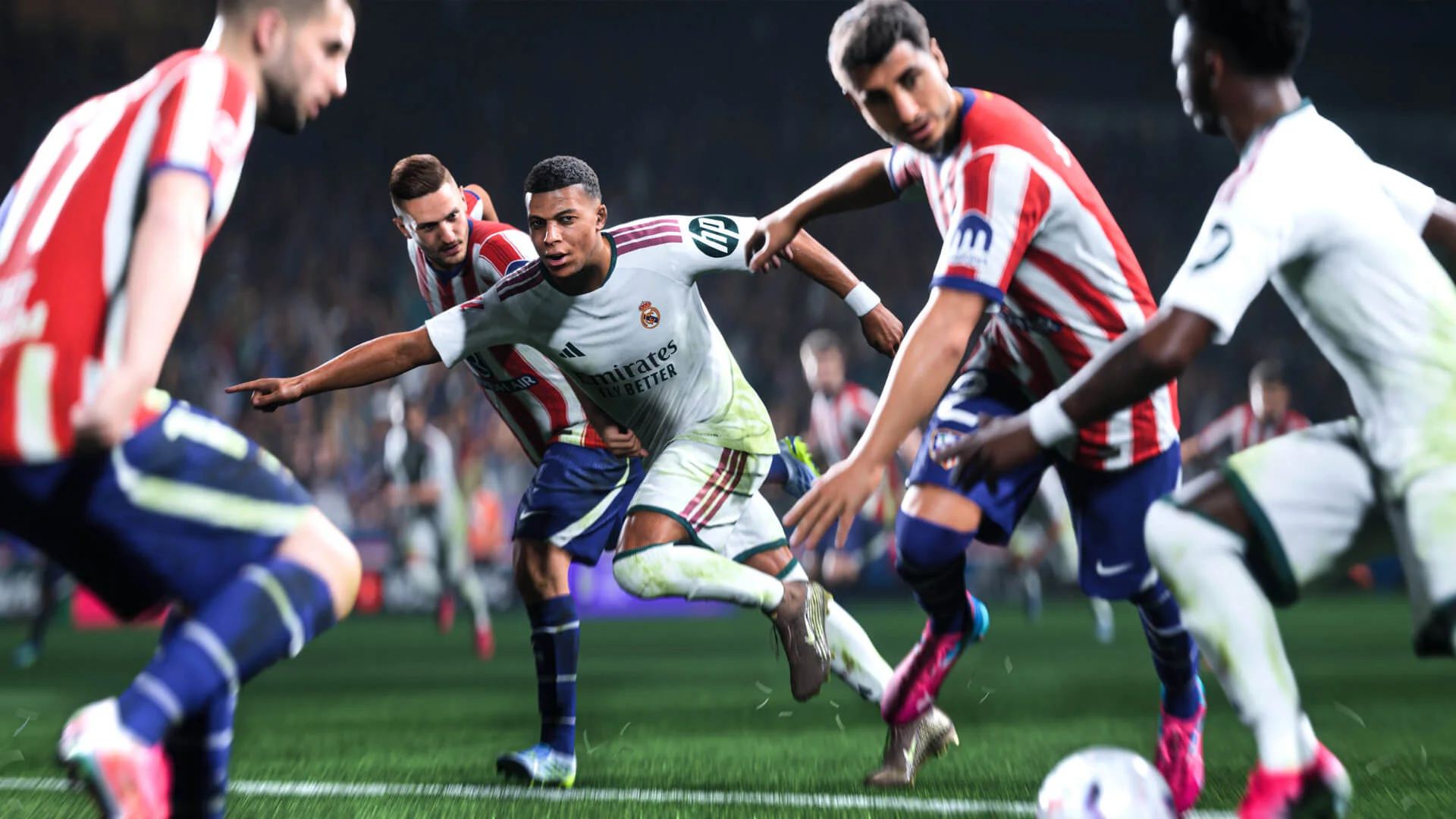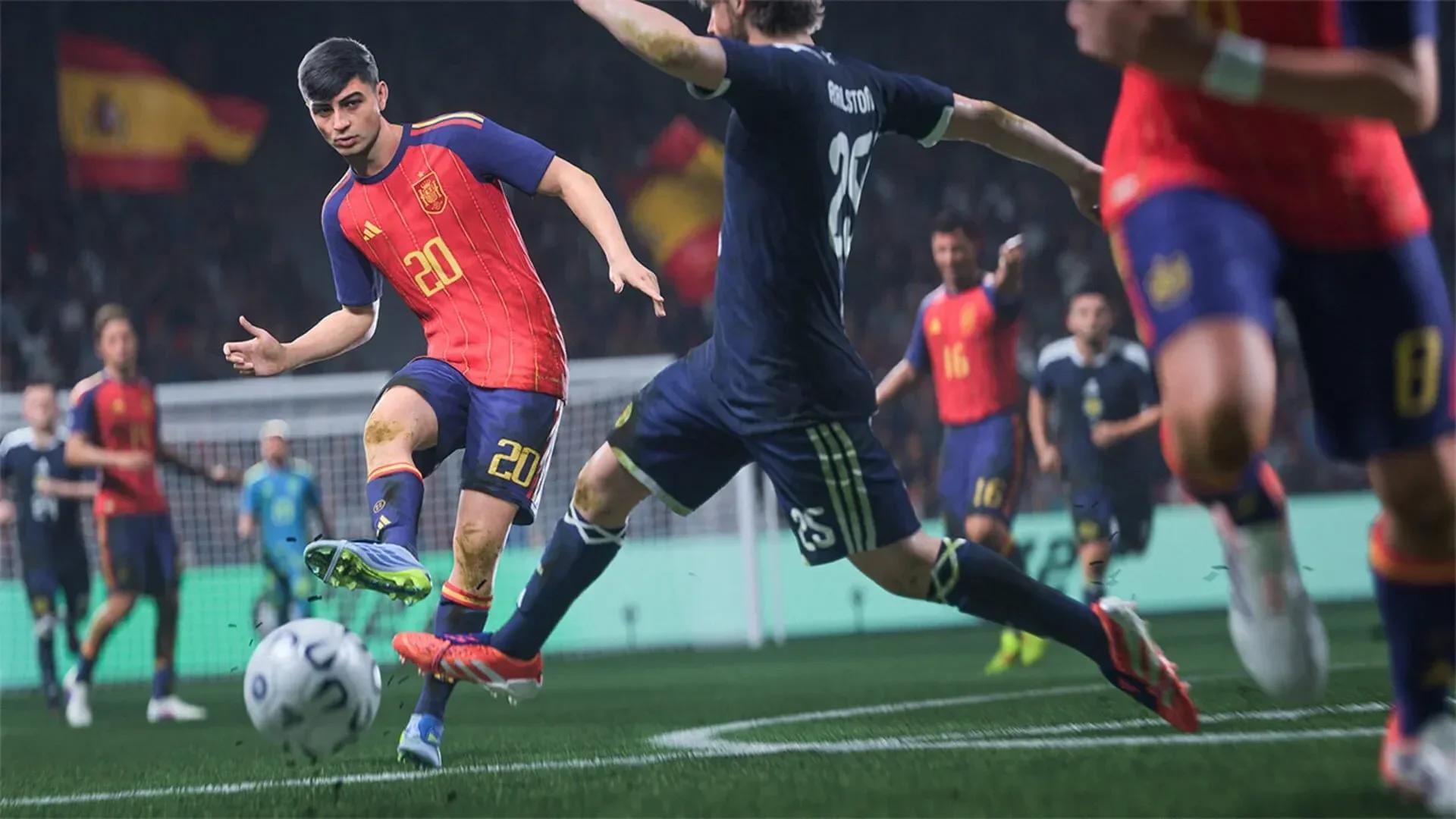

EA Sports FC 27 Title Update 1.2.0 targets five gameplay areas: fullbacks, offside awareness, attacking runs, kick-off defending, and loose-ball switching.
EA’s October Gameplay Developer Notes describe targeted balance adjustments, not a gameplay overhaul. The practical decision is whether to rebuild your tactics now: keep your current setup until the update arrives, then compare the affected situations. These changes concern positioning, movement, and automatic player selection, so assess individual plays instead of treating a single win or loss as proof that your formation needs replacing.
When is Title Update 1.2.0 coming?
Title Update 1.2.0 is planned for mid-November, with no exact release date announced. The v1.2.0 update is expected on PS5, Xbox Series X|S, PC, and Nintendo Switch 2. EA has not announced which platform will receive it first.
EA deliberately held back early gameplay balance updates so players could learn the launch mechanics. This is its first planned set of balance adjustments, distinct from the earlier bug fixes covered in the EA Sports FC 27 Title Update 1.0.4 patch notes.
The details below cover the announced gameplay plans. They are a preview, not the final release-day patch notes.

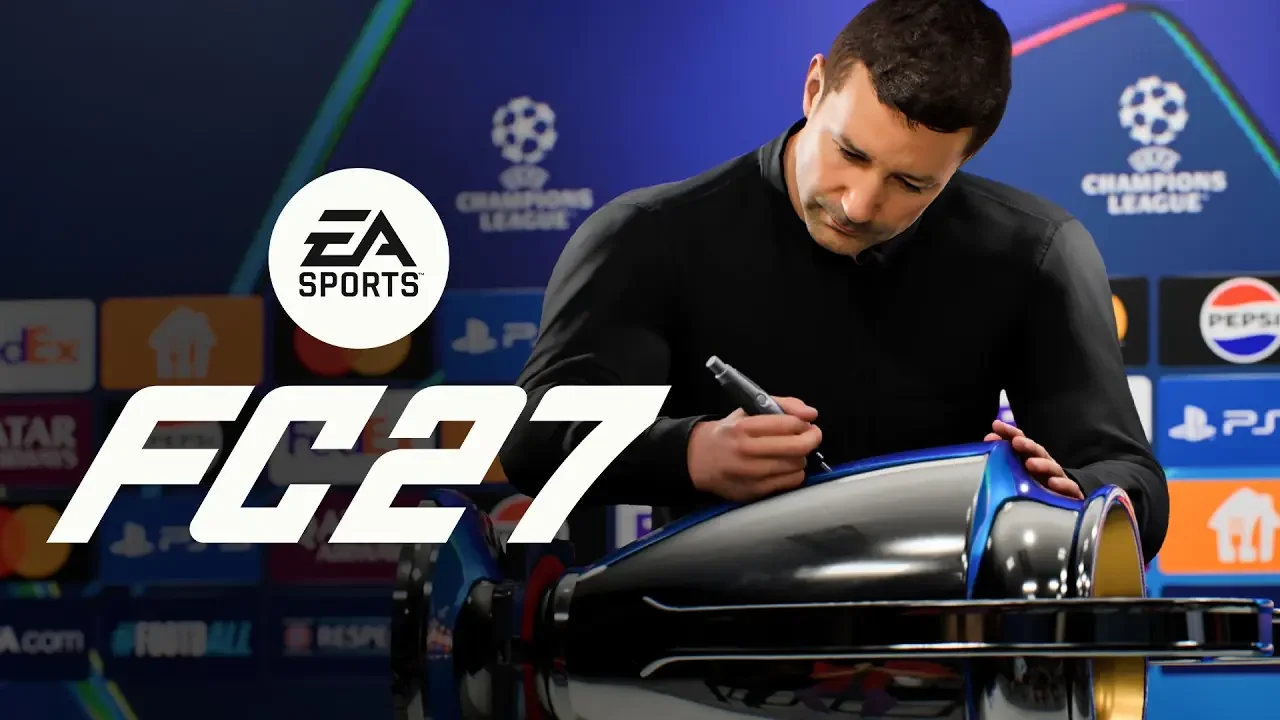
The five gameplay changes at a glance
EA identified the following problems as the focus of this update. Use the table to find the behavior affecting your matches, then check the planned adjustment in the relevant section.
| Gameplay area | Behavior EA is targeting |
|---|---|
| Fullback positioning | Wide defenders sometimes drop too deep, disrupting the defensive line and keeping attackers onside. |
| Offside awareness | Attacking AI needs better recognition of the defensive line when choosing its runs. |
| Attacking AI | Teammates do not always commit to runs into available space around the penalty area. |
| Kick-off defending | The defensive line can sit too deep after kick-off, allowing opponents to advance directly toward goal. |
| Loose-ball switching | Automatic switching can fail to select the player closest to the ball. |
Defensive positioning and loose-ball control
Fullbacks holding the defensive line
The planned adjustment makes fullbacks hold their defensive line more consistently while still moving to track genuine attacking threats. Holding the line does not mean ignoring an opponent making a dangerous run.
When reviewing this behavior, compare your fullback’s position with the center-backs as the opposition moves forward. Look for whether a break in the line follows an actual attacking threat. A fullback tracking a runner and one retreating without a clear reason should not be judged as the same situation.
Do not use this defensive adjustment alone as a reason to change your attacking width. First check the specific problem it addresses: whether your wide defender unnecessarily leaves an attacker onside.
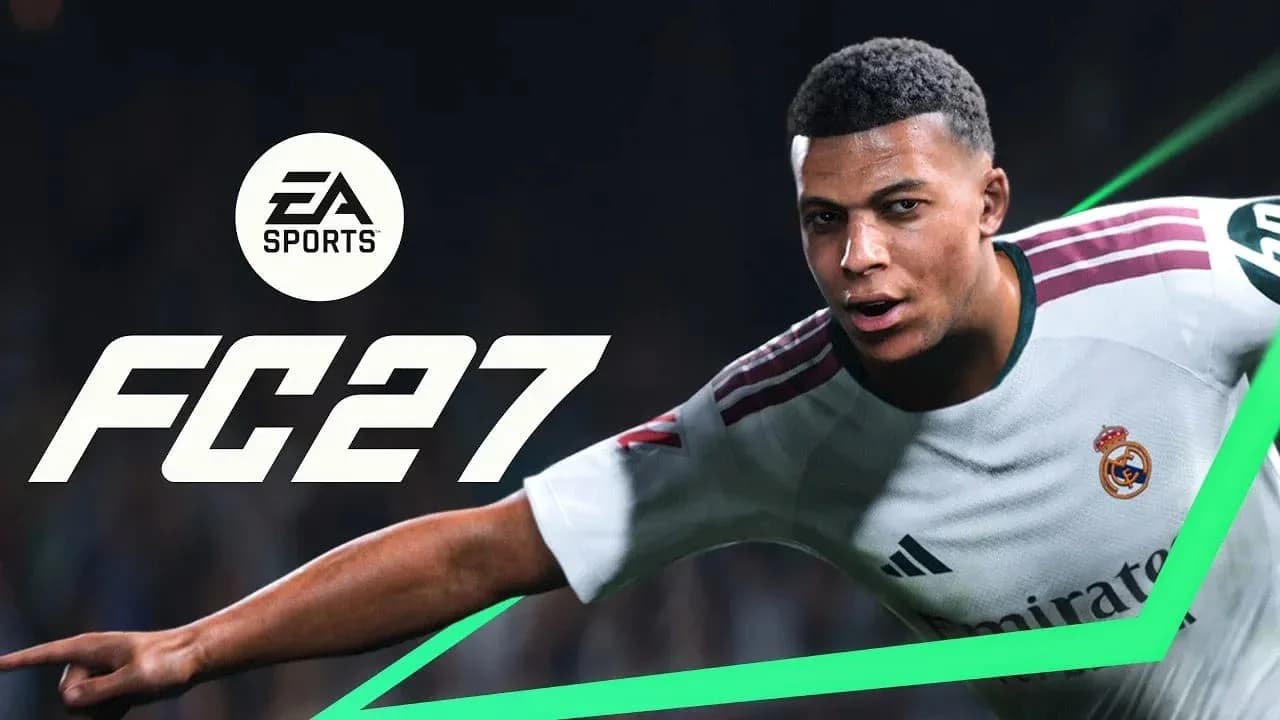
Compare the back line’s shape
Defending immediately after kick-off
The defensive line will take a higher position following kick-off. EA’s intended result is to make direct advances into the penalty area encounter defensive pressure sooner.
Assess the opening movement after a restart separately from your team’s usual defensive shape. Watch where the back line begins and when the advancing ball carrier meets pressure. A goal conceded later in the possession is not, by itself, evidence that the kick-off adjustment failed.
The change targets the opening defensive setup. Continue defending the attack instead of assuming the new positioning will stop it automatically.
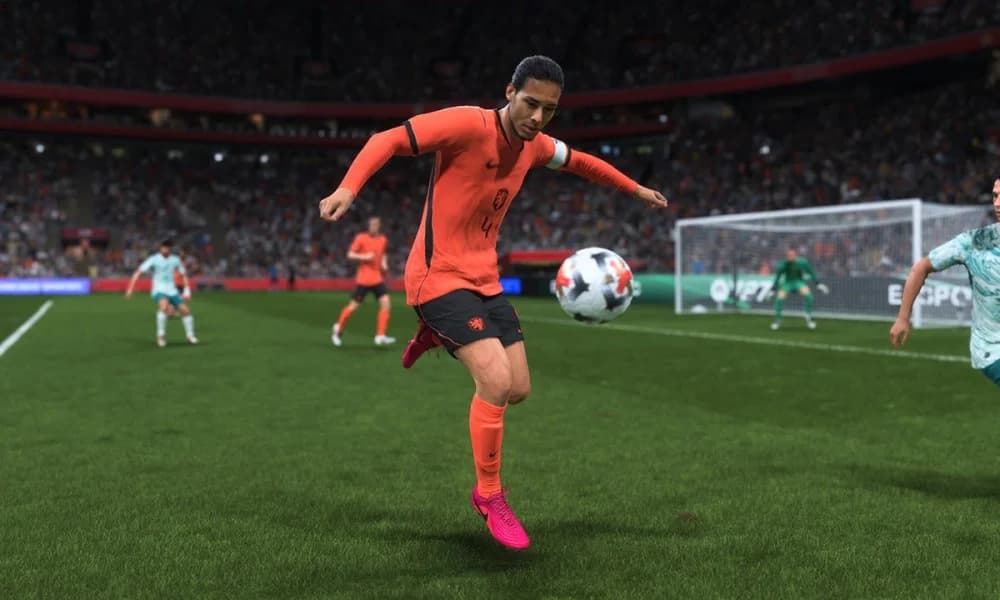
Inspect pressure after kick-off
Automatic switching after loose balls
EA is making targeted player-selection corrections after a teammate’s slide tackle, a headed pass, and a missed shot. These are the specific situations named in the developer notes, not a promise that every switching scenario has been reworked.
Check which footballer receives control as the ball becomes loose. That is a more useful measure of the adjustment than whether your team eventually wins possession: a suitable selection can still leave you with a difficult challenge to make.
If you are reviewing a scramble, separate the selection from your next input. First assess whether the game chose the appropriate nearby player, then consider the movement or tackle that followed.
Attacking runs and offside awareness
Timing runs against the defensive line
The offside-awareness adjustment refines how attacking AI reads the opposition’s defensive line and chooses runs that stay onside. It works alongside the fullback positioning change, but addresses the attacker’s movement instead of the defender’s position.
Compare the runner with the defensive line at the moment you release the pass. An attacker being onside when the run starts does not tell you whether the eventual pass was timed correctly.
Treat the adjustment as help with AI movement, not permission to release every through ball immediately. Your useful check is whether teammates offer a playable run when a passing opportunity opens.
Supporting runs around the penalty area
The attacking AI changes aim to produce more purposeful supporting runs and better use of space near the box. This concerns the movement of teammates around the ball carrier, not only the forward trying to get behind the defense.
Watch what happens while you hold possession near the penalty area. Look for a teammate moving into an available passing position, and distinguish that supporting option from a separate run toward goal.
Before replacing your formation because an attack feels static, identify where support is missing. A recurring lack of nearby passing options is a different problem from mistiming the final ball to a forward.
What remains under investigation?
EA lists three further areas as active investigations, not confirmed adjustments in this update:
- High defensive lines: Situations where their positioning can put excessive pressure on the opposition.
- Player collisions: How interactions are handled between footballers with different sizes and Physicality attributes.
- Shot accuracy and goalkeeper position: The accuracy of particular shot types in relation to where the goalkeeper stands.
EA has not committed to changes or announced a release window for these investigations. In particular, the kick-off positioning adjustment should not be read as an announcement of a general high-line rework.
How to review your tactics after installing
Use a controlled comparison before rebuilding your setup:
- Write down your starting setup. Record your formation and the tactical choices you intend to assess, so you have a clear baseline.
- Keep that setup for the initial comparison. Changing it immediately makes it harder to separate the update’s effects from your own adjustments.
- Look for a recurring pattern. Note the situation that causes trouble, not just the final score or whether one rebound went against you.
- Change one choice at a time. If you alter several parts of your setup together, you lose a clear explanation for any improvement.
EA’s first-month match data showed only minimal differences in formation win rates. Those results do not establish a best post-update formation. Use a repeated positioning or movement problem as your reason to adjust, then assess that adjustment before making another.