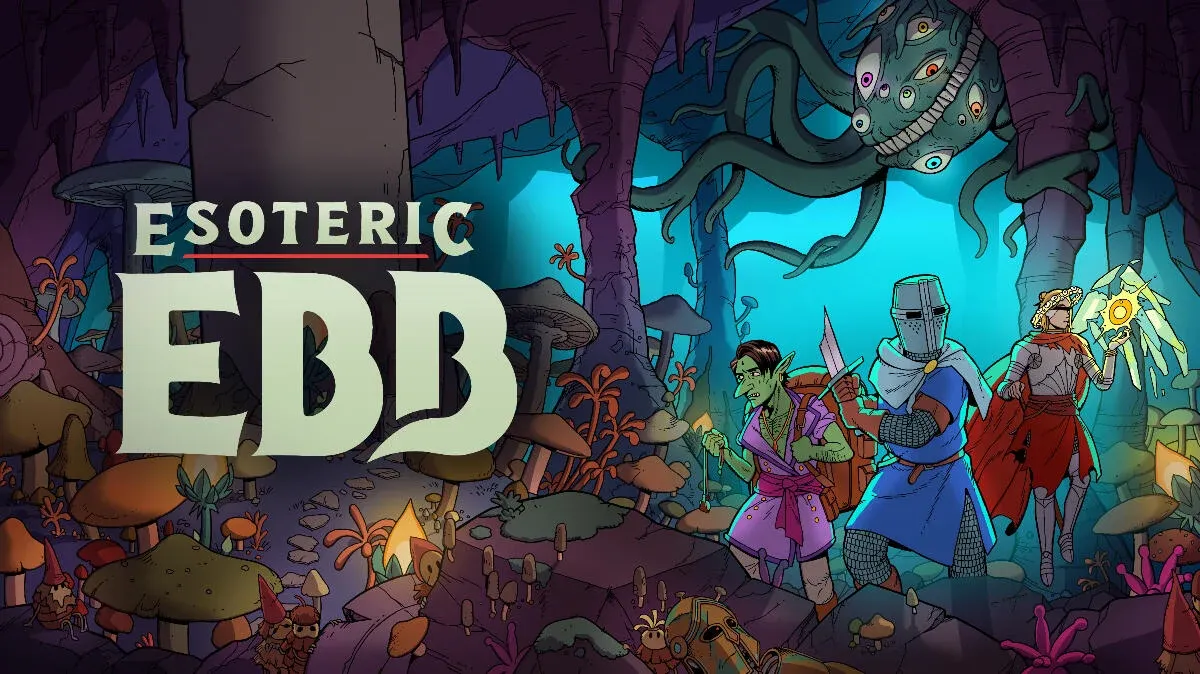

Esoteric Ebb drops you into the post-arcanepunk city of Tolstad as a government Cleric with zero hand-holding and a brutal modified D&D 5th edition ruleset that punishes every bad decision. Your stats define your politics, your dialogue shapes your power, and your health bar doubles as a social ego meter. If you walk in expecting a standard spellcaster fantasy, the kobolds will correct you fast. This guide breaks down every core system so your first run survives past the opening hours.
What Do Stats Actually Do in Esoteric Ebb?
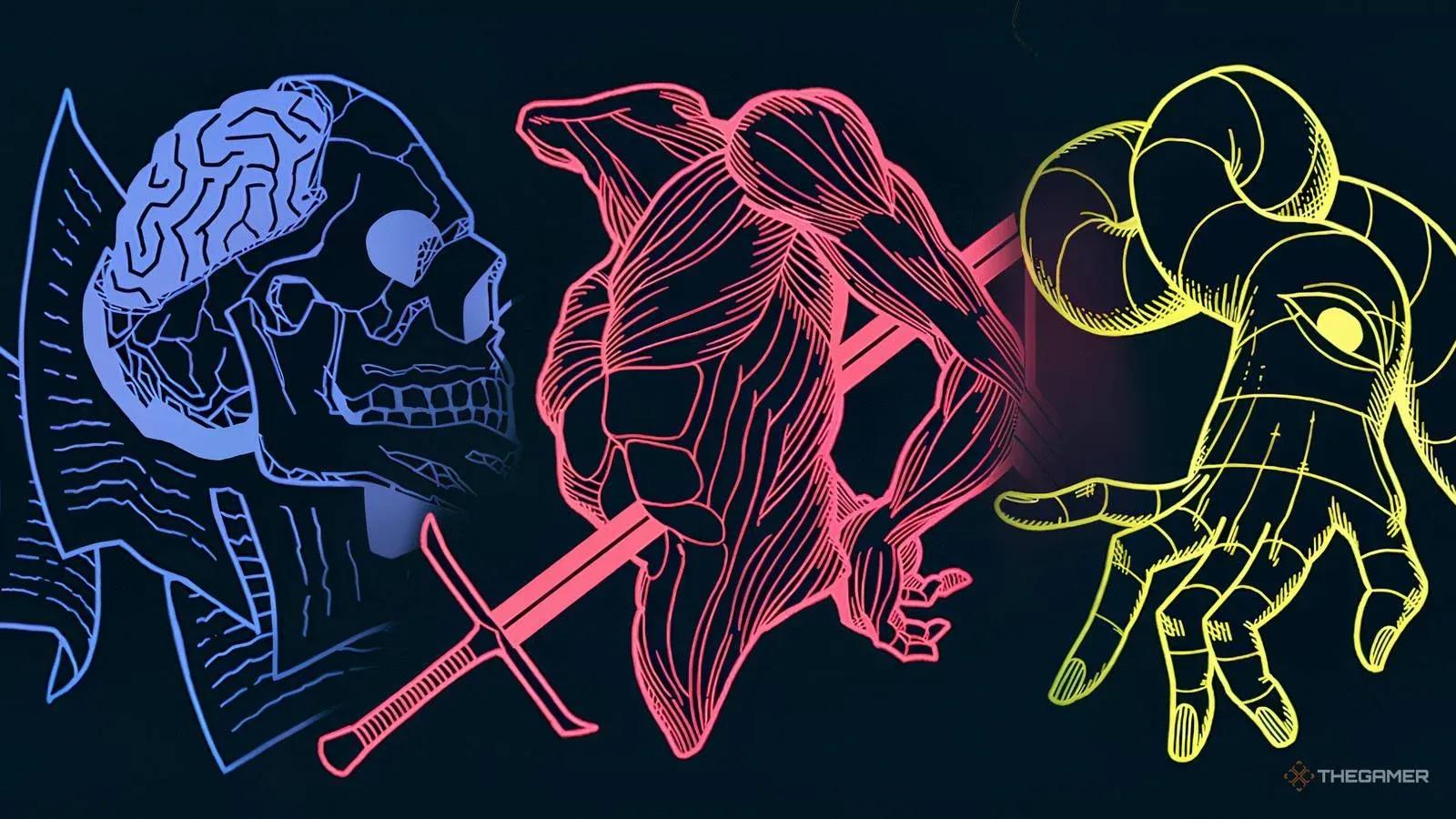
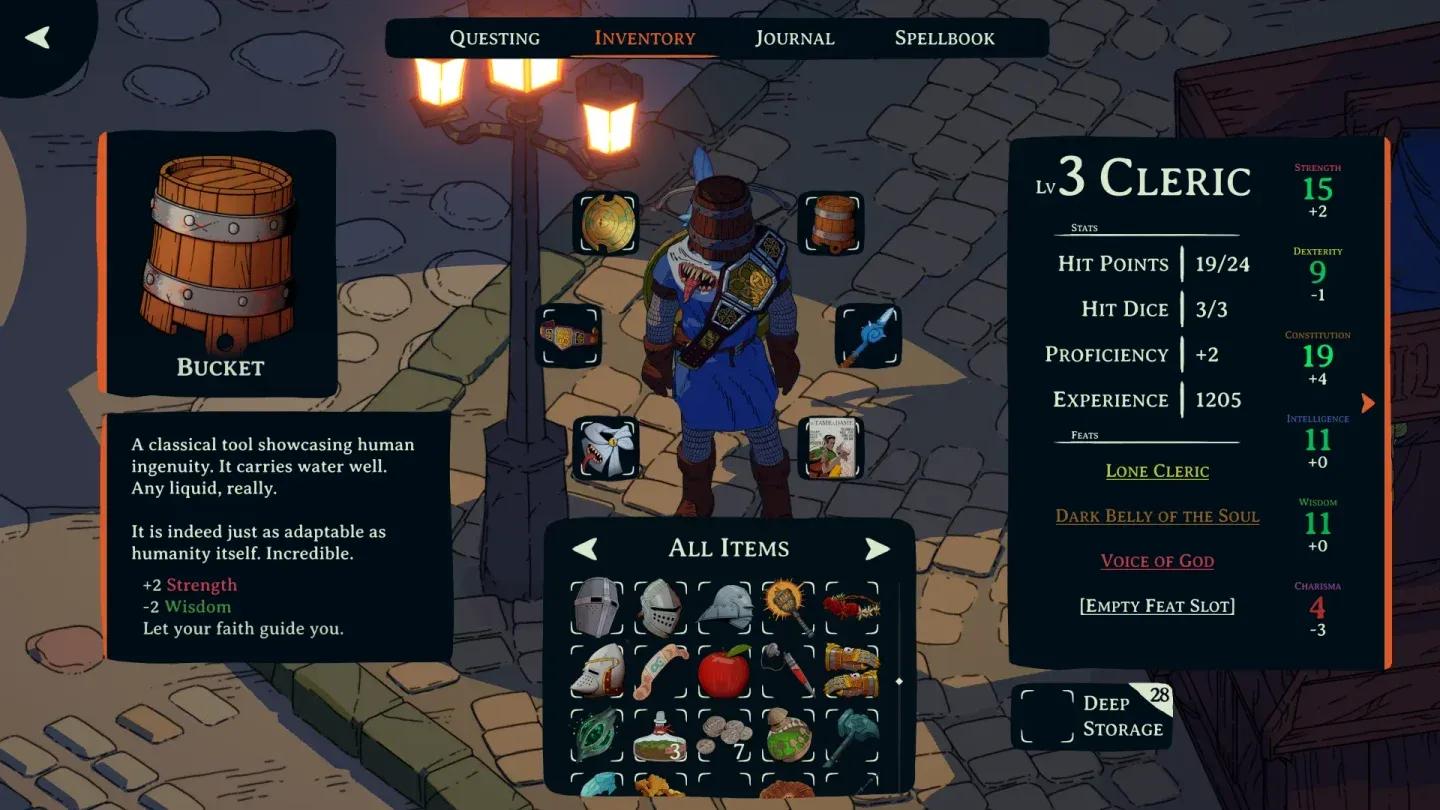
Unlike most CRPGs where attributes are just combat math, every stat in Esoteric Ebb shapes your Cleric's entire personality, political alignment, and dialogue tone. The game gives you 27 points to distribute across six core skills at character creation, plus 2 proficiency points that add +2 to a chosen stat. The maximum base stat is 15, and proficiency pushes it beyond that ceiling.
Pushing any attribute to 17 unlocks a permanent XP boost and exclusive Chime dialogue options that offer shortcuts and free rewards unavailable to balanced characters. Specialization is the entire point.
Stat allocation at character creation


The Full Stat Breakdown
| Stat | Mechanical Effect | Political Identity |
|---|---|---|
| Strength | Equip extra items, brute force puzzles, violence in encounters | Nationalist, Party of Norvik supporter |
| Dexterity | Pickpocketing, lockpicking, trap avoidance, initiative, wealth generation | Revolutionary Freestrider, self-interested opportunist |
| Constitution | Hit points, physical resilience, gut instinct checks | Politically detached, feels invincible |
| Intelligence | Spell slots prepared, planning dialogue, arcana knowledge | Arrogant know-it-all, votes for themselves |
| Wisdom | Spell effect strength, empathy dialogue, reading body language | Azgallian Working Class supporter |
| Charisma | Store discounts, persuasion checks, social manipulation | No fixed political stance, social chameleon |
Why the Spellcaster Trap Destroys Runs
Maxing Intelligence while ignoring Wisdom feels logical on paper. More spell slots, more magic, more damage. In practice, your spells will fail constantly because Wisdom governs the actual success rolls. Your first reliable damage spell, Inflict Wounds, comes with very limited slots, and if you have no physical fallback stat when those slots dry up, the first combat encounter ends your run. Always pair a physical side stat with any magic-focused build.
What Are the Best Builds in Esoteric Ebb?
Every strong build in Esoteric Ebb commits hard to one primary stat, supports it with one secondary stat, and aligns dialogue choices with that identity. Spreading points evenly produces a Cleric who is mediocre at everything and locked out of the best Feat rewards.
Questing Tree Feat selection
The Stable Spellcaster (Recommended for Beginners)
- Intelligence 15
- Constitution 14
- Wisdom 12
This setup gives strong spell slot access while keeping you durable when dialogue turns physical. Intelligence unlocks advanced puzzle solutions and more prepared spells. Constitution absorbs punishment during risky encounters. Wisdom at 12 ensures spells actually connect without demanding a full investment. This is the safest starting point for players who want reliability.
The Rogue Economy Build
- Dexterity 15
- Intelligence 13
- Constitution 12
High Dexterity dominates pickpocketing, trap avoidance, initiative positioning, and wealth generation. Intelligence supports utility spells and creative problem-solving. Constitution keeps you functional when a Panic Sequence spirals sideways. This build thrives in Tolstad's urban environment where small economic advantages compound quickly.
The Zealot Strength Build
- Strength 15
- Constitution 14
- Wisdom 12
Strength unlocks aggressive dialogue, brute-force solutions, and nationalist-aligned faction paths. Constitution adds durability across both combat and high-risk social encounters. Wisdom provides spell scaling and perception without diluting the build's direct identity. Best for players who prefer punching their way through problems.
The Political Manipulator Build
- Charisma 15
- Intelligence 13
- Dexterity 12
Charisma secures store discounts, improves persuasion checks, and bends conversations in your favor. Intelligence adds spell slots for utility control. Dexterity contributes initiative and economic opportunity. This build sacrifices raw durability for social dominance and performs best on dialogue-heavy routes.
The Balanced Spellcaster (Done Correctly)
- Intelligence 15
- Wisdom 14
- Constitution 12
This is the spell-focused build that actually works. Intelligence maximizes spell preparation, Wisdom ensures those spells succeed, and Constitution prevents collapse when slots run dry. It ramps up slower than the stable build but becomes extremely consistent in the mid-game.
How Does the Questing Tree Work?
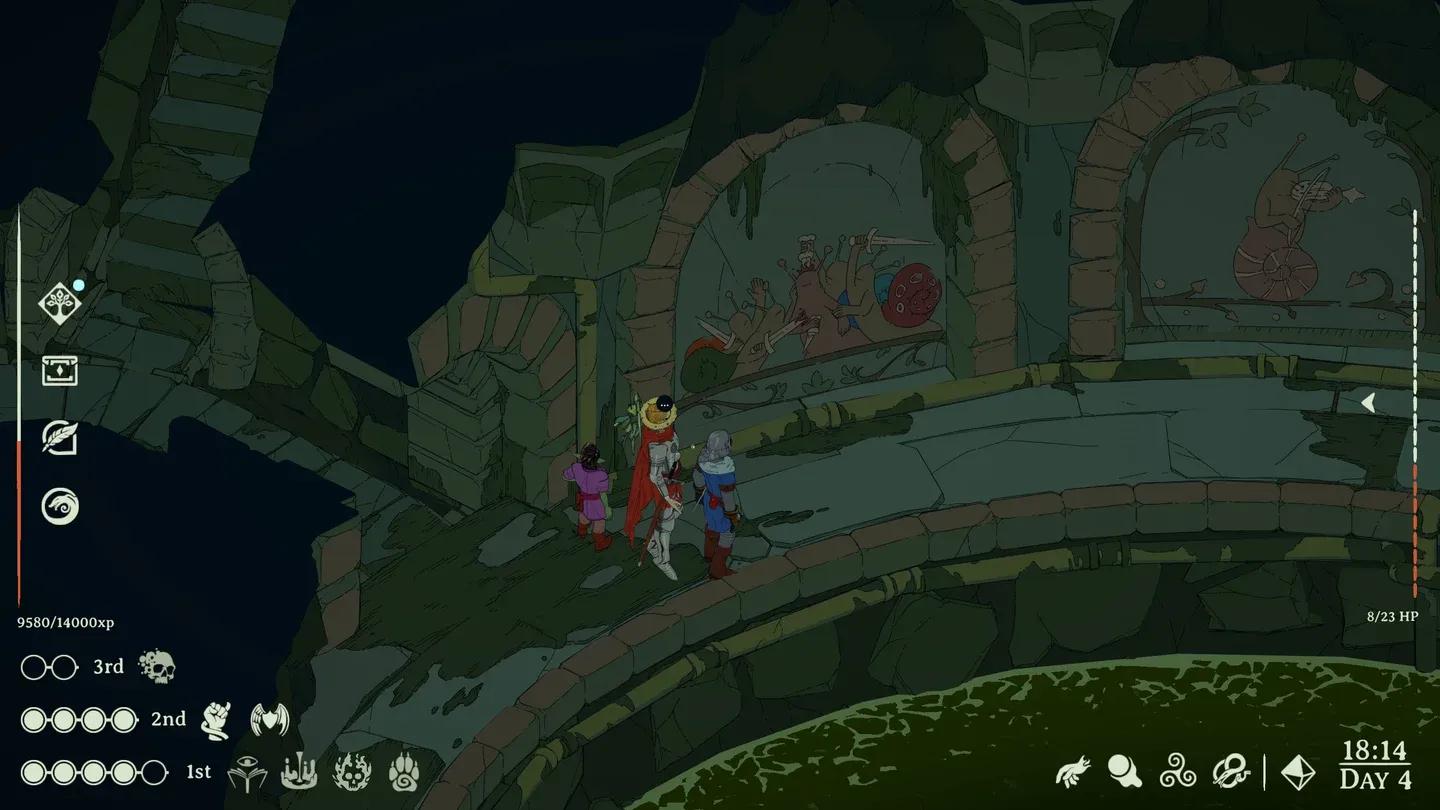
Esoteric Ebb replaces the traditional quest log with a visual web called the Questing Tree. This branching system tracks your minor goals, moral choices, and the paths you skipped. It also functions as your Feat progression system.
There are two types of quest branches. Minor Quest Branches have a single outcome, covering fetch quests and simple meet objectives. Major Quest Branches have multiple outcomes and hidden paths depending on your choices. When you complete a Major Branch, it "Takes Root," triggering a reflective dialogue sequence with your own stats before awarding a Feat (sometimes a choice between two).
You can hold 4 active Feats at any time and toggle them freely. The Feats you earn are not random. They are calculated from the hundreds of dialogue choices you made during that branch.
| Feat Color | Stat Alignment | Example Bonus |
|---|---|---|
| Yellow | Dexterity | Crown Coins (more Crowns when picking up coins) |
| Green | Wisdom | Democratic Herald (better rolls with certain factions) |
| Intelligence-aligned | Intelligence | Additional spell slot expansions |
How Do You Survive Combat and Dialogue in Tolstad?
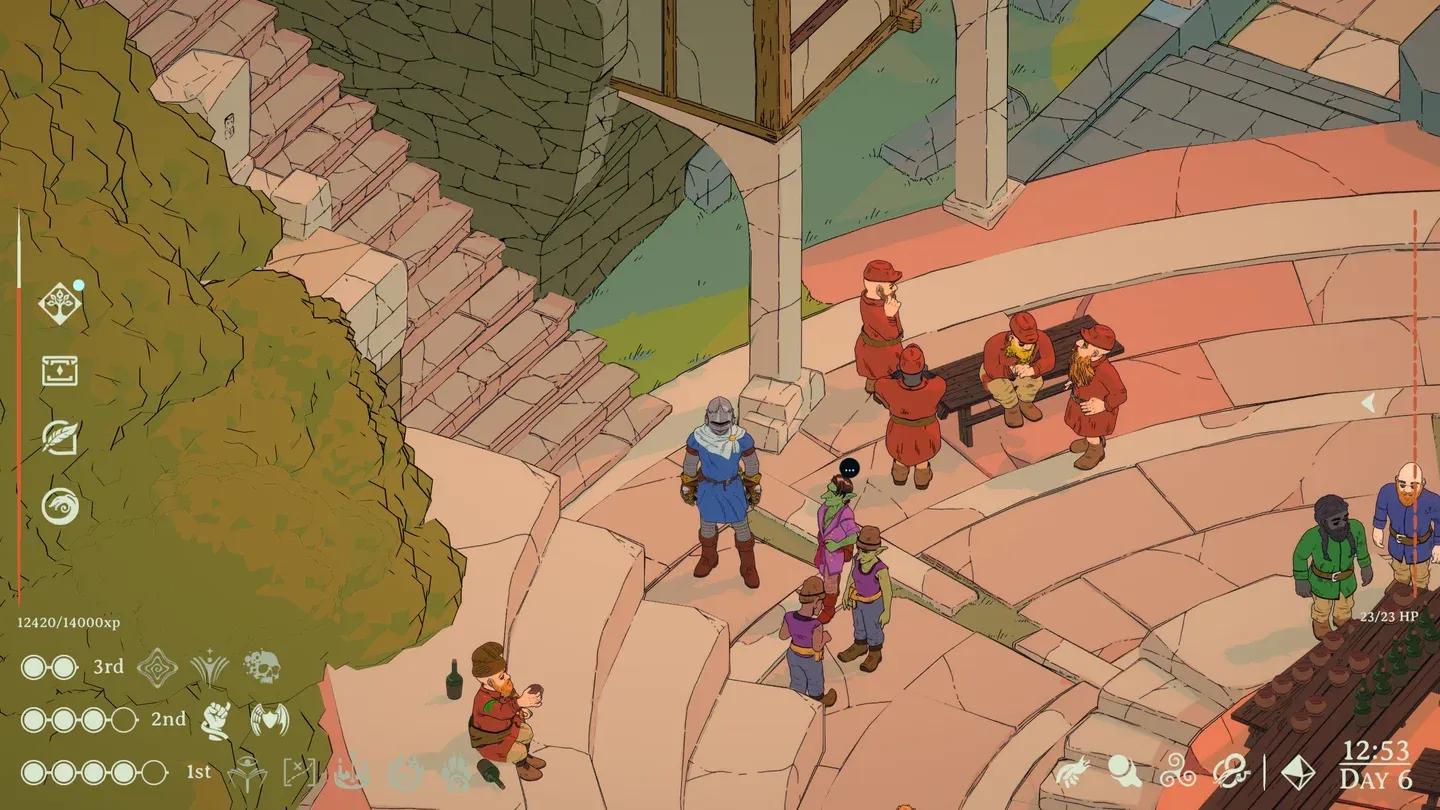
Real encounters in Esoteric Ebb begin before initiative is ever rolled. Dialogue is the first combat phase. Confusing an enemy with a strange joke during encounters like Work-Zombie or Ôst the Kobold can set hidden flags that dramatically lower the Difficulty Class of the following fight. A mathematically impossible battle can become a guaranteed win through smart pre-combat conversation.
Before touching anything in the environment, always investigate it first. Passing an Intelligence or Wisdom check on a suspicious object often reveals a hidden vulnerability and lowers the DC of the actual interaction. Clicking blindly on objects triggers traps and drains your HP.
Pre-combat dialogue DC modifiers
The Four Ways to Solve Any Problem
| Approach | Risk Level | Example |
|---|---|---|
| Brute Force | High HP risk, fast resolution | Breaking the Tea Shop door with raw Strength |
| Investigation | Low risk, high XP reward | Finding the actual door password by searching the area |
| Magical Charm | Instant success, social ruin risk | Charming Alfoz to remove him from an area |
| Esoteric | Low risk, reality-warping | Using the Pocket Watch item directly on the Kobold |
HP Is Your Social Ego (Protect It)
Your health pool in Esoteric Ebb represents both physical blood and fragile ego. You can lose significant HP from crying in front of an intimidating NPC, biting your tongue during an awkward conversation, or eating garbage during specific narrative paths. Walking into a complex political debate at 1 HP is effectively a death sentence.
When you fail a critical check, do not immediately reload. Shards of Jor allow you to completely reroll a failed check without resting. Hoard them for high-stakes narrative moments, not minor interactions.
How Do You Recruit Meek the Mimic?
One of the best early companions is Meek, an ancient mimic hidden behind a specific sequence in the City Below.
- Gain access to the City Below and head south into the area called the Roots.
- Find the group of petrified stone statues and interact specifically with the wizard statue.
- Read the wizard's book (requires Intelligence 12 minimum, use stat-boosting gear if needed) to obtain a secret passcode.
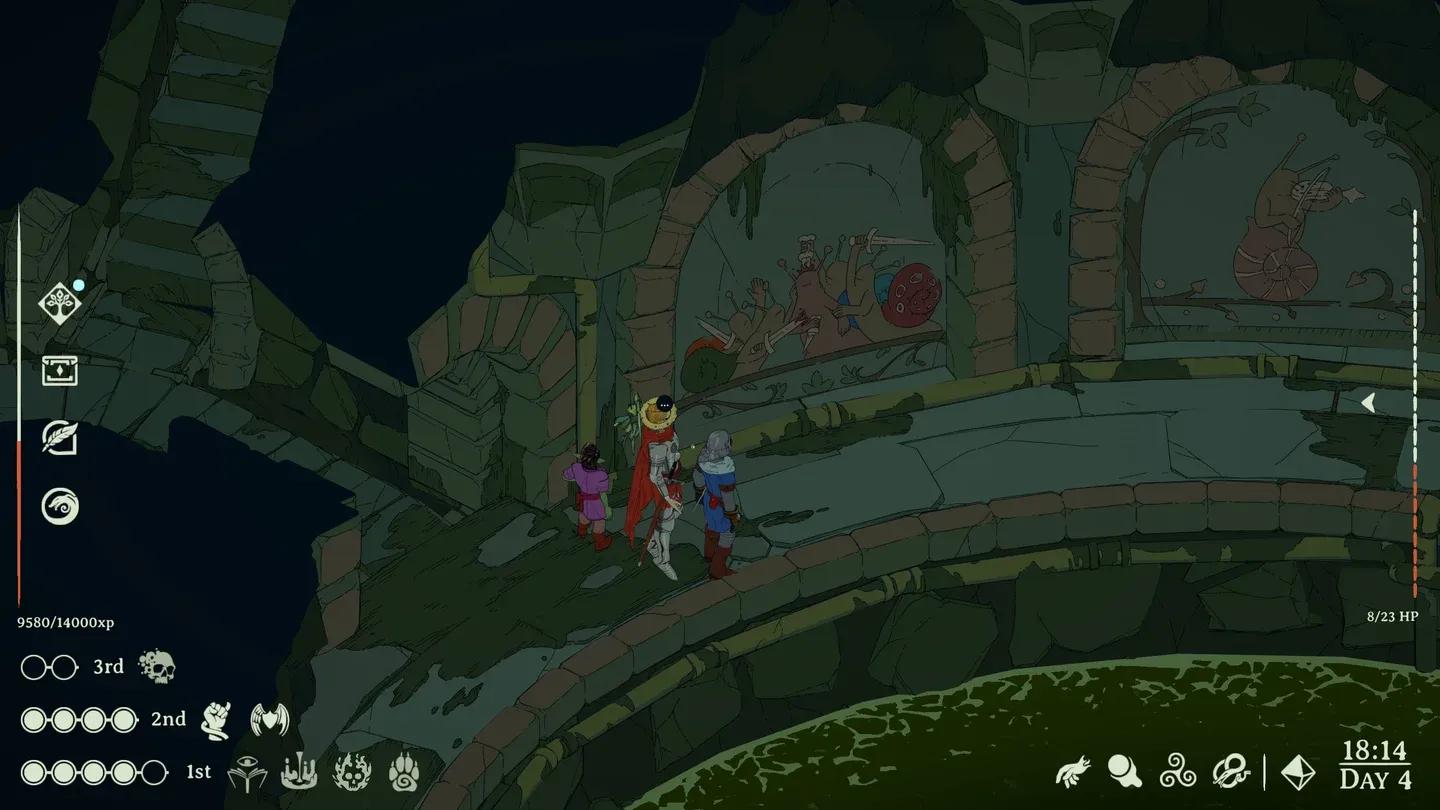
- Locate the Door of Mystery in the sewers, accessible via the Beware Monsters tunnel in the Roots or the trapped northern hallway in the City Below.
- Input the passcode at the door.
- Inside, you will see a chest under a sign reading "Not a Mimic." The chest is safe. The sign is the monster. Throw a pebble at it to wake Meek peacefully.
- Ask Meek every available question during dialogue to lower the Difficulty Class of the recruitment Charisma check down to 4.
- If you somehow fail a DC 4 check, use a Shard of Jor.
- While in the room, grab the Knock spell from the alcove. It forces locked doors open and saves lockpick resources throughout the run.
Door of Mystery in the sewers
What Are the Best Backgrounds in Esoteric Ebb?
At character creation, you also select a Background Focus from 18 options. These add bonus stat points on top of your base allocation and can push your primary stat higher than the 15-point base limit when combined with proficiency.
| Background | Stat Bonuses |
|---|---|
| Troll Killer | +3 Strength |
| Dead Cleric | +3 Wisdom |
| Little Weirdo | +3 Charisma |
| Lore Enthusiast | +2 Intelligence, +1 Wisdom |
| Revolutionary Scribe | +2 Dexterity, +1 Intelligence |
| Arcane Prodigy | +2 Intelligence, +1 Strength |
| Esoteric Expert | +2 Wisdom, +1 Constitution |
| Punching Bag | +2 Constitution, +1 Charisma |
| Kiosk Kid | +2 Dexterity, +1 Charisma |
| Tower Apprentice | +2 Intelligence, +1 Constitution |
For the Stable Spellcaster build, Tower Apprentice or Arcane Prodigy pairs naturally with an Intelligence-first setup. For the Rogue Economy build, Revolutionary Scribe amplifies both primary and secondary stats efficiently.
Key Survival Rules Before You Start
- Never spread your 27 points evenly. Pick one main stat, one support stat, and accept the weak areas.
- Match your dialogue tone to your highest stat consistently. The game tracks every political opinion you express.
- Investigate objects before interacting with them directly. Blind clicks trigger traps.
- Treat Shards of Jor as emergency currency, not a casual retry button.
- Recruit companions early. They expand available dialogue solutions and encounter flexibility.
- Stack modifiers before high-DC checks using potions and stat-boosting equipment.
- Keep your inventory organized in deep storage. Clutter creates unnecessary resource drain.
Tolstad will not slow down for players who try to do everything at once. Pick your identity, commit to it from the first dialogue choice, and let the Questing Tree reward your consistency.