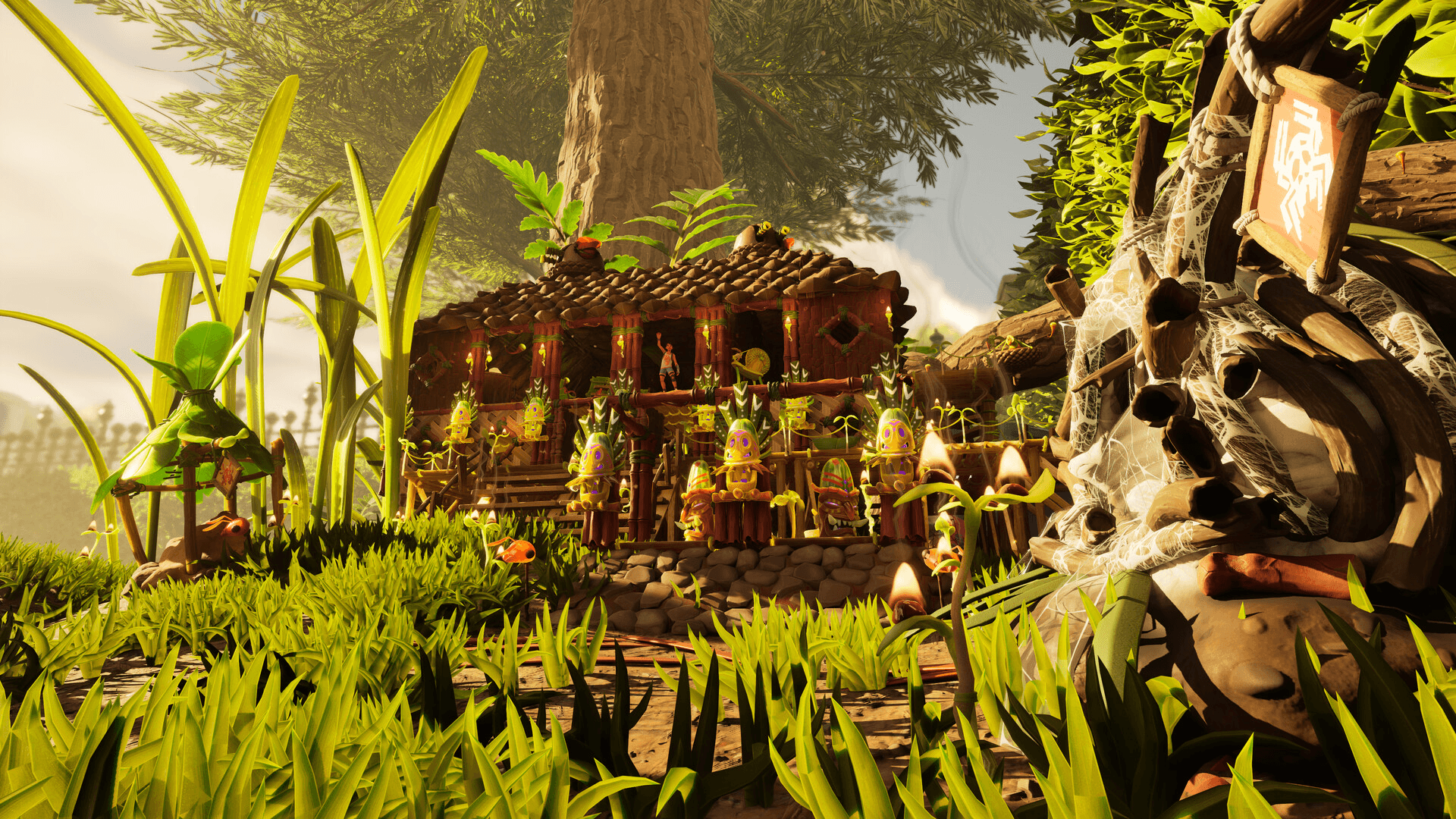


A starter base in Grounded 2 can easily end up as four walls with a roof, especially when players are more focused on surviving than decorating. That works, but it does not take much extra effort to turn the same small build into something with more shape and personality.
The easiest approach is to focus on three things: elevation, material variety, and depth. Foundations can clean up uneven ground, different materials can break up large sections of the same color, and smaller building pieces can stop walls and roofs from looking completely flat.
These Grounded 2 base building tips use a simple 2x2 structure as the starting point, but the same ideas work on much larger bases.
Build on a Foundation
The first improvement should happen underneath the base.
Building directly against uneven terrain can leave awkward gaps and make it harder to maintain a consistent floor height. Raising the structure creates a cleaner starting point and makes the overall shape easier to control.
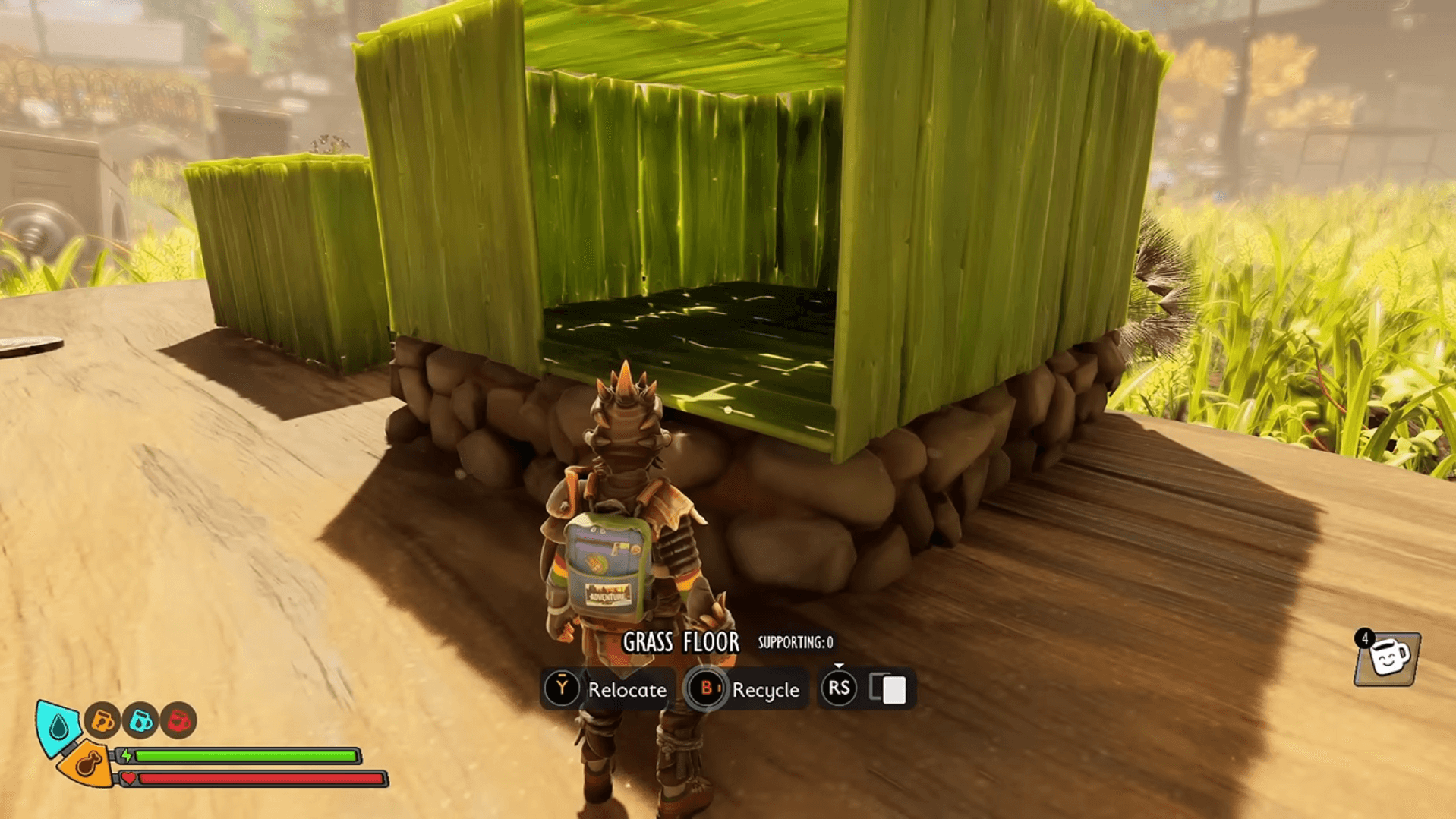
A Pebblet Foundation is one option. It is an actual Grounded 2 foundation piece made using Clay and Pebblets and provides a level surface to build on.
Grounded 2 Best Base Building Tips: How to Improve Any Base
Grass Floors can then be used for the main interior flooring instead of filling the entire footprint with foundations.
Another useful option is the Stem Scaffold. The Grounded Wiki lists the Stem Scaffold as a Weed Stem building piece designed to provide a sturdy structural frame.
Scaffolding works especially well when the terrain underneath the base is uneven.
Hide Exposed Scaffolding
Stem Scaffolds solve the height problem, but leaving them completely exposed can make the bottom of a finished base look unfinished.
Half walls can be placed around the lower edge to create a cleaner exterior.
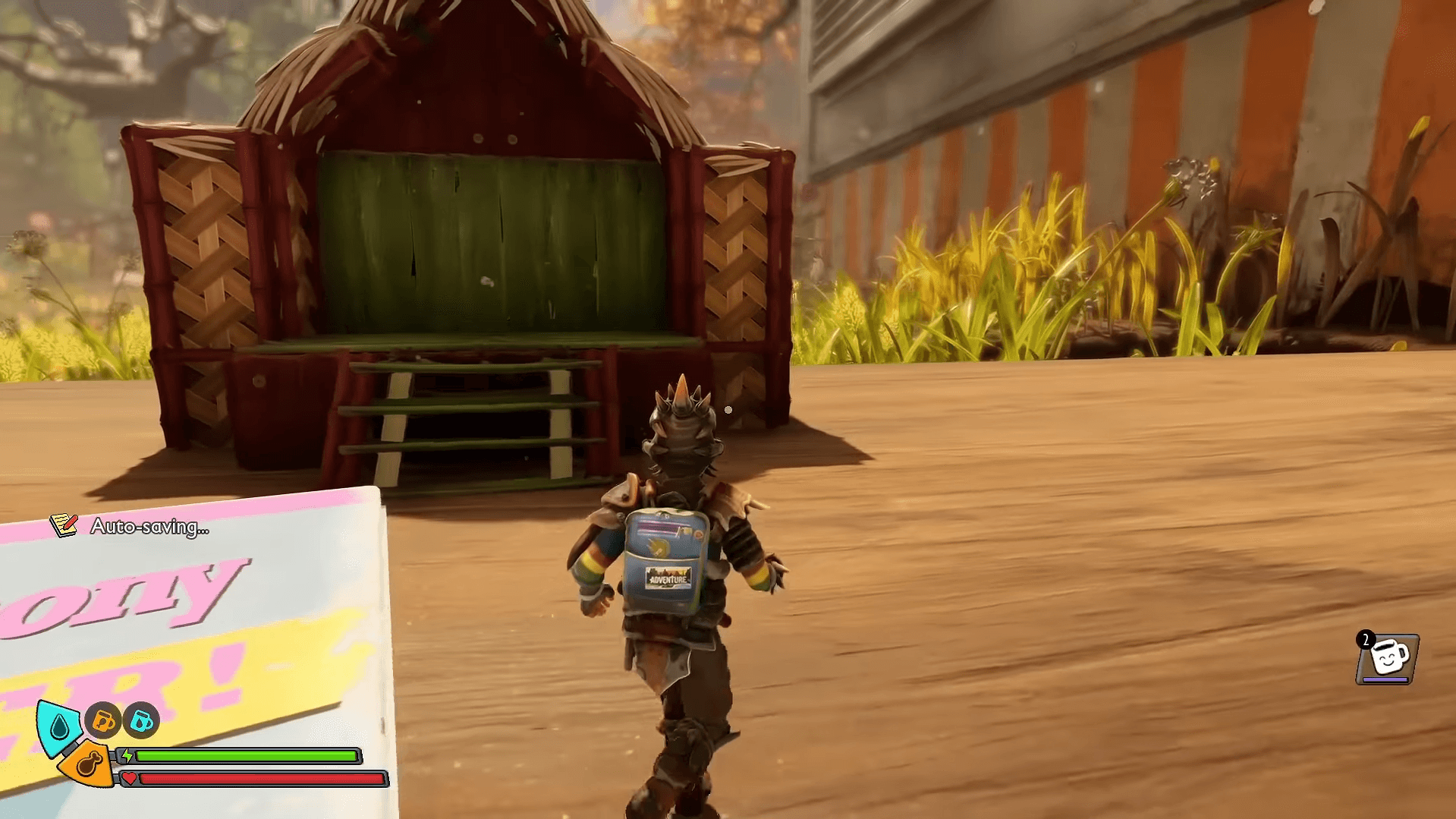
This is also a good place to introduce another material. Instead of matching the main walls exactly, players can use Pine or Mushroom building pieces around the base to create a visible border between the foundation and the structure above.The current Grounded 2 building sets include dedicated Pine and Mushroom wall options, so both work well for this kind of detailing.
The important part is consistency. Once a material is chosen for the lower trim, repeating it around the base makes the design feel intentional.
Mix Building Materials
One material across every surface can make even a large base look flat.
A simple way around that is to give different parts of the structure their own material.
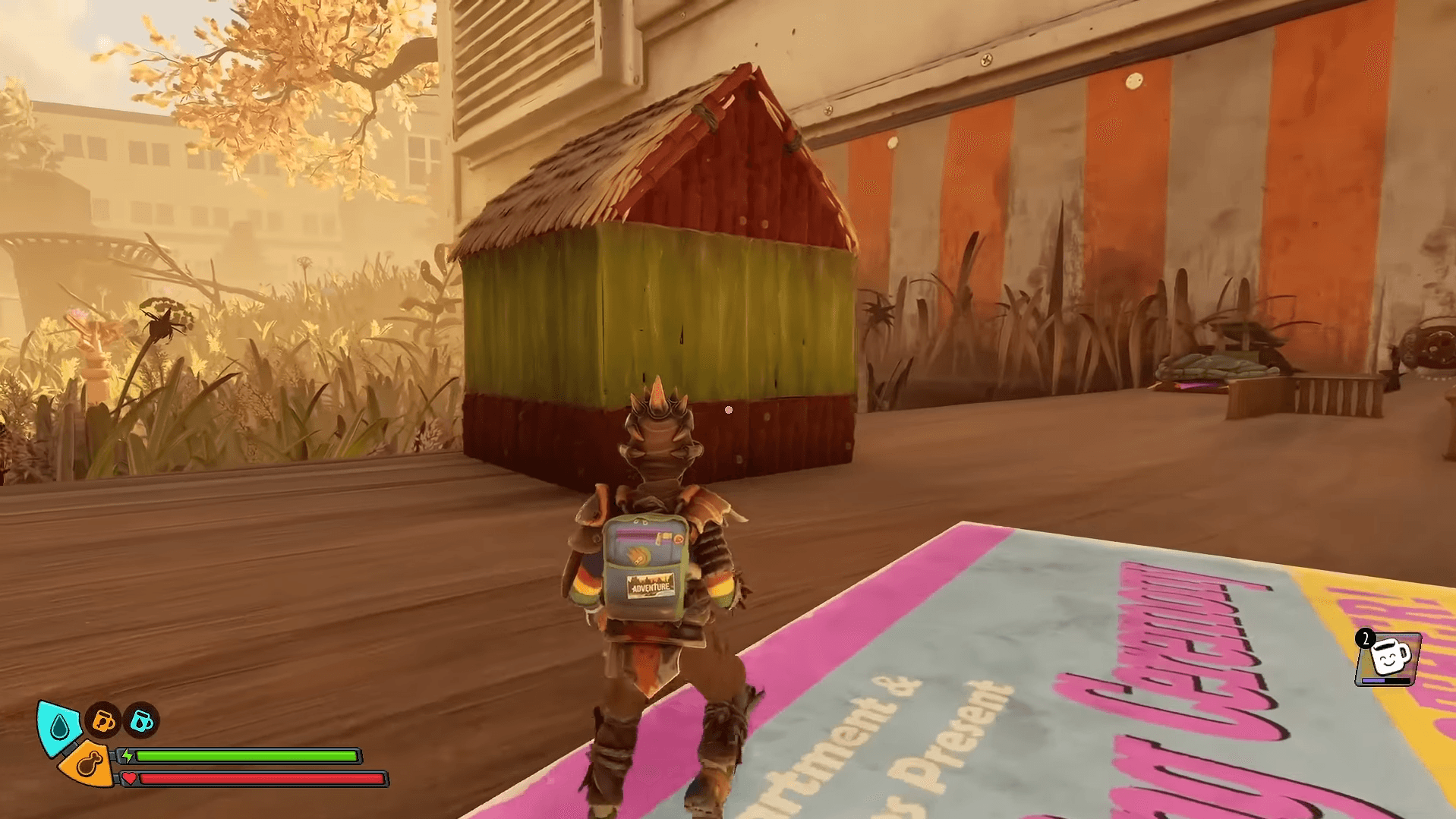
For example, Grass Floors can handle the interior while Pine Walls define the exterior and a Thatch Roof creates a different color above them.
Grounded 2 Best Base Building Tips: How to Improve Any Base
Grounded 2 includes multiple Pine wall variants, including Pine Wall and Pine Wall B, so players can even change the wall pattern without abandoning the same material set.
There is no need to use five or six materials at once. Two or three that work well together are usually enough.
Give the Roof More Shape
A flat top is one of the main reasons starter bases look like boxes.
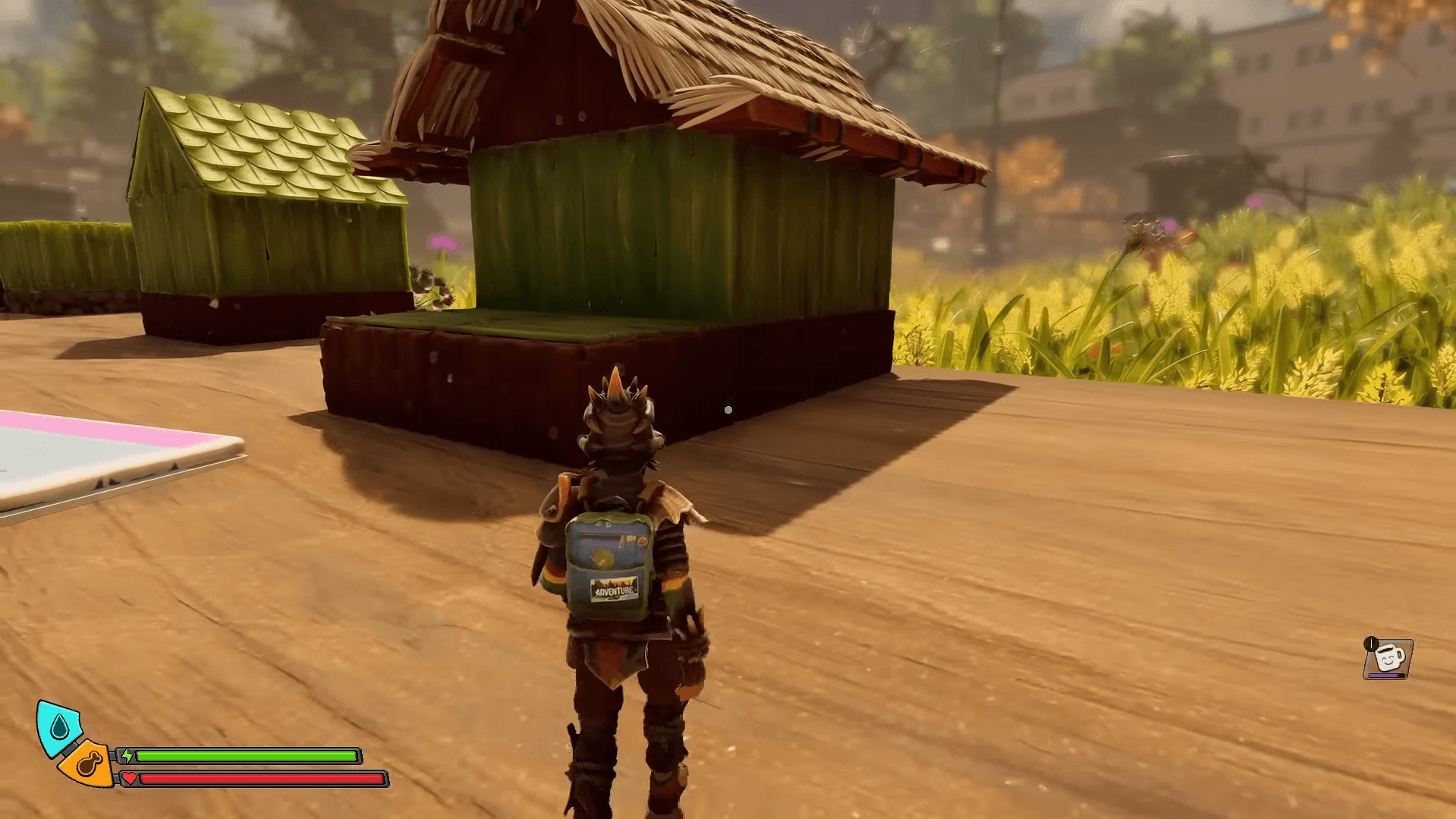
Switching to a pitched Thatch Roof immediately changes the silhouette. The Thatch building set also includes smaller pieces such as the Thatch Quarter Roof and Thatch Half Flat Roof, which are useful for extending and shaping the roofline.
Instead of ending the roof exactly where the wall ends, the smaller pieces can extend it outward slightly.
That creates an overhang and gives the top of the structure a more defined edge.
The same technique becomes even more useful on larger builds where several roof heights or sections can be combined.
Add a Small Patio
Once the main structure has some shape, extending one side into a patio can make a small base feel much larger.
If a foundation does not line up cleanly with the existing structure, Stem Scaffolds can be used to continue the floor at the same height.
Grass Floors can then fill the patio while the same trim material used around the main base continues underneath it.
Repeating those materials is what makes the extension look like part of the original build rather than something attached afterward.
Even a patio only a few floor pieces wide can break up the square shape of a starter base.
Grounded 2 Best Base Building Tips: How to Improve Any Base
Center the Stairs
A patio needs a clear entrance, and stair placement can change how balanced the front of the structure looks.
For a small symmetrical base, placing the stairs near the center creates an obvious entry point.
Any open space around them can then be filled with matching wall or support pieces.
This is a small detail, but it gives the front of the build a clear focal point instead of leaving one side visually heavier than the other.
Larger or intentionally asymmetrical bases do not need centered stairs, but the approach works well for compact starter builds.
Support Overhangs With Pillars
Once a roof extends over a patio, adding vertical supports helps connect the upper and lower parts of the build.
Instead of leaving the roof hanging by itself, pillars or narrow wall sections can run from the corners of the overhang toward the ground.
Grounded 2 has several actual pillar pieces, including the Stem Pillar, Pebblet Pillar, and Mushroom Pillar.
Supports can also use a different material from the main wall.
For example, darker Pine pieces against lighter walls can frame the patio and make the entrance stand out without requiring any major changes to the structure itself.
Add Doors and Windows
After shaping the outside of the base, the doors and windows should fit into the same design.
Grounded 2's Grass building set includes Grass Wall, Grass Half Wall, Windowed Grass Wall, and other wall variants, giving players several options for breaking up a large exterior surface.
Instead of leaving every side as a full solid wall, a Windowed Grass Wall can be used on the back or sides to create more variation.
The doorway can also be framed with smaller wall pieces to give the entrance more definition.
Break Up Large Flat Surfaces
The biggest design rule is simple: avoid letting the entire base become one flat rectangle.
Different areas can be broken up with:
- Roof overhangs
- Patios
- Pillars
- Windows
- Quarter walls
- Triangle pieces
- Different building materials
Not every side needs all of these features.
One wall might only need a window, while another could have a patio and roof overhang. The goal is to vary the silhouette without filling every available space with extra pieces.
This becomes easier as a base gets larger because there is more room for separate sections, roof heights, balconies, and material changes.
Base Building Tips You Should Apply
A good-looking Grounded 2 base does not need to start as a huge project.
Raising a structure with a Pebblet Foundation or Stem Scaffold gives it a cleaner base. Mixing Pine, Grass, Thatch, Mushroom, or other materials adds contrast, while roof overhangs and patio sections create more depth. Smaller pieces such as quarter walls and triangles can then handle the details.
The main idea is to build in layers instead of treating the entire structure as one box.
Once the foundation, walls, roof, and entrance each have their own shape, even a simple 2x2 build can feel much more complete.
For more Grounded 2 guides, tips, and updates, check out the latest coverage on GAMES.GG.