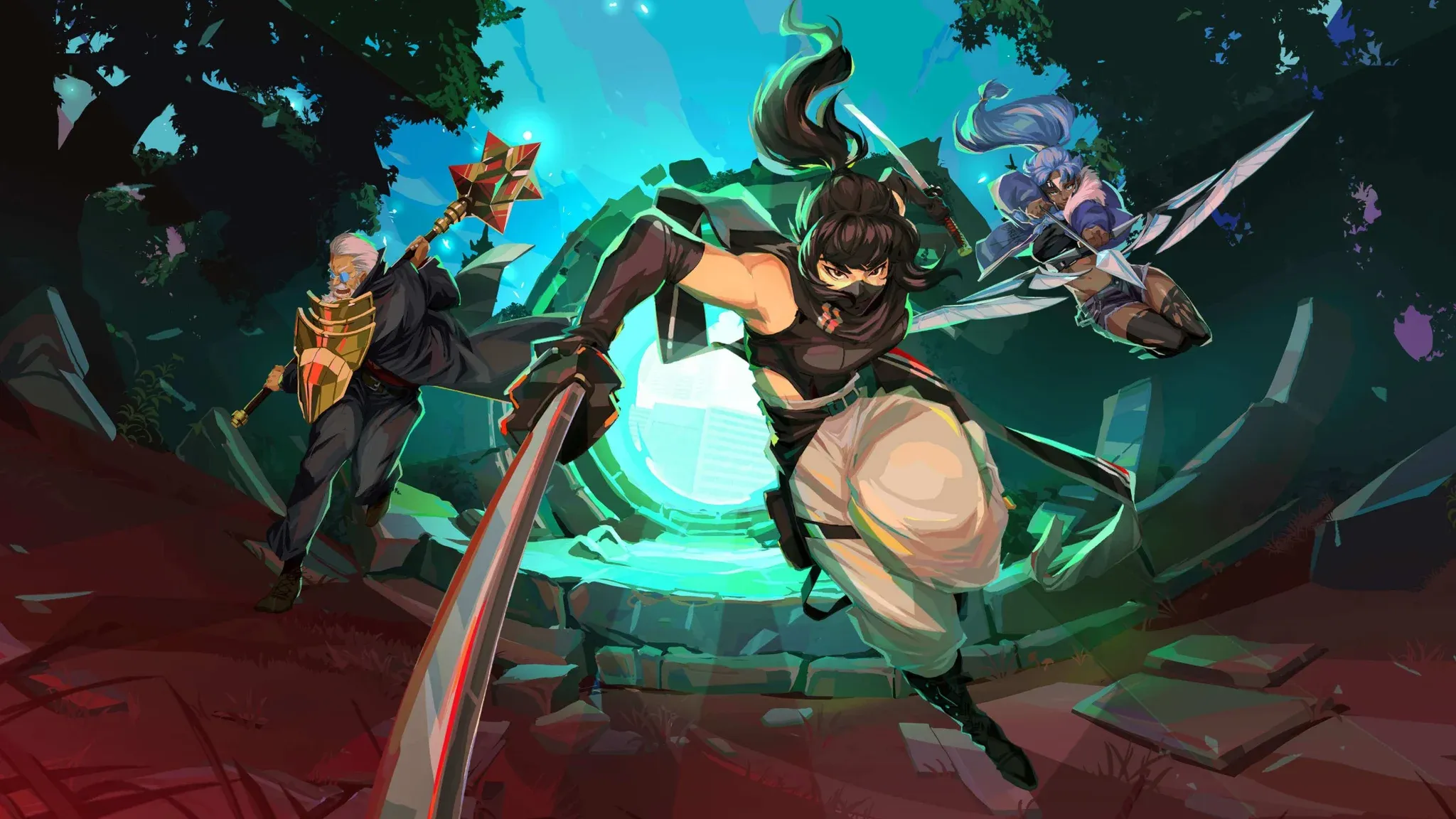


Guildrun is a roguelite auto-battler from developer Leyline where you build a team of heroes, shop for items and relics between fights, and push through two escalating Acts before hitting Endless mode. The systems look simple on the surface, but a few misunderstood mechanics can end a run before Act 1's challenge fight. This guide covers the stats, rank-up logic, hero picks, and pitfalls that matter most when you're starting out.
How does Guildrun's run structure work?
Each run starts with 3 heroes and lets you field up to 5. Your total roster caps at 6, which means at least one hero always sits in reserve. That bench slot isn't wasted: Backup effects still trigger from reserve heroes, so your sixth pick still contributes.
Difficulty is set before the run on an eight-rung ladder: Base, C, B, A, S, SS, SSS, and the Red Rift. Each rung stacks every modifier from the rungs below it. Picking SSS means you're also running with C's combat-start HP loss, A's reduced Shard income, and S's one-item-per-rank cap simultaneously. Start at Base until you understand how fights resolve.
Beat Act 2's final boss and the game rolls you straight into Endless mode, where the difficulty scaling keeps climbing.
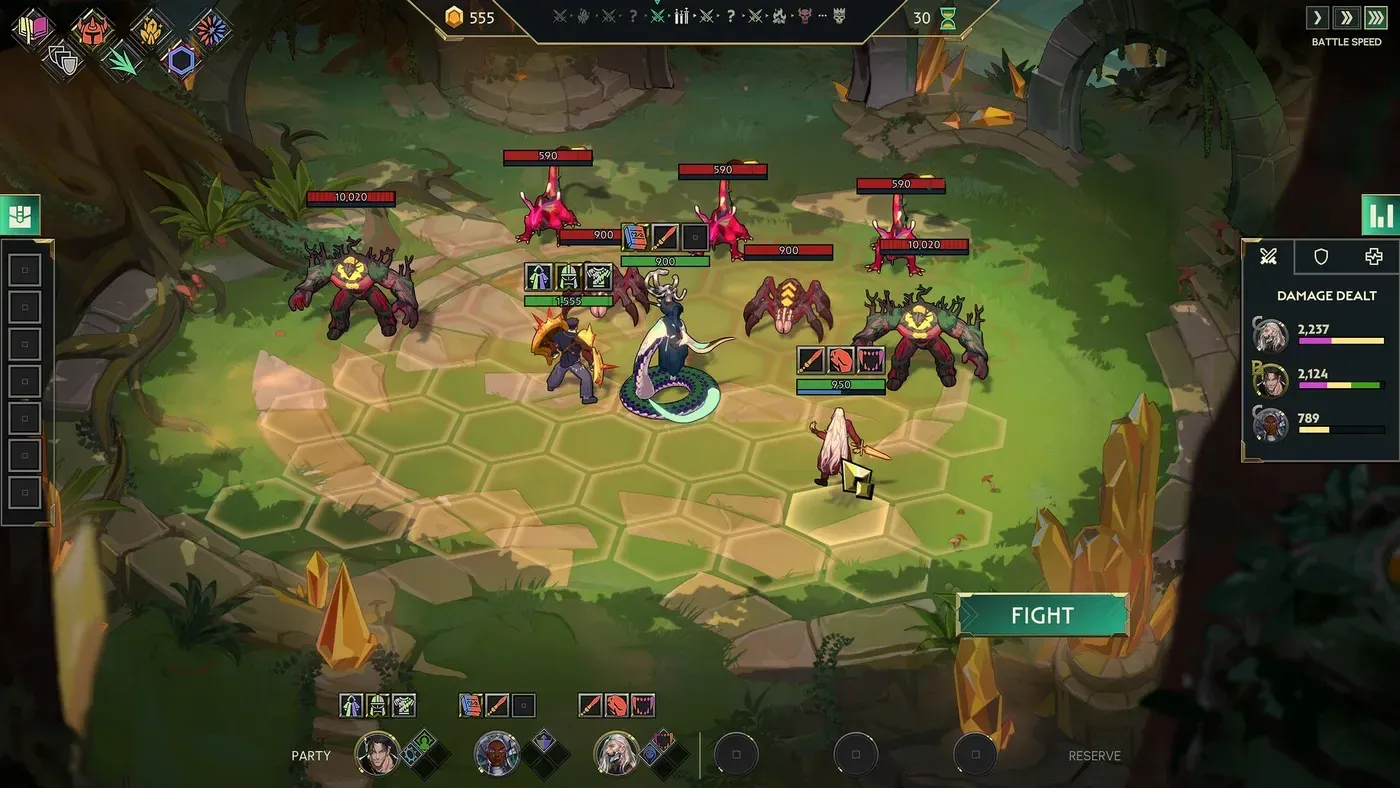
Choose your difficulty rung
Core stats: what actually matters
Understanding the stat sheet early saves a lot of wasted item slots. Here's how each stat functions.
HP and recovery
HP is raw survivability. Tanks and Vanguards run the highest pools. You recover HP through Omnivamp or flat HP-per-second effects. Defense mitigates incoming damage on a straight linear curve with no soft cap, so every point added is worth the same as the last. The catch: Defense does nothing against True Damage or damage-over-time effects like Poison and Burn. Against those, HP and shields are what keep you alive.
Mana and how to fill it faster
Only heroes with an active ability use mana, and pool size varies by hero. Dragomir's Devour, for example, fires once he's accumulated enough mana, then resets to zero. You fill mana three ways: flat mana from items, passive Mana Regen (mystic-focused gear leans into this, and Mystics gain bonus mana regen on rank-up), and auto-attacking. Every hit adds mana, so stacking Attack Speed is a legitimate way to charge spells faster on casters.
Attack, Attack Speed, and Crit
Attack scales hit damage, but the exact scaling differs by hero. Attack Speed is a straight multiplier on your base attack rate. Every 100 points roughly doubles swing frequency, capped at 5 attacks per second for most heroes.
Crit at 100% chance means every attack and spell deals double damage. Push past 100% and each extra point adds to the damage multiplier rather than being wasted, making Crit one of the strongest paths for auto-attack carries.
Magic
Magic powers spells and magic-scaling effects. Hold Shift on an ability to see its exact scaling values. This is worth doing before you commit items to a spell-caster build.
How do rank-ups work in Guildrun?
Every hero starts at Rank C. The progression works like this:
- Rank B: Choose one of three fixed specializations for that hero. Some grant a second class and its associated stats, but picking a second class slightly dilutes the stat gain from your primary class on future rank-ups.
- Rank A / S: Each rank-up delivers your class's stat growth plus one randomly offered upgrade from your class's pool. Dual-class heroes draw from both pools, giving more options but more randomness when you're hunting a specific upgrade.
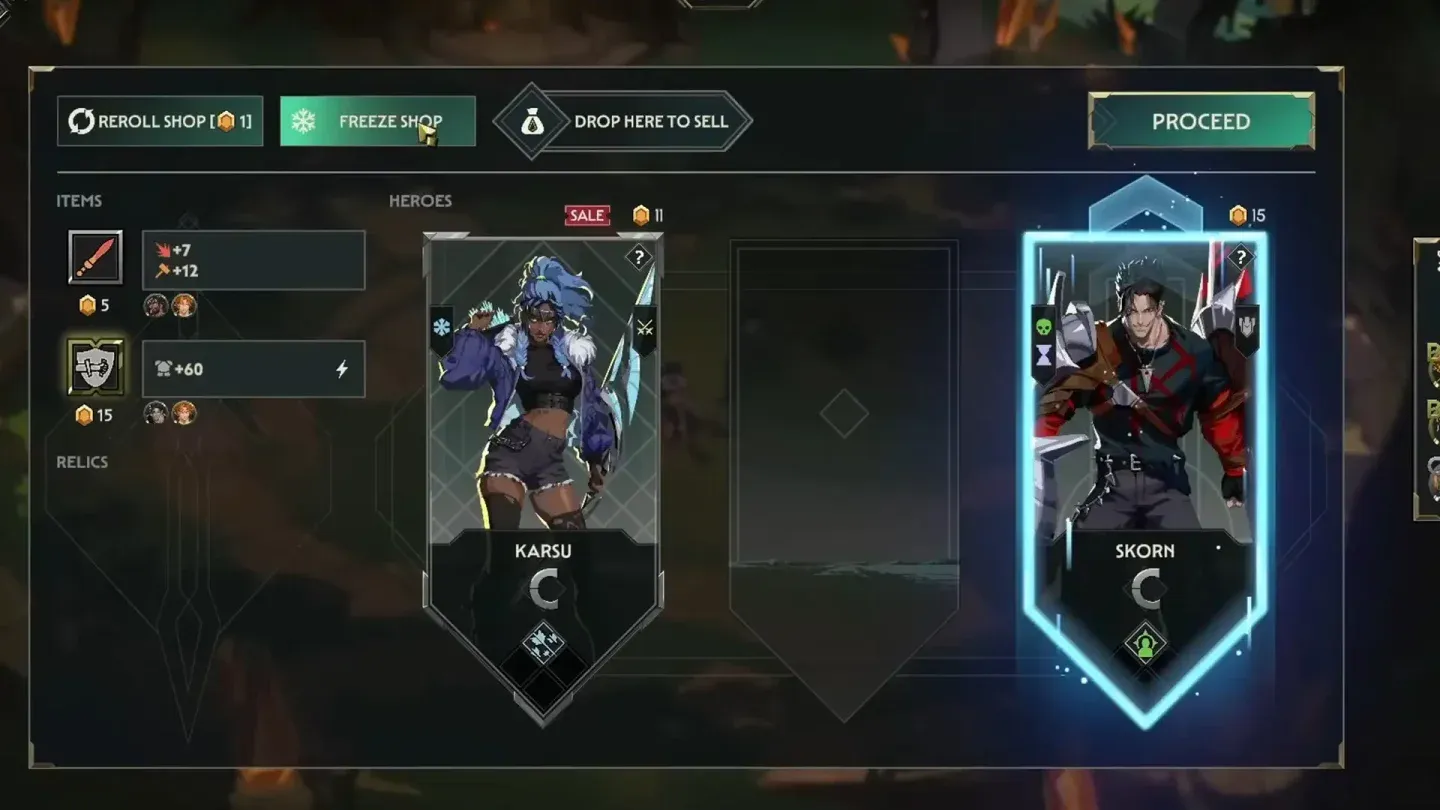
Pick your rank-up spec carefully
Rush vs. Stall: which should you build around?
Rush activates from the very start of combat for a limited window. Ming's Enlightened upgrade extends every Rush ability's duration by one second per hero rank, so by S-rank his Rush effects run several seconds longer. This is particularly strong on heroes like Rip who rely on repeated Rush triggers.
Stall sits inactive until a set number of seconds into the fight, then fires once and stays on for the remainder of combat.
Here's the thing both strategies have to respect: every fight has a hidden timer called The Storm. At 50 seconds in, it starts dealing escalating damage to every unit on the field. By roughly 65 to 75 seconds, most fights are unwinnable regardless of your setup. Stall builds are still viable, but "stall indefinitely" isn't a real win condition. You're racing to close the fight before The Storm does it for you.
Both Rush and Stall can win runs. Plenty of strong builds mix them.
Best beginner heroes and what makes them work
These aren't theory picks. They're drawn from builds that have actually finished runs.
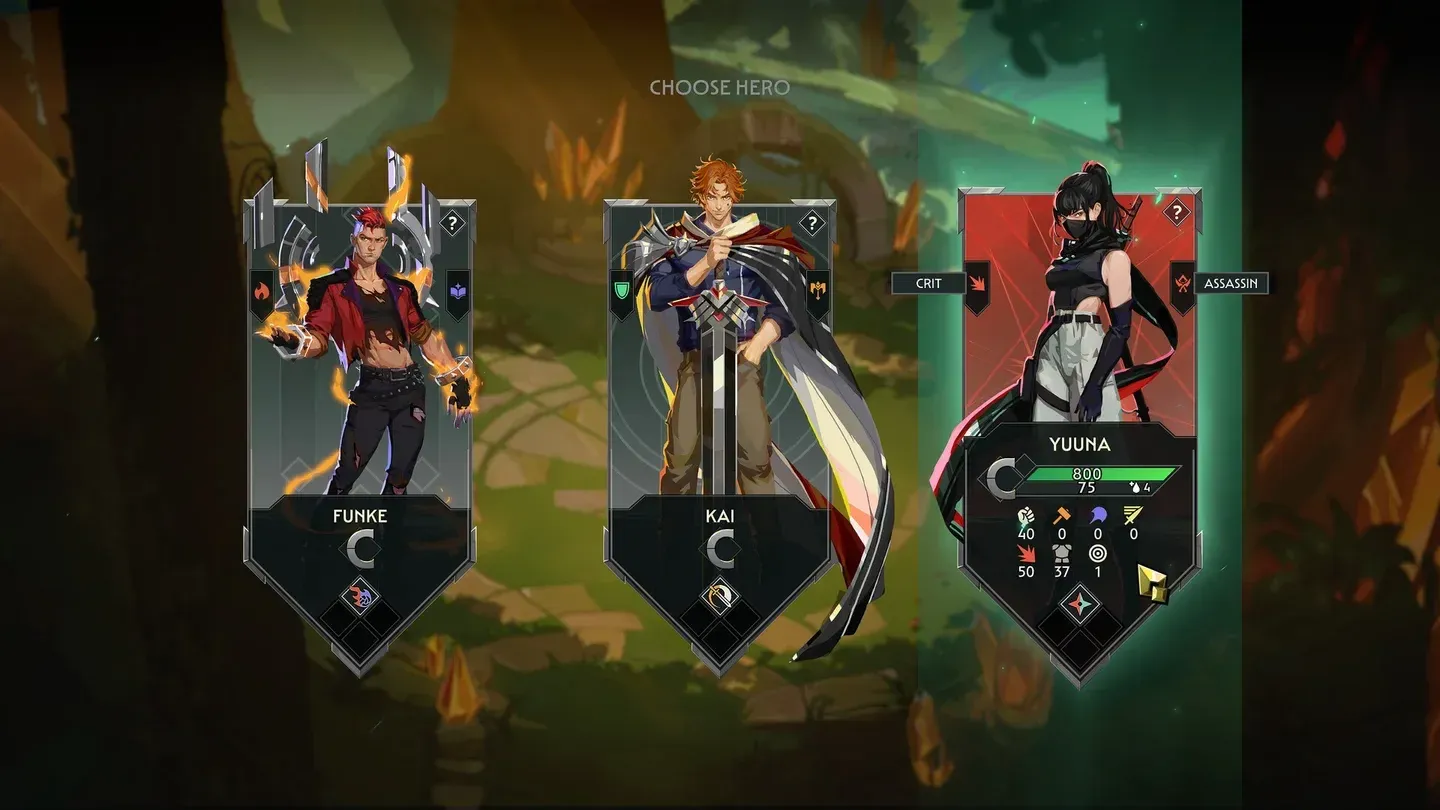
Your starting hero roster
Ratna
Ratna's Fashionable spec grants an extra item slot and, at the start of combat, roughly 45 Magic per rarity level of each equipped item. For a late-game lean, her Assassin path stacks Crit alongside spell damage. Her Mage Armor upgrade converts 100% of Magic to Defense, which can make her one of the tankiest heroes on your board once her Magic is high enough.
Ming
Ming is the go-to Burn carry. His kit stacks Burn on adjacent enemies every second, doubling under Rush. Pair him with HP stacking (his damage scales off his own Max HP) and Rush-extending upgrades. His Enlightened upgrade is one of the better rank-up picks in the game for Rush-focused teams. Ming also works well alongside Rowan in Vanguard-heavy compositions.
Kai
Kai is a shield-nuke Warrior. His active builds a shield, waits, then deals AoE damage plus bonus damage equal to his remaining shields. His Unstoppable spec adds bonus shields and grants Attack every time he's shielded, so shield-generation support stacks his damage quickly. Gustav and Grace's Radiant upgrade are the recommended pairings for best results.
Grace
Grace is the strongest support option for beginners. Her Salvation heal scales off Magic and, after a Stall trigger, can target and resurrect fallen heroes. Her Selfless spec extends Salvation to hit the whole team after an early Stall. She keeps runs alive through fights that would otherwise end in a wipe.
Logan
Logan's Execution ability scales with both Attack and Magic. His Juggernaut spec converts damage dealt into a lasting personal shield. He can solo single-target fights once he's stacked a few rank-ups. Tilly is a common pairing for the extra Shard generation.
Rowan
Rowan's Bold shield-scaling upgrades make attack scale off current shields, and every hit generates more shields. He becomes a frontline that gets stronger the longer a fight runs, which pairs naturally with Ming for Vanguard-heavy comps.
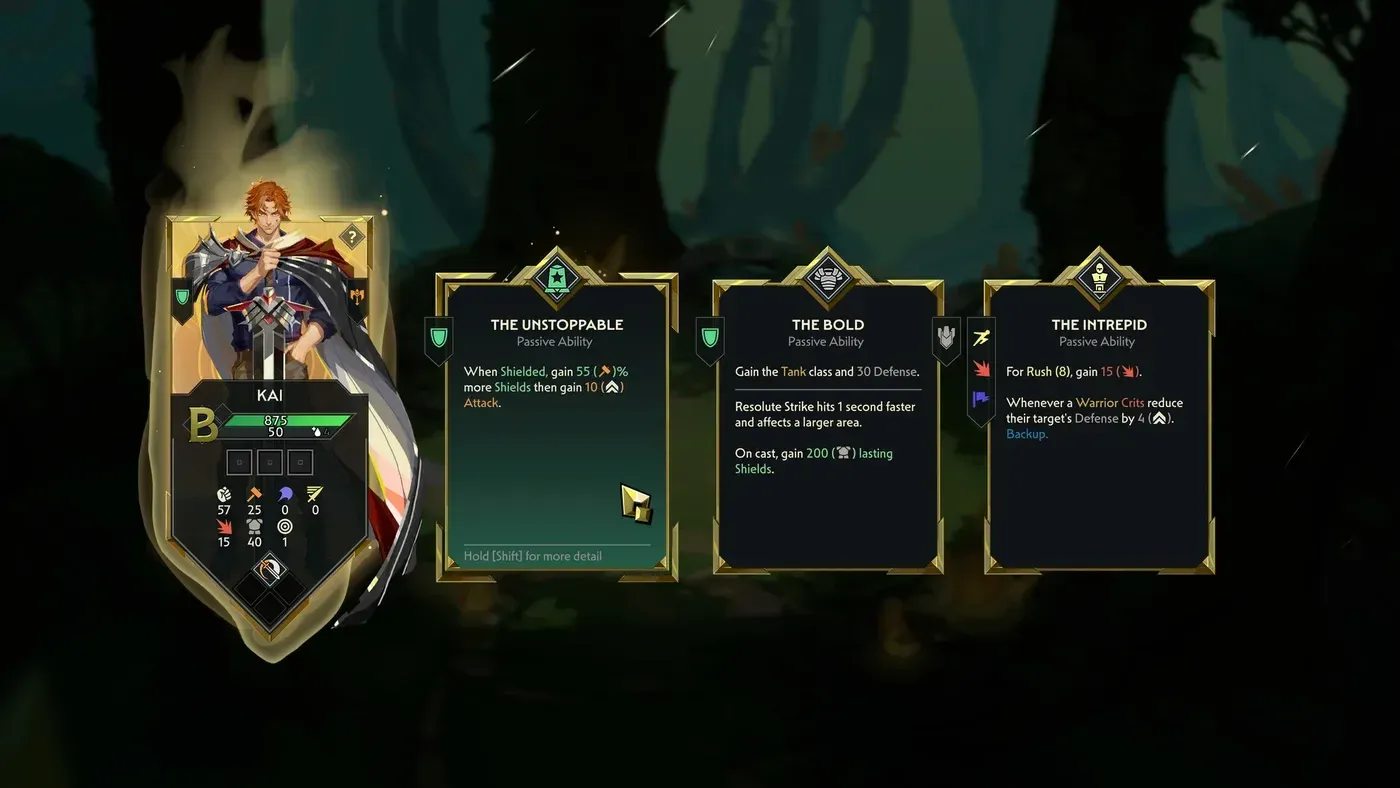
Kai's shield-nuke in action
What mistakes end beginner runs early?
After running through the common failure points, these are the ones that come up most often:
- Skipping B-rank upgrades or arriving at the Act 1 challenge fight undergeared
- Prioritizing raw Attack over Attack Speed, which leaves auto-attack carries swinging too slowly
- Neglecting mana generation on spell-casters so their abilities rarely fire
- Poor positioning that leaves backline heroes exposed and dead before they contribute
- Grabbing every tempting relic early when your team can't yet absorb a bad pick
- Going dual-class when you're hunting one specific upgrade, which doubles your randomness and dilutes the pool
Building your first successful run
The cleanest path for a first run: pick Grace as your support anchor, add Ming or Kai as your primary damage dealer, and fill the remaining slots with whatever complements their class. Get your carry to B-rank before the Act 1 challenge fight, keep an eye on mana generation for any casters, and don't overload on relics before your team can handle the downside variance.
For more strategies and build breakdowns as you get deeper into the game, the Guildrun guides collection covers more advanced territory once you've got the fundamentals down. Guildrun sits in a strong spot among strategy games that reward learning over grinding, and the run variety opens up significantly once you move past the first few difficulty rungs.