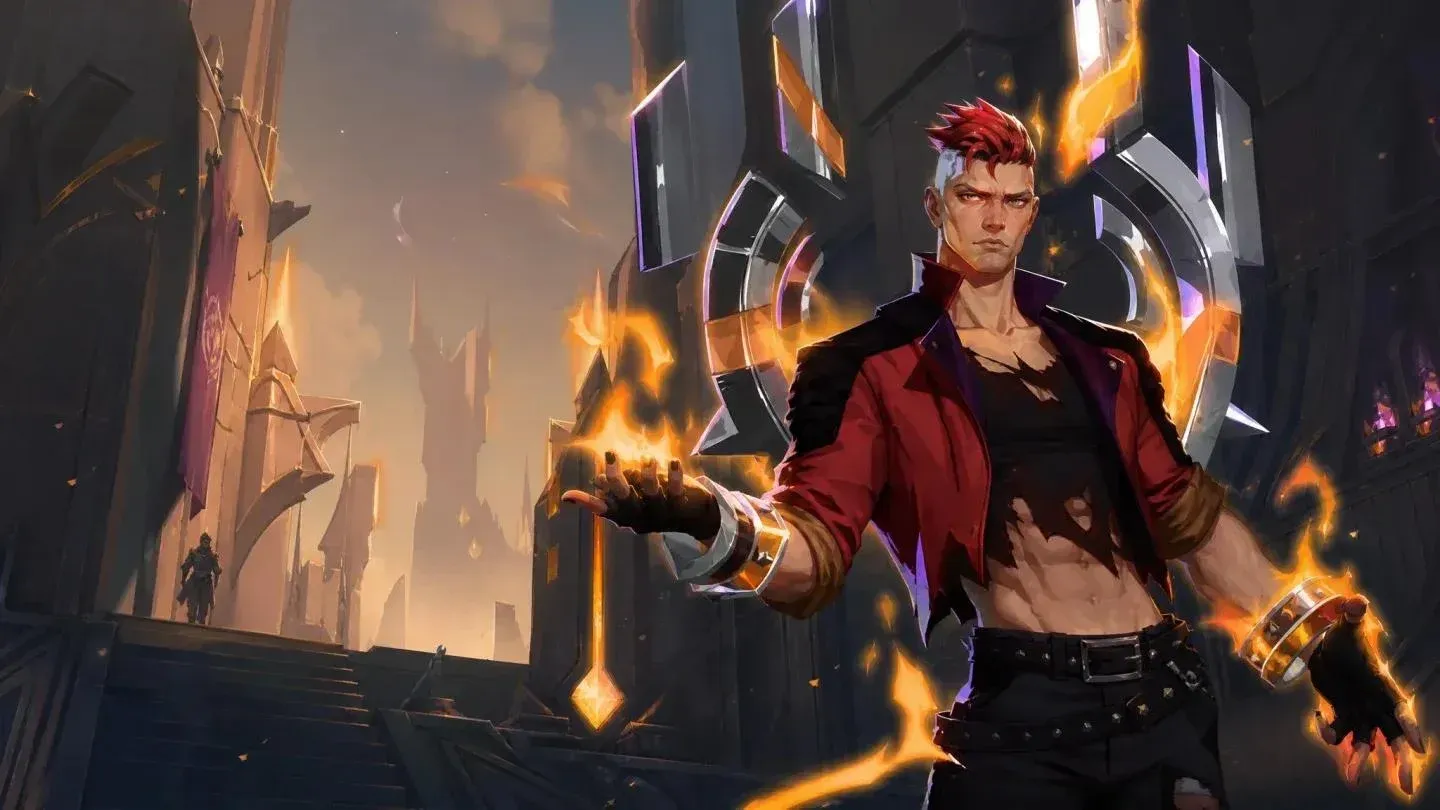


Guildrun gives you 25 heroes to work with, but the real depth isn't in the headcount. It's in how radically each hero can shift from their starting role. A backline healer can end a run as a frontline tank. A ranged damage dealer can become a melee brawler. The class system is built around that flexibility, and understanding it is what separates players who hit a wall at the mid-boss from players who close out runs consistently.
How does the hero roster work in Guildrun?
The demo launches with 25 unlockable heroes, but you won't see all of them on your first run. Heroes, relics, and items unlock progressively as you clear content, so early runs directly shape what options appear in later shops. That unlock model means your first few clears aren't wasted even when the build falls apart. You're expanding the pool for future attempts.
Every hero enters with a defined class identity and a signature ability. From that starting point, the rank-up system does the heavy lifting. Specialization choices at each rank determine whether a hero deepens their original role or pivots hard into something new: tank, damage, assassin, duelist, support, or hybrid. The numbers behind this are significant. The game ships with 180 specializations across 75 spec paths, which means two heroes sharing the same portrait can end up functioning as completely different units depending on which branches you take.
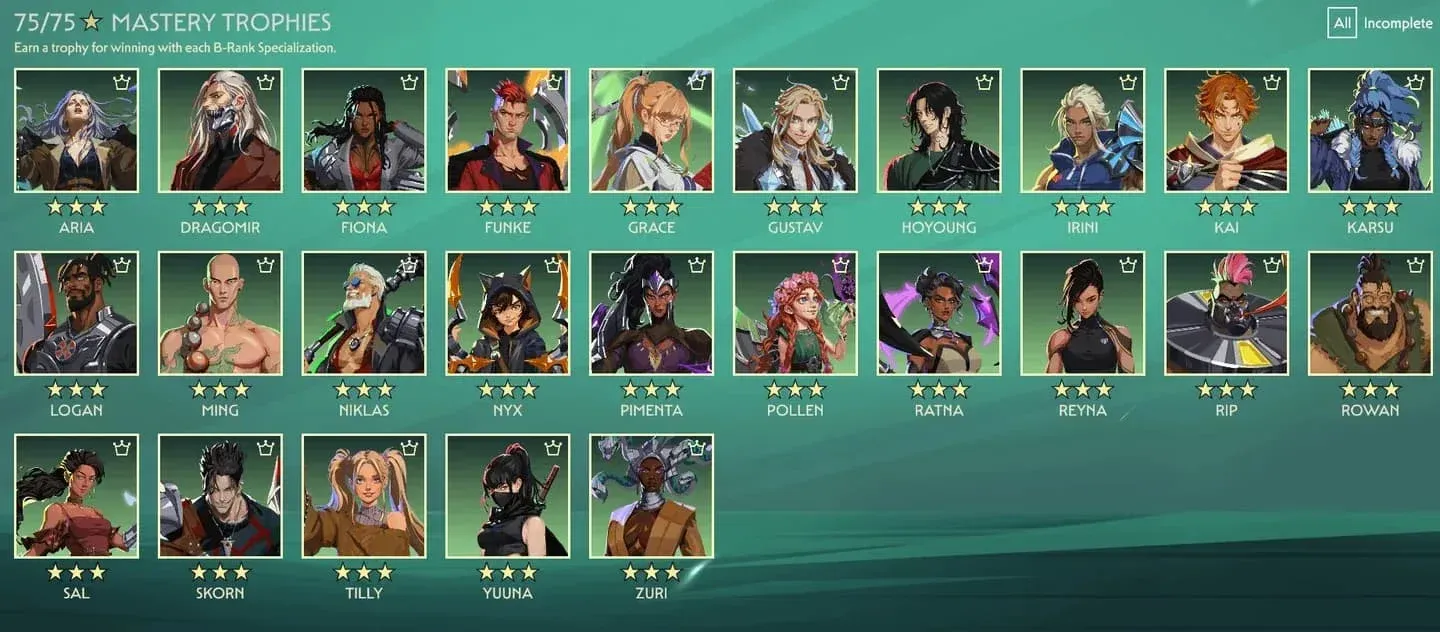
Guildrun's full hero roster
What do class tags actually do?
Class tags aren't cosmetic labels. They feed shared modifiers across your entire team and interact directly with certain relics. When multiple heroes share a tag, those modifiers stack into what the game effectively treats as a team-wide engine.
The clearest example from hands-on coverage: a Duelist picking up Assassin execute thresholds doesn't just benefit that one hero. Those thresholds apply to every Duelist and Assassin on the field. That's the core logic of the tag system. Stacking the same class across multiple heroes amplifies the engine. Mixing classes widely can unlock different relic conditions. Neither approach is universally correct, and that tension is where most of the interesting decisions live.
Relics lean into both directions. Some reward mono-class compositions where you're doubling down on one tag. Others reward rainbow builds where you're deliberately diversifying. Before adding a hero to your roster, run through three quick checks: what tags do they bring, which specialization branches open at the next rank, and do they have enough value sitting in Backup if they never make it onto the field.
How do C to S rank decisions change a hero's function?
Ranking up isn't a stat bump with a side of cosmetics. Each step from C through B, A, and S presents ability choices that meaningfully change what a hero does. An A-rank hero spotted in the shop mid-run can be worth rebuilding your entire composition around if their available branches fill a gap you've been papering over.
Because each hero's option pool is constrained to their own tree, learning the branches matters more than memorizing a single global tier list. Two S-rank paths on the same hero can produce units that play nothing alike. Check our Guildrun heroes tier list for a breakdown of which heroes and paths are performing best across real run data.
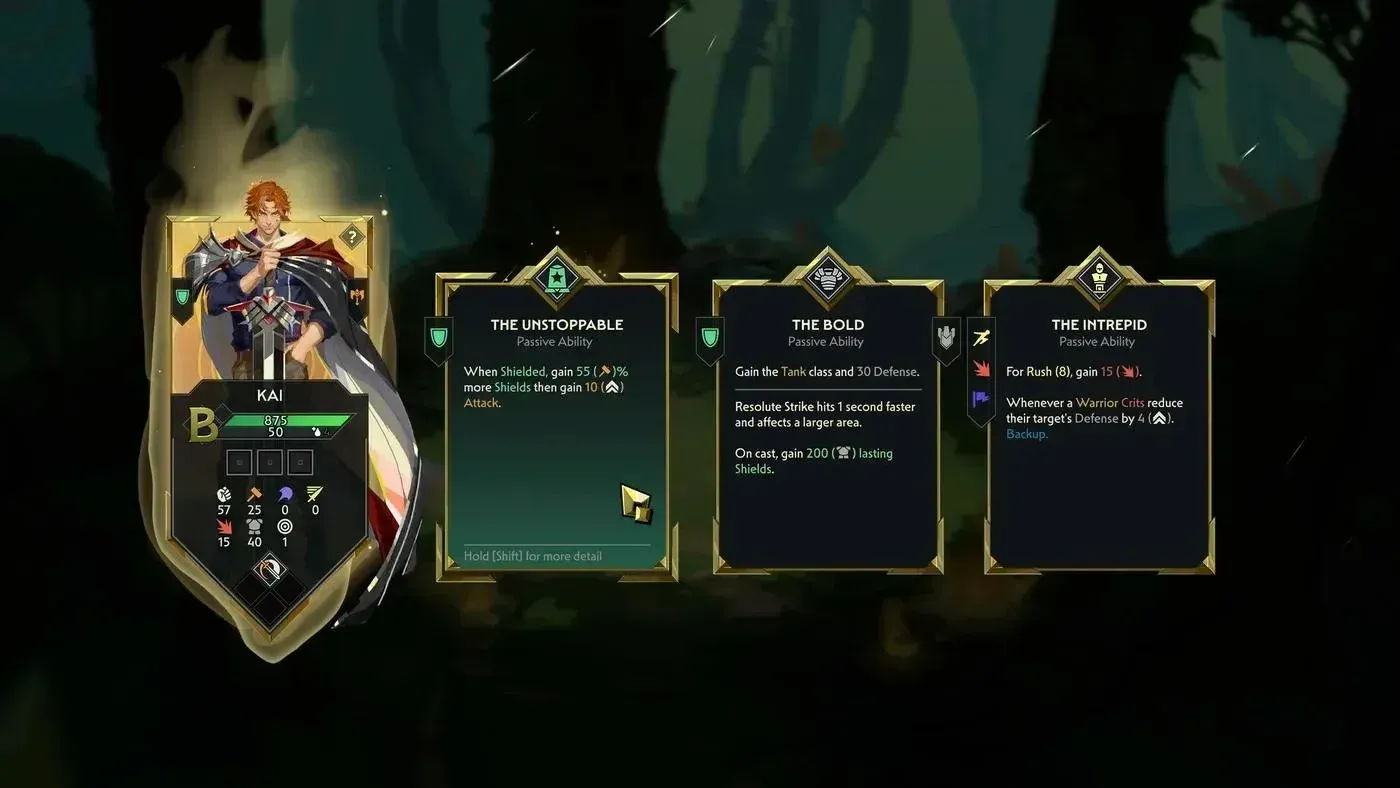
Rank-up paths per hero
What is multiclassing and why does it matter?
Multiclassing is an intentional design feature, not an exploit. The official framing is explicit: starting class is a suggestion. The rank-up system is the mechanism, and items are what make the new role actually stick.
The practical implication is that items need to match the job the hero is doing now, not the job they started with. Omnivamp on a fragile carry keeps them alive through the burst they'd otherwise die to. Attack speed on a converted brawler turns a mediocre frontliner into a genuine threat. Defensive layers on a former support make the position swap feel intentional rather than accidental.
Modifier pools can stack across classes, so a hero holding two class tags isn't splitting their power. They're potentially doubling the number of team-wide engines they feed. That's the upside. The downside is that forcing a multiclass through a shop that never offers the right items leaves you with a unit that does two jobs poorly instead of one job well.
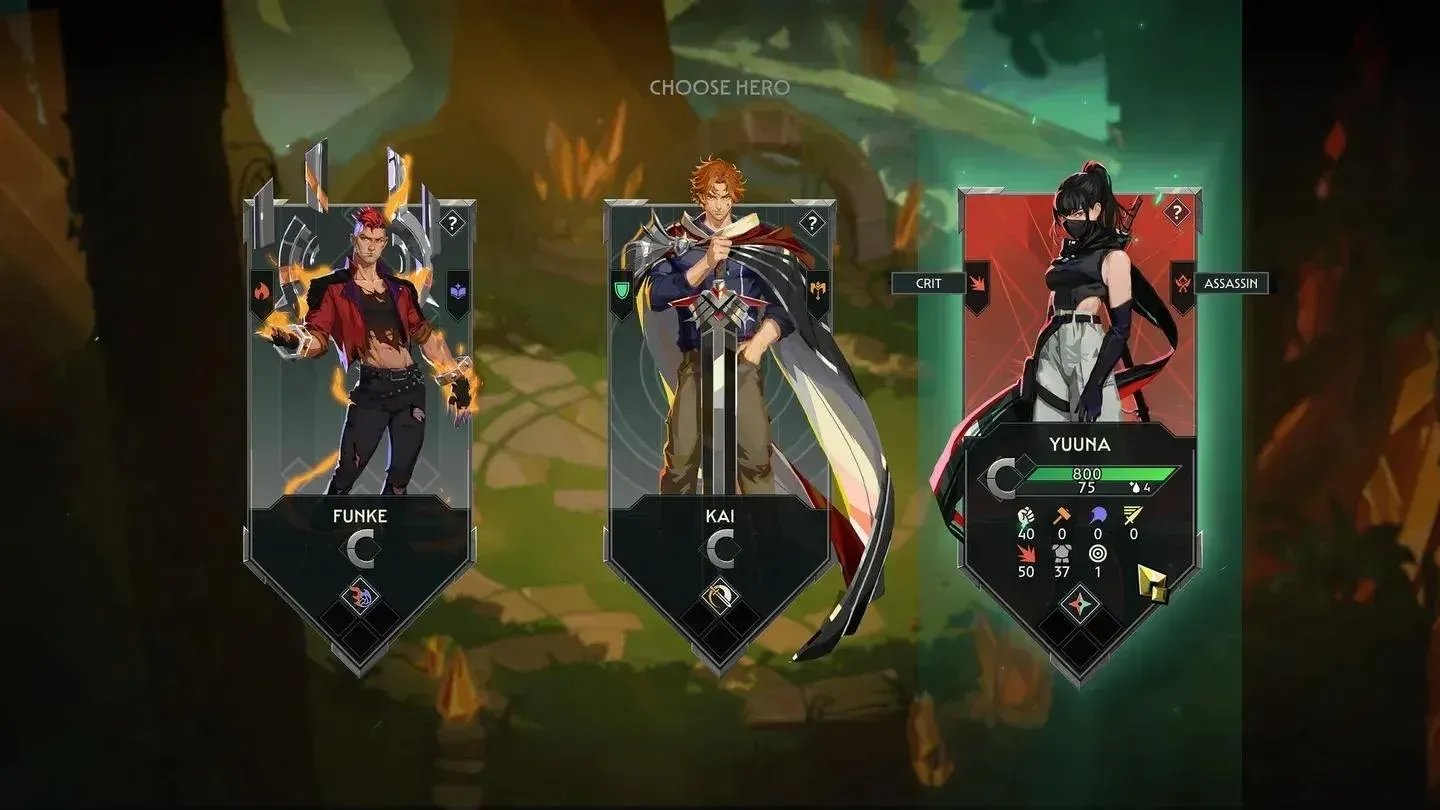
Class tag modifier stacking
Building around class tags: what to prioritize
Here's a practical framework for evaluating heroes as your roster develops:
Account unlocks change which synergies you can even attempt. Early runs are for learning which tags do what. Later runs are for intentionally hunting engines you already understand but haven't completed yet.
For deeper coverage of how items interact with these class decisions, the Guildrun item tier list covers every S-tier build with hero picks, relic choices, and positioning notes.
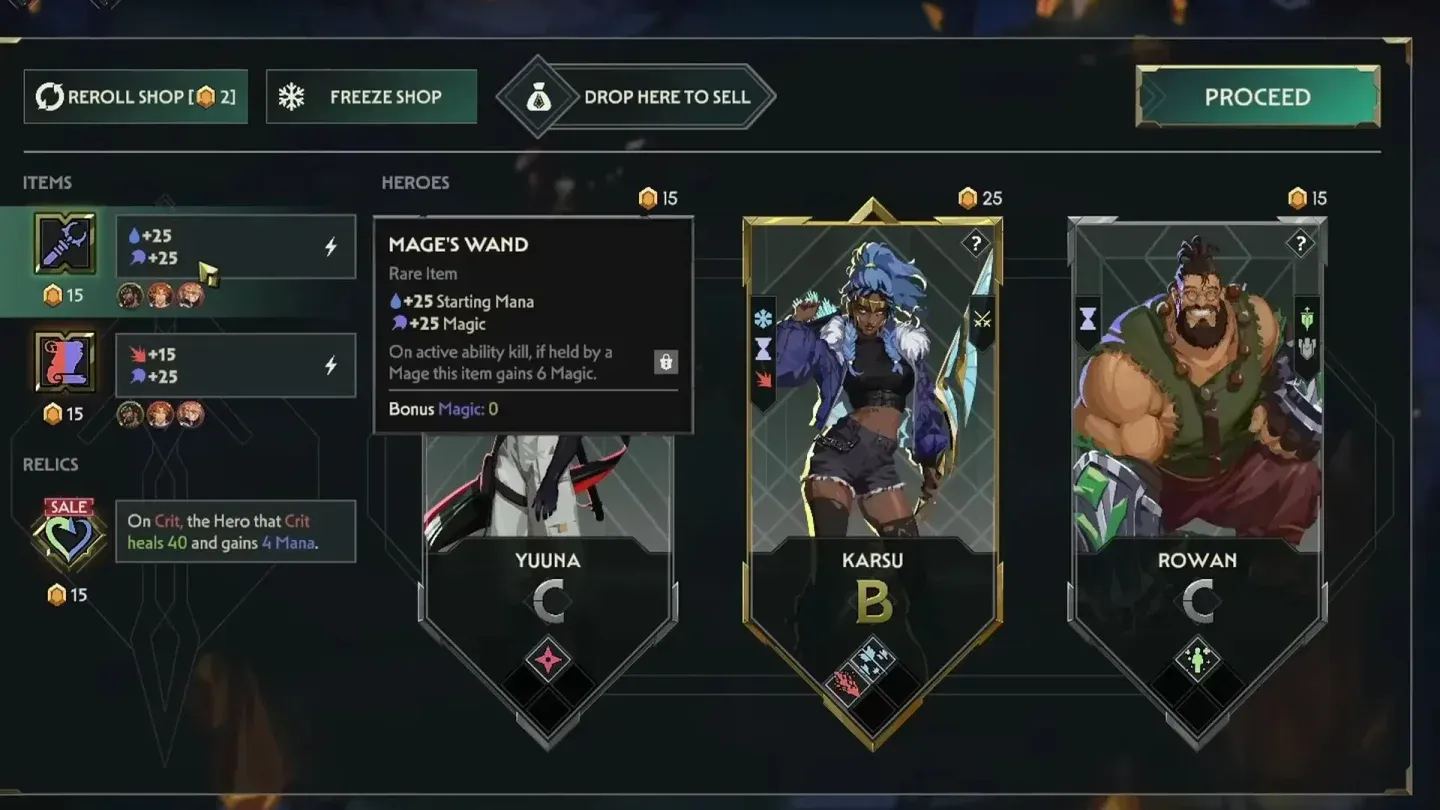
Item and relic build options
Where to go from here
The class system in Guildrun rewards players who think two steps ahead of the current shop. Rank-up choices, item planning, and tag stacking all compound. A hero that looks mediocre at C rank can define a run at S rank if the branches and items align.
If you're still getting familiar with how stats and run structure work together, the Guildrun beginner's guide covers the foundational mechanics before you start optimizing class compositions. For everything else, the full Guildrun strategy guides collection has you covered.