Overview
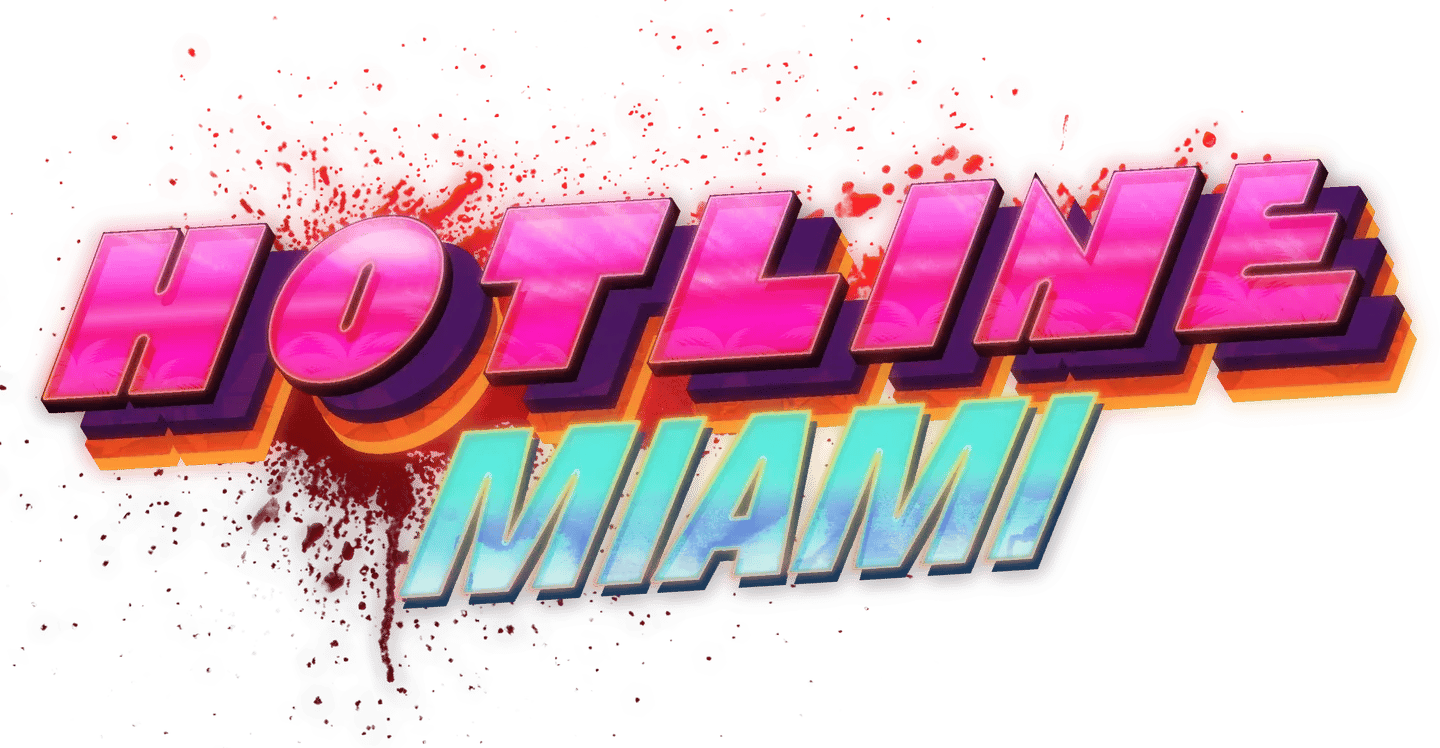
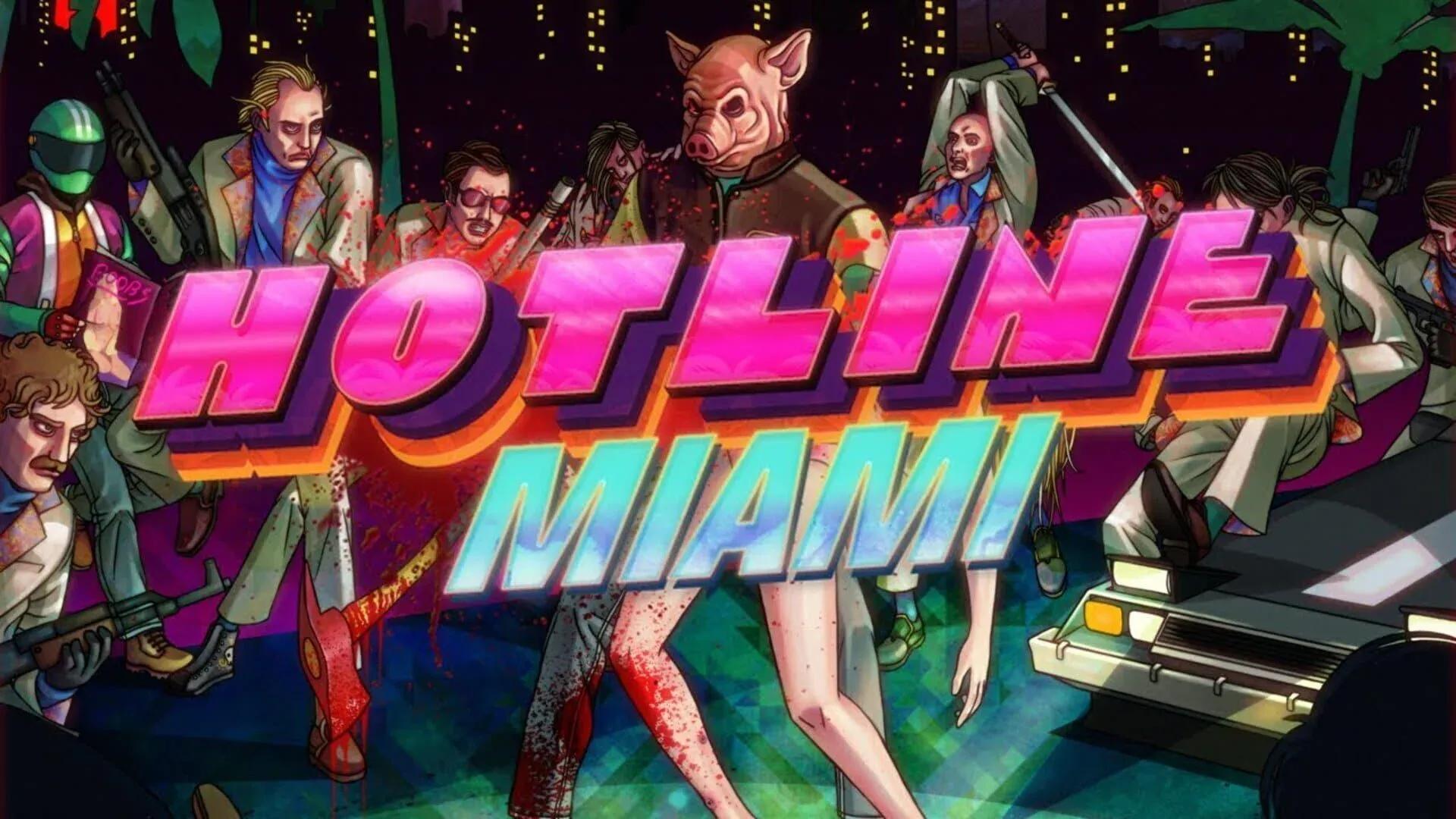
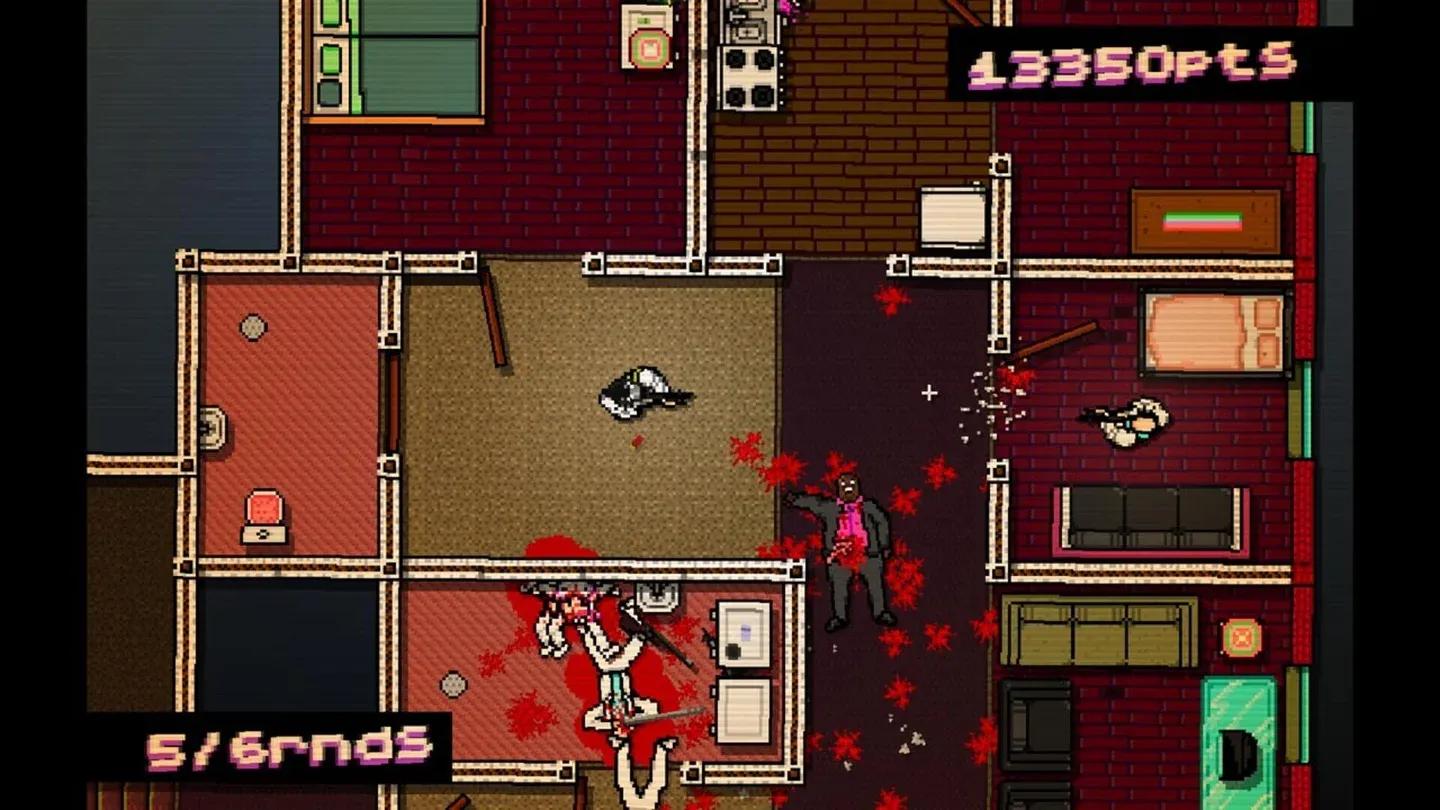
Hotline Miami is a top-down shooter and close-quarters brawler developed by Dennaton Games and published by Devolver Digital, released in October 2012. The game drops players into an alternative version of 1989 Miami, where a silent, mask-wearing hitman receives cryptic answering machine messages directing him to specific addresses. What follows is a series of bloody, methodical massacres carried out against organized crime, told through a fractured narrative that never quite lets you feel comfortable with what you're doing.
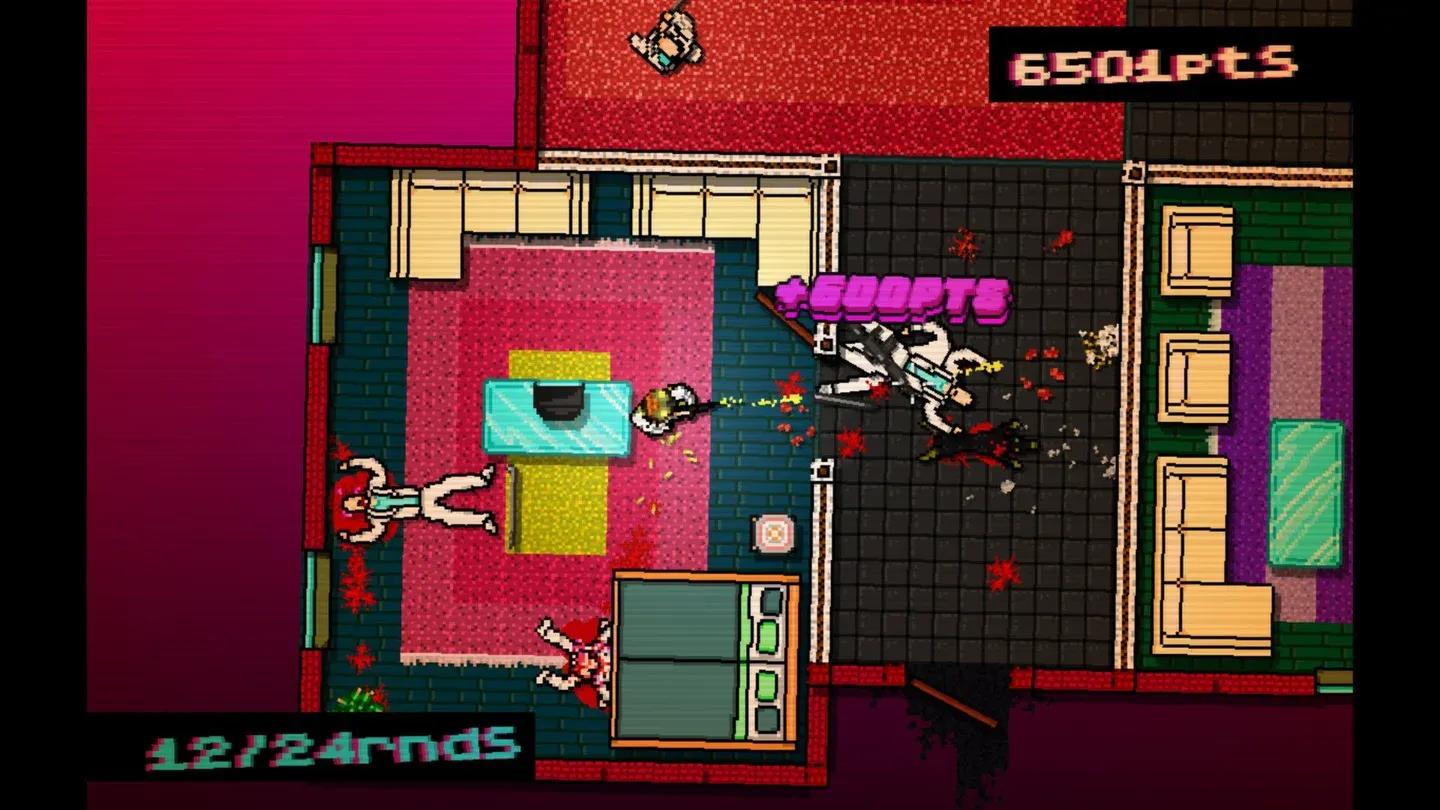
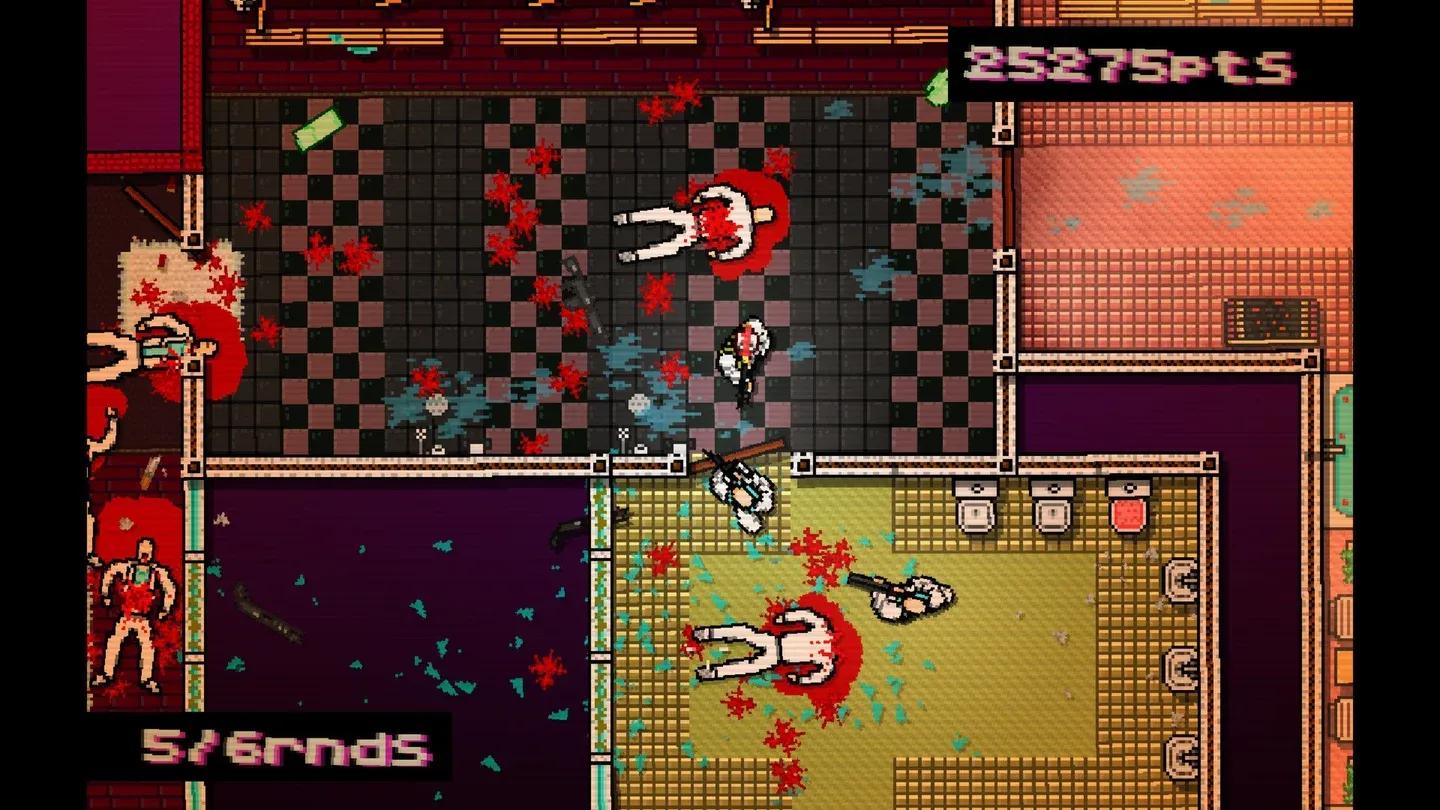
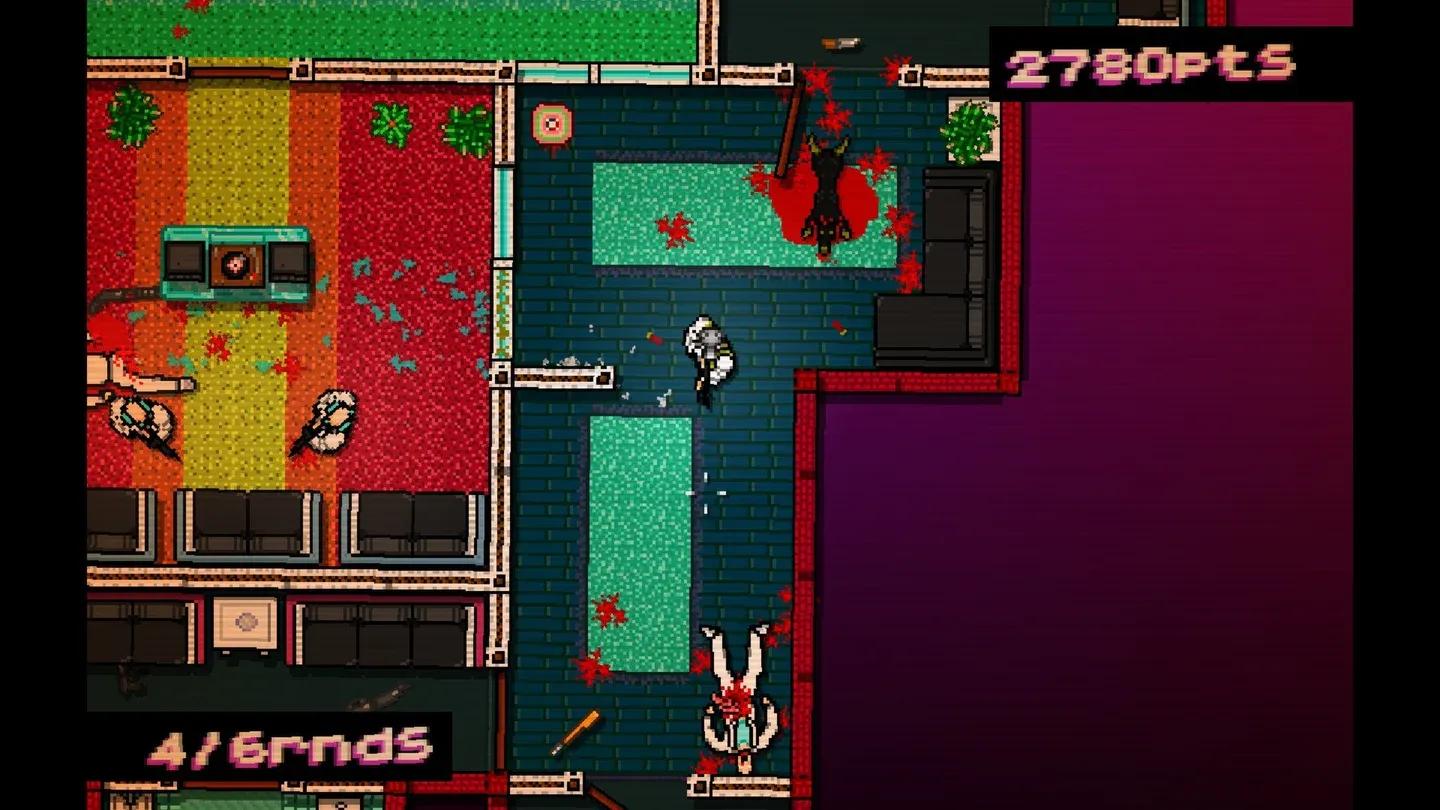
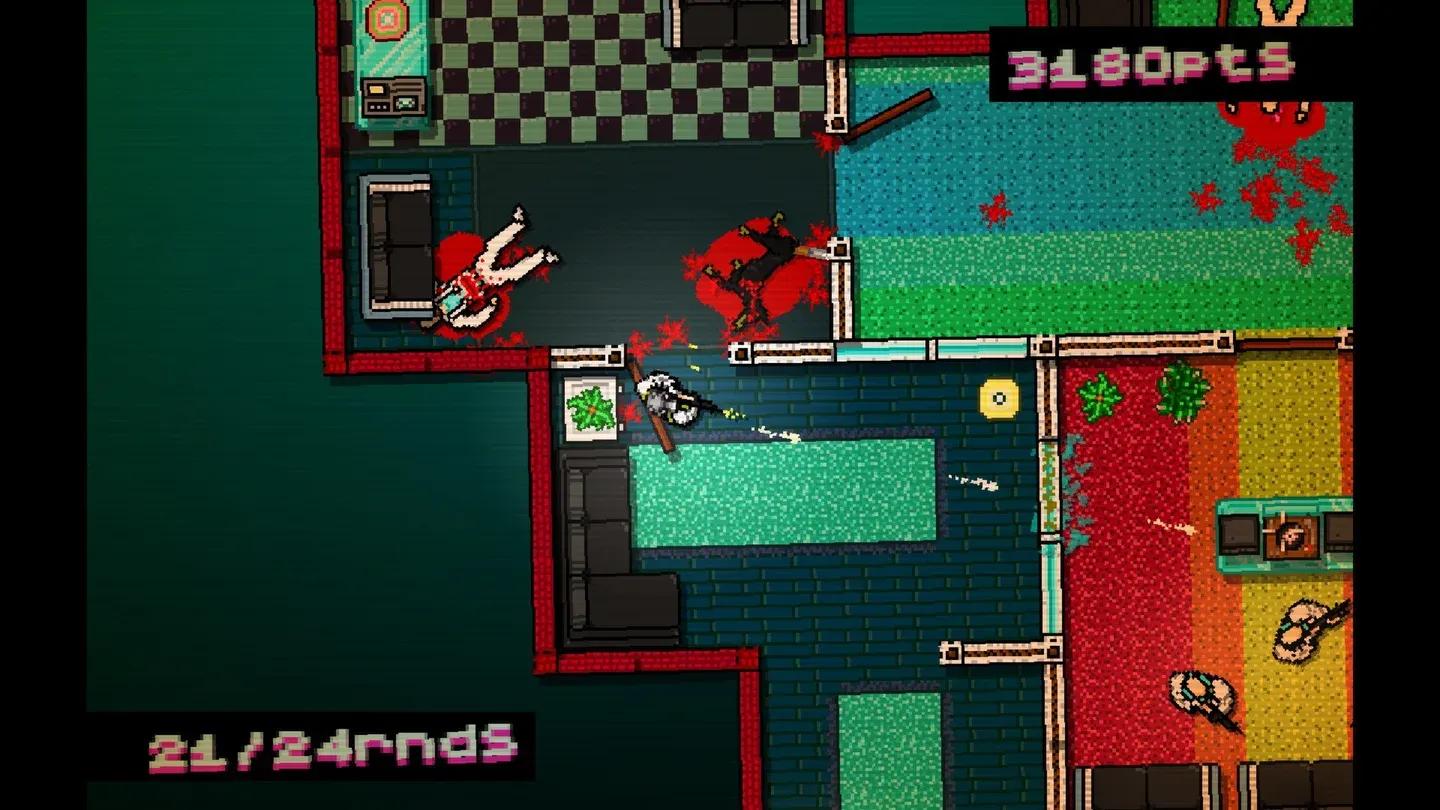
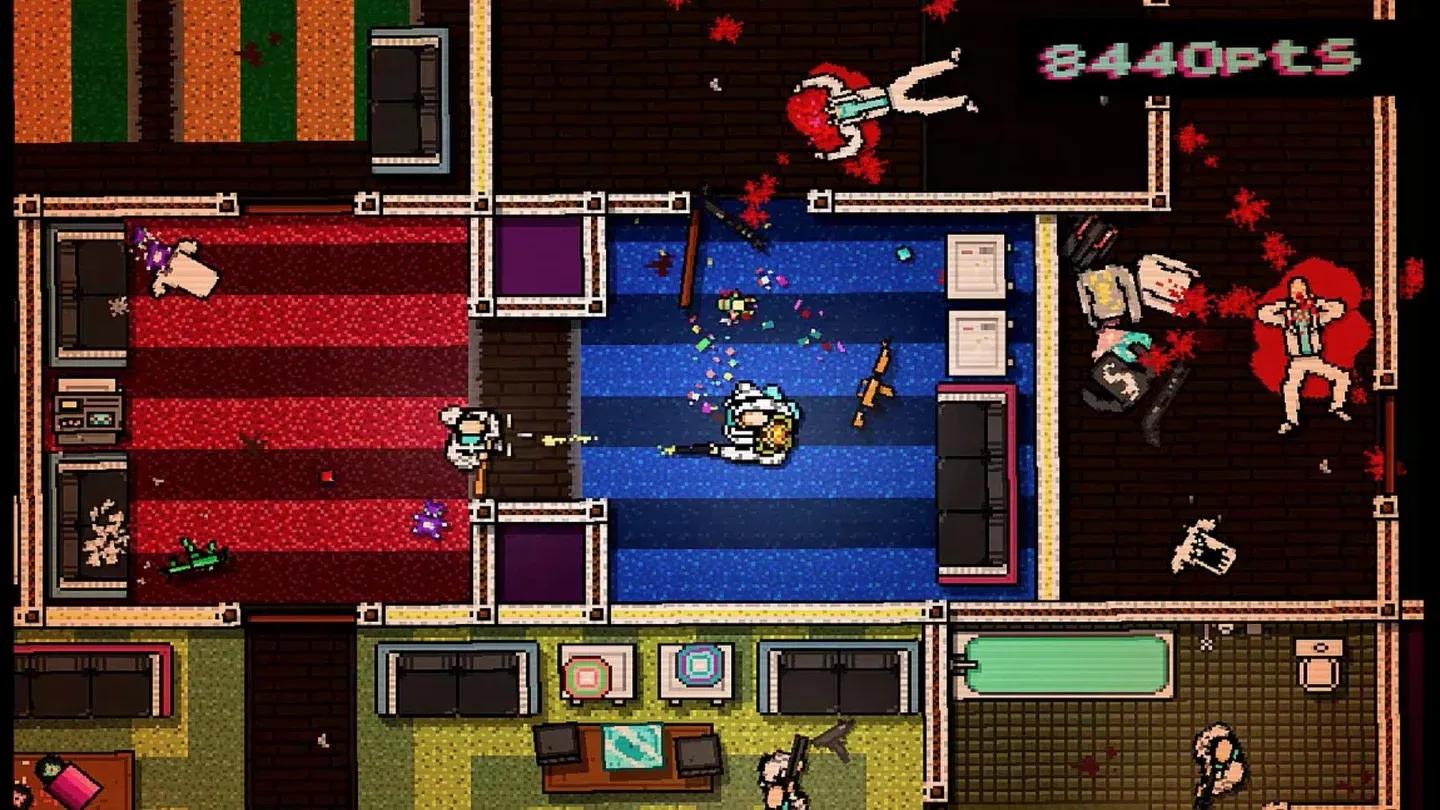
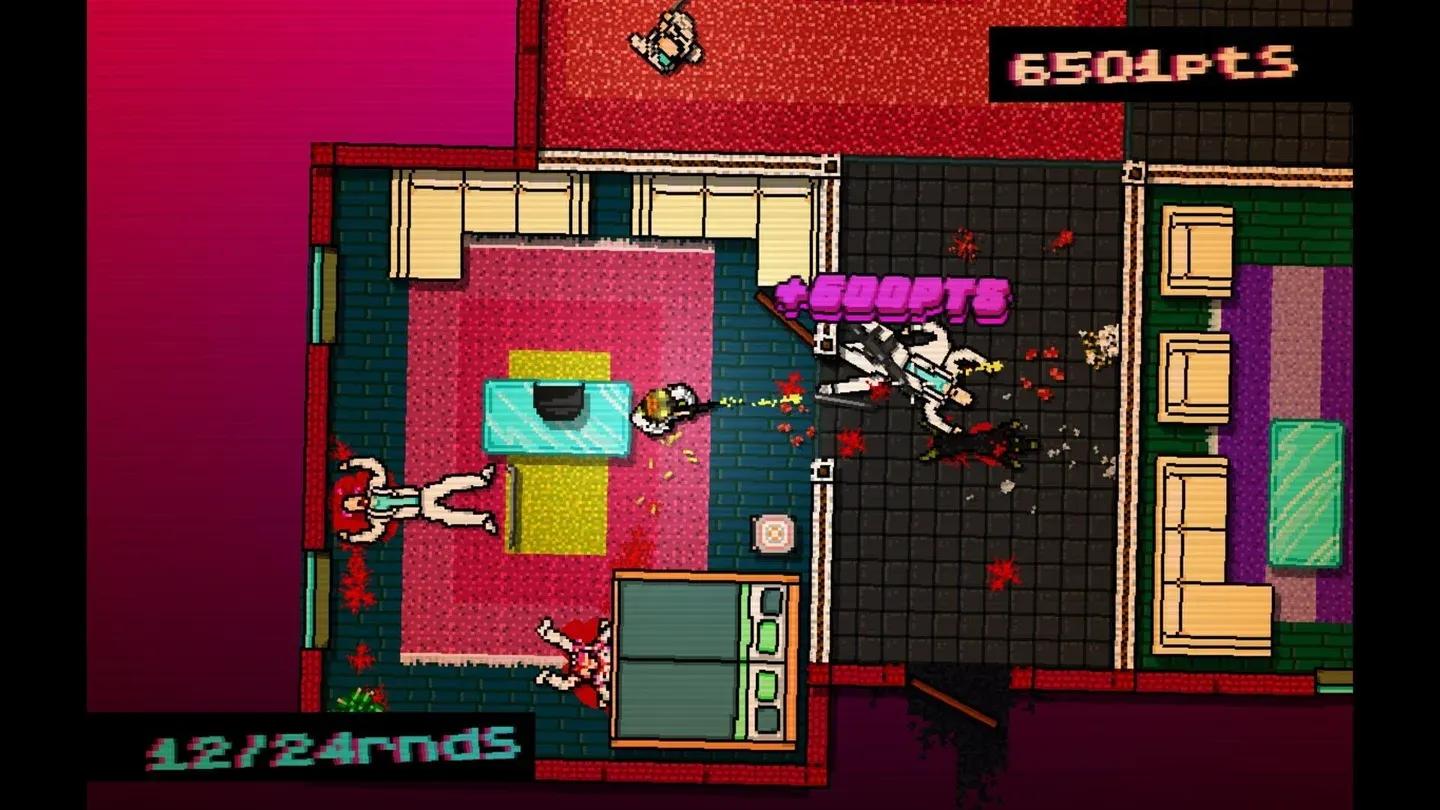
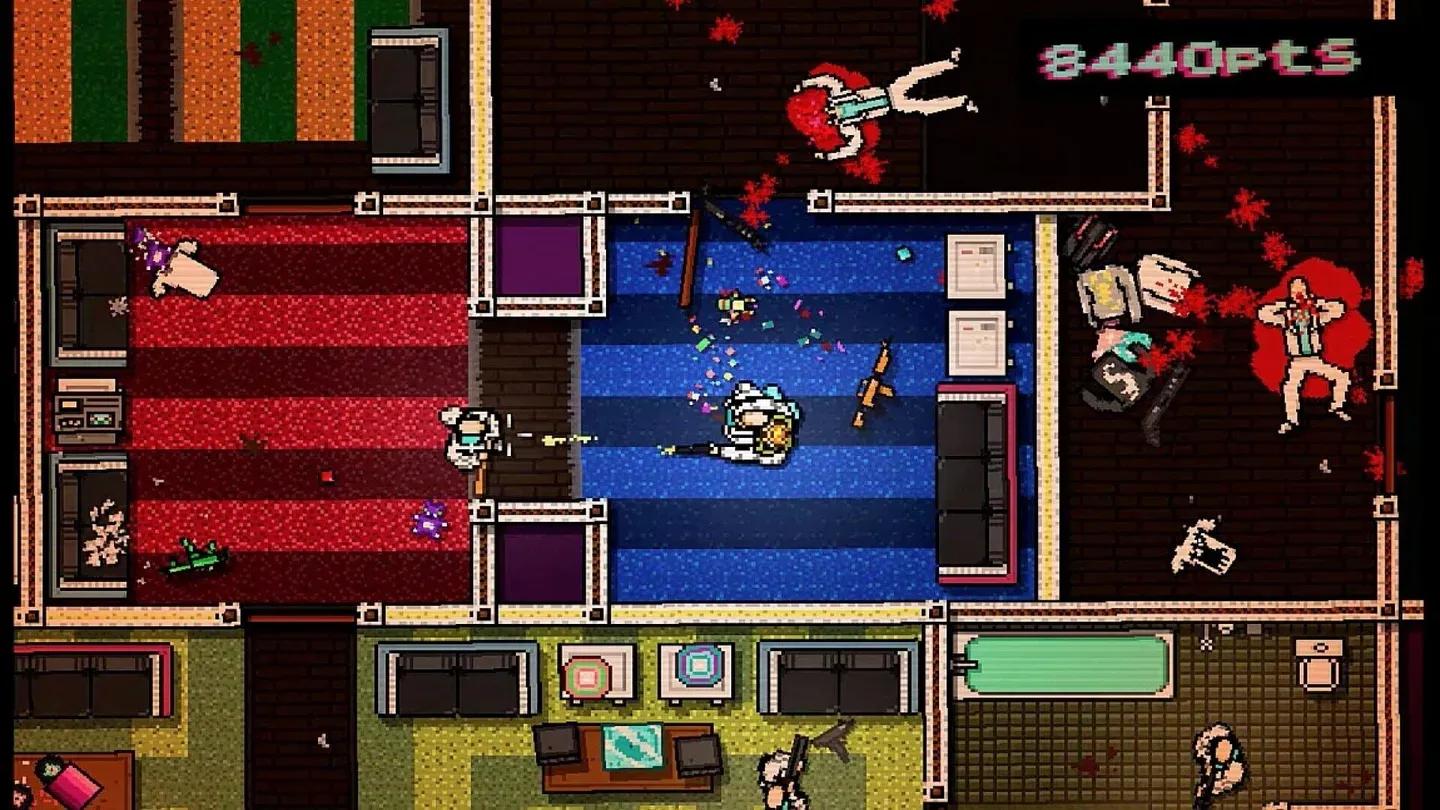
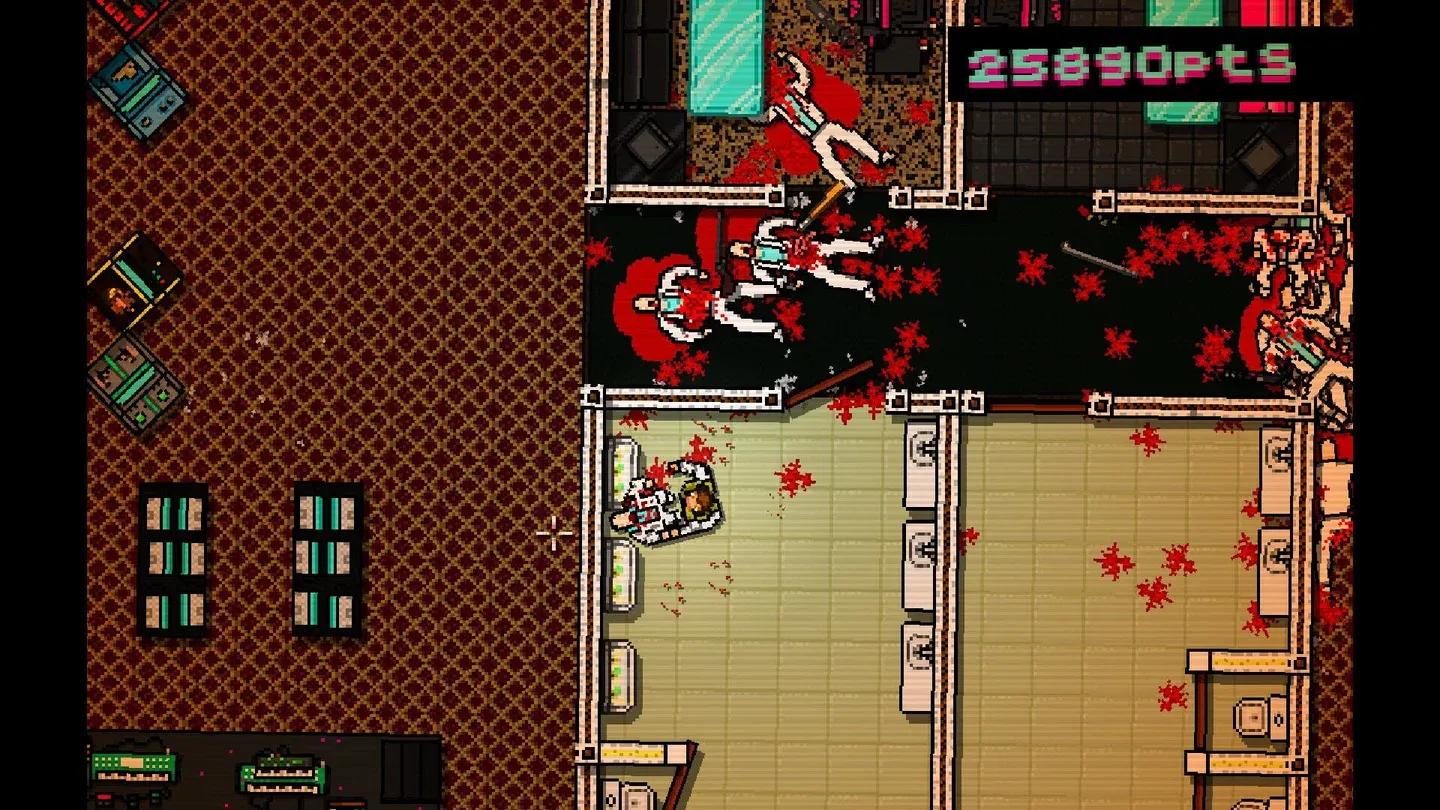
The game's visual identity is immediately distinctive: a top-down perspective rendered in garish neon pixels that somehow make graphic violence feel abstract and painterly at the same time. Every level is a contained floor plan of rooms, corridors, and armed enemies, and the challenge is figuring out how to clear it without dying in the first three seconds. Death comes fast. The restart comes faster. That loop is the entire engine.
Gameplay and mechanics
Hotline Miami's core loop is essentially a puzzle game wearing a shooter's clothes. Each level presents a map full of enemies, and a single hit kills you. The question isn't just how to kill everyone, it's in what order, with what weapon, and how to avoid the one guy behind the door you didn't check.
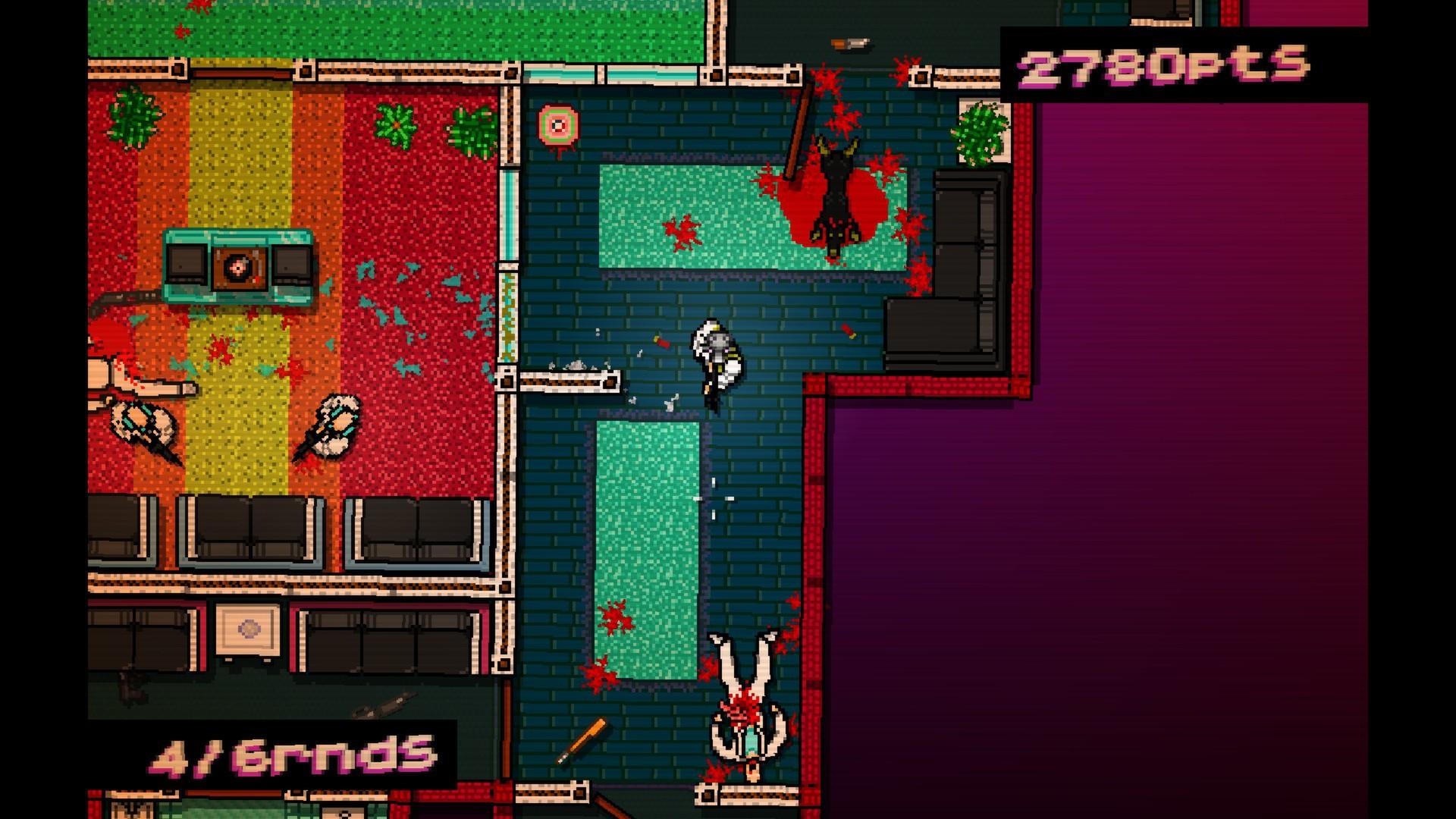
Key mechanics that define the experience:
- Mask system that modifies run behavior
- One-hit kill for both player and enemies
- Melee, firearms, and throwable weapons
- Letter-grade scoring based on speed and style
- Unlockable weapons tied to performance
The mask system is where the game's replay value lives. Each mask grants a different passive ability, from starting with a specific weapon to having enemies react differently to noise. Switching masks between runs changes the entire approach to a level, making Hotline Miami surprisingly replayable for a game that can be completed in a few hours.
World and setting
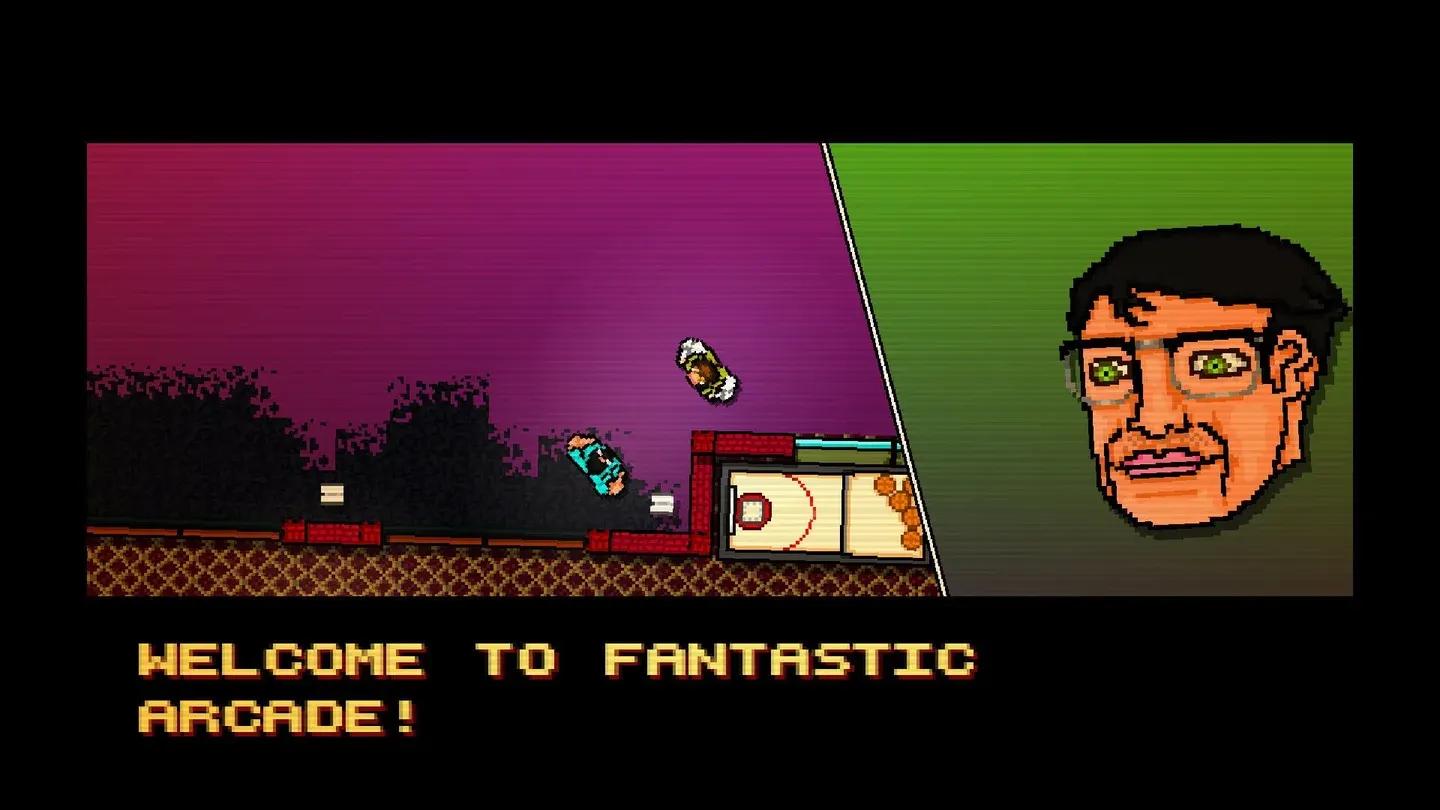
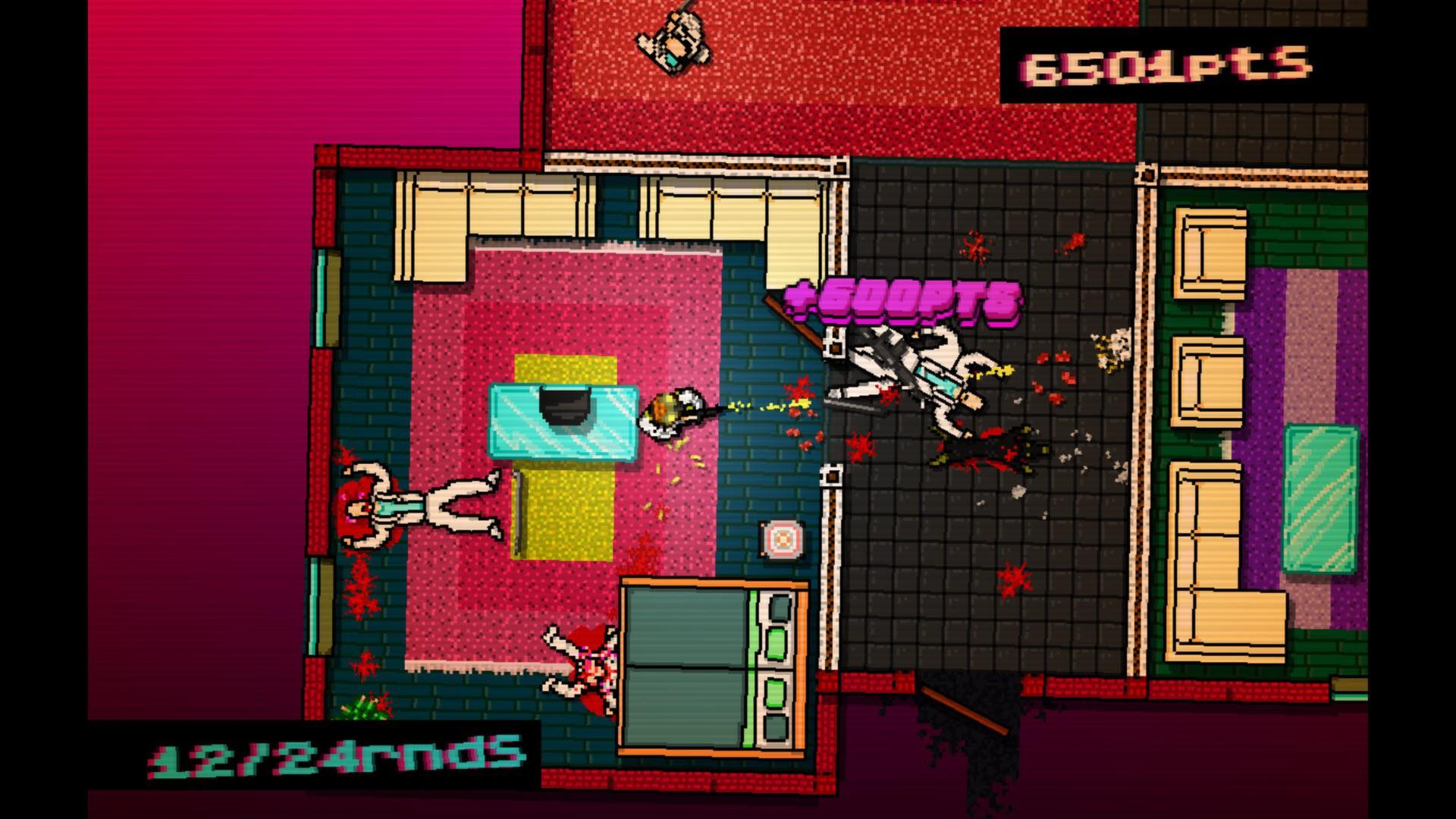
The alternative 1989 Miami setting isn't just aesthetic window dressing. The game uses its era to build a specific kind of dread, one soaked in the excess and paranoia of late Cold War America filtered through the lens of crime cinema. The story is told through brief, disorienting cutscenes featuring characters in animal masks, convenience store clerks who seem to know too much, and a protagonist who can't tell what's real.
The narrative deliberately withholds answers. Players piece together what's happening from fragments, and even then the picture stays blurry. That ambiguity isn't a flaw; it's the point. The game is asking something about the player's relationship to interactive violence, and it does it without spelling out the question.
Visual and audio design
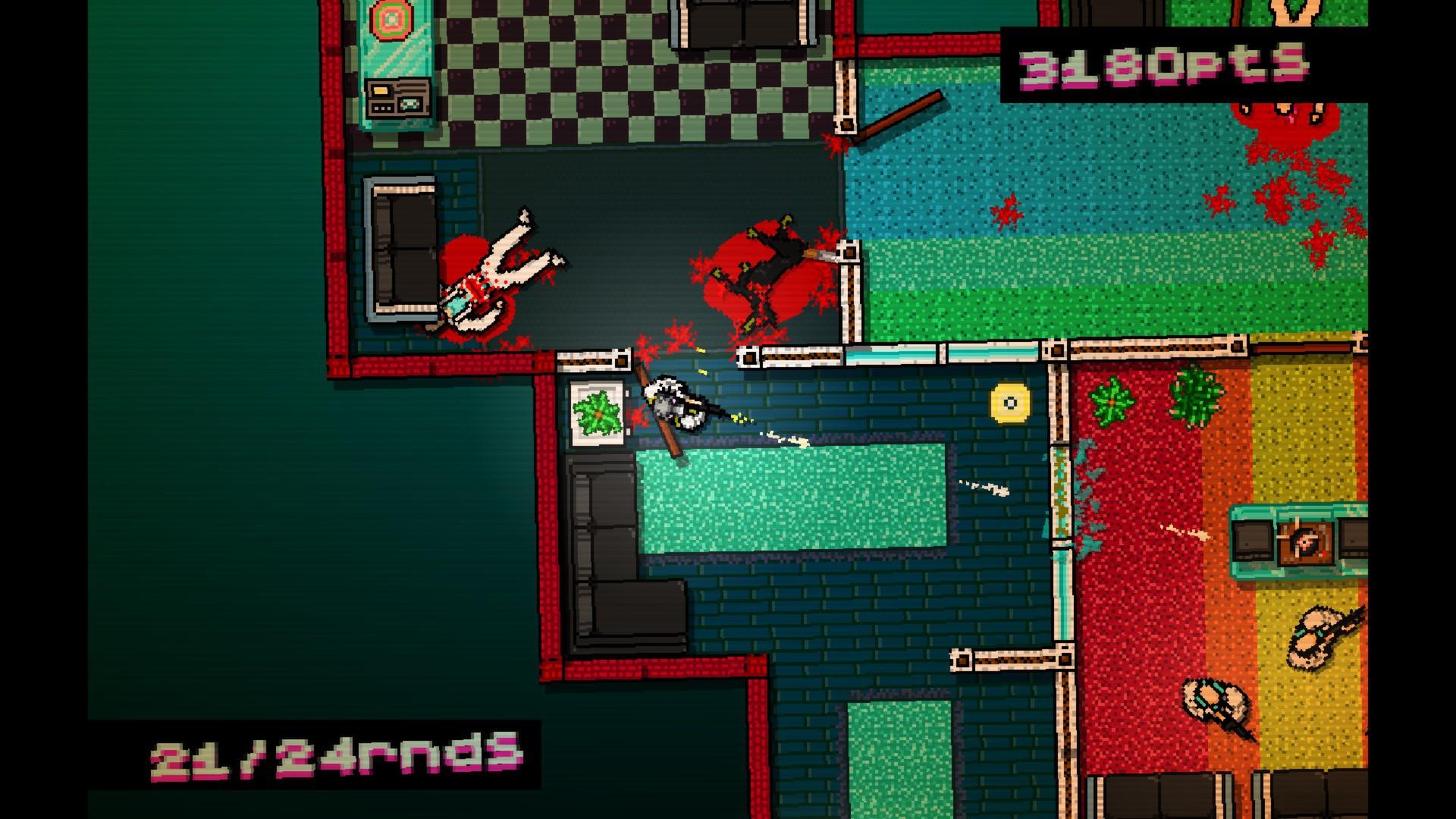
The pixel art style operates at a low resolution that creates distance from the brutality on screen while also making it strangely hypnotic. Blood spreads across floors in flat pools. Bodies stay where they fall. The visual feedback from a successful room clear has a grim satisfaction that the art style amplifies rather than softens.
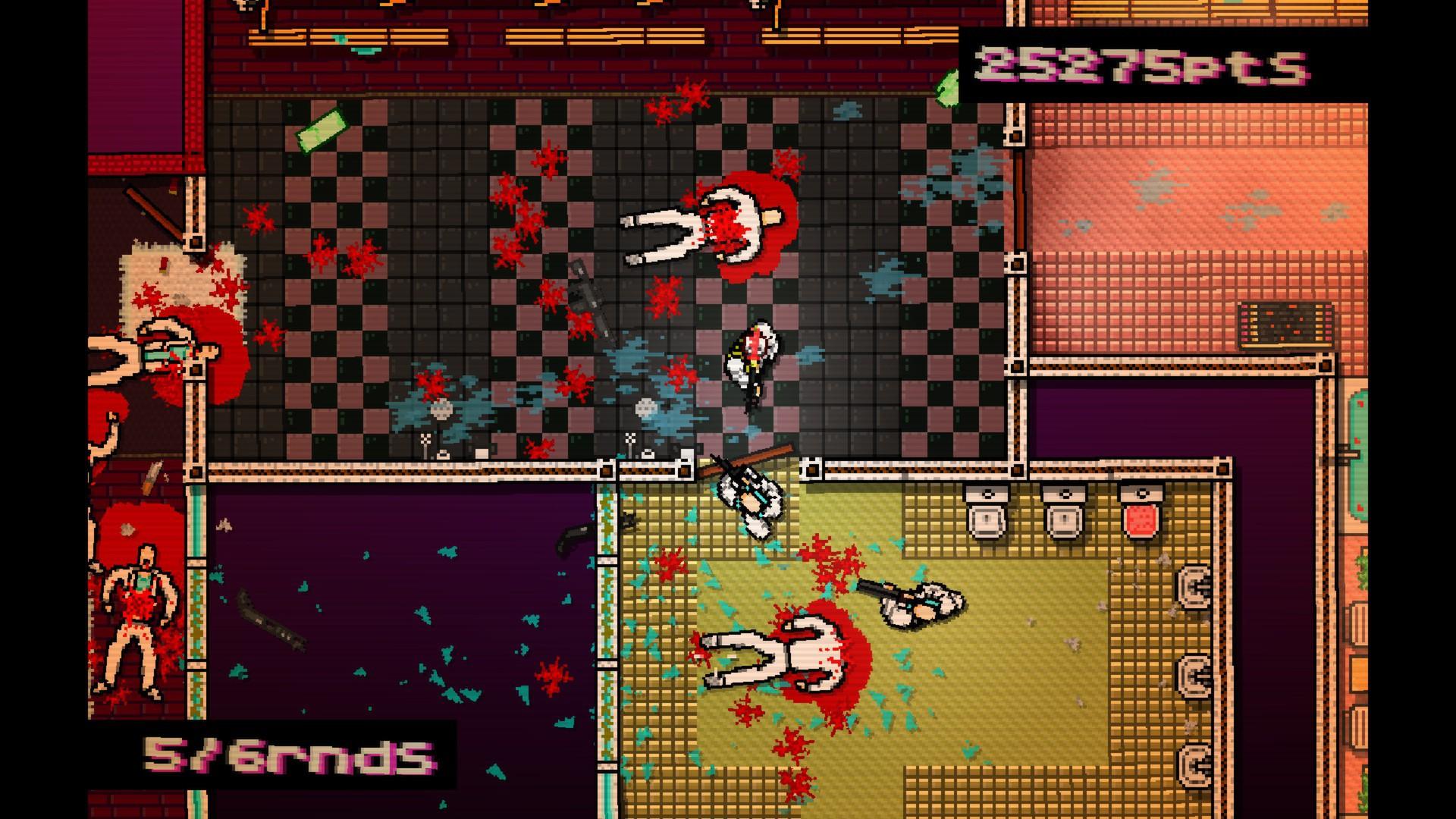
The soundtrack is the other half of that equation. Hotline Miami's electronic score, featuring tracks from artists like Perturbator, Jasper Byrne, and El Huervo, is one of the most influential game soundtracks of its era. The music pulses at a tempo that matches the game's rhythm perfectly, turning each level into something closer to a violent choreography session than a standard shooter encounter. The audio design earned the game significant critical attention well beyond its initial release, and the soundtrack remains widely streamed years later.