
Unlike other roles in League of Legends, Junglers do not stay in a single lane. Instead, they move across the map, clearing jungle camps while creating opportunities for their team through ganks, objectives, vision, and map pressure. Managing these different responsibilities requires Junglers to make frequent decisions throughout the game.
Jungle Item and Smite
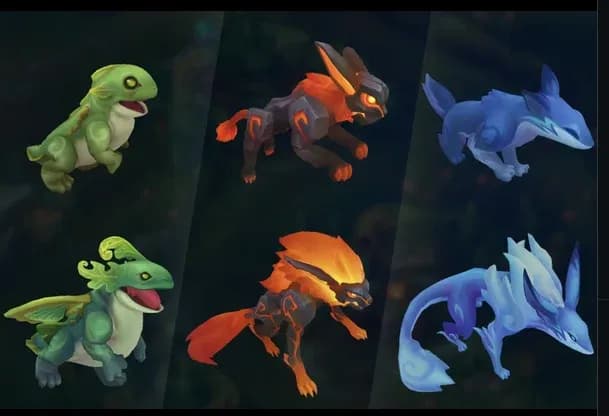
At the start of the game, Junglers must select Smite as one of their Summoner Spells. This Jungle-specific spell allows them to purchase a starting Jungle pet item and complete their role quest. As they progress through this quest by clearing jungle camps, their Smite increases in damage. It starts by dealing 400 damage to jungle monsters, then upgrades to 1000 damage to jungle monsters and gains an effect when used on champions, dealing 40 damage and applying a 20% slow for 2 seconds. The final upgrade increases its damage to 1400 against jungle monsters, keeps the same champion effect, and provides an additional effect based on the chosen Jungle item.
| Jungle Item/Pet | Effect | Purpose |
|---|---|---|
| Mosstomper | Offers a 200–360 shield (scales with level) that refreshes after killing a monster camp or being out of combat for 10 seconds. | Provides extra durability for Tanks and durable Fighters during engages and extended fights. |
| Scorchclaw | Gains Ember stacks over time, up to 100. Damaging an enemy champion at full stacks consumes them to deal bonus true damage equal to 5% of the target's maximum health over 4 seconds and apply a 30% slow that decays over 2 seconds. | Enhances aggressive Jungle champions that want more damage and stronger tools to chase targets. |
| Gustwalker | Provides a 30% bonus movement speed while in brush and 45% bonus movement speed after killing a large monster, with the effect decaying over 1.5 seconds. | Supports Assassins and Skirmishers that rely on fast rotations and early gank pressure. |

Different Types of Jungle Champions

League of Legends Jungle Guide: Everything You Need to Know content image
Different types of Jungle champions have different strengths and playstyles, which affect how they approach farming, ganking, and teamfights. Understanding these traits helps players choose champions that fit their preferred playstyle.
| Type | Description | Examples |
|---|---|---|
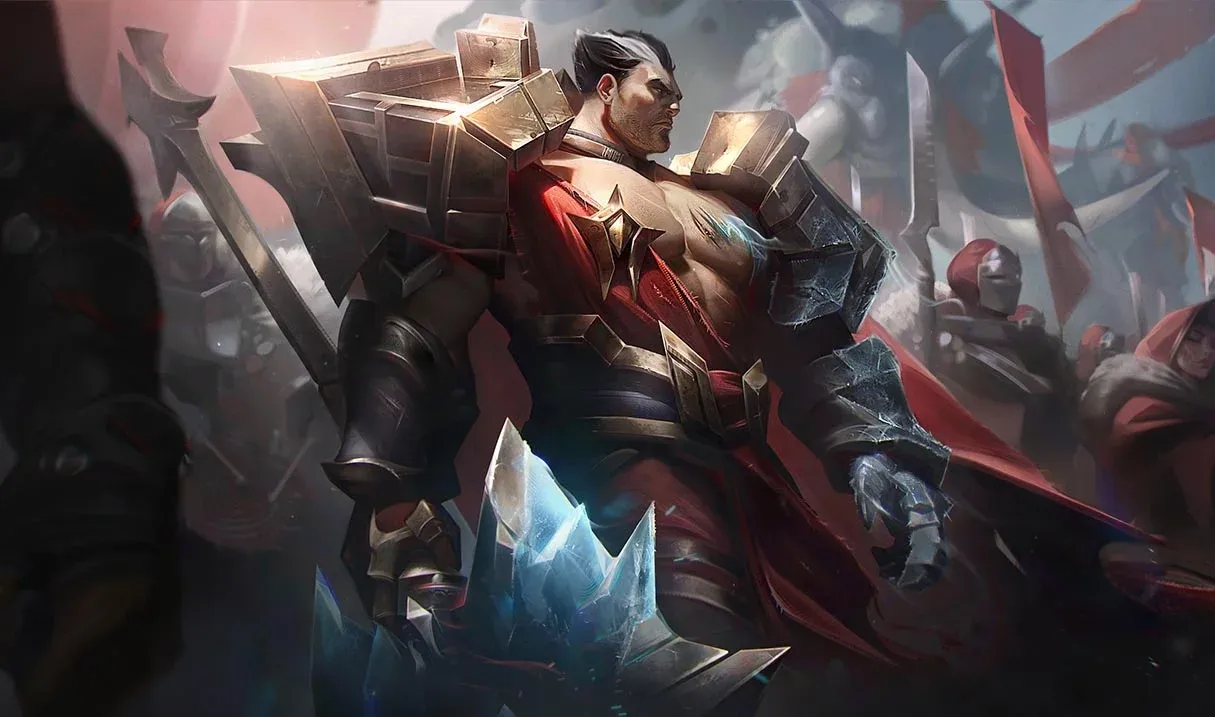
| Skirmishers | Excel at early to mid-game fights with strong dueling power and consistent damage. | Jarvan IV, Vi |
| Tanks | Provide crowd control and engage tools while being durable in fights. | Amumu, Sejuani |
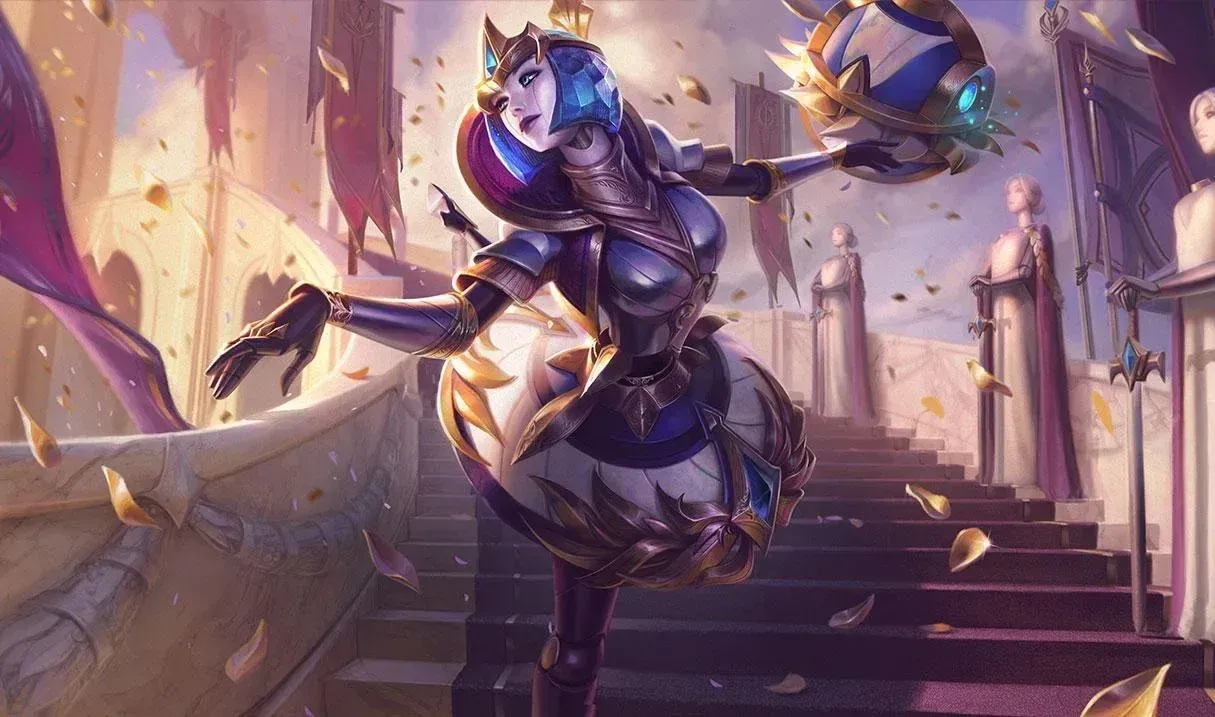
| Assassins | Use burst damage and mobility to eliminate priority targets. | Kha'Zix, Qiyana |
| Mages | Use ability damage and area-of-effect spells to clear camps and control teamfights. | Fiddlesticks, Lillia |
| Late Game Carries | Gain advantages through power farming and scale into late-game threats. | Master Yi, Shyvana |
Core Responsibilities of the Jungler
Clearing Your Jungle
A common mistake for beginner Junglers is focusing either solely on farming camps or constantly looking for ganks. A good Jungler needs to find a balance between clearing camps and creating opportunities across the map.
Jungle camps are your main source of gold and experience, meaning your first priority should be maintaining a consistent farming routine. Clear speed changes depending on the champion you choose, but a basic beginner rule is to complete a full clear , taking all six jungle camps , before looking for ganks or invades.
The next important aspect is efficiency. Your path through the Jungle should save as much time as possible, so pull camps towards your next destination while attacking and avoid unnecessary movement. Start with a simple but consistent path, then experiment with different routes as you become more comfortable.
Tracking the Enemy Jungler
Tracking the enemy Jungler helps you predict their next move, make safer decisions, and identify opportunities across the map.
One of the easiest ways to track the enemy Jungler is by placing a level-one ward inside their jungle, usually near their Raptors. This tells you which side of the map they started on, making it easier to predict their early pathing. It also gives your teammates a better idea of which lanes are more likely to be ganked first.
As a beginner, the safest way to use this information is to play on the opposite side of the map. For example, if you see the enemy Jungler clearing their Raptors, you can secure the opposite Scuttle Crab knowing they are unlikely to contest it.
Ganking
| Do | Don't |
|---|---|
| Gank lanes where the enemy is playing too far up and away from their tower. | Force a gank just because you are already near the lane. |
| Look for lanes where your teammate has crowd control or can quickly follow up. | Gank a lane where your teammate is forced to clear their wave and cannot help you. |
| Gank when the enemy is low on health or has limited ways to escape. | Fight enemies that can easily turn the fight around unless you or your teammate are considerably stronger. |
| Track enemy Flash and important escape abilities before engaging. | Ignore enemy summoner spell cooldowns and engage while they still have all their tools available. |
| Clear enemy vision or wait for enemy wards to expire before starting a gank. | Walk into a lane after being spotted on vision. |
Once you decide to commit to a gank, the way you approach the fight can determine whether it succeeds or fails.
Try to predict where the enemy will move and position yourself to cut off their escape path instead of chasing directly behind them. This forces them to move in the opposite direction, often towards your teammate.
During the fight, avoid using all your abilities immediately if you can already get into range. Save important tools such as gap closers or execute abilities for when the enemy tries to escape, allowing you to follow them and secure the kill.
After upgrading your Smite, remember to use it during fights as well. The extra damage and slow can help you stay in range and secure targets.
Only use Flash aggressively when you are confident it will secure the kill. In most situations, wait to see if the enemy laner uses Flash first, then use your own Flash if needed to follow and finish the takedown.
Securing Objectives
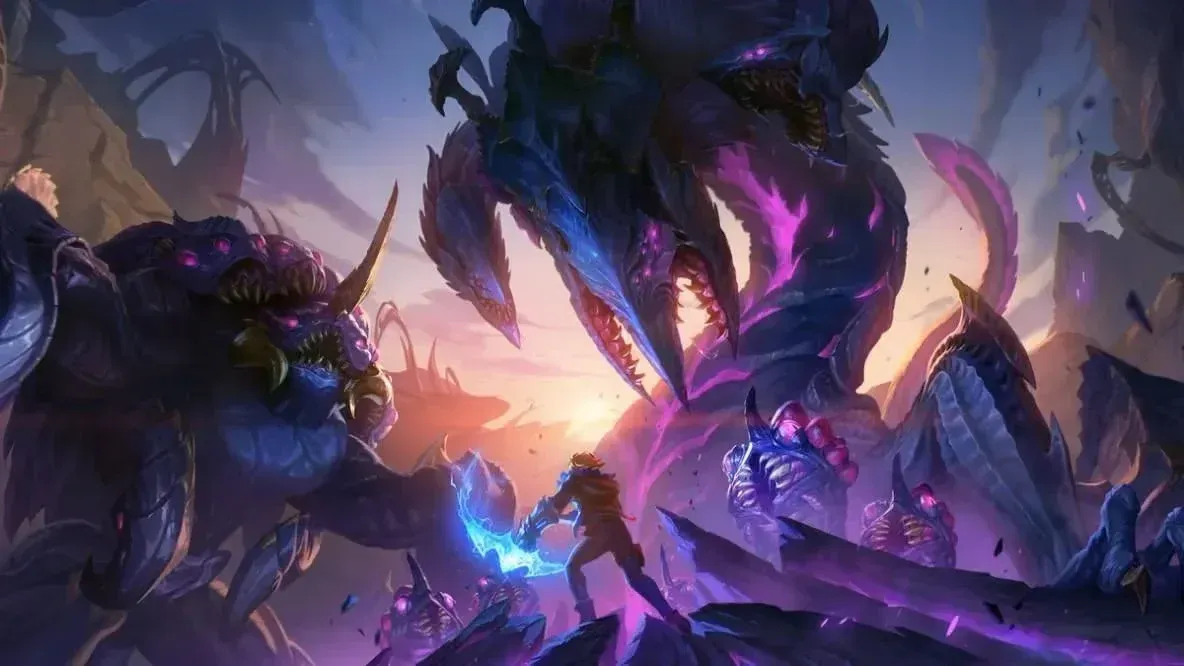
Objectives such as Dragon, Void Grubs, and Rift Herald provide important advantages, but before starting an objective, there are a few things you need to consider.
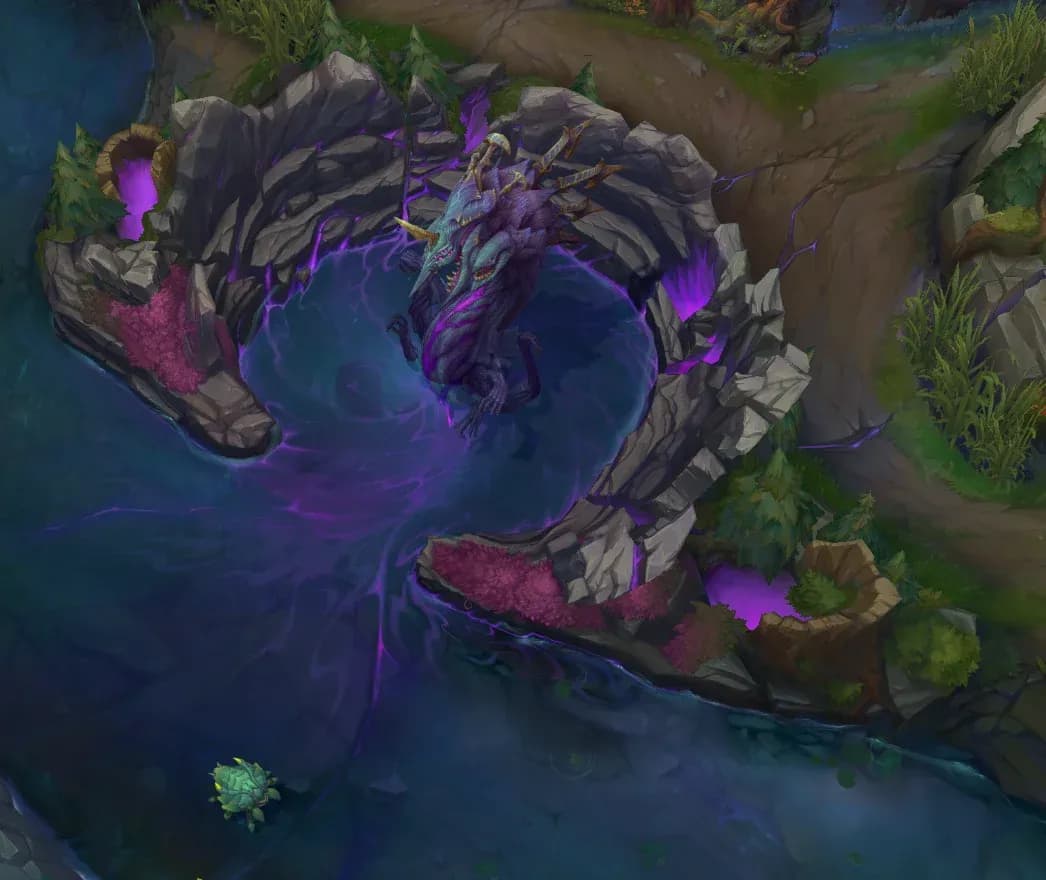
Enemy Jungler Position
Junglers will often trade objectives instead of fighting for both. For example, when the enemy Jungler is taking Dragon, you can look to secure Rift Herald on the opposite side of the map.
Lane Priority
Having lane priority, especially in Mid, is important before starting an objective. Mid gives players access to multiple jungle entrances and allows your team to move towards the river first, making it easier to secure the area and respond if the enemy contests.
Enemy Vision
Before starting an objective, remove enemy vision around the area using Sweeper and Control Wards.
Enemy Contest
If the enemy team arrives to contest, consider whether you actually have the advantage. If the fight is not favourable, it is often better to back off. Losing an objective is usually less costly than losing the fight and giving the enemy the objective afterwards.
Teamfighting
Your role in a teamfight depends on the champion you are playing. Engage Junglers look to start fights and provide crowd control for their team, while damage-focused Junglers look for openings to target vulnerable enemies or follow up after important abilities have been used.
Do not play every teamfight the same way. Before entering a fight, identify which enemy champions are your main threats and what your goal is.
Common Beginner Mistakes
Forcing Too Many Ganks
Kills are not the only way to create an advantage. Look for ganks with a realistic chance of success, and use your time efficiently by farming camps or creating pressure elsewhere.
Invading Without a Reason
Invades are strongest when you have information and an advantage. Look for opportunities where you know the enemy Jungler's location, your lanes can help, or you are stronger in a potential fight.
Staying Too Long During Invades
After gaining an advantage in the enemy Jungle, secure your resources and leave. Staying too long gives the enemy team time to rotate and punish you.
Fighting Without Considering Numbers
Before committing to a fight, check which champions are nearby and whether your team can follow up.
Not Adapting Your Pathing
Your Jungle path should change depending on the game state. Adjust your route based on lane states, enemy Jungler information, and opportunities across the map.
Frequently Asked Questions
What Makes a Jungle Champion Beginner-Friendly?
Champions with simple abilities, reliable clears, and clear game plans are usually easier to learn. Amumu, Warwick, Xin Zhao, and Volibear are good examples.
How Do I Know Where the Enemy Jungler Is?
Track where they start, watch where they appear on the map, and use that information to predict their next move.
What Should I Do When I Am Behind?
Focus on getting back into the game instead of forcing fights. Take the camps that are available, avoid fighting the enemy Jungler when they have an advantage, and look for opportunities to trade objectives or take resources on the opposite side of the map.
What Should I Do When I Am Ahead?
Use your lead to make the enemy Jungler's game harder. Look for invades, deny their camps, secure objectives, and play around your strongest lanes to keep increasing your advantage.