
Overview
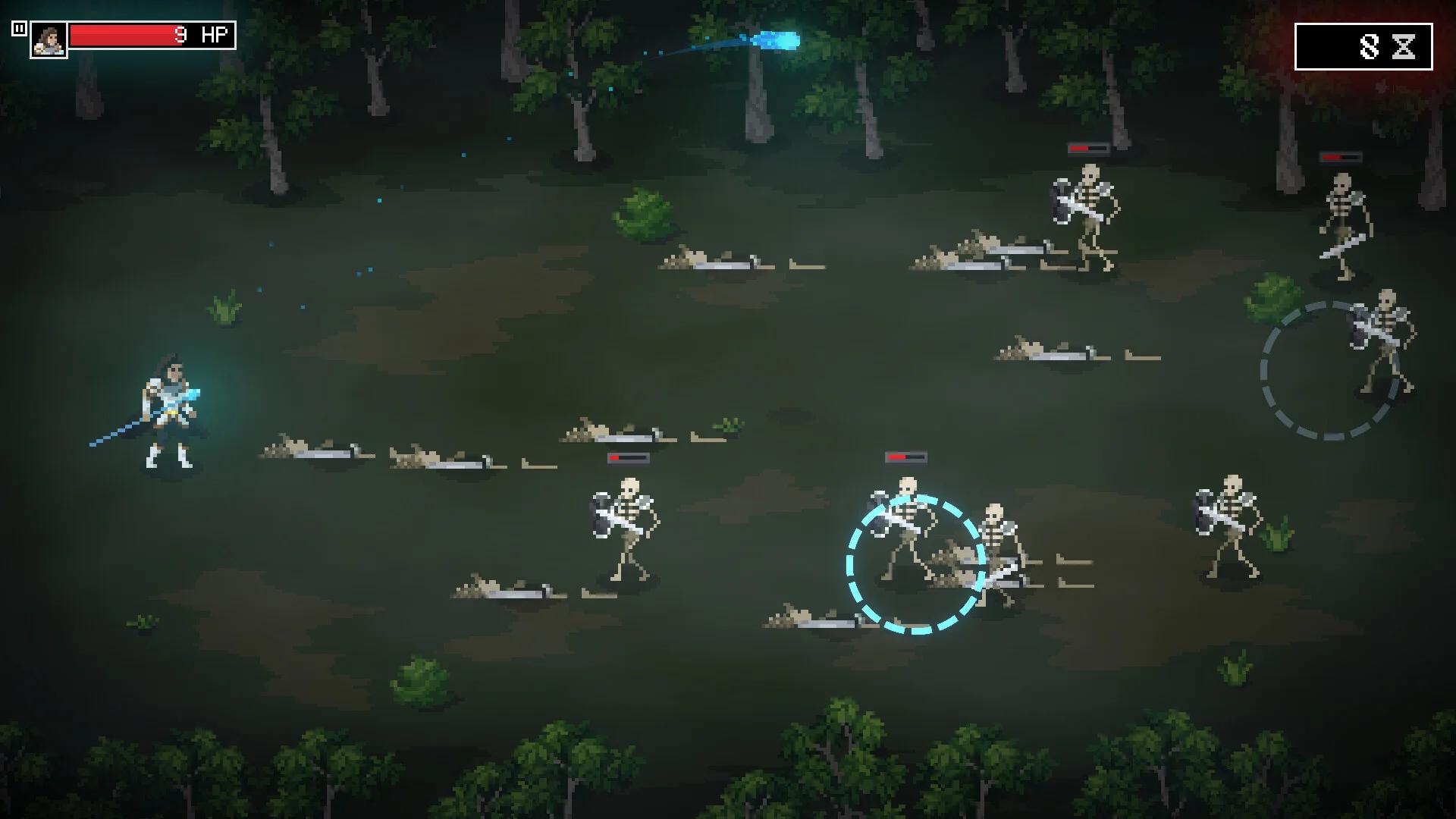
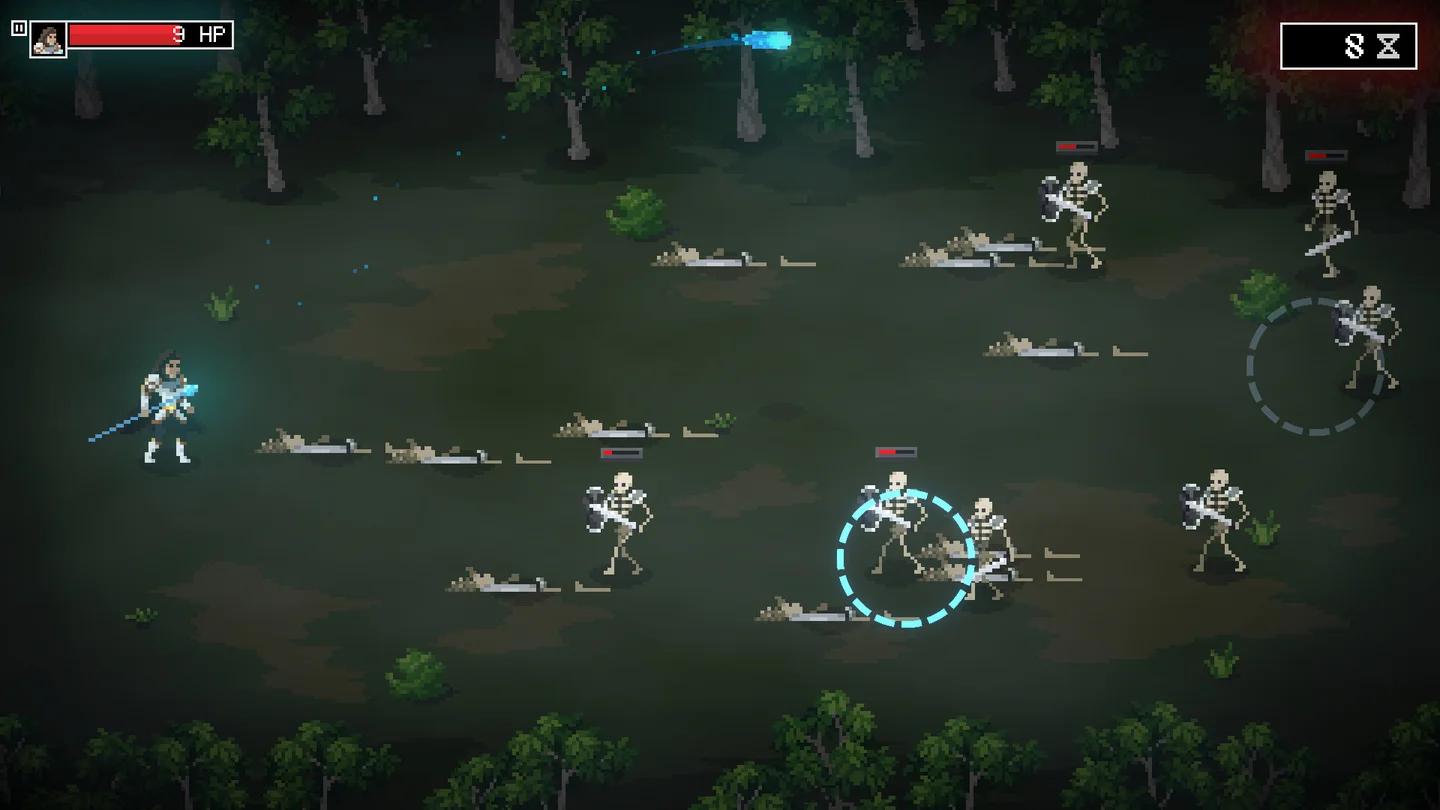
Legion Breaker is an active incremental arcade game developed by Baffled Engineer and published by Level Up Gaming, released on October 13, 2026. The premise is simple: start with a single spell, kill skeletons, earn gold, and spend that gold on upgrades that make the next wave easier to handle. That loop scales up across 12 distinct battlefields, each capped by a boss fight, until the screen fills with hundreds of soldiers on both sides and elemental magic lights up the chaos.
The campaign runs 3 to 4 hours from start to finish, which is exactly the right length for this kind of game. There's no padding, no grinding for its own sake. The difficulty curve stays honest as the Necromancer King's armies grow larger and hit harder with each new zone.
Progression and skill tree: what drives the loop?
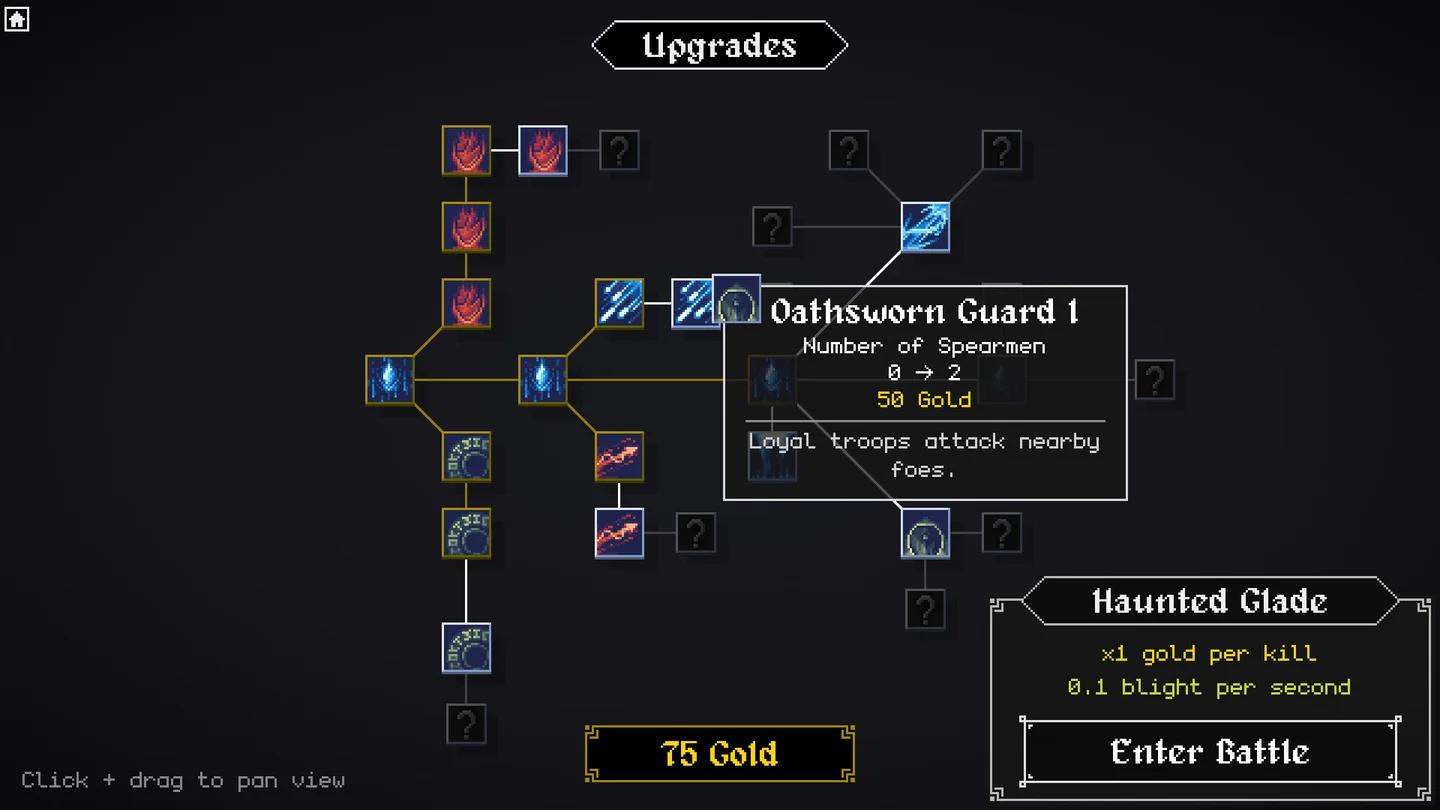
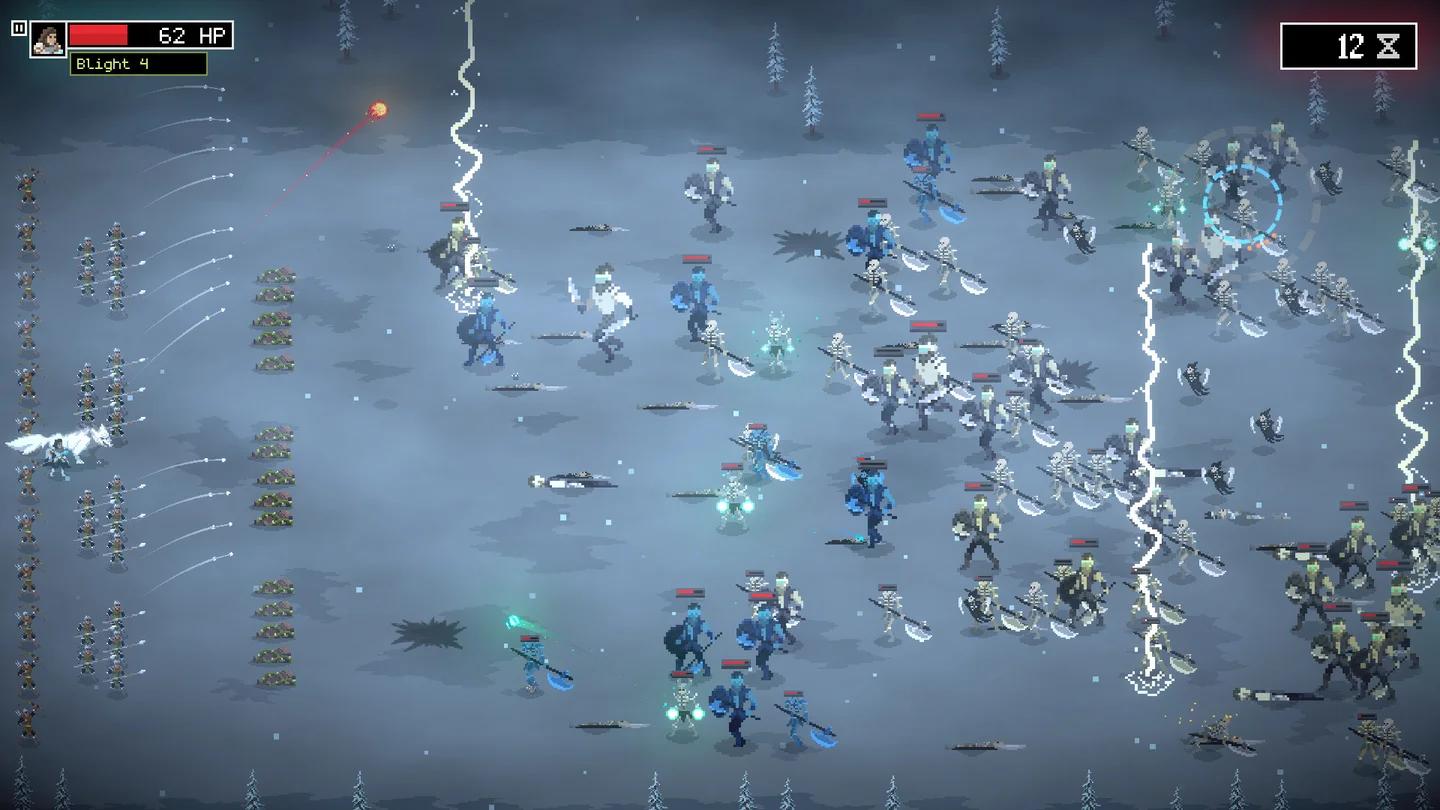
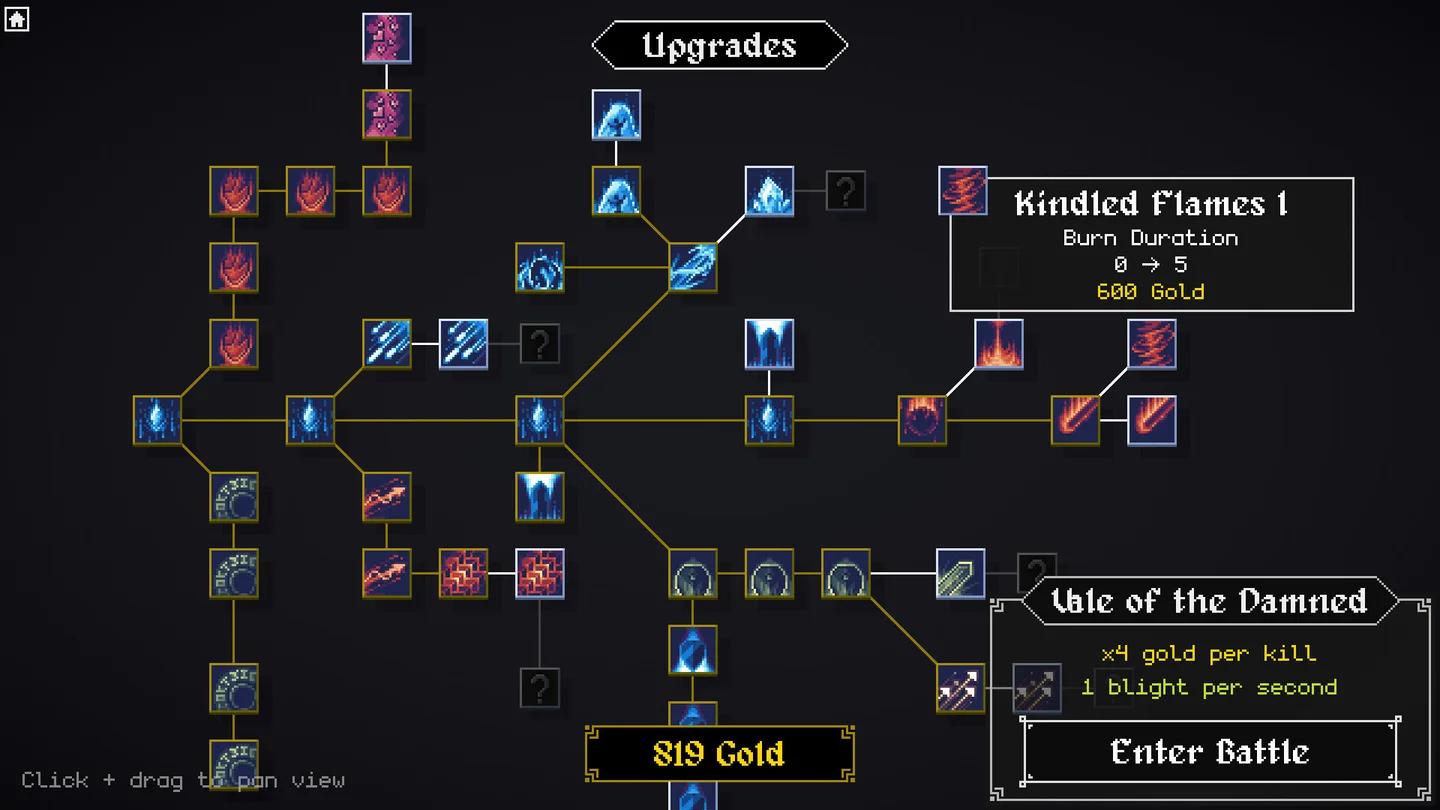
Legion Breaker answers the question of what keeps incremental games engaging with a skill tree that produces visible, immediate results. Gold earned in battle feeds directly into spell upgrades, attack speed improvements, and new arcane or elemental abilities. The changes aren't cosmetic: a wider area-of-effect spell genuinely clears more ground, and stacking attack speed turns the wizard into a one-person artillery battery.
Key progression features include:
- Earn gold per enemy killed in active combat
- Spend on a branching skill tree between or during fights
- Unlock elemental and arcane spell types separately
- Each upgrade tier creates a noticeable battlefield change
- Holy army strength scales alongside wizard power
The skill tree's design rewards players who think about build direction rather than just clicking the next available node. Two players can reach the same battlefield with very different loadouts, which gives the short campaign some replay value without artificially extending it.
Holy army recruitment and battlefield scale
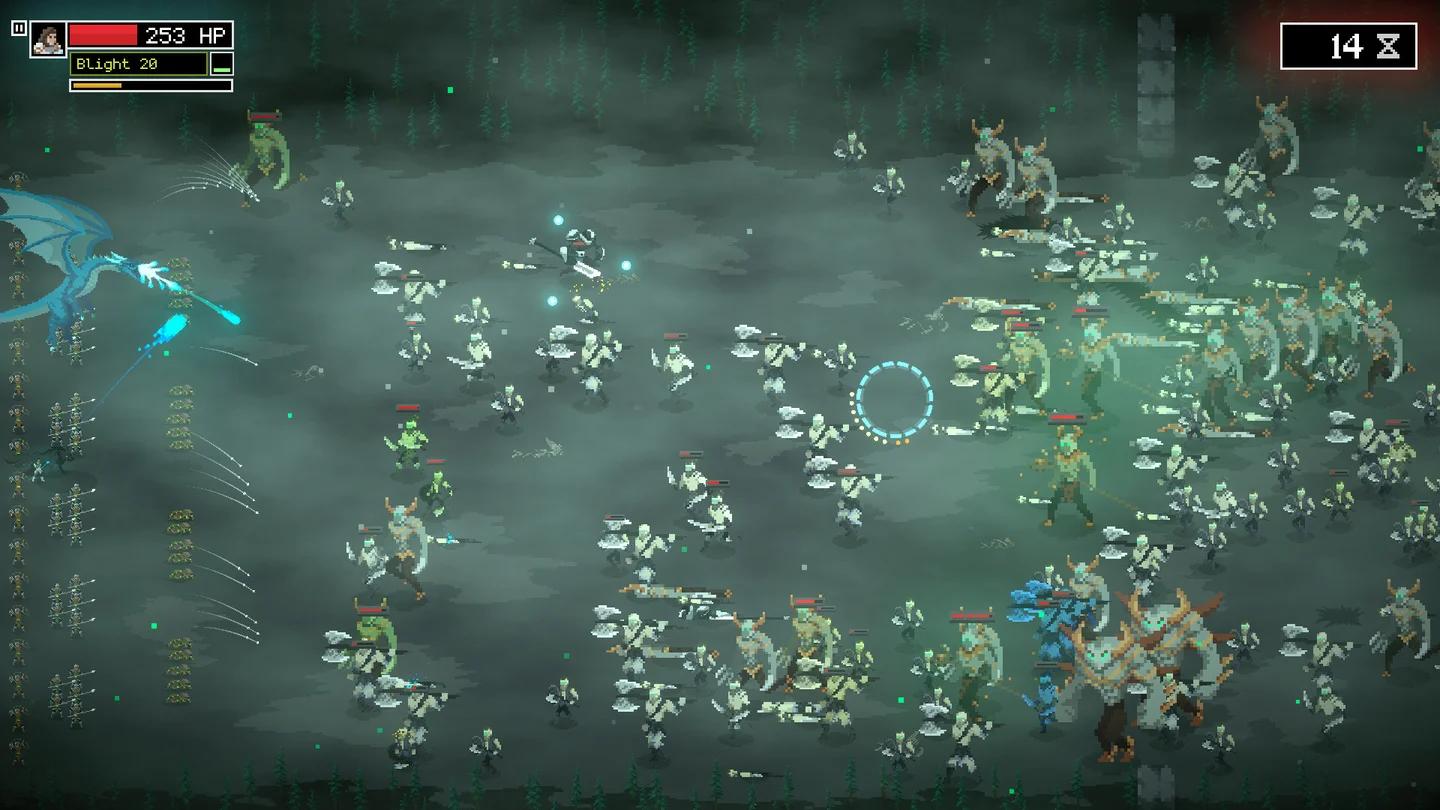
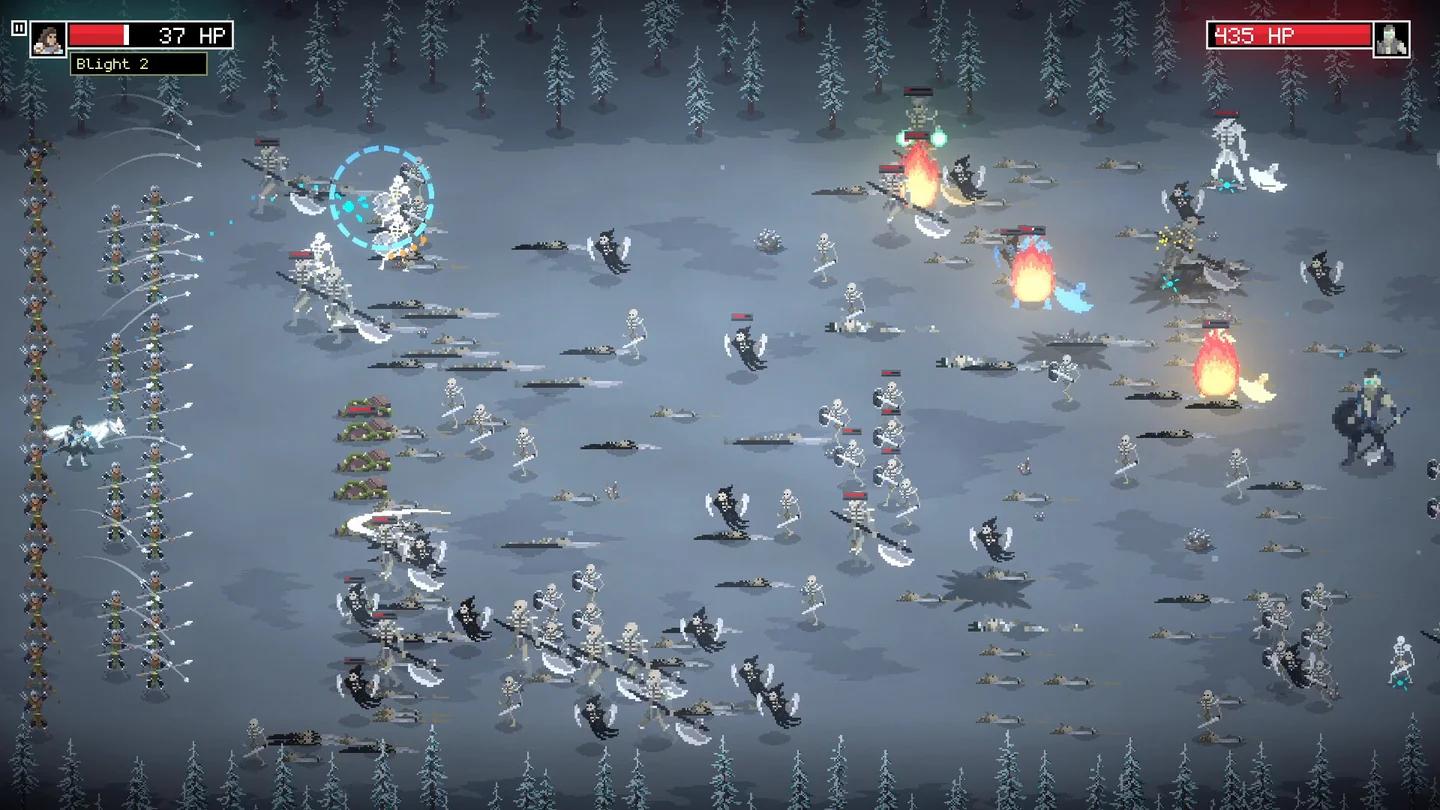
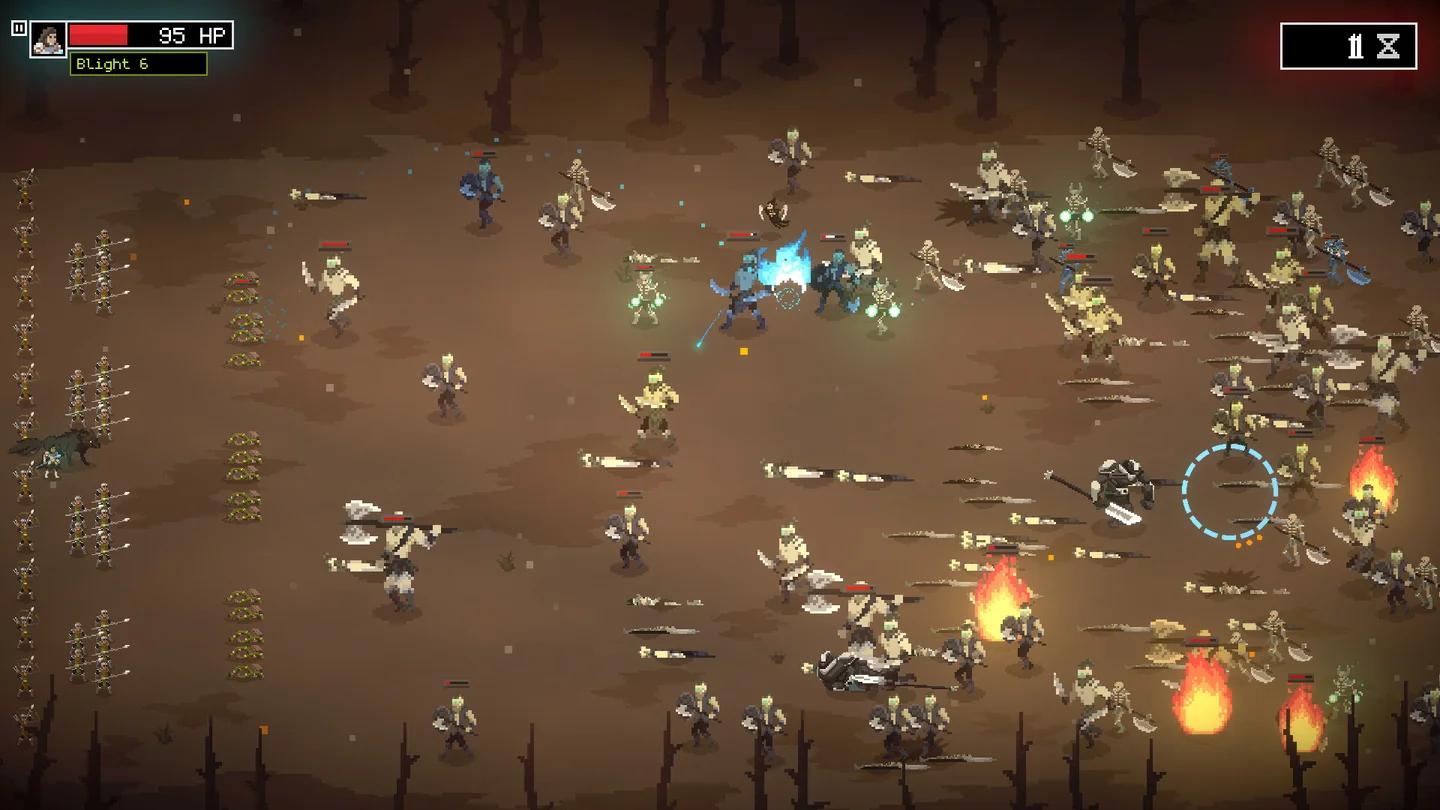
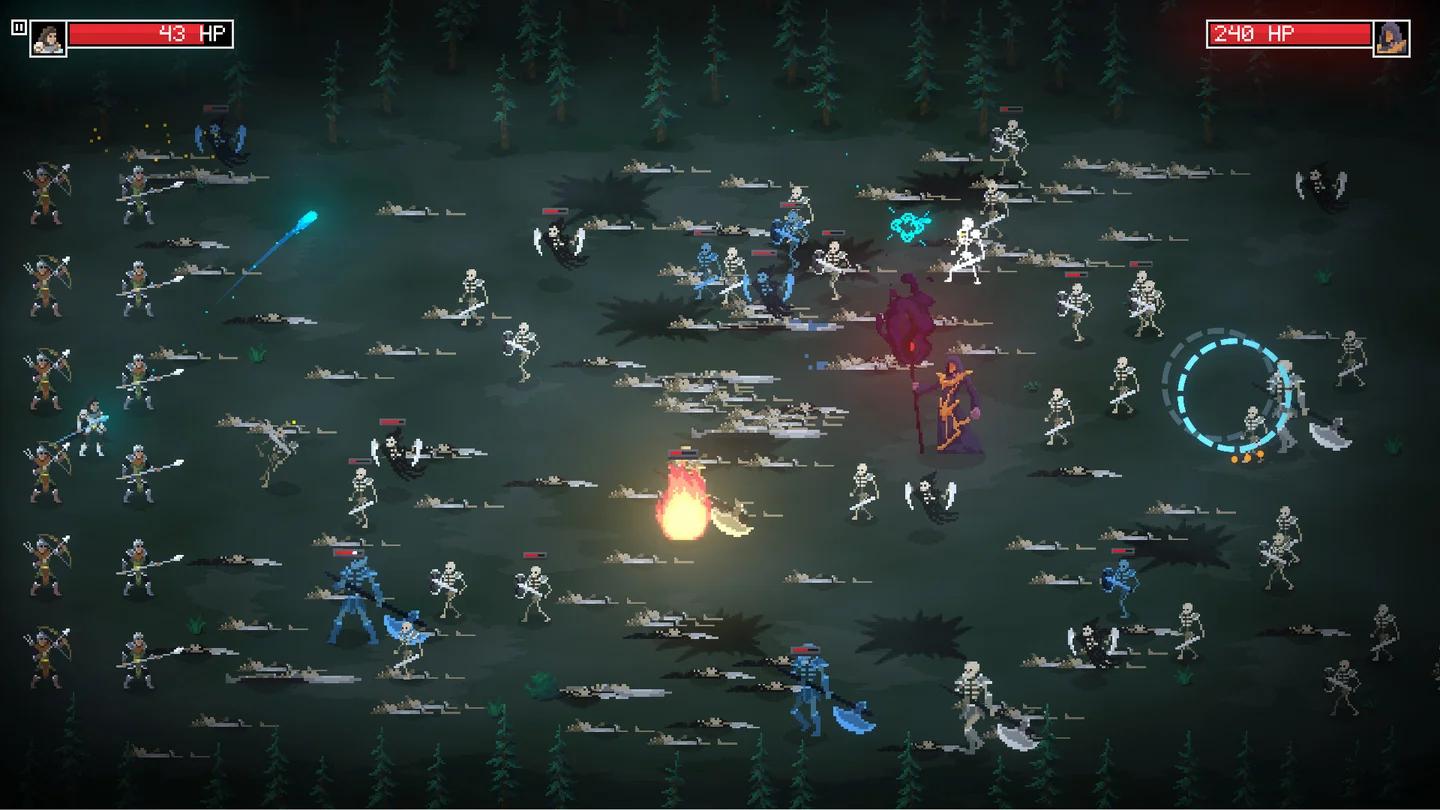
The wizard doesn't fight alone for long. Recruiting holy troops is part of the core progression, and the army grows from a handful of soldiers into a force that fills the left side of the screen. The troops handle crowd control while the wizard focuses on higher-damage spell casts, creating a natural division of labor that makes large-scale fights feel manageable rather than overwhelming.
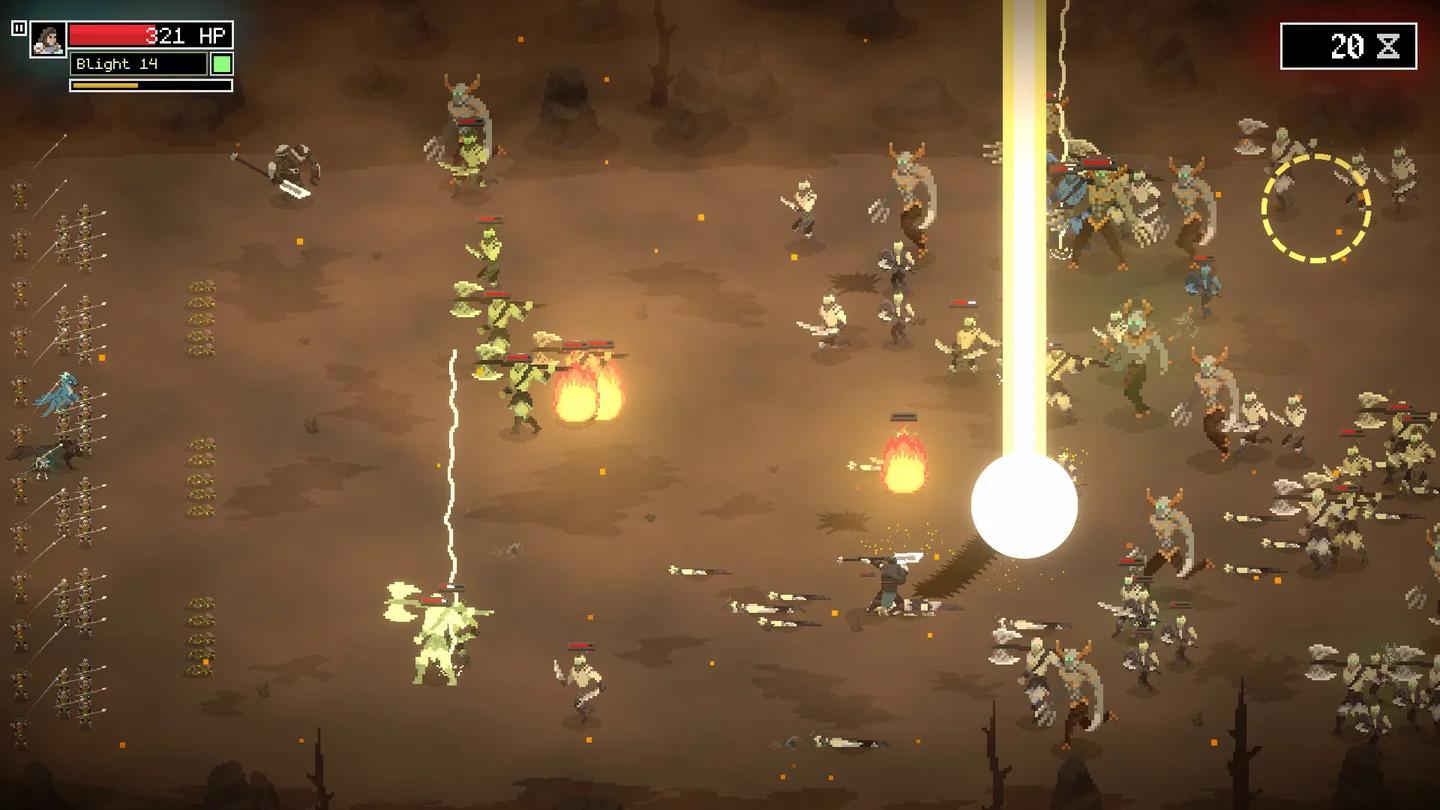
Battle scale is where Legion Breaker earns its arcade credentials. Late-game encounters bring hundreds of units onto the screen simultaneously, and the combination of troop formations and multi-target spells turns those fights into something visually satisfying. Baffled Engineer clearly built the engine to handle the density, since performance holds up as the numbers climb.
12 battlefields and boss encounters
Each of the 12 battlefields carries its own visual identity and ends with a boss that tests the current build. The bosses aren't just stat-inflated versions of regular enemies; they push players to think about whether their upgrade path can handle a single powerful target after spending several waves focused on crowd-clearing spells.
The battlefield progression also determines pacing. Early zones introduce mechanics gradually, while later ones front-load enemy counts immediately to pressure the army before the wizard has time to set up. That structural variety keeps the 3 to 4 hour campaign from feeling repetitive, and the clear endpoint means Legion Breaker respects the player's time in a way that longer incremental games often don't. For fans of arcade-style strategy with genuine progression depth, it delivers a complete, well-paced experience.