Overview
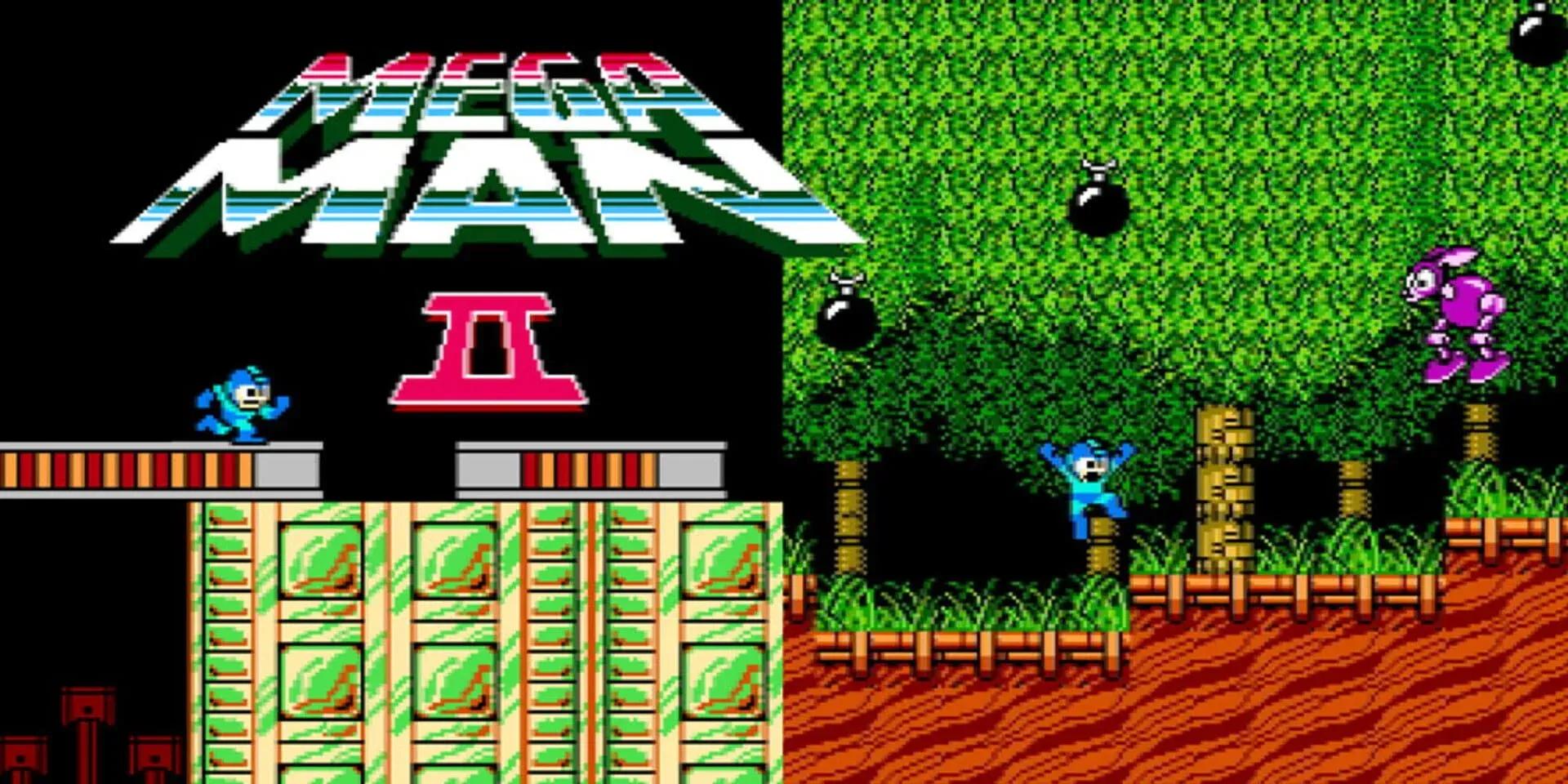
Mega Man 2 drops players into the year 200X, where Dr. Wily has constructed eight new robot masters to destroy Mega Man and take over the world. Dr. Light's blue bomber stands as the only line of defense, and the mission is straightforward: clear each robot master's stage, defeat the boss, steal its weapon, and use that weapon to dismantle the next one. That loop sounds simple. It is anything but.
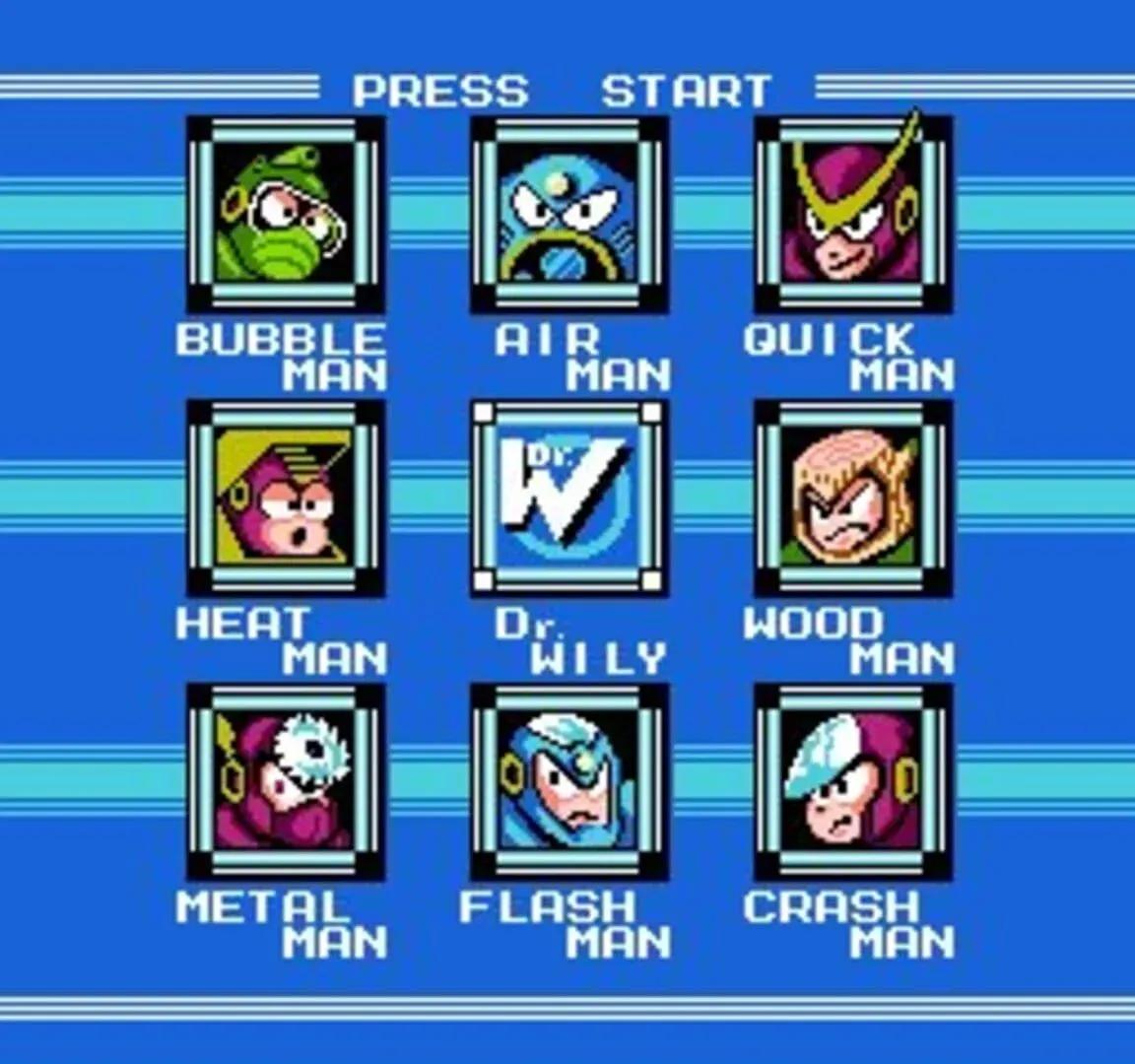
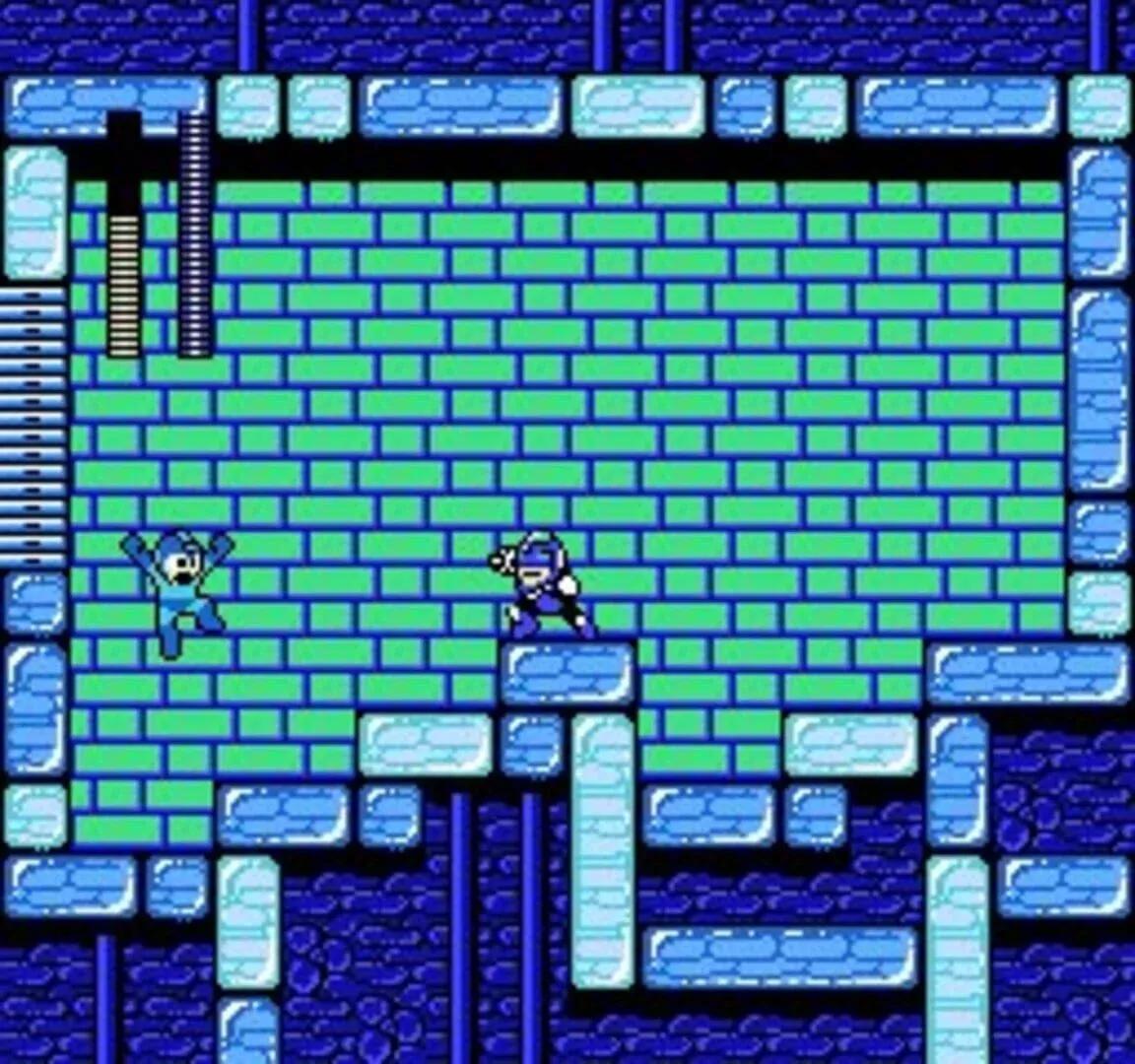
The game's structure rewards both pattern recognition and experimentation. Each of the eight stages has its own visual identity, hazards, and enemy types, and the order you tackle them in genuinely matters. Crash Man's weapon tears through Wood Man. Metal Man's blades cut through nearly everything. Finding those connections feels less like following a guide and more like solving a puzzle the game quietly dares you to figure out.
Mega Man 2 content image
Gameplay and mechanics
Mega Man 2 builds its core loop around a few key systems:
Mega Man 2 content image
- Weapon absorption from defeated bosses
- Energy tanks for emergency health recovery
- Stage select freedom from the title screen
- Slide-free movement (added in later entries; not present here)
- Tight jump physics that demand precision
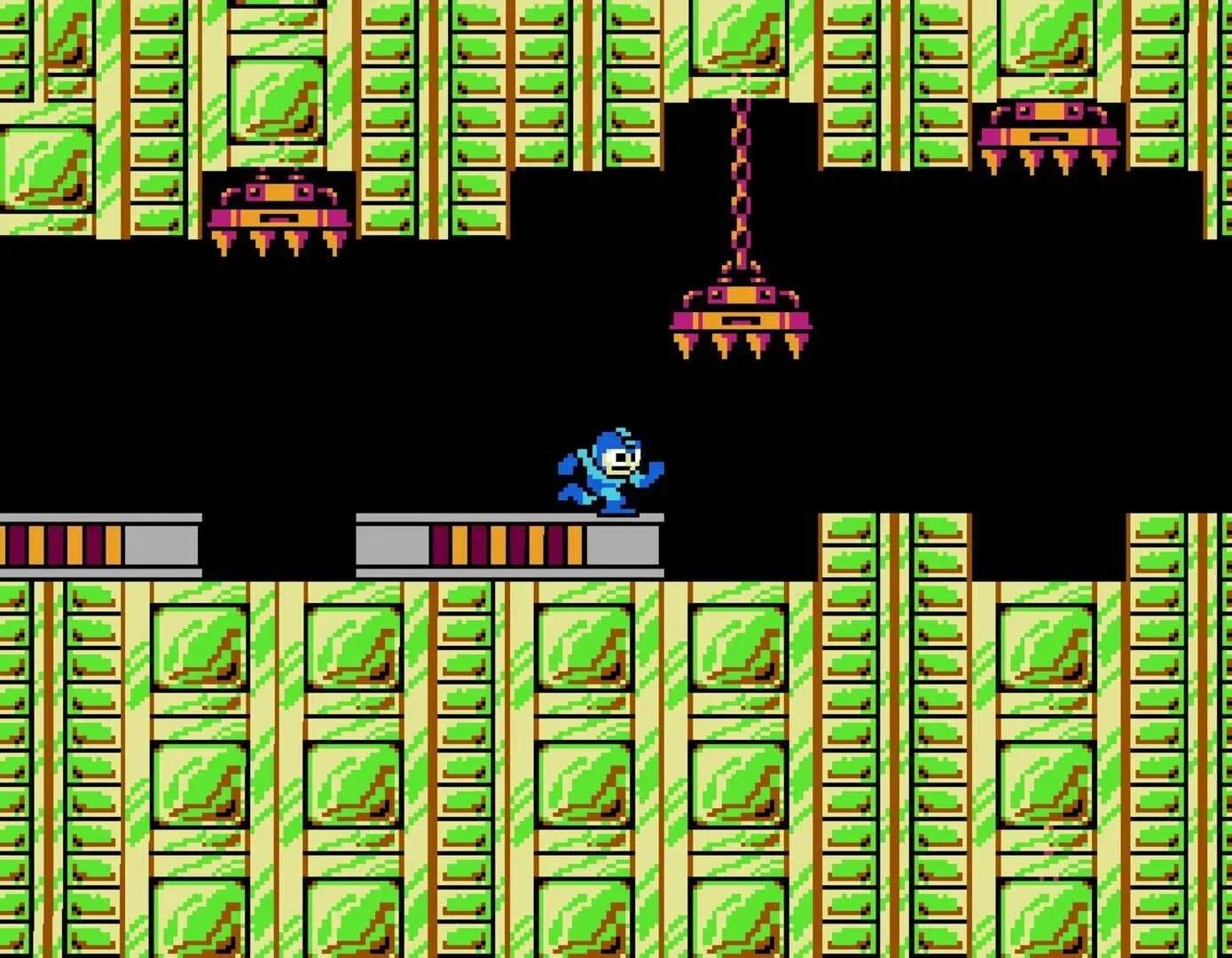
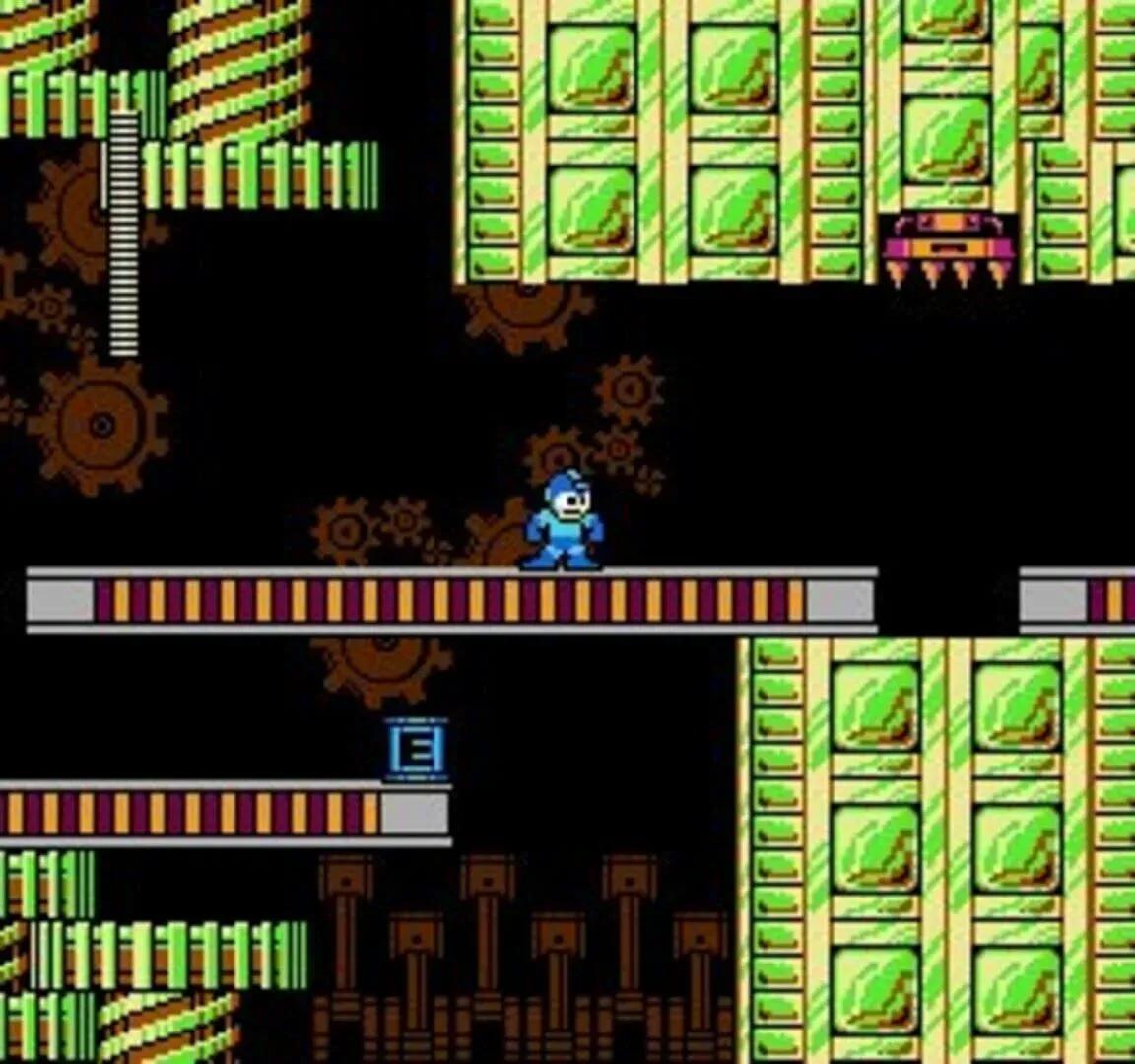
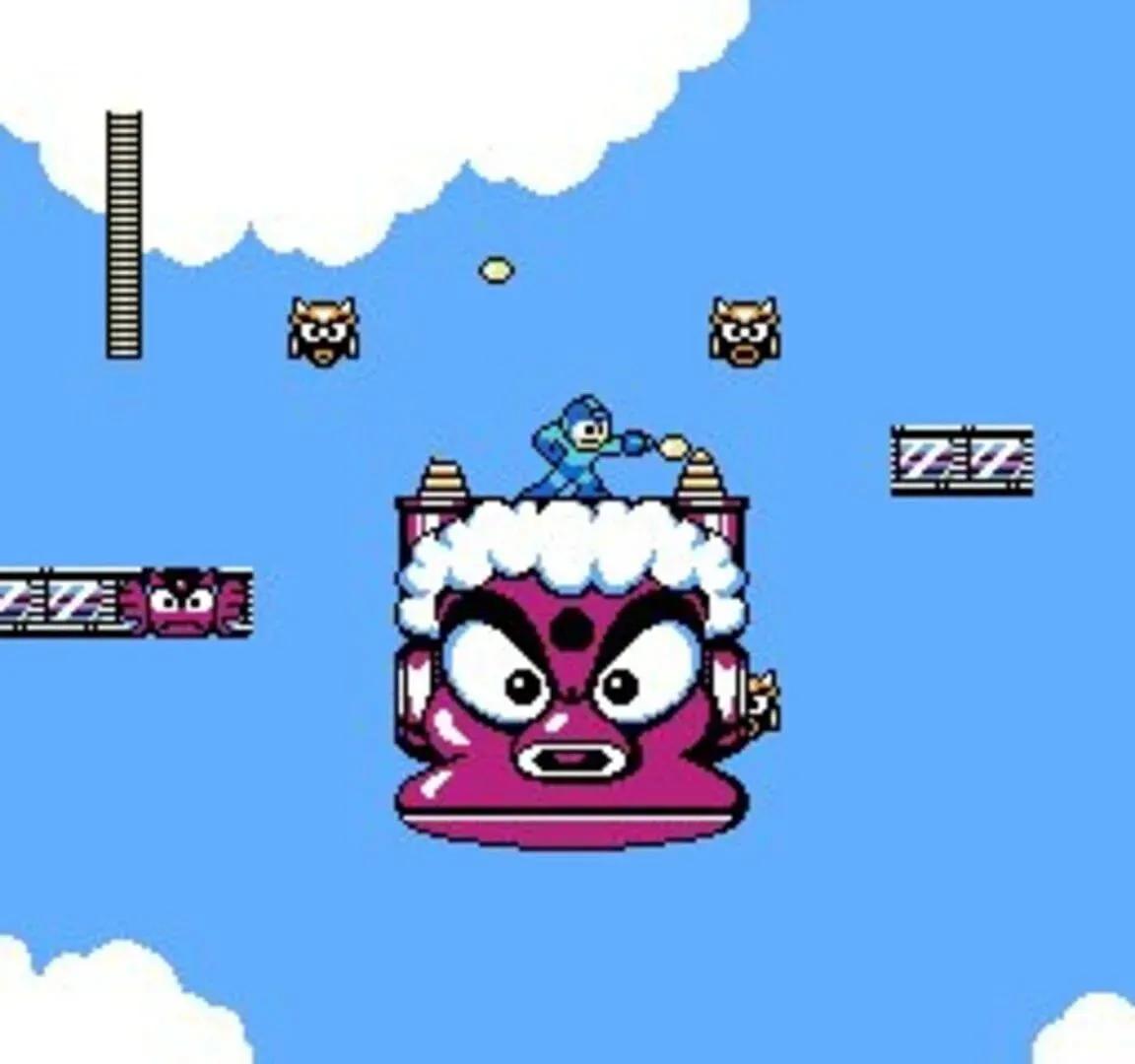
The absence of a slide move, which arrived in Mega Man 3, actually tightens the challenge here. Every platforming section demands clean jumps and deliberate movement. The infamous disappearing blocks, the Quick Man laser gauntlet, the Boobeam Trap room that punishes players who burned through their Crash Bombs too early: these sequences have lived in gaming memory for decades because they're genuinely hard, not artificially padded.
Mega Man 2 content image
Visual and audio design
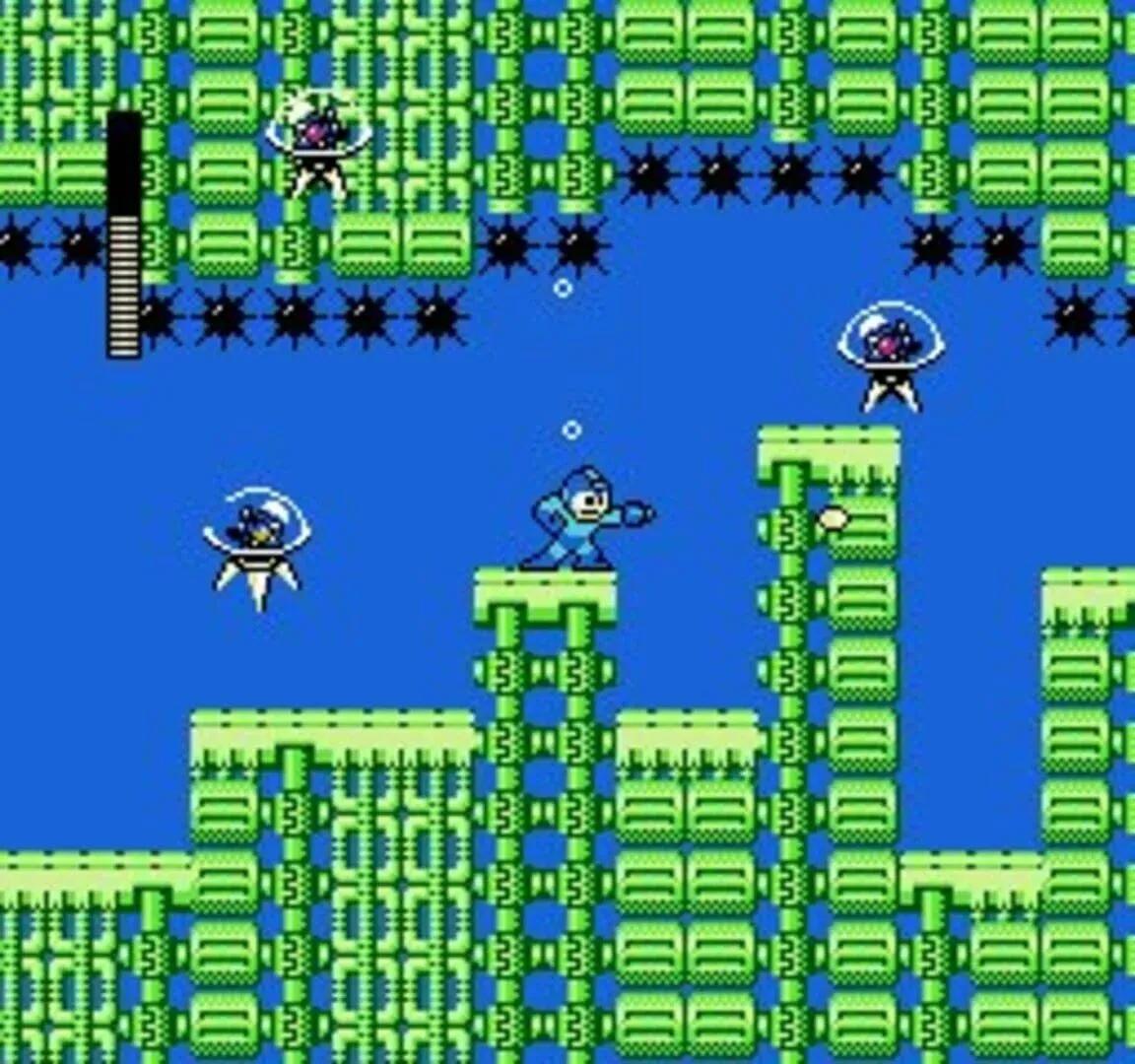
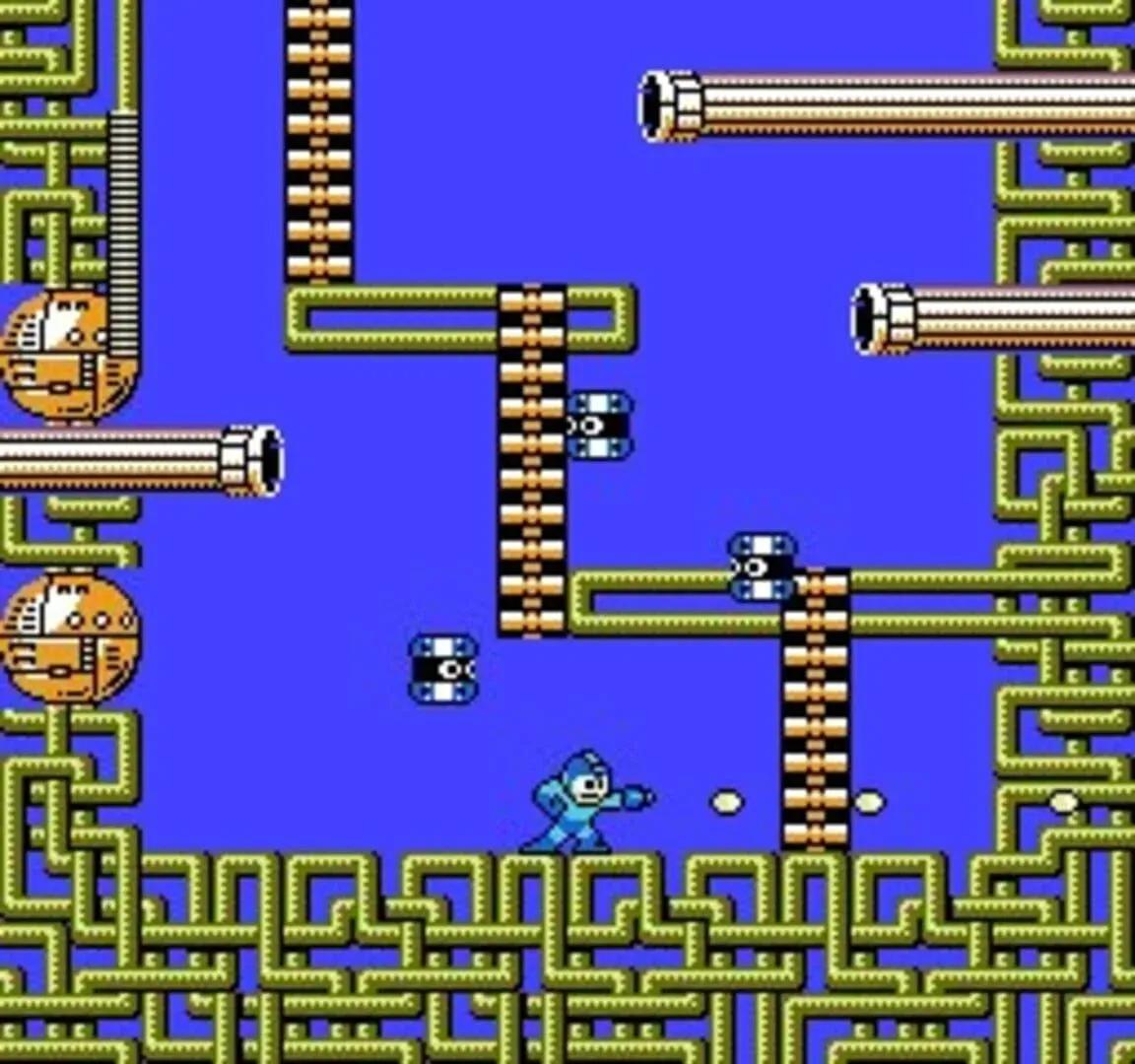
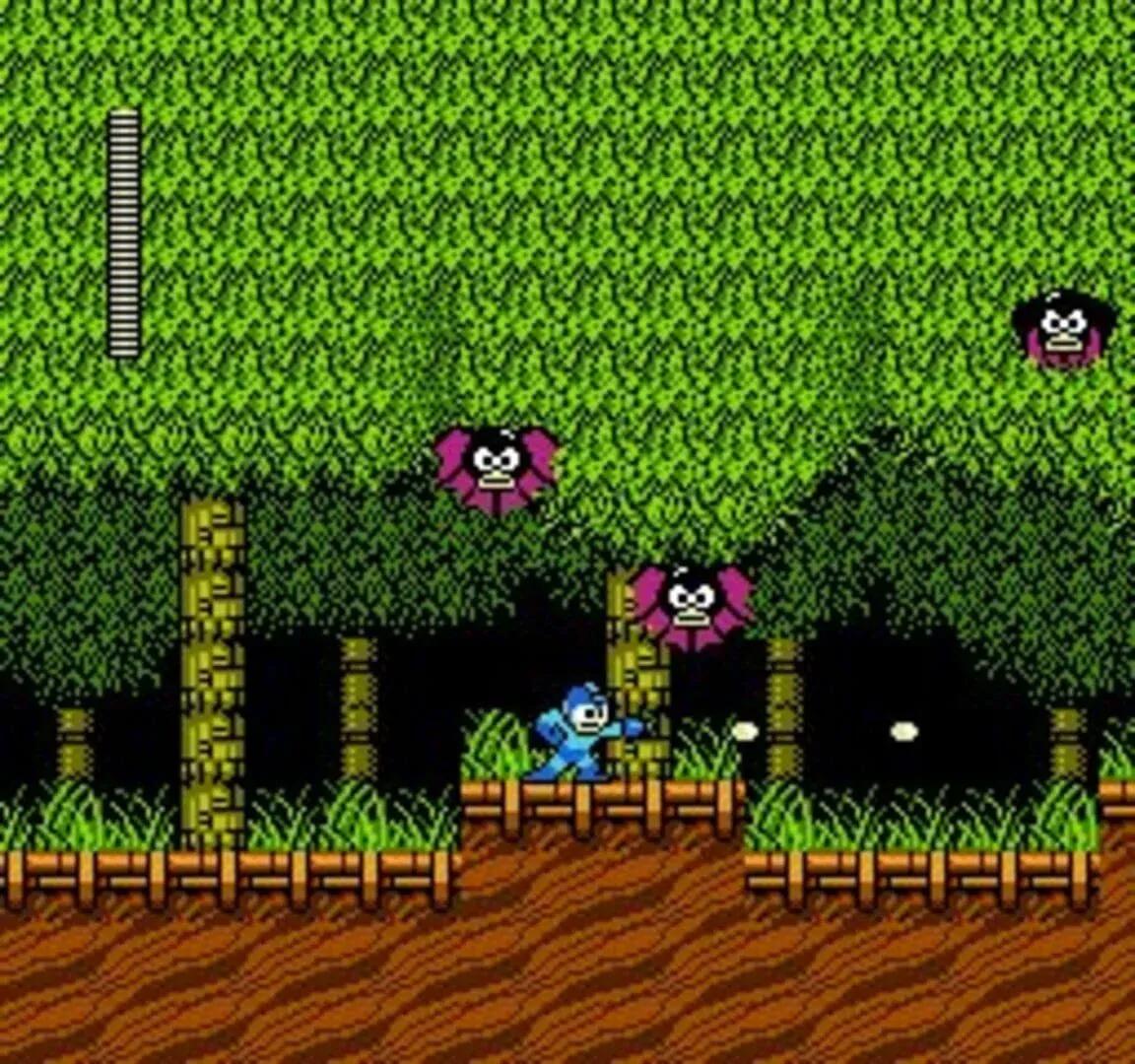
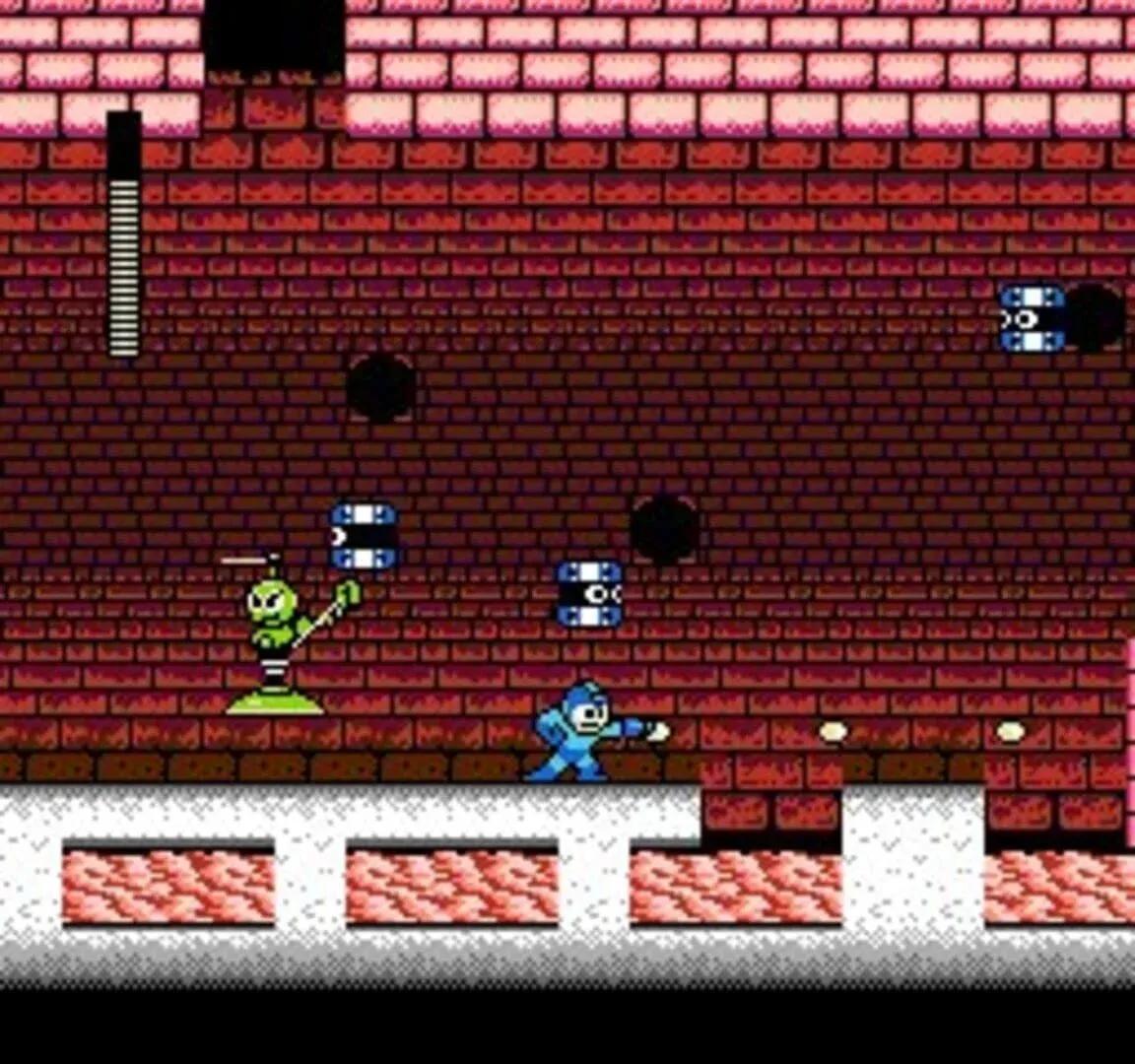
For a Famicom title released in 1988, Mega Man 2 pushed the hardware in ways that still register today. Each robot master's stage has a distinct color palette and aesthetic, from the volcanic reds of Heat Man's stage to the eerie blue corridors of Bubble Man's underwater world. The sprite work is clean, and the animation, limited as it is by the hardware, communicates weight and momentum effectively.
Mega Man 2 content image
The soundtrack is the real story. Composed by Takashi Tateishi, the Mega Man 2 OST is one of the most recognized in gaming history. Wily Stage 1 alone has appeared in countless tribute albums, remix compilations, and live orchestra performances. The chiptune compositions carry genuine emotional range, cycling from tense and propulsive in the robot master stages to something almost melancholy in the Wily Castle sequences.
Impact and legacy
Mega Man 2 sold over 1.5 million copies in Japan and North America combined, making it the best-selling entry in the original Mega Man series. That commercial success gave Capcom the confidence to build out the franchise across multiple platforms and spinoffs, from Mega Man X to the Battle Network series. The design philosophy established here, non-linear boss selection, weapon inheritance, and difficulty balanced around discovery rather than brute force, influenced an entire generation of action-platformer developers.
The PC port brings the game to a new platform without fundamentally altering what it is. Mega Man 2 remains one of the tightest action-platformers ever made, a game where every death teaches you something and every cleared stage feels earned. Its 8-bit roots are visible in every pixel, and that's precisely the point.